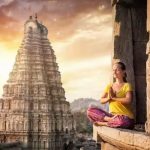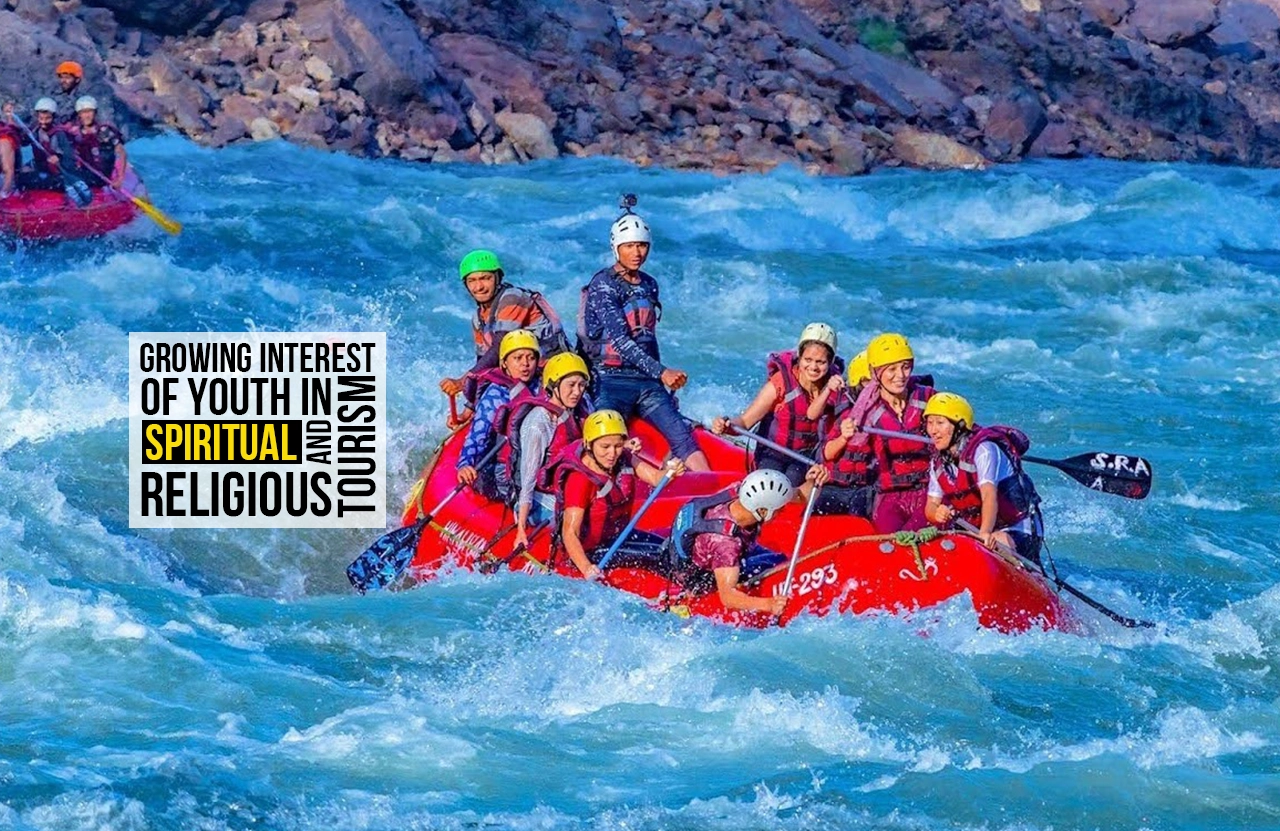
Spiritual and religious tourism has typically been associated with older people going on pilgrimages for faith, rituals, or relaxing trips during retirement. Recently, this trend has shifted. More young people are now taking part in spiritual journeys and pilgrimage trips. Millennials and Generation-Z travelers are exploring destinations like Varanasi, Rishikesh, Kedarnath, Tirupati, Bodh Gaya, and Amritsar.
They are drawn not only by spiritual reasons but also by personal growth, cultural experiences, and mental well-being. India’s spiritual tourism industry is large and growing quickly. Research shows that in 2022, over 1.43 billion domestic travelers visited religious sites in India, a sharp increase from the 677 million visits recorded in 2021.
Religious tourism now makes up about 60% of domestic travel in India, marking it as one of the country’s key tourism sectors. This rise comes with a shift in demographics. Recent studies and travel blogs indicate that young tourists aged 18 to 35 are increasingly seeking spiritual experiences, particularly in historic cities like Varanasi.
Evidence of Youth Engagement
Tourism statistics and travel sector analyses show the strong impact of younger tourists on spiritual tourism. In 2022, India recorded 1.43 billion domestic visits for pilgrimage, marking substantial growth in religious tourism. Spiritual tourism is projected to become a USD 441 billion market by 2032, highlighting its economic importance. Travel platforms report a 19% increase in lodging reservations in major pilgrimage cities for 2024, reflecting greater interest in spiritual tourism.
Major spiritual events are attracting younger audiences; for instance, studies indicate that nearly half of the attendees at large gatherings like the Maha Kumbh are under 30 years old. This shift suggests that spiritual tourism is evolving from a traditional pilgrimage into a broader trend in cultural and experiential travel.
Why Youth Interest in Spiritual Tourism Is Growing
Exploration of Purpose and Psychological Health
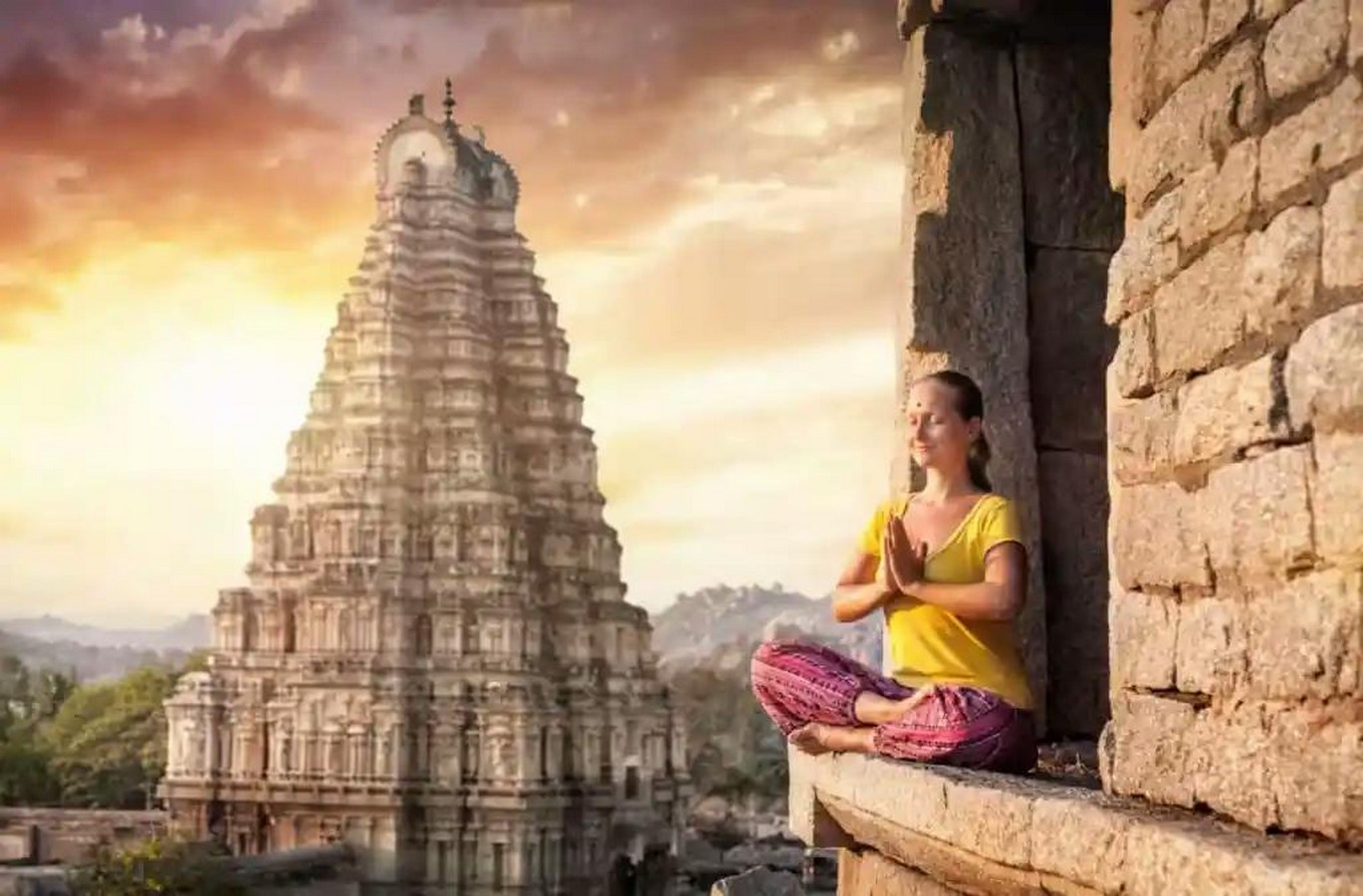
Young people today face increasing pressures from fast lifestyles, the influence of social media, and work-related stress. As a result, many individuals seek environments that encourage reflection, mindfulness, and emotional balance. Spiritual sites often offer peaceful settings that support reflection, rituals, and meditation. Travel habits after the pandemic have especially focused on wellness and emotional renewal, leading many young travelers to visit sacred cities in search of inner peace.
The emergence of “Shrinecations”
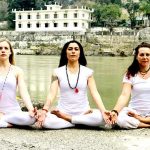
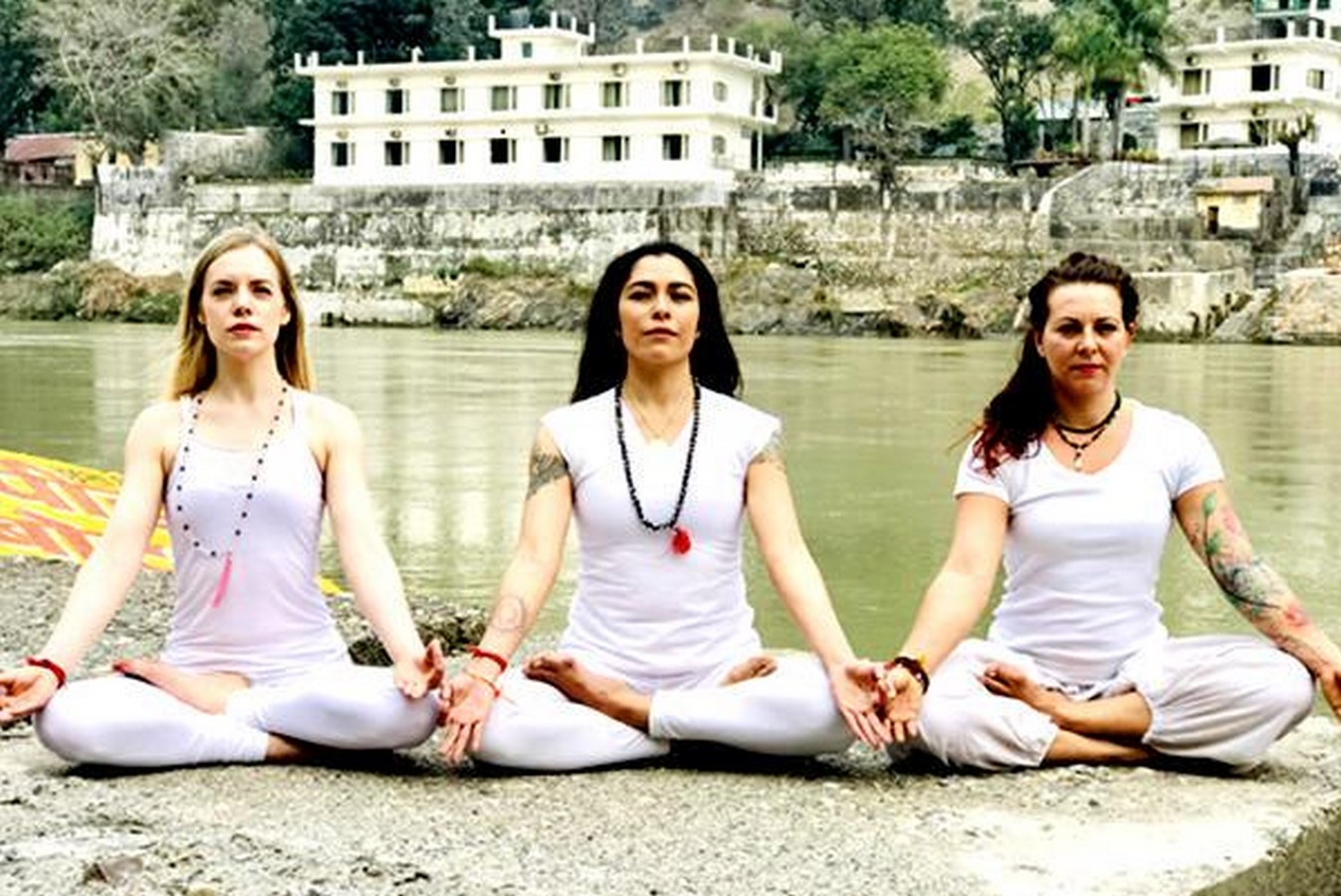
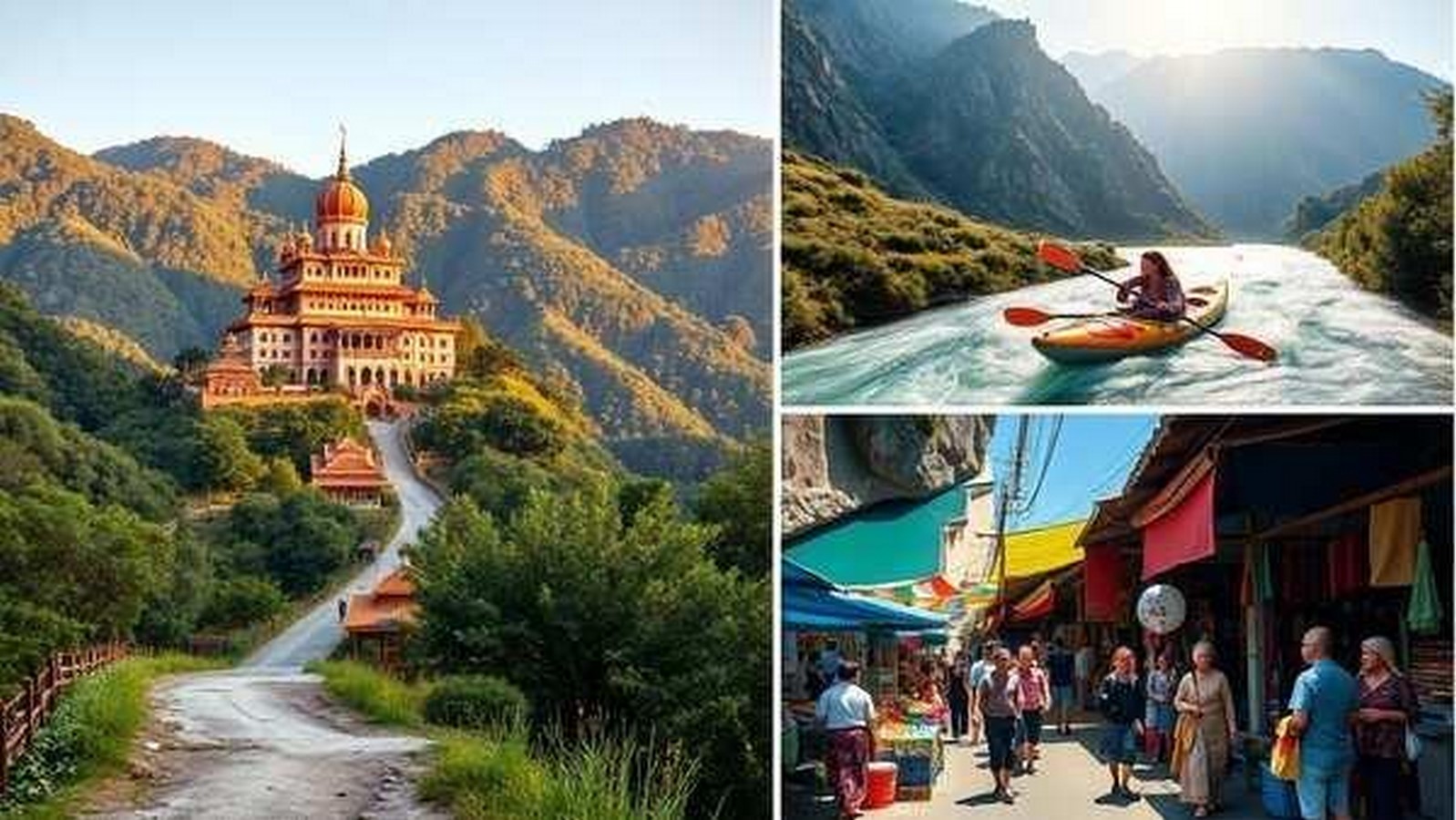
A new travel trend called “shrinecations” combines pilgrimage and leisure tourism. Young travelers often mix spiritual trips with activities like yoga retreats, hiking, cultural experiences, and photography. Places like Rishikesh are good examples of this combined tourism approach. They offer yoga schools, river rafting, meditation centers, and spiritual education programs. This mix makes spiritual journeys appealing to younger generations looking for adventure and cultural depth.

Impact of Social Media
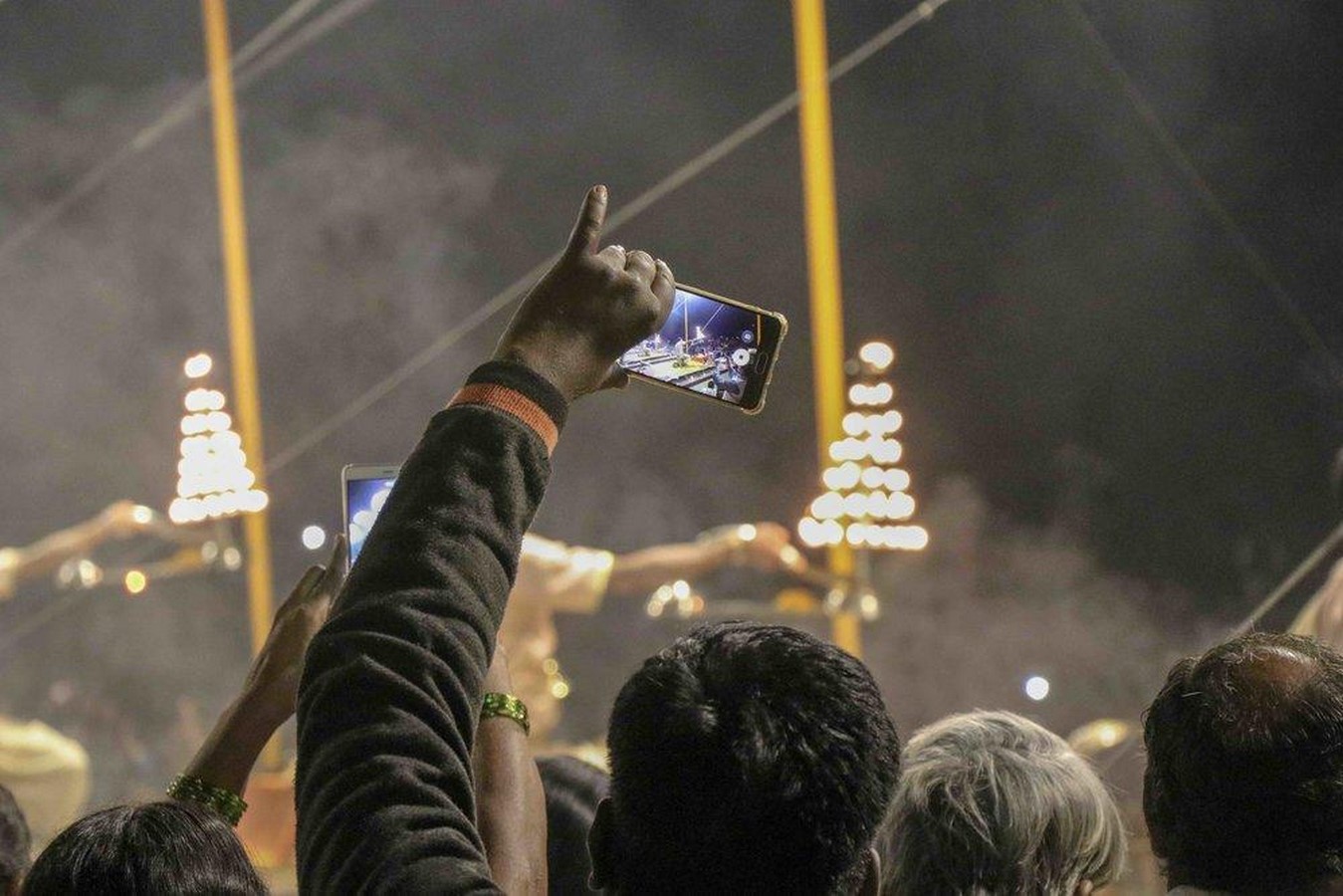
Social media has changed holy sites into global cultural attractions. Events like the Ganga Aarti in Varanasi, the Golden Temple in Amritsar, and the Kedarnath temples in the Himalayas are widely shared online. These online images encourage young travelers to visit these places for both spiritual reasons and cultural experiences.
Improved Infrastructure and Government Initiatives
Government programs have significantly increased access to pilgrimage sites. The PRASAD (Pilgrimage Rejuvenation and Spiritual Augmentation Drive) initiative, introduced by the Ministry of Tourism, aims to improve pilgrimage locations through better infrastructure, public facilities, and sustainable development. Initiatives include:
– the Kashi Vishwanath Passage in Varanasi
– better road access to the Char Dham pilgrimage
– reconstruction of sacred towns like Ayodhya and Kedarnath
These efforts have made these locations more accessible and attractive to younger tourists.
Architectural and Urban Design Viewpoints
Infrastructure for Pilgrimage and Spatial Planning
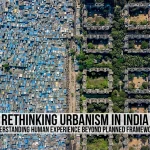
The increase in visitors, especially young people, has altered the architectural design of pilgrimage towns. Holy cities must now welcome millions of pilgrims each year while preserving ritual practices and cultural heritage.
Examples include:
Tirupati Temple Complex: Designed with large queue systems, waiting areas, and pathways to handle big crowds.
Kashi Vishwanath Corridor: An important urban design project that connects the temple to the Ganga ghats through wide pedestrian walkways and squares. These projects show how religious architecture and urban planning come together.
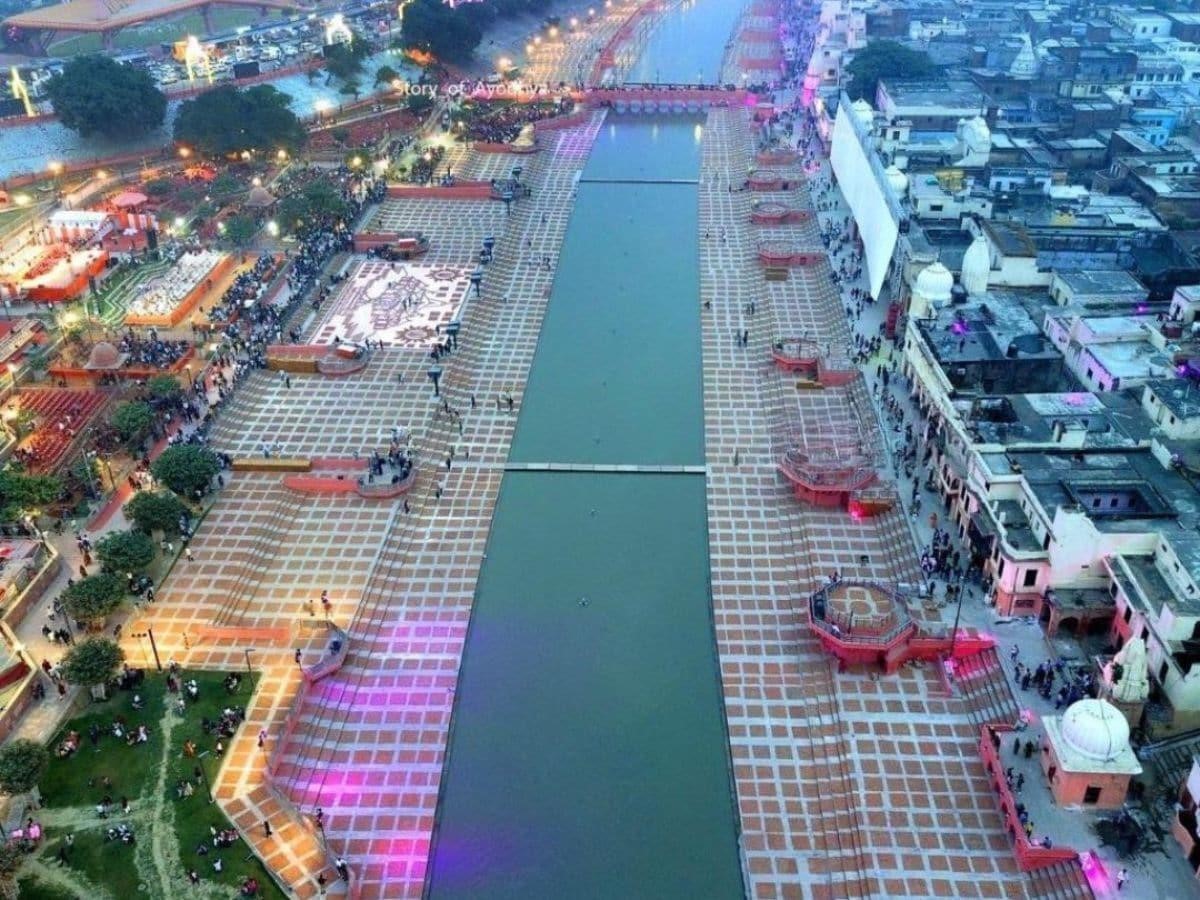
Designing Public Spaces in Sacred Cities
Today, preparing for a pilgrimage focuses on the importance of public spaces. Walkways along rivers, squares by temples, pedestrian streets, and cultural paths enhance the visitor experience while upholding religious traditions. For instance, the renovation of the Varanasi ghats and the creation of walkable paths have transformed the city into a welcoming cultural setting rather than merely a destination for pilgrims.
Handling Fluctuations in Seasonal Population
Holy sites often experience major changes in visitor numbers throughout the seasons. Urban planners need to set up systems that can handle temporary population spikes.
Tactics include:
– systems for managing crowd flow
– temporary facilities during celebrations
– improved transportation systems
– waste management and sanitation services
This kind of planning ensures that pilgrimage tourism remains safe and sustainable.
Economic and Urban Development Impacts
The growth of spiritual tourism is changing local economies.
Cities like Varanasi, Ayodhya, and Tirupati have seen an increase in: – hotels and homestays – restaurants and cultural markets
– transport services
– handicraft industries Major religious events, like the Maha Kumbh in Prayagraj, bring in hundreds of millions of visitors.
These events are among the largest gatherings in the world and create significant economic activity. Spiritual tourism serves as a driver for regional development.
The growing interest among young people in spiritual and religious tourism reflects a major cultural shift. For younger generations, pilgrimage has changed from a simple duty into a journey of self-discovery, cultural participation, and experiential travel. From an architectural and urban planning perspective, this trend is transforming sacred cities into complex cultural spaces that combine heritage preservation, modern infrastructure, and sustainable tourism development.
Projects like the Kashi Vishwanath Corridor and improved pilgrimage facilities show how religious sites are adjusting to current needs. Ultimately, the rise in youth involvement indicates that spirituality remains very important in today’s society. Sacred places still provide meaning, identity, and community, keeping pilgrimage cities vibrant as essential centers of cultural and urban life.
Reference:
- Ministry of Tourism, Government of India. (2025). Annual Report 2024–25.
Retrieved from: https://tourism.gov.in/sites/default/files/2025-02/Ministry%20of%20Tourism%20Annual%20Report_2024-25_ENGLISH_0.pdf - India Brand Equity Foundation (IBEF). (2023). Spiritual Tourism in India: Analysing Economic Impact and Growth Potential.
Retrieved from: https://www.ibef.org/research/case-study/spiritual-tourism-in-india-analysing-economic-impact-and-growth-potential - Nair, M. V. (2024). Spiritual Tourism – A Roadmap Towards Viksit Bharat Through the PRASAD Scheme.
Retrieved from: https://www.gapbodhitaru.org/res/articles/%28463-467%29%20SPIRITUAL%20TOURISM%20-%20A%20ROADMAP%20TOWARDS%20VIKSIT%20BHARAT%20THROUGH%20THE%20PRASAD%20SCHEME.pdf - Ministry of Tourism, Government of India. (n.d.). PRASAD Scheme (Pilgrimage Rejuvenation and Spiritual Augmentation Drive).
Retrieved from: https://tourism.gov.in/prashad-scheme - Press Information Bureau (PIB). (2025). Rejuvenation of Religious Sites under PRASAD Scheme.
Retrieved from: https://www.pib.gov.in/PressReleasePage.aspx?PRID=2099155 - International Journal of Social Science and Research. (2024). Spiritual Tourism: An Indian Context.
Retrieved from: https://www.ijsssr.com/j/article/download/184/166/319 - ResearchGate. (2025). Spiritual Tourism in India.
Retrieved from: https://www.researchgate.net/publication/394857592_SPIRITUAL_TOURISM_IN_INDIA - Government of India Data Portal. (2025). PRASAD Scheme Funding and Development Data.
Retrieved from: https://www.data.gov.in/resource/year-wise-details-fund-allocated-and-spent-under-pilgrimage-rejuvenation-and-spiritual - Swadesh Darshan Scheme. (2025). Tourism Development Programme, Government of India.
Retrieved from: https://en.wikipedia.org/wiki/Swadesh_Darshan_Scheme - Prayag Maha Kumbh Mela. (2025). Attendance and Urban Scale Data.
Retrieved from: https://en.wikipedia.org/wiki/2025_Prayag_Maha_Kumbh_Mela