Prologue: The Limits of Representation
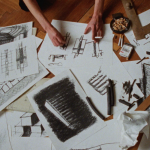
One day, you decide to study architecture. You learn to draw plans, sections, and axonometrics; to make models; to understand structure, materials, and composition. Yet, something feels incomplete in much of what you read and produce.
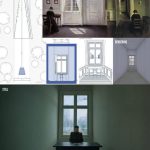
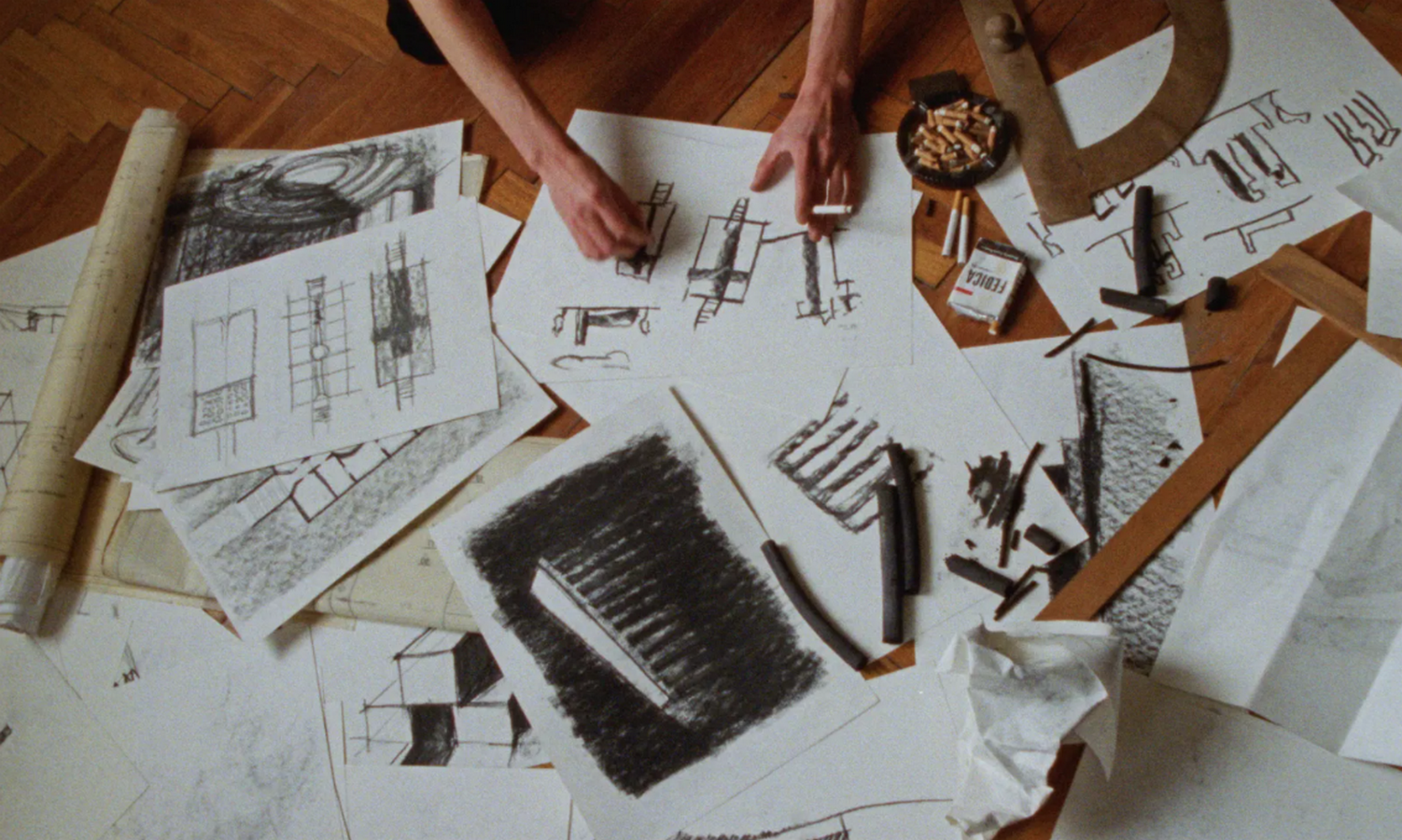
You begin to notice that architecture relies on highly sophisticated systems of notation, elevations, perspectives, diagrams, but none of them fully capture what space actually is. They do not speak of sound, smell, touch, or the movement of bodies through space.
As Bernard Tschumi posited, “The limits of my language are the limits of my world.”
What, then, lies beyond these limits?
Cinema offers another way of seeing. It does not represent space as a Static/fixed object but constructs it as an unfolding experience. We move through films not as passive viewers, but as participants. We imagine ourselves within their worlds, navigating spaces shaped as much by atmosphere as by narrative.
Every film begins with a gaze: a framing of space through the director’s lens. What unfolds is not merely a story, but a transformation of space into experience. Through light, shadow, sound, and time, cinema constructs worlds that extend beyond their physical boundaries, bringing distant geographies, cultures, and landscapes into an intimate field of perception.
As Tarkovsky once said, “Cinema is sculpting in time.” Architecture, then, might be sculpting in space and between them lies a poetic intersection, where movement meets stillness, and form becomes emotion. This article traces the convergence of the cinematic architectures that shape how we see, feel, and imagine the world.
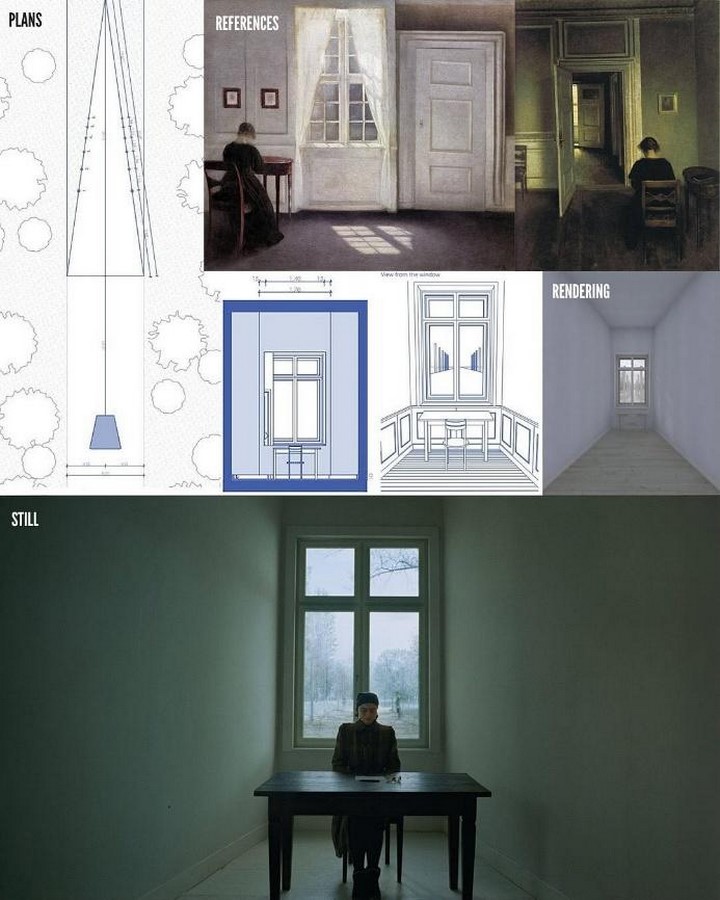
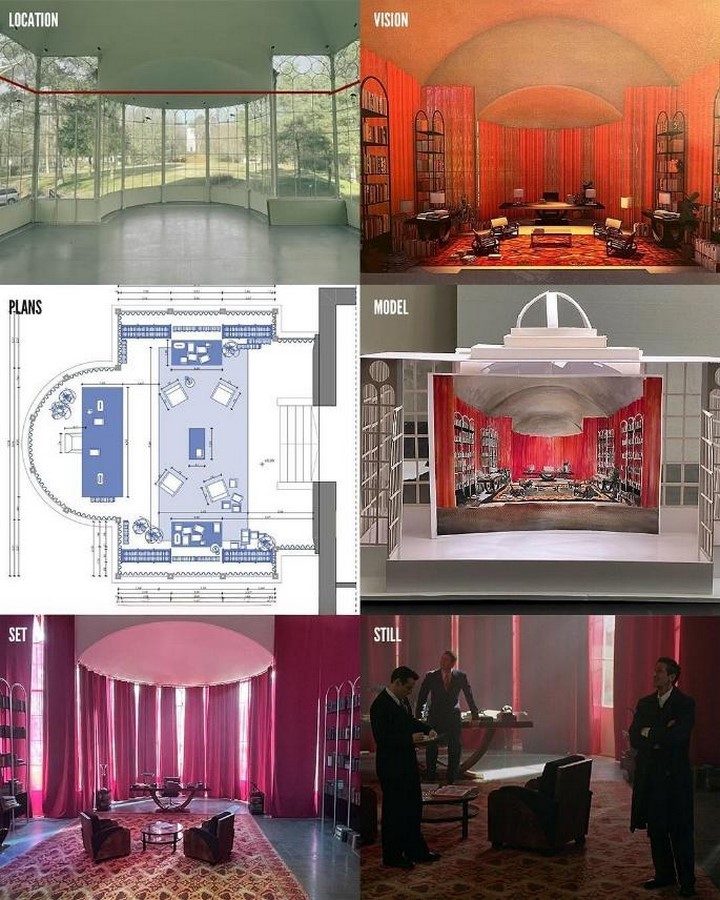
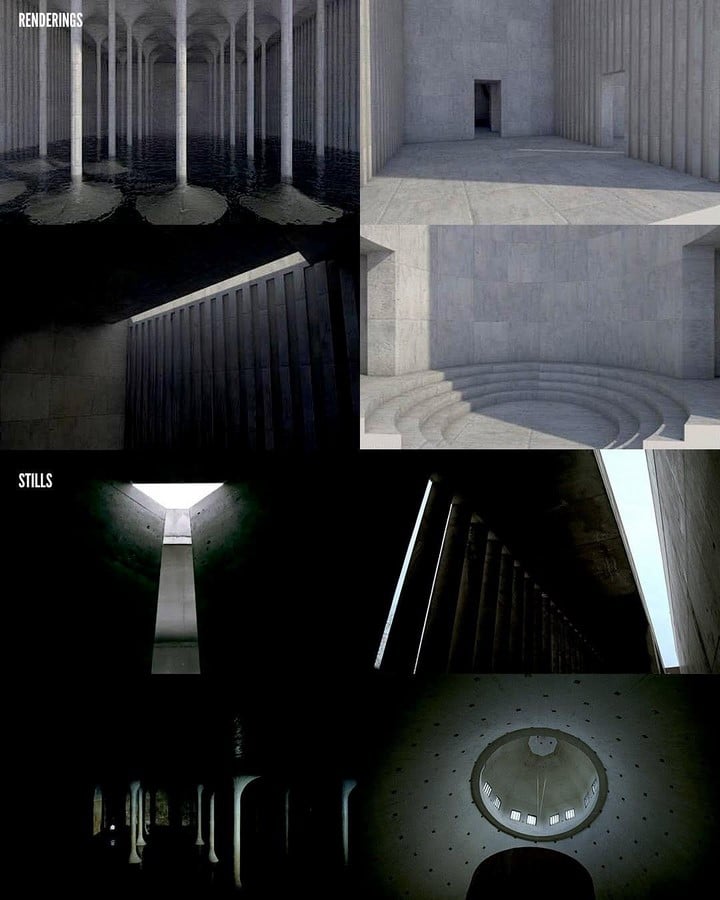
Architecture and cinema share a primal kinship: both are spatial practices that construct how we inhabit the world. In the cinematic realm, architecture ceases to be a backdrop and becomes a protagonist.
Fields of Lived Atmospheres/Memories
What if the setting was never “curated,” but allowed to secrete its own lived reality? In these cinematic landscapes, atmosphere is a thickened, visceral substance where the distinction between subject and setting dissolves into a continuous spatial field. Narrative here is an emergence, a slow distillation of the STORY’s own genius loci. The context becomes the spine, a structural armature upon which the collective memory of the place is hung, dictating how space is inhabited, felt, and ultimately, etched into the psyche.
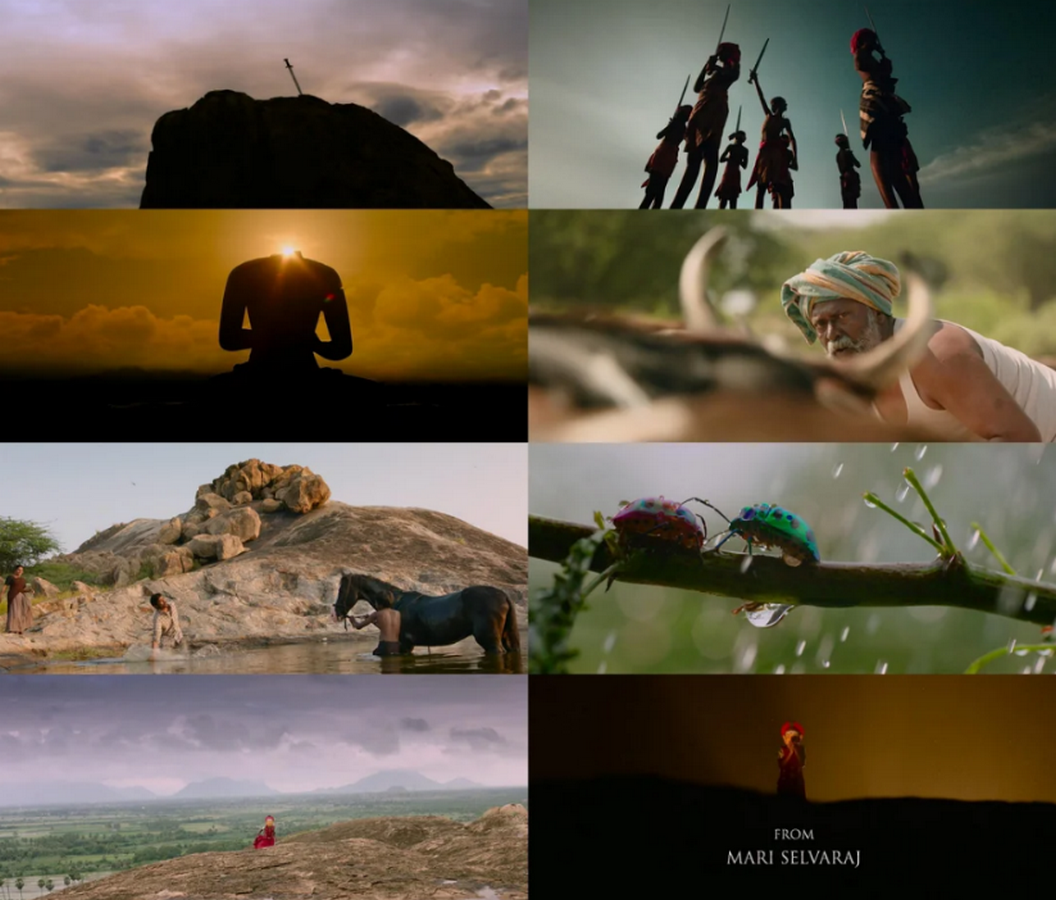
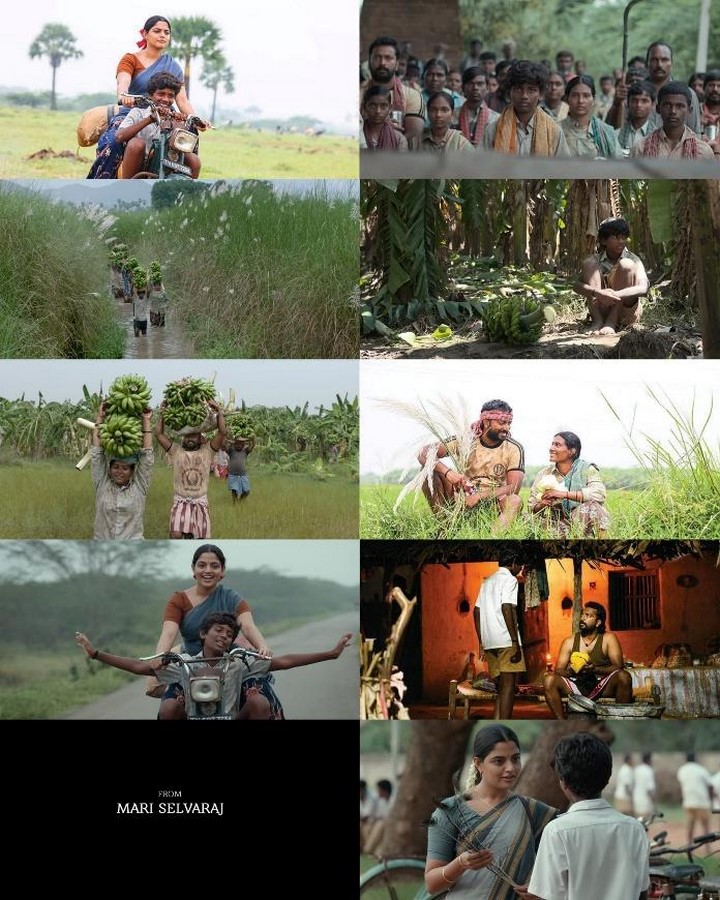
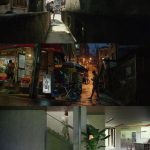
In the frames of Mari Selvaraj and Vetrimaaran, architecture is an act of accumulation, raw and mundane rather than an imposition of rigidity. It is a “living skin” of weathered surfaces, unresolved facades, and improvised extensions that register the heavy, rhythmic pulse of a lived fabric.
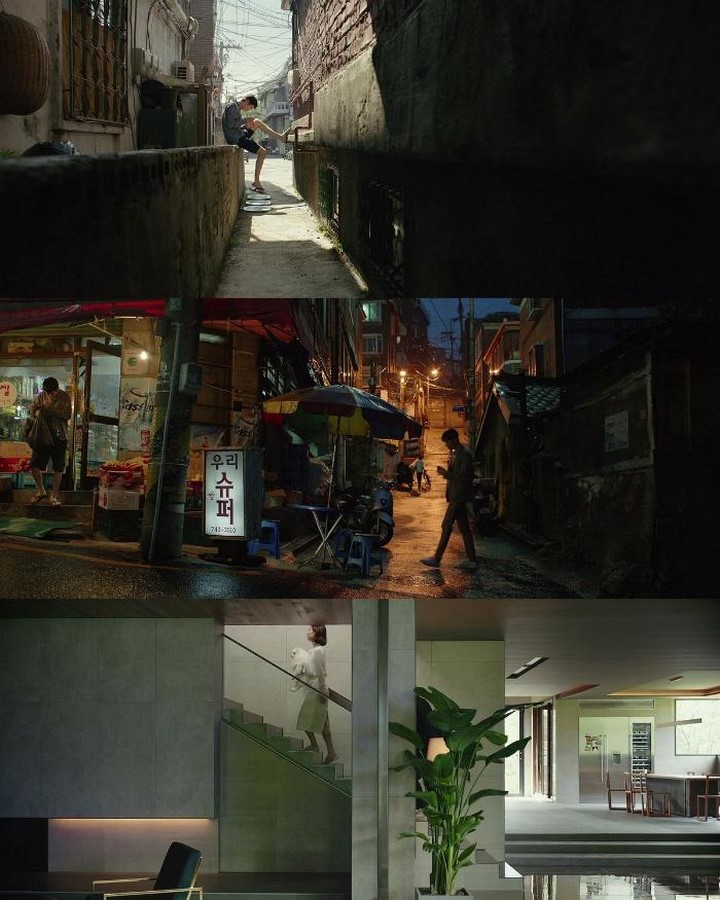
Architecture as Re-Animated Narrative of Cultural Worlds / Identity and Myth
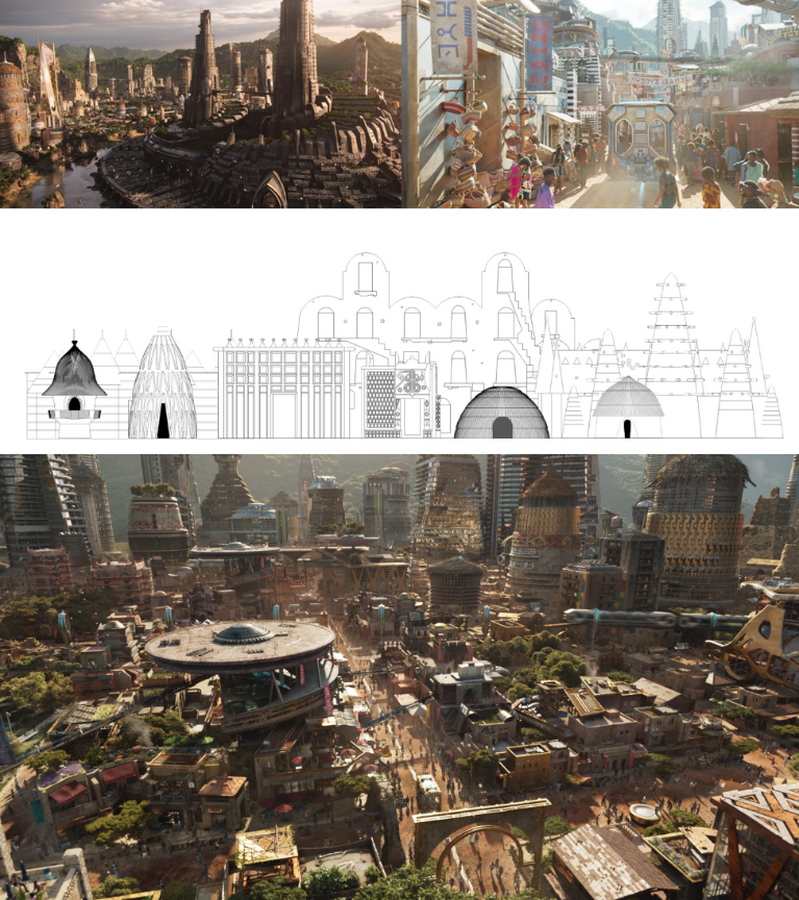
In contrast to lived environments, certain films construct space as a deliberate cultural projection, where architecture becomes a medium to articulate identity, continuity, and power. These are worlds carefully assembled, where every surface, material, and spatial order is intentional.
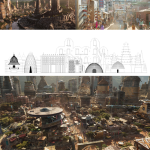
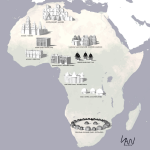
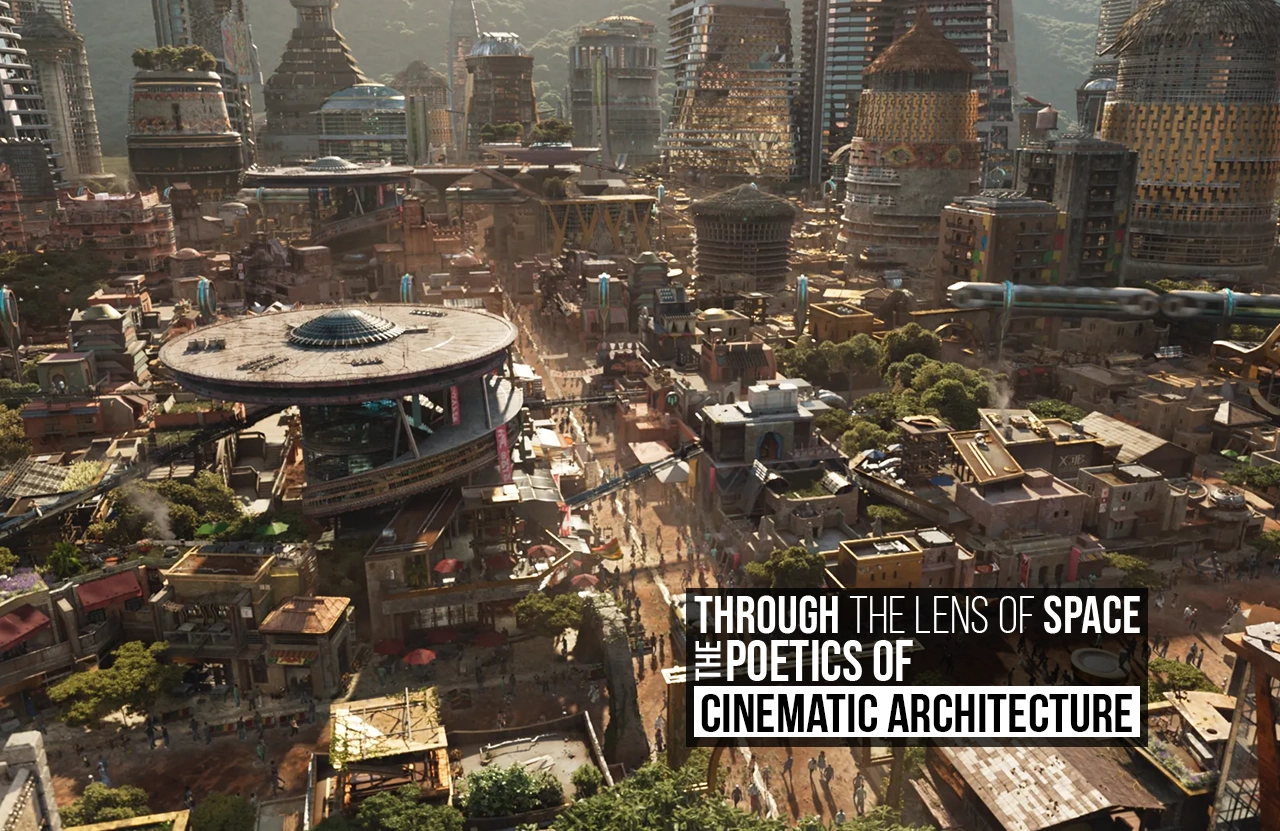
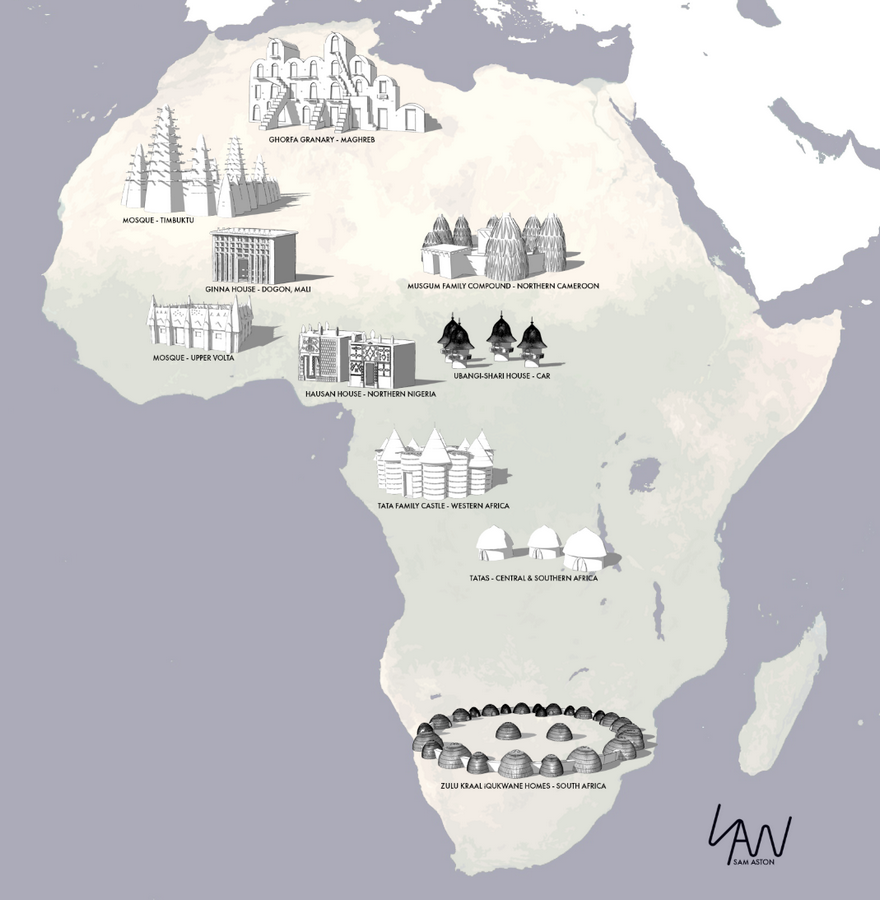
Black Panther (2018) offers a compelling instance of this condition. Wakanda is conceived as a synthesis of multiple African cultures, where fashion, ritual, landscape, and architecture are woven into a unified spatial narrative. The built environment operates as an ideogram, encoding memory, tradition, and technological advancement within a single, coherent system. Vernacular references are transformed, projecting an alternative trajectory of development where cultural identity remains intact while evolving technologically.
Form, pattern, and material become carriers of meaning, situating the individual within a larger collective identity.
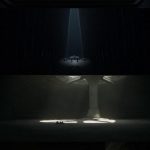
If Wakanda constructs culture as continuity, Dune Series (2021 – 2026) constructs it through power, scale, and myth. Set thousands of years into the future, its world resists the expected language of technological futurism. There are no neon excesses, no hyper-visible machinery. Instead, space is stripped back, monolithic, archaic, and enduring. The future here is not imagined as new, but as something that has already aged.
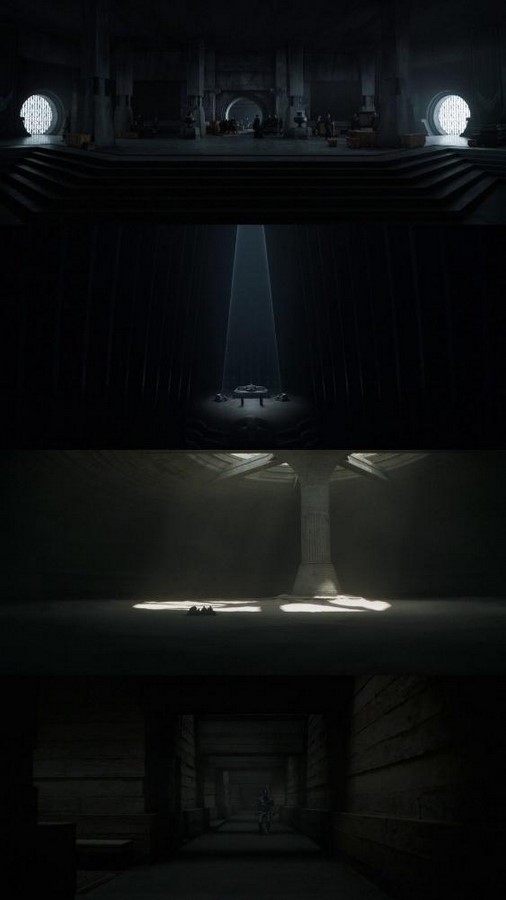
Architecture operates as a manifestation of authority. Their scale is overwhelming, reducing the human figure to insignificance. Space is calibrated to power. The ability to command land, to carve into it, to monumentalize it, becomes the primary expression of dominance.
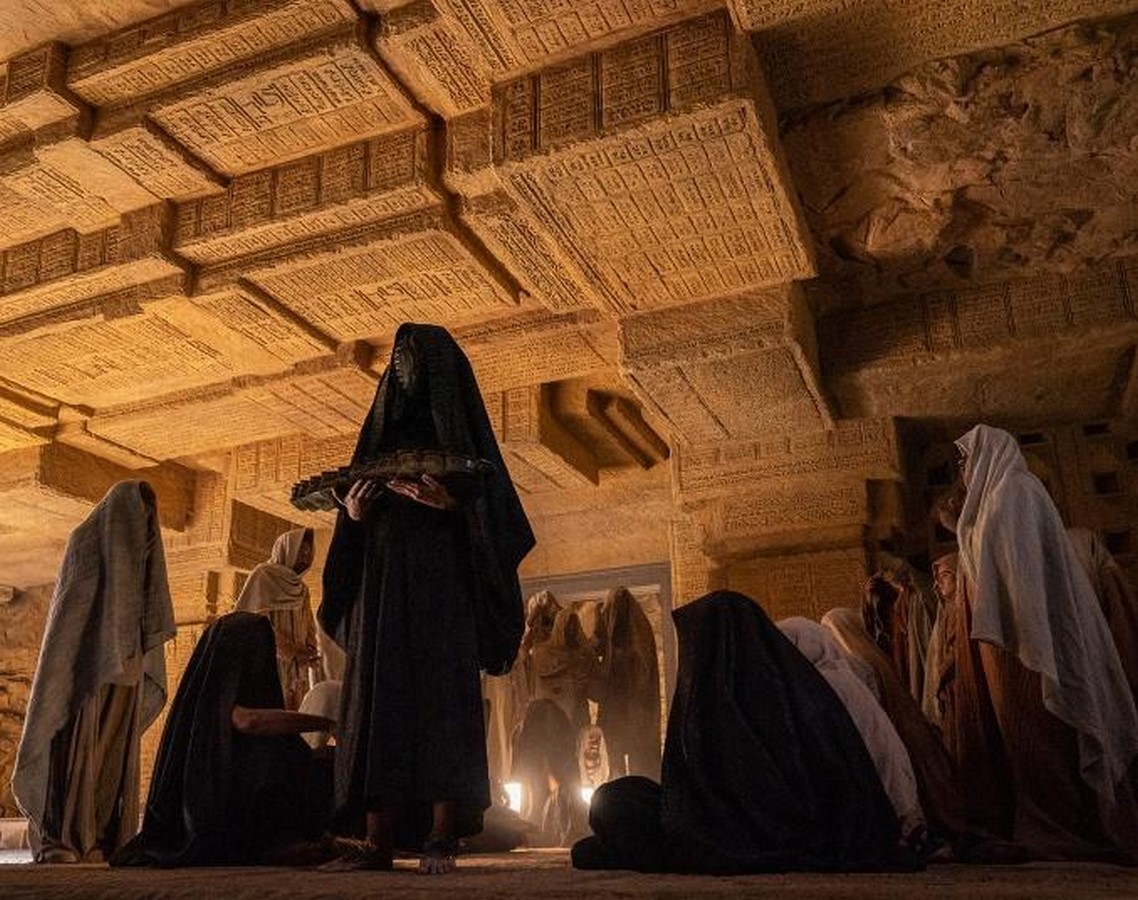
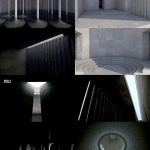
The structures of the capital are set in stark contrast to the indigenous peoples’ way of life. Living in sietches, subterranean dwellings carved into the mountains of Arrakeen, the Fremen have learned to emulate strategies found in nature to adapt to the almost unlivable conditions of their environment.
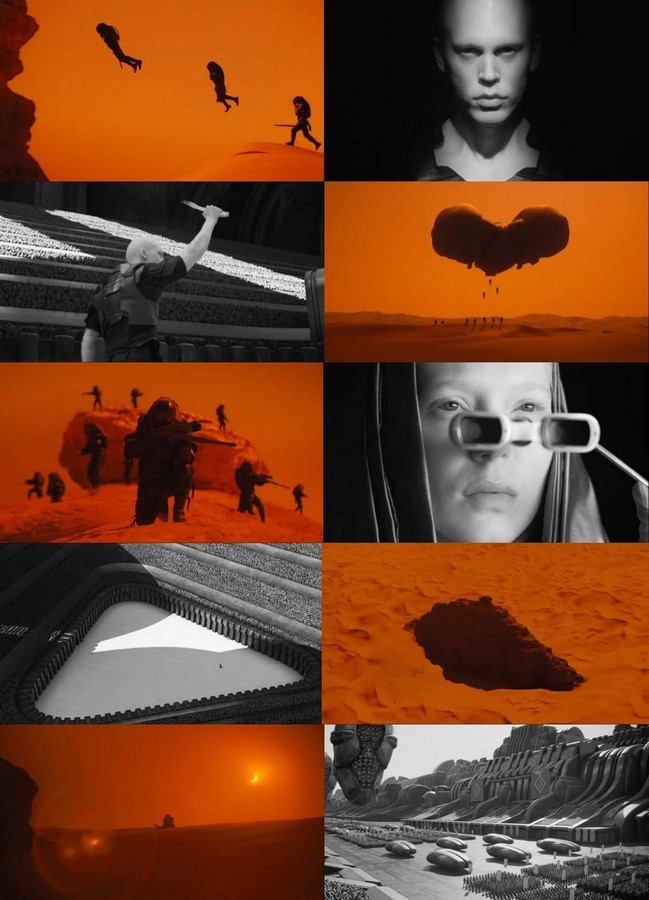
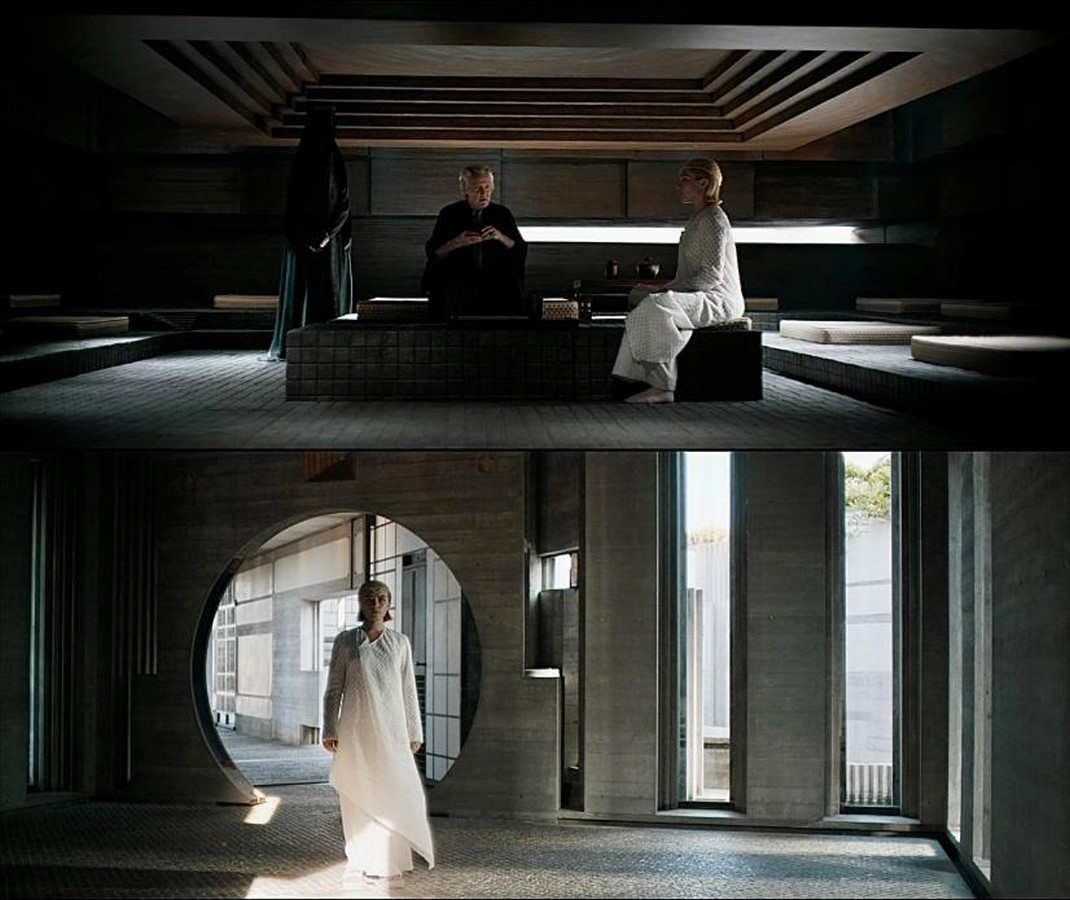
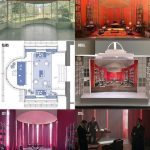
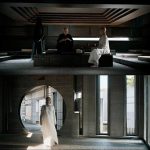
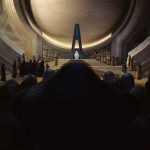
Giedi Prime serves as a symbol of the Harkonnen’s brutal rule and their relentless pursuit of power and wealth, at the expense of both the planet and its inhabitants. And in the second film, a new setting is introduced: The Imperium. Exuding grandeur and authority, its architecture blends classical elegance with futuristic innovation, symbolizing the empire’s longevity and dominance. This is the only set that used a real-world location for its architecture: Brion Tomb by Carlo Scarpa.
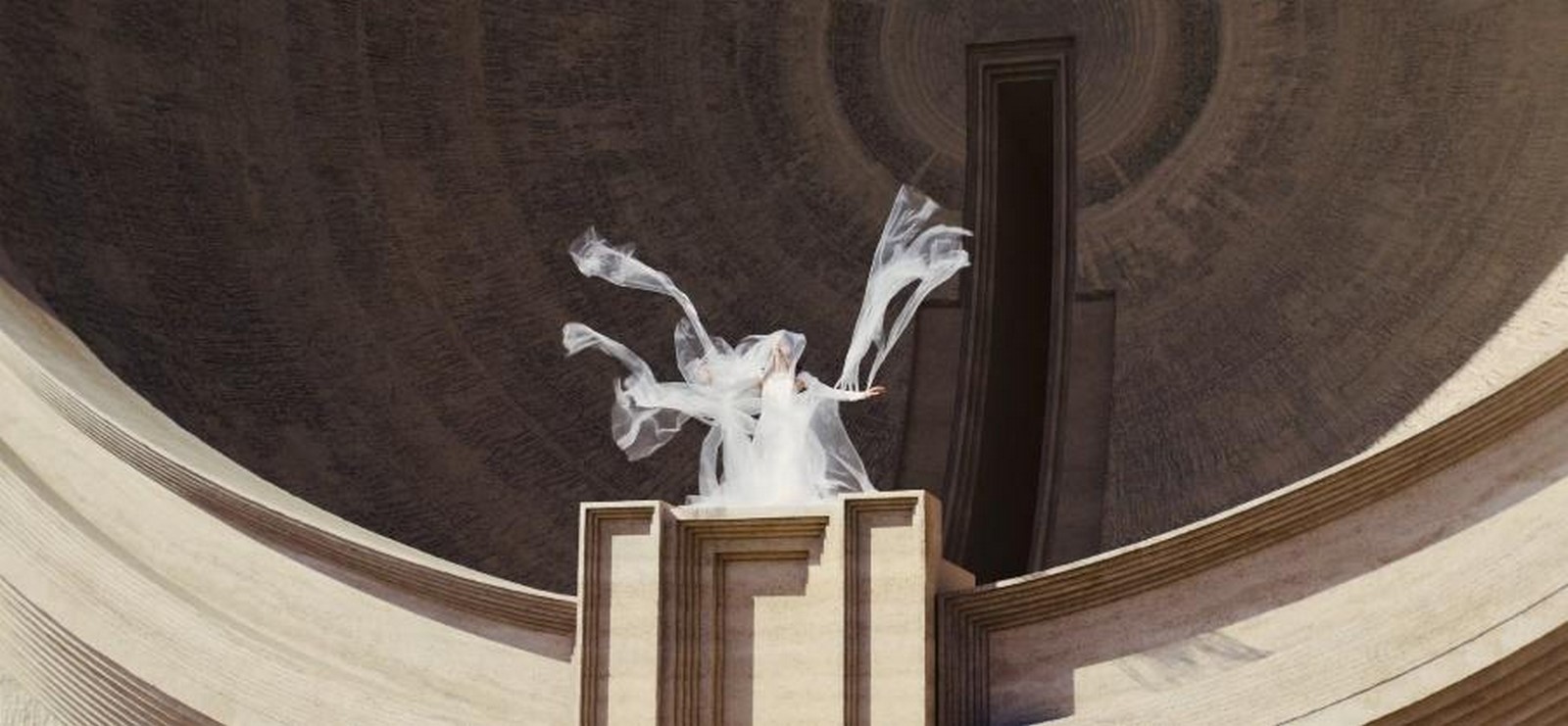
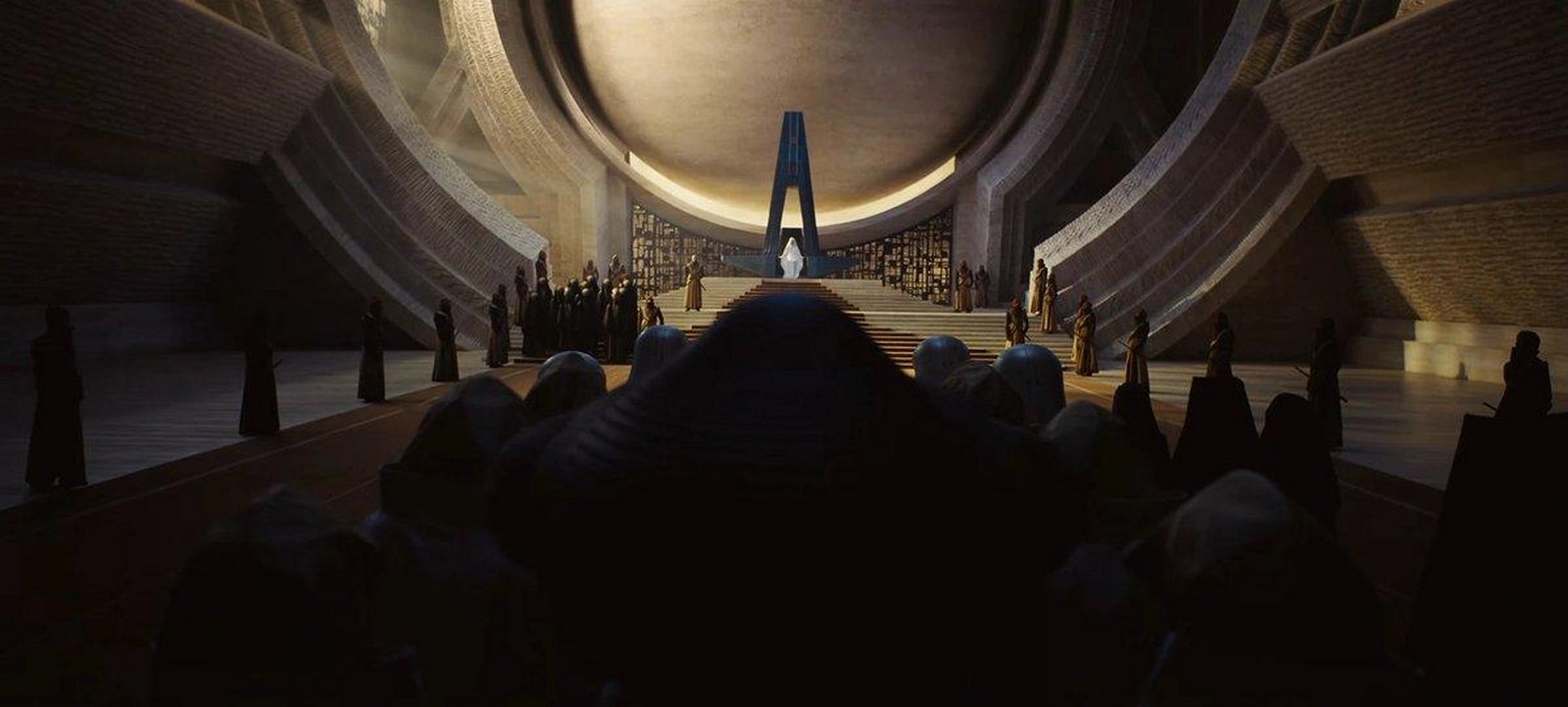
Across these worlds, Dune reanimates cultural identities through space. Architecture becomes an anchor of power, belief, and ecology. It situates the human entity within a larger order, where landscape, myth, and structure converge into a single, overwhelming presence.
The Ghost of the Grid: Metropolis and Dystopia
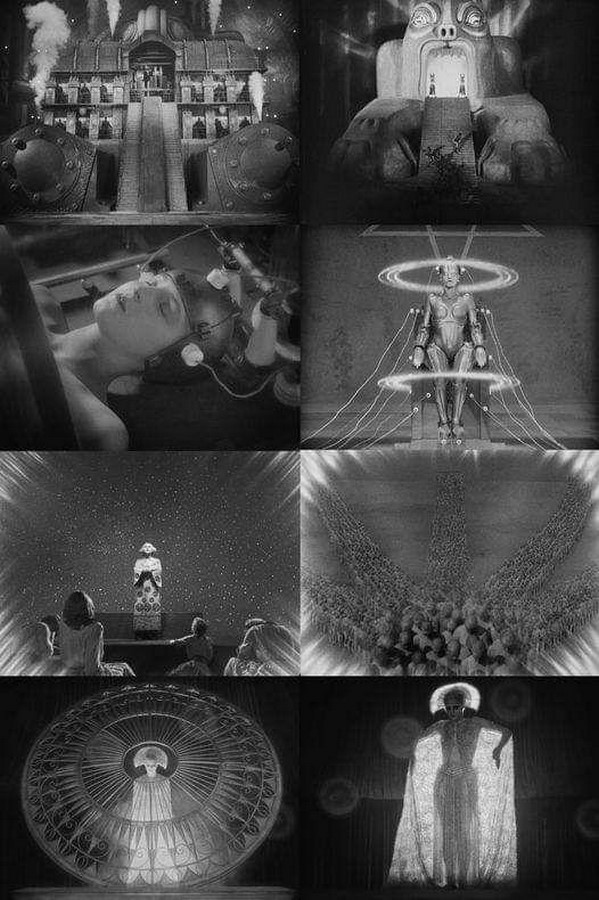
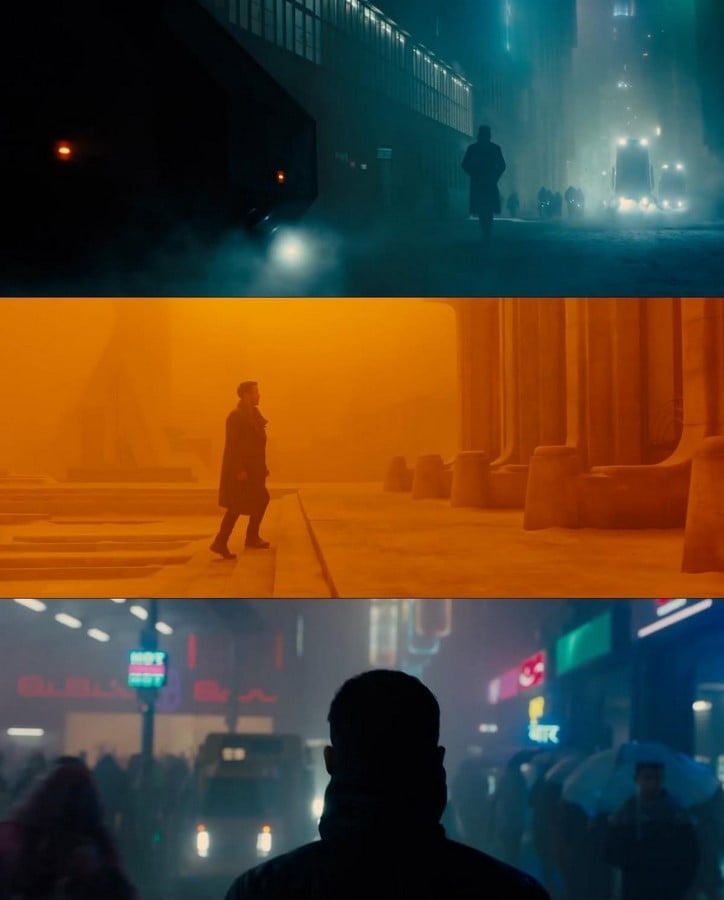
In the age of expanding digitization, automated systems, and planetary infrastructures, the imagination of the metropolis shifts from a place of habitation to a field of control. The city acts as a system, regulated, coded, and continuously reproduced. Beneath this apparent order, however, lie persistent frictions: political, ecological, and social.
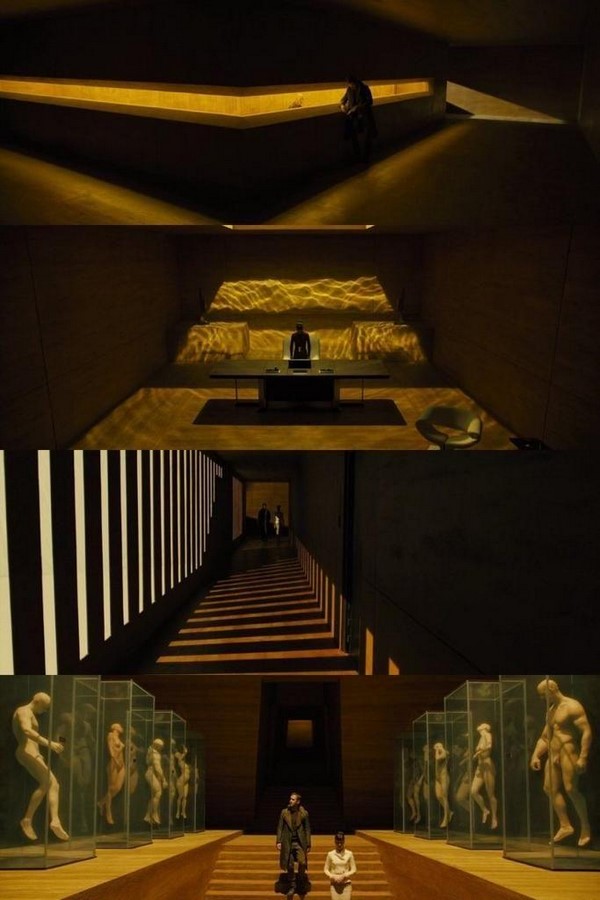
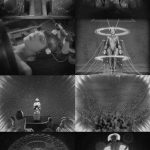
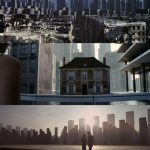
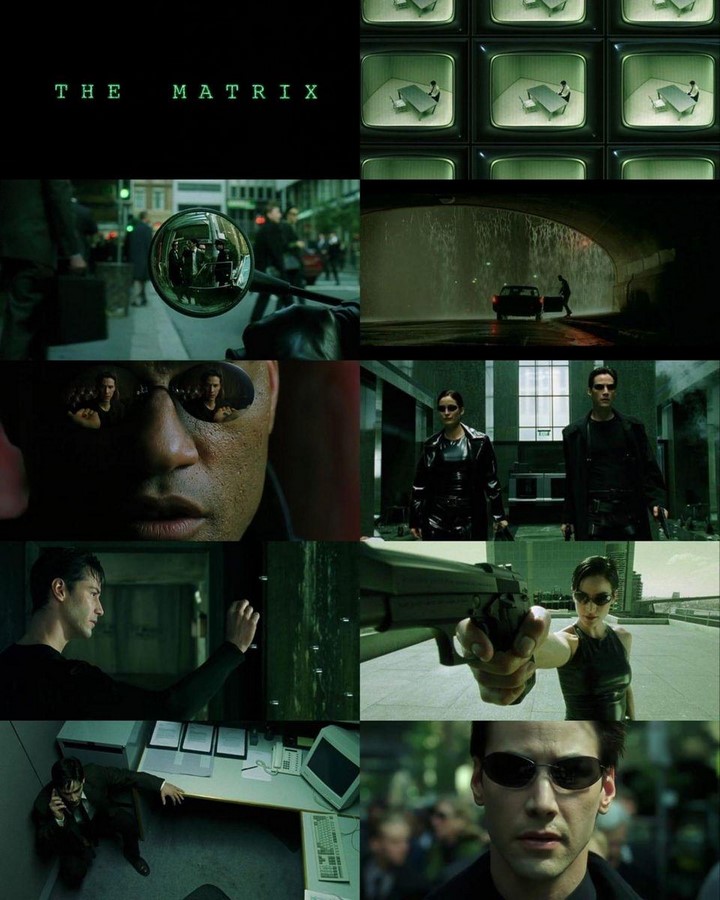
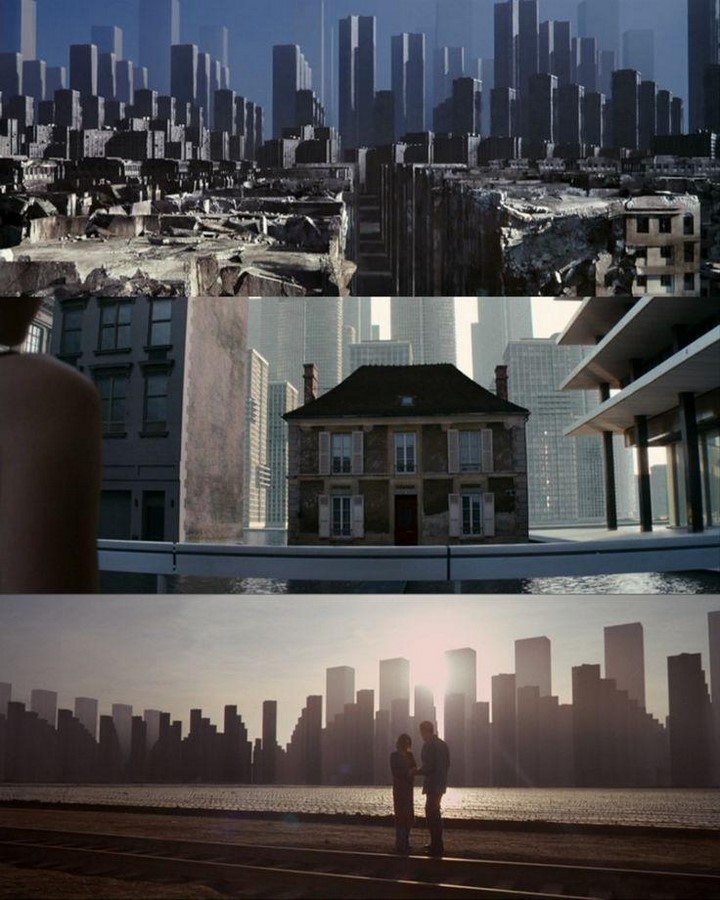
Cinema repeatedly returns to this condition through the lens of dystopian and speculative projections. Films such as Metropolis (1927), Blade Runner (1982), and The Matrix (1999), along with works like Inception (2010) and the series Severance (2022), operate within similar ideological terrains, yet articulate distinct spatial languages. What emerges is not born out as a singular future, but multiple versions of the city, each structured by control, fragmentation, and the instability of perception.
Similarly, Severance reduces the city to an interior condition, a controlled, endless office landscape. Here, space is stripped of context, repetition replaces variation, and architecture becomes a tool of psychological regulation producing a disorienting, almost claustrophobic order.
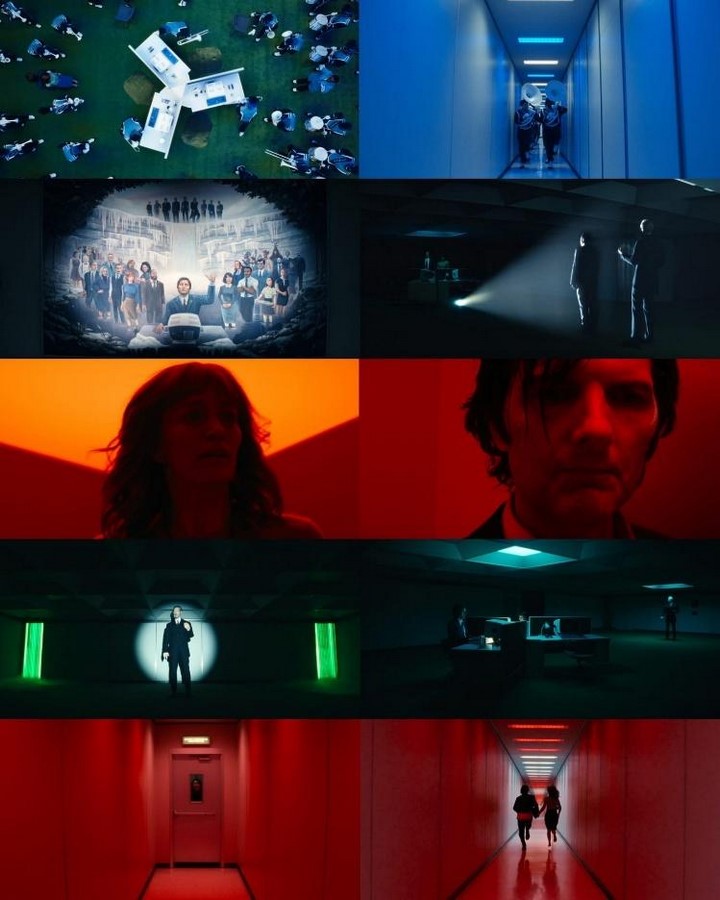
Across these works, the metropolis appears as a ghost of the grid, an underlying system that governs movement, behaviour, and perception, even when it is no longer visible. The city is coded, simulated, and controlled.
Epilogue: Towards a Spatial Imagination
Whether subaltern or monumental, cinema consistently constructs space as a sequence of experiences, never passive; it is a felt, manipulated experience.

To view film through an architectural lens is to see that the built environment is merely a starting point. Cinema expands this, turning space into a fluid, imaginative act, forever re-authored by perception, emotion, and ambiguity.
Reference:
- Pallasmaa, J. The Eyes of the Skin: Architecture and the Senses. [online]. Academy Press. Available at: https://www.archdaily.com/903524/the-eyes-of-the-skin-architecture-and-the-senses
- Tschumi, B. Architecture and Disjunction. [online]. MIT Press. Available at: https://tschumi.com/publications/architecture-and-disjunction/
- Zumthor, P. Atmospheres: Architectural Environments – Surrounding Objects. [online]. Birkhäuser. Available at: https://www.degruyter.com/document/doi/10.1515/9783035604139/html
- Cairns, G. The Architecture of the Screen: Essays in Cinematographic Space. [online]. Intellect Books. Available at: https://www.intellectbooks.com/the-architecture-of-the-screen
- Frampton, K. Studies in Tectonic Culture: The Poetics of Construction in Nineteenth and Twentieth Century Architecture. [online]. MIT Press. Available at: https://mitpress.mit.edu/9780262561495/studies-in-tectonic-culture/
- Alexander, C. A Pattern Language: Towns, Buildings, Construction. [online]. Oxford University Press. Available at: https://www.patternlanguage.com/
- Bruno, G. Atlas of Emotion: Journeys in Art, Architecture, and Film. [online]. Verso Books. Available at: https://www.versobooks.com/products/847-atlas-of-emotion
- Holl, S., Pallasmaa, J. and Pérez-Gómez, A. Questions of Perception: Phenomenology of Architecture. [online]. William Stout Publishers. Available at: https://www.wstout.com/products/questions-of-perception
- Vidler, A. The Architectural Uncanny: Essays in the Modern Unhomely. [online]. MIT Press. Available at: https://mitpress.mit.edu/9780262720182/the-architectural-uncanny/
- Shonfield, K. Walls Have Feelings: Architecture, Film and the City. [online]. Routledge. Available at: https://www.routledge.com/Walls-Have-Feelings-Architecture-Film-and-the-City/Shonfield/p/book/9780415233156
Images:
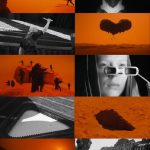
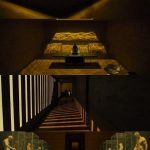
01_The Brutalist, 2024 _©Brady Corbet
02_The Brutalist, 2024 _©Brady Corbet
03_The Brutalist, 2024 _©Brady Corbet
04_The Brutalist, 2024 _©Brady Corbet
05_Frames from Karnan (2021) _©Mari Selvaraj
06_Frames from Vaazhi (2024) _©Mari Selvaraj
07_Parasite, 2019 _©Bong Joon-ho
08_Architectural Styles of Africa / Black Panther, 2018 _©Matechi
09_Architectural Styles of Africa / Black Panther, 2018 _©Matechi
10_Dune Part I, 2021 _©Denis Villeneuve
11_Dune Part II, 2024 _©Denis Villeneuve
12_Dune Part II, 2024 _©Denis Villeneuve
13_Brion Tomb By Architect Carlo Scarpa / Dune Part II, 2024 / _©Denis Villeneuve
14_Dune Part III, 2026 _©Denis Villeneuve
15_Dune Part III, 2026 _©Denis Villeneuve
16_Shots from Metropolis, 1927 / _©Fritz Lang
17_Shots from Blade Runner 2049, 2017/ _©Denis Villeneuve
18_Shots from Blade Runner 2049, 2017/ _©Denis Villeneuve
19_Shots from The Matrix, 1999 _©The Wachowskis
20_ Shots from Inception 2010 / _©Christopher Nolan
21_Severance, 2022 _©Ben Stiller
22_The Fall, 2006 _©Tarsem Singh