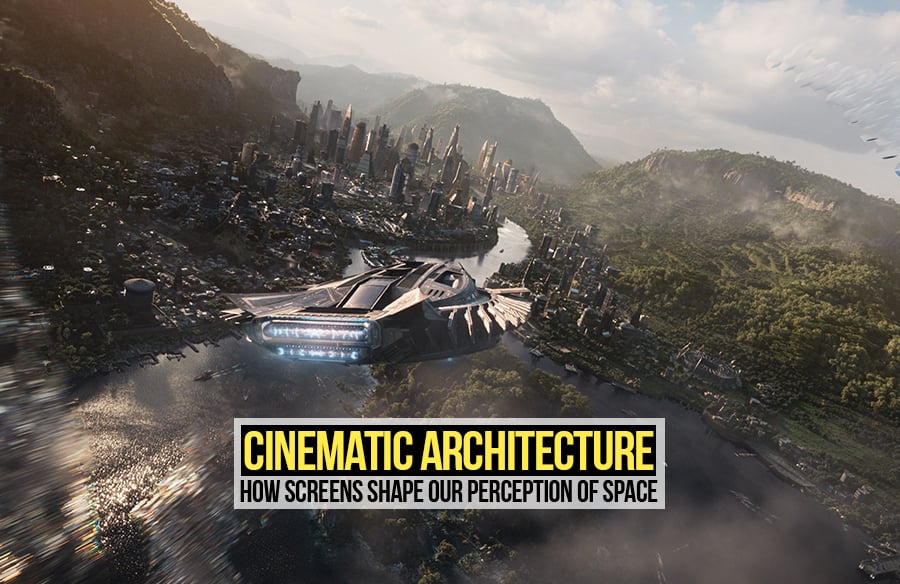
To be honest, after a long day of designing, it is thrilling to travel without leaving your space. If you’re a creative designer, architect, or artist who unwinds through films or video games, this piece is written with you in mind.
Let’s journey as we tour architecture in pixel forms.

For many designers, leisure does not always mean switching completely off architecture. Sometimes, after a long week of drawings or site visits, architects find leisure in exploring differently. A Friday night film, or a weekend spent inside a video game, can become a portal into other architectures. These are worlds constructed to be felt not just emotionally, but environmentally. And slowly, without us noticing, they alter our expectations of what a building should be, how a city might look, or even what “home” could mean. This is where the idea of cinematic architecture comes alive – the ways films, games, and digital renderings shape our perception of space, scale, and atmosphere.
Cities on the Big Screen
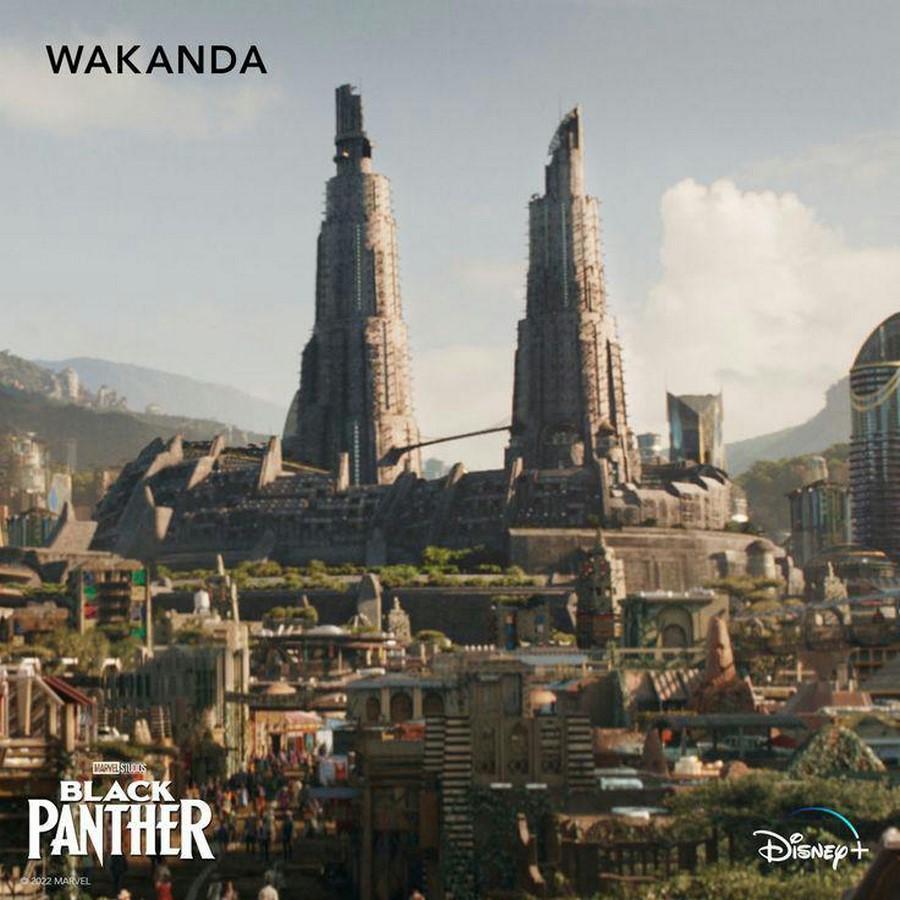
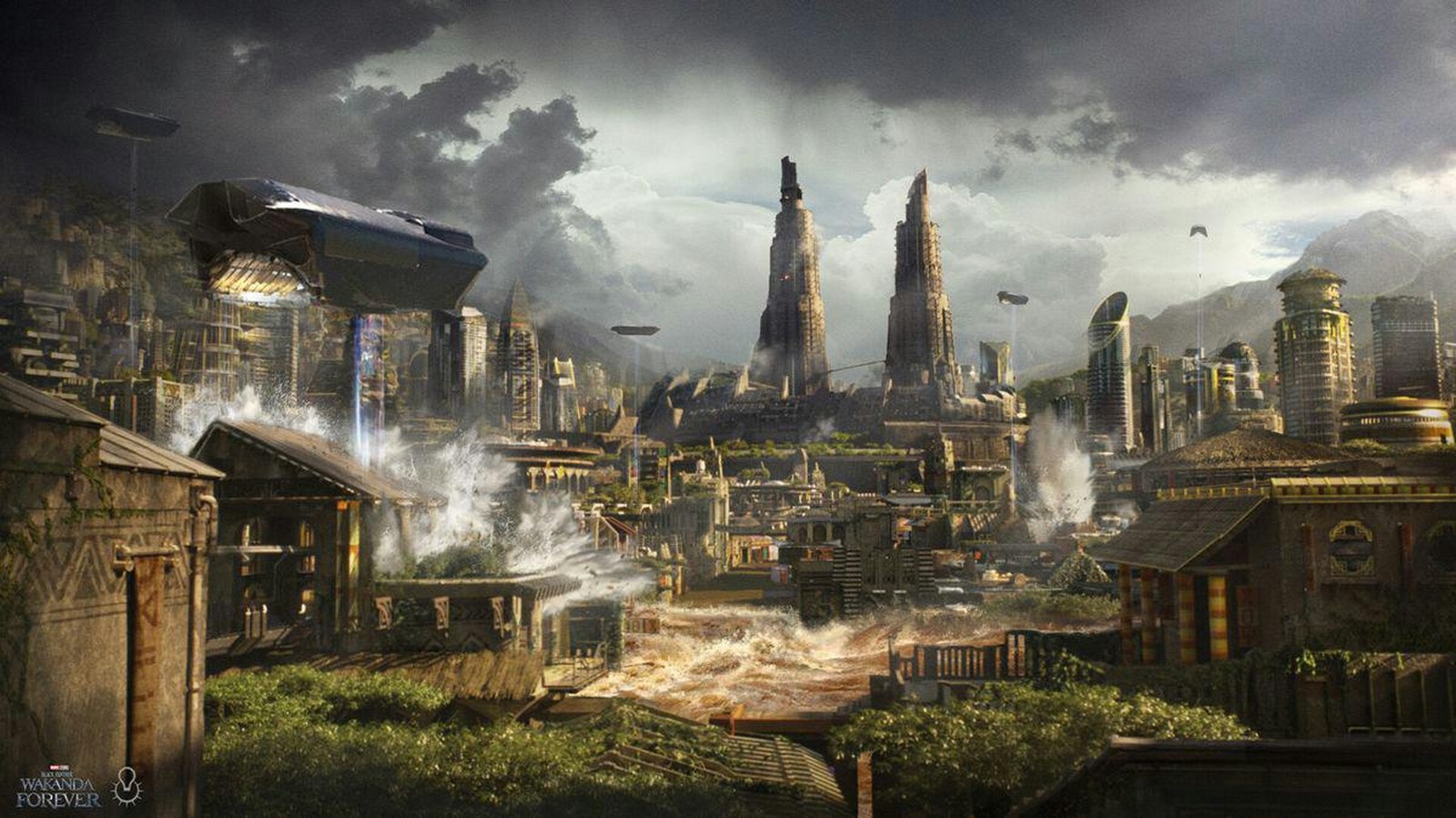
Take Black Panther (2018), for example. The film doesn’t just entertain with its superhero spectacle; it constructs Wakanda as a utopian vision that feels both futuristic and deeply rooted in African traditions. The capital city of Birnin Zana blends soaring sci-fi skylines with recognisable indigenous architectural elements like rondavels, thatched huts, and earth-toned textures. Architectural researcher Sam Williams, in a feature for Architectural Digest (2022), explains how the production drew from real African locales and design languages to build a believable world.
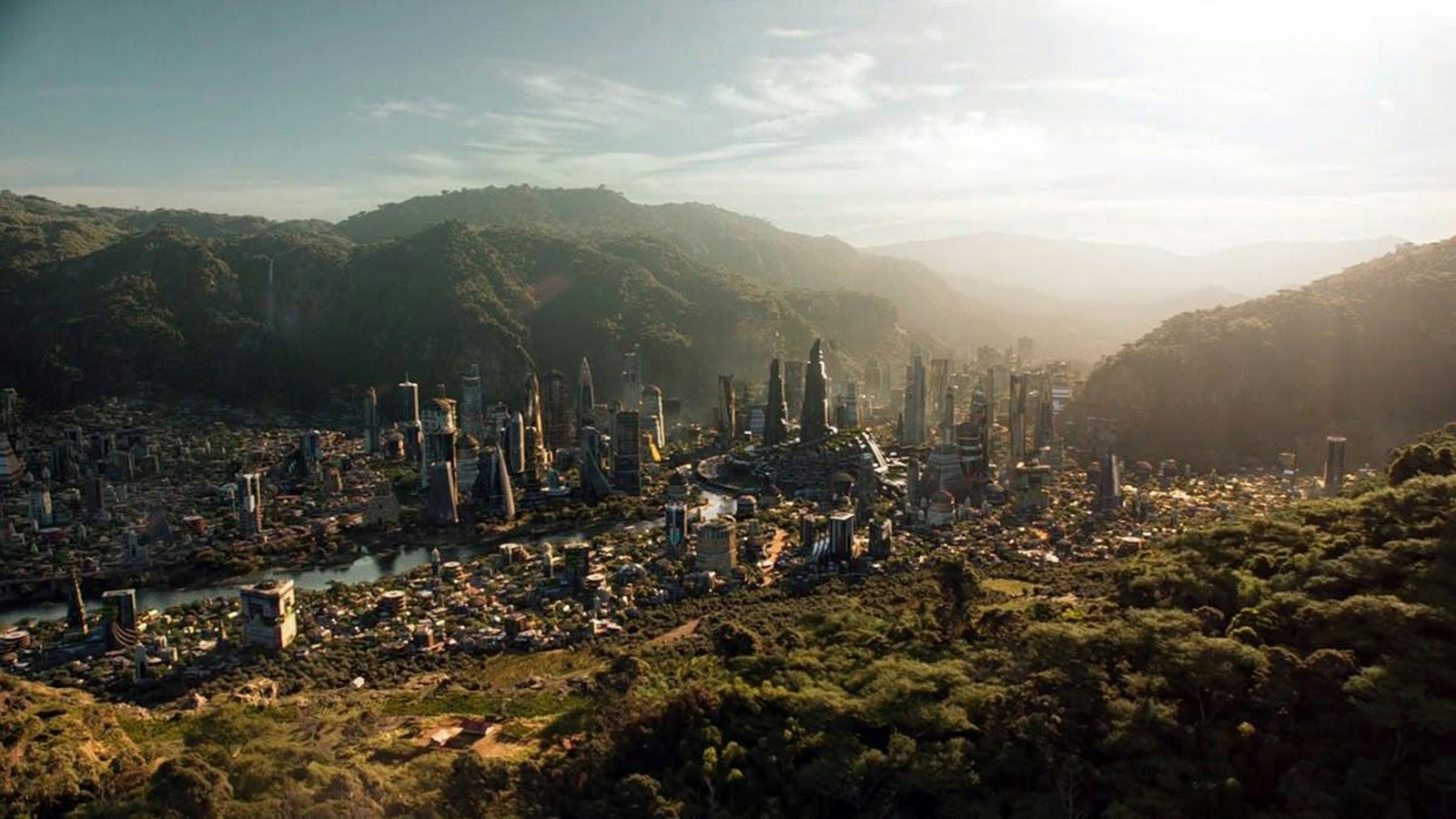
What makes Wakanda stand out is how it resists the usual trope of dystopian sci-fi architecture. Instead of cold, lifeless mega-cities, it presents a living urban fabric where culture and technology evolve side by side. Organic shapes, carved patterns, and natural materials sit comfortably alongside advanced transport systems and shimmering skyscrapers. This blend doesn’t just imagine what African cities could look like; it challenges the Western-dominated narrative of what “the future” should be.
For many designers like me watching Black Panther, it was an architectural provocation. I saw how progress didn’t erase tradition; how the future of cities could be high-tech yet culturally authentic, rooted in history yet pushing beyond – shaping how we dream of a city.
Games as Living Architecture
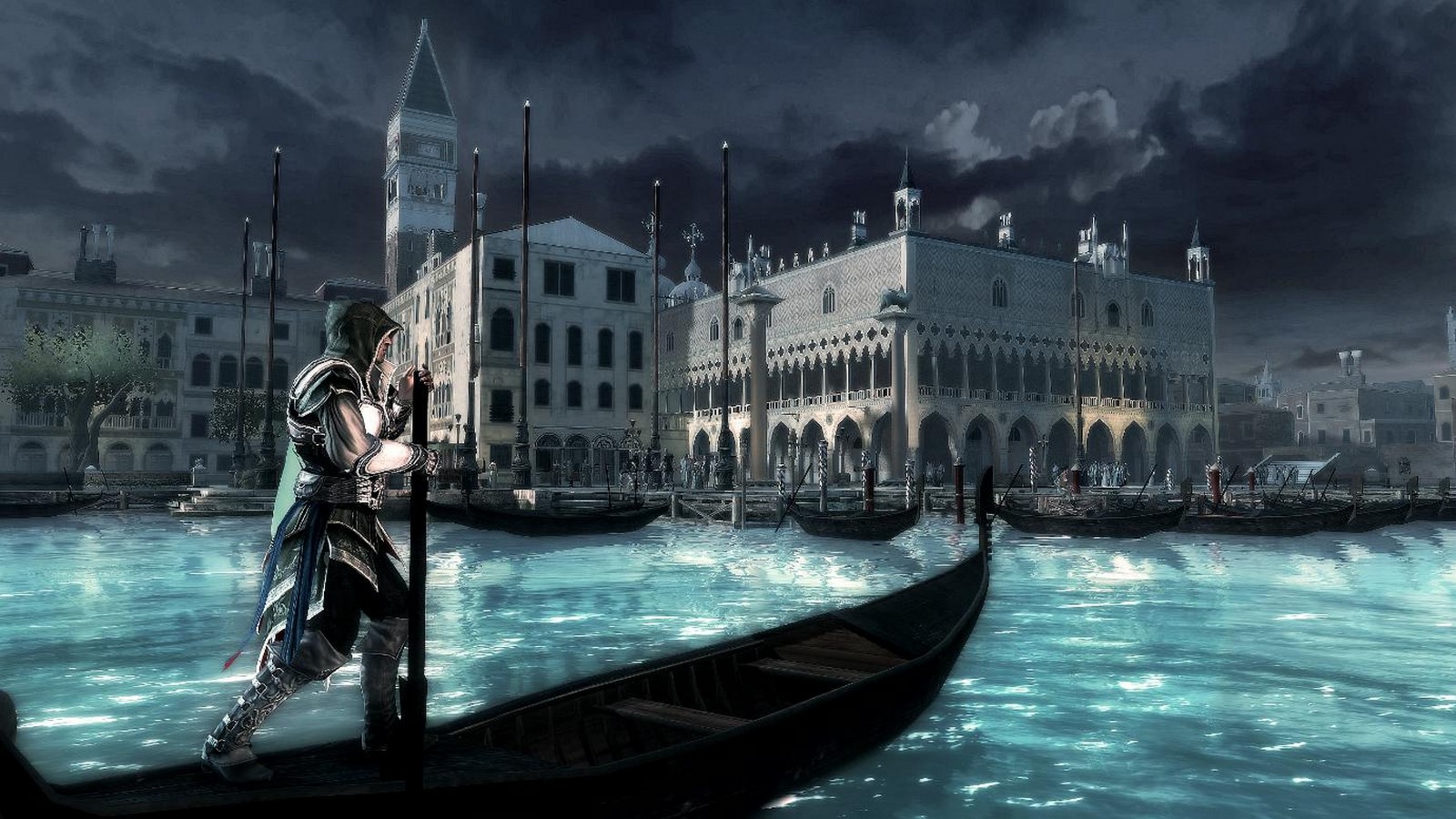
Films introduce us to spaces, but video games immerse us into them.
For many classic role-playing gamers, Assassin’s Creed was more than a game, it was a journey through history. Climbing the towers of Florence, walking the streets of Rome, or entering the Colosseum gave a sensory experience of architecture across time and place. The game’s detailed reconstructions made ancient world sites feel immediate and alive, shaping how players think about the cultural power of monuments.
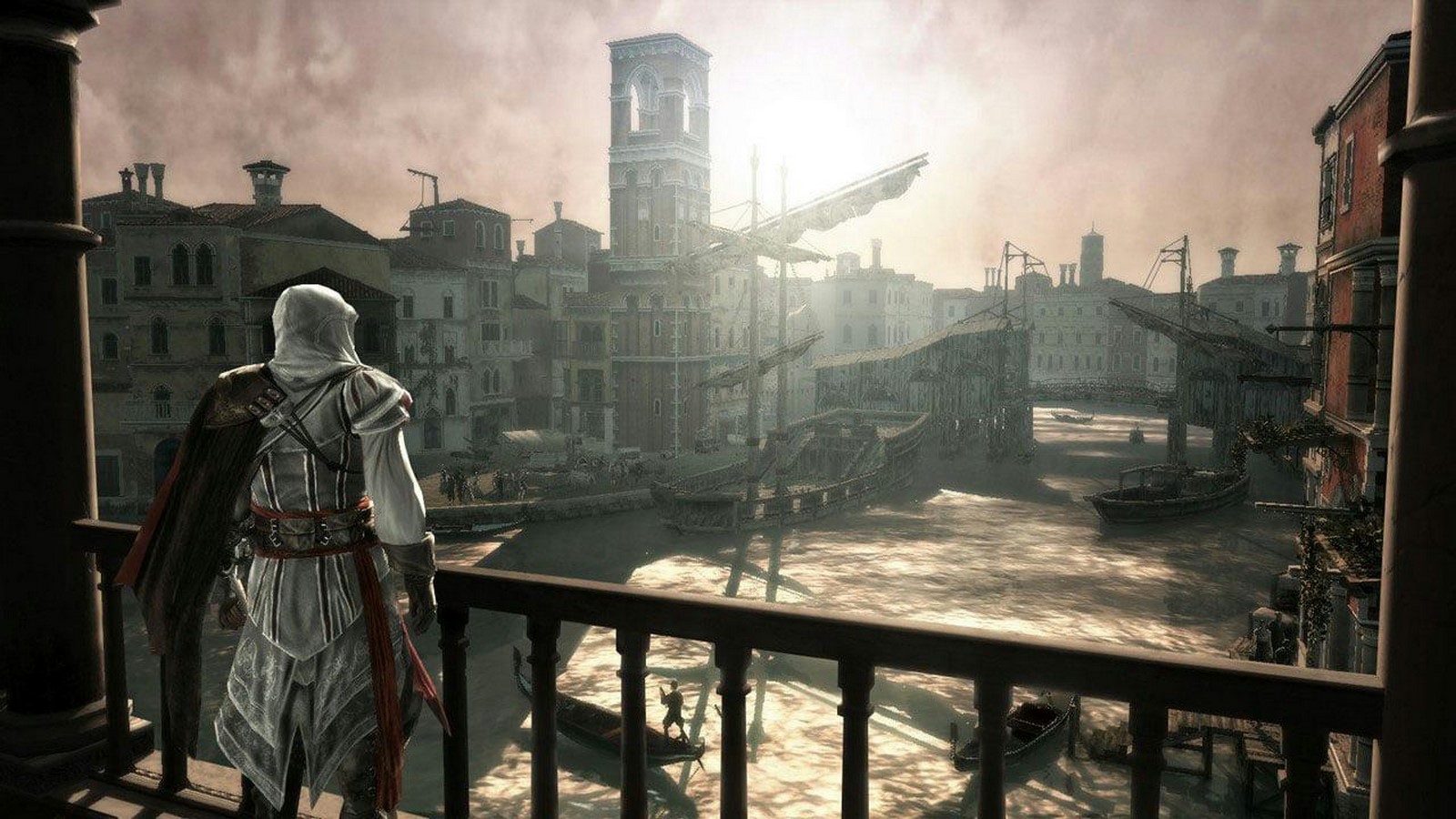
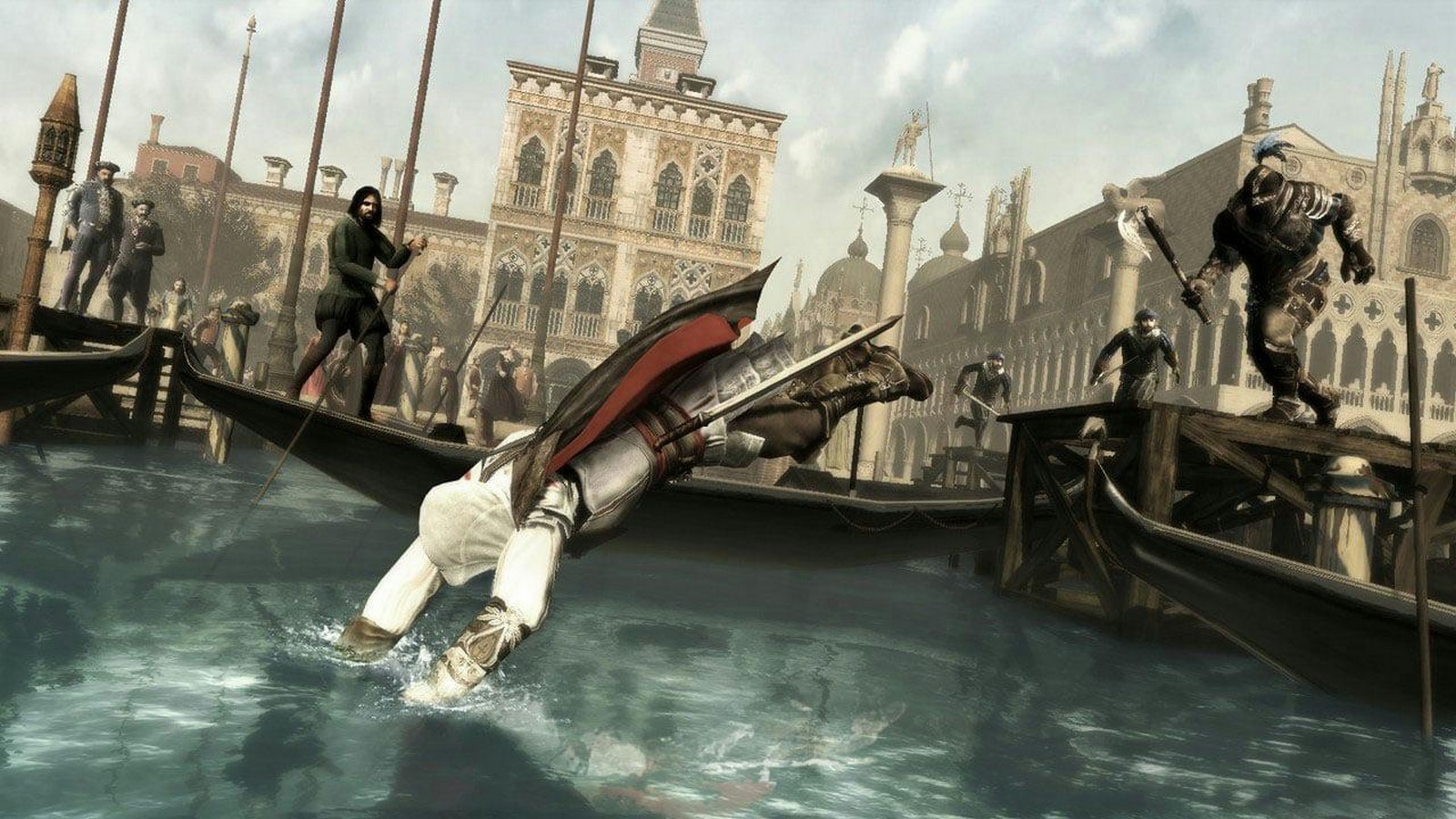
Modern first-person shooter games such as Call of Duty and Far Cry go even further, often building environments mapped from real-world locations. Streets, buildings, and landscapes aren’t just visuals but are interactive environments. When players navigate them, ducking behind walls or jumping skylines, they engage space with an intimacy architects usually reserve for plans and sections.
For gamers, the memory of a virtual city can be as sharp as the memory of a real street, reshaping expectations of architecture and urban form.
The Cinematic Effect
What makes these experiences memorable is not only the accuracy of the spaces but the way they are presented. CGI (Computer Generated Imagery) and VFX (Video effects) are major anchors to this.
Films and games use modelling, editing, framing, and colour grading to heighten the experience. A dusky skyline bathed in orange light, or the sharp detail of a rain-soaked street, can make a scene stay with us long after the story ends. These choices create mood and emotion — lessons architects can borrow when thinking about how atmosphere influences the use of space.
Toward Virtual Futures
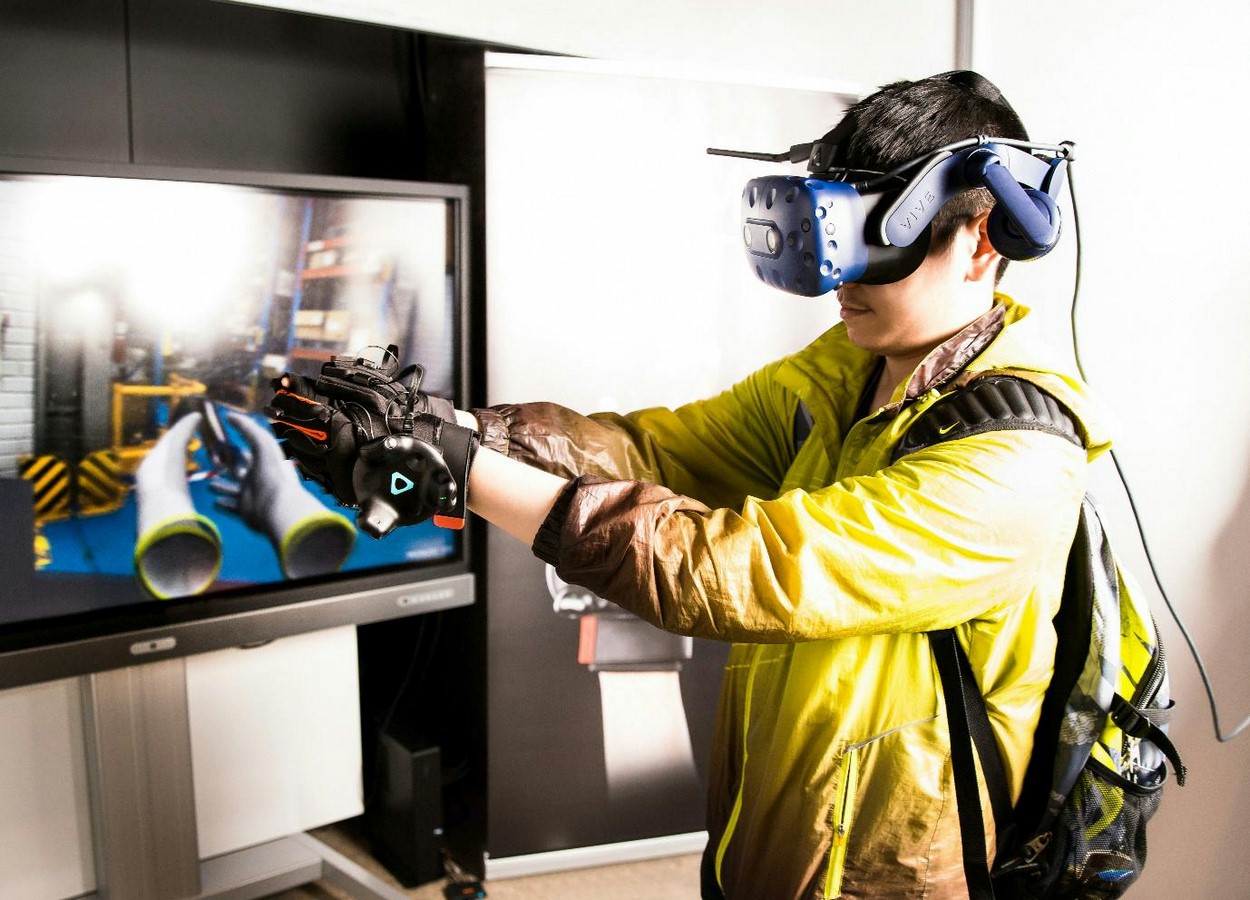
As technology evolves, so does cinematic architecture. Virtual reality games are already expanding what it means to inhabit digital environments. Instead of sitting with a controller, players step inside headsets and find themselves surrounded by architecture that responds to their movement. Imagine walking through a reimagined Florence, not as Ezio in Assassin’s Creed but as yourself, touching walls, hearing echoes, and experiencing the weight of scale.
This immersive scope points to future trends where architectural design, gaming, and cinema blur into one. For architects, VR and gaming engines are not just tools to show projects to clients but environments to test design ideas in real time. For the public, they become ways of experiencing architecture beyond the limits of geography.
Final Thoughts
Architecture has always been about more than walls and roofs; it has been about imagination. Today, that imagination is increasingly shaped by screens. Films let us travel through cities with edited precision; games allow us to linger, interact, and return. Together, they train our perception of what space can be.
So when architects sit down after work to watch a movie or play a game, they may be relaxing, but they are also rehearsing for tomorrow’s architecture. Because cinematic architecture is not just on the screen. It quietly changes how we design, how we inhabit, and how we hope to live.
References:
Unsplash. A blurry photo of a city at night. Available at: https://unsplash.com/photos/a-blurry-photo-of-a-city-at-night-cPhyLZQJANg
Unsplash. Man in yellow jacket wearing black goggles. Available at: https://unsplash.com/photos/man-in-yellow-jacket-wearing-black-goggles-hIz2lvAo6Po
Reddit. Greetings from Venice – Assassin’s Creed II. Available at: https://www.reddit.com/r/ACPhotoMode/comments/1ks1dss/greetings_from_venice_assassins_creed_ii/
Gematsu. New Assassin’s Creed II screenshots detail Venice. Available at: https://www.gematsu.com/2009/06/new-assassins-creed-ii-screenshots-detail-venice
Architectural Digest. How Black Panther’s Architecture Was Inspired By Real Locations. YouTube. Available at: https://www.youtube.com/watch?v=xtAHJMLev-w
Pinterest. Disney Wakanda. Available at: https://in.pinterest.com/pin/321303754684583916/
Carrasco, D. B. Black Panther: Wakanda Forever – Keyframes. Pinterest. Available at: https://in.pinterest.com/pin/939422803502522943/
Pinterest. Untitled. Available at: https://in.pinterest.com/pin/163818505189060701/
Time. How Virtual Reality Could Transform Architecture. TIME Magazine. Available at: https://time.com/6964951/vr-virtual-reality-architecture-meta-quest/?utm_source=chatgpt.com