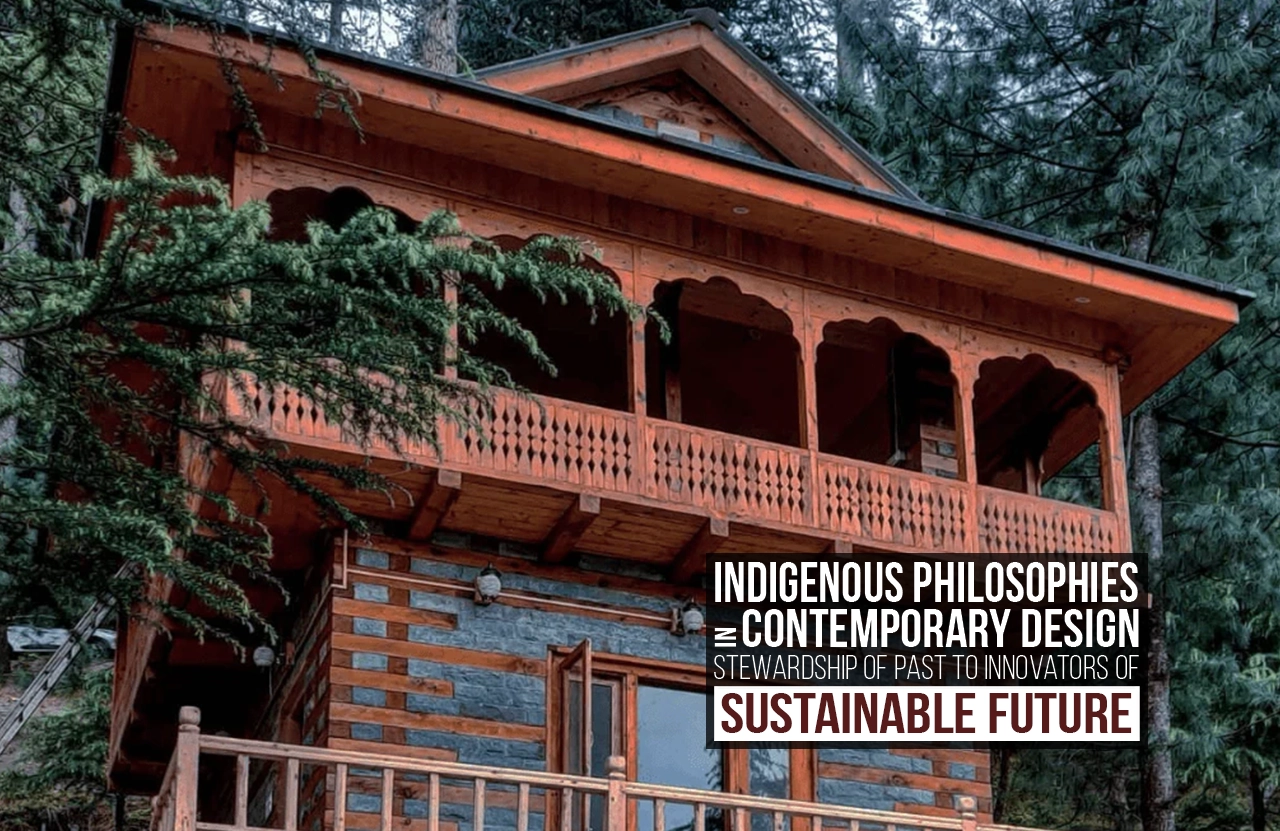
As designers, we strive to create designs that embody our rich history and cultural heritage. However, in today’s rapidly modernizing world, the pervasive influence of Western ideologies even after the post-colonial era often causes us to drift away from the traditions and values passed down by previous generations—an invaluable legacy at risk of being lost over a period of time. Therefore, as a designer looking back at Indigenous philosophies would be a good starting point kind of like going through a book. Also defined as the traditional worldviews, belief systems, and ways of understanding the universe held by indigenous peoples. These philosophies are deeply rooted in the cultural, spiritual, and experiential knowledge of indigenous communities and often stand in contrast to Western, colonial modes of thinking.
If we decide to incorporate Indigenous philosophies into contemporary design, we should be thoughtful in incorporating tangible aspects such as traditional materials, techniques, and elegance from our culture and transmit them into our designs. However, while doing so, the most obvious mistake is that the superficial aesthetics is captured, but a lack of implementation of intangible character, such as connection to nature or community engagement, which is an integral part of those philosophies and if not taken into consideration may lose its essence. By integrating these philosophies into contemporary designs, we create a solution that addresses modern needs while safeguarding cultural heritage leading to our growth as a designer. While doing so, the designer should keep in mind proper representation of these techniques is very crucial, which can be achieved by collaborating with the community to ensure ethical representation of the community’s philosophies.
Philosophies can be incorporated in any design field right from Architecture, Product designing, Fashion or any kind of art form where material plays an important role and is integrated into design and adds meaning to it. The incorporation of Indigenous techniques into contemporary design has a profound cultural and socioeconomic influence, providing opportunities for restoration, cultural exchange, and respect for one another. It encourages designers to think outside of traditional materials and processes, promoting a more holistic and context-sensitive approach to design.
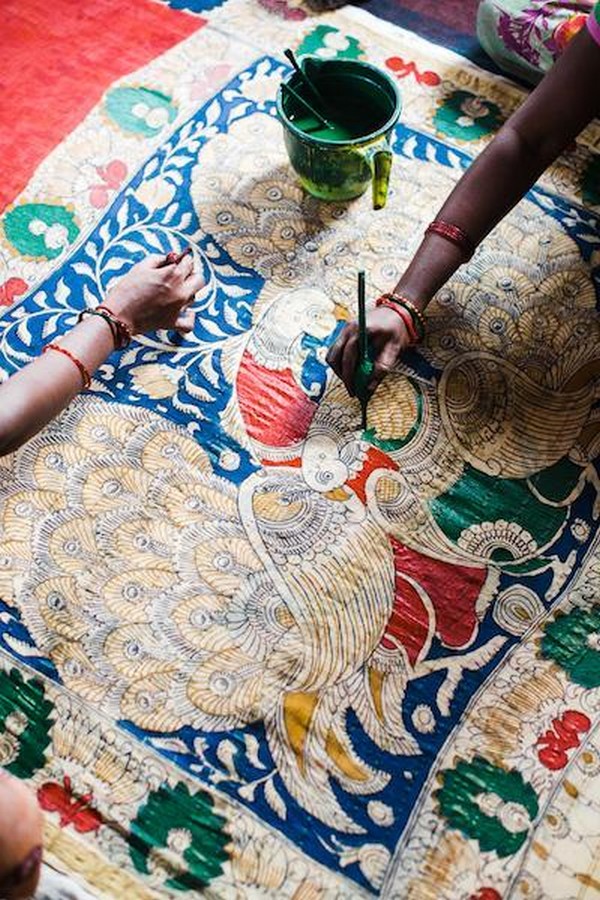
This strategy fosters a greater awareness and appreciation of indigenous philosophies among designers contributing to the global design discourse while also respecting and protecting intellectual and cultural property of the community. The post-colonial movement, which has seen as a rising appreciation of the importance of indigenous knowledge systems and their capacity to provide alternate viewpoints on design, sustainability, and technology, is the historical foundation of this approach. This practice’s capacity to connect the past and present and provide fresh perspectives on how to value and interpret indigenous aesthetics in modern design environments is what gives it its aesthetic and cultural significance. In terms of technology, this strategy frequently challenges the predominance of high-tech materials and techniques in the design industry by investigating natural materials and low-tech alternatives.
Exploration, inquiry, learning, and collaboration are all key methods for implementing Indigenous Philosophies in design. With collected knowledge, extraordinary connections with other disciplines, civilizations, result in unbelievable outcomes. Having an understanding of the surroundings is crucial when it comes to Indigenous philosophies which for centuries have recognized the link between place, community, and well-being.
Indigenous design is fundamentally defined by a strong connection to the land, a strong feeling of cultural identity, and a dedication to sustainability and reciprocity with nature.
Principles of Indigenous Philosophies
At the heart of Indigenous philosophies are several core principles that reflect a deep understanding and awareness of the natural world and the interconnection or co-dependency of all living things. These principles include:
Association with nature
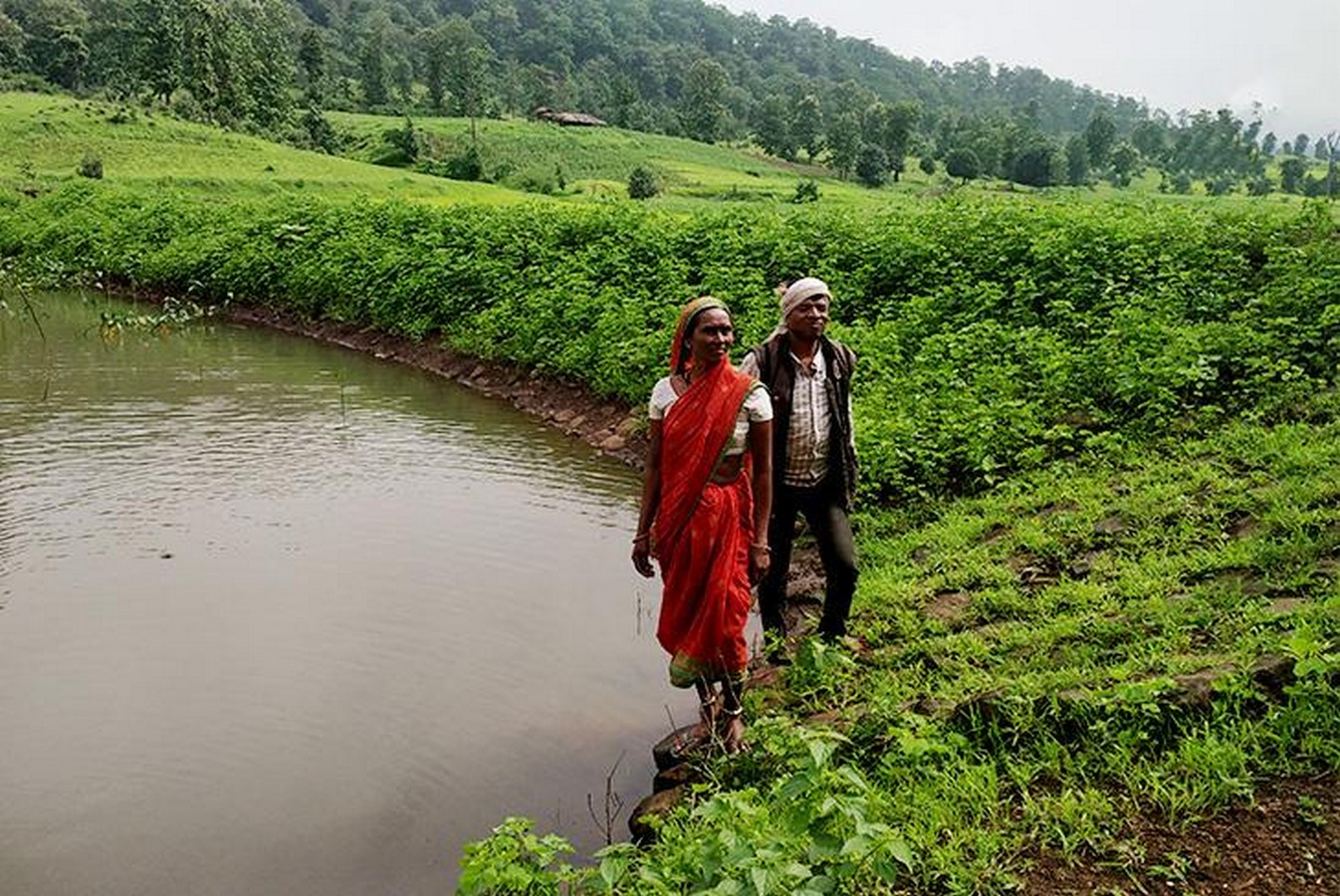
Indigenous philosophies are profoundly rooted in location and its ties to the environment. The reciprocity represented in the use of local resources, the use of natural shapes, patterns, or notions in diverse art forms and designs, and a commitment to long-term sustainability, all of which might be beneficial to the Net Zero vision and environmental stewardship. When it comes to varying tangible and intangible heritage, a careful examination of the local environment, taking inspiration from natural factors like flora, wildlife, and terrain, is evident.
A sense of culture and storytelling
Any designer incorporating Indigenous culture, traditions, beliefs, or art into their work must respect and understand the cultural values of the same. This can be achieved by ensuring the active participation of the community or an expert. Also, as a designer, one must ensure that the design is authentic while giving credit to the community.
Indigenous design is a combination of cultural and spiritual significance, revealing complex stories and ideals across a range of disciplines. Designers curious to incorporate these philosophies into their project must be mindful of the historical backdrop and regulations governing the usage of specific symbols, motifs, and materials.
Traditional knowledge
Indigenous philosophies promote awareness of their surroundings, ecological behaviours, and traditional construction methods. This information, passed down through generations, contains wisdom that the current design is only beginning to rediscover. Working with community members and elders helps these aspects find their proper position in the design.
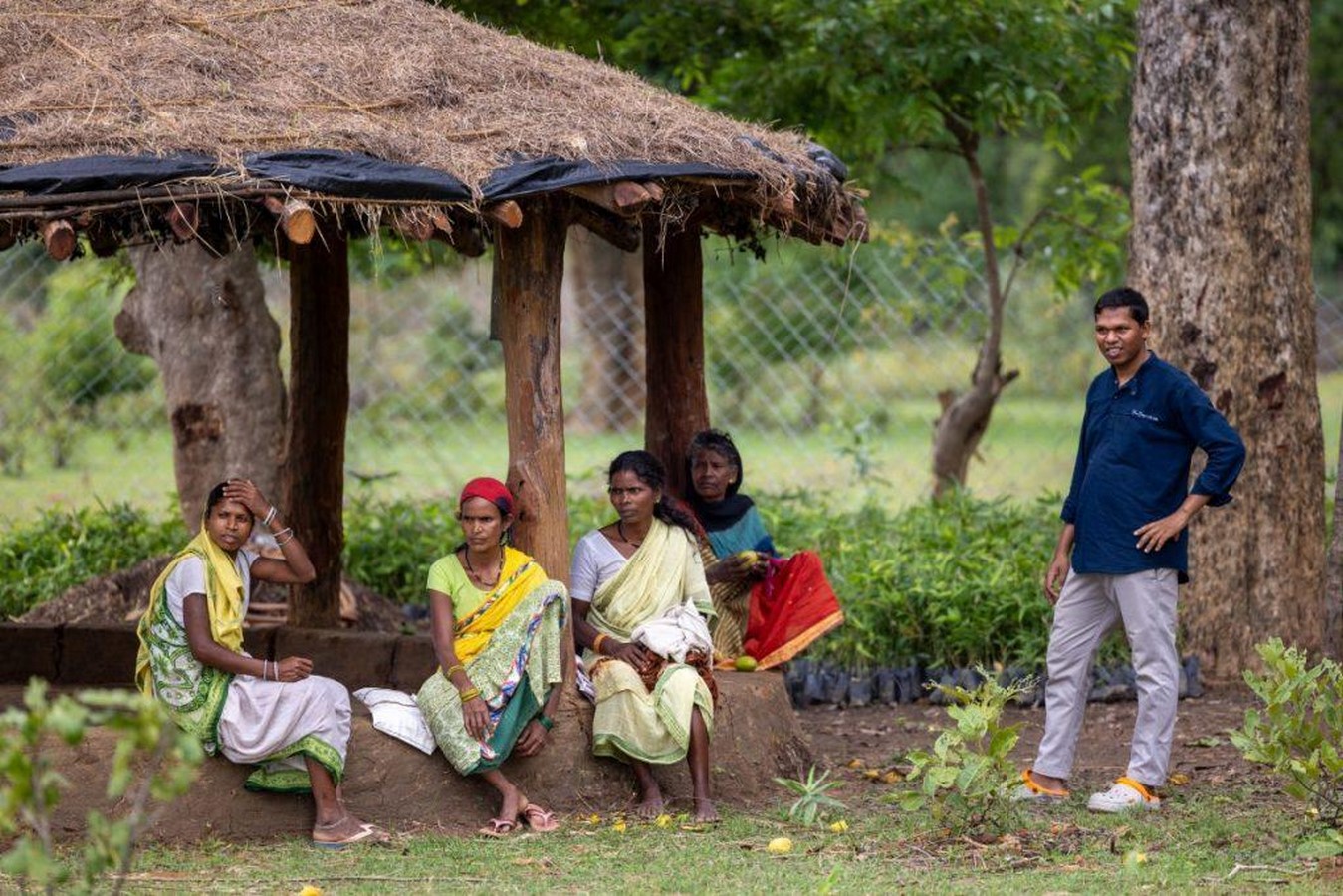
Community Participation
When the community is involved in the design process, their wants and ambitions are truly reflected in the final product. Workshops, community forums, and design collaborations provide opportunities for feedback while fostering a sense of ownership and pride. This collaborative approach has significant implications. This collaborative approach not only enriches the design but also develops a sense of ownership and pride among the indigenous community.
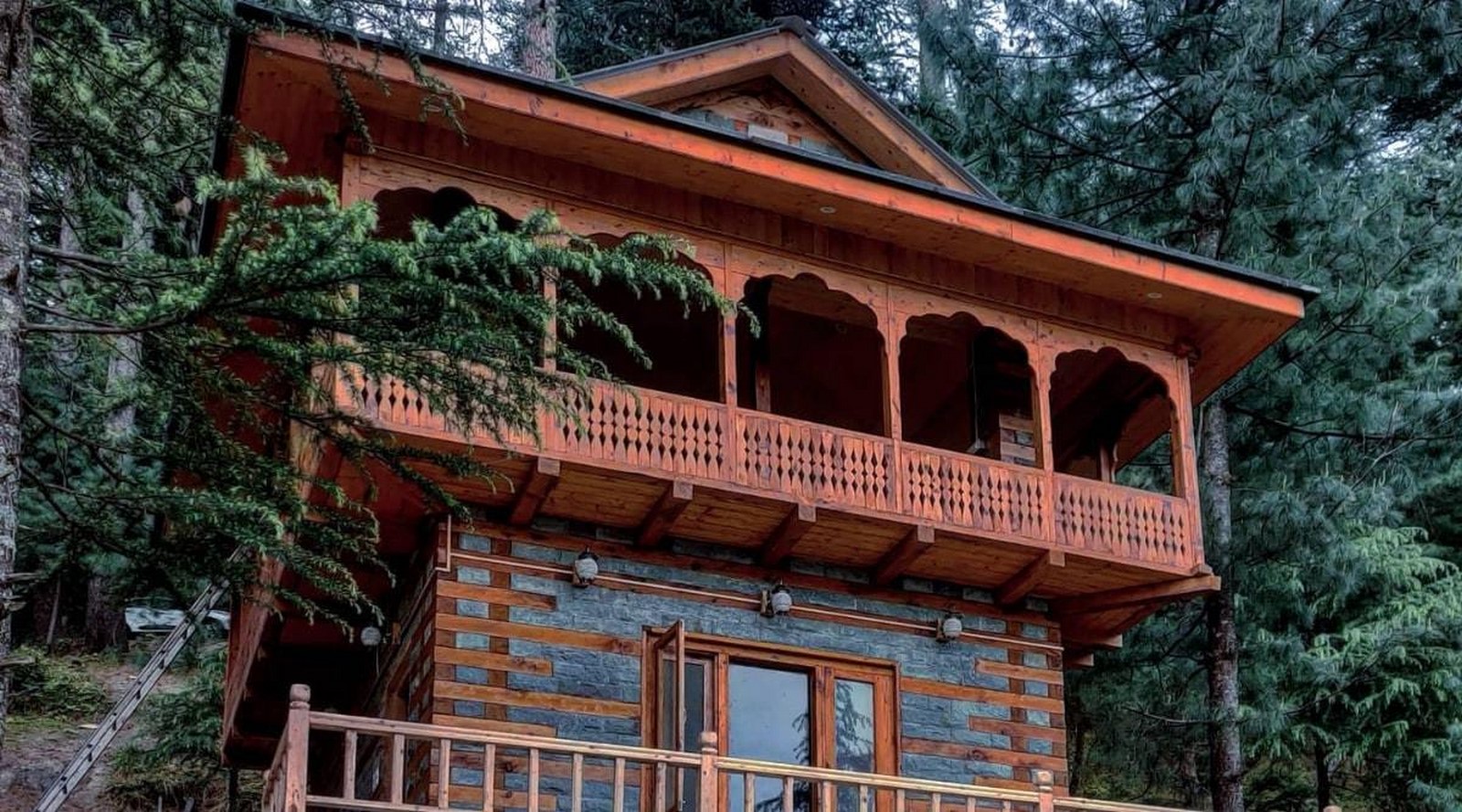
Sustainable Design
Sustainable design concepts are perfectly aligned with Indigenous philosophies of stewardship and care for the environment. Locally sourced materials, passive design principles, and energy efficiency all reflect this connection to the earth and something which should be incorporated while designing. Biophilic design incorporates natural elements into the built environment through materials, views, and living elements, promoting both sustainability and human well-being. These values are not new according to Indigenous philosophies, which have long recognized the value of connection to the natural environment. Indigenous philosophies take a comprehensive approach, while taking into account the social, environmental, and spiritual implications of a design or undertaking. This strategy stresses the well-being of the entire ecosystem, rather than focusing solely on a single feature or outcome.
Ultimately, the integration of Indigenous philosophy into contemporary design is an exercise in professional growth for an individual as a designer. For over a century, the designer has been portrayed as the “Great Creator”—a visionary whose role is to impose human-centric order upon a chaotic natural world through plastic, silicon, and steel. Indigenous wisdom invites us to abdicate this throne. It asks the modern designer to stop acting as a creator of entirely new worlds and start acting as a steward of the existing one.
As we think of the mere future, our greatest innovation may not be an algorithm, a sleeker smartphone, or a revolutionary synthetic polymer. Instead, it may be the courageous recovery of a very old realization: that we are not the masters of our environment, but its youngest and most dependent guests. This perspective shifts the goal of the design process from “solving a problem” to “honouring a relationship.”
When we design through the lens of rationality and scientific mind set, the material is no longer a mere commodity, and the user is no longer an isolated consumer. They are part of a living biography. By adopting this stance, contemporary design moves away from the ego-driven aesthetics of the “star designer” and toward a restorative practice for individuals that bridges the gap between the manufactured and the organic commodities which are crucial for any design process. The design of tomorrow isn’t about how much we can produce or how quickly we can iterate; it is about ensuring that every object we bring into the world is a “good relative” to the land and surrounding environment. In this humble alignment with the rhythms of the earth, we should keep in mind that there’s no limitation of our creativity, but it is one of the few sustainable paths for its survival.
Reference List:
Kumar, V. (n.d.). Relevance of the Indian Knowledge System in the Era of Globalization. [online] Available at: https://www.ijrdet.com/files/Volume15Issue2/IJRDET_0226_232.pdf [Accessed 15 Mar. 2026].
Shrivastava, S. (2026). Indian Traditional Knowledge Approach to Education. [online] doi:https://doi.org/10.5281/zenodo.18796540.
Sustainability Directory (2025). Indigenous Design → Fundamentals. [online] Sustainability Directory. Available at: https://sustainability-directory.com/fundamentals/indigenous-design-fundamentals/ [Accessed 15 Mar. 2026].
Lee, S. (2025). Indigenous Design Principles. [online] Numberanalytics.com. Available at: https://www.numberanalytics.com/blog/indigenous-design-principles [Accessed 15 Mar. 2026].
Vincent Design. (2020). Indigenous Design and Why it’s Different. [online] Available at: https://vincentdesign.ca/2020/10/23/indigenous-design-and-why-its-different/.
Baluku Ayebare and Kiu Publication Extension (2024). Exploring Indigenous Art and Its Role in Cultural Preservation. Exploring Indigenous Art and Its Role in Cultural Preservation, [online] 3(2), pp.40–44. Available at: https://www.researchgate.net/publication/383083787_Exploring_Indigenous_Art_and_Its_Role_in_Cultural_Preservation.
Well (2026). Well by Design. [online] Well by Design. Available at: https://www.well-by-design.com/blog/indigenous-design-considerations-and-approach [Accessed 15 Mar. 2026].
Parkin. (2023). Indigenous Design: Bridging Cultures and Spaces — Parkin. [online] Available at: https://www.parkin.ca/insight/indigenous-design-bridging-cultures-and-spaces/.
Kumar, H. and Research, P. (2025). Modern Indian architecture in the context of colonial and post-colonial experiences. International Journal of Sanskrit Research, [online] 380(4), pp.380–384. Available at: https://www.anantaajournal.com/archives/2025/vol11issue4/PartF/11-4-37-658.pdf [Accessed 15 Mar. 2026].
Lallienthang, R. (2024). Alternative epistemologies in indigenous philosophy, and its contextualization in India. International Journal of Social Science and Education Research, 6(1), pp.105–108. doi:https://doi.org/10.33545/26649845.2024.v6.i1b.90.
Reitsma, L., Light, A., Zaman, T. and Rodgers, P. (2019). A Respectful Design Framework. Incorporating indigenous knowledge in the design process. The Design Journal, 22(sup1), pp.1555–1570. doi:https://doi.org/10.1080/14606925.2019.1594991.
Cultural Continuity in Urban Architecture: Exploring Indigenous Design Principles in Modern Public Spaces. (2025). International Journal of Humanities Social Science and Management (IJHSSM), [online] 5(4), pp.3048–6874. Available at: https://ijhssm.org/issue_dcp/Cultural%20Continuity%20in%20Urban%20Architecture%20Exploring%20Indigenous%20Design%20Principles%20in%20Modern%20Public%20Spaces.pdf.
Metropolis. (2025). How Construction Materials and Technologies Are Evolving. [online] Available at: https://metropolismag.com/viewpoints/how-can-we-amplify-indigenous-design/.
Image Reference List:
Drolia, R. (2020). Exploring Indigenous Art Forms of India. [online] The Artemist. Available at: https://theartemist.in/indigenous-indian-art/.
Bhagat, M. (2023). The Kath Kuni Revivalist: An Architect On A Mission To Restore Himachal’s Traditional Architecture. [online] The Indian Express. Available at: https://indianexpress.com/article/et-al-express-insight/the-kath-kuni-revivalist-an-architect-on-a-mission-to-restore-himachals-traditional-architecture/ [Accessed 15 Mar. 2026].
Thefansworld. (2017). Indigenous communities build nearly 280 structures for water conservation in Betul. [online] Available at: https://www.actionaidindia.org/story/indigenous-communities-build-nearly-280-structures-for-water-conservation-in-betul/ [Accessed 15 Mar. 2026].
Earth Focus. (2025). Home – Earth Focus. [online] Available at: https://earthfocus.in/ [Accessed 15 Mar. 2026].