Locally originated arts and crafts hold a close engagement with heritage. Heritage architecture strikingly showcases the work of art created by the local artisans in characterizing a city in a more communicable way. Vernacular not only refers to the building architecture but also represents a community’s practice of developing these crafts through native materials and skills. The inherited traditions, perhaps, are of national significance, but they assuredly require the local artisanal leverage.
Integrating crafts with vernacular architecture
Vernacular architecture works hand in hand with the indigenous crafts of a region. In traditional settlements, the dwellings are not designed by any architect or designer, but they are finely curated by the native artisans, adding an individualized attention to arts and crafts. For example, the settlements embedded in the villages of Rajasthan highlight the cultural integrity with local construction and materials techniques.
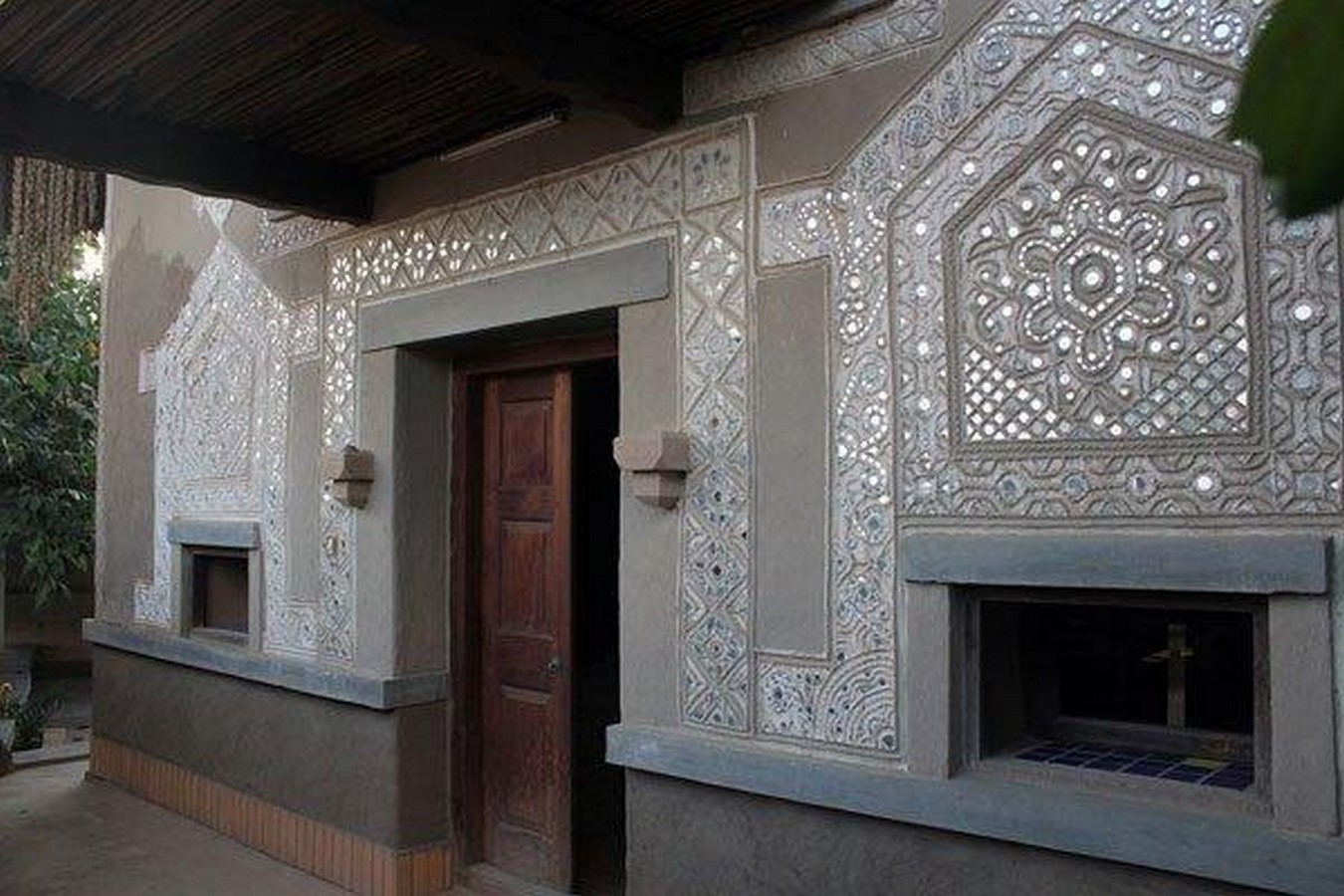
Elements like jharokas, stone jalis (lattice screens), carved wooden doors, and lippan art (mud-mirror art) not only serve aesthetics but also fulfill the functional aspect. These handcrafted elements are enriched in providing ventilation, a cooler indoor environment, and improving the visual appeal of the built form.
Art Enriching Heritage
Art potentially narrates the story of historical inheritance through murals, wall motifs, façade paintings, and sculptures, which are merely decorative elements. In India, art holds a traditional significance more than imparting aesthetics. The vernacular influence over heritage is what keeps the art and local traditions in a close relationship, but with rapid modernization, the heritage architecture that integrates art is gradually vanishing. Preserving these artistic traditional buildings is key to holding onto the cultural ethnicity and historical value of these heritage structures.

Local materials and construction techniques: sustainability empowerment
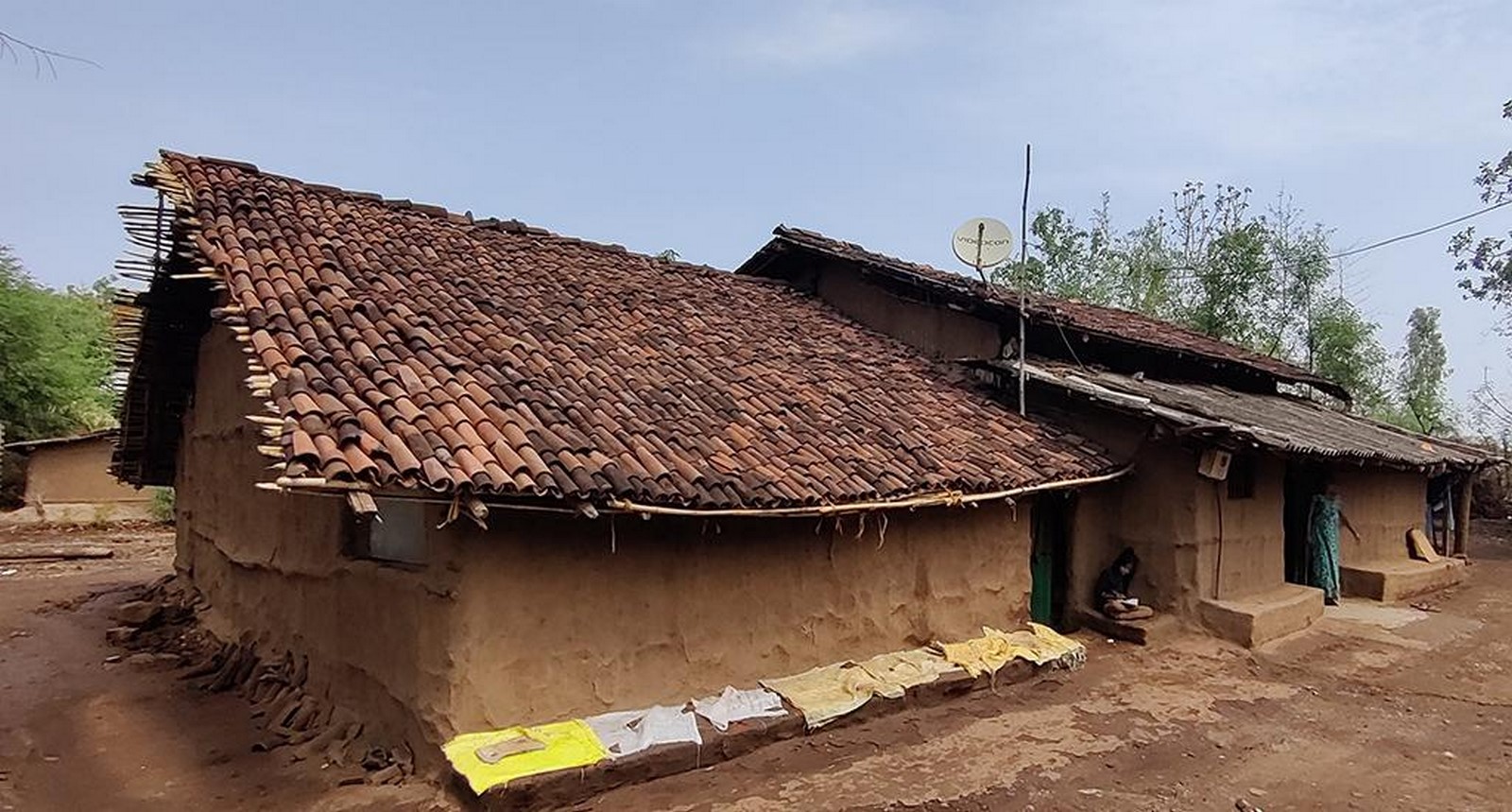
For centuries, the communities have relied on local building materials and construction techniques such as earth construction, mud and lime plaster, and many others, which allow them to explore and conduct a self-sustainable built form that can last for ages. Traditional techniques are often climate-responsive and switch roles according to the regional climate. For example, in hot regions, thick stone walls act as a thermal insulator and keep the indoors cooler, whereas in places of heavy rainfall or snowfall, sloping roofs work best, implying an efficient drainage system.
Local artisans and builders who have a keen knowledge of vernacular techniques are instrumental in preserving native heritage architecture. Whether it is a mud house with thatched roof in the desert landscape, the amalgamation of wood and stone of Kathkuni architecture, or the bamboo weaving into the habitat of the north-east, all these styles have been the strength of the traditional approach.
Conservation Architecture: Preserving the design integrity
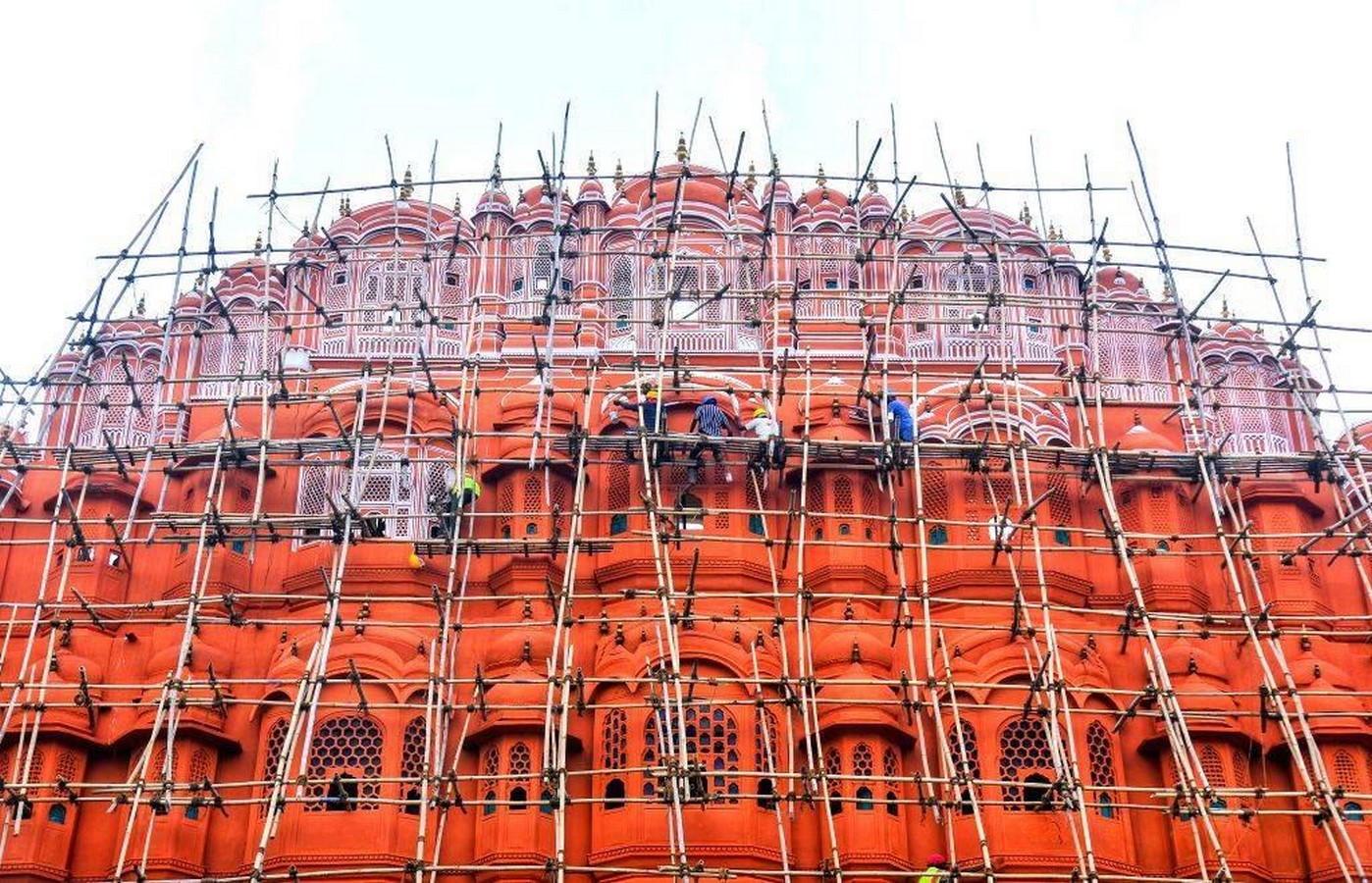
Why does conservation have to remain up till preserving? Conservation also defines the adaptive reuse or restoration of heritage architecture. It aims to maintain the cultural identity and the historical significance of a heritage structure by allowing it to remain intact. By maintaining architectural authenticity, a space can narrate the story of its own time without losing its charm. Traditional elements such as columns, brackets, and even the lime mortar on walls, wear off with time; therefore, conservation ensures the repairing and restoration of these elements by the use of materials like lime, timber, terracotta, and natural stone with the intent of preserving the historical value and the craftsmanship of a region.
History, Handloom, and Heritage
History, Handloom, and Heritage have a close intermediate relationship that describes the cultural memory and identity. For centuries, handloom weaving has been a major function of textile production, which is manually operated by the local artisans and then passed on to generations. Each fabric defines the unique characteristics of heritage by its weaving style, colour, historical significance, and the attire dependency.
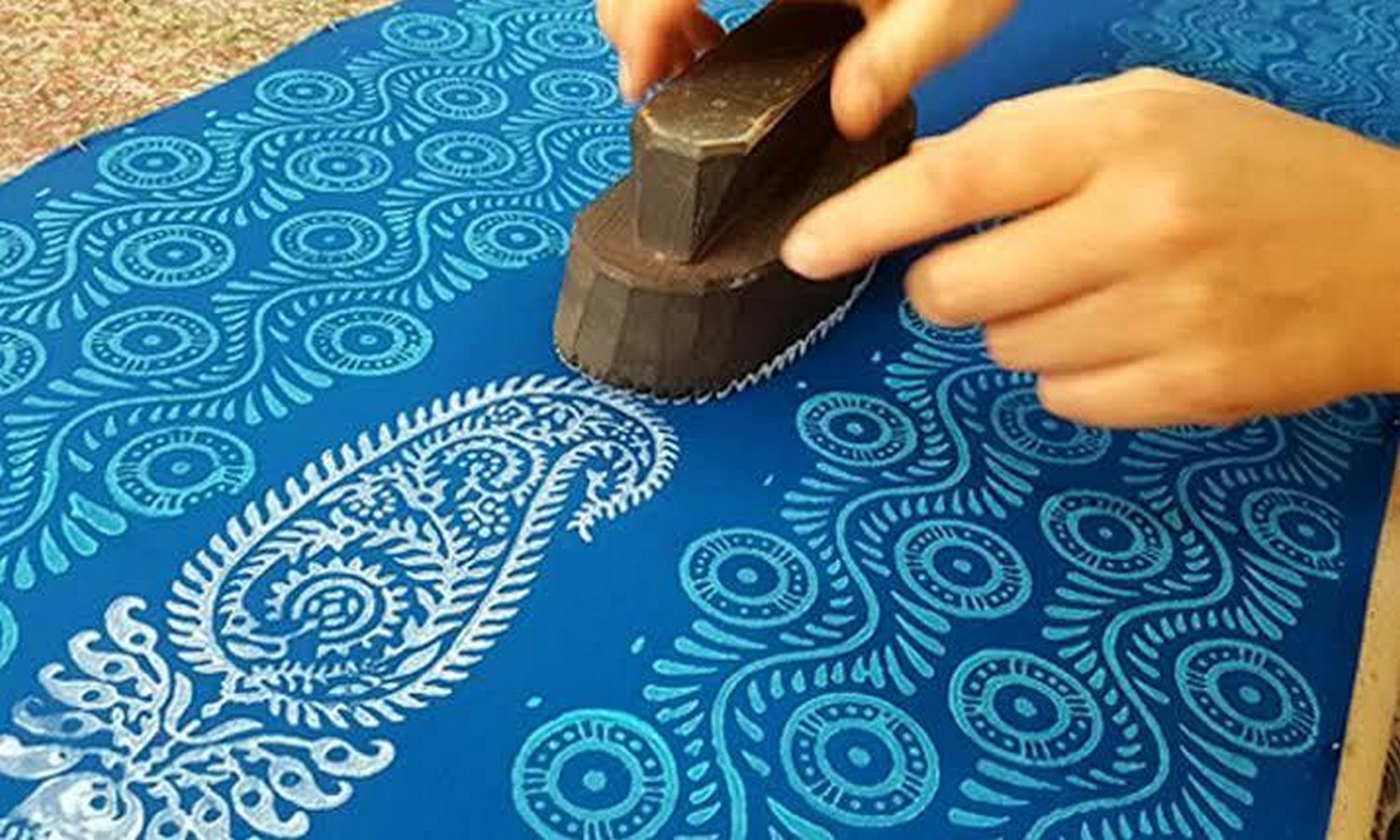
For example, Jaipur is renowned for its block print cotton fabrics, and it also serves as a hub for sanganeri and bagru prints. People in Jaipur adorn themselves in these clothes because they serve as a comfortable and breathable fabric in this harsh climate. The practice of making dates back centuries, when these fabrics were manufactured in the small villages of Sanganer and Bagru. The handloom prints are eco-friendly and sustainable as they use natural dyes and water for production.
Heritage cannot only be the inheritance of architecture but also the historical continuity of handloom crafts by promoting generational learning and rural development.