Spiritual sites in India showcase some of the most complex and lasting urban systems in the world. Cities like Varanasi (Kashi), Tirupati, and Amritsar have populations that grow significantly during religious festivals and pilgrimage seasons. These communities are more than just places of worship; they are lively urban areas shaped by faith-driven migration, rituals, informal economic activities, and adjustments to their environment. Unlike traditional cities that center around predictable commuter patterns, devotional cities operate through cycles of activity. They have daily practices, weekly ceremonies, annual celebrations, and generational customs. Their ability to handle large crowds without failing offers valuable lessons for modern planning. From these sacred landscapes come ideas based on flexibility, intricate structures, and cultural understanding.
Faith
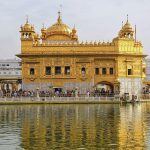
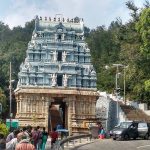
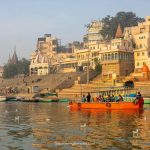
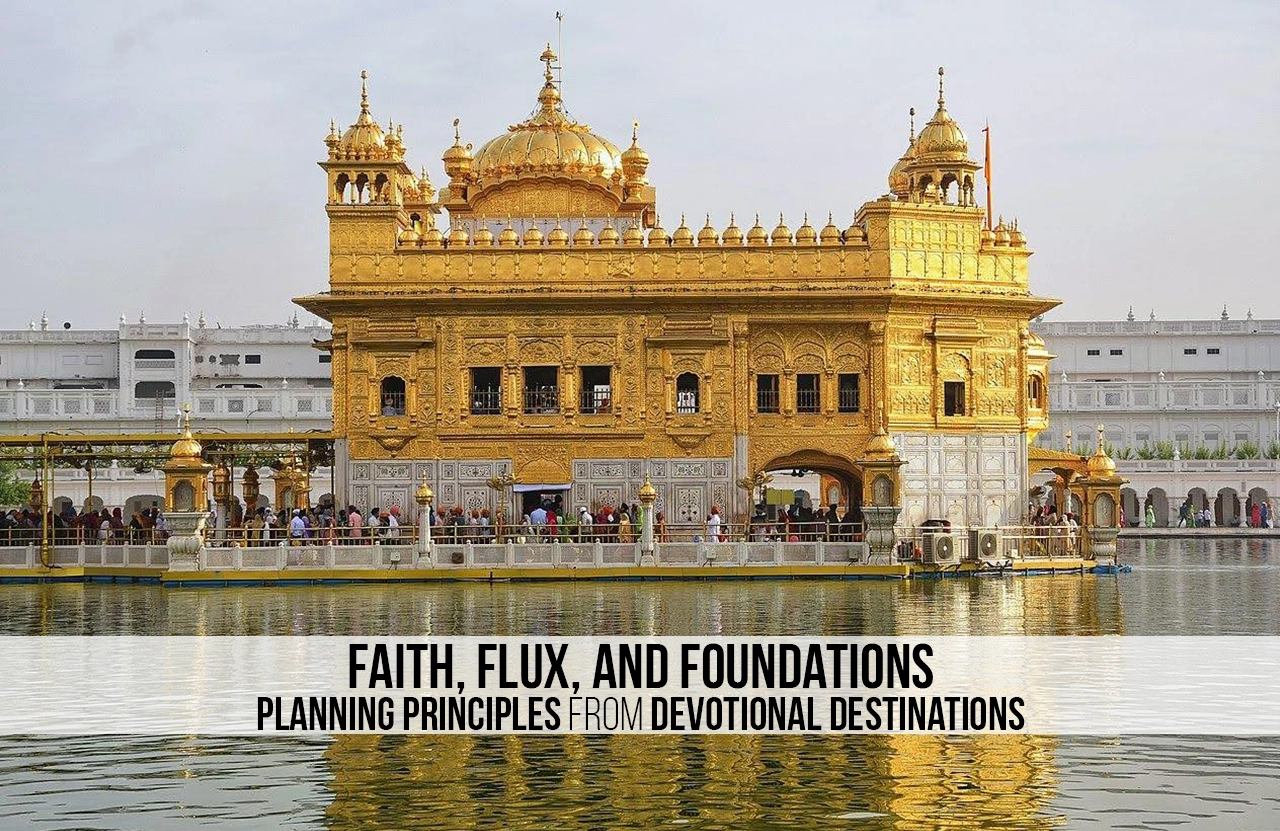
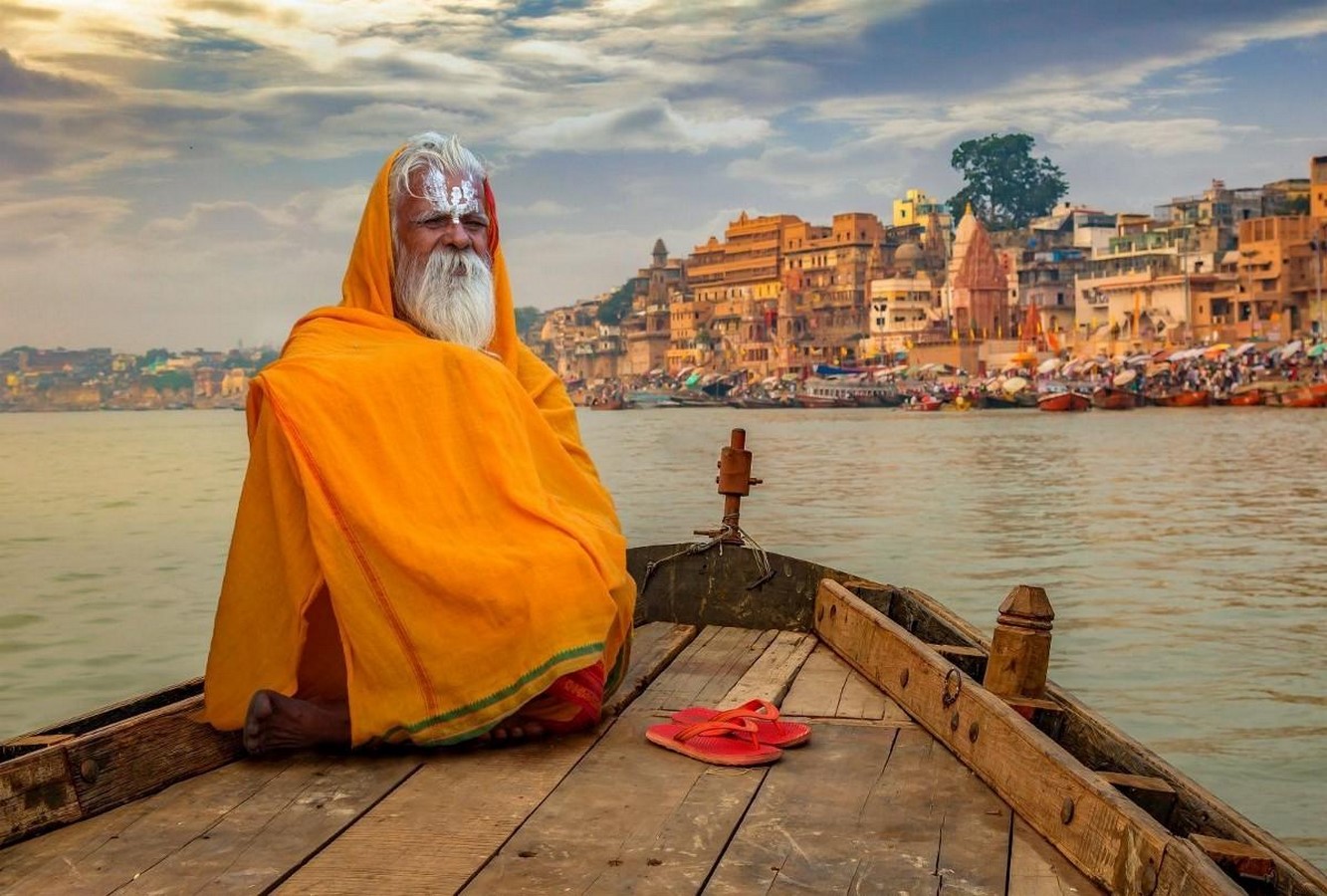
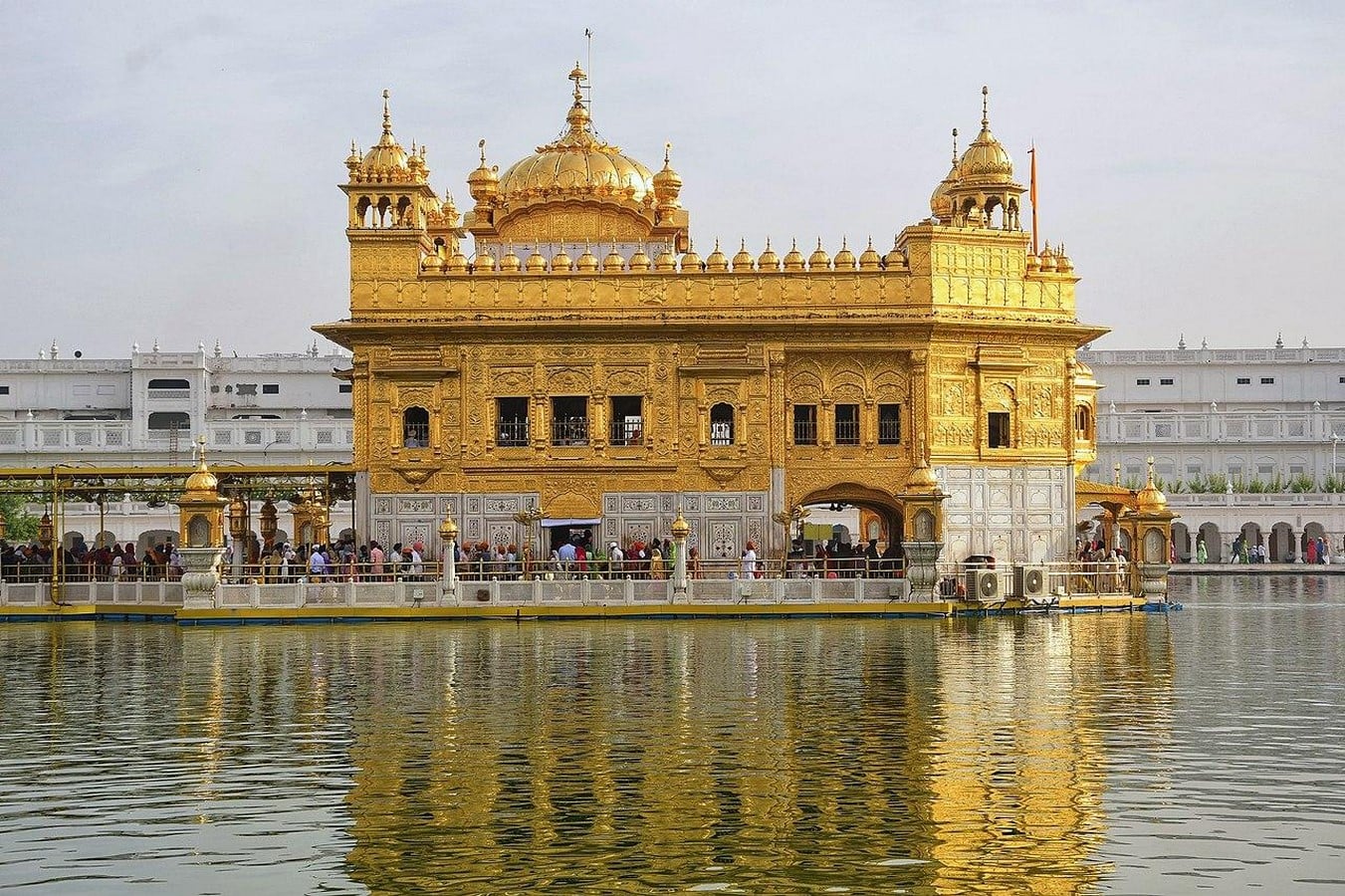
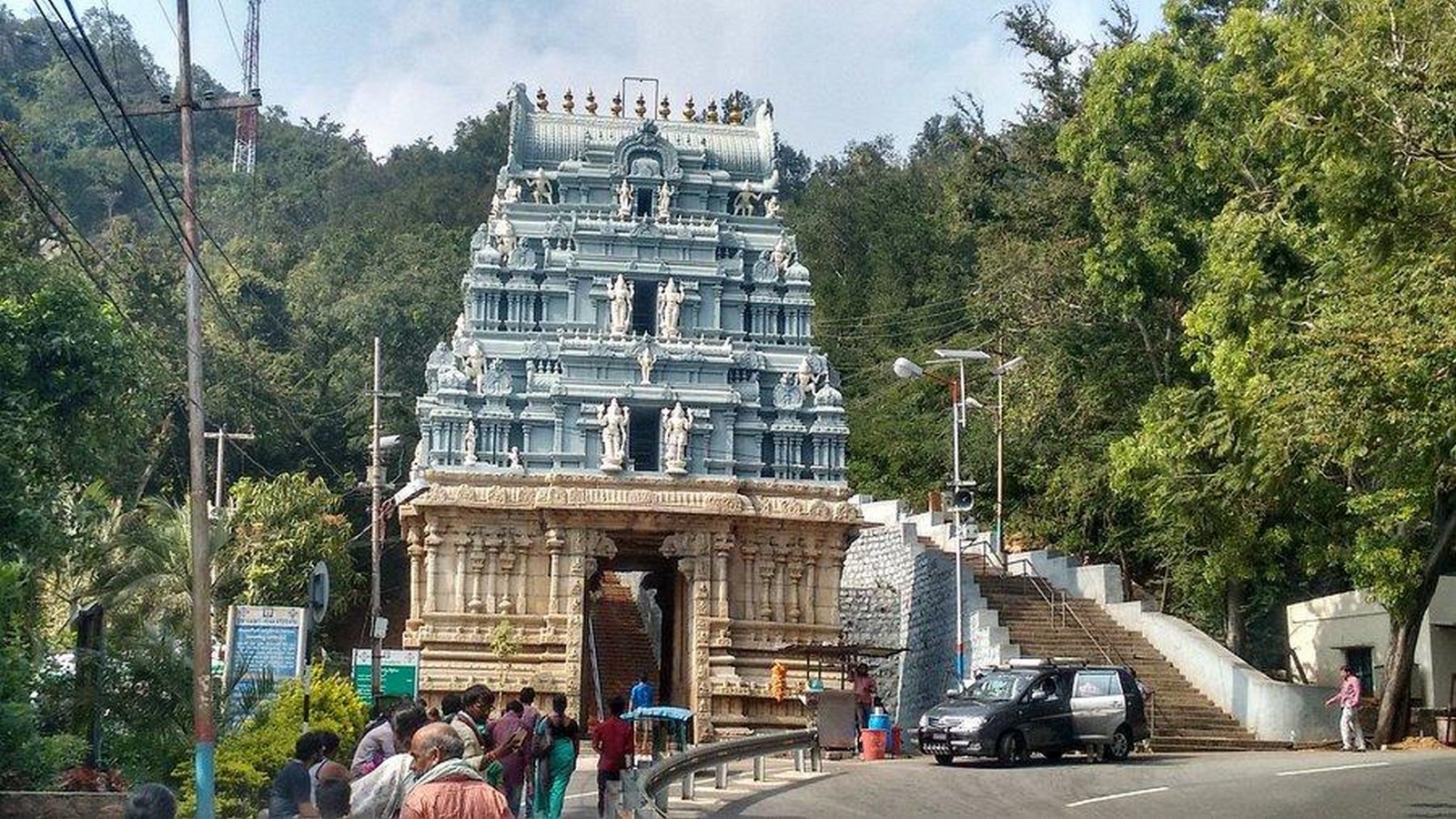
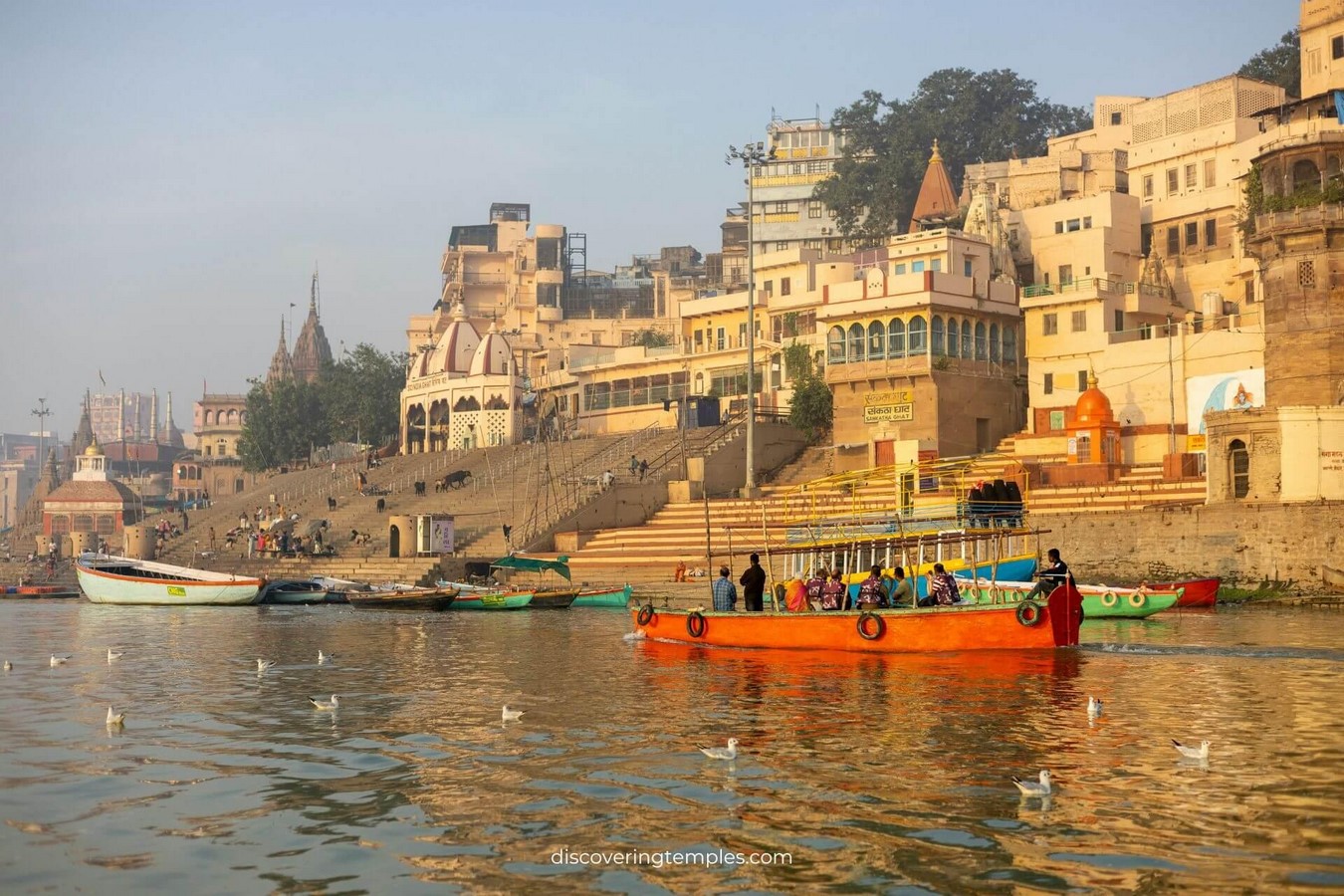
In cities of devotion, belief serves as a key element that shapes urban design. Holy sites, such as temples, ghats, shrines, and sarovars, form the core of entire spatial frameworks. Roads extend outward to these sacred sites, stalls line access routes, and areas like plazas and staircases help manage the flow of people. The sacred center creates a hierarchy: proximity determines density, land value, and the level of infrastructure. This layout is evident in Kashi (Varanasi), where the ghats along the Ganga create a clear sacred boundary. The city’s winding pathways guide pilgrims to the steps by the river, creating a ceremonial journey from the street to the water. Movement serves both a practical and symbolic function. Similarly, in Tirumala (Tirupati), the temple complex sits atop a hill, requiring a deliberate ascent that symbolizes spiritual growth. In Amritsar, the Harmandir Sahib (Golden Temple) is designed around a holy pond, with circular walkways directing the flow of visitors.
Flux
One of the most impressive features of devotional sites is their ability to handle extreme changes in crowd size. On normal days, Tirupati functions like a small to mid-sized town. During major festivals like Brahmotsavam, it welcomes hundreds of thousands of devotees each day. The Tirumala Tirupati Devasthanams (TTD) has set up a detailed queue system. This includes separate entry points, sheltered waiting areas, and scheduled token systems. These arrangements help manage flow while respecting ritual practices. In Kashi, festivals such as Dev Deepawali transform the ghats into crowded gathering spots. The tiered riverfront acts like a natural amphitheater, directing crowds upward. Open terraces and nearby streets absorb overflow, highlighting the value of multi-level spaces. In Amritsar, the Golden Temple complex has multiple entrances and a wide walkway that surrounds the sarovar to control foot traffic. The langar hall can accommodate thousands each day, acting as a social equalizer and relieving crowd pressure. These examples show a key idea: devotional cities are designed not for a specific number of visitors but for adaptability. Infrastructure is built to handle peak crowds while still supporting regular functions. Flexibility is part of transportation networks, communal spaces, and temporary structures.
Foundation
Sacred sites are often linked to natural elements, such as rivers, ponds, and mountains. These elements play both symbolic and ecological roles. In Kashi, the Ganga serves as a spiritual center and ecological framework. The ghats act as flood-adaptive boundaries. They adjust to seasonal water levels while providing spaces for rituals. Their tiered shape allows for natural variation. In Amritsar, the sarovar at the Golden Temple serves as both a spiritual and climatic tool. It lowers the temperature of the microclimate and creates a reflective barrier between sacred and secular areas. In Tirupati, the elevated location enhances the spiritual experience while managing access points, naturally regulating the flow of visitors. These foundations show a planned approach where environmental systems connect with cultural significance. Water bodies, tiered platforms, and shaded pathways serve ecological, social, and spiritual purposes simultaneously. Modern urban planning, often divided into specialized areas, can learn from this integrated method.
Multiple Economies and Social Systems
Devotional cities support complex economic systems that depend on the movements of pilgrims. Vendors sell flowers, gifts, food, and religious items along the approach streets. Artisans, priests, transportation providers, and accommodation suppliers create interconnected systems. The mix of commerce and ritual creates a varied urban environment that resists single-purpose zoning. In Kashi’s Vishwanath corridor, redevelopment initiatives aim to combine infrastructure improvements with current livelihoods. In Amritsar, the markets near the Golden Temple thrive because of the pilgrimage visitors and also build connections with the local community. Tirupati’s lodging facilities, transportation hubs, and supporting services reflect both formal planning and informal economic activity. The key point is that diverse jobs boost urban vibrancy. Instead of separating sacred, commercial, and residential uses, devotional cities blend them, ensuring ongoing activity.
Temporal Urbanism and Ceremonial Calendars
Sacred sites operate within time-based rhythms. Roads change into pathways for processions during celebrations, and public spaces become makeshift communities. In Kashi, ceremonial calendars change patterns of movement. In Tirupati, designated darshan days alter queue systems. Religious practices in Amritsar also shift spatial priorities. This time-related flexibility shows a planning approach that recognizes time as part of design. Spaces are not fixed; they are redefined periodically. Modern cities, facing climate challenges and major events, could benefit from this temporary adaptability by creating areas that can change without excessive development.
Insights for Modern Urbanism
Tirupati, Kashi, and Amritsar offer important planning ideas: Elastic Infrastructure: Plan for changing density instead of fixed limits.
Meaning-Focused Spatial Structure: Organize movement based on shared values, not just vehicle efficiency.
Multi-tiered Open Areas: Use terraces, courtyards, and water boundaries as flexible separations.
Unified Economies: Support both informal and formal systems simultaneously.
Temporal Planning: Recognize cyclical change as normal in urban areas, not an exception. These principles apply beyond religious settings. Transport centers, waterfront improvements, cultural areas, and large event spaces can use similar adaptable models.
Final thoughts
Devotional sites in India show that resilience comes not just from engineering methods but also from cultural determination. Tirupati’s queue organization, Kashi’s riverfront design, and Amritsar’s circular layout highlights cities shaped by spirituality and backed by practical wisdom. They illustrate how urban design can handle intensity, support diversity, and evolve over time while keeping unity. In an era of rapid urban growth and climate unpredictability, modern planning often focuses on efficiency and visual appeal. However, devotional cities demonstrate that strong foundations rely on flexibility, shared meaning, and dynamic spaces. The deeper question for today’s urbanism is whether it can embrace these principles—not to replicate sacred structures, but to recognize the planning insights within them.