
Wake Up Sid, directed by Ayan Mukerji, is a well-known coming-of-age movie set in Mumbai. Although it focuses on youth, freedom, and emotional growth, the film also offers a real look at urban life in modern India. Instead of relying on flashy scenes or iconic buildings, Wake Up Sid uses everyday living spaces to deepen character development and highlight its themes. From an architectural perspective, the film serves as an important case study in small-scale housing, spatial identity, and the daily realities of Mumbai’s crowded environment. This analysis examines the architectural elements of Wake Up Sid without revealing major plot details. It emphasizes how space influences the story and what insights designers can draw from it.

Mumbai as an Urban Backdrop
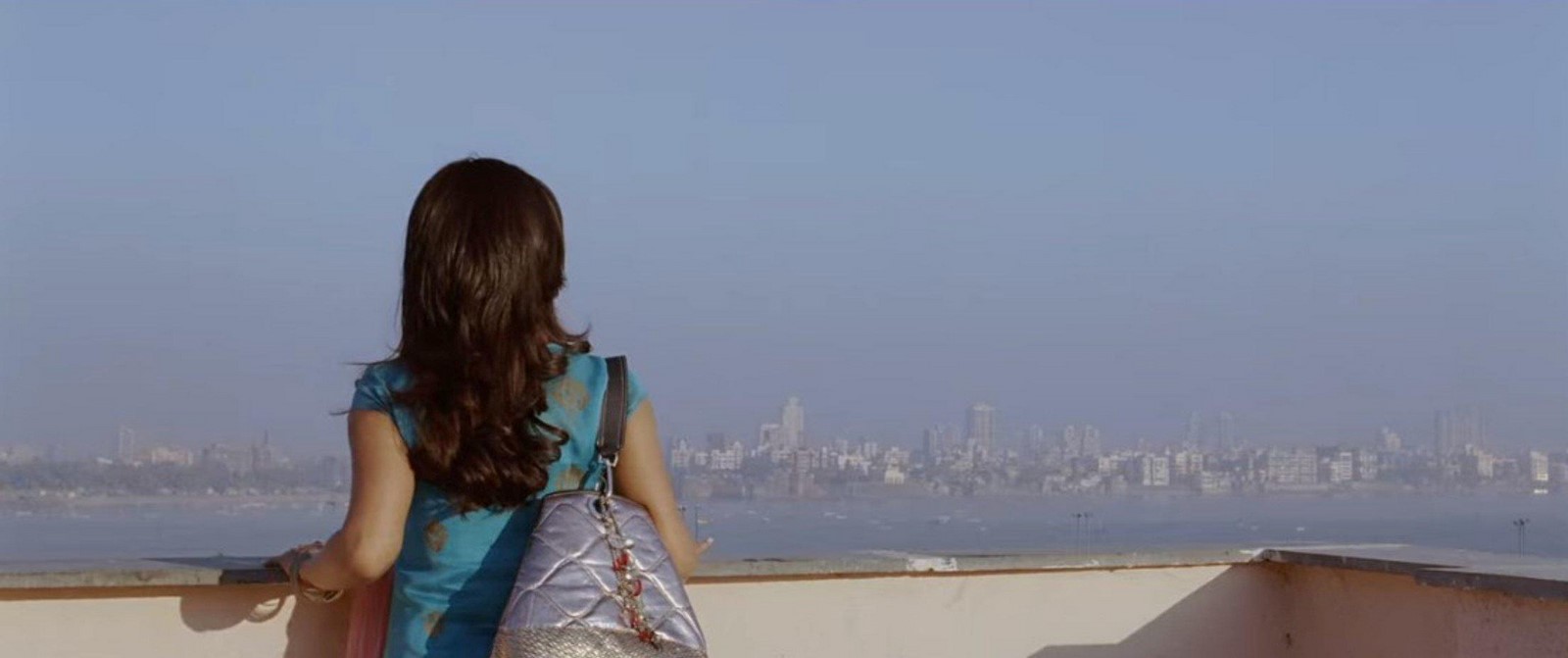
Mumbai is not just a setting in Wake Up Sid; it acts as a lively space. The city’s skyline, tall apartment buildings, and monsoon atmosphere significantly shape the film’s tone. Large windows and balcony views create a visual connection between indoor life and the expansive city outside. In terms of architecture, the film features:
- Vertical housing development
- Simple apartment designs
- Limited access to land
- Dependence on skyline views for visual interest
The film shows designers that crowded urban areas need careful organization of space. Even in small floor areas, having open views through balconies and windows is crucial for mental comfort. The urban landscape is not portrayed as chaotic; rather, it reflects ambition. This suggests that high population density can encourage personal growth if space is managed well.

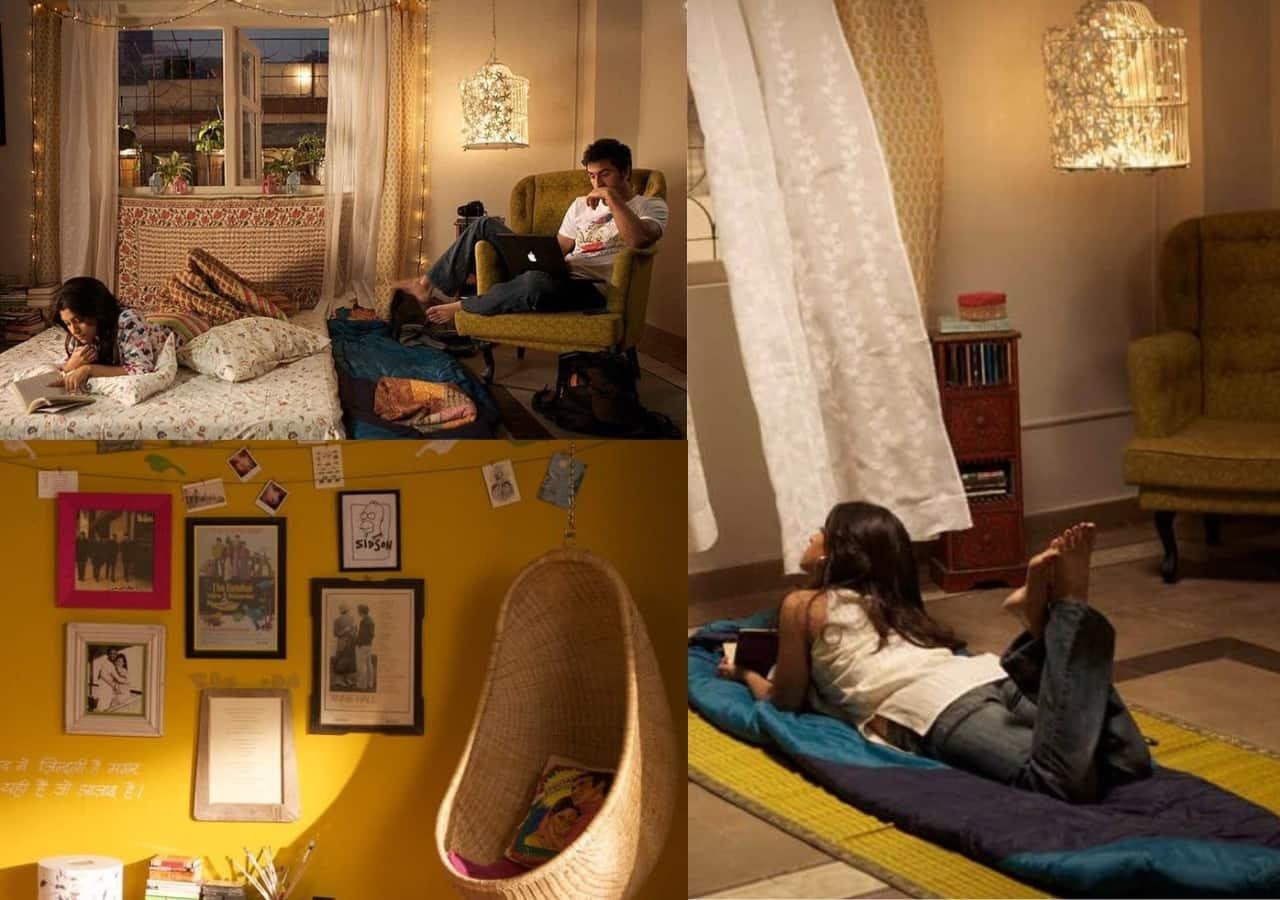
The simple apartment featured in the film serves as an important foundation for architecture. Its design represents a typical city rental: small, practical, and lightly divided. The living-dining area has an open layout, few dividing walls, and flexible furniture that emphasizes adaptability.
Key features include:
- Natural light
- Warm-toned interiors
- Flexible furniture arrangement
- Personalized decoration
The apartment gradually changes, reflecting shifts in responsibility and identity. Designers notice how customizing the space can improve emotional ownership. Rather than relying on luxury, the film shows that simple interiors can feel welcoming through light, color, and genuine comfort. For architecture students, this is a guide on making the most of small spaces. It demonstrates that thoughtful zoning, using furniture instead of walls, can create distinct functional areas while keeping the space open. This suggests that managing urban density wisely can foster personal growth.
The balcony is one of the most important features in Wake Up Sid. It often serves as a reflective space and connects personal indoor areas with communal outdoor ones.
In crowded cities like Mumbai, balconies serve several purposes:
- Protection from heat and rain
- A social space that’s somewhat public
- An extension of living space
- A mental escape
The movie subtly shows how important these semi-open areas are in city life. For designers, it points out that even a small threshold area can enhance the spatial experience and emotional connection.
The film showcases different home environments without blowing wealth differences out of proportion. Larger houses with open designs and organized layouts contrast sharply with small rental apartments. This comparison shows how architecture reflects the expectations of various generations and their economic status.
Architectural observations include:
- Geographical scale as a sign of status
- Furniture density reflecting lifestyle
- Interior details showing personal style
The movie suggests that architecture subtly communicates social realities. Designers must grasp how built spaces influence behavior, independence, and self-identity.

In contrast to stylized film sets, Wake Up Sid embraces realism. The interiors feel more lived-in than carefully arranged. Clutter, books, everyday items, and slightly imperfect setups add to the authenticity. Natural lighting enhances this effect.
From a design point of view, the movie shows:
- The power of familiar spaces
- Human scale over grandeur
- Comfort from recognition
This genuine quality improves the story and makes the architecture believable. It also aligns with recent research on urban housing that emphasizes emotional connections to space rather than just material abundance.

Several architectural themes emerge from the film:
- Independence through spatial ownership
- Urban aspiration expressed via skyline views
- Transition reflected in evolving interiors
- Compact living as a catalyst for efficiency
These themes show how architecture can subtly support storytelling without overwhelming it.
In terms of design, Wake Up Sid does not rely on large buildings or eye-catching visuals. Instead, its strength lies in simplicity and honesty. It carefully shows Mumbai’s crowded living conditions, illustrating how small spaces can support independence and personal growth. In my opinion, Wake Up Sid is one of Bollywood’s most authentic portrayals of city life. The film teaches designers that important architecture does not always need to be grand or dramatic; sometimes, a bright apartment, flexible furniture, and a balcony overlooking a busy skyline can tell a compelling story. For students of architecture and planning, Wake Up Sid becomes more than just a film—it offers a thoughtful look at how everyday spaces shape identity, aspirations, and a sense of community in modern Indian cities.

References:
https://www.imdb.com/title/tt1324059/