Tall buildings capture scale, and parks captivate their beauty. But the truth is, architecture goes far beyond shapes and beauty. Buildings are not a sculpture of glass and concrete, streets are not simply for commuting, and public spaces are not just for leisure. Architecture is a discipline that combines the three major principles proposed by the renowned Roman architect Vitruvius: Firmitas, which means stability and durability; Utilitas, meaning functionality and usefulness; and Venustas, which stands for beauty. These principles on the built environment carry a visible or invisible influence on the psychology of human beings, and it is this influence that defines the meaning of architecture.
The Waterfront Reimagined
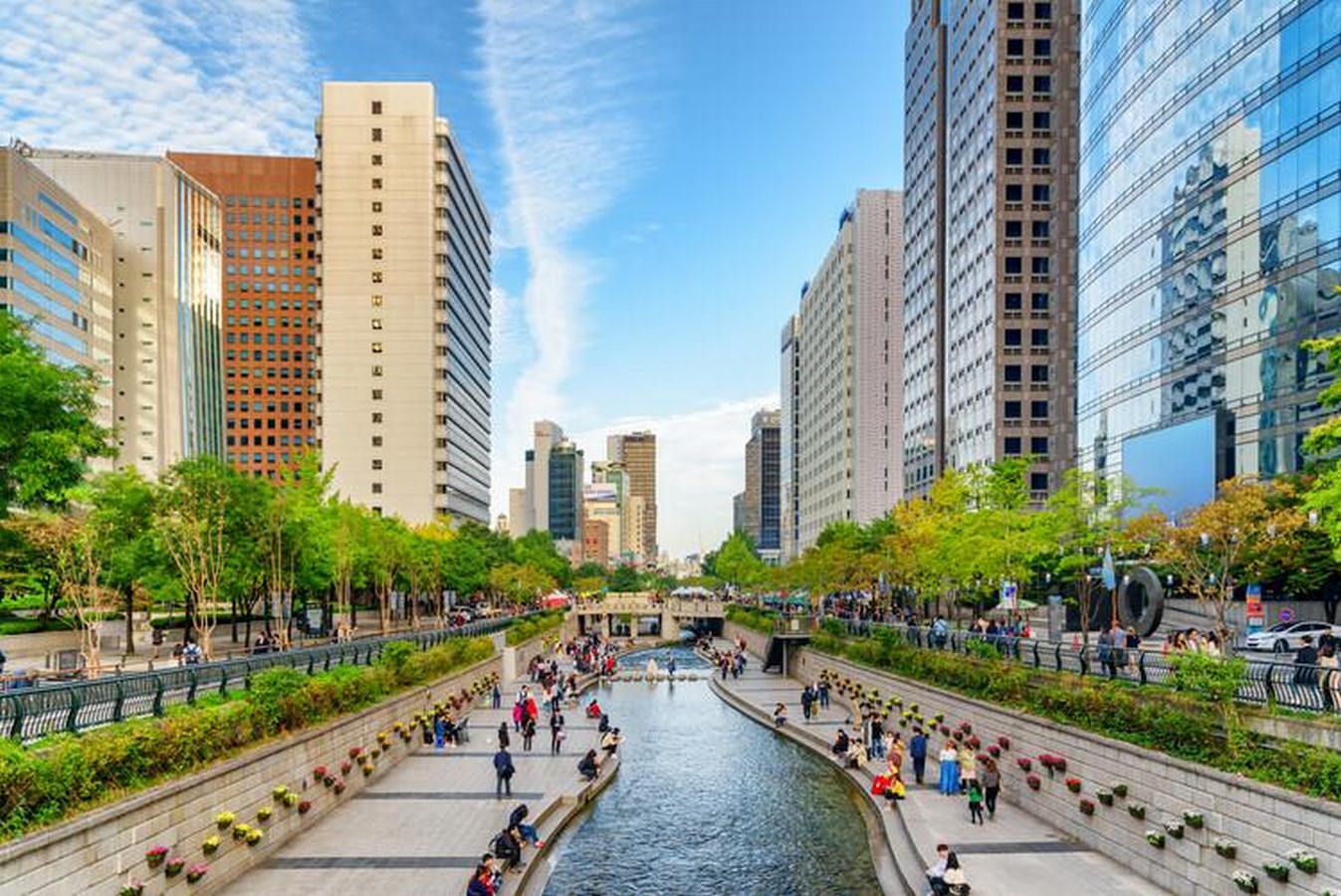
You are sitting on a bench facing the river, reading a book and enjoying a warm cup of coffee. It feels blissful, doesn’t it? Today’s waterfronts are developed with such experiences in mind, considering human behaviour.
Water has always been of historical significance as a symbol of tranquility and purity. It is one of the proven aspects that help reduce stress and boost cognitive function. Therefore, it is no surprise that development near water bodies can gently benefit living beings. Today, these developments have been transformed into a vibrant public space, which was once merely a scenic view. The waterfront promenades are a source of peace amid the loud urban life. These areas contain pathways, food courts, and seating that enhance community engagement, economic upliftment, and ecological well-being.
The Evolution of Streets
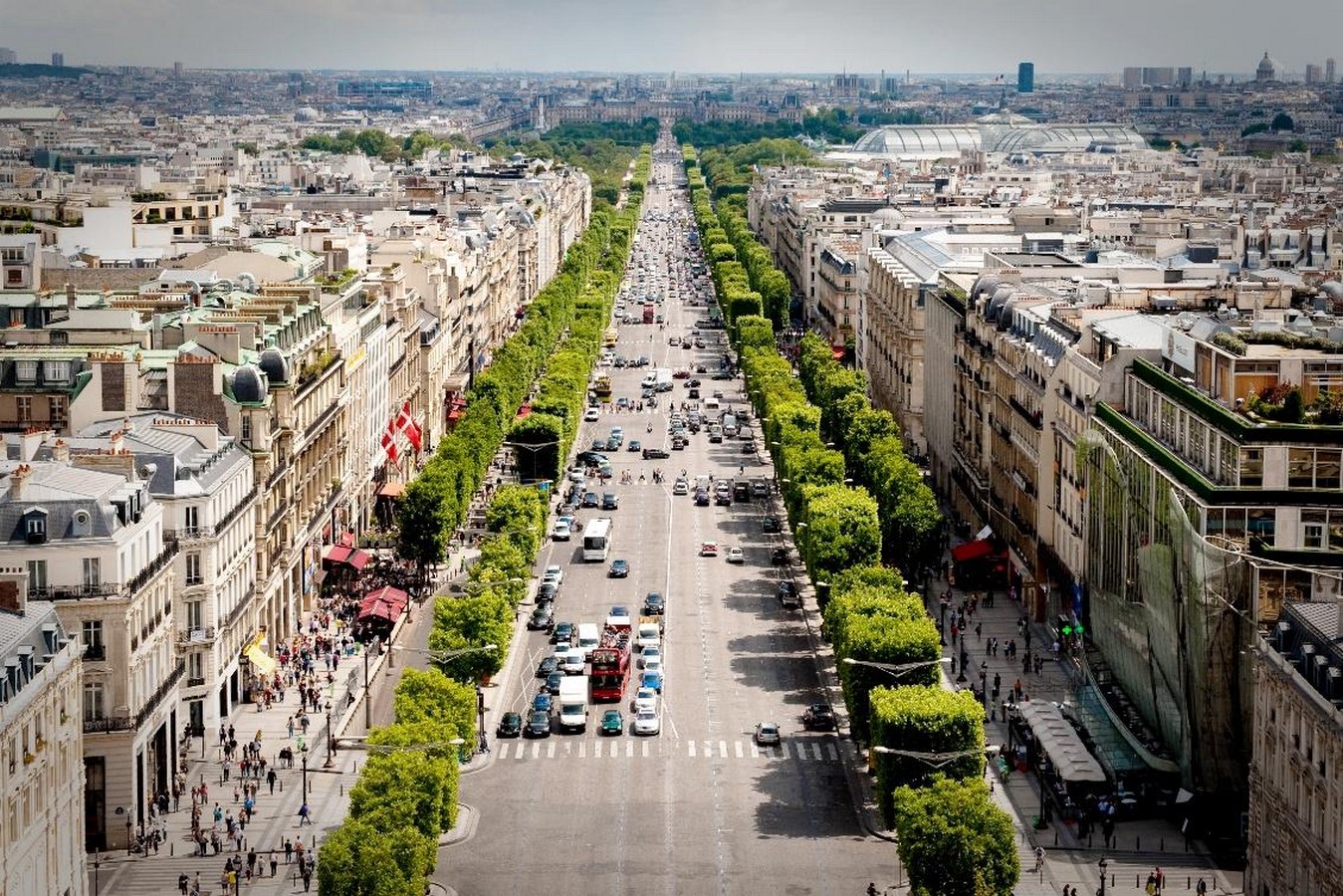
Streets are usually perceived as an infrastructure for mobility. But nowadays, where there is no land left for open spaces due to urbanization, streets are modified into public and recreational hubs. They are not just categorized for vehicles, but also for pedestrians and cyclists, with designated walking paths and cycling lanes. Plantations are arranged in separate strips, which reduces air pollution and provides habitats for small creatures. Proper amenities such as street lighting, benches along the footpath, public toilets, and drinking water facilities, etc., enhance comfort and usability.
Well-designed street lanes encourage people to walk rather than commute by vehicle, positively impacting human health. Streets are carefully planned and connected, forming nodes that help reduce traffic congestion. Tactile paving on footpaths and ramps improved accessibility, making the design more inclusive. This transformation proves that architecture holds the power to govern daily routines, movement patterns, and human behaviour.
Skyscrapers: Rising with Purpose
Skyscrapers go far beyond height and meters. It is a symbol of economic power and ambition that provides employment and residence opportunities for a large number of people. In addition, in the era of population growth, land becomes scarce. These tall buildings create vertical development, which reduces urban sprawl.
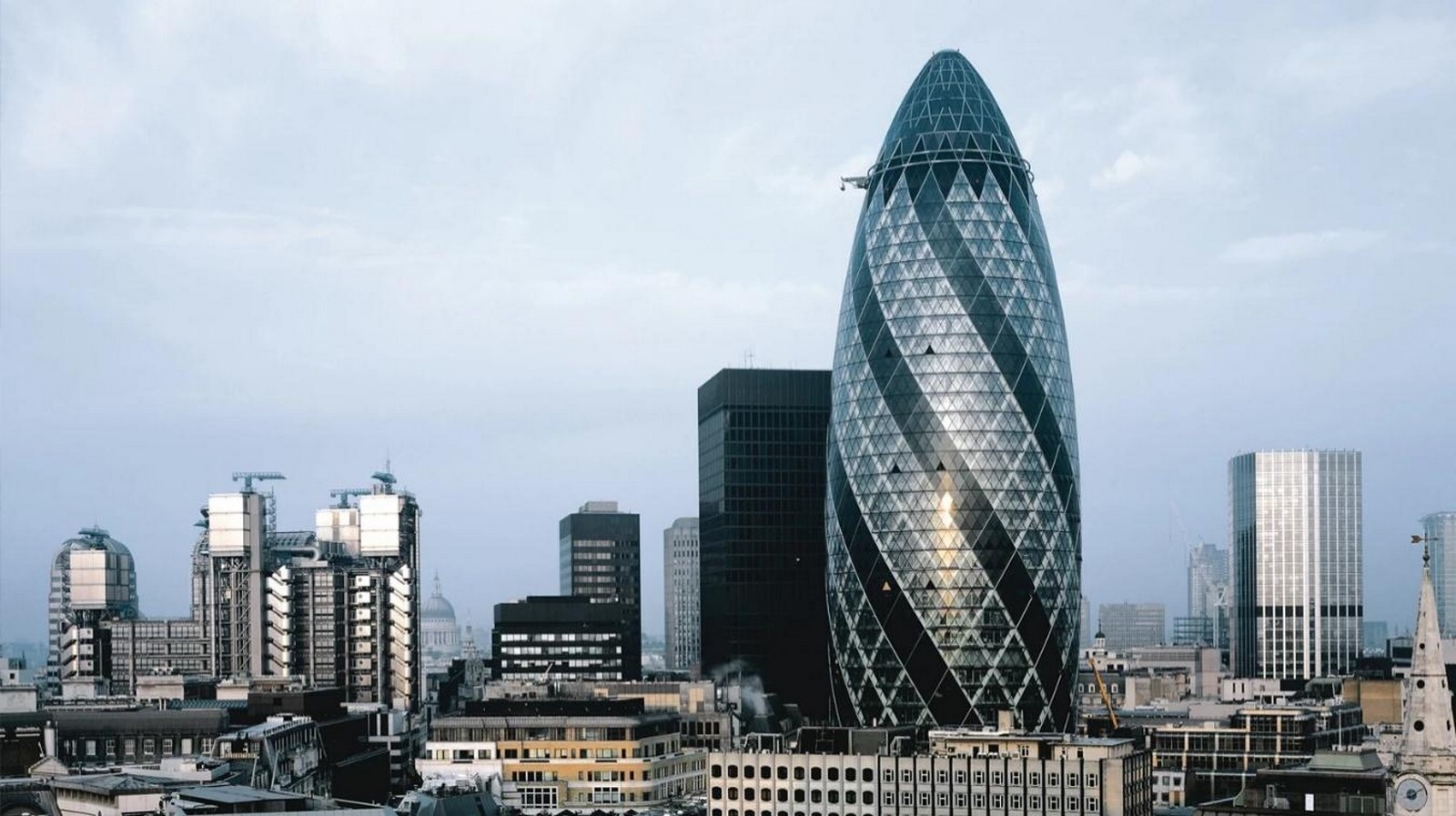
In most people’s vision, skyscrapers are tall concrete structures that has high carbon footprint and a heavy environmental impact. But as we study in depth, it can exhibit sustainable features, contributing to less energy consumption in the world, facing climate change. A good example is the 30 St Mary Axe building in London. It is built in an aerodynamic form that maximizes the amount of natural lighting and ventilation, demonstrating how sustainable design can be integrated into high-rise architecture.
Public Spaces as Engines of Well-Being
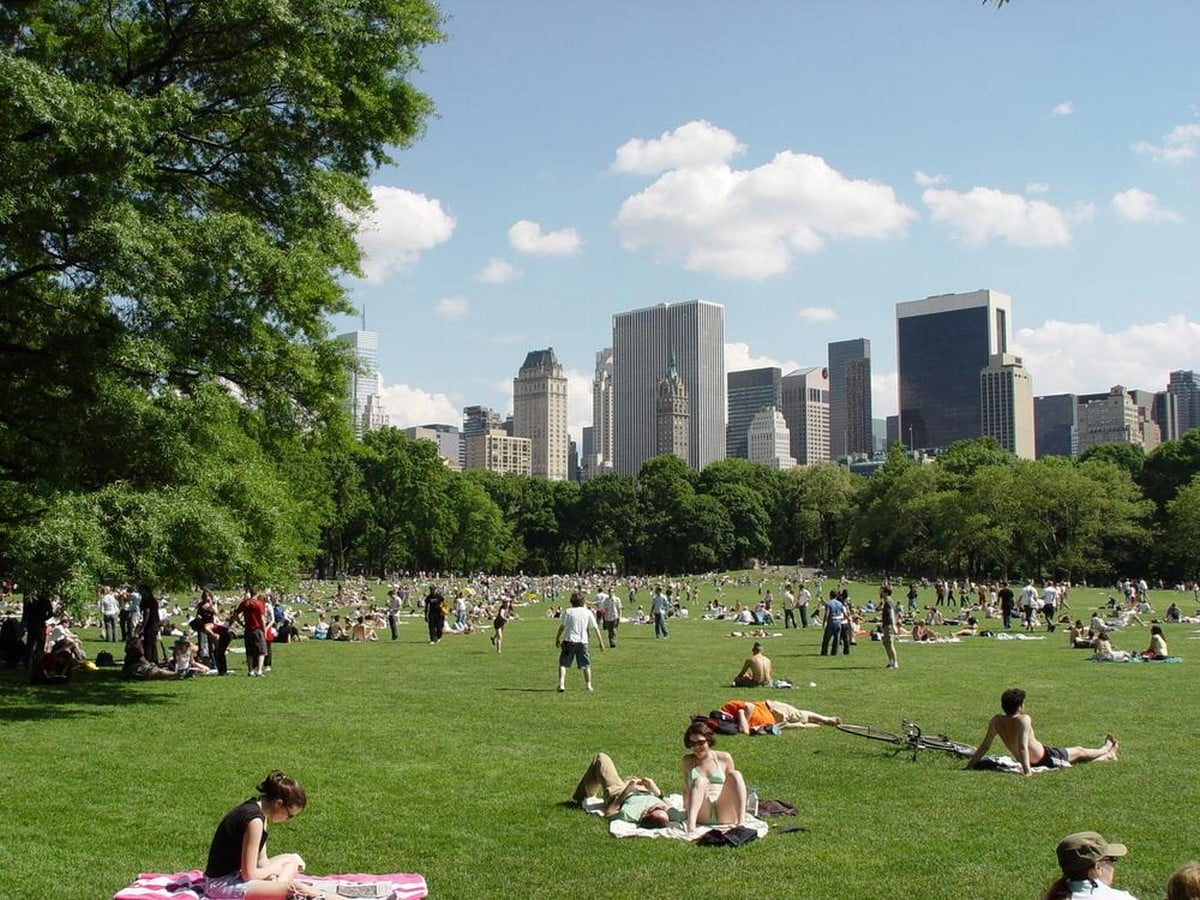
Public spaces are vital components within concrete jungles that foster social connections, promoting well-being, and enhancing the quality of life for urban residents. A well-equipped public space with amenities encourages children to play, while the elderly chat and bask in the sun, and youths take short breaks from their work. These spaces host cultural events, concerts, festivals, and markets, which nurtures a sense of community and belonging.
Similarly, parks and greenways offer spaces for maintaining a healthy lifestyle. For instance, a man-made Central Park of New York stands amidst tall skyscrapers that motivate people not only to relax and connect socially, but also to engage themselves in activities such as exercises, yoga, meditation, and particularly to connect with nature.
Community Spaces and Belonging
Going through history, several spaces like plazas, courtyards, and markets have been strategically placed in the community. Till today’s date, these spaces provide social gatherings and integrity amongst the people of different groups. Cultural events, food fests, farmers’ markets, and other such activities have activated these spaces, supporting the local economy and livelihoods. Beyond these economic and social benefits, community spaces serve as a focus point of landmarks that help to organize neighbourhoods, which influence pedestrianization, orientation, and flow of daily life.
Architecture is a force that functions on how we live, move, and connect. It carries a story within itself that creates memories, experiences, and a sense of belonging. It may sound like a normal subject that just beautifies the environment around us, but it is one of the major industries that has a huge role in reducing climate change by incorporating sustainable approaches.

Reference:
(2025) The Importance of Public Spaces in Urban Planning. Available at: https://homesight.org/the-importance-of-public-spaces-in-urban-planning/ (Accessed: 19 February 2026).
ArchDaily (2019) 30 St Mary Axe Tower/ Foster + Partners. Available at: https://www.archdaily.com/928285/30-st-mary-axe-tower-foster-plus-partners/ (Accessed: 19 February 2026).