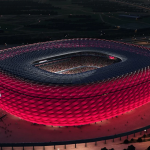
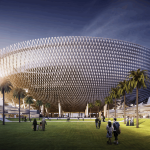
When we watch global sporting events, what we often remember are moments: a final goal, a record broken, a stadium erupting in collective sound. What we rarely pause to consider is the vast infrastructure that makes such moments possible. Beneath the spectacle lies an intricate network of planning, engineering and long-term urban strategy. In this sense, sport architecture is not simply about iconic arenas; it is about systems, logistics and the invisible frameworks that support extraordinary performance. The brilliance of the event rests not only in athletic excellence but in spatial organisation operating with near-perfect precision.
These spectacles demand environments capable of absorbing immense pressure, both physical and symbolic. Thousands of spectators must move efficiently, athletes must perform within controlled climatic and spatial conditions, and global audiences must connect seamlessly through broadcast and digital networks. None of this occurs spontaneously. It is the result of years of coordinated design, infrastructural investment and urban recalibration. Sport architecture, therefore, operates at the intersection of architecture, engineering, governance and cultural ambition.
Beyond the Stadium: The Urban Machinery
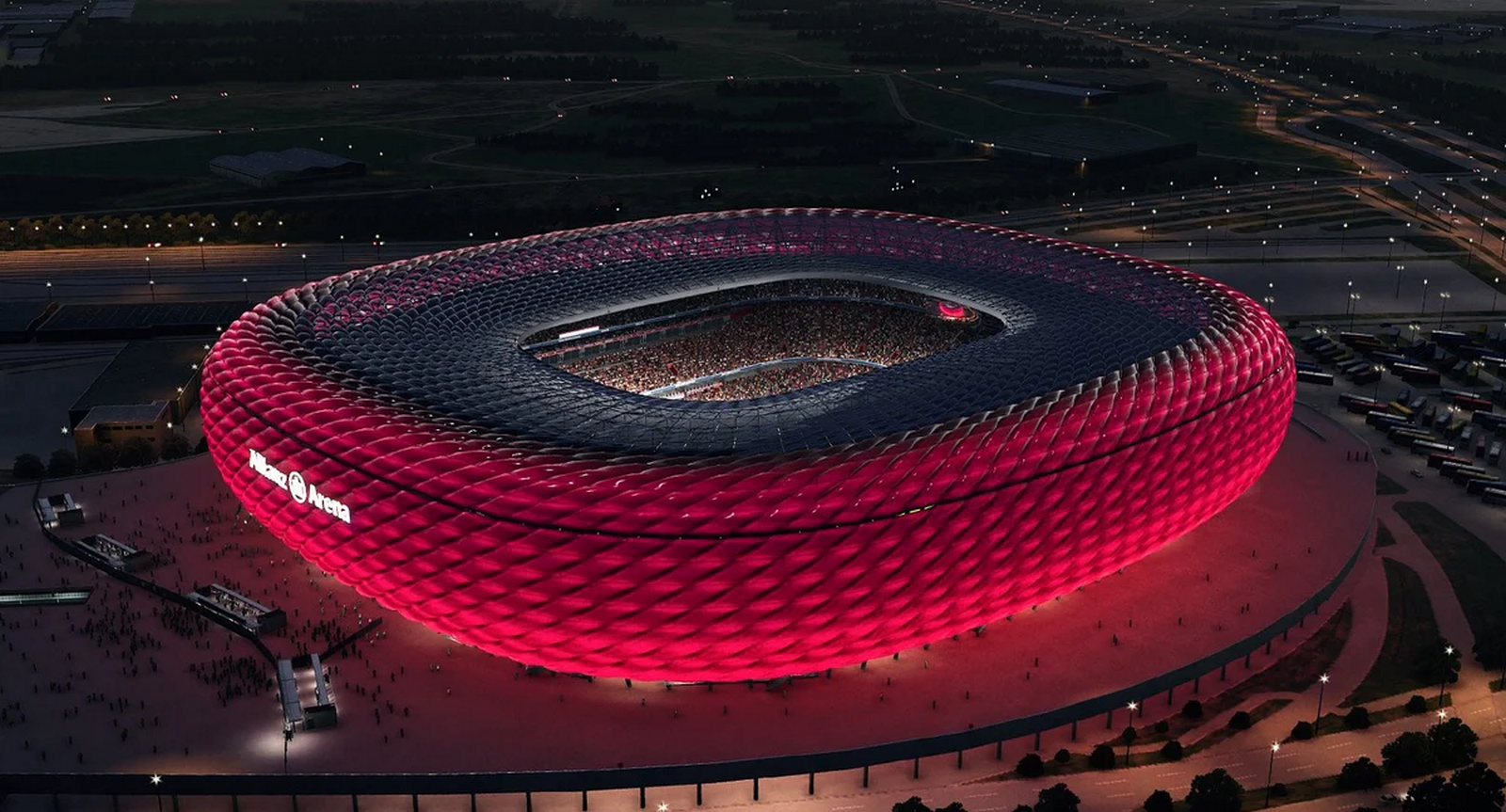
It is tempting to equate sport architecture with monumental stadiums, yet these structures represent only the visible fraction of a much larger operation. International tournaments demand transport upgrades, security systems, athlete villages, broadcast centres and energy networks, all functioning in precise coordination. The stadium may be the architectural symbol, but the surrounding infrastructure is the true operational core.
Host cities often accelerate metro expansions, airport renovations or road improvements in preparation for global competitions. These interventions are rarely temporary. They alter patterns of mobility and urban development for decades. In this sense, sport architecture extends far beyond seating capacity or roof span; it becomes a catalyst for infrastructural transformation. The spectacle may last weeks, but its spatial consequences are long-term.
Temporary Grandeur, Permanent Consequences
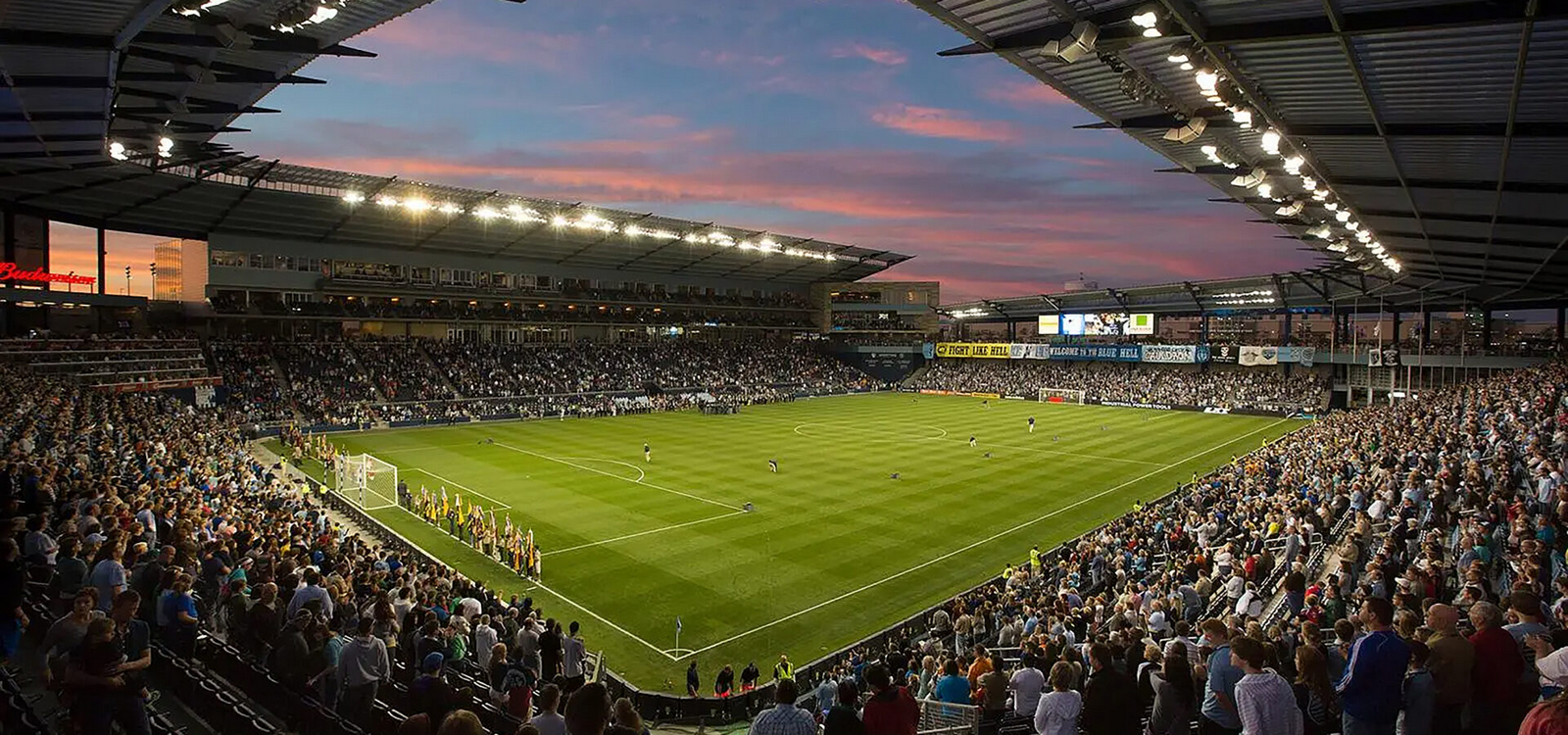
One of the central tensions in sport architecture lies in its scale. Global sporting events require facilities that can accommodate vast crowds, intense media attention and strict technical standards. Yet once the event concludes, these structures must either adapt or risk obsolescence. The question is not merely architectural but ethical: how can infrastructure designed for peak intensity be responsibly integrated into everyday urban life?
Recent approaches have increasingly emphasised modular construction, adaptive reuse and legacy planning. Temporary seating tiers, demountable façades and convertible arenas attempt to reconcile spectacle with sustainability. However, such strategies demand foresight at the earliest design stages. Infrastructure cannot be an afterthought; it must anticipate post-event realities. Sport architecture therefore becomes a discipline of balance, between ambition and restraint, visibility and responsibility.
Architecture as National Narrative
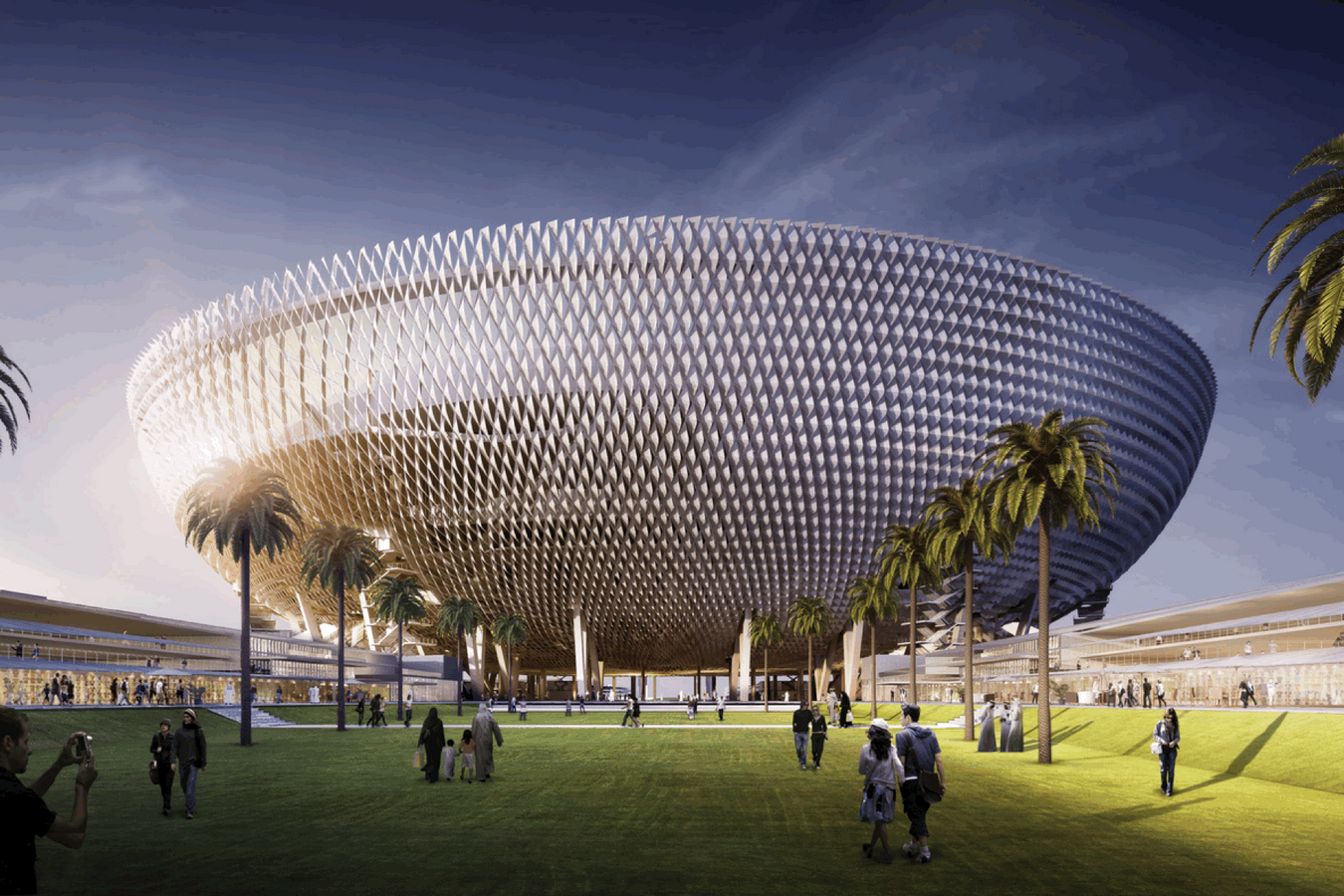
Global sporting spectacles are rarely neutral. They are opportunities for nations to project identity, technological capability and cultural aspiration. As a result, sport architecture often carries symbolic weight. Rooflines, façades and structural gestures become part of a broader narrative about progress and global presence.
Yet symbolism without infrastructural logic can feel hollow. The most successful projects are those in which engineering performance and architectural expression are inseparable. Structural clarity, environmental responsiveness and material innovation become the aesthetic language. In such cases, infrastructure itself becomes compelling, not because it is decorative, but because it reveals how the building works.
This integration of performance and expression suggests a more mature understanding of sport architecture. Rather than treating infrastructure as a hidden service, it can be acknowledged as an essential design element. Lighting rigs, truss systems, acoustic panels and circulation routes are not merely technical necessities; they shape the spatial experience of spectators and athletes alike.
Ultimately, infrastructure behind global sporting spectacles reveals that sport architecture is less about iconic form and more about orchestrated systems. The stadium may capture attention, but it is the networks of transport, energy and spatial planning that sustain the event and shape the city beyond it. If designed with foresight and responsibility, such infrastructure can transcend spectacle and contribute lasting value to urban life. If not, it risks becoming a monument to excess. The challenge for contemporary sport architecture lies in reconciling global ambition with grounded, long-term thinking.