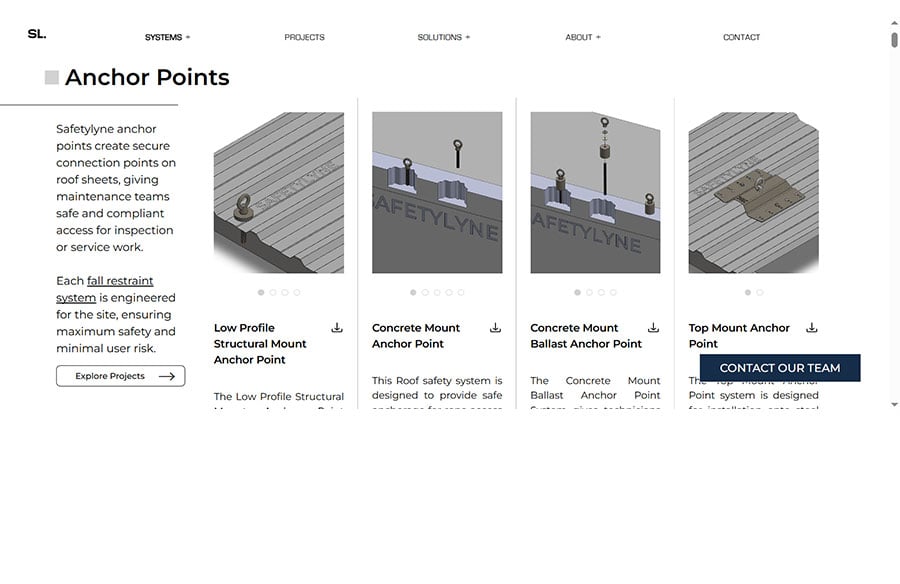
When workers perform tasks at height, ensuring their safety is paramount. Roof anchor points are crucial components of fall protection systems, providing secure attachment points for harnesses and lanyards. The certification of these anchor points ensures that they are safe, functional, and compliant with industry standards. In this guide, we will walk you through the step-by-step process of certifying roof anchor points for height safety, covering the key considerations, requirements, and best practices.
What Are Roof Anchor Points?
Roof anchor points are secure attachment points installed on the roof or structure to which fall protection equipment. These anchor points prevent workers from falling by securing them to the roof or building in case of an accident. Properly certified anchor points ensure that fall protection equipment works as intended and provides maximum protection.
Why Certifying Roof Anchor Points Is Important
Certifying roof anchor points is vital for the safety of workers, compliance with safety regulations, and ensuring that fall protection systems function as intended. The certification process verifies that the anchor points are strong enough to withstand the forces exerted during a fall, reducing the risk of injury or fatalities. Failure to properly certify roof anchor points could lead to accidents, legal consequences, and financial costs for businesses.
Step-by-Step Guide to Certifying Roof Anchor Points for Height Safety
Step 1: Understand Local Regulations and Standards
Before you begin the certification process, it’s crucial to understand the local safety regulations and standards that apply to roof anchor points. In Australia, for example, AS1657 sets the standards for the design, construction, and installation of fall protection systems, including anchor points. In the United States, OSHA (Occupational Safety and Health Administration) provides guidelines for anchor point installation and certification.
Research the relevant regulations and ensure that the roof anchor points meet the necessary safety standards. These standards typically include requirements for load capacity, installation methods, and inspection intervals.
Step 2: Choose the Right Anchor Point System
Selecting the right roof anchor point system is essential for the certification process. The type of anchor point system chosen should depend on the following factors:
- Roof Structure: Consider the material and structure of the roof to determine the type of anchor points that are most suitable (e.g., concrete, steel, or timber roofs).
- Load Requirements: Ensure that the anchor point system can withstand the required load capacity, typically at least 2,000 pounds (9 kN) for personal fall arrest systems.
- Accessibility: The anchor points must be positioned in a way that allows easy access for workers without creating additional hazards.
- Compliance: Ensure the anchor point system complies with local regulations and industry standards, such as AS1657 or OSHA.
Work with a qualified roof safety systems supplier to choose the most appropriate anchor point system for your specific needs.
Step 3: Install Roof Anchor Points
Once you’ve selected the appropriate anchor point system, it’s time to install the roof anchor points. This step must be done by a professional with experience in roof safety systems. The installation process includes the following:
- Selecting Installation Locations: Anchor points must be placed at strategic locations to minimize the risk of falls and ensure worker mobility. They should be positioned above the worker’s head whenever possible, and ideally close to the edge of the roof or work area.
- Secure Mounting: The anchor points should be securely mounted to the roof structure using appropriate fixings, such as bolts, welds, or anchors, depending on the roof type. The installation should ensure that the anchor points are stable and capable of supporting the required load.
- Compliance Checks: Ensure that the installation complies with all relevant standards, including correct placement, load capacities, and installation methods.
Step 4: Conduct Structural Integrity Testing
After the roof anchor points are installed, it’s important to conduct structural integrity testing. This testing ensures that the anchor points can support the forces exerted during a fall. Common methods for testing anchor point integrity include:
- Load Testing: A load test involves applying a force to the anchor point that simulates the forces exerted during a fall. The anchor point should be able to withstand this force without failure or permanent deformation. Typically, a load of 2,000 pounds (9 kN) is applied to each anchor point to ensure its integrity.
- Visual Inspection: A visual inspection should be carried out to check for any visible signs of damage, corrosion, or wear on the anchor points. This step helps identify any issues before they become serious problems.
It’s essential to hire a certified professional or engineer to conduct these tests to ensure accurate results and compliance with safety regulations.
Step 5: Obtain Certification from a Professional
Once the installation and testing have been completed successfully, you will need to obtain certification from a qualified professional. The certifying professional should be experienced in roof safety systems and capable of evaluating the anchor points for compliance with safety standards.
The certification process involves:
- Reviewing the Installation: The professional will review the anchor point installation to ensure that it meets local regulations and safety standards.
- Verifying Load Capacity: The professional will verify that the anchor points can support the required load, based on testing and calculations.
- Issuing Certification: If the anchor points pass all inspections and tests, the professional will issue a certificate confirming that the roof anchor points are safe and compliant with relevant safety regulations.
This certification is often required by law and is essential for demonstrating compliance during safety audits or inspections.
Step 6: Implement Regular Inspections and Maintenance
After the roof anchor points have been certified, it’s important to implement a regular inspection and maintenance schedule to ensure their continued effectiveness. Over time, wear and tear, weather conditions, and general use can affect the integrity of anchor points.
Regular inspections should be conducted by qualified professionals, and any necessary maintenance or repairs should be carried out promptly. Inspections should be performed at least annually or more frequently if the anchor points are subjected to heavy use or extreme conditions.
Step 7: Document and Record the Certification Process
Finally, keep detailed records of the certification process, including installation details, inspection reports, load testing results, and the certification itself. This documentation may be required for safety audits, insurance purposes, or regulatory compliance. It also serves as a reference for future inspections or maintenance.
Benefits of Certifying Roof Anchor Points
- Enhanced Worker Safety: Certified roof anchor points provide secure attachment points for fall protection systems, reducing the risk of falls and injuries.
- Compliance with Regulations: Certifying roof anchor points ensures that your workplace complies with local safety regulations, avoiding fines and legal consequences.
- Peace of Mind: A certified anchor point system gives workers confidence in their safety equipment, leading to increased productivity and morale.
- Reduced Liability: Certifying your roof anchor points reduces the risk of workplace accidents, which helps minimize liability and insurance claims.
Frequently Asked Questions (FAQs)
Q1: How often should roof anchor points be inspected?
A1: Roof anchor points should be inspected at least annually or more frequently if they are subjected to heavy use or extreme conditions. Inspections should check for signs of damage, wear, or corrosion.
Q2: Can I install roof anchor points myself?
A2: Roof anchor points should be installed by qualified professionals who are familiar with safety regulations and installation techniques. Incorrect installation can result in anchor points failing to provide adequate fall protection.
Q3: What is the load capacity of roof anchor points?
A3: Roof anchor points should be able to withstand a minimum load of 2,000 pounds (9 kN) to ensure that they can safely support workers in the event of a fall.
Q4: Why do I need a professional to certify my roof anchor points?
A4: A professional certification ensures that your roof anchor points are properly installed, meet regulatory standards, and can withstand the forces exerted during a fall. Certification is essential for compliance and worker safety.
Conclusion
Certifying roof anchor points is a critical step in ensuring safe working conditions at height. By following the step-by-step guide outlined above, businesses can ensure that their fall protection systems are effective, compliant with regulations, and capable of protecting workers from the dangers of falls. Regular inspections and maintenance are essential for maintaining the integrity of anchor points and ensuring ongoing worker safety.