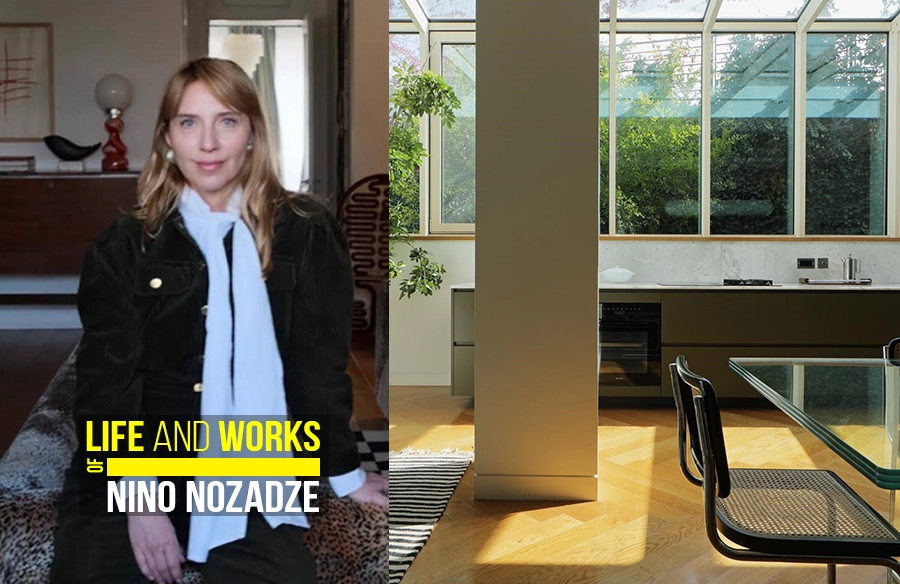
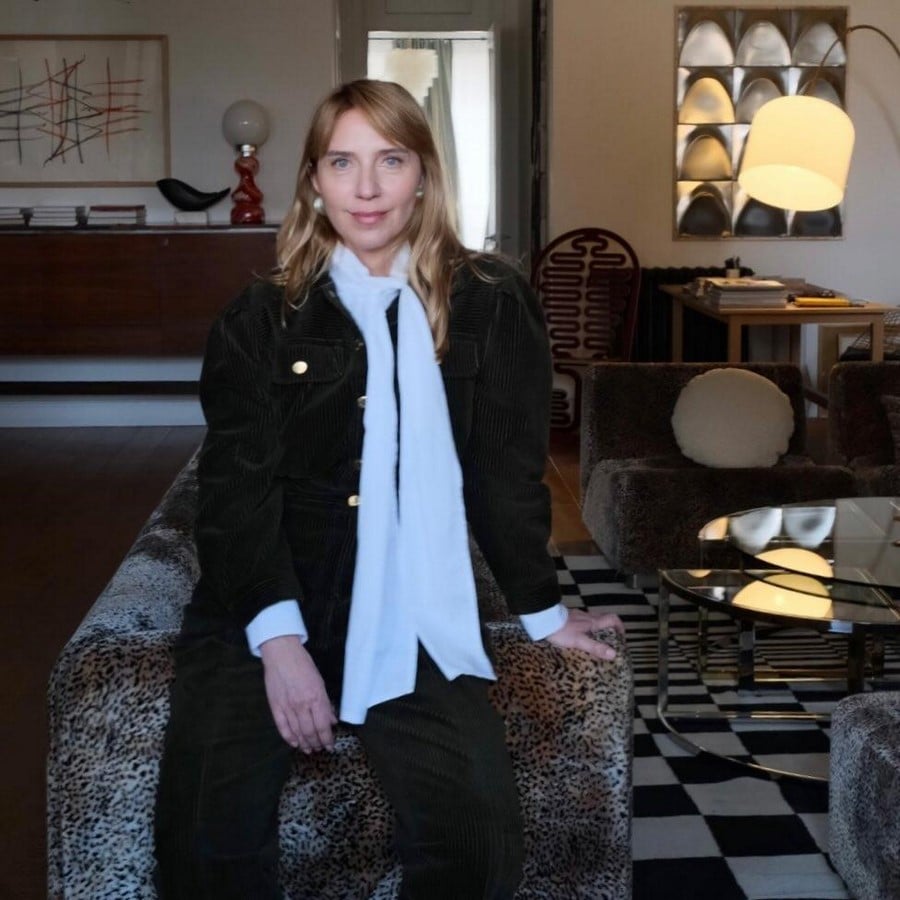
One of the interior designers working quietly in Georgia today, Nino Nozadze creates spaces that feel calm before they feel designed. Her interiors do not try to impress immediately. Instead, they unfold slowly, through light, material, and atmosphere. There is a softness in her work, a sense of balance that makes rooms feel lived in rather than staged. Before entering the design world, Nino studied International Relations at Tbilisi State University, later moving to New York in 2008 to pursue Interior Design and Architectural Studies at Parsons the New School for Design. After gaining professional experience in New York, she returned to Georgia in 2012 to begin her independent practice (Nozadze, n.d.).
Her early projects already reflected a deep sensitivity towards everyday spaces. One of her first creative ventures, O, Moda, Moda, a cafe and cultural space in Tbilisi, revealed her interest in designing environments that bring people together through simple spatial gestures (Nozadze, n.d.). Since then, her work has grown across residential and commercial projects, guided by a quiet understanding of how people inhabit interiors. Rather than focusing on bold forms, Nozadze works with natural materials, soft light, and human proportions. Her spaces feel personal, almost intimate, reminding us that good design does not always speak loudly. Sometimes, it simply makes you feel at ease.
Her Design Ideology
Nino Nozadze’s design ideology feels rooted in simplicity and emotional awareness rather than visual spectacle. Her spaces are to be lived in quietly. Light is allowed to enter naturally, materials are kept honest, and rooms are given enough breathing space to feel comfortable. There is a strong sense of restraint in her work, where nothing feels excessive or forced. Instead of filling spaces with decorative layers, she focuses on creating balance through texture, proportion and atmosphere.
What stands out in her interiors is how gently they respond to everyday life. Floors, walls and furniture come together in a way that feels intuitive, almost effortless. Her projects often blur the boundaries between inside and outside, inviting nature into interiors through courtyards, openings and soft transitions. This approach reflects her belief that spaces should support emotional well-being as much as functional needs. Whether designing a home or a commercial interior, she consistently prioritises calmness and human comfort. Through natural materials, muted palettes and carefully framed views, Nozadze creates environments that encourage pause and presence. Her ideology reminds us that interior design is not only about appearance, but about shaping experiences that quietly support how people feel and move through space.
Philosophy Reflected Through Her Works
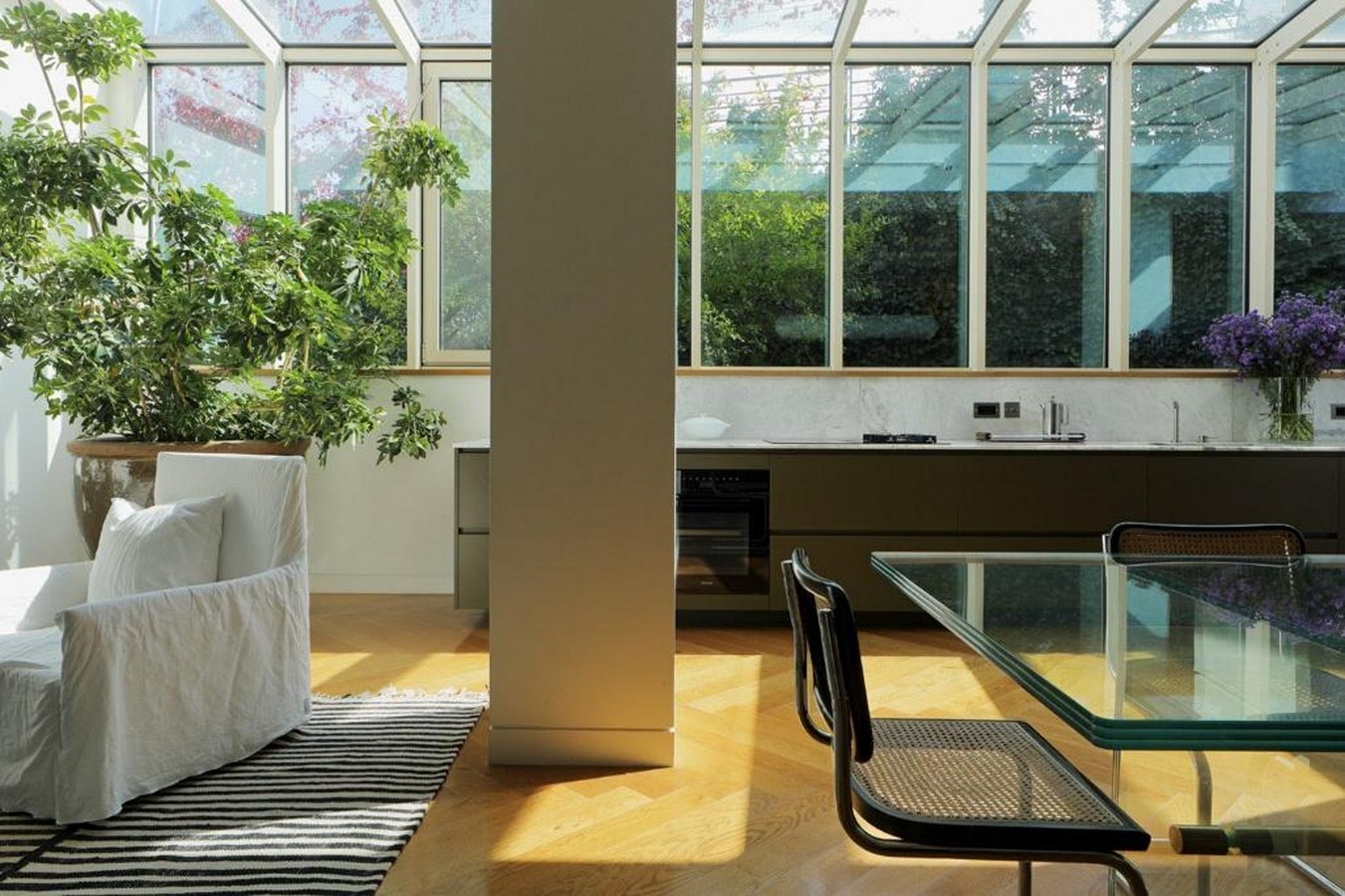
Nino Nozadze’s philosophy becomes most visible when looking closely at her built projects. Her residential works, including the Kisiskhevi retreat and her interior works, reveal a consistent focus on atmosphere rather than form. Large openings frame landscapes, natural light is carefully directed into living spaces, and materials are chosen for their tactile quality rather than visual drama. These projects feel grounded in their surroundings, allowing nature to become part of the interior experience. Instead of imposing design, she allows spaces to grow organically, shaped by light, shadow and everyday movement (Nozadze, n.d.).
In many of her works, rooms flow gently into one another, creating continuity rather than separation. Living areas open into courtyards or outdoor pockets, encouraging slow moments of pause within daily routines. Her work often avoids sharp contrasts, favouring soft transitions and layered textures that make spaces feel emotionally safe. Even in commercial projects, the same sensitivity is present, with layouts designed to support interaction without overwhelming the senses. Through her projects, Nozadze demonstrates how architecture can be both contemporary and deeply personal. Her philosophy is not about creating iconic interiors, but about crafting spaces that hold silence, comfort and familiarity, these are qualities that stay with users long after they leave.
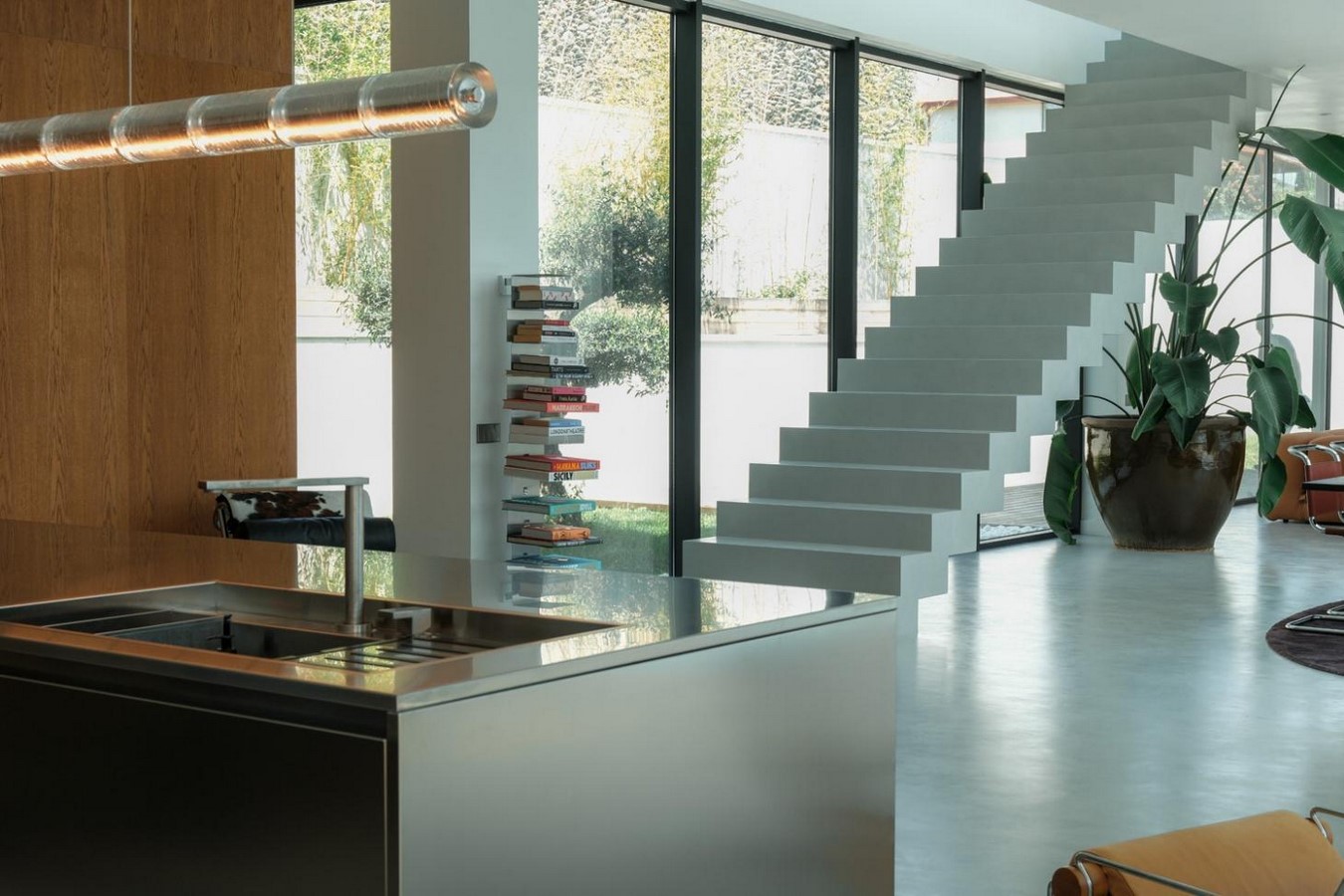
A Focal Point in Her Work: Light, Stillness and Human Scale
Across Nino Nozadze’s projects, one recurring focal point becomes evident: her careful use of light to shape emotional space. Daylight is not treated as a background element, but as a design material in itself. Windows are placed to invite soft illumination, shadows are allowed to move across surfaces, and interiors are kept open enough for air and light to circulate freely. This sensitivity creates rooms that feel calm and grounded, encouraging people to slow down and become aware of their surroundings.
Equally important is her attention to human scale. Furniture is never overpowering, ceilings feel approachable, and circulation spaces are generous without being excessive. Her interiors are designed for real lives, not staged perfection. Through natural textures, muted tones and simple geometries, she builds environments that feel emotionally supportive. These qualities are especially visible in her residential projects, where spaces are shaped around everyday rituals such as sitting, cooking, and resting (Nozadze, n.d.). Rather than chasing trends, Nozadze focuses on timeless spatial comfort. Her work reminds us that architecture does not always need bold statements to be meaningful. Sometimes, it is the quiet balance of light, proportion and material that allows a space to truly feel right.
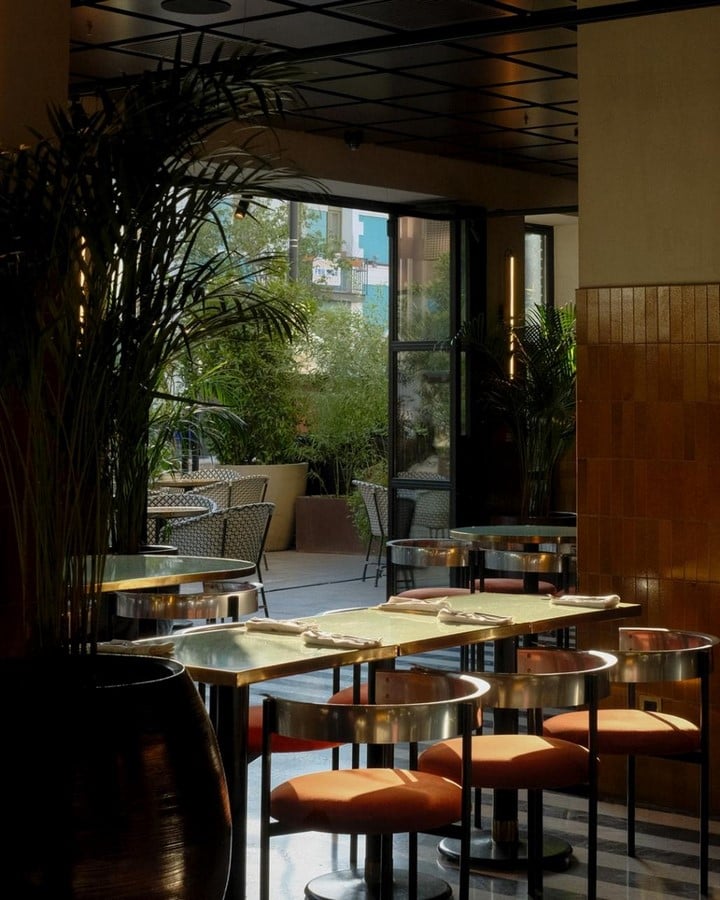
Nino Nozadze’s work reminds us that interior design does not always need strong gestures to leave an impact. Through light, material honesty and thoughtful proportions, she creates spaces that feel calm, grounded and deeply personal. Her projects reflect an understanding of how people inhabit rooms, move through thresholds, and connect with their surroundings. Rather than designing for visual drama, she designs for emotional comfort, allowing spaces to support everyday life in quiet ways.
In a time where interiors are often driven by trends and surface aesthetics, Nozadze’s approach feels refreshing. Her focus on atmosphere, stillness and human scale offers a softer direction for contemporary design. By prioritising how spaces are experienced rather than how they are displayed, she demonstrates the importance of sensitivity in architectural practice. Her work encourages young designers to slow down, observe, and design with intention. Through simple spatial choices and careful attention to lived experience, Nino Nozadze shows that meaningful interiors are not created through excess, but through balance, restraint and care.
Bibliography:
Nozadze, N. (n.d.) Nino Nozadze Studio. https://ninonozadze.com/