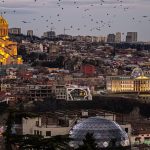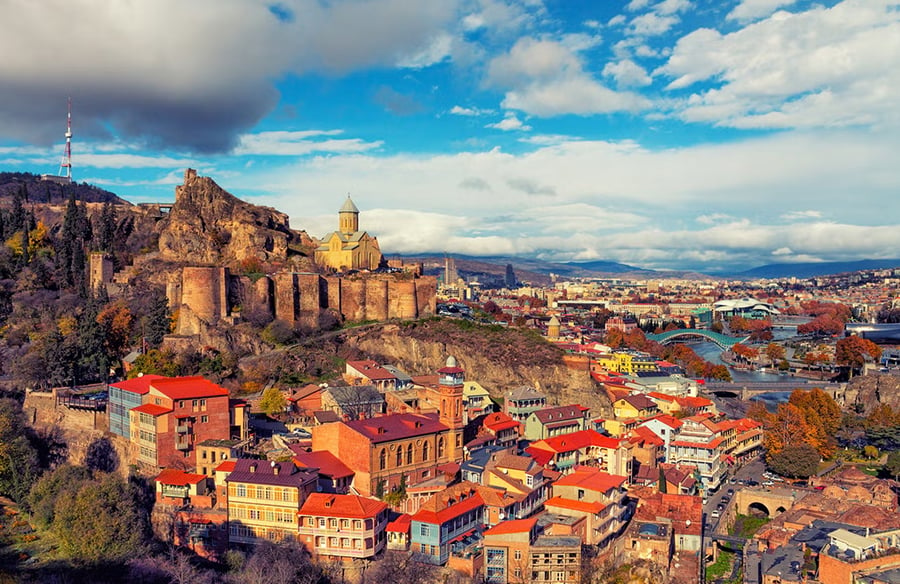
Located at the crossroads of Europe and Asia, the Georgian capital of Tbilisi was once an integral part of the ancient spice route. Hence, this city has been significantly shaped by the forces of technology, religion, and trade throughout its history. Additionally, its geographical location, bordered by communist Russia and neighbouring Muslim countries, has contributed to its vibrancy as a captivating melting pot of diverse customs and cultures. Unsurprisingly, the architecture is also intricately woven by the cultural tapestry of Tbilisi.
Cultural Influence
Due to its favourable warm climate, trade and agriculture were the main reasons for sustenance for Tbilisi. The country’s economy had a significant boost with the advent of direct rail roads connecting Moscow and Europe. Tbilisi, at the heart of the Caucasian mountains, bore witness to this transformation by adapting to the influences of Byzantine, Persian, Ottoman, Russian, and Soviet cultures, among others.
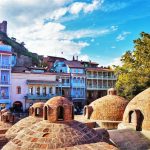
The Old Town is divided into two parts: the Asian one with chaotic streets and wooden balconies layout and the European one with straight streets and predominance of classical and Art Nouveau Russian architecture.
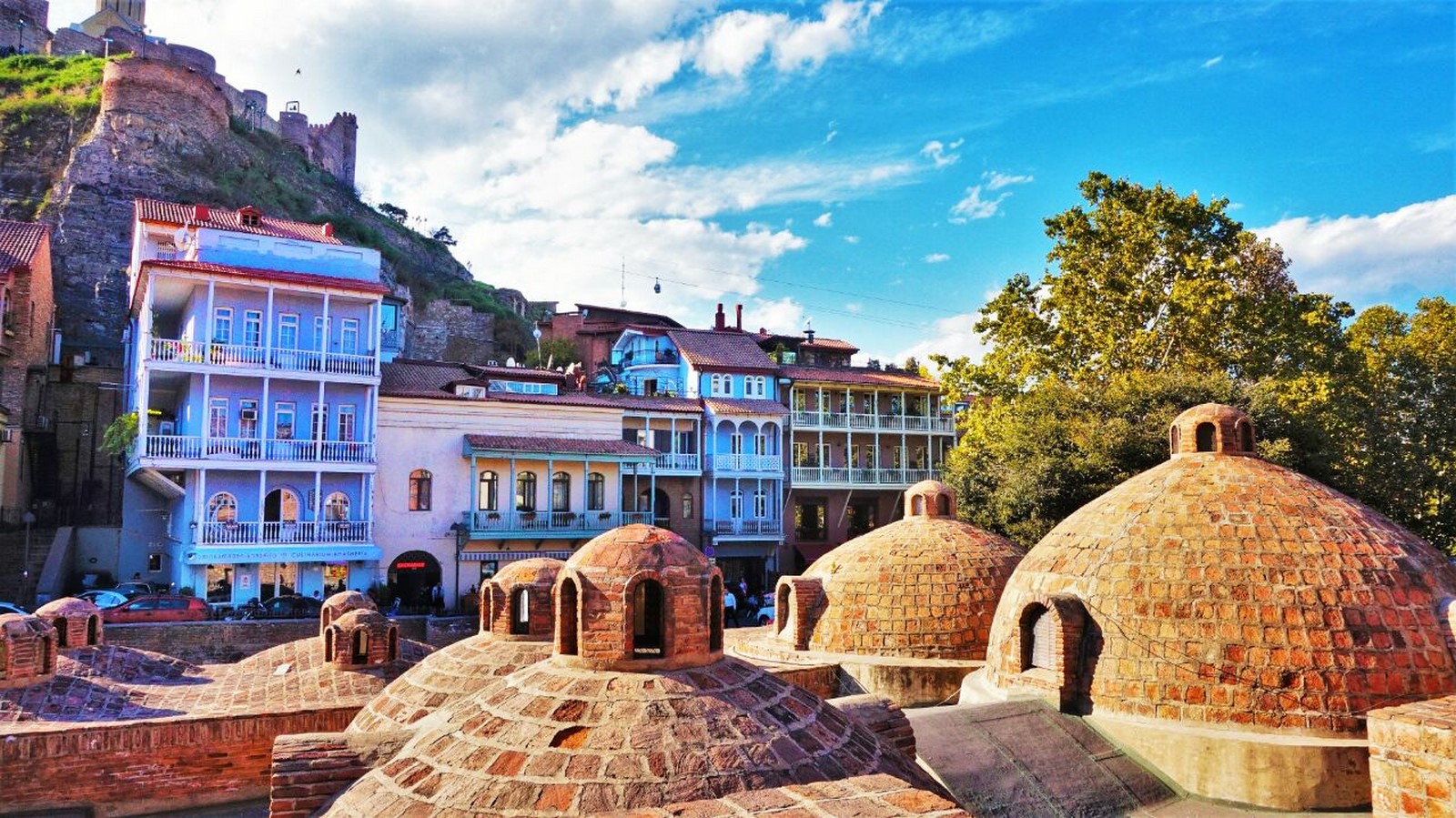
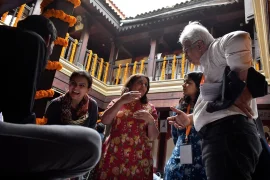
Towards the upper hills of Tbilisi, one can see the abandoned yet preserved old town of Abanotubani. The infrastructure boasts traditional wooden pergolas and balconies, defining their unique charm. Originally private homes, these structures continue to be inhabited, bridging the past and present.
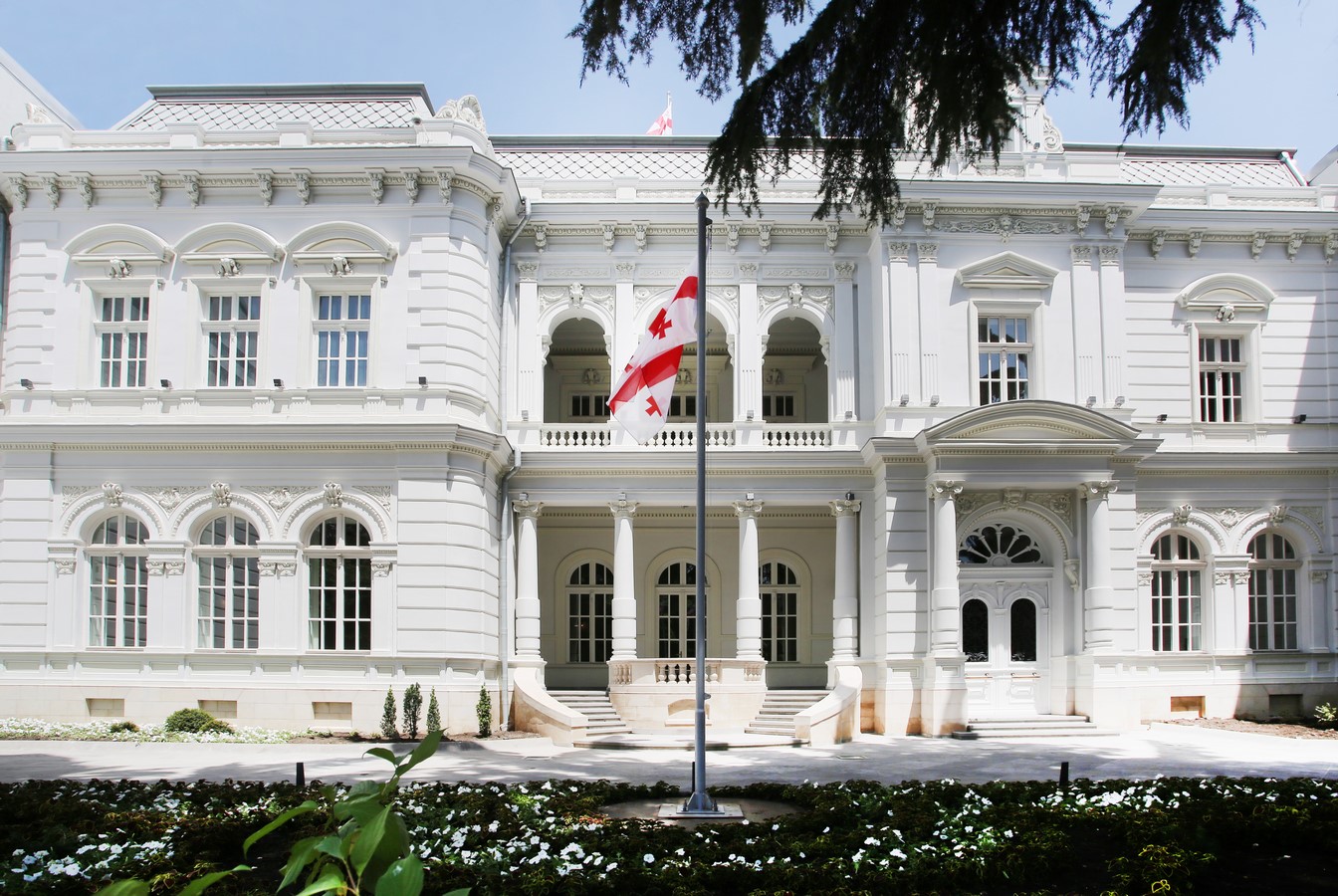
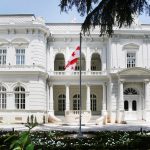
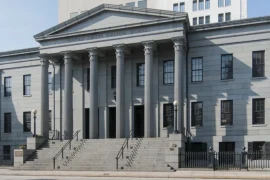
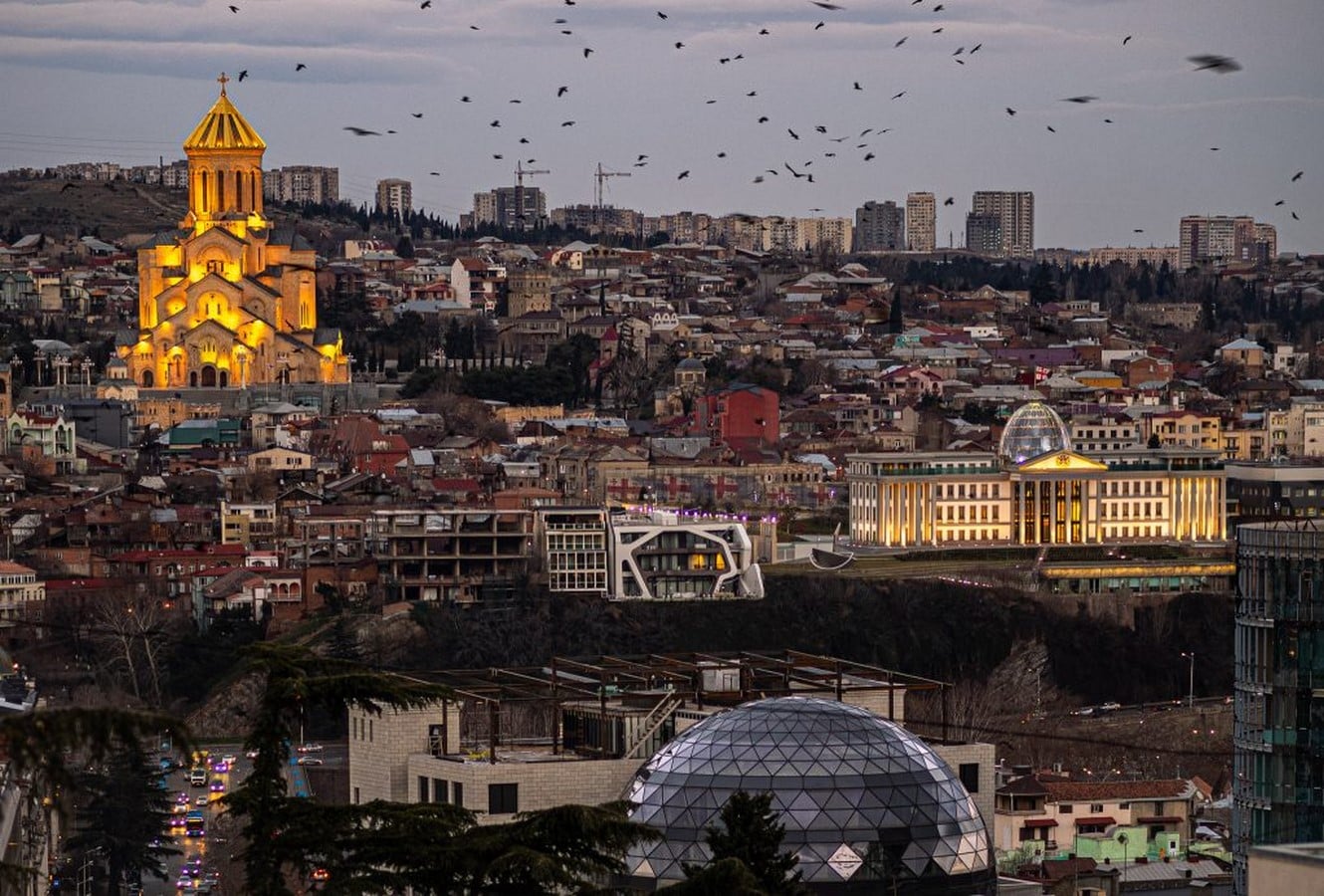
In Central Tbilisi, Rustaveli Avenue is the focal point for political, cultural, and social activities. Here, we come across an array of government buildings, cultural institutions, hotels, shops, and restaurants. Notably, the Presidential Palace showcases a captivating classicist style, while the Georgian National Museum houses treasures of history and heritage. The magnificent Rustaveli Theatre boasts ornate rococo-style elements, and the Paliashvili Opera House, dating back to the late 19th century, exudes a distinct architectural charm reminiscent of Islamic art, akin to a mosque or a Persian palace that served as its inspiring muse.
Political Influence
One of the most influential political influences on Tbilisi’s architecture came during the Soviet era when Georgia was part of the Soviet Union. From the early 1920s to the early 1990s, this period saw the implementation of socialist and neoclassical architectural styles. Large-scale Soviet-style buildings, monumental structures, and imposing government institutions were erected during this time.
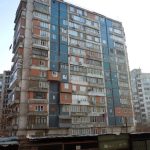
The Nutsubidze Skybridge is one of the most experimental housing complexes from the Soviet era in the Saburtalo district of Tbilisi. Comprising three high-rise concrete apartment blocks strategically arranged over a steep hillside, these buildings are connected by elevated concrete bridges. The complex was constructed between 1974 and 1976, designed by architects Otar Kalandarishvili and Guizo Potskhishvili, showcasing cutting-edge architectural concepts.
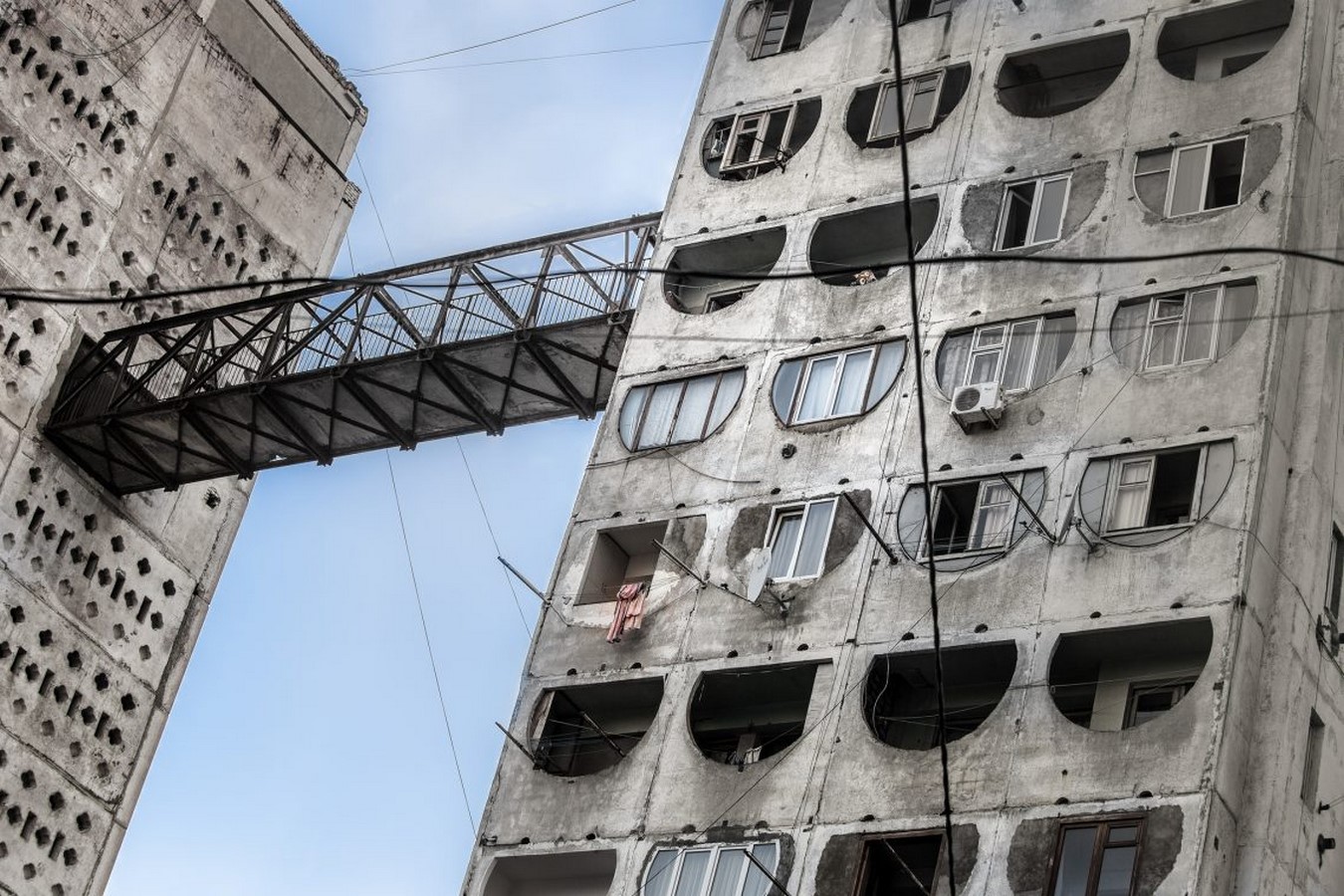
Originally, the vision was to create an entire community of skyscrapers and sky bridges, but due to financial constraints, only a tiny portion of the ambitious project was released. Nonetheless, the Nutsubidze Skybridge remains an intriguing testament to the innovative spirit of its time and an integral part of Tbilisi’s architectural legacy from the Soviet era.
After gaining independence in the 1990s, Tbilisi shifted towards more modernist architectural styles. The city embraced contemporary designs and experimented with various architectural trends to reflect the newfound freedom and identity of the nation.
Social Influence
After the civil war in 1992, profound societal changes swept through Tbilisi, leading to a dramatic transformation of its image. The social instability resulted in unregulated urban sprawl. Postmodernism undeniably played a significant role in this narrative by challenging and rejecting the principles of Modernism, aiming to rediscover and embrace lost traditions. The convergence of these various factors paved the way for a self-organized transformation of public spaces and the proliferation of prefabricated housing estates, allowing for architectural expressions to emerge.
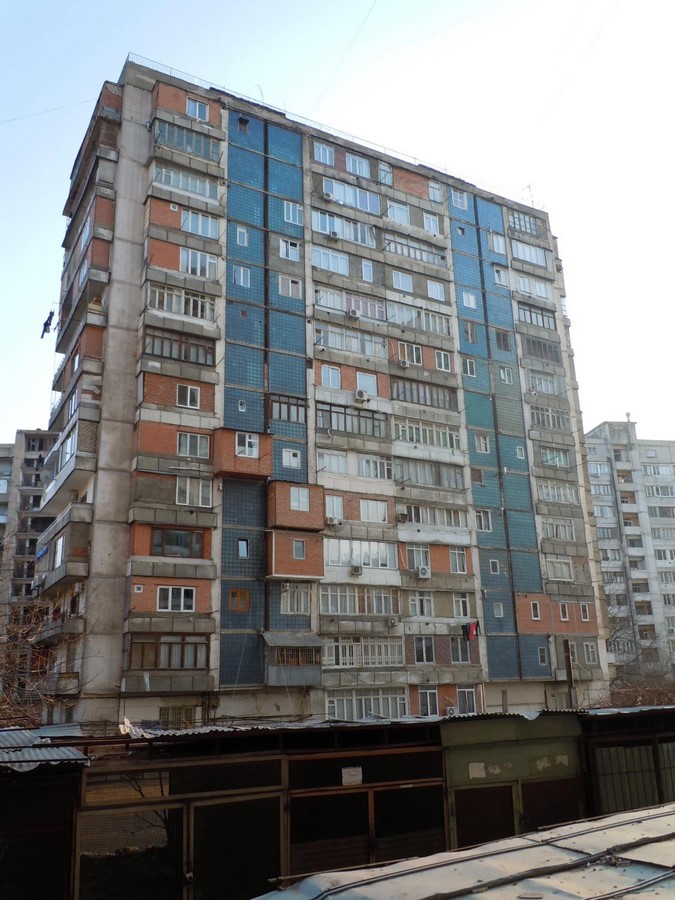
During the final years of the Soviet era until the early 21st century, countless Georgians expanded their living spaces in panel flats and older housing developments through self-organized extensions known as “Kamikadze Loggia.” Incorporating these improvised additions became widespread, empowering individuals to personalize and modify their living spaces to suit their unique needs and preferences.
These houses’ ancient and traditional dwelling types have played a crucial role in shaping the way of life and preferences of Tbilisi’s diverse and accepting inhabitants, who are bound together by “Georgian habits and behavior.” This multi-national and tolerant community, respectful of religious differences, has fostered a universal sense of warmth and humanity that remains highly cherished and sought-after even in present times.
Modern City
During the 19th and 20th centuries, Tbilisi exhibited a clear division between its traditional eastern section and the more modern European-influenced western part. The transformation of the city began with the construction of its prominent thoroughfare, Rustaveli Avenue, which dates to the early 19th century. This iconic avenue commences at Freedom Square, nestled in the western sector of the old city, and serves as a symbolic link between the city’s historical past and its aspirations for a modern future.
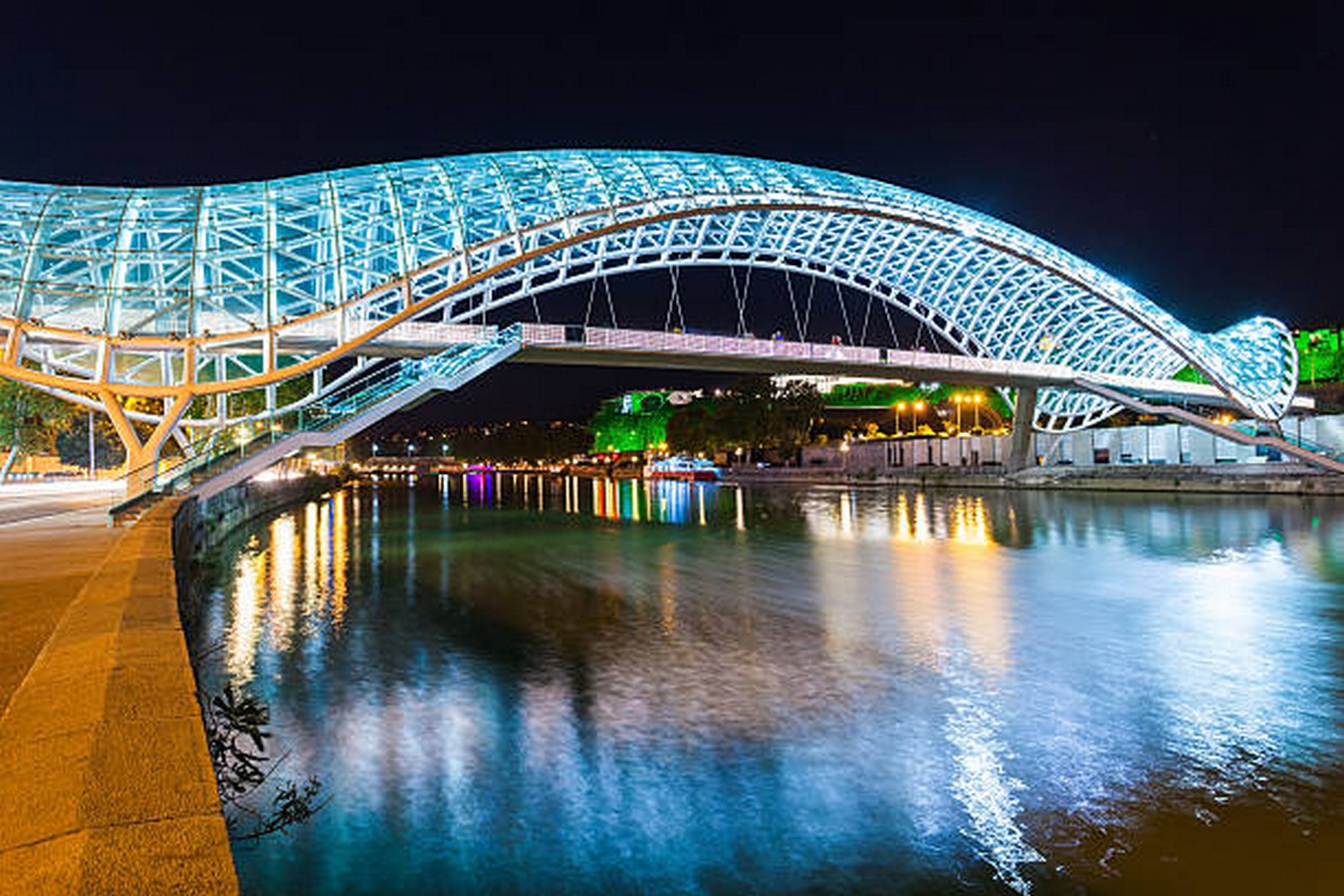
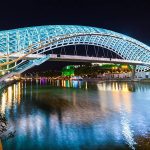
Alongside the beautifully restored historical edifices, Tbilisi now boasts modern public buildings that could easily transport you to a bustling European capital. In recent years, the city has witnessed the emergence of several futuristic structures, exemplified by architectural wonders like the Tbilisi Service Hall. A glass structured-modern Peace Bridge pops up along the old facades of Old Tbilisi. The footbridge serves as a vital connector, spanning the river Kura and linking the city’s historic districts with its contemporary counterpart, alongside the picturesque Rhike Park.
The intriguing contrast between the new and old in the Georgian capital offers a plethora of unusual sights, regardless of one’s architectural preferences. These modern additions stand out as distinctive symbols of contemporary design, gracefully intertwining with the city’s historical fabric. Moreover, they bear witness to the ongoing transformation unfolding throughout the entire country.
Reference:
- (2016) Tbilisi architecture at the intersection of Continents. Available at: https://www.poc-doverie.bg/web/files/richeditor/vig-press/2016/09-03-2016.pdf [Accessed: 18 July 2023].
- Kinga Palus and Krzypkowska, J.K.Z. (2014) On the borderline of Two worlds. part II – polsl.pl. Available at: https://delibra.bg.polsl.pl/Content/27755/BCPS_31353_-_Architecture-of-Tbil_0000.pdf [Accessed: 18 July 2023].
- Chanishvili, N. (2007) Nineteenth-century architecture of Tbilisi as a reflection of cultural … Available at: http://www.farig.org/images/pdfs/research-architecture-baku.pdf [Accessed: 20 July 2023].
- Babych, Y. and Leruth, L. (2020) Tbilisi: A growing city with growing needs, ISET. Available at: https://iset-pi.ge/en/blog/75-tbilisi-a-growing-city-with-growing-needs [Accessed: 20 July 2023].
- The bridge of peace tbilisi (2021) Albatoul Group. Available at: https://albatoulgroup.net/en/the-bridge-of-peace-tbilisi/ [Accessed: 20 July 2023].