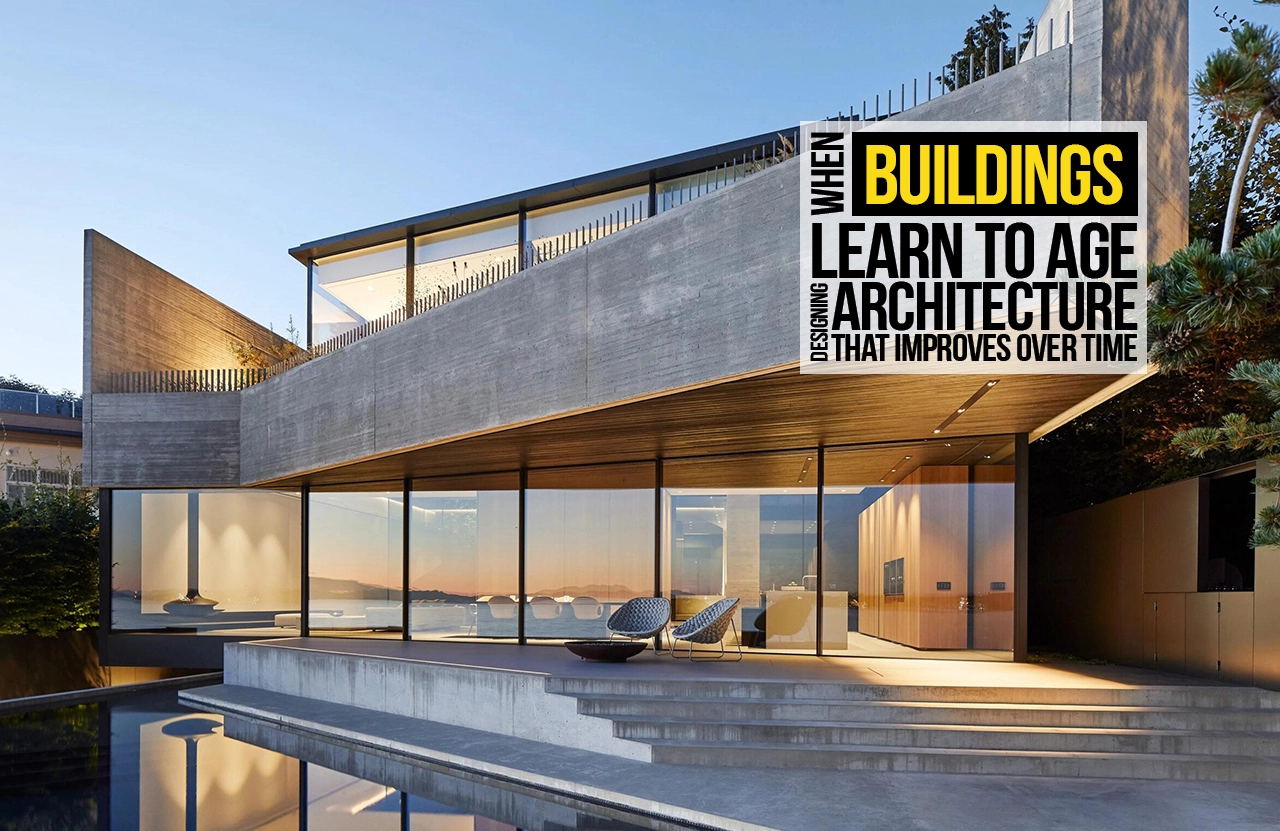
Architecture Beyond the Moment of Completion
Architecture is frequently praised upon completion. Buildings are photographed when the surfaces are pristine and the objectives are clear. However, the true test of architecture occurs after residence, exposure, and use. Materials and environments evolve with time, as do social patterns. Many modern constructions are unprepared for this reality and begin to deteriorate, both physically and functionally. In contrast, architecture that evolves over time sees aging as a natural and beneficial process. Instead of resisting change, this form of design anticipates it, allowing structures to evolve through use. This paradigm shifts architectural success from instant visual impact to long-term performance and relevance. Buildings that mature smoothly tend to become culturally ingrained, gaining meaning through continuity rather than novelty. Understanding architecture as a long-term process rather than a finished object allows designers to create environments that remain valuable decades after completion (Brand, 1994).
Rethinking the Idea of Timeless Design
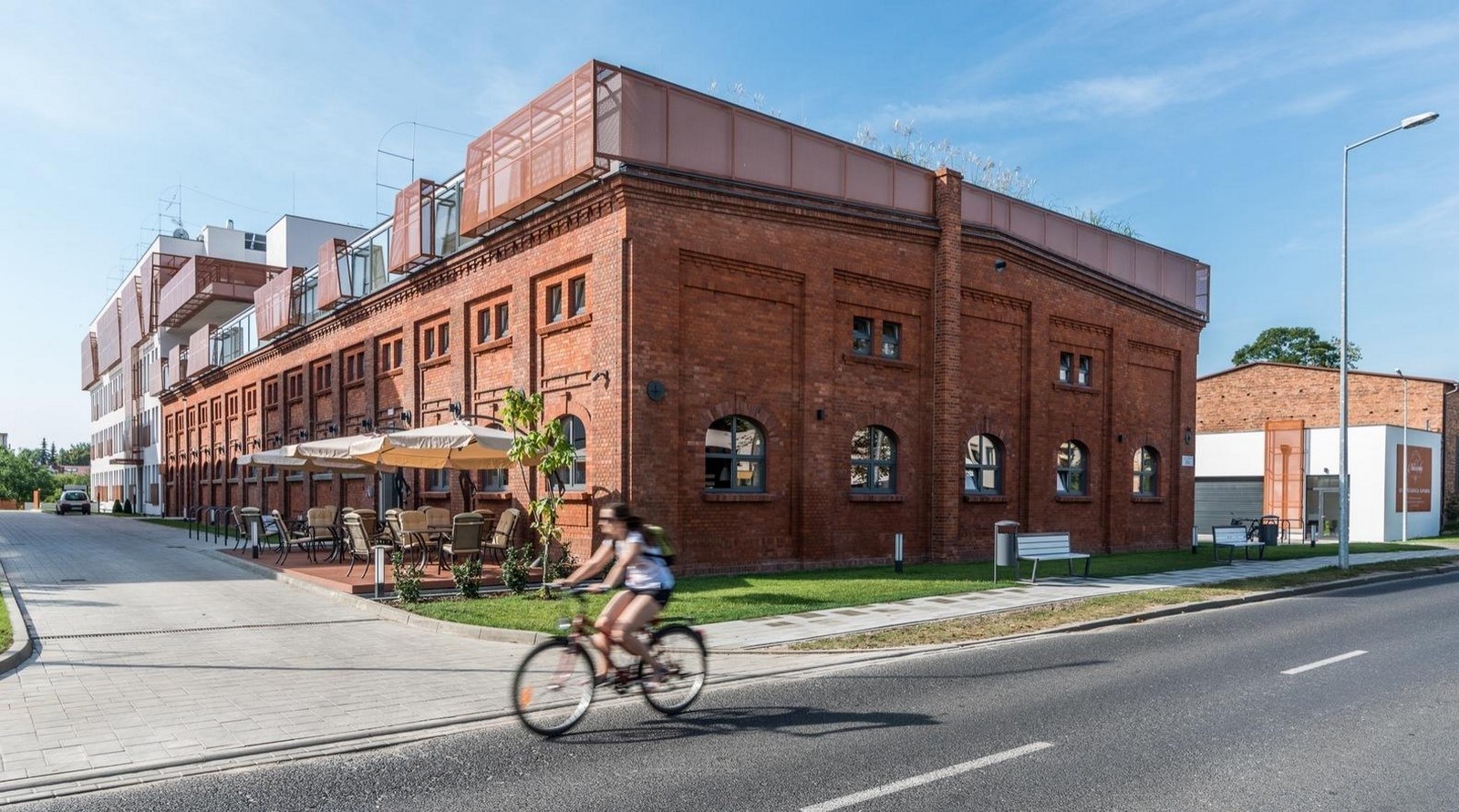
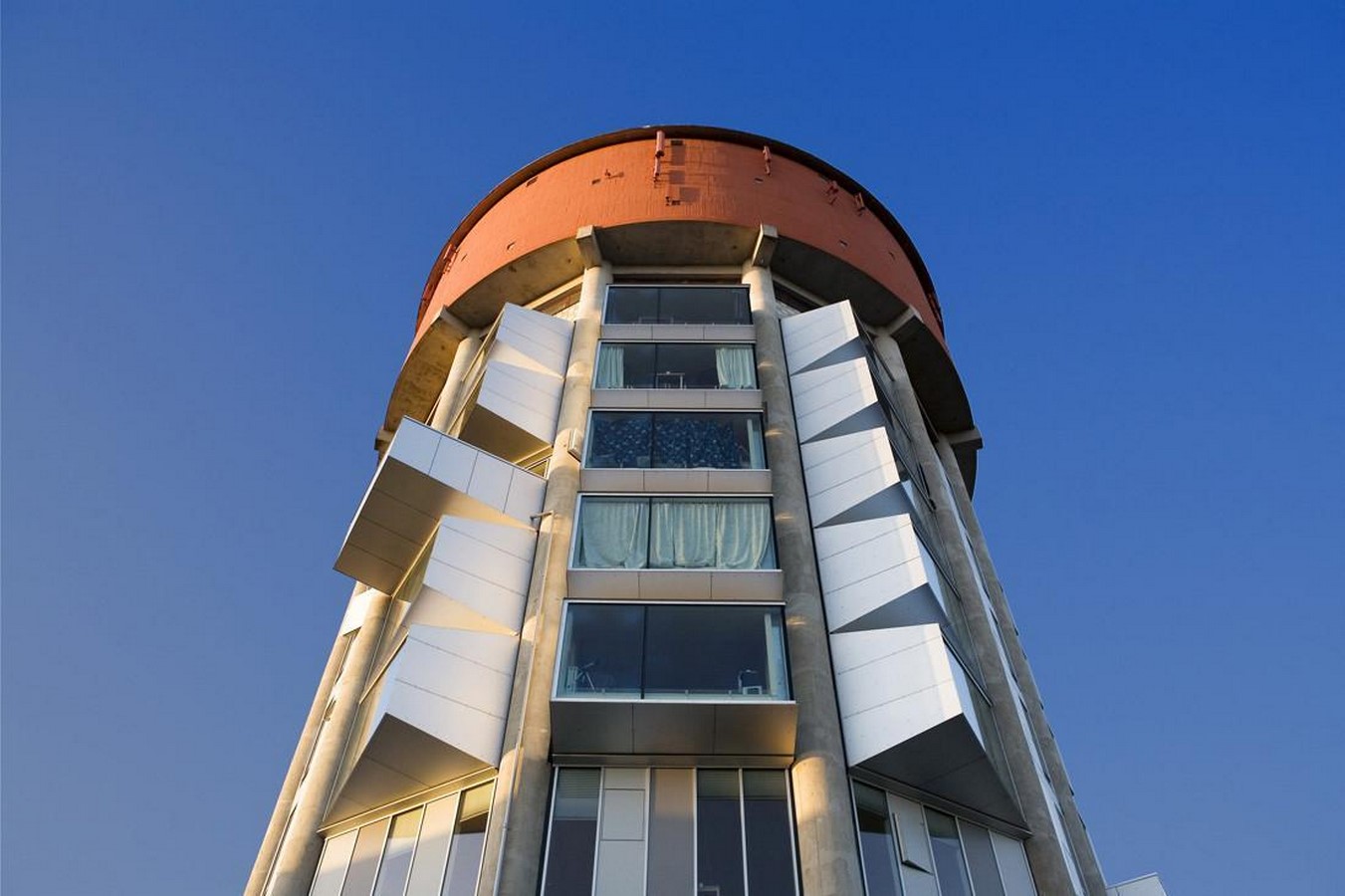
The notion of “timeless architecture” has long been valued in architectural practice. Designers generally strive to create structures that appear unaffected by trends or historical contexts. However, many of these structures fail to adapt when functional needs change. Rigid layouts, predetermined services, and highly specialized aesthetics limit adaptation. Architecture that evolves over time provides another definition of timelessness, one based on adaptation rather than visual neutrality. Buildings that stand the test of time typically allow for interior changes while maintaining structural clarity. Timelessness, then, is not the absence of aging, but rather the ability to accept it. Architects can design buildings that are usable even when social, technological, and environmental conditions change by emphasizing adaptability and durability. This approach acknowledges that relevance is maintained through adaptation, not preservation of an original state (Till, 2009).
Buildings as Living Systems
Architecture that changes over time might be conceived of as a living system rather than a static structure. Living systems adjust, respond, and change in response to environmental factors. When applied to the built environment, this means designing structures that can resist wear, repair, and reconfiguration. Architecture that has evolved throughout time usually combines solid structural underpinnings with adaptive secondary characteristics. Walls might be flexible, services accessible, and facades designed to weather naturally. This approach recognizes that people will change locations in unforeseen ways. Adaptable architecture incorporates changes into its life cycle rather than viewing them as failures. Over time, these structures gain layers of use and importance, making them resistant to obsolescence.Buildings designed as systems rather than artefacts are better equipped to remain relevant in changing urban contexts (Habraken, 1998).
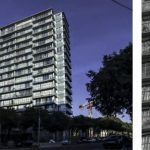
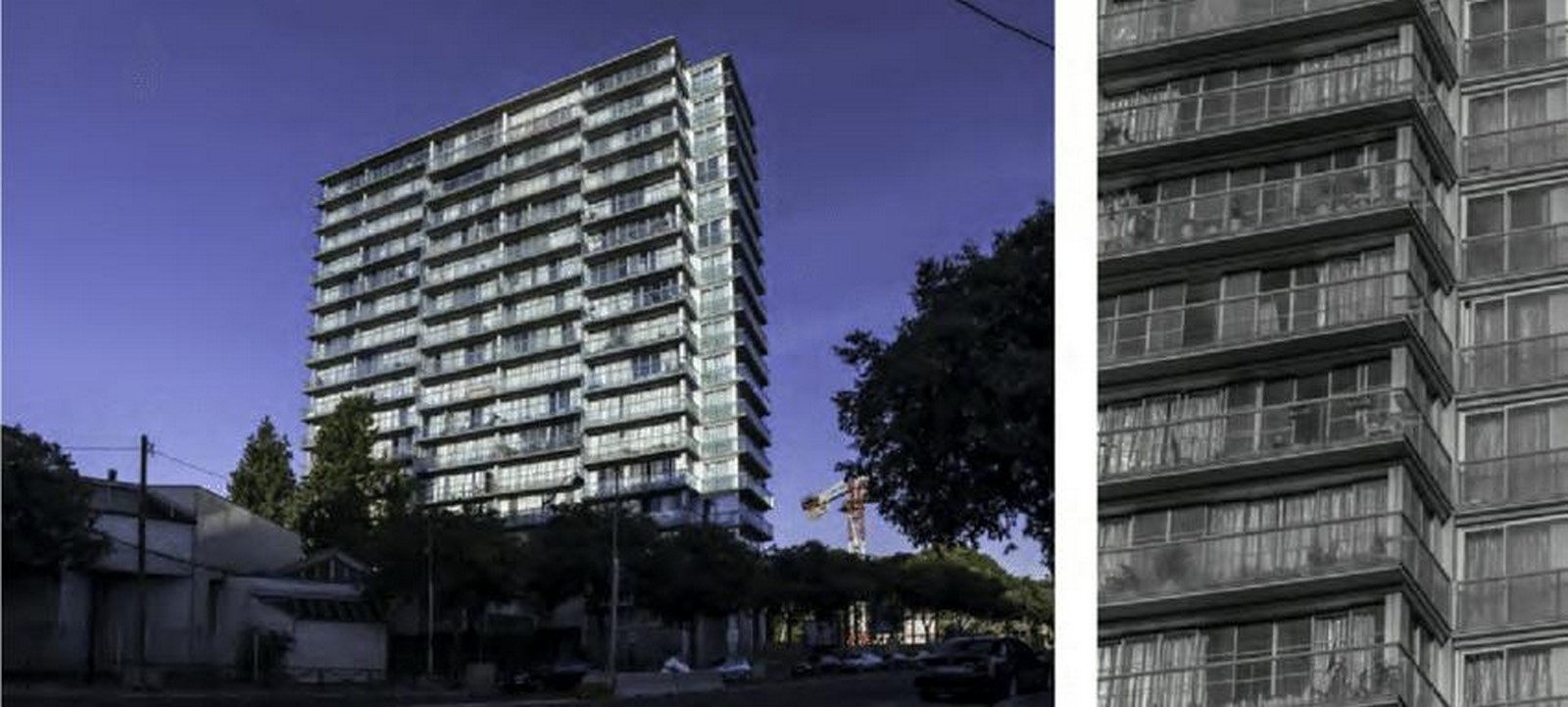
This approach can be seen in contemporary architectural practice in designs that clearly distinguish between long-life structural parts and short-life components. For example, Lacaton & Vassal’s renovation of the Tour Bois-le-Prêtre in Paris kept the original concrete frame while introducing flexible façade extensions and adaptable interior spaces, significantly extending the building’s lifespan without necessitating demolition. Similarly, Herman Hertzberger’s Diagoon Houses in Delft have adaptable structural frameworks that allow homeowners to adjust the interior arrangement over time. These examples demonstrate how strong structural systems, along with adaptive infill and services, enable buildings to evolve indefinitely, stressing architecture as an active framework for change rather than a static and completed product.
Designing for Uncertainty
Uncertainty determines today’s architectural landscape. Climate change, shifting labor patterns, and changing social behaviours are making long-term forecasting more challenging. Designing structures with set programming under such constraints typically leads to redundancy. Architecture that improves throughout time manages uncertainty by providing spatial and structural flexibility. Large floor heights, simple structural grids, and non-prescriptive design make buildings adaptable as needs change. This strategy invites architects to delegate some control and allow future users to reinterpret environments. Architecture evolves as a framework for adaptation rather than a specification for each function.Buildings that can absorb change are more likely to remain in use, reducing the environmental and cultural cost of demolition and replacement (Schneider and Till, 2007).
Ageing Materials and Architectural Character
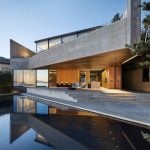
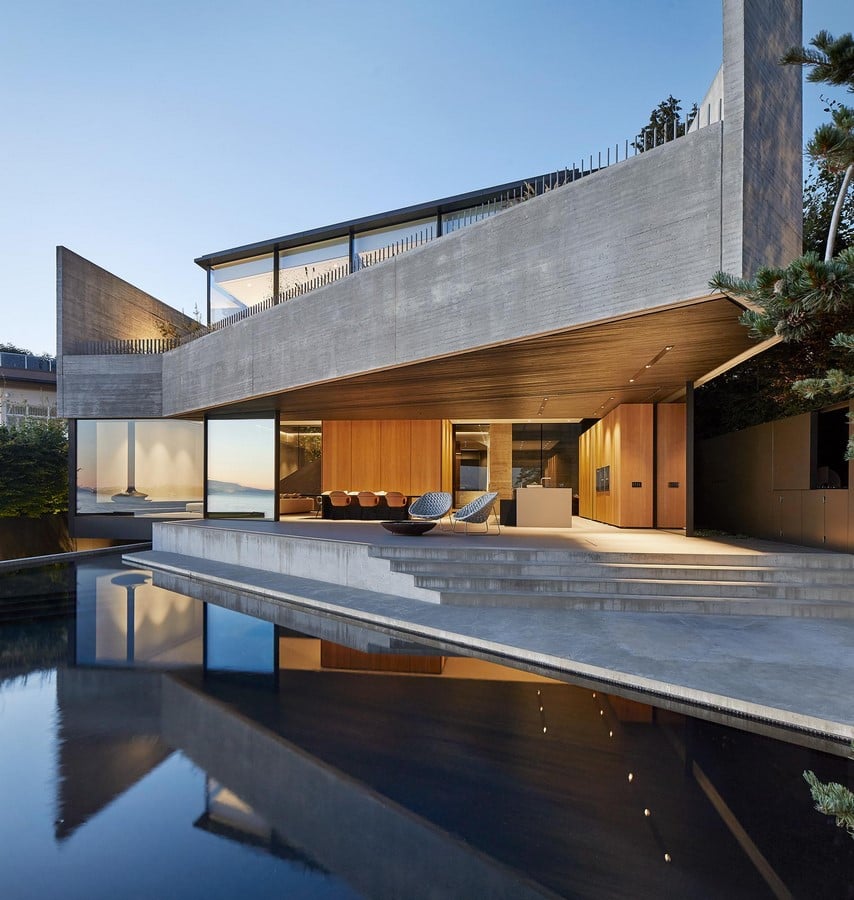
A structure’s maturity is heavily influenced by the materials used to build it. Many modern structures rely on coatings designed to mask wear, resulting in rapid obvious deterioration. Architecture that improves with time prefers materials that appropriately reflect aging. Patina grows on concrete, wood, and aged steel, revealing rather than concealing the passage of time. This visible age adds character and authenticity to a structure’s connection to its surroundings. Materials that age well require less care because wear is expected rather than perceived as a problem.Over time, such buildings frequently obtain aesthetic and cultural significance, proving that architectural excellence may evolve gradually. Embracing material aging allows architecture to communicate continuity rather than deterioration (Mostafavi and Leatherbarrow, 1993).
Lessons from Vernacular Architecture
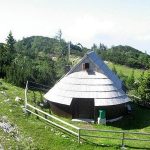
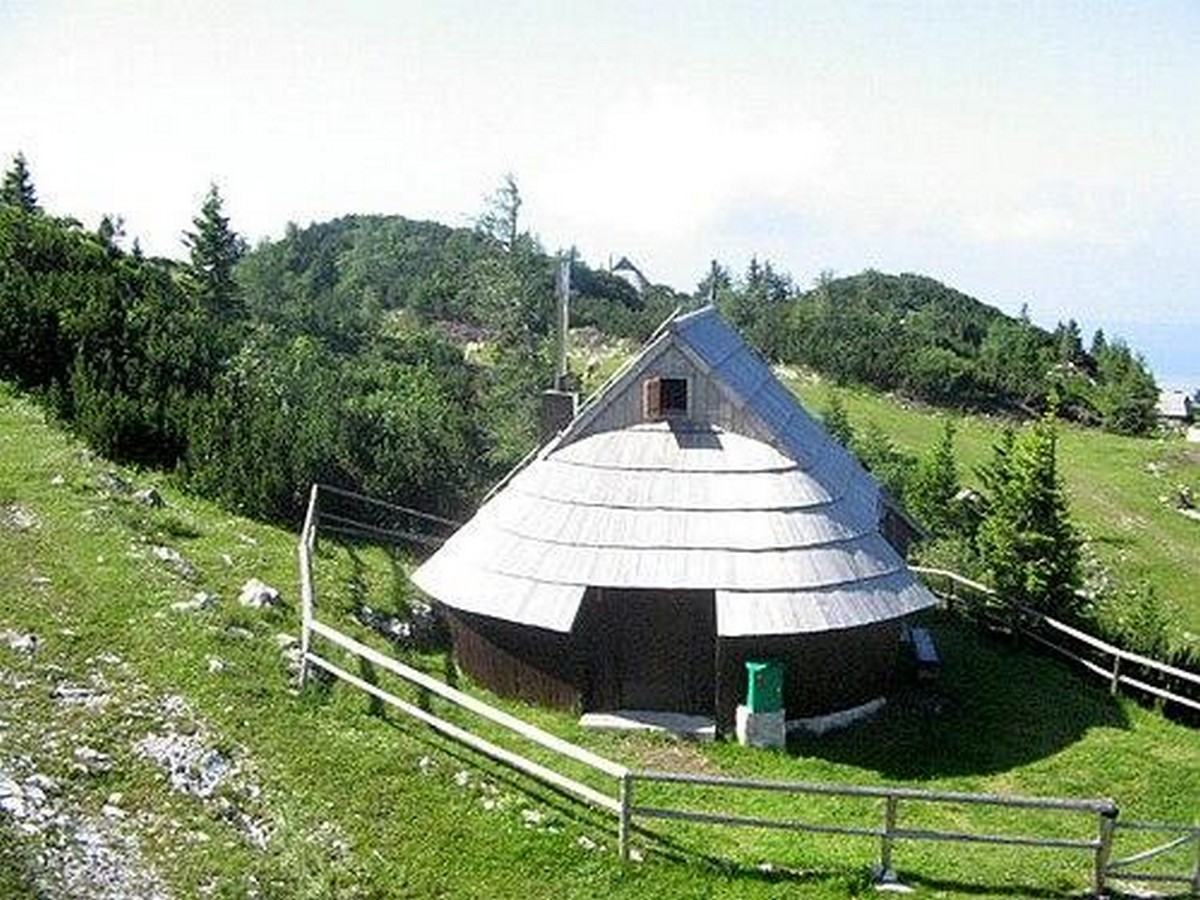
Traditional and vernacular architecture convey important lessons about lifespan. Many antique structures were never considered “complete,” but rather developed gradually over years. Courtyard dwellings, rustic residences, and informal settlements are frequently expanded and altered as needs change. These examples demonstrate architecture that improves over time by user engagement, rather than rigid design control. Spaces remain relevant because they are adaptive and responsive to life. This method may be useful for contemporary architects who want to build structures that are changeable without sacrificing safety or coherence. When occupants are empowered to adapt spaces, buildings remain socially embedded and functionally resilient. Longevity, in this context, emerges from adaptability rather than permanence (Oliver, 2006).
Sustainability Through Longevity
Although energy performance is commonly used to measure sustainability in design, building lifetime is also essential. Demolition and restoration generate large volumes of carbon dioxide and material waste. Architecture that develops over time reduces this impact by extending a building’s useful life. Structures designed for adaptability are less likely to be damaged as functions shift. Longevity becomes an indicator of environmental responsibility, which reduces the demand for new construction.This viewpoint pushes sustainability away from short-term performance indicators and toward long-term resource protection. Buildings that endure through adaptation ultimately consume fewer resources than those replaced despite initial efficiency (Brand, 1994).
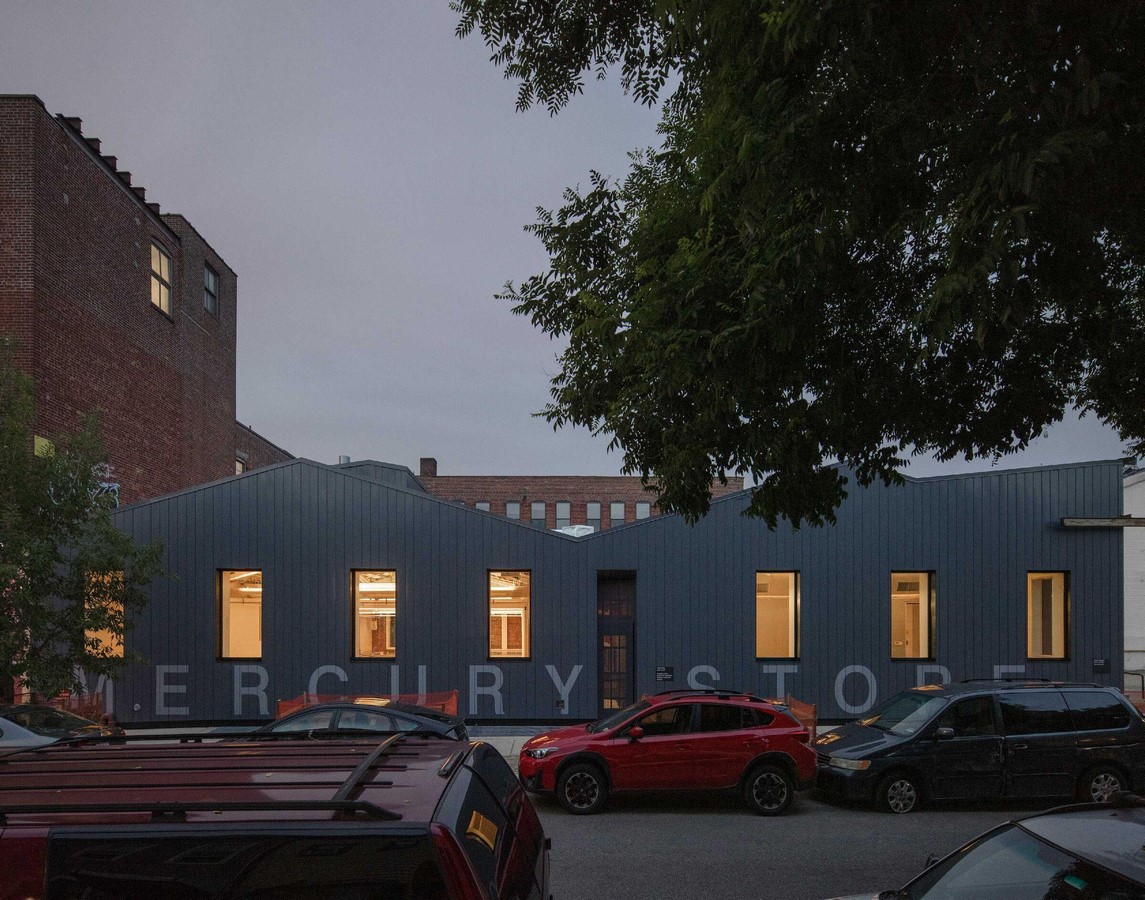
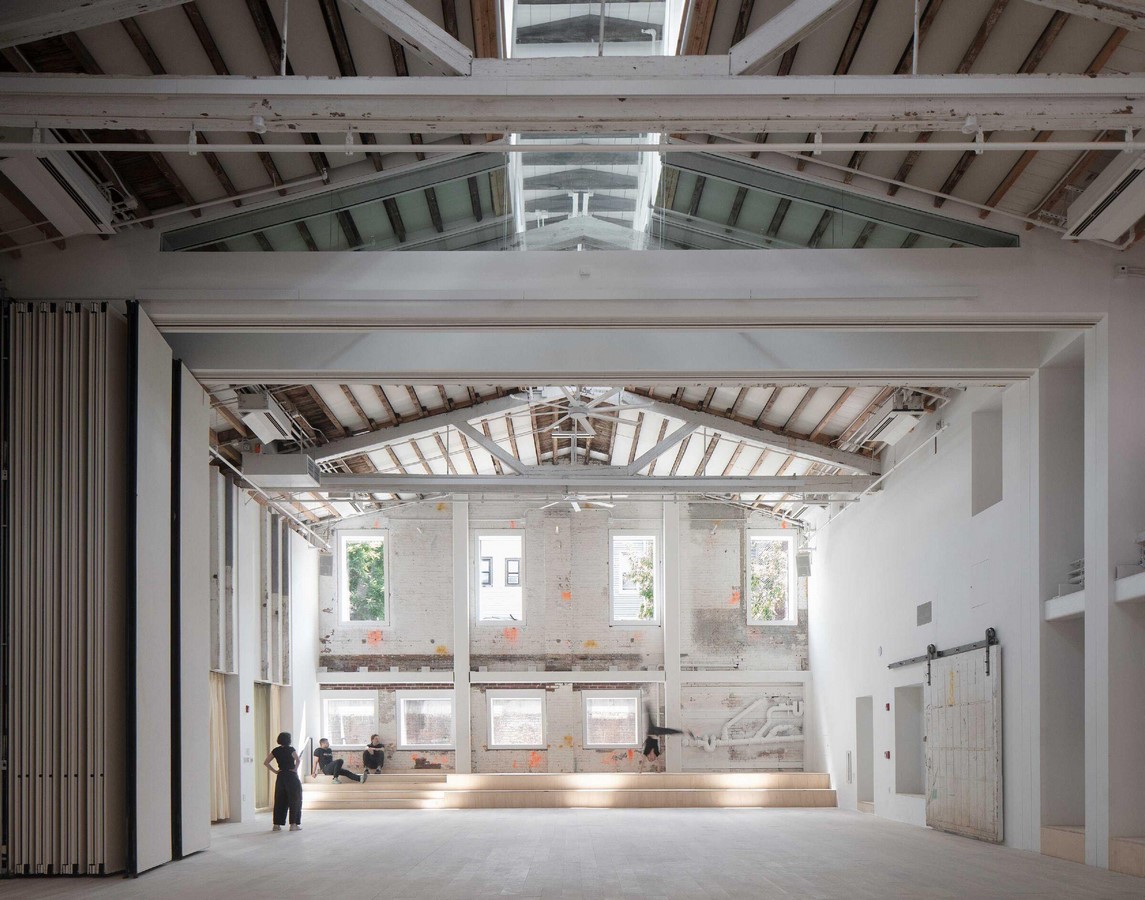
Architecture gains depth over time. Architecture that improves over time values adaptability, material honesty, and long-term importance over immediate perfection. Buildings designed with change in mind add value through use, maintenance, and transformation. In an era of rapid change, this technique encourages resilience over rigidity. Embracing aging as a design paradigm enables architects to create structures that will be meaningful long after they are done, contributing to both cultural continuity and environmental responsibility.
References:
Brand, S. (1994). How Buildings Learn: What Happens After They’re Built. London: Penguin Books.
Habraken, N.J. (1998). The Structure of the Ordinary: Form and Control in the Built Environment. Cambridge, MA: MIT Press.
Mostafavi, M. and Leatherbarrow, D. (1993). On Weathering: The Life of Buildings in Time. Cambridge, MA: MIT Press.
Oliver, P. (2006). Built to Meet Needs: Cultural Issues in Vernacular Architecture. Oxford: Architectural Press.
Schneider, T. and Till, J. (2007). Flexible Housing. Oxford: Architectural Press.
Till, J. (2009). Architecture Depends. Cambridge, MA: MIT Press.
Caverzan, A., Lamperti Tornaghi, M. and Negro, P. (2015) Tour Bois-le-Prêtre transformation, F. Druot, A. Lacaton and J.P. Vassal, Paris (2009–2011)