Architecture today is viewed through multiple lenses, influenced by numerous factors. Sustainable and green architecture are two of the most common terms often heard when the issue of net-zero emissions is discussed. Architects often design with the ideology to reduce carbon emissions while designing a building using passive design strategies, sustainable and locally sourced materials, while an important term called “operational carbon” is often neglected. This is one of the reasons why many net – zero buildings are not always net- zero operational buildings, due to which many further analyses on the impact of electricity mix variations in the electricity grid on operational emissions from net-zero energy buildings are still conducted. The above-mentioned fact on operational carbon being produced in larger amounts than the sustainable approaches followed while designing often tends to resonate with architecture, which doesn’t harm but never completely cures the patient. (Deutsche Bank, n.d.)
Self- Healing Architecture
Sustainable architecture is not just about the design of eco – friendly buildings, but the materials themselves that are being used in it. The use of natural substances such as algae, fungi, etc., instead of concrete and steel, is taking over the centre role. But looking into the use of self-healing materials that can recover the building on their own is a smart move in itself. One of the materials, well-known in the design market, is mycelium – an underground root network of fine threads of fungi that grows on organic waste. Under controlled conditions, it can grow into almost any shape, inspiring environmental pioneers, architects, and designers alike.( Amaripadath , Sailor , Bertini, Barker , Attia , 2025)
Building materials such as concrete often lack tensile strength, due to which cracking phenomena are easily visible on them. The use of traditional synthetic polymers, such as mortar mixtures, can be useful but is not environmentally impactful. Whereas the use of Ureolytic bacteria, such as Bacillus sphaericus, which are able to easily precipitate CaCO3 in their micro-environment by conversion of urea into ammonium and carbonate, can highly impact the building’s health and surrounding environment. The embedded Bacillus bacteria used to fill the cracks between concrete structures, activates upon contact with water to seal cracks with limestone. ( Tittelboom, Belie , Muynck , Verstraete; 2010)
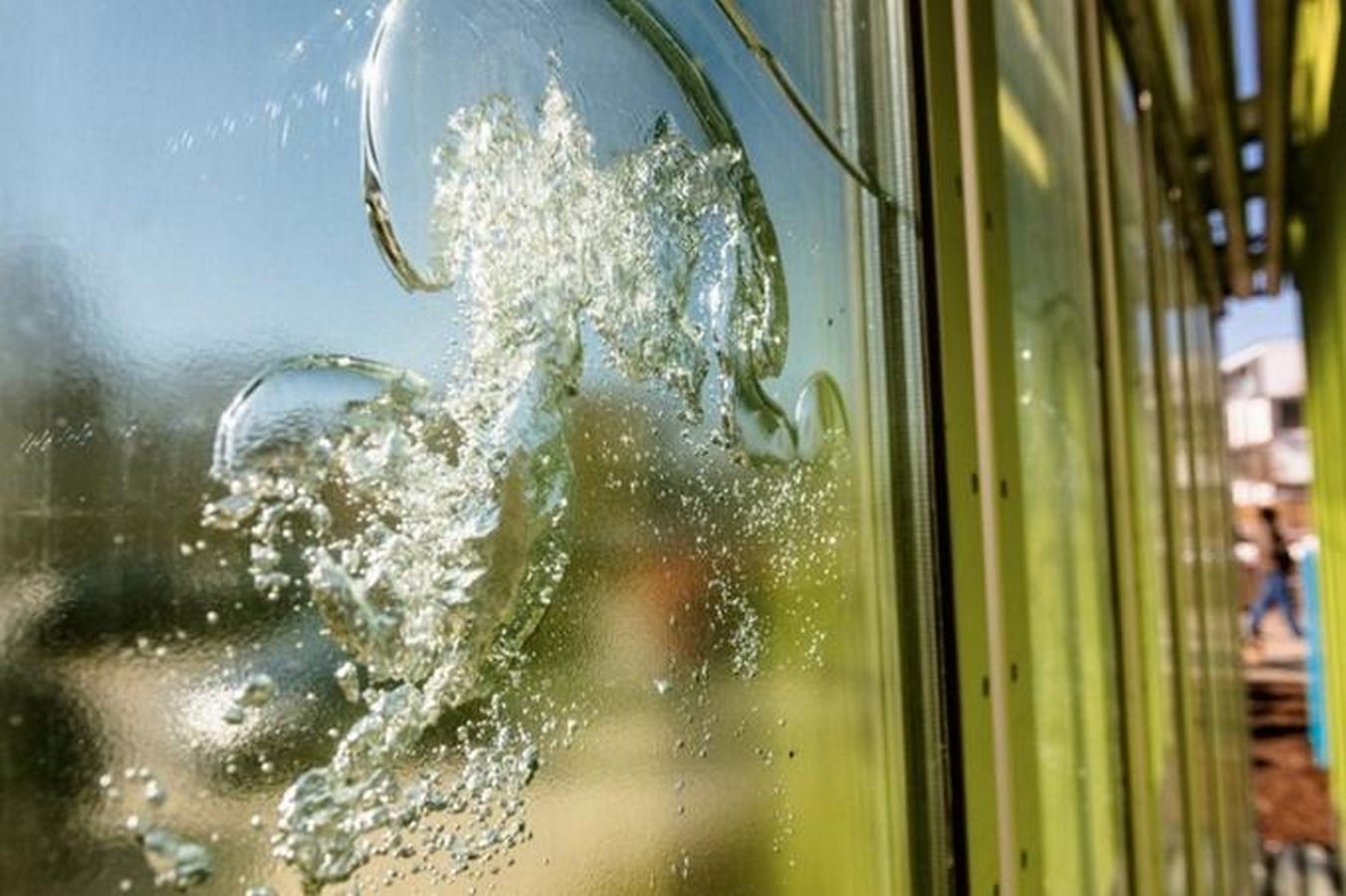
Alage, being a natural resource, can be used in multiple applications during construction. It serves as a raw material for biodegradable plastics and insulation materials. Limestone can be easily produced by microalgae such as spirulina or chlorella through the process of biomineralization, which easily acts as an alternative to regular cement, being a CO2-reducing cement. (Deutsch Bank, n.a.) Alternatives to steel with similar strength, ideal load- bearing properties, and many more, algae oils can be used to produce carbon fibres. Algae-based facade materials also offer exciting approaches. In algae biofilm facades, thin layers of microalgae grow on a prepared substrate, such as porous concrete. The biofilms clean the air and thus improve the microclimate. So-called photobioreactor facades house and cultivate microalgae in transparent glass elements. Here, the algae conduct photosynthesis, grow, bind CO₂, and produce biomass that can be used for energy within the building.
Embodied vs. Operational – The Great Rebalancing
The designers often tend to use passive strategies and material usage that can help reduce the operational energy (heating/cooling) while ignoring the embodied carbon of construction (the “upfront” debt). Over the past few years in the design industry, sustainable building practices have been targeted to reduce harm to the environment by limiting resource consumption, curbing emissions, and avoiding wasteful construction. Today, a growing movement within architecture and construction is going beyond expectations. Regenerative design architecture is a progressive approach that reimagines buildings as efficient structures and catalysts for environmental and social healing. (Morrison, n.a) Biomaterials such as Mycelium and Hempcrete are highly promoted to be used within designs. Being naturally produced and having natural binding properties, the embodied and operational carbon units are controlled.
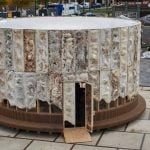
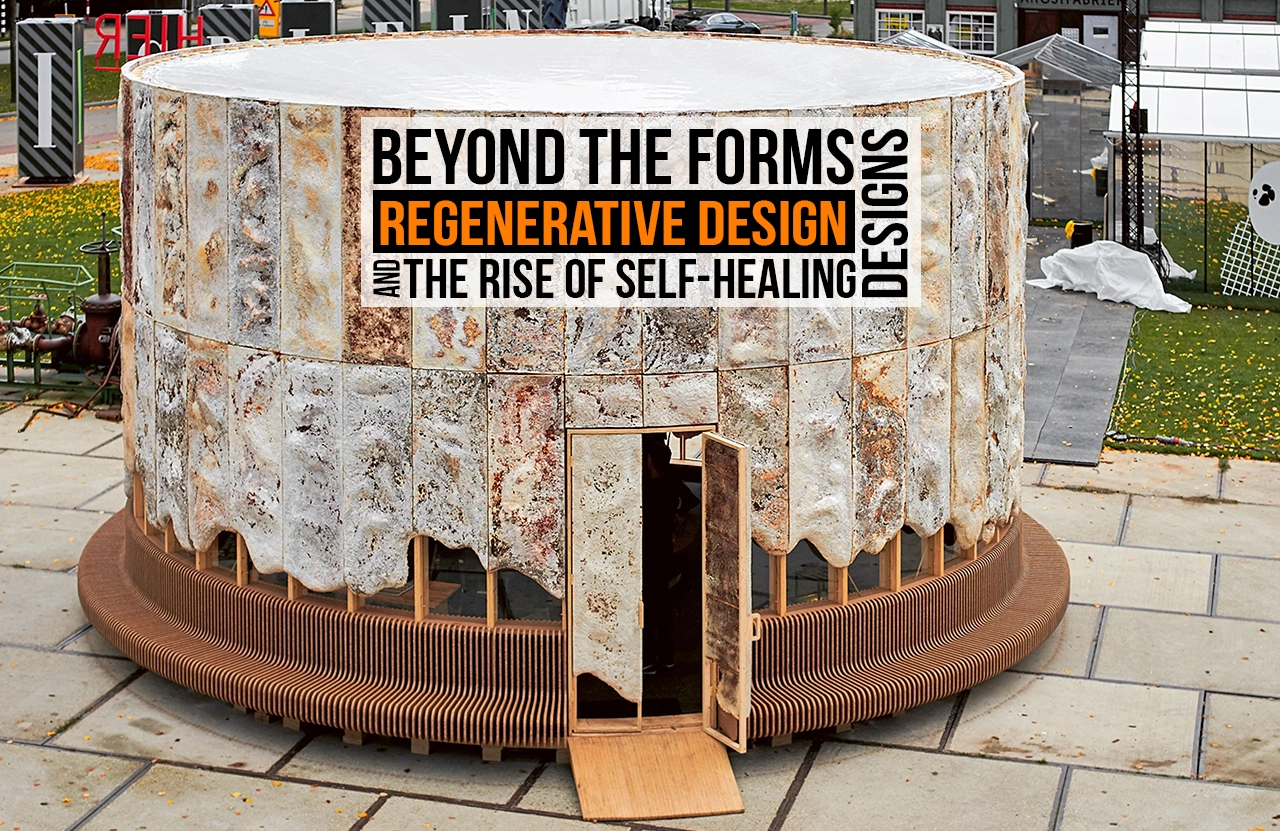
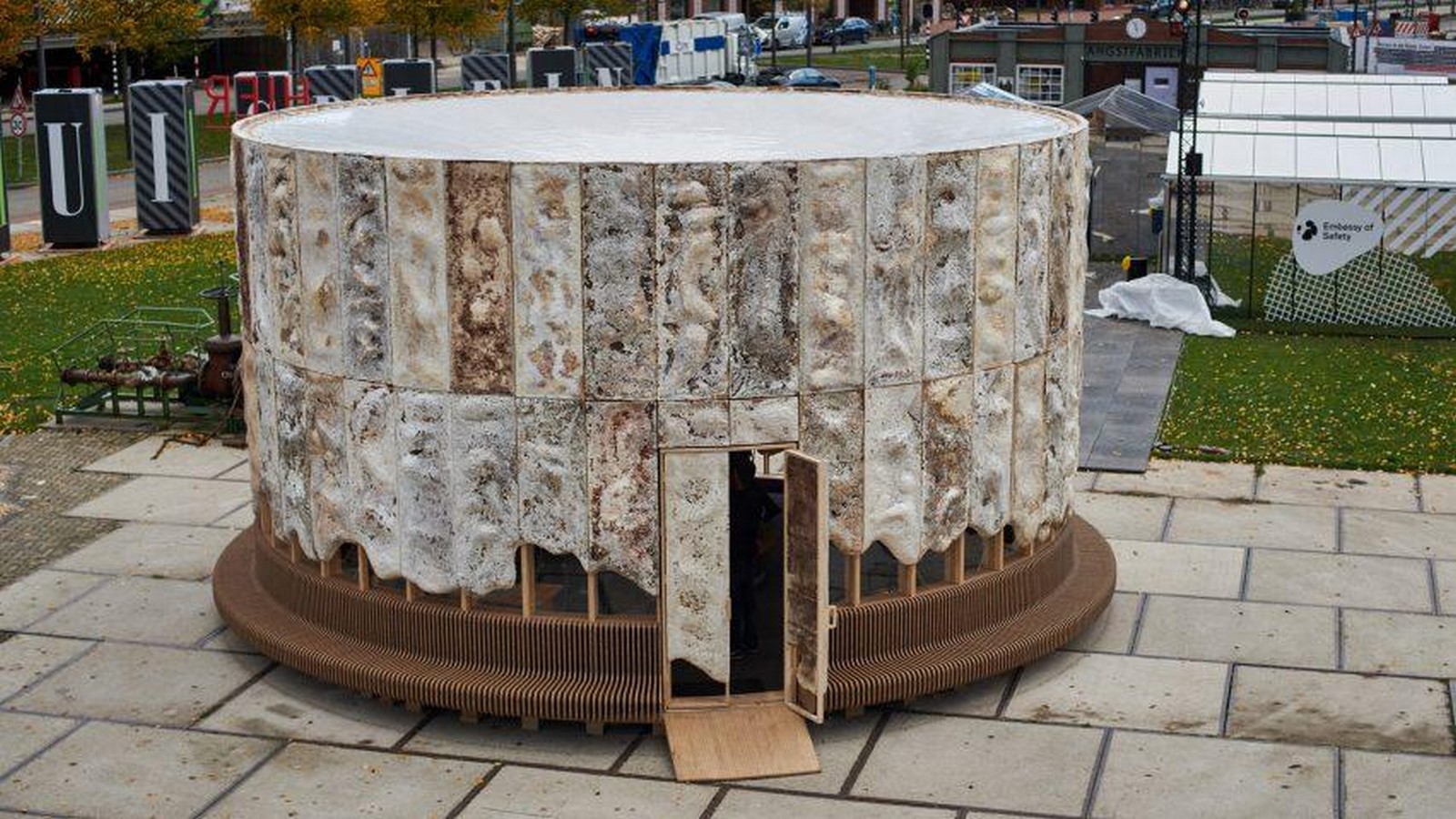
The Growing Pavilion was a special building made for Dutch Design Week in 2019. Instead of using normal bricks or plastic, the builders used a wooden frame covered in panels made from mushroom roots, which are called mycelium. These roots grow in a thick, strong web that makes the walls tough. To protect the mushroom panels from the weather, they were painted with a natural coating first created a long time ago by the Maya people in Mexico (Pownall, 2019). The whole building was used for events and shows, proving that we can grow our own building materials from nature. The panels were attached to a timber frame and can be removed and repurposed, as necessary. The floors are made from cattail – a type of reed – with interior and exterior benches made from agricultural waste. (Pownall,2019)
Regenerative architecture not only provides its contribution towards a safe and protective environment but also creates an ecological forest environment for people using it. The naturally sourced materials not only help in increasing building health but also improves human health both mentally and physically. The use of acoustic mycelium tiles and circadian-tuned transparent wood helps reduce the cortisol levels in humans. Most of the architects in 2026 are no longer just designers of form, but a steward of biology, where public health is also considered equally like other factors while designing. Architects do not just design the building structures; but plant “urban forests” made of timber, light, and life.
Reference List:
BEE (2025) https://bee-inc.com/2025/06/30/from-sustainable-to-regenerative-transforming-building-design-to-create-net-positive-impacts/
Deutsche Bank (n.d.) https://www.db.com/what-next/responsible-growth/construction-bauen/future-materials/index?language_id=1
Jonkers, H.M., Thijssen, A., Muyzer, G., Copuroglu, O. and Schlangen, E. (2010:https://doi.org/10.1016/j.cemconcomp.2009.12.004.
ScienceDirect (2025). doi: https://www.google.com/search?q=https://doi.org/10.1016/j.buildenv.2025.112443
Pownall, A. (2019) https://www.dezeen.com/2019/10/29/growing-pavilion-mycelium-dutch-design-week/
Images
Alt(n.d.) https://www.db.com/what-next/responsible-growth/construction-bauen/future-materials/index?language_id=1
Vinck(n.a) https://www.dezeen.com/2019/10/29/growing-pavilion-mycelium-dutch-design-week/