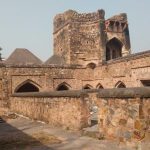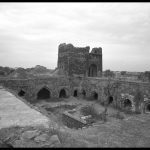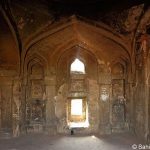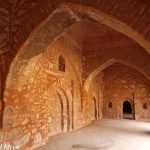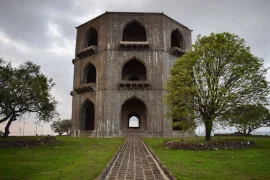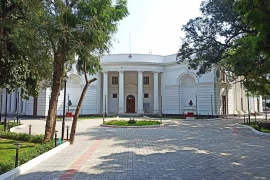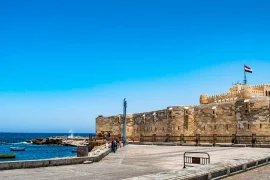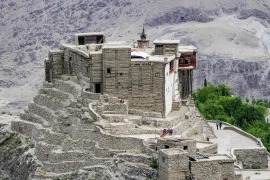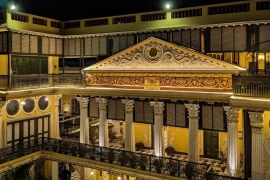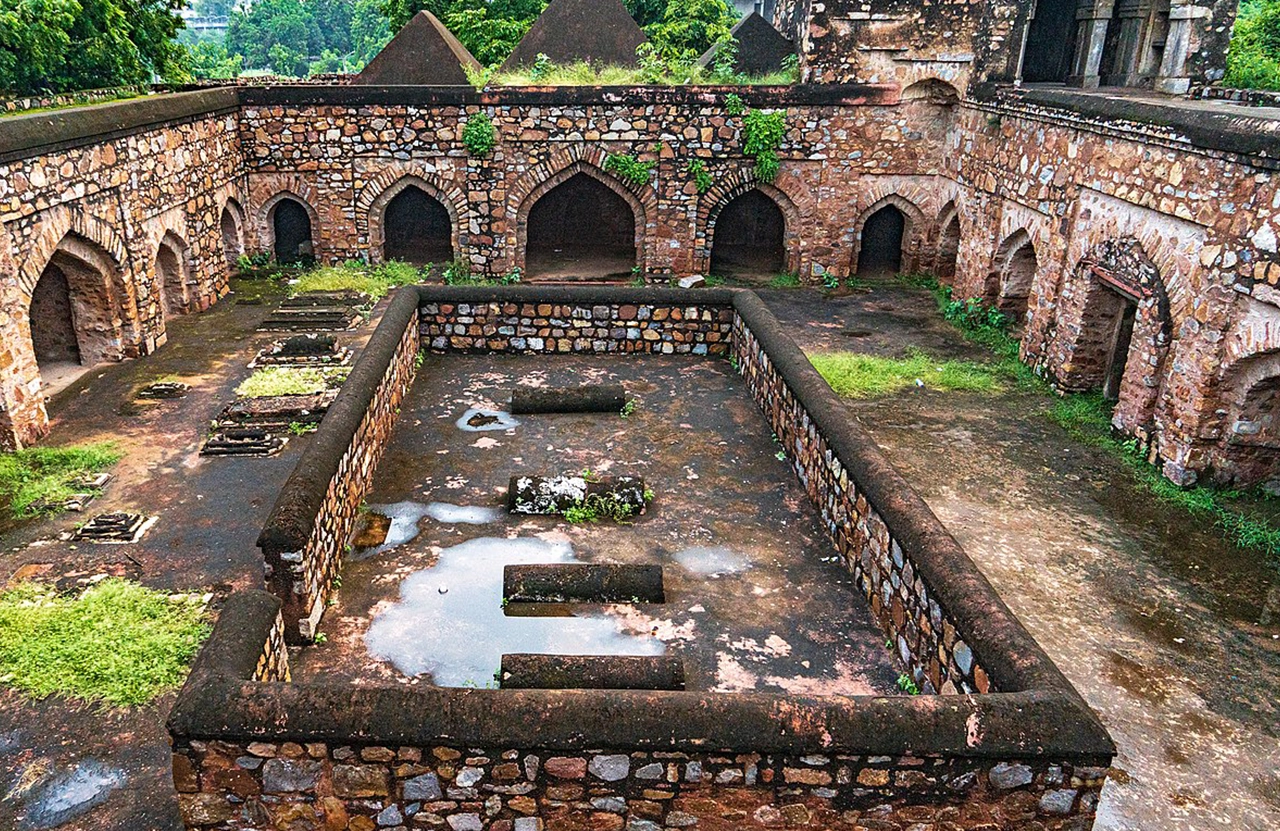
The sheer growth of the present-day city indicates that the Sarai Shahji Mahal was standing even before there was a city in Delhi, more than 300 years ago. Located close to Begumpur, which is now part of Malviya Nagar in southern Delhi, it lies on the caravan routes which are still being used by travelers till today. Despite the fact that many visitors come to see these famous landmarks, there is little attention given to this area, yet it carries deep significance, charm and local heritage devoid of any trumpeting. Rather than the grand architectural marvel constructed for spectacle, this was built on humble ground giving shelter to journeymen traders, peddlers, seekers and heavy procession lines under wide daylight skies along the timeless route known as Grand Trunk Road or Hwy 1. These pictures were taken from different angles of Mughal urban design one can say around a sepoy or karkun’s house than around majestic buildings like Humayun’s Tomb or Qutub Minar; their small scale brings out an aspect of Mughal architecture usually overlooked.
Relationship with the Urban Fabric
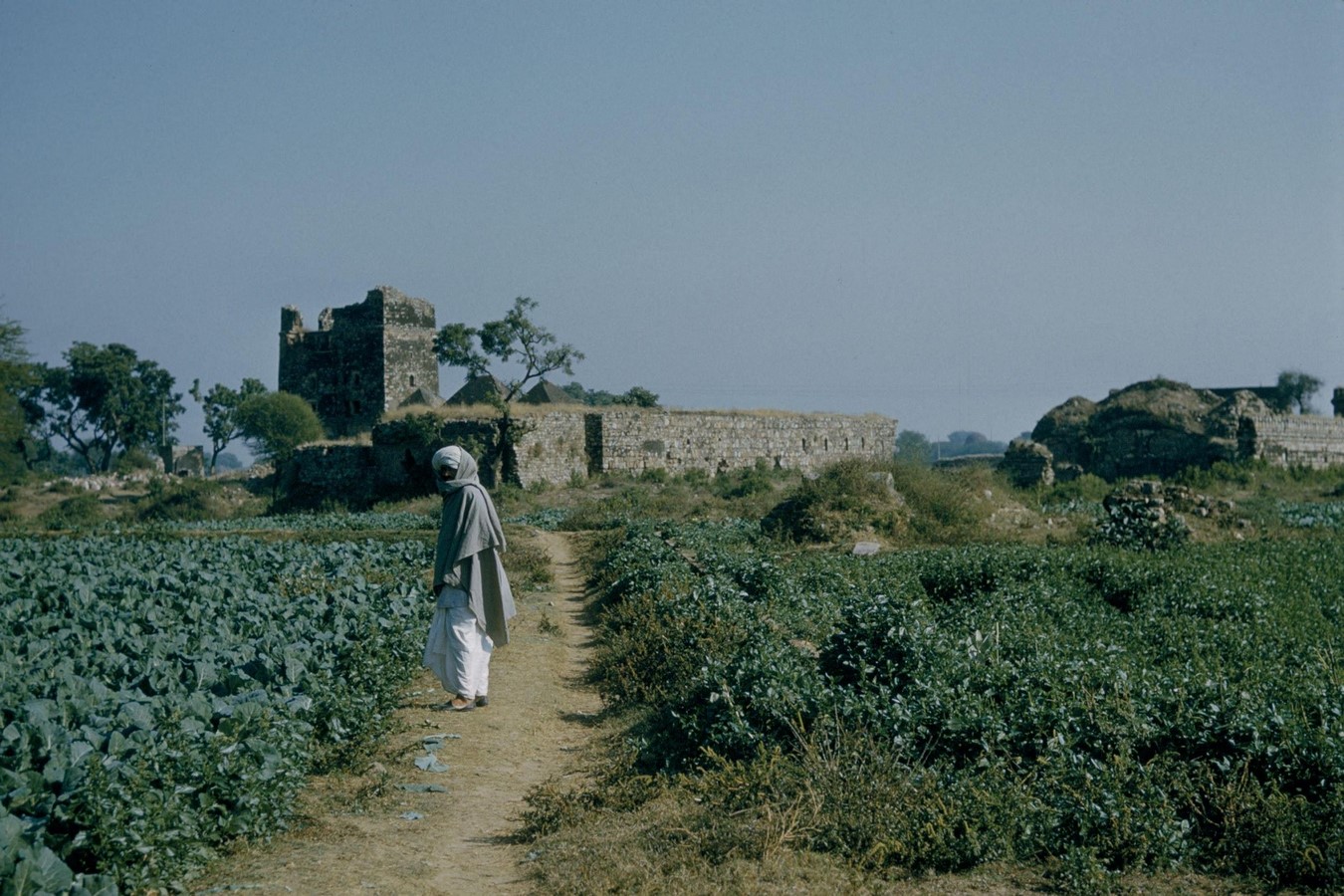
Formerly, it was the larger guesthouses that used to set off this growth since they attracted settlers, brought about market stalls, which finally necessitated the construction of churches. At the heart of old Jahanpanah, a part of Delhi’s former urban rhythm, was Sarai Shahji Mahal, which was just another point on the route transformed for movement and trade.
Sarai is now an old name which is on the side as opposed to back then when it was oviously clear. The spread of the urban centres also led to changes in the way agriculture was practiced due to the ion of other folk in theri previuos ways. The gap between the house and downtown life came into existance, only influenced by the flow of people with time. Yet still you can see it hidden at a busy place, exposing mysteries under Delhi’s present skin – how bygone life rhythms once influenced circulation, convergence and form.
Historical and Political Context
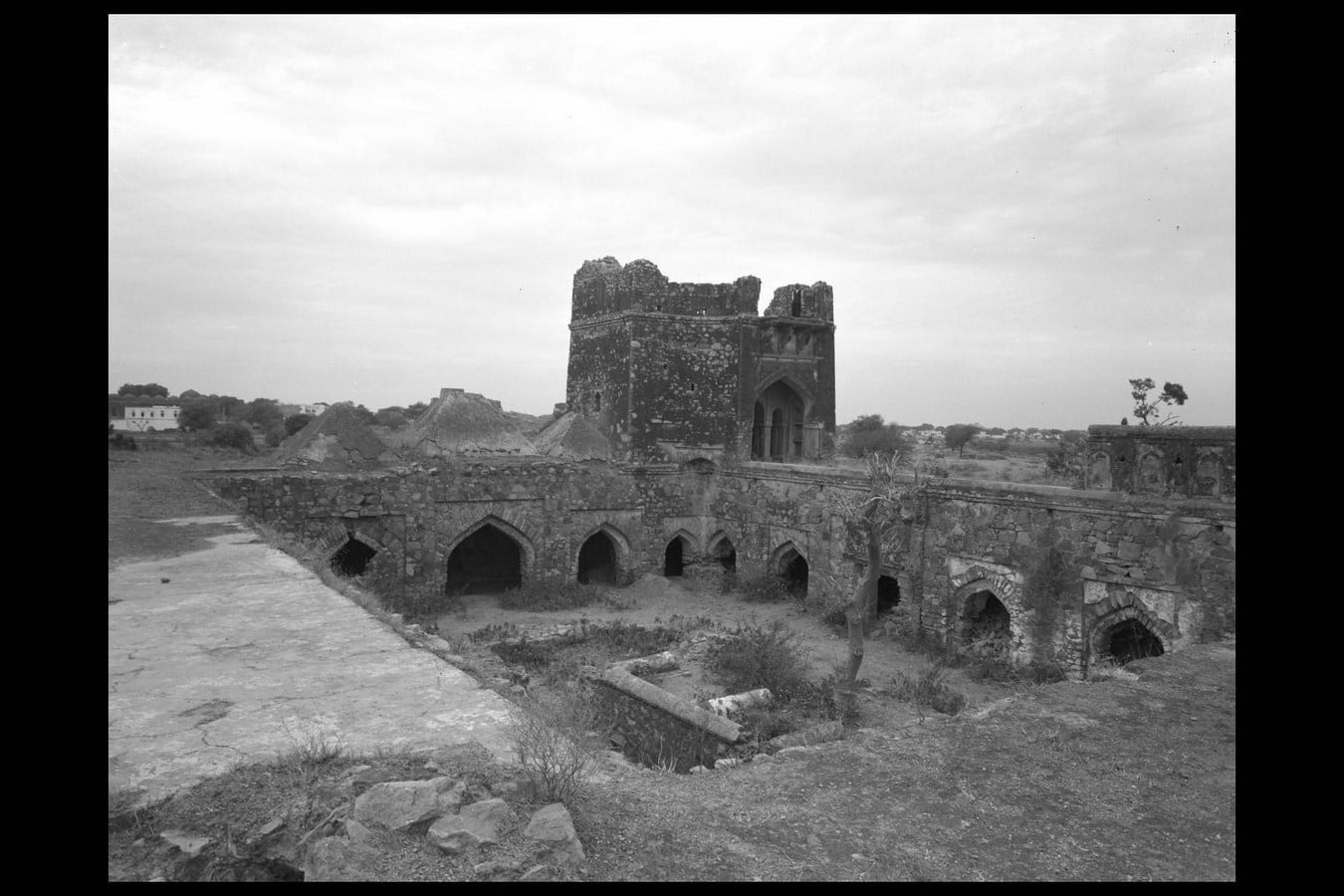
The 17th century saw the beginning of the formation of Shahji Mahal, an example of which is provided with the help of a figure like Shaikh Fareed of Bukhara- essentially Murtaza Khan, who was one of the principle Mughal commanders in the times of Akbar and Jahangir. During those days, they spent heavily on infrastructural developments- footpaths, bridges, causeways, as well as rest houses for travellers passing through and also irrigation systems. This increased their commercial contacts, enlarged their market for their products or services, as well as made it easier for their agents to get around overland. They were instruments to power; life too changed, especially for those immediately concerned.
Apart from the trading posts, Sarais-type infrastructure controlled traffic movement along arterial highways. Along crowded alleys, buildings towered up to the sky- this was a way to show travelers that they were going from one zone to another. Rivers and paths led to towns, which these central places linked in uninterrupted exchange. Newcomers were not kept waiting because at Mugal courts gates were always open. The attitudes towards strangers being trustworthy changed people’s lifestyles, as the major empires determined the course for all nations. He spent the daytime fixing rocks in place, and whenever the sun set down, many people gathered around its walls. As time went by, the Mughal Empire’s power waned, so did their old cities lose significance and with rail coming through city after city, that decrease came gradually or bit-by-bit until people filled those cities’ streets, but thoughts stayed close to their own eyes from a fresh direction
Architectural Style and Planning
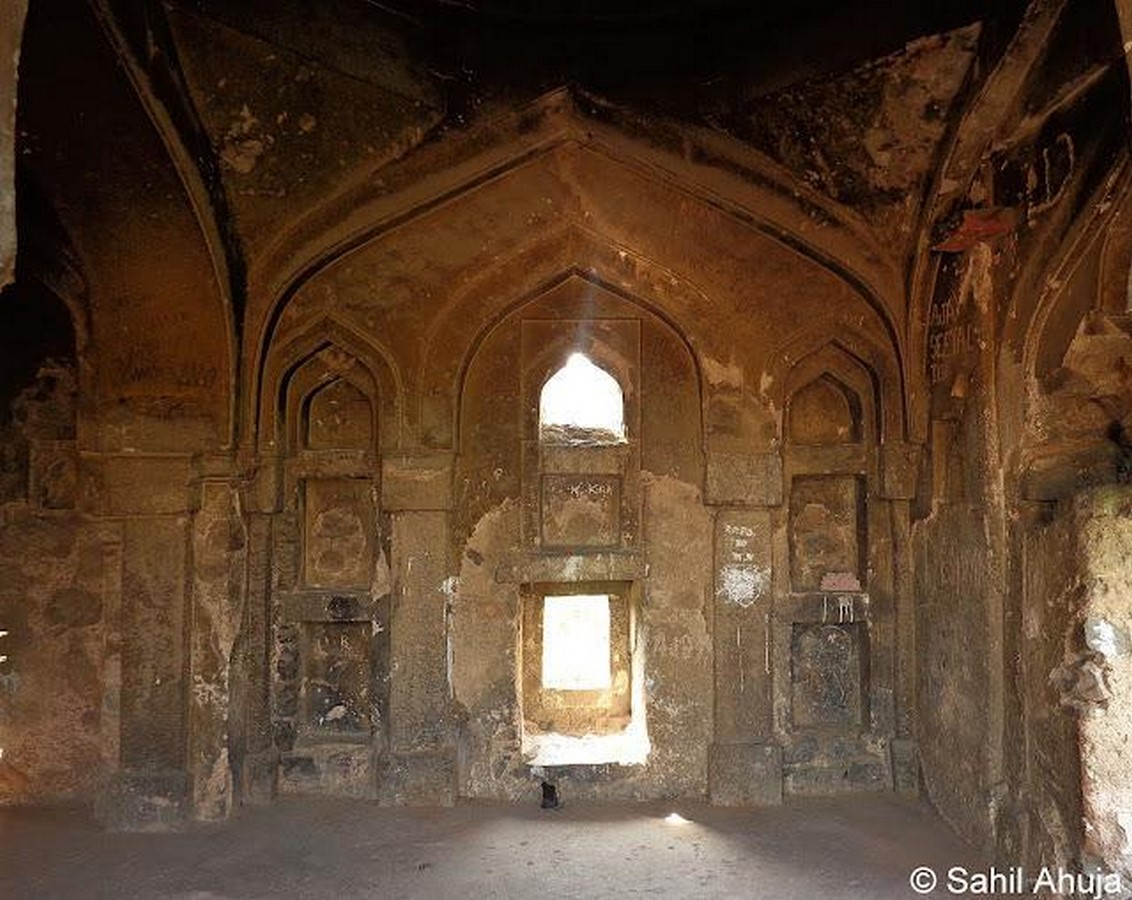
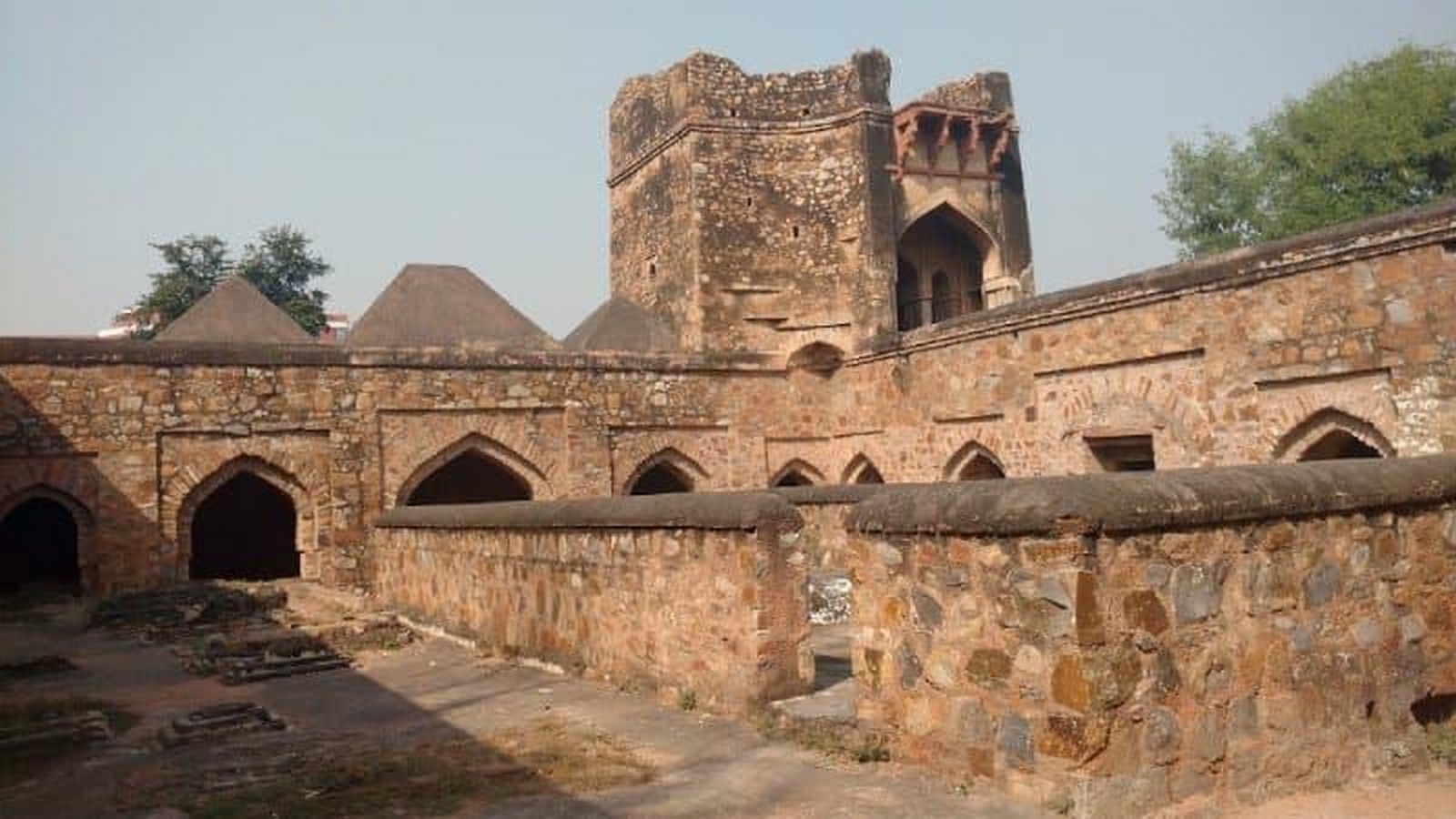
In the time of the Mughal empire, while it had the helm, so to speak, Sarai Shahji Mahal was established – their utility layout is above bold decoration. The building is enclosed by a square shape, boxed in walls that contain an empty core space, which also circumscribes it. That open part played the role of a crossroad, where the movement performed itself, gathering took place, daily rhythm occurred. Along its edge units repeated in reverse but in position for visitors/matter/task. Function moulded structure unobtrusively directed attention away from display towards purpose.
Focus now on the front: the Sarai conveys a nice unity which is based mainly on one horizontal axis; this illustrates why the Mughal architecture prefers organization and size. The design of it is remarkable – you perceive its arches that are neatly cut, the circles which are nested within, or the domed spaces which float slightly above ground level, its angles which are star-shaped, its slopes that step up through sloping layers. There and here in niches sit carved stones, on hanging metal racks bent into place, along with soft signs – faint dots and tiny ridges – etched by fingers inside the wall’s core. A hint of tenderness found in expression directs attention to the functional intent that lay behind the beauty form of Sarai; for it functioned not just as beauty.
A cooler is better for faster progress. Thick stone barriers soak up the heat while the sun is high. The sun’s strength lessens under trees, softening the earth below. A still corner captures air and sun, flowing through rooms. Those decisions which were made long ago, yet without tools or factories, do well in Delhi’s harsh climate. These earlier layouts seem to have understood what newer ones forgot.
Materials and Construction Techniques
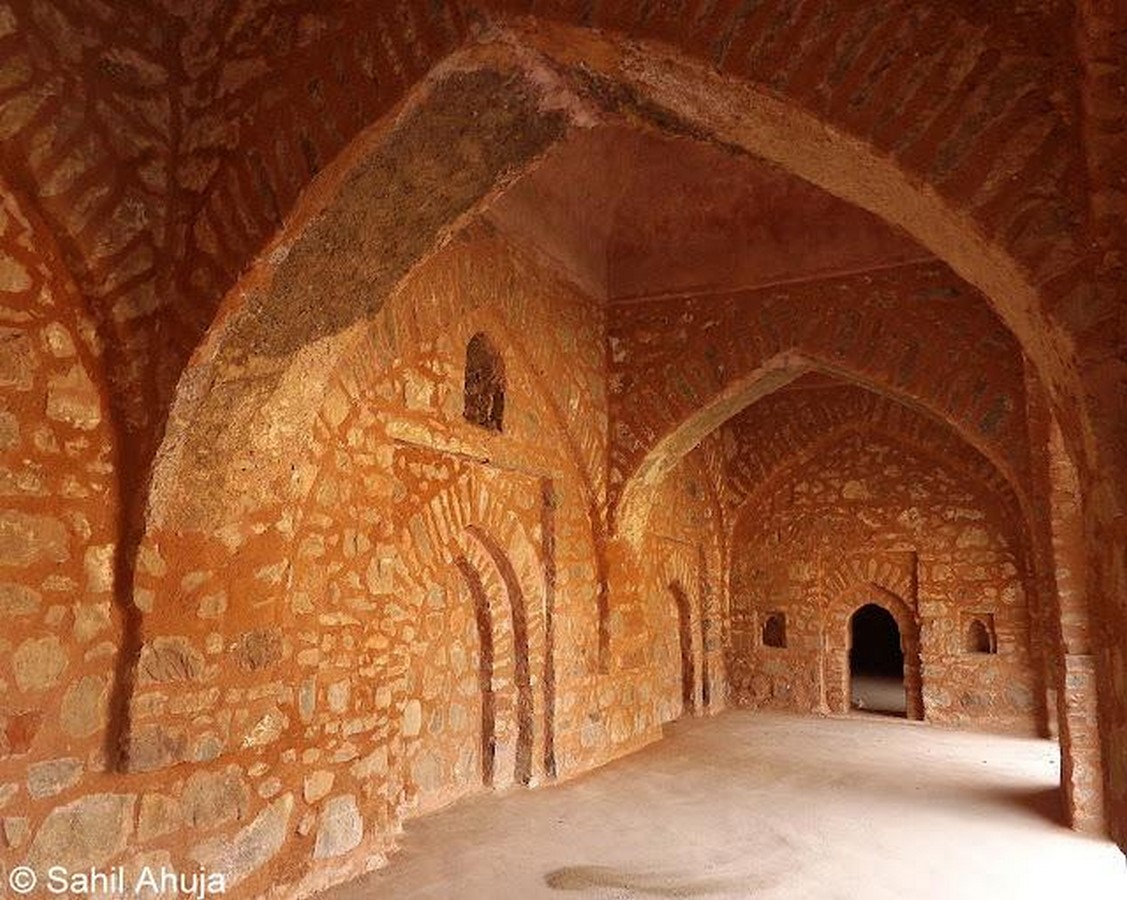
Masonry was the only art available to the builders of Sarai Shahji Mahal – locally quarried stone, in great blocks roughly dressed, slate and red sandstone, used with lime mortar and gypsum plaster. Weight remains constant when walls meet the arches supporting the ceiling; it is this kind of construction that lasts because they do not fall of its own weight. Hidden strength is in methods like broad wells or thick footings that oppose jerky soil movements and let pressure increase gradually.
There was a time when walls could expand or contract with dampness and temperature, and breathings came too. Since the mixtures of mortar and lime are easy to repair, cracks just slowly meander rather than snapping under pressure. The weather, several decades later, can no longer be recollected, with the Sarai its core structure remains – this is proof of the old craft offered by Mugal hands.
Social and Cultural Significance
Besides, Sarai Shahji Mahal contributed to the Mughal society in ways less loud than its form. It was here that those who travelled met and interacted – talking, trading, socialising, telling stories, practising religion. For Muslims, serving guests was a great honor; such places were attached to mosques or spiritual centers, however religious life penetrated mundane existence at these sites.
Folk tales seem to suggest that Sarai Shahji Mahal was not just a home, but something more. Rooted in shared histories, it was nothing like the ordinary roadside dhabas. Even with official disapproval today, locals still protect their monument – the imam of the mosque next door just has to frown once for that to be clear. Yet even support is a quiet sign of attachment to the earth. The tradition still lives- not only legally- but through personal memory, being held together by a mutual duty system.
This sarai is not only a refuge based on imperial ideas, but it also gives an example of how Mughal rule could be manifested in architecture. For travellers, it remained rooted in the life of the village. Those places directed motion between places. Not only commerce was passed through, but stories dwelt in its walls. And because of this, people today imagine cities less as immovable barriers and more as lively webs that buzz with activity far beyond famous buildings.
Hasan, M. Z. (1975). Monuments of Delhi. Delhi: Archaeological Survey of India.
Tadgell, C. (1990). The History of Architecture in India. London: Phaidon Press.
Lewis, C. (2002). Delhi’s Historic Villages. New Delhi: Aryan Books International.
Guerrieri, P. M. (2010). Maps of Delhi. Ahmedabad: Mapin Publishing