In Africa, night economies have arisen as crucial socio-economic networks that support livelihoods, add to the vitality of urban environments, and extend the hours of utility of cities. Among the most important and less explored aspects of night economies are street markets that are modular, flexible, and responsive, and that function chiefly at night. These markets, deployed and redeployed daily in street and public spaces, are informed by climatic conditions, social and cultural rhythms, economic uncertainty, and governance deficiencies. This paper investigates how street markets that are modular enhance night economies in Africa in containing economic exclusion, promoting space economy and utilisation, and sustaining cultural continuity. Using cases in West, East, and Southern Africa, the paper will scrutinise their morphology, logics of design, physicalities, and governance structures, in addition to their specific relevance to African cultures and environments. The paper concludes with a proposal to enhance their integration in African urbanisation without forfeiting their strength of indigeneity in space, place, and time.
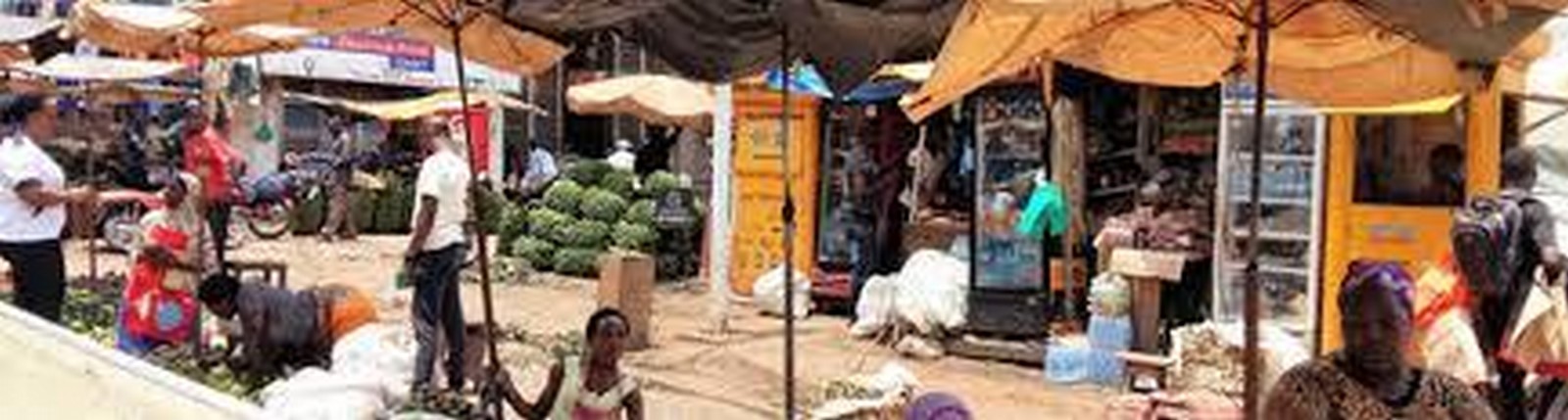
The night is increasingly characterised as the defining aspect of the landscape of African cities. With the pace of urbanisation, unemployment, and the formalisation of labour transforming the daily lives of people, the night is no longer a resting period in the city but an extension of life. Night economies in Africa are quite different from those of the Global North, as the night economies in the Global North are associated with leisure, enjoyment, and consumption activities (UN-Habitat, 2019).
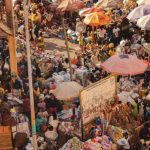
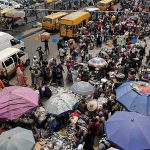
Modular street markets are, essentially, the hub of the night economy. These street markets are composed of stalls, carts, tables, umbrella vendors, crated goods, and lamp vendors that temporarily occupy the space on the streets. The markets can change quickly because they can adapt according to market demand. The markets can shift locations quickly depending on the changes in demand.
This paper investigates the function of modular street markets in cultivating night economies in Africa, examining spatial rationality, socio-economic roles, and cultural significance in this area. The article ascertains street markets as essential urban infrastructure and analyses their defiance of traditional planning dualisms about formality/informality, temporality/permanence, and legality/ illegality in urban planning concepts and methods.
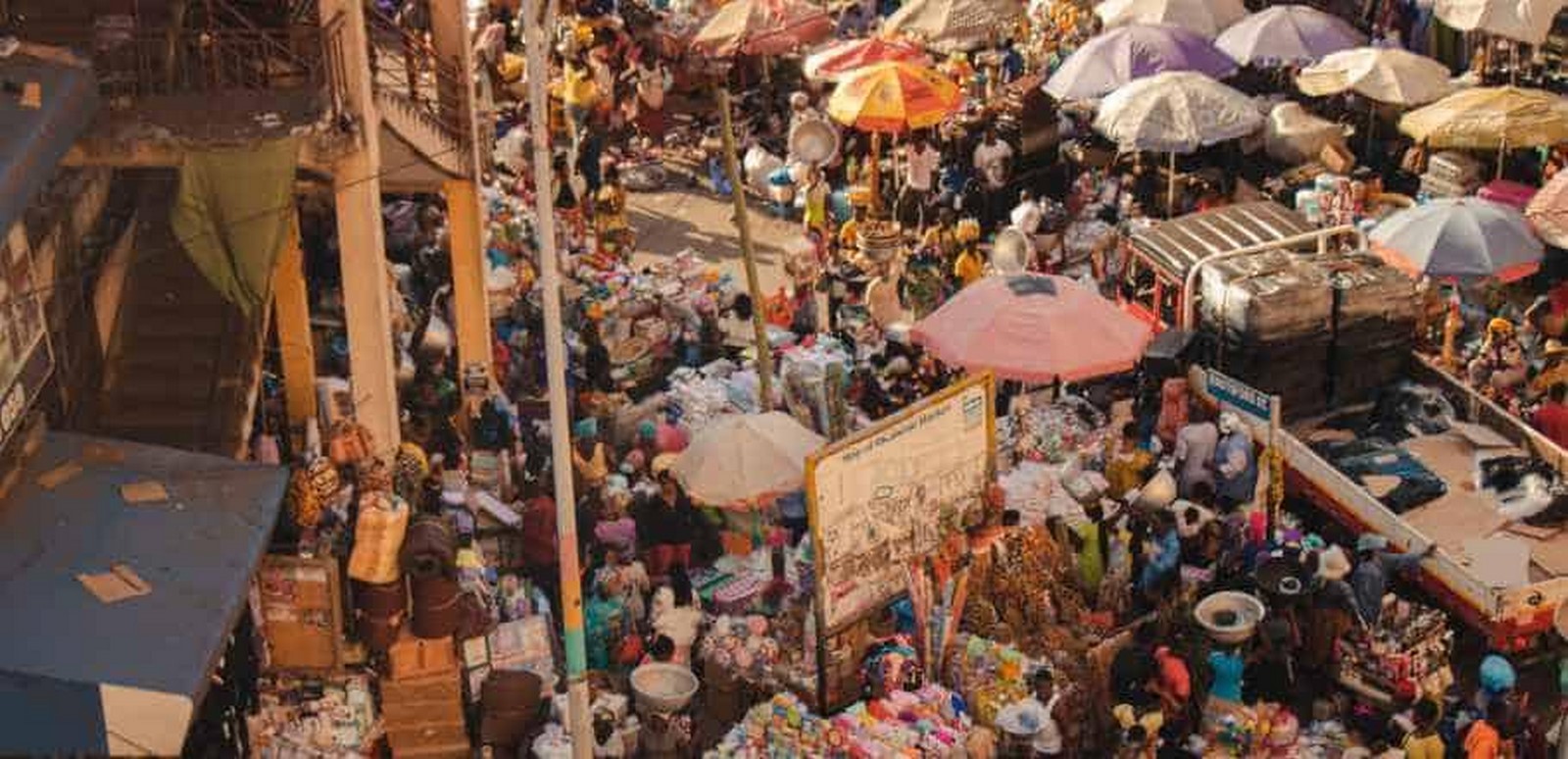
Night Economies in Africa: Conceptual Foundations
The night economy is defined as economic activity conducted between evening and early morning, beyond normal working hours. Among African cities, night economies are a reality driven by factors such as inconsistent electricity supply, daytime congestion and heat stress, and long working hours (Bénit-Gbaffou, 2018).
In contrast to the organized night-time entertainment area found in a city like London or New York, African night economies tend to be informal and decentralised. They tend to be found around transportation nodes, industries, religious sites, markets, and informal housing areas. These activities range from street vending to repairs, wholesale trading, and performances.
Street markets are especially important in this respect as they afford low-entry barriers to employment for migrants, women, and youth. Night markets minimize space competition, avoid enforcement in daylight, and serve workers returning home late from their employment (Skinner, 2019). Modular design is crucial in such settings and enables vendors to mitigate challenges in urban settings.
Modularity and the Street Markets of Africa
Street market modularity involves the use of components which are lightweight, mobile, and easy to assemble and disassemble. The idea of modularity in African cities is not borrowed from current architectural designs but is instead a reaction to uncertainty and scarcity there.
Common components of modularity include the following
- Foldable tables and wooden planks
- Plastic crates & metal frame
- Umbrellas, tarpaulins,
- Handcarts and
- Solar lamps, rechargeable light bulbs, LED strips
Such factors allow traders to adjust stall size, position, and arrangement according to crowd density and weather conditions, as well as policing strategies in place. The street is therefore used as a dynamic structure instead of a static container.
Modularity also supports collective organisation. Light, storage, and security facilities tend to be shared by vendors. This can lead to the creation of informal cooperatives. These cooperatives can improve safety and efficiency at night. Modular street markets can therefore be considered sociotechnical systems rather than economic systems.
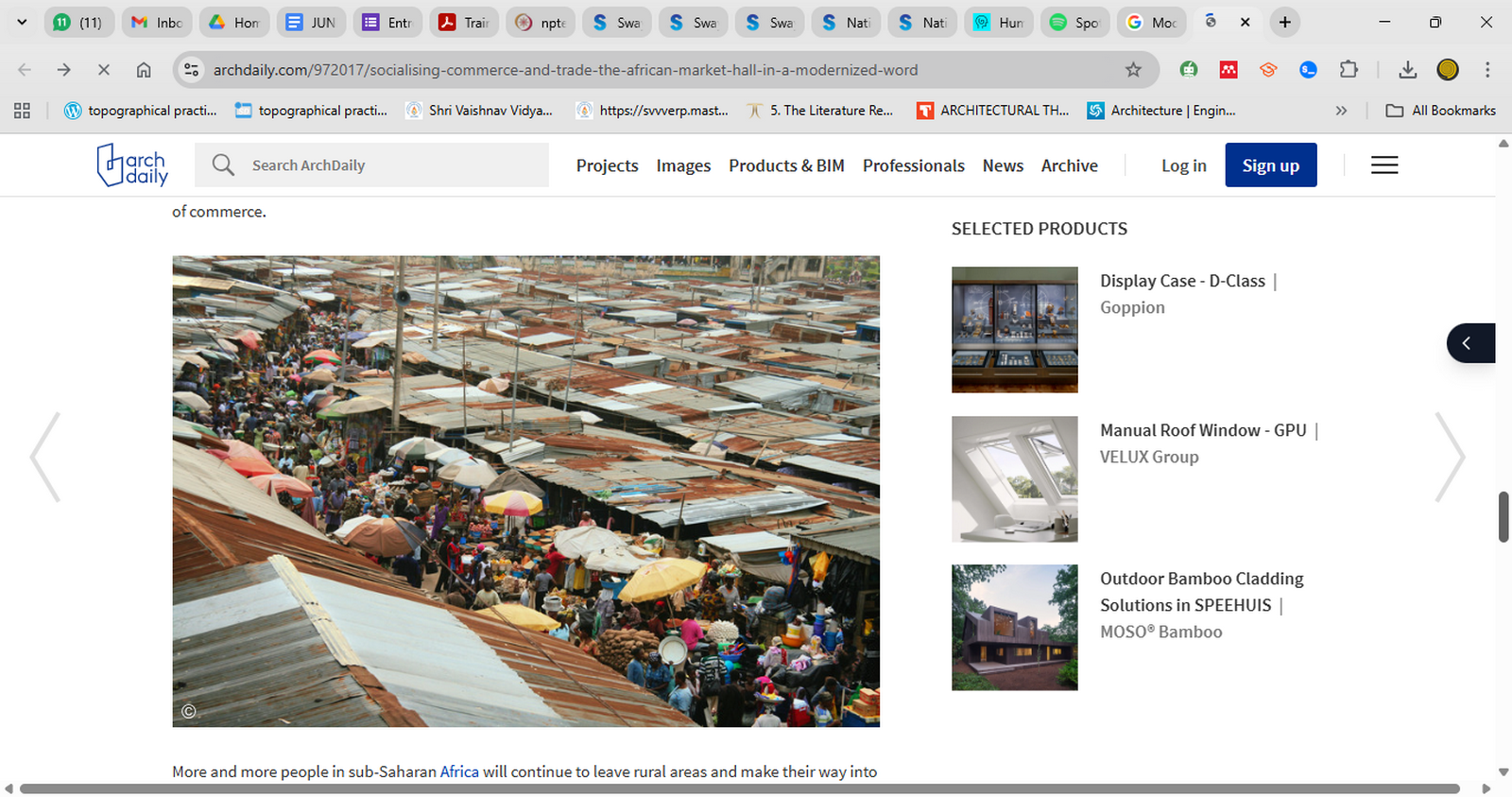
Spatial Morphology of Night-Time Street Markets in Africa
The nighttime spatial arrangement of modular street markets displays characteristic morphology influenced by movement, visibility, and accessibility. Such night markets typically develop along linear paths, such as roads or transportation lines, rather than in a closed plaza area. The linear layout allows for observation, customer movement, and swift dispersion if needed.
Key spatial features include:
- Edge occupation: The edges between carriageways and footpaths can often be where markets reside.
- Temporal layering: Function varies in space from daytime to nighttime, like parking spaces that turn into food markets in the evenings.
- Micro-clustering: Suppliers of complementary goods have micro-clusters in which they are grouped in such a manner as to create an environment rich
Night markets near bus terminals and railway stations in cities such as Lagos, Accra, Nairobi, and Dar es Salaam also demonstrate how such systems capitalise on constant pedestrian flows (Gough, 2016). These morphologies value human scales over zoning.
Socio-Economic Inclusion and Livelihood Generation
One of the most significant contributions of modular street markets to night economies in Africa is their role in socio-economic inclusion. For many urban residents, particularly women and migrants, night vending offers a rare opportunity for income generation with minimal capital investment.
Operating at night allows vendors to:
- Balance domestic responsibilities during the day
- Avoid direct competition with formal retail
- Access customers working late or night shifts
- Reduce exposure to daytime heat
Research indicates that women constitute a substantial proportion of night-time food vendors in African cities, using modular setups that can be easily managed and transported (Chen et al., 2016). These markets thus function as gendered spaces of economic agency.
Moreover, modularity lowers risk. Traders can scale operations up or down depending on daily earnings, weather, or enforcement pressures. This flexibility is critical in contexts where income volatility is high and social safety nets are weak.
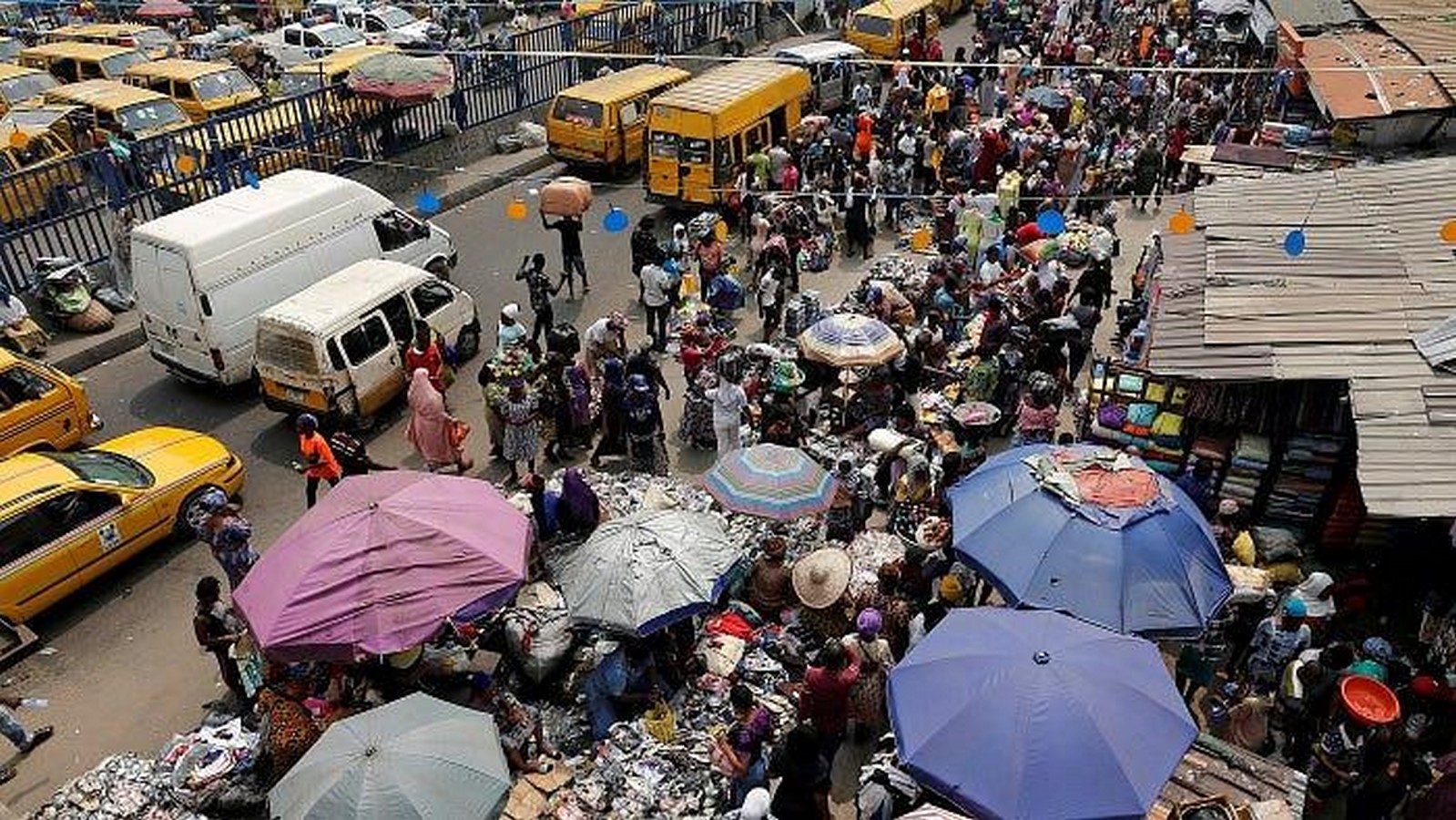
Cultural Practices, Foodscapes, and Night-Time Urban Life
Night markets in Africa are entrenched in the culture, specifically in the consumption of food, socialisation, and rituals. The sensory aspects of night markets, such as the smell of grilled meat, spices, and tea, the sounds of conversation and music, and warm lighting, are distinct and contribute to their nighttime character.
Foodscapes assume great significance in pulling consumers and maintaining the night economy. Almost always, the food that is available during the night hours differs from that of the daytime hours, and this is driven by distinct cultural and biological patterns. For East and Southern Africa, grilled corn, soups, flatbreads, and tea vendors are prominent in night markets.
These spaces also act as some of the unofficial social infrastructures where news is shared, networking occurs, and cultural identities are strengthened (Watson, 2009). The modularity of stalls makes it easy for vendors to adjust menus and structural arrangements during festival celebrations and religious functions, further emphasising the relationship between culture and space.
Safety, Lighting, and Perceptions of Risk
Night-time safety is also a major issue in urban space, and night markets have a complex effect on it. Night-time is generally associated with crime and insecurity. However, the existence of night markets can reduce these conditions by creating natural surveillance through the activity of people who act as a dissuasive factor for anti-social behaviour (Jacobs, 1961).
Modular lighting designs, such as solar-powered lighting and shared lighting, are very important in this respect. In African cities, for instance, merchants have come together to provide lighting to increase visibility and customer attraction. Such lighting systems can make up for what is lacking in local lighting infrastructure.
The crowd presence, as well as familiarity between traders, can lead to a territory and a monitoring process. However, a failure to recognise traders can also put them at risk of harassment, forceful removal, and violence, especially by the police and criminal gangs (Bénit-Gbaffou & Oldfield, 2011).
Governance, Regulation, and Planning Challenges
Despite their importance, modular street markets in Africa tend to operate in a legal limbo. The local authority may accept the existence of such markets but regard them as a problem of traffic, cleanliness, or aesthetic value.
Traditional planning tools fail to address temporality or modularity. Zoning laws contain a static notion of land use and architecture, so the night market is either invisible or illicit. This generates a kind of vicious circle that produces emotion, relocation, and recurrence.
Some African cities have tried more inclusive methods, such as night vending areas or permits that have been negotiated, but too much structure could vitiate the flexibility that is necessary for modular markets to be functional (Roever and Skinner, 2016).
More responsiveness in the governance paradigm would acknowledge the existence of modular street markets as legitimate urban phenomena, through which space use, basic services, and management can be negotiated, but without assuming and enforcing permanent infrastructure.
Modularity as Urban Resilience and Adaptive Design
In terms of urban design, modular street markets serve as a form of grassroots resilience. They offer evidence of how cities can be made to function even where there is scarcity in terms of infrastructure, economic instability, and a governance deficit.
“Resilience encompasses several key attributes
- Adaptability – Adaptability refers to being responsive or reacting
- Redundancy: Complementary vendors and suppliers to minimise system failure
- Scalability: Scalable in terms of space and economy
- Embedded knowledge: Design decisions that reflect experiences
Instead of looking upon modular markets as problems to be temporarily overcome, there is scope to adopt the tenets of these markets in planning and designing. The key is “lightweight construction, reversible intervention, and human-centred spatial organisation.”
Implications for Urban Design and Policy in Africa
The importance of modular street market systems for encouraging night economies in Africa has key planning considerations for future designs of African cities. Rather than having rigid plans for formalising such market systems, cities can have hybrid designs to incorporate informal systems while increasing security, cleanliness, and accessibility.
Design interventions could be:
- Modular street furniture developed in consultation with vendors
- Community infrastructure for lighting, waste management, and water
- Time-interval zoning with night-time land use
- Process of Participatory Design with trader associations
Such strategies have been in consonance with calls for inclusive and culturally responsive urban environments in which livelihoods take precedence over aesthetics.
Modular street markets are integral to the operation of night economies in Africa. Modular street markets are not on the fringes of society but are highly advanced socio-spatial practices that work towards the sustenance of livelihoods, development of culture, and increase of resilience in urban areas.
Modularity ensures flexibility in the face of uncertainty.
This final paragraph has argued that it is necessary to learn about these markets to reform urban thinking about design and governance in African cities. By choosing to see flexibility and informality as opportunities instead of problems to be solved, urban thinkers and practitioners can spread equity and vitality in night-time urban environments.
Bénit-Gbaffou, C. (2018). Governing street trading in the inner city of Johannesburg: Policy, practice, and contestation. Urban Forum, 29(1
Bénit Gbaffou, C., & Oldfield, S. (2011). Accessing the state: Everyday practices and politics in cities of the South. Journal of Asian and African Studies, 46(5), 445-452.
Chen, M. A., Skinner, C., & Roever, S. (2016). Cities and the informal economy: Inclusive planning for the urban working poor. Routledge.
Gough, K. V. (2016). Urbanisation and urban growth in Africa. International Development Planning Review, 38(1), 1–
Jacobs, J. (1961). The death and life of great American cities. Random House.
Lindell, I. (2010). Informality and collective organising: Identities, alliances and transnational activism in Africa. *Third World Quarterly*, 31(2), 207
Roever, S., & Skinner, C. (2016). Street vendors and cities. Environment and Urbanization, 28(2),
Skinner, C. (2019). Contributing yet excluded. Informal food retailing in African cities. Urban Studies, 56(4), 1
United Nations Human Settlements Program. 2019. “The value of sustainable urbanisation.” United Nations-Habitat
Watson, S. (2009). The magic of the marketplace: Sociality in a neglected public space. Urban Studies, 46(8), 1577-1591
Tawii, C. (2025, October 1). Why Informal Retailers in Africa Cannot be Ignored – Euromonitor.com. Euromonitor. https://www.euromonitor.com/article/why-informal-retailers-in-africa-cannot-be-ignored
Metelerkamp, L. (2024, October 14). Trading to Eat: How the Informal Economy is Hunger-Proofing Africa’s Cities. Urbanet. https://www.urbanet.info/informal-economy-hunger-proofing-africas-cities/
Maganga, M. (2022, November 16). Socialising, Commerce, and Trade: The African Market Hall in a Modernised World. ArchDaily. https://www.archdaily.com/972017/socialising-commerce-and-trade-the-african-market-hall-in-a-modernized-word
BaoBuzz Technologies, Sep 19, 2025Africa’s Hidden Market: Why 80% of Growth Lies in the Informal Economy, medium. https://medium.com/@BaoBuzzAfrica./africas-hidden-market-why-80-of-growth-lies-in-the-informal-economy-e9f3e48eb0bf