The onset of the new age has led to an increasing trend of nomadism in search of better opportunities. Accompanying this is the surge in the price of urban properties, marking a massive shift in the cultural identity from a permanently owned “domus” to a temporary means of access. With this, our relationship with space becomes increasingly fluid. The notion of an ideal home, which is a constant asset, evolving with an evolving nuclear family, is fast fading.
A new architectural typology is emerging due to the constant renting, sharing and swapping of the users. There is a rising need for a “liquid home” that doesn’t lose its identity with the rotating inhabitants with temporary tenures. A home that caters to all kinds of users and is easily customisable to their needs has become the definition of a successful, well-designed space.
From Asset to Service
With the renter class becoming a permanent demographic of urban property users, rental units are no longer designed for the lowest common denominator groups (Sustainability Directory, 2026). The bland, lifeless spaces that students, the traditional renters, had to make do with have been transformed into high-performance units that are user-centric. With the re-evaluation of the interior space, the focus has now shifted to a “loose-fit” architecture. This involves creating a good-quality, external box with an adaptable infill.
As the utilities, including the kitchen and the bathroom, get consolidated in a centralised core, the rest of the space gets freed up to be used at the user’s discretion. This space gets reconfigured easily, becoming what the user needs it to be, from a free-flowing office one year to a two-bedroom family space in the next.
Co-living and Social Nodes
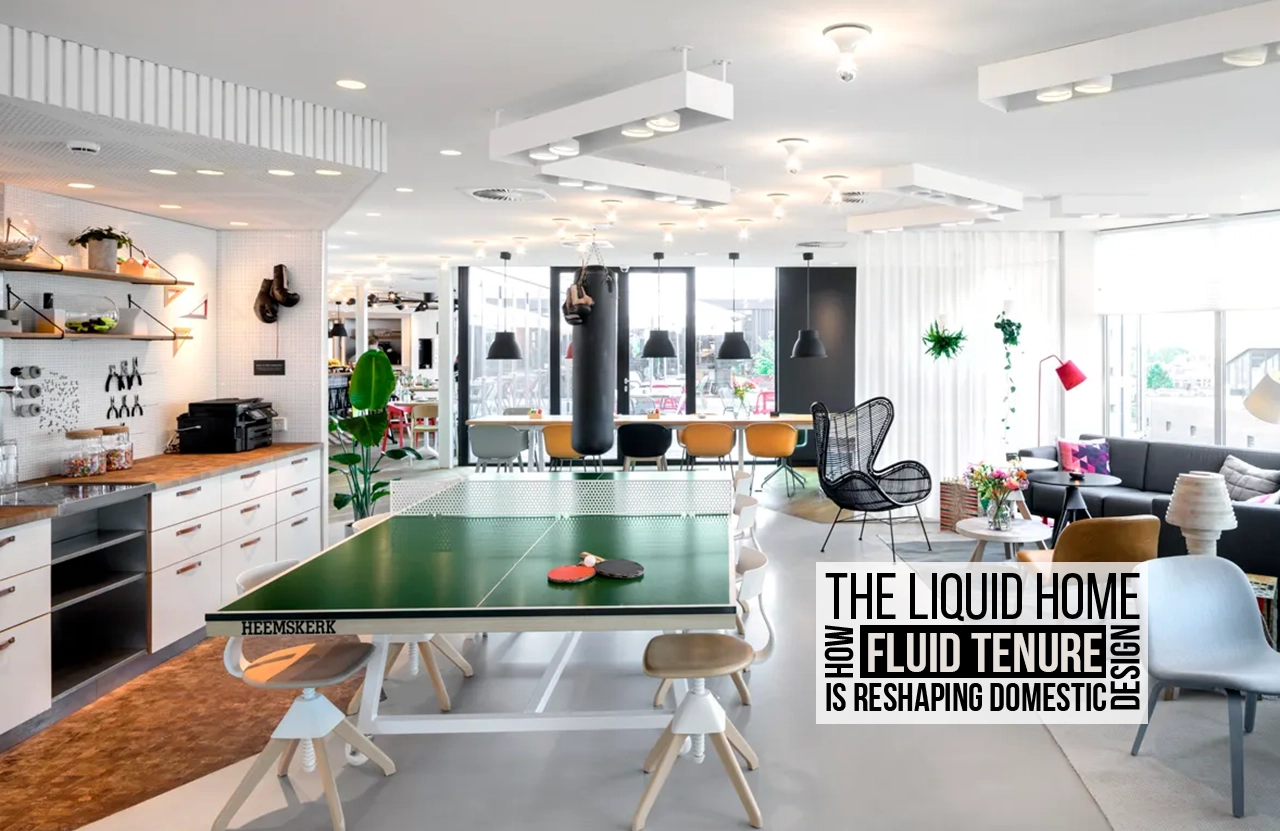
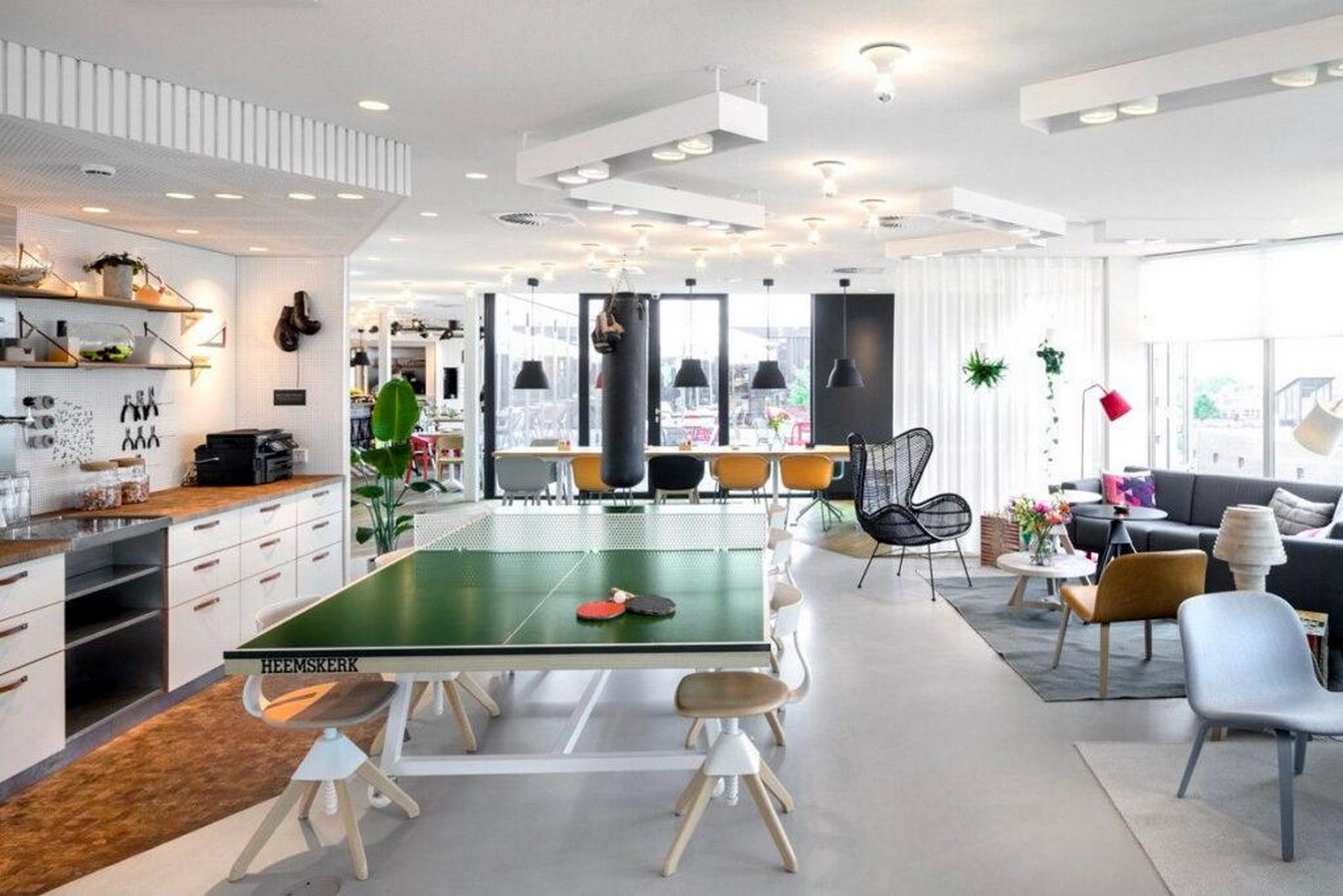
With the prices of owned properties skyrocketing and the demand for rental space increasing, a new typology of architecture emerges: Co-living communities. Designed to combat urban loneliness, these communities blur the boundary between the private and the shared spaces. They focus on reducing the area of the private space and enhancing the quality of the communal spaces. This is a highly effective strategy to increase social encounters.
The bedroom is designed with only the bare essentials for sleep and storage, making the kitchen, dining, and recreational spaces into high-quality collective spaces. A thick partition wall serves a variety of functions, acting as a storage space, a desk or even an acoustic buffer. It becomes a threshold between the exterior and the interior, increasing the privacy in a highly optimised small footprint. This ultimately reduces the need for corridors, saving space required for circulation. Social nodes are created instead, increasing the likelihood of chance encounters (Eli̇nç, Aşikkutlu and Kaya, 2023).
The Airbnb
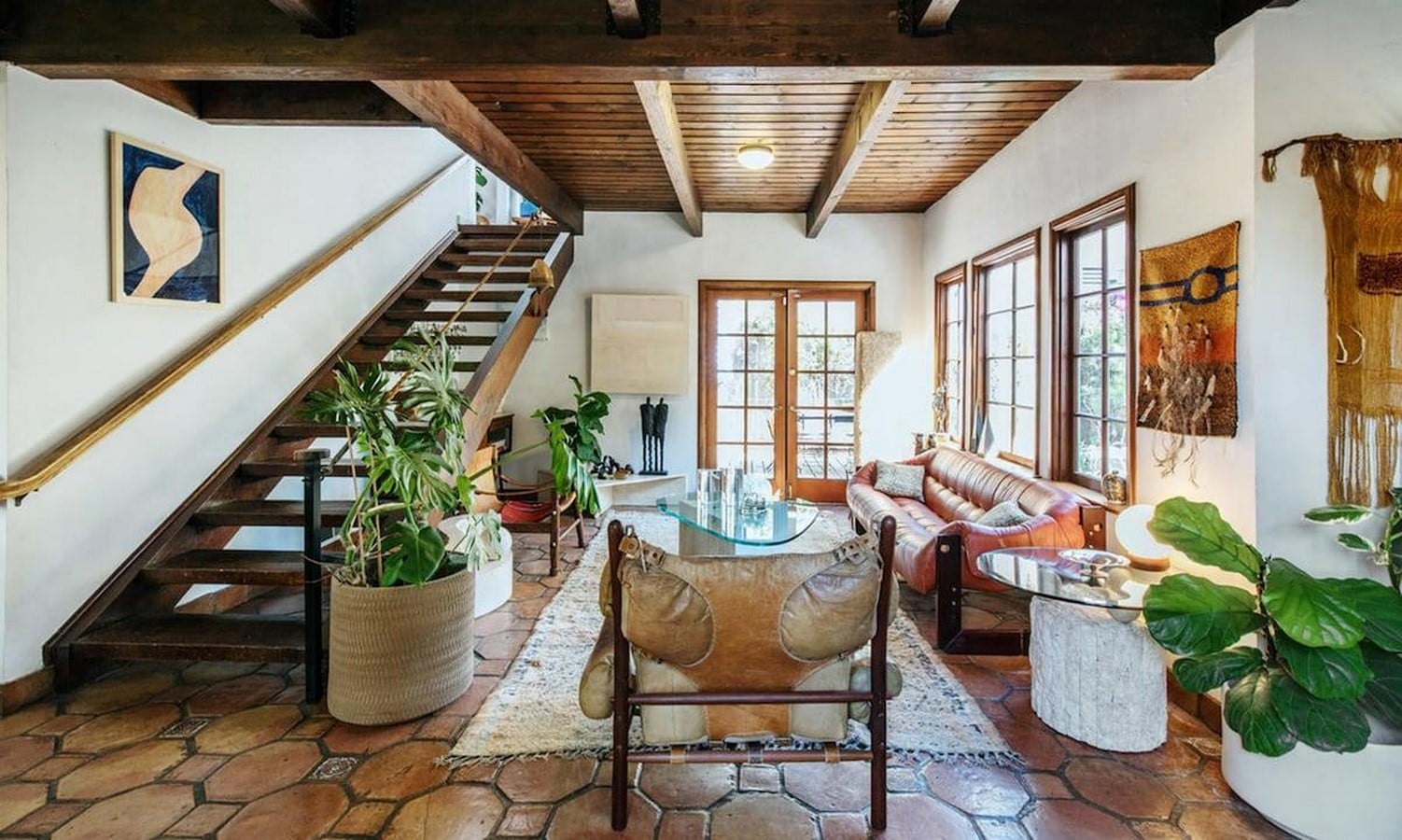
The short-term rental market presents a design paradox; homes must be neutral enough to appeal to a wide range of guests, while showcasing enough character to stand out amongst several other options. This approach prioritises curation over construction. This strategy is driven by moving lifestyle packages; it makes furniture the primary driver of several design decisions, instead of an afterthought. It is now designed keeping in mind the ease of assembling and disassembling it in various settings. Home, in this case, becomes not a collection of rooms, but rather a collection of instances or settings, such as the reading nook or the dining corner, quickly and efficiently adapted to suit various needs (Chayka, 2016).
Modularity and Sustainability
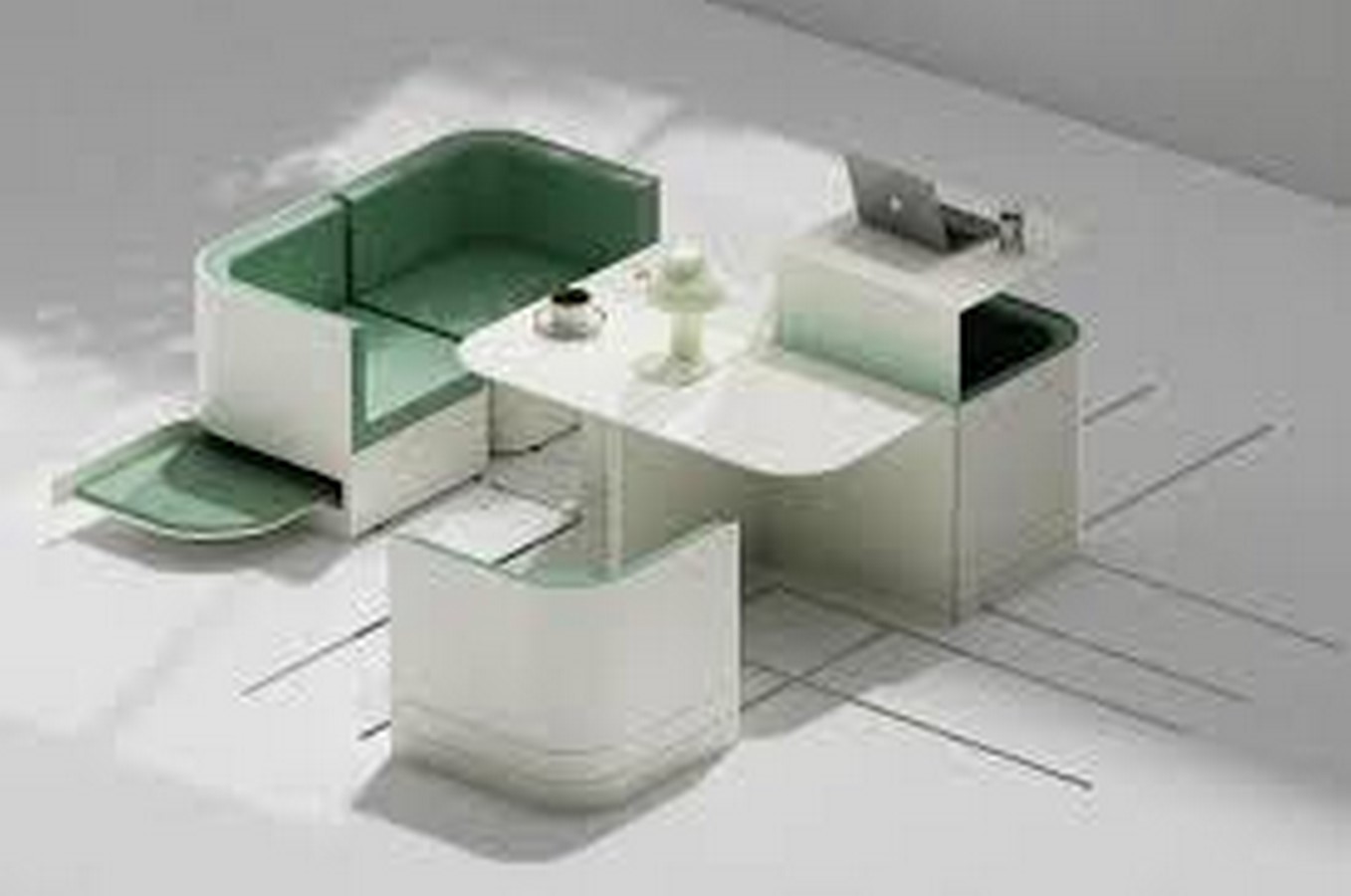
A fluid tenure house can be easily modified. This has led to a growing interest in modularity. Shifting away from wet construction methods, the focus has moved to dry assembly for interior spaces. As a result, there is a significant investment in furniture as infrastructure. These modular units can include moveable wardrobes, pull-out beds and kitchenettes, which can replace partitions. This flexibility allows the tenant the freedom to modify their living environment as they wish, without violating their rental lease.
However, from an environmental perspective, this fluid tenure and modular furniture can be a double-edged sword. While encouraging high density, which is generally sustainable, it also encourages “fast furniture”. Once the user shifts, if this furniture doesn’t fit their new space, it can be easily discarded. Domestic design is increasingly recognising this massive waste and developing innovative solutions to address it. Subscription models for renting furniture are gaining popularity. Additionally, universal mounting systems that enable the user to hang shelves or lights without the need for drilling and furniture that can be reassembled are being adopted rapidly (Ellen MacArthur Foundation, 2022).
The Nomadic Interior
The transition from owning to renting, sharing, and swapping represents a fundamental maturation of domestic design. We are finally moving away from viewing the house as a machine for living in, towards viewing the house as a platform for living. By embracing fluid tenure, architecture becomes more democratic and responsive. It acknowledges that our lives are no longer linear journeys but a series of overlapping fictions and phases. The modern home is no longer a fortress to be guarded, but a flexible stage, a space that values the quality of the experience over the permanence of brick. As we move forward, the most successful designs will be those that don’t just house us but move with us.
References:
Chayka, K. (2016). Same old, same old. How the hipster aesthetic is taking over the world. [online] The Guardian. Available at: https://www.theguardian.com/commentisfree/2016/aug/06/hipster-aesthetic-taking-over-world.
Eli̇nçE., Aşikkutlu, H.S. and Kaya, L.G. (2023). Concept of Co-Living and its Application: The Case Study of Padova: Birlikte Barınma Kavramı ve Uygulaması: Padova Örneği. Journal of Architectural Sciences & Applications (JASA), [online] 8(1), pp.54–66. doi:https://doi.org/10.30785/mbud.1258066.
Ellen MacArthur Foundation (2022). Reimagining our buildings and spaces for a circular economy. [online] www.ellenmacarthurfoundation.org. Available at: https://www.ellenmacarthurfoundation.org/topics/built-environment/overview.
Sustainability Directory (2026). Digital Platforms for Urban Resource Sharing and Optimisation → Scenario. [online] Prism → Sustainability Directory. Available at: https://prism.sustainability-directory.com/scenario/digital-platforms-for-urban-resource-sharing-and-optimization/ [Accessed 25 Jan. 2026].