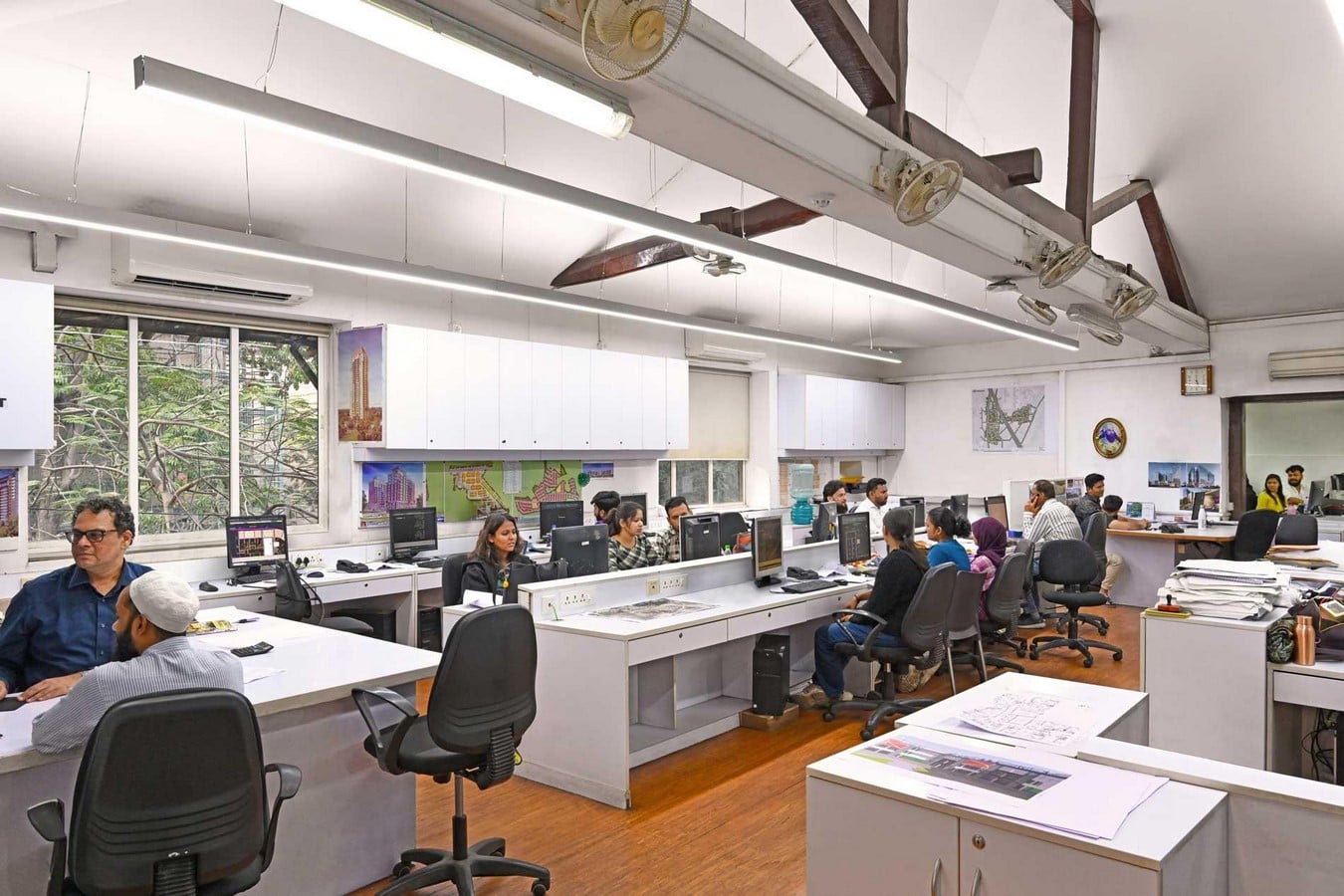
Earlier, an architectural office belonged to a single, clearly defined space. Numerous desks, folded drawing sheets against the walls, interns drafting drawings on their desks, while the seniors moving places with tracing papers, conducting design discussions. Knowledge was being passed via people, drawings were carried on paper, and work was passed on hand to hand. Such an office does exist today, but it is not confined to a designated space. Now, the work has been extended to cloud servers, shared systems, simulation platforms, and digital workspaces. The practice has turned out to be more diffuse, flexible, and intelligent.
It is not just a change related to technology, but it is an organizational, cultural, and professional change. Machines aren’t taking over architectural roles; they are reshaping the thinking process within the field. The redistribution of tasks, redefinition of decisions, and the internal organisation of practice are gradually rewritten. The hanging aspect is not necessarily how architects work, but rather how authority and responsibility are distributed within the office.
From a Linear Process to Ongoing Feedback
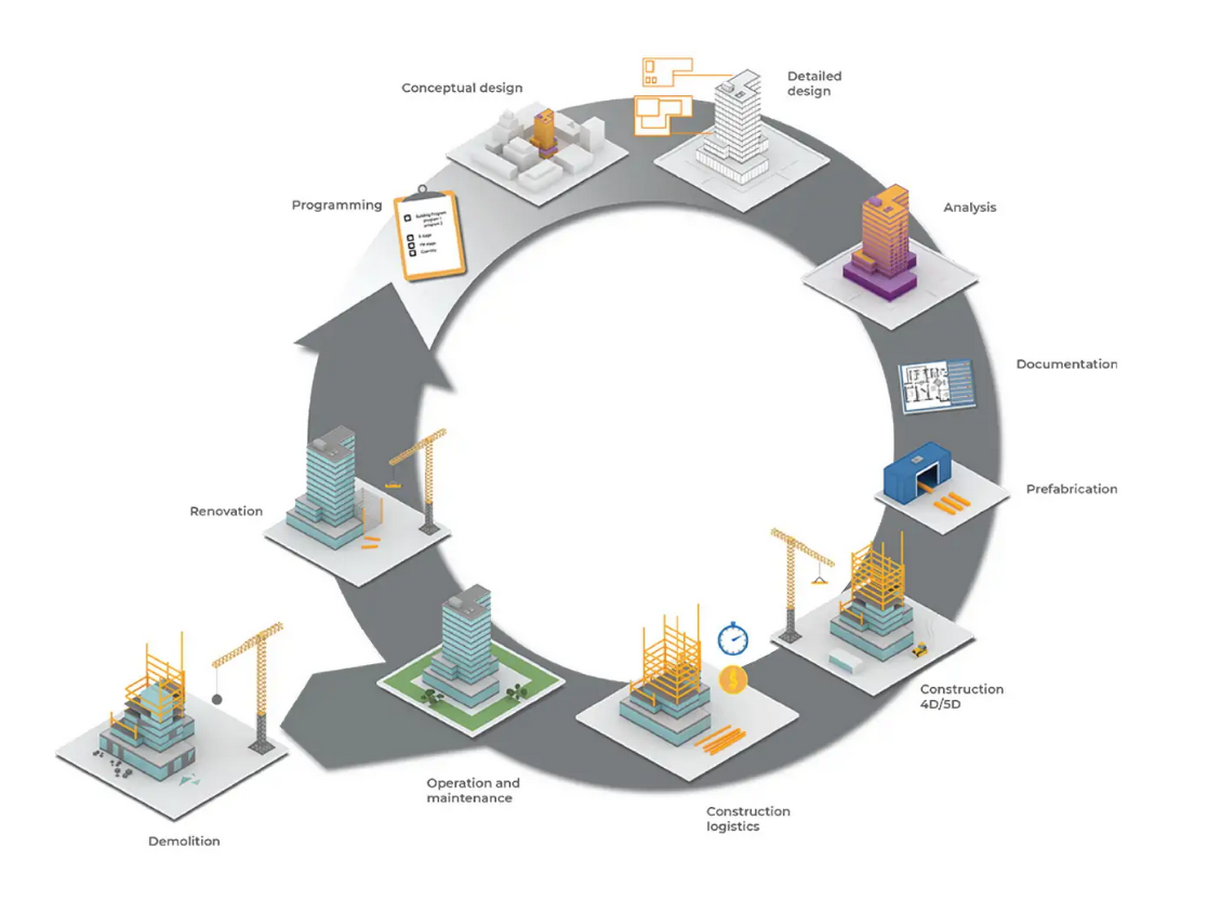
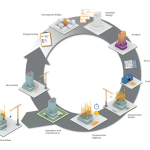
Conventionally, the architectural process, right from designing to construction, follows a linear approach. A client brief would lead to a concept, the concept would become drawings, the drawings would be coordinated, and construction would be achieved as a result of the coordination. The phases were distinct, sequential, and usually slow. In the present-day, linearity is breaking down. Feedback can be analysed through artificial intelligence at every stage. Ideas are generated together with the performance data, by the use of tools like Spacemaker or Testfit to check massing, density, and daylight, even before the design is processed further. Drawings are simultaneously checked during their production. Cost estimates, carbon emissions, compliance, and daylight simulations are analysed in the early stages and in a repetitive manner.
With this networked procedure, the architectural practice starts to appear similar to a living system, instead of a production line. Nowadays, machines create options, simulate, identify the issues, and keep up with the new trends, all through AI assisted BIM setups and also clash detection tools like the Autodesk Construction Cloud or Revit-driven workflows. People’s reaction to this is interpreting, modifying, adapting, discarding, and refining ideas. It is no longer all about the generation of information, but making sense of it individually. The designs are not quantitatively generated but are more planned and deliberate.
How Roles Inside the Office are Changing
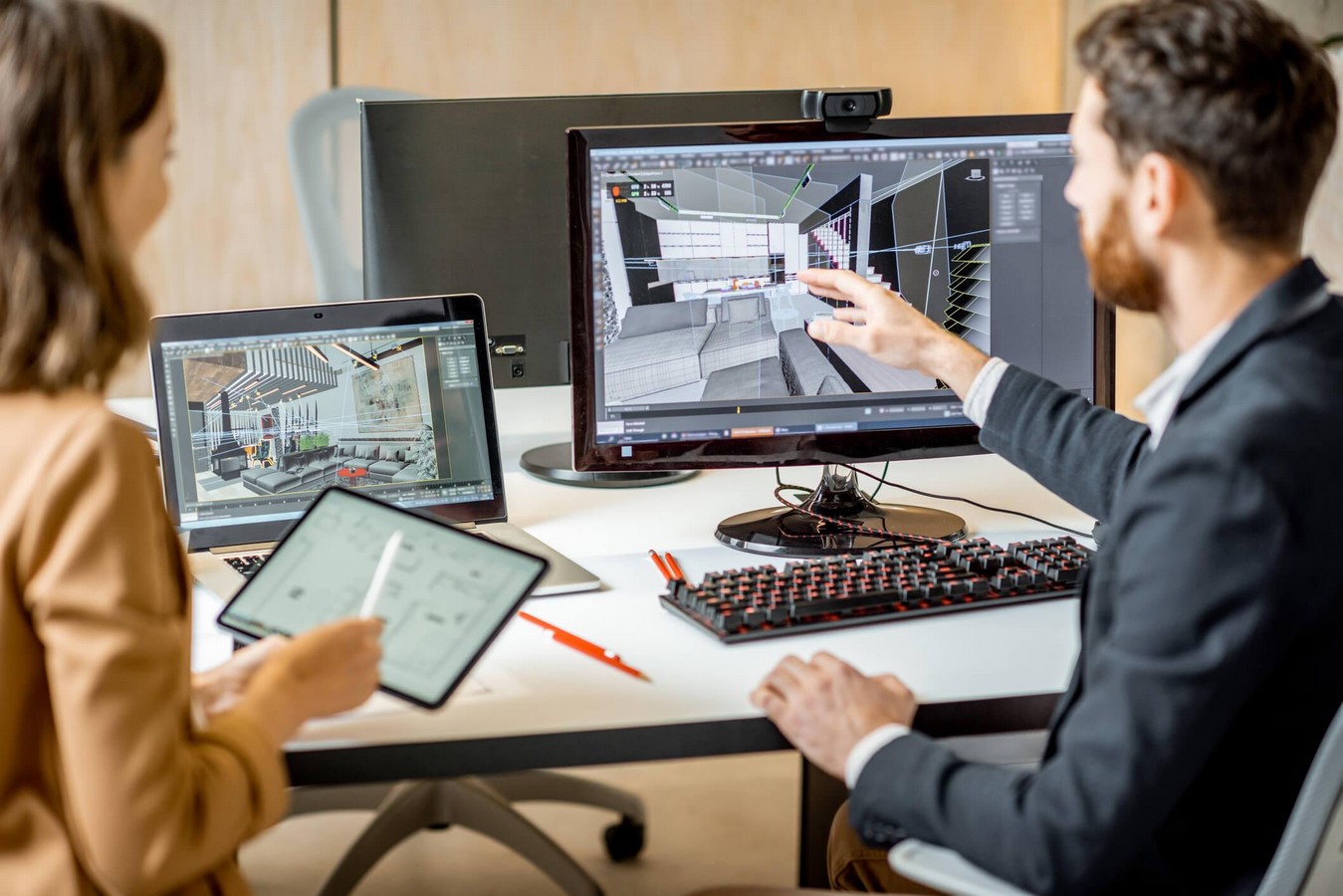
Consequently, the architectural practice is experiencing role changes. The junior architects are not just individuals who draft drawings, but are also decision makers, the one who merges the human will with machine response. The artificial intelligence tools, such as Midjourney, Stable Diffusion, or Grasshopper scripts, assist them in brainstorming about the visuals, exteriors/interiors, and special modifications. They not only learn to create drawings, but also to analyse assumptions, challenge the automated decisions, as well as understand when optimisation works against the context.
The project architect also becomes more of an integrator, who holds consultants, models, data streams, and discussions in a unified way, usually depending on coordination supported by AI, and also prediction tools to figure out issues before they are seen on site. They are not only handling the spatial complexity, but also looking at the informational complexity. Instead of just focusing on the blueprint of the structure, the senior architect can shift the attention towards strategies, ethics, and narratives that influence the experience of a structure.
In the meantime, there is now a new range of positions available – computational designers, BIM-AI coordinators, workflow architects, and even digital ethicists. These roles, rather than being peripheral, indicate the broadening of the definition of architectural competence in the present day. They introduce the advancement of technical literacy in the culturally responsible architectural practice.
Human Responsibility in AI-Based Designs
It is increasingly becoming important to learn what AI can or cannot do. Speed, iterations, pattern recognition, and optimization are the areas where artificial intelligence performs well. It has the capability of exploring the solution spaces that are big enough not to fit in human minds. But it is not able to conceive meaning. It is not capable of bearing the contextual influence, experiencing political conflict, being culturally complex, and morally responsible.
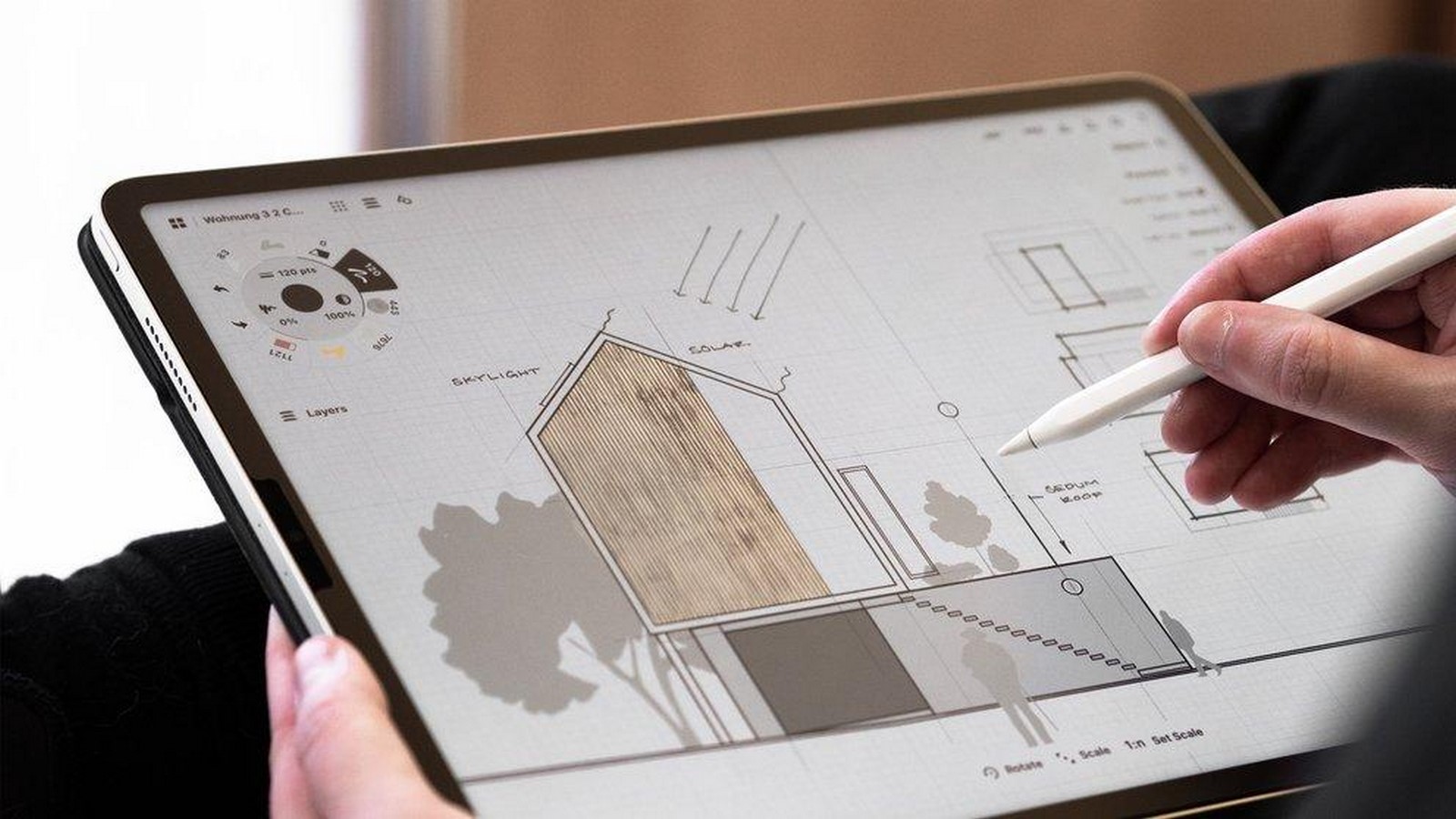
As a result of the growing use of AI, it is not that the architects will become irrelevant, but rather become passive. The fact that they believe machine values are neutral, without thinking that it represents the biases, priorities, and blind spots of its training data from image generation tools trained for limited architectural patterns to optimization software that prefer efficiency over experience. Gradually, power is taken away from individuals who know the software and handed over to those who are aware of how to challenge it.
Authorship is made collective and indistinct. The myths of the solitary genius are being replaced, and a more mediated and distributed type of production is pursued. The latter is not comparable to what is always practiced in architecture, but it makes it clearer how the decisions are made and whose opinions are considered in the built world.
Decision Making for the Future
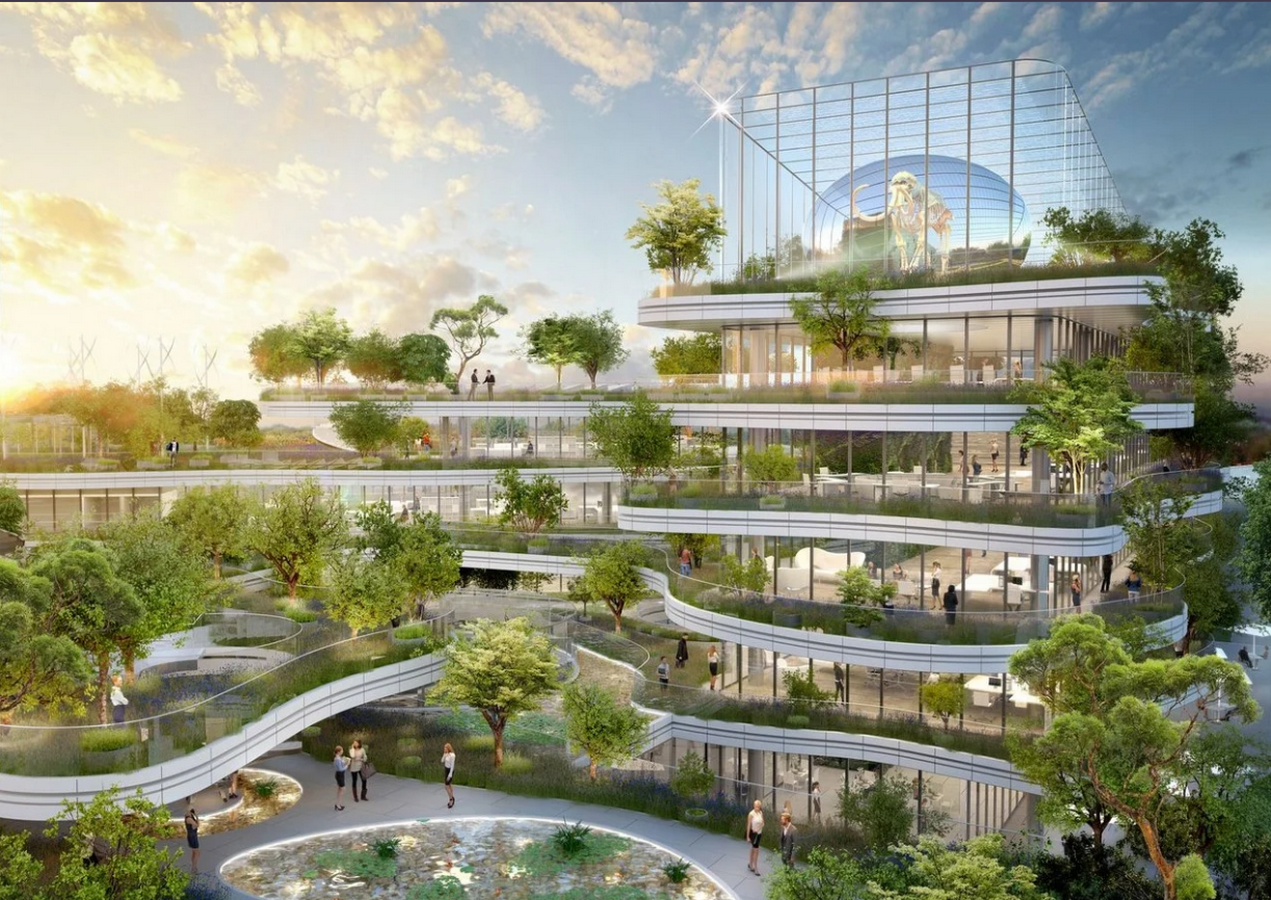
In this regard, an architect can no longer be just a form- maker or problem- solver. The architect adopts the role of a future curator as an editor of opportunities and human values in a computerised world. Their work is not to choose the most efficient or the fastest option, even if the software recommends it, but to select the most reliable one. The architectural practice, instead of becoming obsolete, becomes more culturally prominent. It is turned into one of the rare platforms on which technological authority is decelerated, discussed, and converted into physical reality with detailed attention. The office is not just a single room; it is a system of people, mechanics, values, and decisions that together create the most significant works of architecture for the future, thoughtfully.
References:
- Allen S. (2009) Practice- Architecture, Technique+ Representation, Available at – https://www.scribd.com/document/598669017/Allen-S-2009-Practice-Architecture-Technique-Representation
- How AI in architecture is shaping the future of design and construction, Available at – https://www.autodesk.com/design-make/articles/ai-in-architecture
- AI in Architecture and Engineering, Available at – https://www.autodesk.com/solutions/autodesk-ai/ai-in-architecture-engineering
- Corticos, Nuno D., Xue Zheng & Carlos C. Duarte. The Impact of Artificial Intelligence on Architecture: A Comprehensive Analysis of AI Software Tools and Their Global Adoption., Available at – https://www.researchgate.net/publication/385095251_The_Impact_of_Artificial_Intelligence_on_Architecture_A_Comprehensive_Analysis_of_AI_Software_Tools_and_Their_Global_Adoption
- Superagency in the workplace: Empowering people to unlock AI’s full potential, Available at – https://www.mckinsey.com/capabilities/tech-and-ai/our-insights/superagency-in-the-workplace-empowering-people-to-unlock-ais-full-potential-at-work
- Design meets digital planning and construction, Planning and building in BIM, SCALE, Available at – https://www.jansen.com/scale-en/themen/design-meets-digital-planning-and-construction/