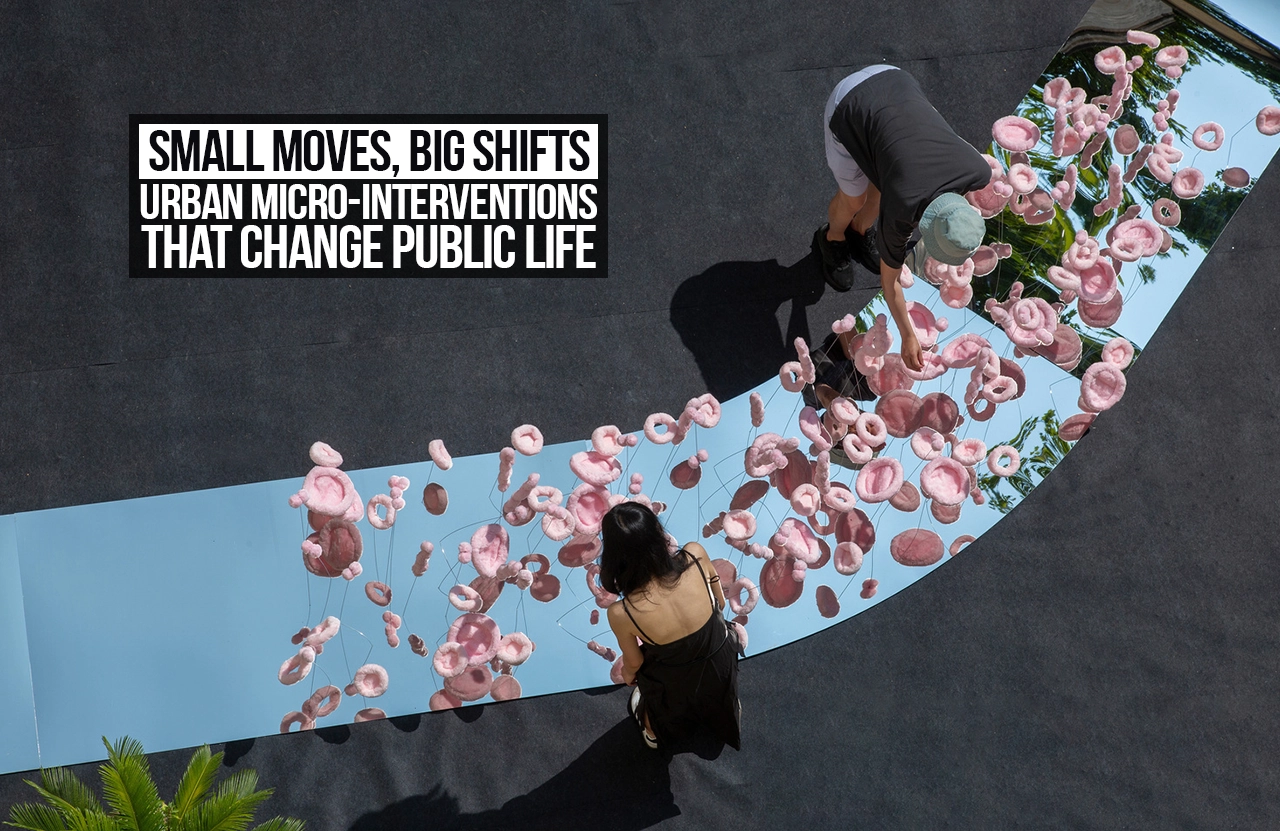
Public life is shaped not only by large urban projects but also by small, deliberate design decisions that influence how people interact with shared spaces. In rapidly growing cities, where large-scale redevelopment is often slow and resource-intensive, modest urban micro-interventions have emerged as effective tools to revitalise everyday environments. Simple elements such as benches, painted surfaces, plants, public art, and temporary installations can significantly alter how people perceive, occupy, and engage with public spaces. These small moves demonstrate that meaningful change in public life does not always require grand architectural gestures, but rather thoughtful, human-centred design responses that prioritise accessibility, comfort, and social interaction.
Understanding Urban Micro-Interventions
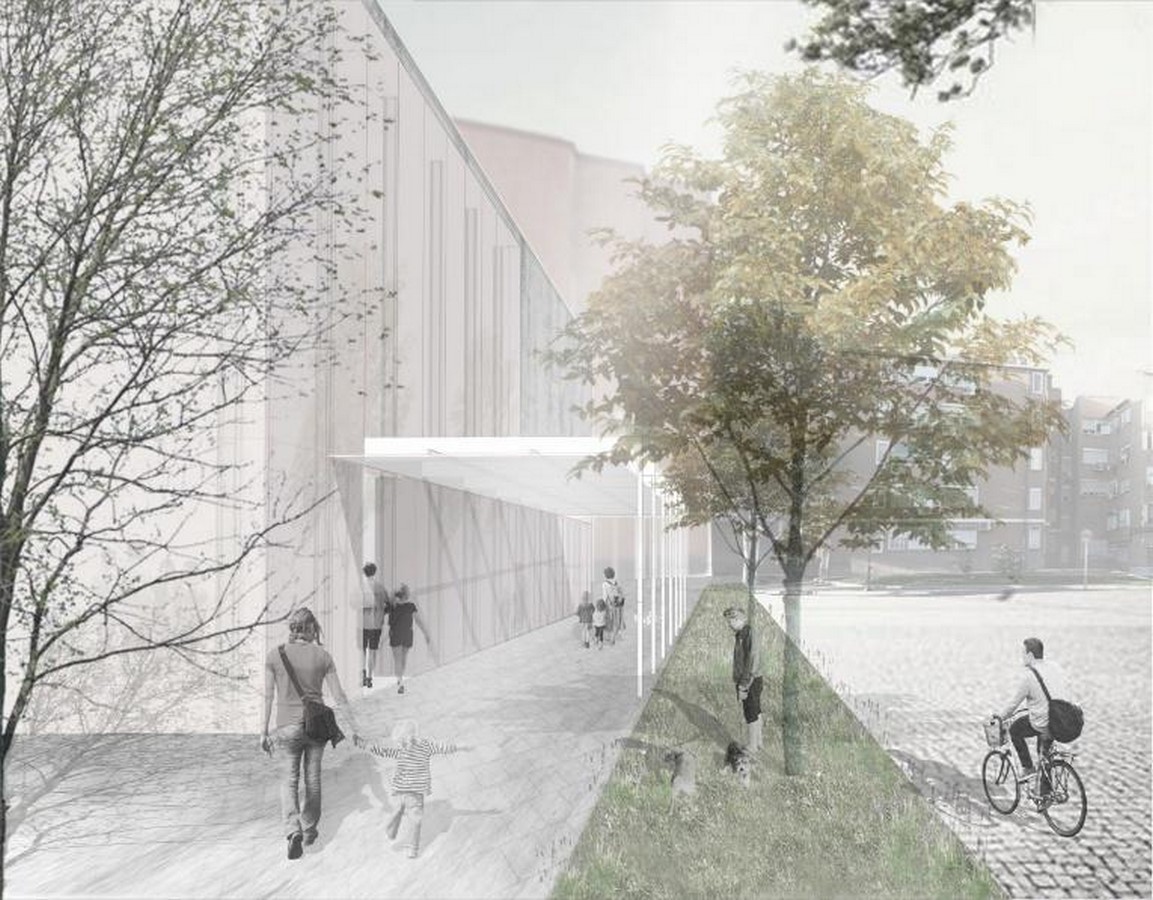
Urban micro-interventions are small-scale, targeted design actions introduced into existing public spaces to improve usability and social engagement. These interventions often operate within limited budgets and timeframes, yet their impact on public life can be substantial. Examples include temporary seating, colourful street markings, planters, informal play elements, and pop-up installations that encourage people to pause, gather, or interact.
Unlike permanent infrastructure projects, micro-interventions are flexible and adaptable. They allow cities to test ideas, observe behavioural responses, and refine strategies before committing to long-term changes. By responding directly to human behaviour and everyday needs, these interventions reframe public spaces as active social environments rather than mere transit zones. In doing so, they strengthen public life by encouraging spontaneous interaction and prolonged use of shared urban spaces.
Benches and Seating as Social Catalysts
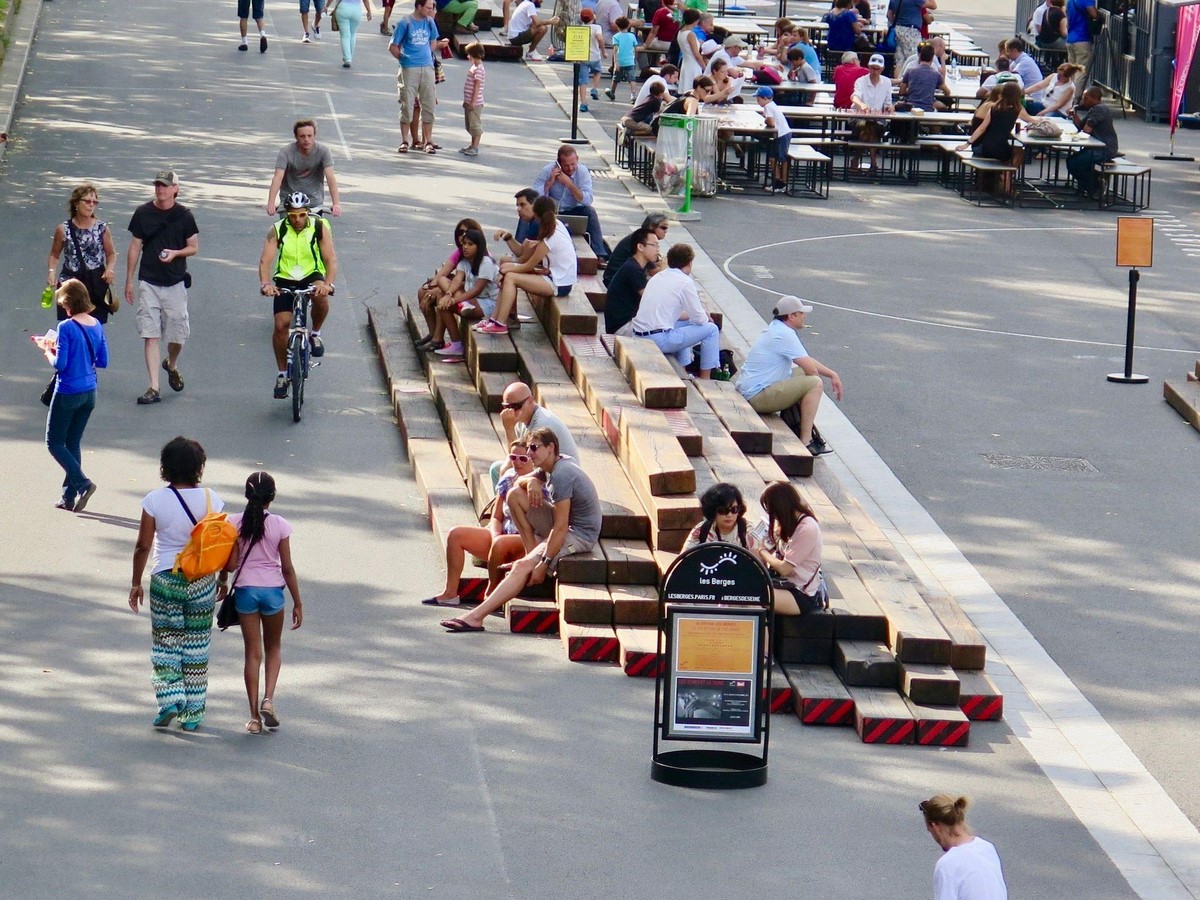
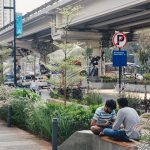
One of the simplest yet most effective micro-interventions is the introduction of seating. Benches, steps, ledges, and movable chairs invite people to stop, rest, observe, and interact. The placement, orientation, and design of seating directly influence patterns of use and social behaviour. Seating facing streets encourages people-watching, while clustered arrangements promote conversation and group activity.
In many urban contexts, the absence of seating limits the duration people spend in public spaces. By reintroducing comfortable and accessible seating, public life is enriched through increased occupancy and social presence. Elderly individuals, children, and people with reduced mobility benefit particularly from such interventions. These small additions transform anonymous spaces into familiar and welcoming environments, reinforcing the idea that public life thrives when people are encouraged to linger rather than pass through.
The Transformative Power of Paint and Colour
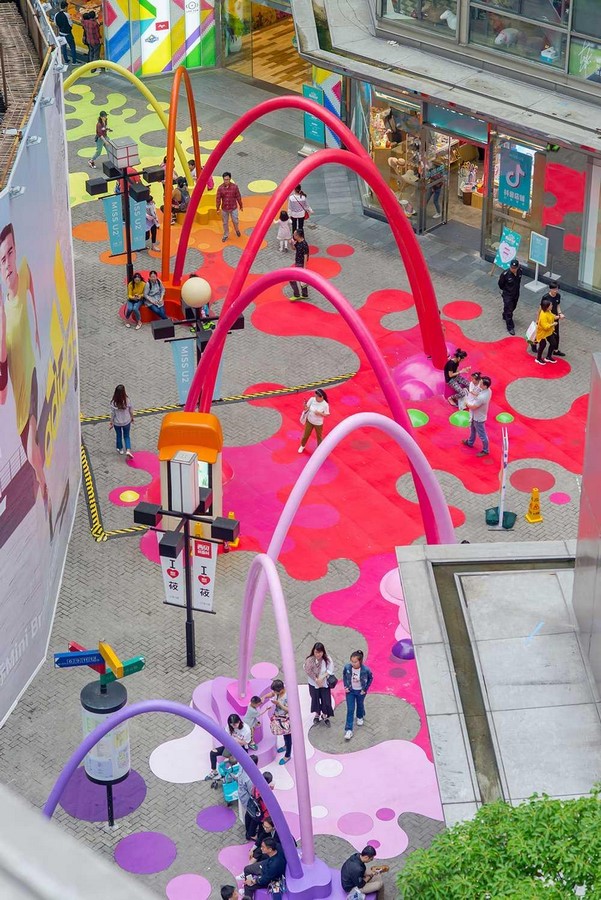
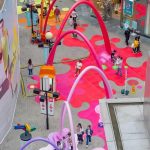
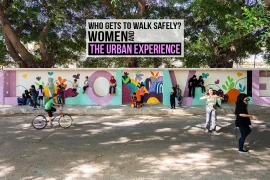
Paint is a low-cost, high-impact tool in urban micro-interventions. Coloured surfaces, murals, and painted street patterns can visually redefine spaces and alter how they are perceived and used. Bright colours slow down traffic, signal pedestrian priority, and create playful environments that attract people of all ages.
Through tactical urbanism, painted crosswalks, plazas, and play streets temporarily reclaim space for people rather than vehicles. These interventions challenge conventional hierarchies of movement and encourage safer, more inclusive public life. Colour also carries emotional and cultural significance, making spaces feel lively, expressive, and cared for. By visually marking a space as shared and intentional, paint-based interventions shift behaviour and invite community participation.
Plants and Green Elements in Everyday Spaces
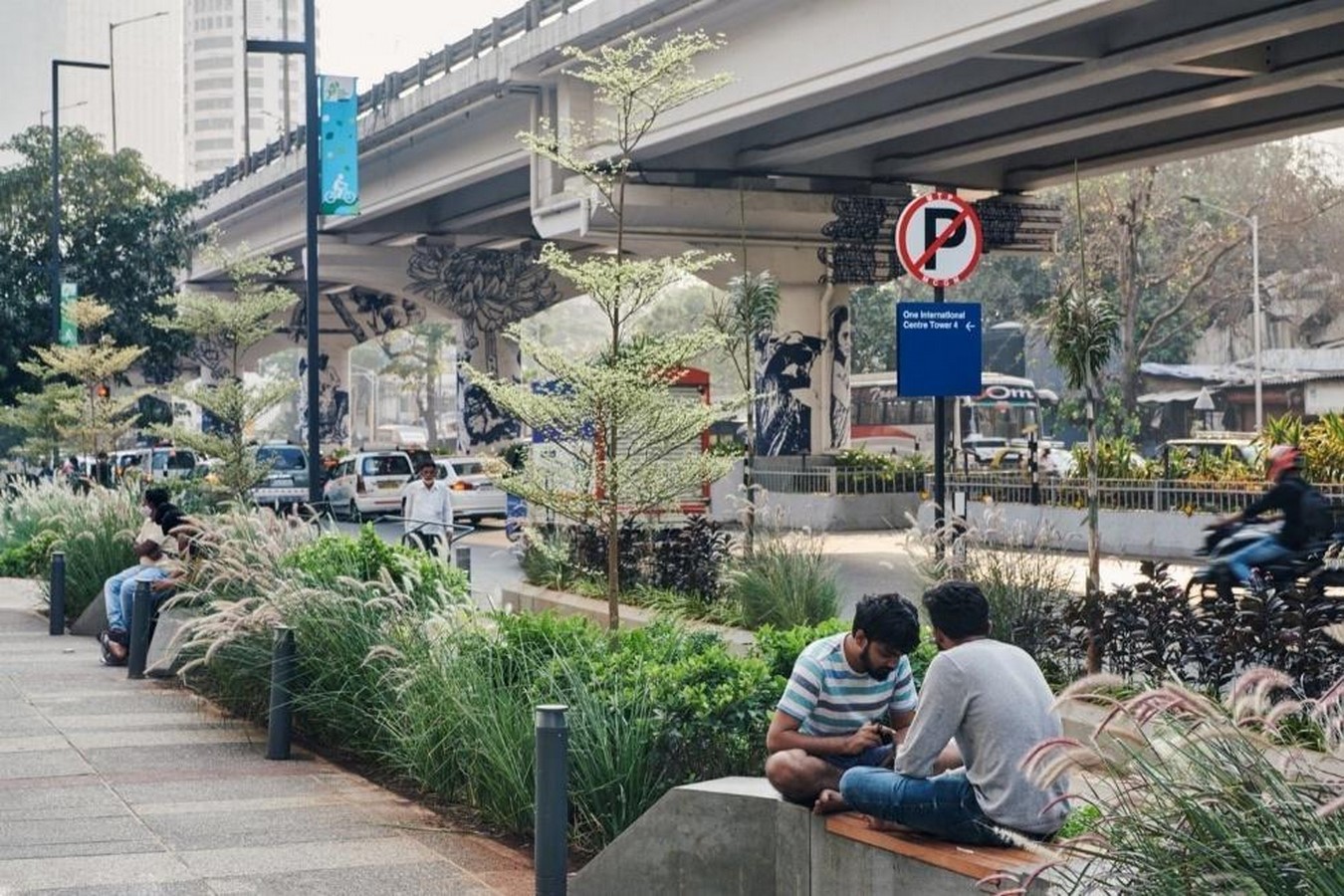
The introduction of plants and greenery is another powerful micro-intervention that enhances public life. Planters, pocket gardens, green walls, and temporary landscaping soften hard urban edges and improve environmental comfort. Even small patches of greenery can reduce stress, improve microclimate, and make spaces more inviting.
Green elements also signal care and stewardship, encouraging people to treat public spaces with respect. In dense urban areas, micro-greening initiatives often become focal points for community interaction and collective responsibility. Plants create visual relief, provide shade, and support biodiversity while strengthening emotional connections between people and place. These modest interventions demonstrate how nature, even in small doses, can significantly improve the quality of public life.
Public Art and Creative Expression
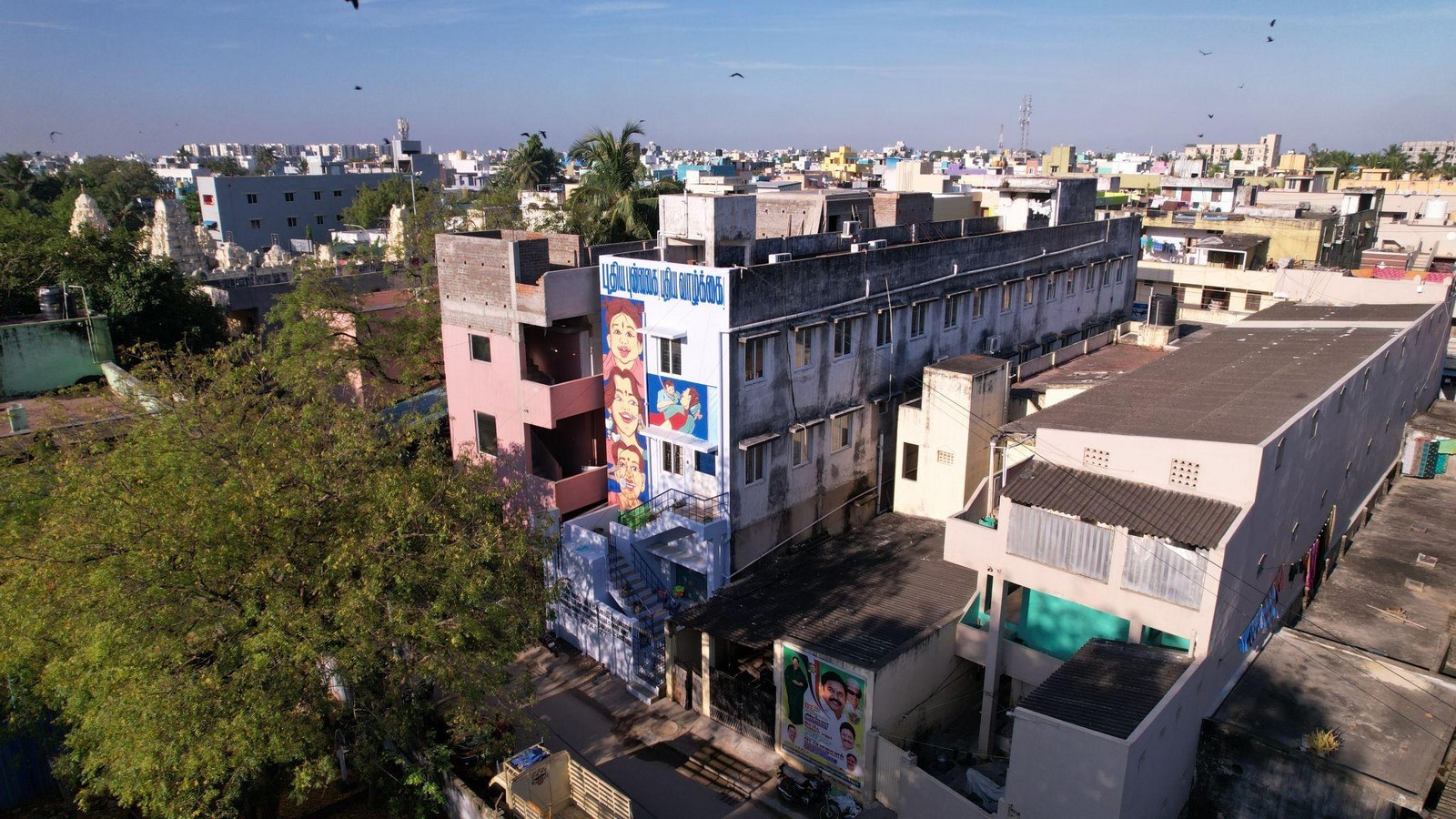
Public art plays a crucial role in shaping public life by adding layers of meaning, identity, and storytelling to shared spaces. Murals, installations, sculptures, and interactive artworks invite curiosity and dialogue, transforming ordinary locations into memorable landmarks. These interventions often reflect local narratives, histories, and aspirations, fostering a sense of belonging.
Art-based micro-interventions also encourage people to engage emotionally with their surroundings. Interactive or participatory artworks invite touch, movement, and interpretation, making public spaces more dynamic and inclusive. By activating imagination and conversation, public art strengthens public life and reinforces the role of public spaces as cultural platforms rather than purely functional zones.
Temporary Installations and Tactical Urbanism
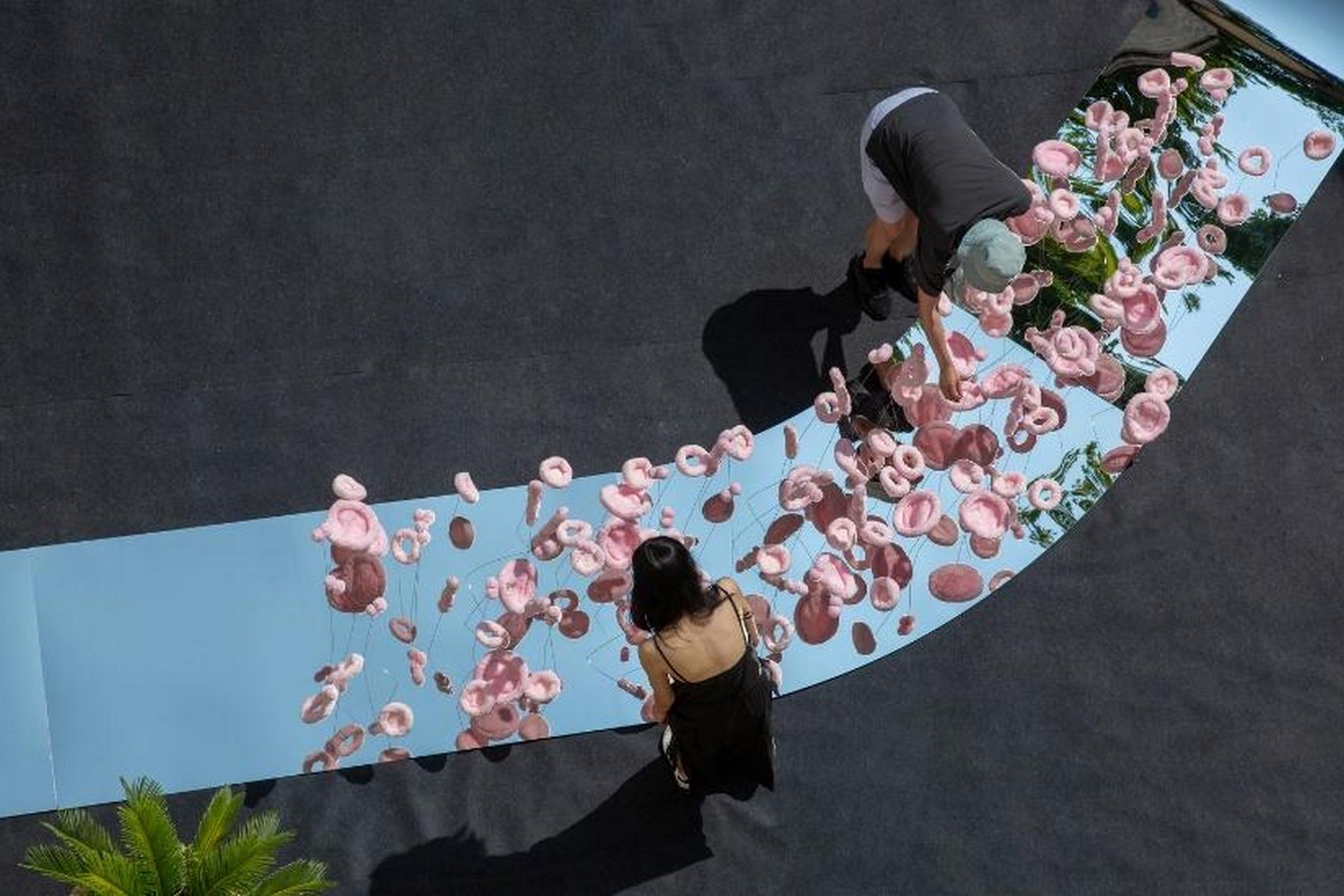
Temporary installations form the backbone of tactical urbanism, where short-term actions lead to long-term change. Pop-up parks, movable furniture, street libraries, and temporary play areas allow cities to experiment with spatial configurations and observe how public life responds. These interventions are often community-led, making them highly responsive to local needs.
The temporary nature of these installations reduces risk and encourages innovation. If successful, they can evolve into permanent features; if not, they can be easily removed or modified. This iterative process empowers communities and planners alike, reinforcing the idea that public life is dynamic and continuously shaped through participation and feedback.
Small urban micro-interventions demonstrate that meaningful shifts in public life can emerge from modest, well-considered actions. Benches, paint, plants, and art may appear simple, but their collective impact on how people experience public spaces is profound. These interventions encourage lingering, interaction, and emotional connection, transforming everyday environments into active social realms.
As cities continue to densify and resources remain limited, micro-interventions offer a practical and human-centred approach to urban improvement. By focusing on people rather than scale, designers and planners can strengthen public life through incremental changes that build more inclusive, vibrant, and resilient public spaces.