Temporary emergency shelters now serve as a major component of disaster recovery, with numerous regions being repeatedly affected by natural disasters. These disasters force evacuees from their homes and displace their communities for long periods (several months or even years). Temporary shelters are expected to protect life, enable daily living, and allow individuals to resume their lives following the disaster. Yet, often they are treated as a short-term fix rather than a vital aspect of the recovery process. The use of pneumatic temporary shelters as post-disaster housing is slowly changing how post-disaster housing is conceived, provided, and lived in.
The Fragility of Conventional Disaster Shelters
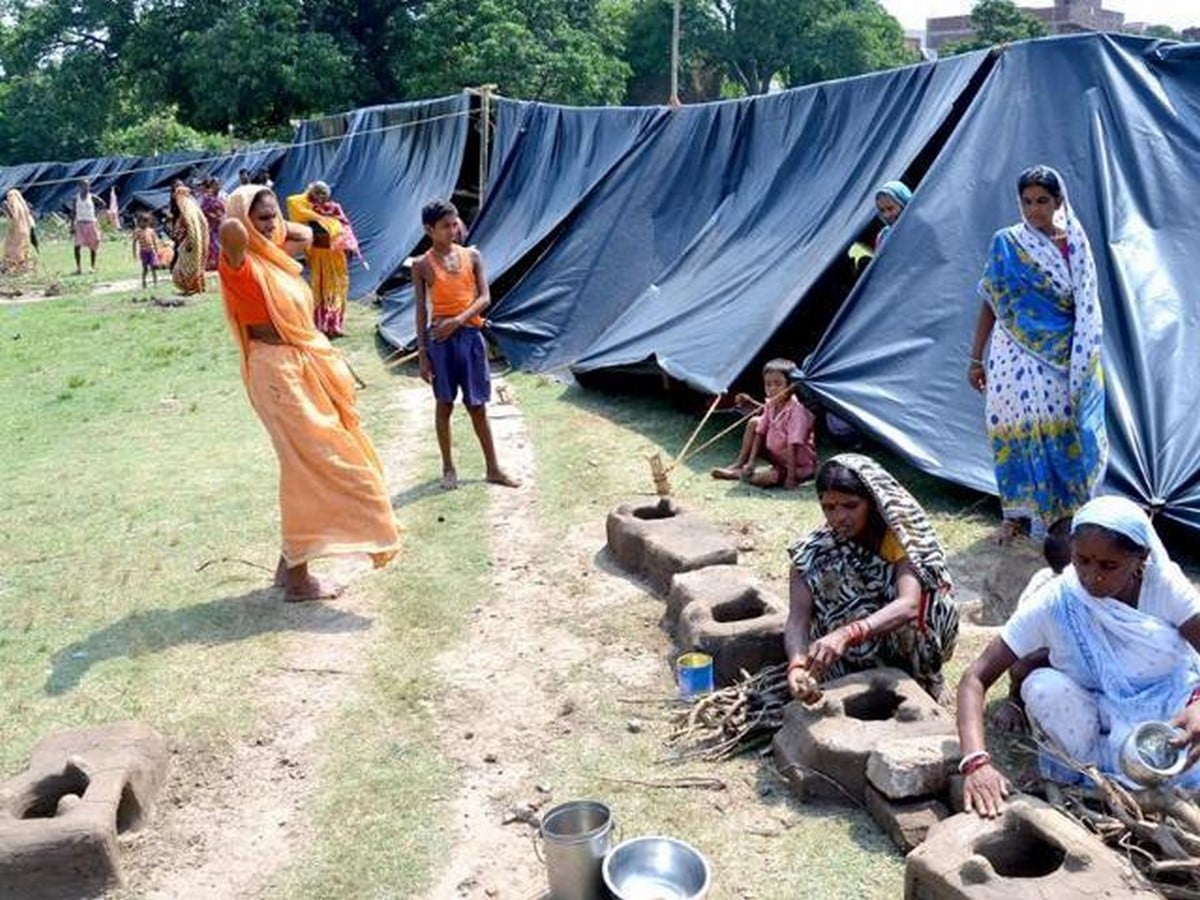
Typically, the major form of initial emergency shelter is row after row of tents. Over the past months, due to severe and repeated weather conditions and tearing of the fabric as well as other factors, many tent fabrics have suffered significant wear and tear, which makes it more difficult with each passing day to provide any level of even basic protection from things like rain, wind, and dust. Many families continue to use these temporary structures for months after they were originally intended to be replaced with permanent shelter, which is often delayed, and because of this, these shelters have become less comfortable, less safe, and more difficult to repair.
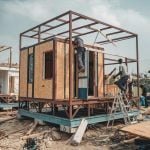
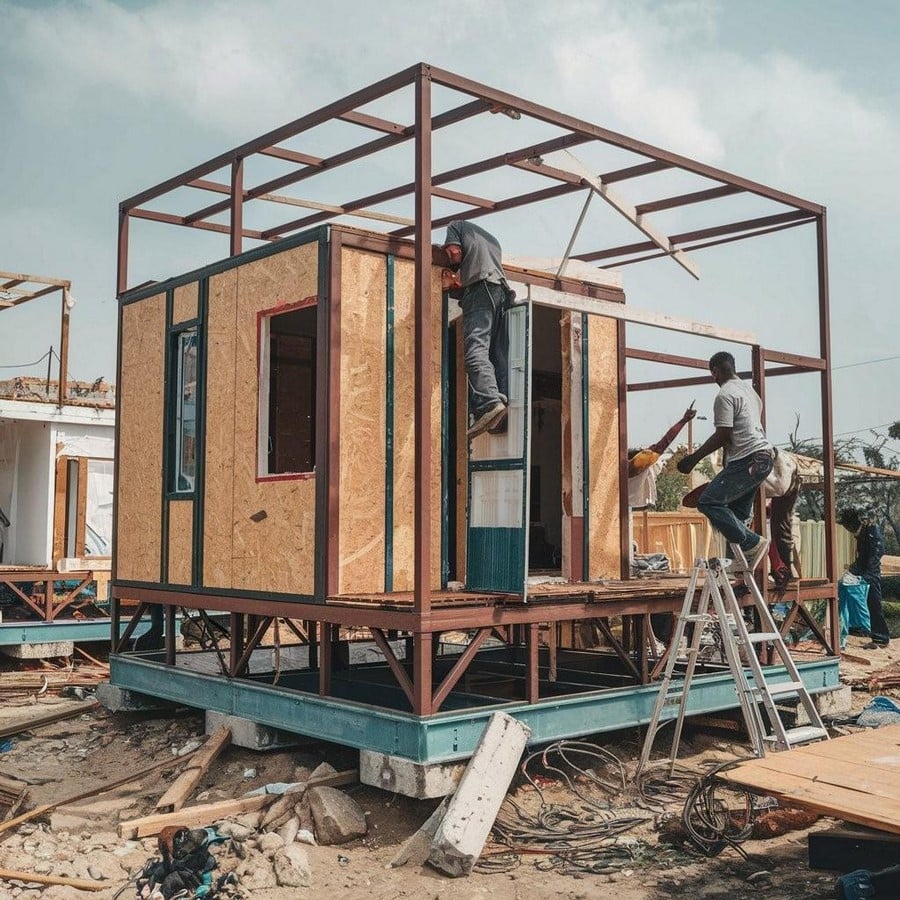
Prefabricated shelters are frequently heavier and costlier to transport and would necessitate the use of a crane and/or truck to set up.
Because of this, the development of alternative solutions such as the pneumatic temporary shelter to meet the humanitarian standards and comply with what many families who have been displaced experience in their daily lives, has actually led to a greater awareness of all displaced families needing a dignified temporary emergency shelter.
The Role of Lightweight Structures in Disaster Shelters
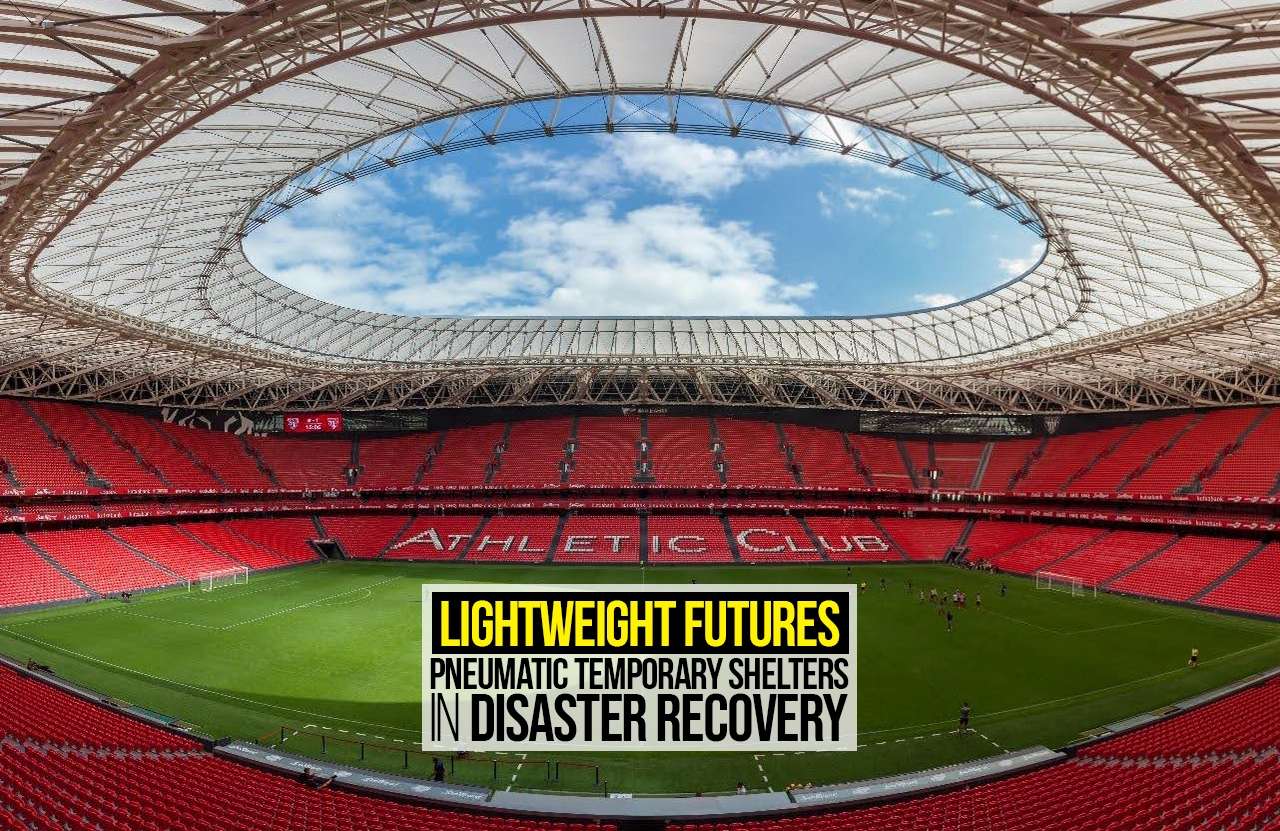
For many years, lightweight structures have been an integral part of modern architecture, from stadium roofs through exhibition halls to canopies to atria, etc. Lightweight structures derive their strength through maximising the strength of the materials while minimising the number of materials used; the weight of the structure is only a fraction of the total amount of weight being supported.
The lightweight aspect of lightweight structures is made possible due to the availability of high-strength materials such as membranes, coated textiles, timber, and advanced plastics, combined with structural design interventions. Lightweights are also very ecologically sound as they are made from resource-efficient materials. Most airborne lightweights can be easily disassembled and reused or recycled, and as a result, their overall environmental footprint will be smaller than that of a heavier structure.
In disaster situations, these aspects make lightweight structures so valuable. Structures that can be transported easily, constructed quickly, and made with minimal resources offer a means of providing emergency sheltering solutions that are lightweight, economical, and easily deployed.

Pneumatic Temporary Shelter as Lightweight Architecture
Pneumatic temporary shelters have evolved over the years from extensive research and development of the construction of lightweight structures. Pneumatic shelters rely primarily on pressurised air to support the major structural components of the shelter walls or membrane configuration. By utilising the force of the pressurised air to stabilise all structural components, the overall weight of the structure is significantly reduced. This allows the shelter to make use of large spans of thin membrane material.
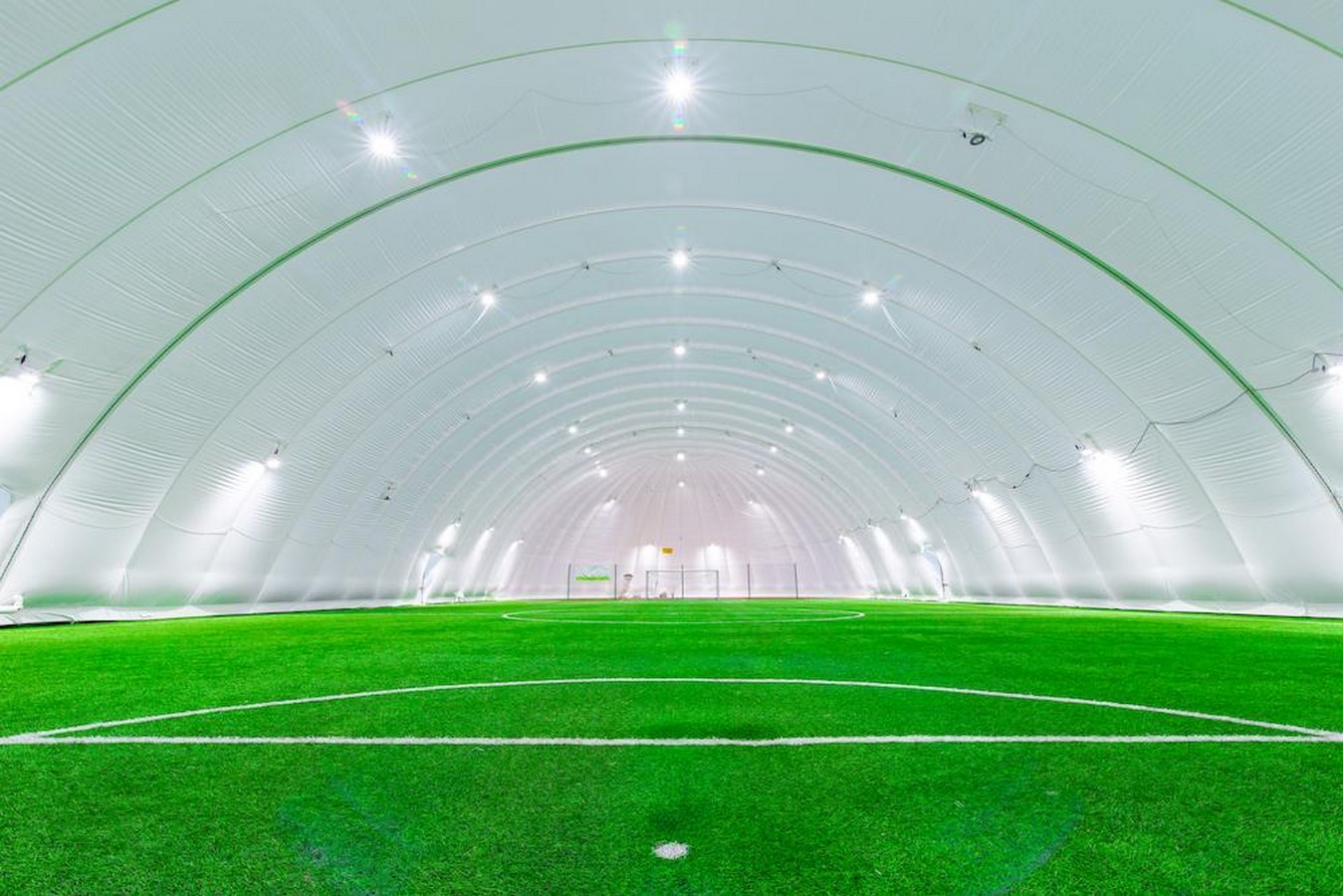
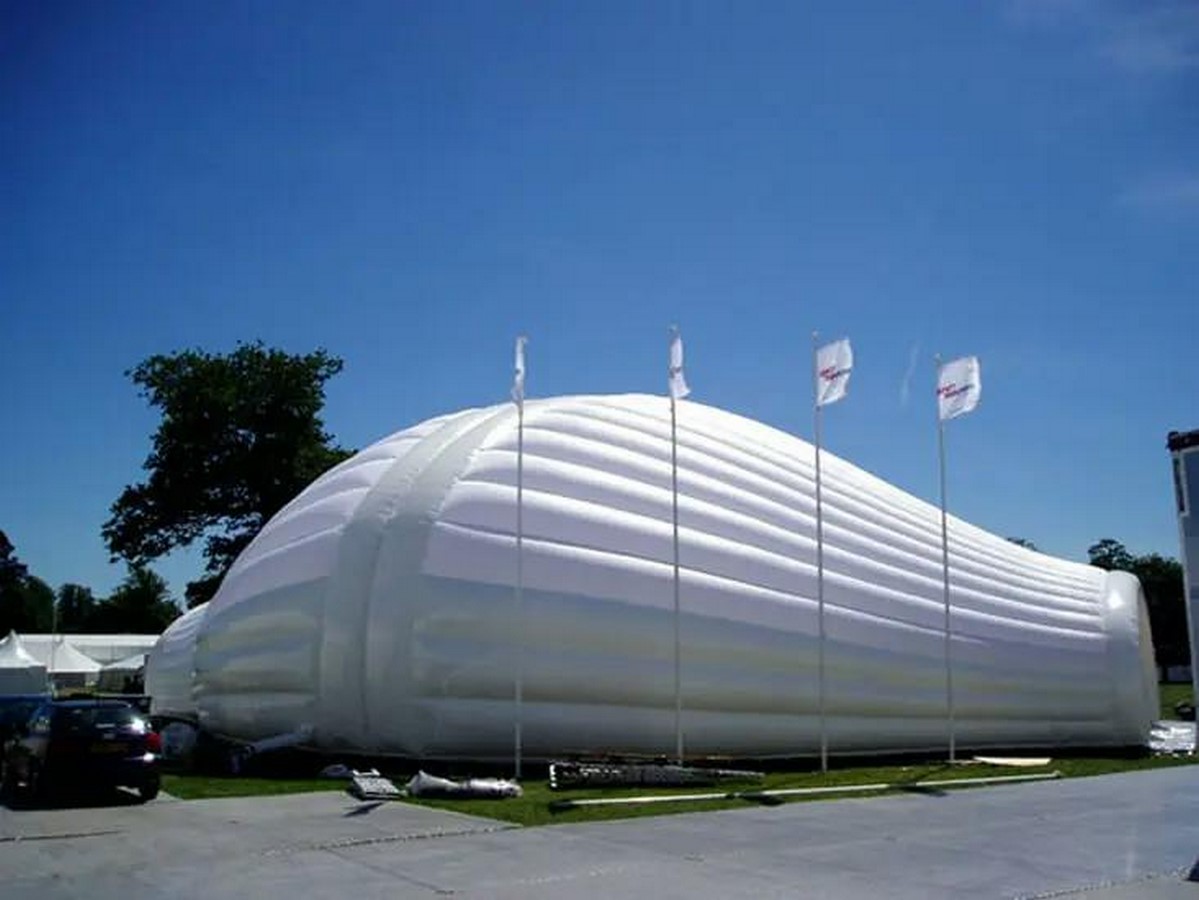
Typically, there are two major design strategies used by pneumatic shelters in response to disaster relief: Air-supported pneumatic structures use a little extra air pressure above the ambient level within the shelter to create a stabilizing shell or envelope; while Air-inflated pneumatic structure use pressurized tubes or cushions that serve as major or structural components (i.e. arch members, columns or roof rafters), while the shelter inside remains at normal air pressure.
Both pneumatic shelter designs provide the following basic benefits:
- Economical
- Lightweight
- Long Span
- Safe
- Quick
In addition, the unique structural properties of pneumatic shelters can provide even more benefits to individuals living in seismic areas. That is, the extremely lightweight characteristic of pneumatic shelters, as compared to heavy construction materials, will produce significantly less inertia during earthquake situations, thereby reducing the chances of total structural collapse.
Risks, limitations, and design challenges
The use of pneumatic temporary shelters can be extremely useful, but they have some real challenges. The most severe challenge is the risk of puncture or tear. A pneumatic shelter relies upon the use of the air within the envelope, therefore, any item capable of penetrating the interior/exterior layer(s), e.g., sharp objects, debris, or acts of vandalism, will considerably diminish the shelter’s ability to perform as designed. Thus, an important consideration when designing a pneumatic shelter is identifying the right material to construct the shelter.
Another important thing to consider when using pneumatic temporary shelters is how well it holds the proper amount of air pressure for your needs. Some types of inflatable shelters must always have power supplied to the blower motor in order for them to remain inflated; therefore, if the blower fails or has been poorly maintained, the inflatable shelter will have decreased air pressure and will not function properly.
Many single-layer inflatable temporary shelters are very poorly insulated, and they heat up quickly and cool down just as quickly. Finally, people must feel comfortable being housed within a pneumatic shelter, if the shelter looks soft, flimsy, or undignified, many people will not want to sleep inside.
Emerging directions in pneumatic shelter design
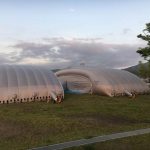
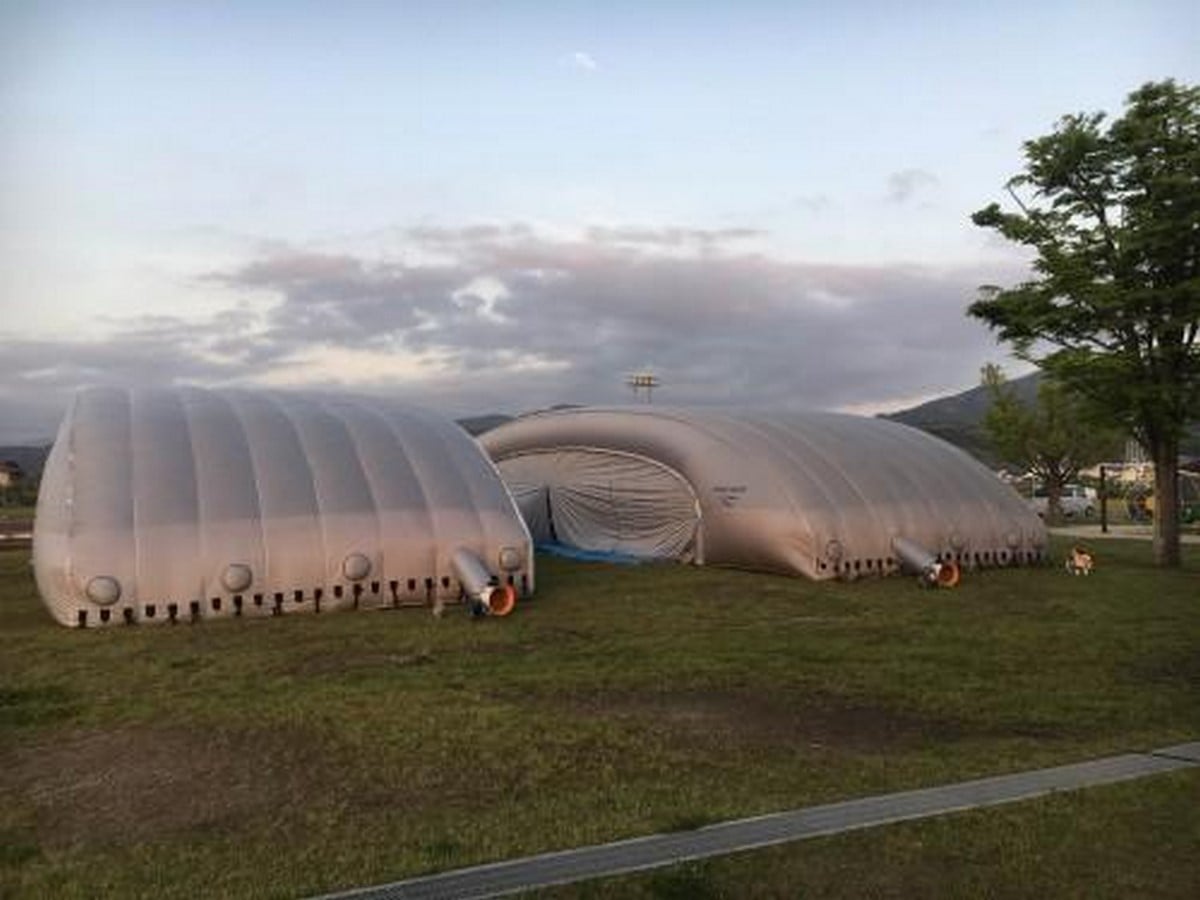
Recent experiments and case studies suggest several promising directions for pneumatic temporary shelters in disaster recovery. This includes using air pressure to create a very large inflatable structure like the A-PAD Team, Air Supported Balloon Shelters, which were utilized post Kumamoto earthquake to house many people in a very short amount of time. The double-walled membrane structure provides an instant area to sleep, medical treatment etc and can also be easily removed once the construction of permanent shelter is completed.
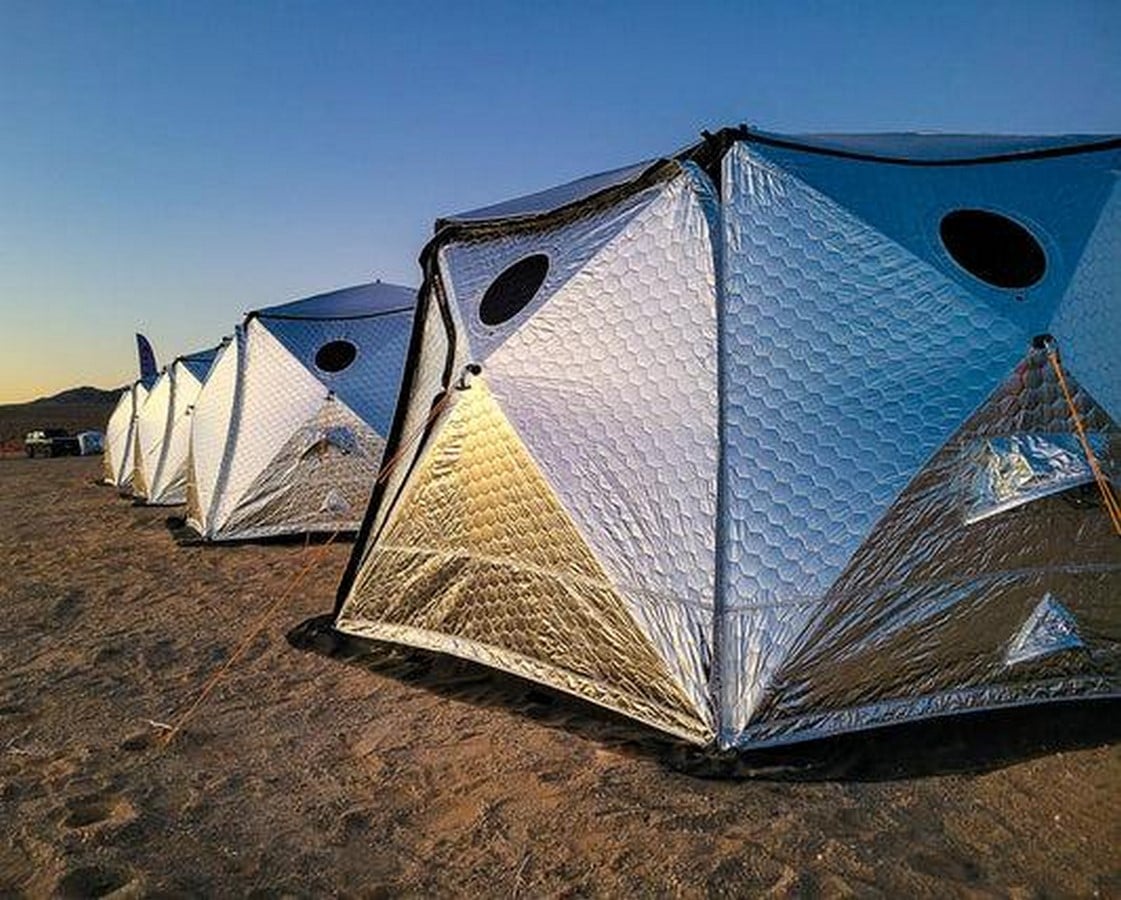
Other examples of air-supported shelters are the SHIFTPODs. These are small, compact, insulated, air-supported structures that were introduced for use in festivals and extreme-climate events, and have great thermal properties.
Both types of shelters have very different physical characteristics but both have great advantages when it comes to being rapidly deployed, having superior thermal stability, and providing far better logistical support and capabilities than those offered by the traditional tent-style unit.
They recognise that air alone is not enough: it must be combined with attentive design and an understanding of how displaced communities live. In that balance lies the real potential of lightweight futures in post-disaster shelter: not as a spectacle of inflatables, but as a quietly transformative way to provide safer, more adaptable, and more humane temporary homes.
Citations:
Bal, Y. and Arpacıoğlu, Ü.T. (2023). Model proposal for the use of pneumatic (inflatable) structures in the case of earthquake disaster. Journal of Architectural Sciences and Applications, 8 (Special Issue), pp. 241–258. Available from: https://dergipark.org.tr/en/pub/mbud [Accessed: 1 January 2026].
Atawula, N. (2019). Innovational Refugee Shelter Design with Pneumatic Sandwich Structure. Master’s Thesis. Department of Architecture, Built Environment and Construction Engineering. Available from: institutional academic archive [Accessed: 4 January 2026].
Felix, D., Branco, J.M. and Feio, A. (2013). Temporary housing after disasters: A state of the art survey. Habitat International, 40, pp. 136–143. Available from: ScienceDirect [Accessed: 2 January 2026].
UNHCR (2021). Emergency Handbook: Shelter and Settlement. [online]. Available at: https://emergency.unhcr.org [Accessed: 1 January 2026].
A-PAD (2016). Air Supported Structures for Disaster Relief – Kumamoto Earthquake. [online]. Available at: https://www.a-pad.asia [Accessed: 7 January 2026].