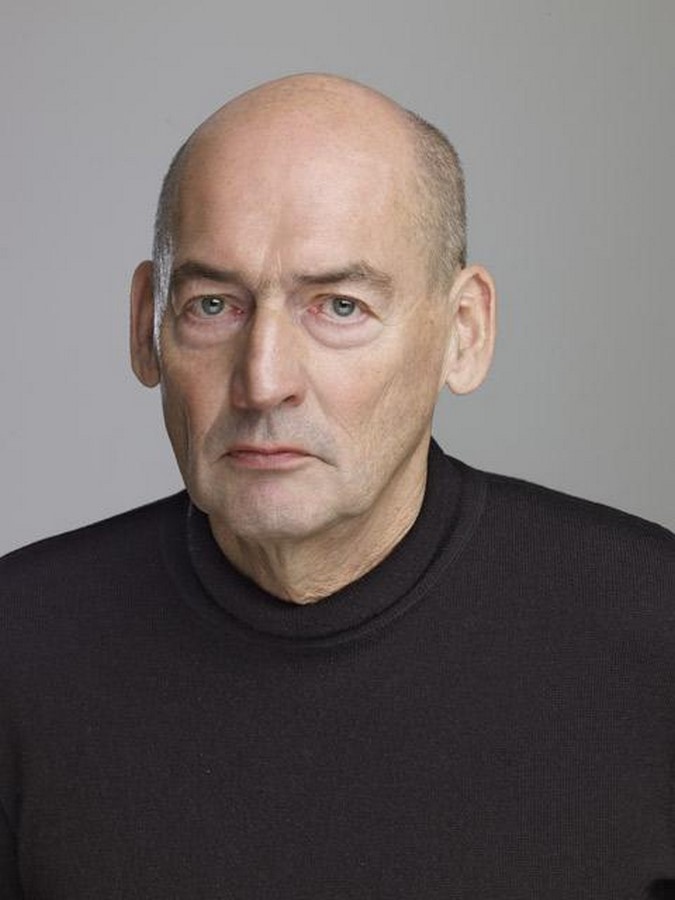
Architecture is conventionally viewed as the art and science of creation. It encompasses the creation of order out of chaos and permanence out of transience. For Rem Koolhaas, however, the city does not consist of a composition of buildings but a dynamic, contradictory narrative. The Pritzker Prize-winning founder of OMA (Office for Metropolitan Architecture) doesn’t visualise the city as a progression of problems to be solved structurally, but rather as fiction. It has to be read, edited and expanded. He cares not about how a building stands up, but rather about what it says about the society (Verschaffel, 2013).
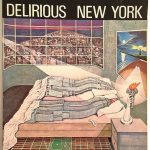
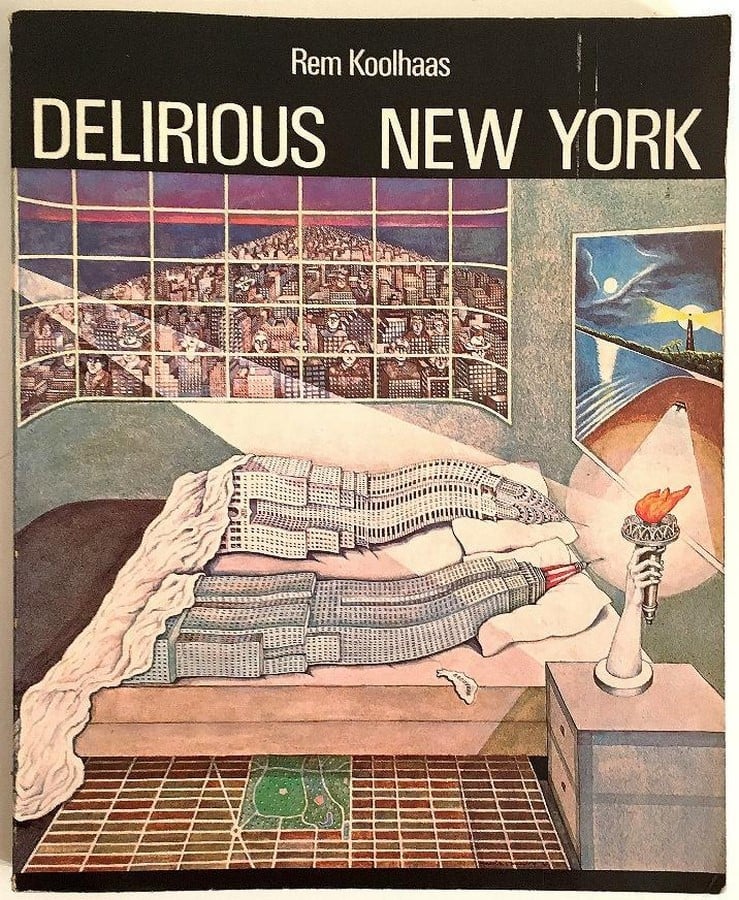
Delirious New York: Culture of Congestion
To understand Rem Koolhaas, one must begin with his 1978 text, “Delirious New York”. It was written during a time of economic collapse and social unrest in New York. He looked past the decline and tried to find a hidden logic. His methods, described as “retroactive manifestos”, reconstruct the concealed logics of existing cities, treating them as if they were guided by a continuous, coherent script all along. Coining the term “Manhattanism,” he described the dogma of density and congestion as unplanned yet successful (Declad, 2020).
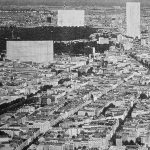
He argues that the “grid” of Manhattan is a fictional framework that leads to a culture of congestion. In this grid, any number of distinctive activities could occur simultaneously. For Koolhaas, a skyscraper is a generator of fiction. This fictional machine houses a city within a city, featuring various incompatible functions, such as a hotel, a swimming pool, and an office stacked one above the other. There is no logical connection between them except for their shared verticality. This phenomenon is termed the “Paradox of Density. Rem Koolhaas treats congestion concurrently as a problem that modernist planning tried to eradicate through new interventions, while also celebrating the hyper-density of Manhattan as a realistic response to industrial urbanisation. The chaos in a city was a new raw material that reformed the city’s culture. Density encompassed not only people per unit space, but also the intensity of coexistence of individual, diverse fictions. (Kaja Pae, 2022).
Bigness and Scale Problems
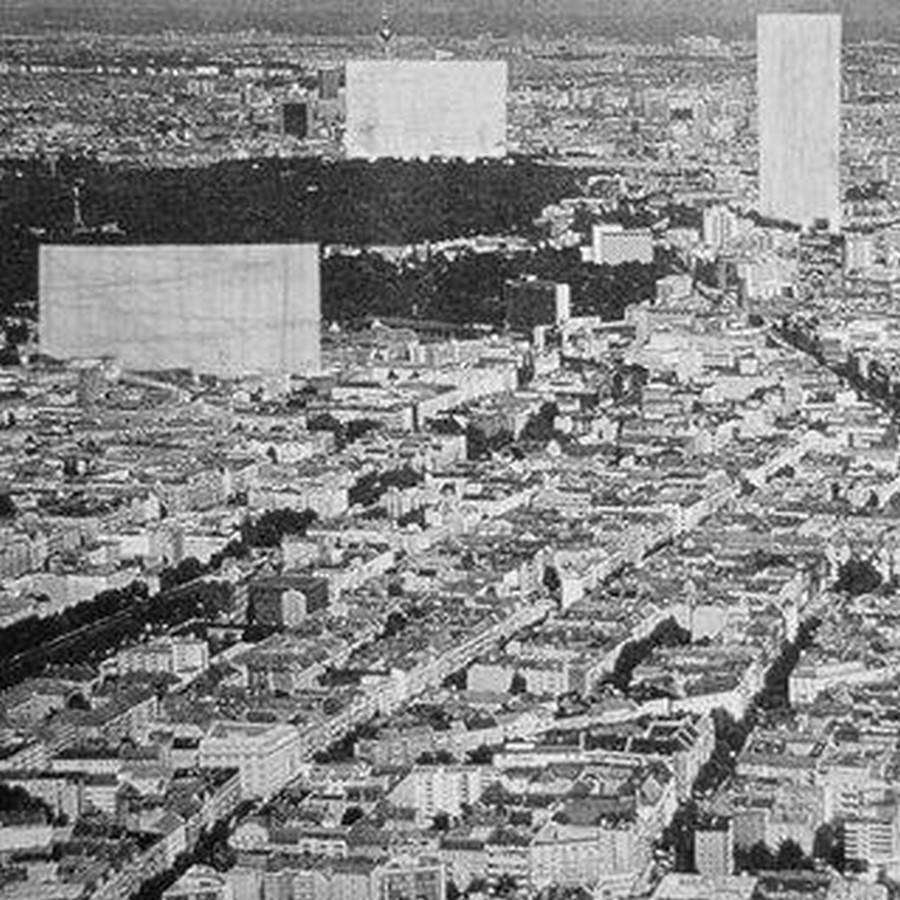
The 1990s essay “Bigness or the problem of Large” shifted Rem Koolhaas’s interest in density from cities to individual super buildings. It associates large structures with ‘bigness’. He suggests that after reaching a certain size, a structure loses its connection with the surrounding city and begins to work as an individual entity. A multitude of personal stories, countless lives and cities within cities create a density that serves as a literary device. This crowding becomes a metaphor, aiding him in grasping unmanageable complexity (Hafza, 2024).
As the building grows larger, the traditional rules of composition become obsolete. A big building’s density causes a disconnect between its exterior façade and the activities going on inside it. Its internal machinations of services, elevators, fire escapes and other programmatic requirements break the continuity of the façade. This is linked to a generic open-floor plan that is created to accommodate every kind of function, from office to shopping to housing. The mass accumulation of such plans is comparable to ‘downtowns’ for Koolhaas, defined by their sheer quantity, instead of a formal arrangement. This density is a catalyst, breaking architecture from historical constraints, enabling neo-urbanism, chaotic and unpredictable (Eugen and Nam, 2023).
Residue of Density
Along with celebrating the energy of urbanity, Rem Koolhaas also sharply critiqued the mismanagement of density. He coined the term ‘Generic City’, a “city without history”, “big enough for everybody”, “not tied to a particular place”. It is a place linked by highways connecting isolated dense islands. Density in such a city is no longer a cause of a culture of congestion, but rather as separate knots of intensity scattered across a sprawl (Goldberger, n.d.).
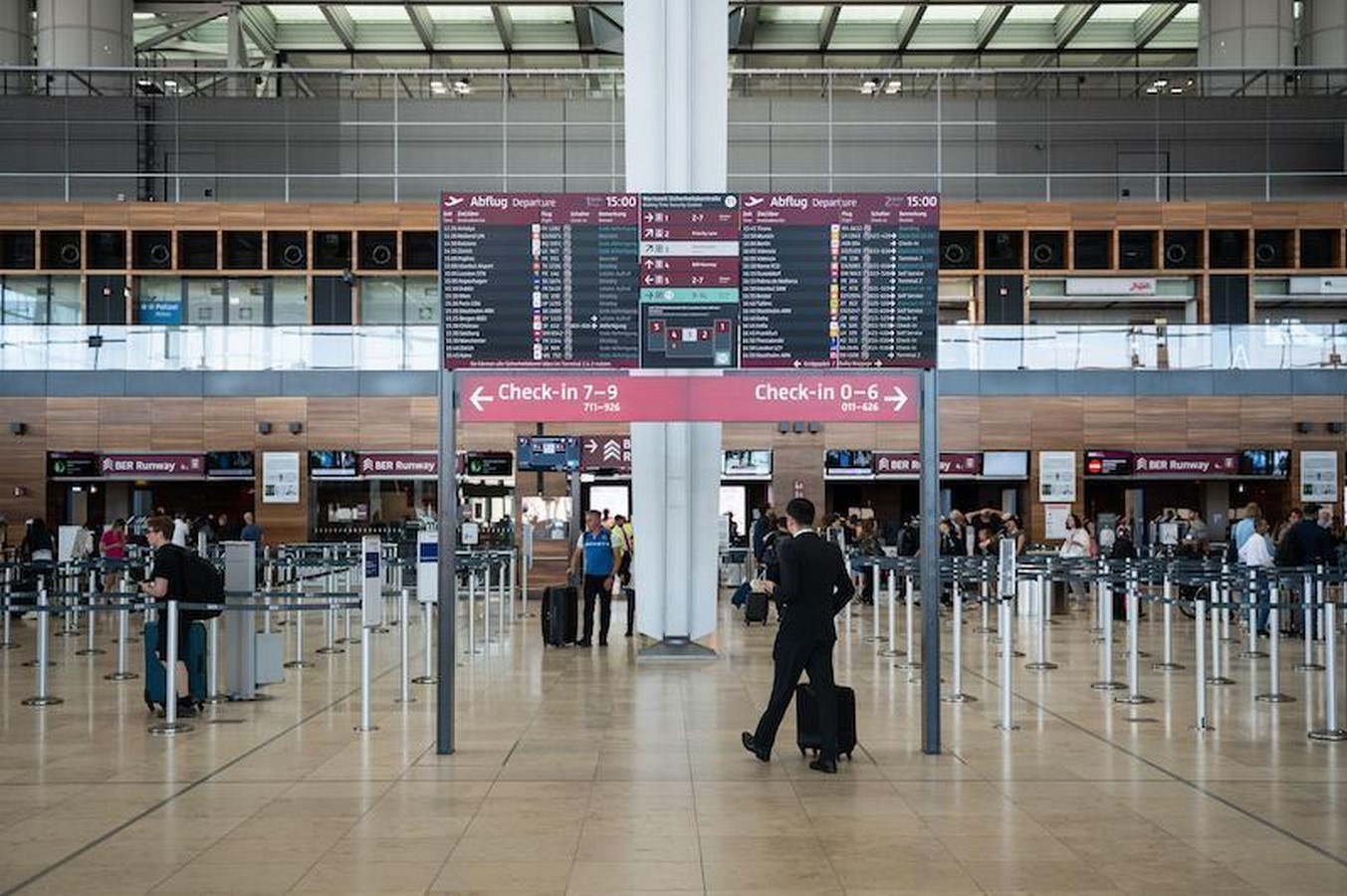
In his essay Junkspace (2001), he further describes the endless malls, business parks and airports all looking the same. He considers them “leftover” urban spaces, a “web without spider” and “a container of atoms busy but not dense”. This seemingly formless junkspace, that is repetitive and meaningless, is where most modern-day urban activities occur. Here, the density of people, function and materialistic consumption is the highest. This is the collateral by-product of every one of our endeavours. Reading the city as fiction is to deal with density even if it appears merely as clutter (Verschaffel, 2013).
Reading the City as Fiction
Rem Koolhaas has spent his career demonstrating an architect’s role beyond just building. To him, it includes editing the fiction of the urban context. The paradox in his work is that it gives rise to uniqueness and sameness, intensity and emptiness, culture and junk, simultaneously. By understanding these inconsistencies instead of trying to resolve them, he poses architecture not as the sole protagonist of urban form but rather as one voice amongst many in an ongoing, delirious fiction (Verschaffel, 2013).
To absorb his theories is to thus accept that our contemporary cities are written with density as the language. The task at hand is not to reduce or dissolve this language but rather to learn how to read, edit and occasionally subvert it from inside. Koolhaas teaches us that a city is a living, breathing book, and density is the ink that writes complex and rather fascinating chapters.