
Origins of a Legacy Brand (1931 Beginnings)
Kokuyo Camlin Ltd. is a story of strength, creativity, and strong emotional attachment. It is a large competitor in the stationery and art supplies business in India today, but it started as a small venture in 1931. Dandekar and Co. started in a small and crowded corner of south Mumbai, with two brothers – Digambar Dandekar, a graduate in chemistry, and Govind Dandekar, an engineer at the Brihanmumbai Municipal Corporation, selling horse brand ink powder. They started with their unbranded product, which only depended on the quality and customer confidence, which planted the seeds of the future iconic brand in India. During those initial days, ink was being sold in powder form before it would develop into a tablet and then liquid ink which was packed in recycled glass bottles. The change of the brand was initiated by a stroke of luck. On a certain day when Digambar was sipping tea in a cafe, he saw an advertisement of Camel cigarettes that said, I would walk a mile to have a Camel. He was motivated by its high recall value and introduced the symbol of camel and the name of Camel that became its writing and creative name among millions of Indian school children.
Challenges of the 1940s–50s and the Rise of ‘Camlin’
The 1950s and the 1940s were a challenge where inexpensive imported inks were in the market. However, the uncompromising nature of Camlin towards quality and its faithful consumer base helped the company not only to survive but to grow steadily. The demand for fountain pens and high-quality ink was high as fountain pens became common. Taking advantage of that, the Dandekars produced a brand name, Camlin, which is a combination of Camel and ink, which would be the start of the brand image that India would continue to revere. The 1960s were a turning point. Subhash Dandekar, on realizing a great demand divide between the good art supply and its demand, has arrived at the unorganized art supplies market. Subhas had gone a step further when he colored inks became popular among the cartoonists, designers, and architects. In understanding the need of India to have high quality colors that would match the local conditions, he undertook a trip to Glasgow to learn color chemistry. He established a laboratory when he got back to work that specialized in creating colors that would suit Indian artists. This vision has propelled Camlin beyond being a stationery brand and a leader in art materials to new standards of quality.
Expansion and Industrial Growth (1970s–1990s)
By the 1970s Camlin had developed an integrated plant in Tarapur and it was now possible to produce inks, colors, and writing instruments in large quantities. Dandekar & Co. was made Camlin Ltd. in 1988 and it started to become a professionally organized company, as opposed to a family-run business. This was further boosted by the public listing in 1998 but with the leadership of the Executive Chairman Subhash Dandekar till 2002, Camlin had extended to five manufacturing units in Maharashtra and Jammu & Kashmir. Although the main driver of Camlin expansion was product innovation, the best secret of the brand was its unrivaled marketing heritage. The All India Camel Colour Contest was not merely a show to generations of Indian students, but also a rite of passage. Creativity was encouraged on a large scale through national art camps, workshops and exhibitions and large scale projects such as the World’s Largest Canvas were used to encourage people to celebrate art together. Camlin did not only sell goods, it created emotional memories to both children and parents, which made it a household name regardless of the social and geographical boundaries.
The Power of Marketing and Cultural Memory
The brand also incorporated social responsibility in its brand. The engagement in such campaigns like the Green India Challenge which enabled the plantation of millions of trees demonstrated the willingness of Camlin to be a good steward of the environment even when sustainability was not the norm. And who does not remember the free boxes of geometry they gave with packages of stationery,–genius marketing that gave the Camlin name its place in the school bags all over?
A New Era: The Kokuyo Partnership (2011 Onwards)
This new chapter was written in 2011 when Camlin became a partner of Kokuyo, a Japanese giant that deals with stationery, office furniture, and precision design. The merger capitalized on the high emotional and cultural presence of Camlin in India and used the expertise of Kokuyo that was global. Kokuyo currently has a 74.44 percent stake, and by the middle of August 2024, Kokuyo Camlin had a valuation of almost INR 17 billion- a feat that attests to its pace of growth. After the takeover, Kokuyo came up with a new level of efficiency in its operations by creating one huge manufacturing facility in Patalganga, which is located at 55,000 sq. m. Having twice the previous capacity, and more than 324 SKUs manufactured here alone, and another 1,100 plus SKUs made in Tarapur and Jammu and Kashmir, Kokuyo Camlin became an Indian, Asian, European and Australian production and innovation center. A special R&D unit was also established in the Patalganga plant- a place that had the Japanese precision and Indian ingenuity in the same roof.
A Brand Rooted in Emotion and Evolution
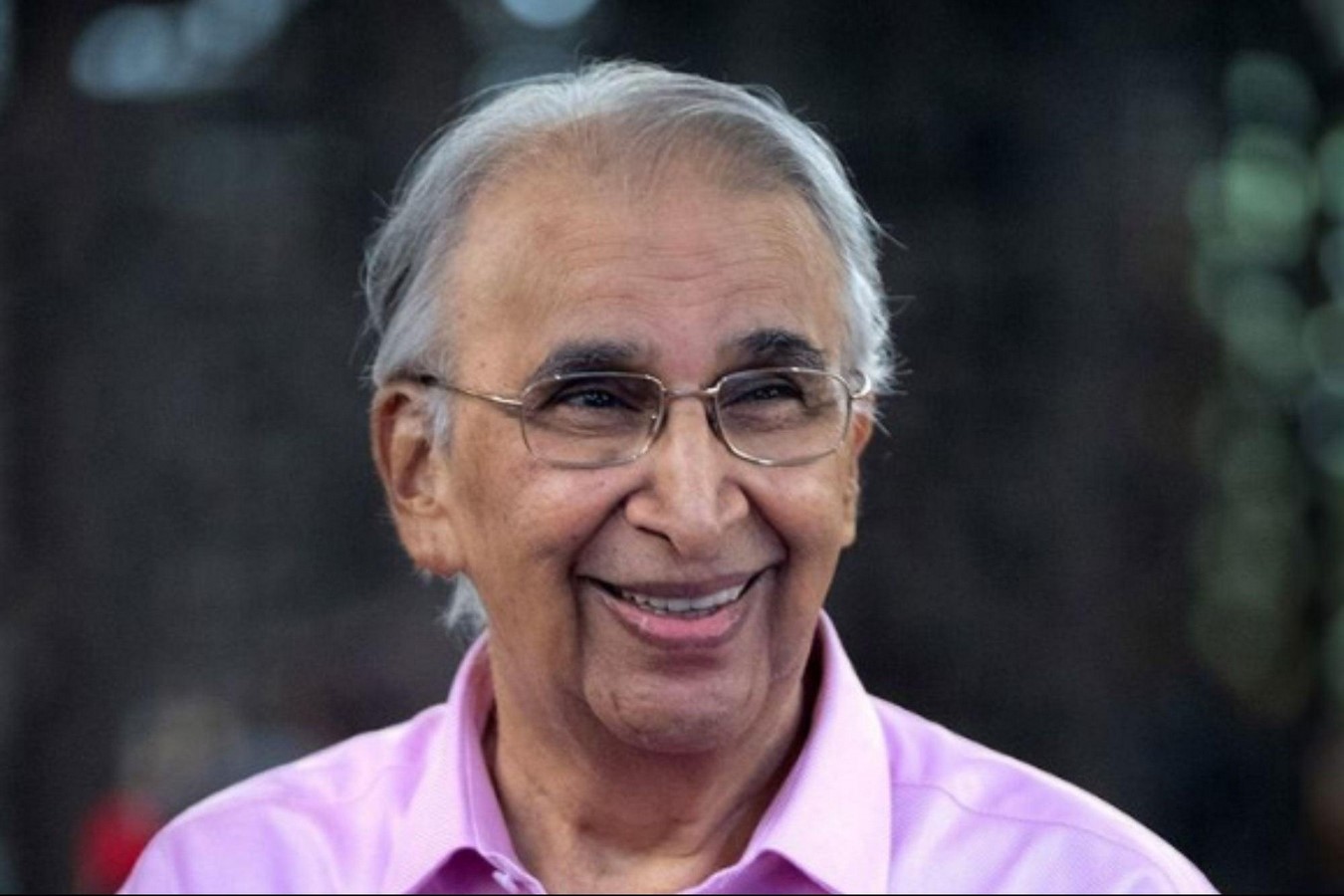
Dandekar legacy has been used even in the times of globalization in shaping the soul of the brand. The Chairman and Managing Director is the son of the founder Digambar, Dilip Dandekar, and Non-Executive Vice Chairman is Shriram S. Dandekar. The third generation of the family has also entered in the leadership positions in Camlin Fine Sciences and Kokuyo Camlin. His death in July 2024 will forever end the age but his impact will be deeply imprinted in the company philosophy of purpose-driven innovation. Kokuyo Camlin is a symbol of a rare mixture of modernity and heritage nowadays. It is a tribute to the degree to which authenticity, knowledge of the user and the eternal changes can build an everlasting brand that could appeal to billions of people. Since the known poster colors of the childhood, Camlin has belonged to the Indian emotional environment since the times of sleek office highlighters and the artist-quality paints
Citations:
- Kokuyo, n.d. History. Available at https://www.kokuyo.com [Accessed 7 December 2025].