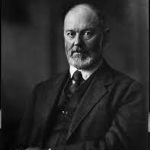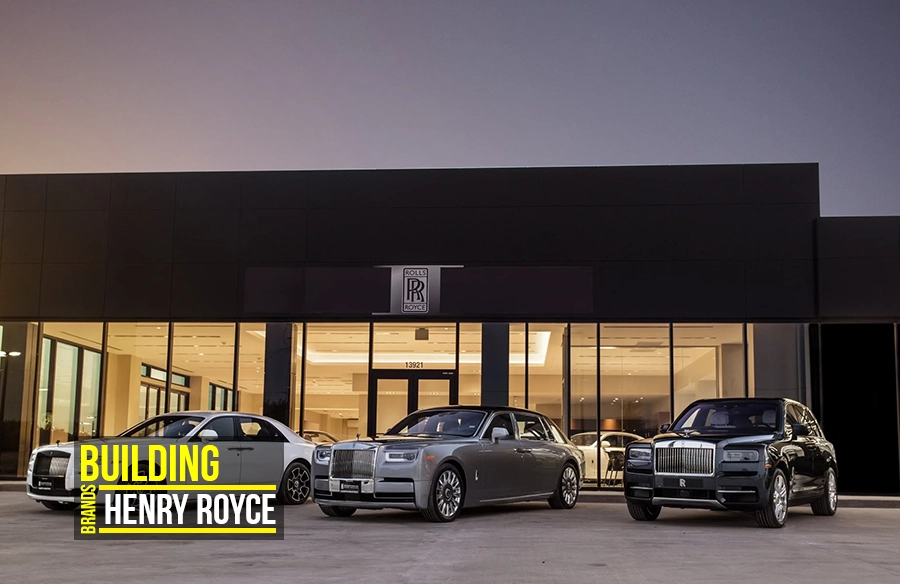
Every enduring brand rests on a foundation of values, and in the world of engineering excellence, few names embody these values as strongly as Henry Royce. Half of the legendary duo behind Rolls-Royce, Henry Royce, built a legacy not through flamboyance or aggressive marketing, but through relentless refinement and uncompromising craftsmanship. His philosophy was simple yet transformative: “Strive for perfection in everything you do. Take the best that exists and make it better”. This mantra not only shaped his personal career but became the cornerstone of a global brand celebrated for luxury, reliability, and mechanical precision.
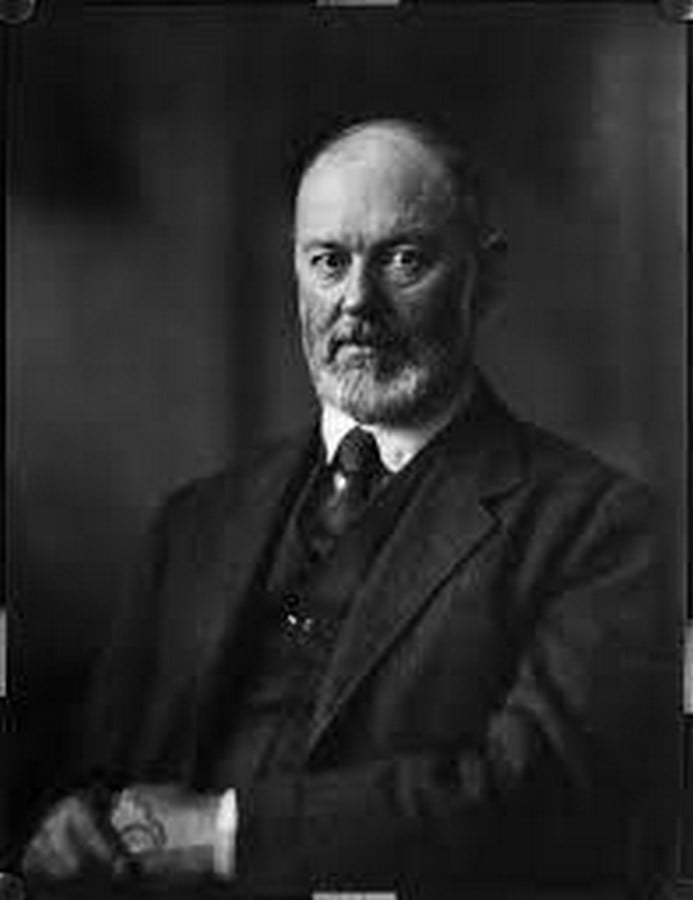
Royce’s journey ranged from being raised in a modest background in rural England to becoming one of the world’s most respected engineers. It demonstrates how brands can be built on disciplined innovation rather than being a spectacle. His method focused on improving existing technologies, making them smoother, quieter, stronger, and more dependable. In doing so, he established a culture of excellence that outlived him, which still defines Rolls-Royce Motor Cars and Rolls-Royce Aerospace today. This article explores how Henry Royce’s engineering philosophy evolved into a powerful global brand identity. Each section highlights a specific aspect of his influence, accompanied by a design example that demonstrates how his principles were translated into world-changing products and long-term brand equity.
Engineering as Brand Identity: The Pursuit of Perfection
Henry Royce’s legacy is rooted in the belief that engineering excellence defines brand identity. At a time when many manufacturers were chasing novelty or mass production, Royce focused obsessively on refinement. He believed a product should speak for itself through its performance, reliability, and longevity, long before marketing strategies or branding frameworks existed. His work was less about invention and more about perfecting every detail, reworking components repeatedly until they achieved extraordinary smoothness and stability. This ethos created a culture within his workshops where craftsmanship was sacred, and improvement was continuous. Royce’s vision laid the groundwork for what we now call “performance branding.” Instead of relying on slogans, the value of the brand was embedded directly into the product experience.

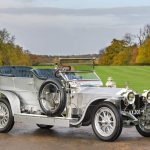
Customers felt the difference the moment they interacted with a Royce-designed machine. Silent engines, reduced vibration, stronger components, and meticulous assembly created an emotional response of trust and admiration. Over time, the Rolls-Royce name became synonymous with excellence, not through advertising, but through earned reputation. This approach demonstrates how integrity becomes strategy. Royce showed that when a company commits itself uncompromisingly to quality, the brand builds itself. His philosophy remains a benchmark for modern luxury and engineering-driven brands.
Collaboration with Charles Rolls: Branding Through Partnership
The partnership between Henry Royce and Charles Rolls is a case study in how complementary strengths can create powerful brand identities. Royce was the engineer: introverted, methodical, precise. Rolls was the visionary marketer: charismatic, well-connected, and deeply passionate about motoring. Their meeting in 1904 was more than a business arrangement; it was the merging of two worlds that did not typically converge in early industrial Britain. Rolls immediately recognised that Royce’s engineering brilliance needed a broader stage. His ability to articulate the value of Royce’s craftsmanship transformed the company from a skilled workshop into a recognisable luxury brand. Rolls understood consumers, aspiration, and storytelling. Meanwhile, Royce ensured the substance behind the story never faltered. This dynamic set a new precedent for branding: authenticity powered by narrative. Their collaboration highlights an important branding principle that ‘great products require great communication’. Without Rolls’s efforts, the public might never have understood the exceptional quality Royce was producing. And without Royce’s relentless pursuit of perfection, Rolls’s marketing would have lacked credibility.
Together, they shaped Rolls-Royce into a brand that symbolised elegance, reliability, and prestige. Their partnership remains one of the most influential in design and business history, illustrating that branding thrives when innovation and communication work in unison.
Innovation Beyond Automobiles: Brand Expansion into Aviation
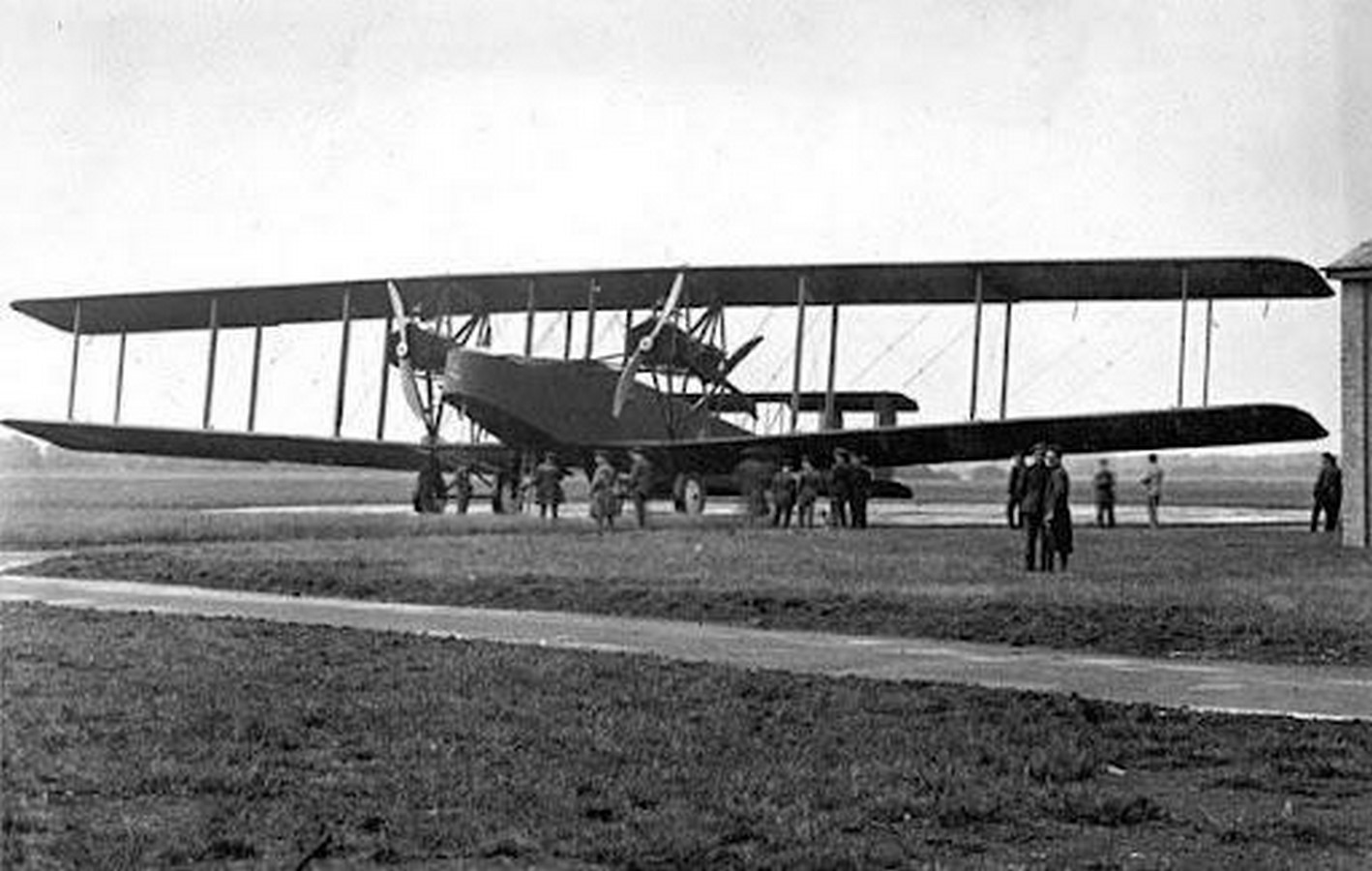
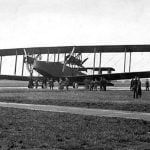
Henry Royce’s transition from automotive engineering to aviation represents one of the earliest and most successful examples of brand diversification rooted in core expertise. As global tensions rose during the early 20th century, the need for lightweight, reliable aircraft engines became urgent. Royce recognised an opportunity not just to innovate, but to extend his engineering philosophy into a rapidly evolving field that demanded extreme precision. This shift illustrates how brands evolve through adaptability and not through abandoning their identity, but expanding its application. Royce approached aircraft engines with the same discipline he applied to cars: reducing friction, enhancing efficiency, and ensuring durability under stress. By doing so, he elevated the reputation of Rolls-Royce from a luxury automotive maker to a leader in national technological advancement.
Aviation also changed the public perception of the brand. No longer associated solely with comfort and prestige, Rolls-Royce became linked to endurance, performance, and engineering mastery. This repositioning extended the brand’s relevance across multiple generations and industries. Today, Rolls-Royce Aerospace stands as one of the world’s most respected engineering entities, a testament to how Rolls-Royce’s values created a brand capable of transcending industries while maintaining its core promise of excellence.
Legacy of Craftsmanship: How Royce’s Values Continue Today
More than a century after Henry Royce set his standards, his ethos remains deeply woven into the brand’s identity. Modern Rolls-Royce products, both automobiles and aircraft engines, are built on principles he established. These values act as a stabilising force in a world where many brands compromise quality for speed or scale. In the automotive division, craftsmanship is not merely a marketing term but a lived practice. Hand-stitched interiors, meticulously tested engines, and bespoke customisation processes demonstrate how Royce’s commitment to excellence has become institutional culture. In aerospace, the same values manifest in precision turbines, safety innovation, and rigorous testing procedures. Even as technologies evolve, the underlying philosophy remains unchanged.
What makes Royce’s legacy unique is its emotional resonance. Customers do not simply buy a Rolls-Royce product; they buy into a history of craftsmanship, reliability, and quiet superiority. The brand carries a sense of continuity and trust, which only a few modern companies have achieved.
Royce’s values have outlived him because they were never treated as slogans. They were operational standards that became woven into every process, every decision, and every product. That is why Rolls-Royce remains a symbol of excellence across industries.
Today, Rolls-Royce’s dual legacy reflects a unique ability to merge precision with imagination. In an era where brands often chase trends, Henry Royce’s story reminds us that longevity comes from authenticity, disciplined innovation, and an unwavering refusal to compromise on quality.
The legacy of Henry Royce is not merely a chapter in engineering history; it is a masterclass in building brands that endure.