Indigenous philosophies offer a powerful lens through which contemporary design can be reinterpreted, restructured, and revived in meaningful ways. As global architecture increasingly confronts issues of sustainability, cultural fragmentation, and identity loss, designers are revisiting traditional knowledge systems that once shaped harmonious human–nature relationships. These ancestral worldviews emphasise coexistence, community functionality, and ecological sensitivity—principles that modern cities urgently require. By integrating Indigenous philosophies into contemporary design, architects create built environments that respect local culture, nurture ecological balance, and restore a sense of belonging within rapidly urbanising regions.
Rooted Knowledge: The Basis of Indigenous Philosophies
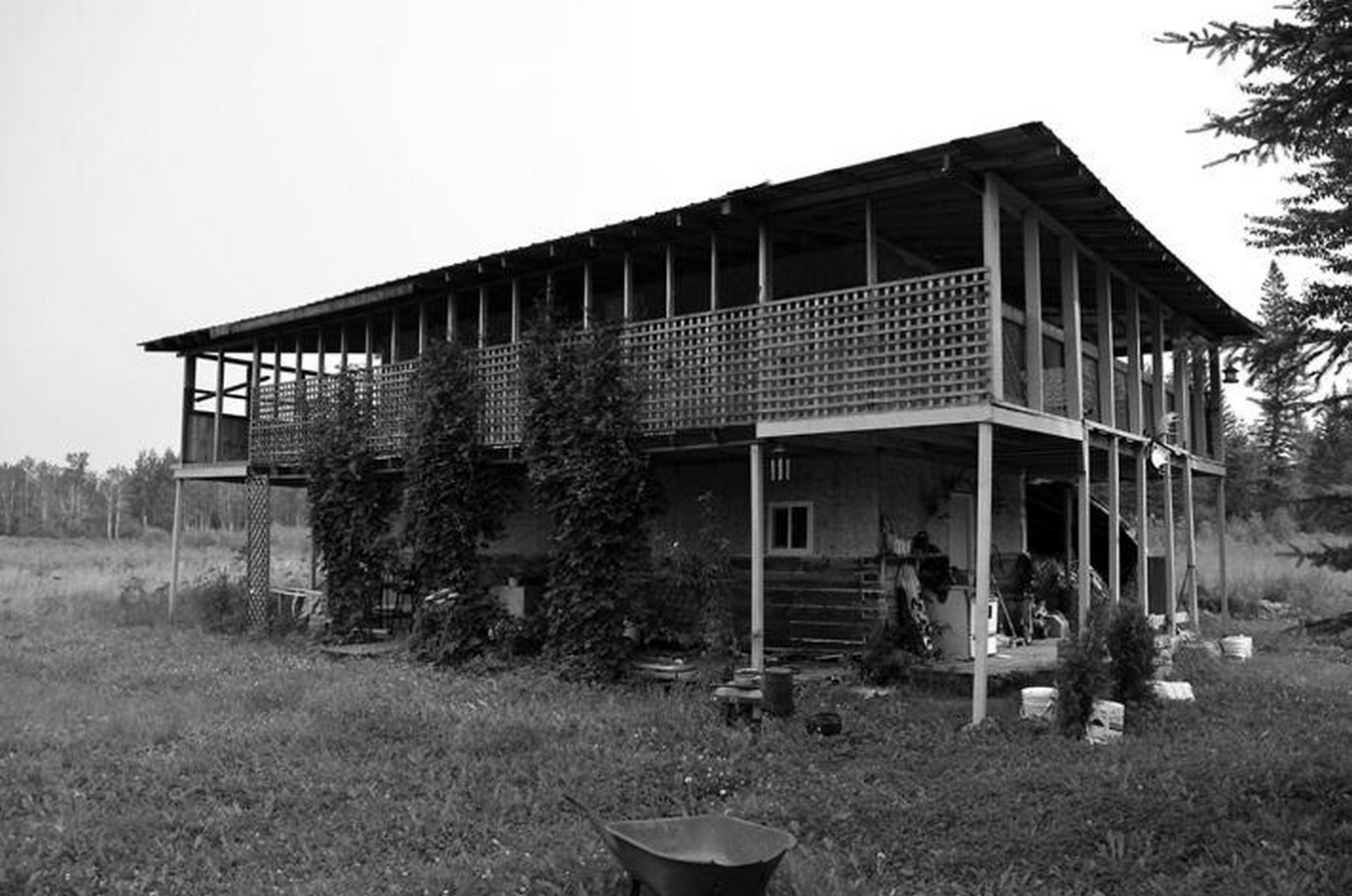
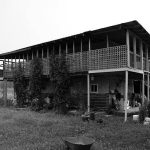
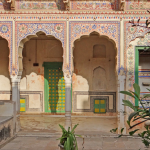
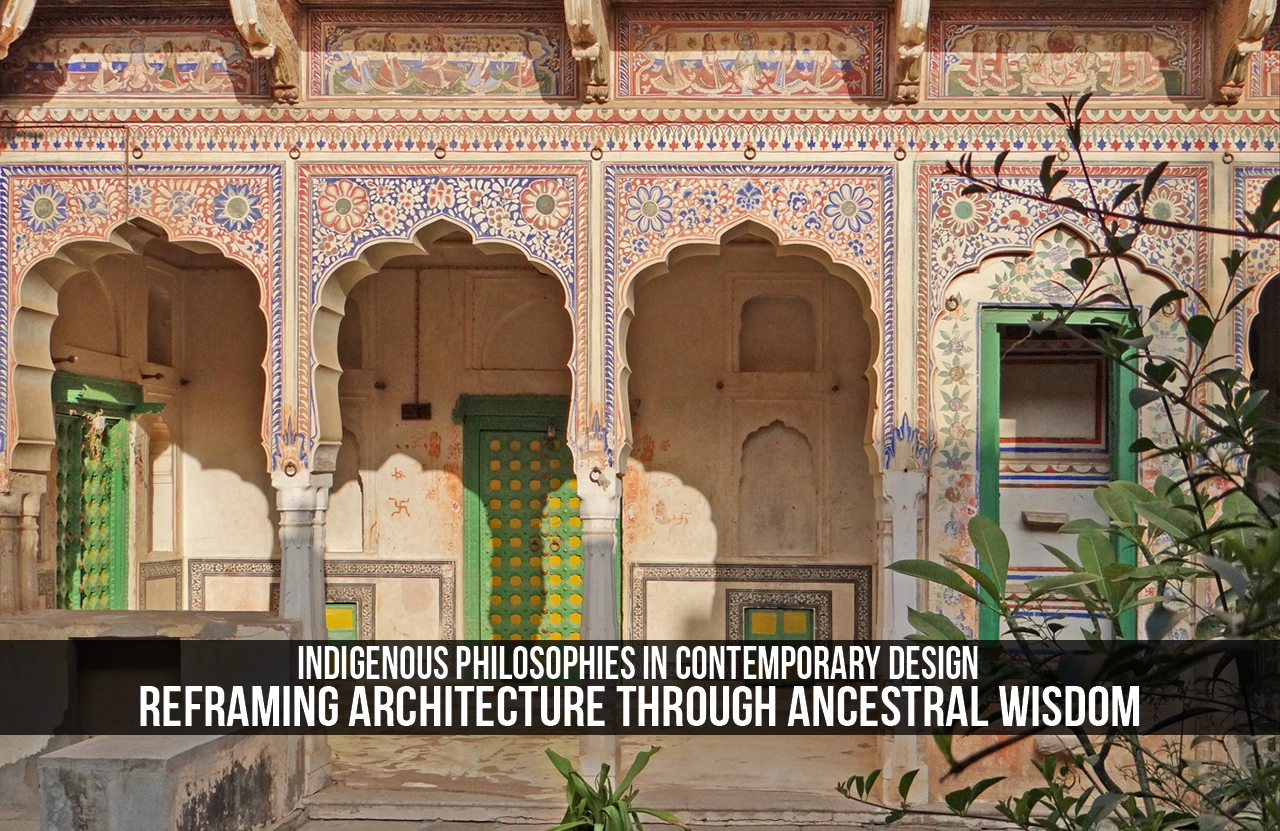
Indigenous knowledge is derived from centuries of observation, adaptation, and lived experiences deeply tied to specific geographies. These philosophies prioritise interconnectedness—between people, nature, climate, and culture. They embody practical wisdom through vernacular materials, passive cooling systems, self-regulating ecosystems, and contextual spatial planning. Traditional Indian settlements, for example, demonstrate climate-responsiveness through courtyards, shaded verandahs, narrow lanes, and community plazas.
For contemporary designers, these principles are not merely historical references but functional frameworks. They offer strategies for thermal comfort, reduced resource consumption, and socially cohesive layouts. When architects study and reinterpret Indigenous philosophies, they begin to see design as an extension of the environment rather than an imposition on it. This approach strengthens architecture’s role as both a cultural artefact and a sustainable system.
Materiality and Making: Traditional Techniques in Modern Spaces
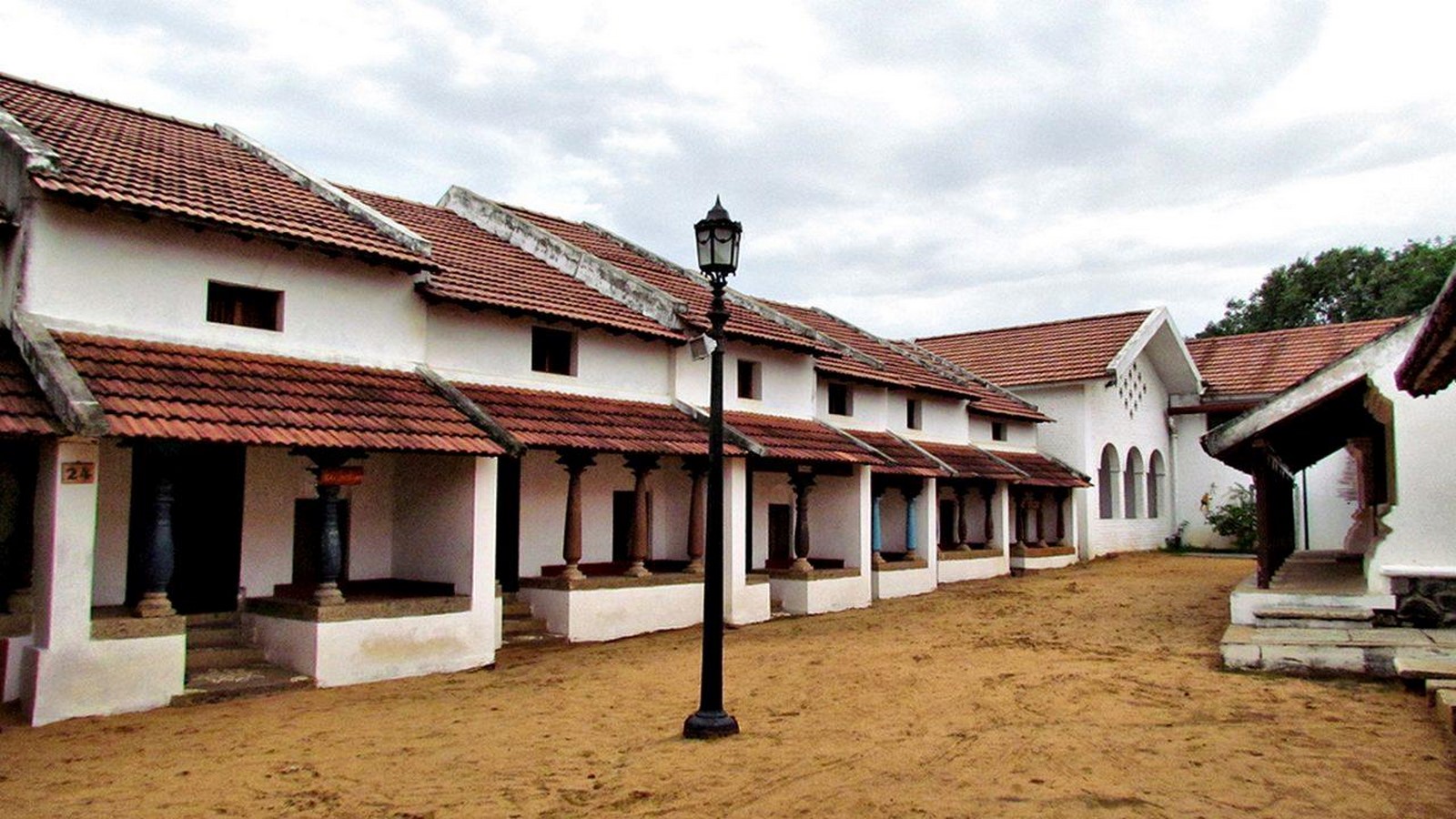
Contemporary architecture increasingly embraces traditional materials such as lime plaster, stabilized earth blocks, bamboo, and laterite stone—resources that are renewable, low-carbon, and regionally available. These materials perform exceptionally well in local climates and reduce the ecological footprint of construction. Techniques like rat-trap bond masonry, mud-wall stacking, and bamboo joinery illustrate the intelligence embedded in indigenous building cultures.
Modern design adopts these methods not as rustic imitations but as sophisticated reinterpretations. Hybrid material palettes—pairing natural elements with steel, glass, or concrete—allow structures to be contextually grounded yet technologically advanced. This material synergy reflects how Indigenous philosophies can coexist with contemporary ambitions, resulting in architecture that is both environmentally responsible and aesthetically refined.
Spatial Ethics: Community, Ritual, and Collective Belonging
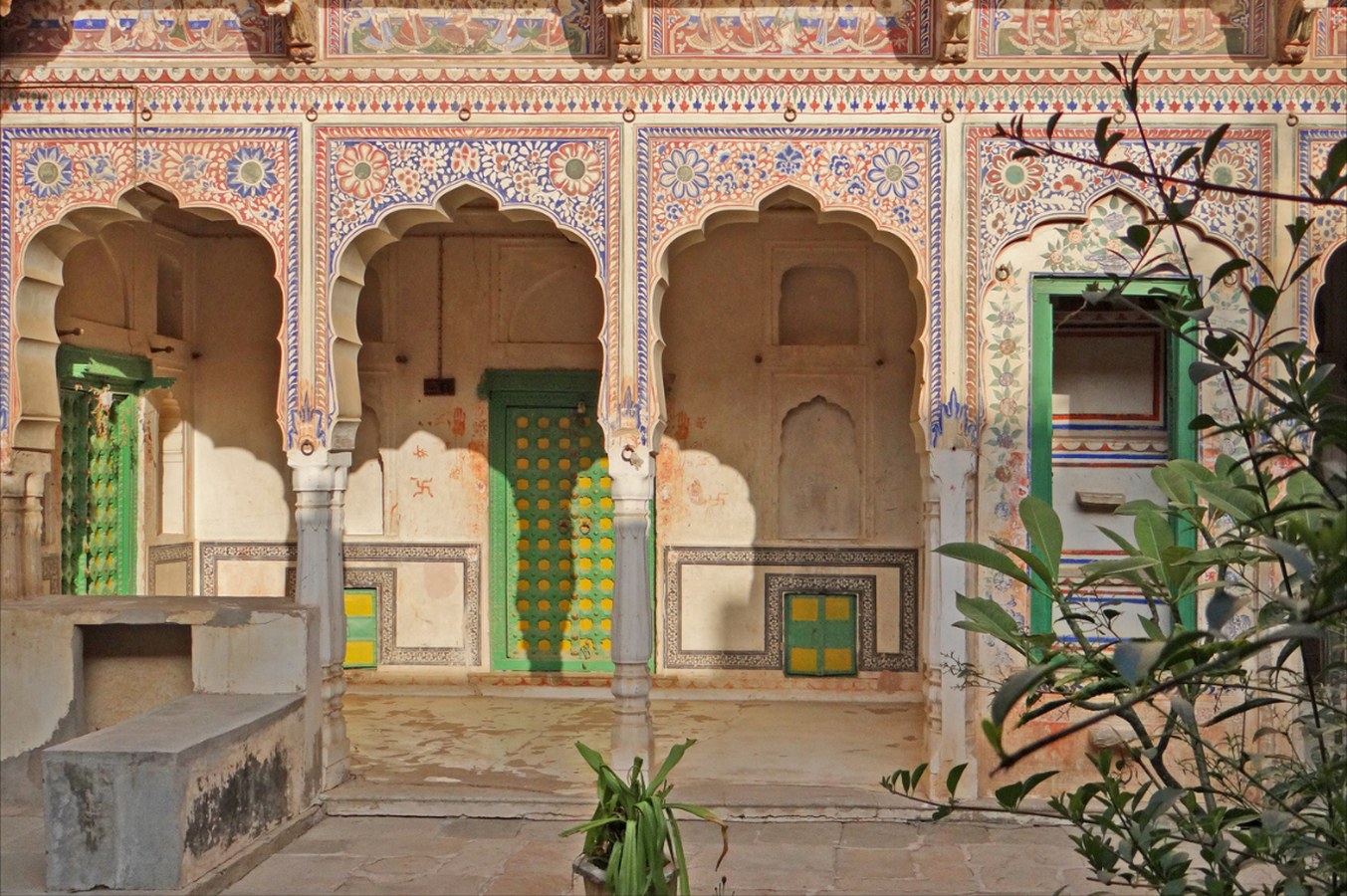
Indigenous settlements were shaped around community life—shared courtyards, communal kitchens, craft clusters, and ritual spaces. These spatial patterns fostered strong interpersonal relationships and cultural continuity. In contemporary design, this translates into community plazas, interactive public edges, social nodes, and multi-use gathering zones that encourage collaboration and cultural exchange.
Architects increasingly draw from traditional understanding of thresholds, hierarchies, and movement patterns. For instance, the sacred-deity axis in Tamil temple towns, or the communal chowks of Rajasthan, inspires today’s designers to create human-centred civic spaces. This approach not only improves user experience but anchors modern architecture in emotional symbolism and shared identity.
Landscape, Ecology and Regenerative Design

Indigenous cultures historically treated the landscape as a living entity. Rivers, hills, and forests were not backdrops but active participants in daily life and spiritual beliefs. Contemporary ecological design aligns closely with this worldview, promoting water-sensitive planning, native vegetation, and regenerative land-use practices.
Designers now integrate bioswales, rain gardens, agroforestry belts, and community wetlands into urban developments. These interventions mirror Indigenous philosophies of respecting natural cycles, reducing waste, and regenerating ecosystems. The result is not only environmental resilience but also a renewed cultural connection to land that modern lifestyles often overlook.
Craft, Identity, and Cultural Continuity
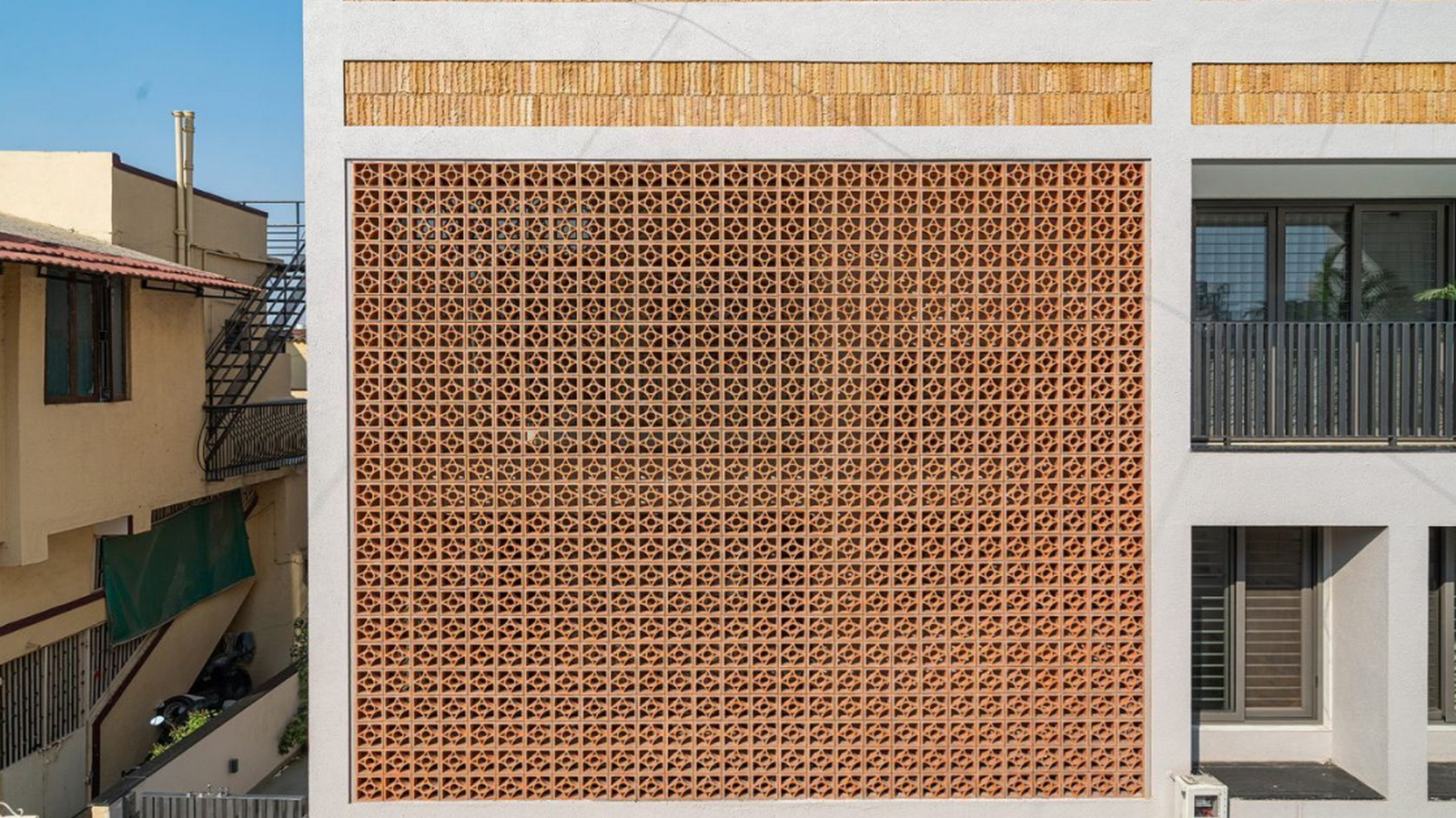
Craft traditions—such as terracotta work, mural painting, stone carving, and handloom weaving—serve as cultural repositories. They embody stories, rituals, and generational memories. Contemporary designers increasingly collaborate with artisans to incorporate these crafts into façades, interiors, furniture, and landscape elements. This fusion preserves cultural identity while creating visually rich and emotionally resonant spaces.
Craft-based interventions also support local economies and ensure that architecture remains rooted in its social context. By integrating Indigenous philosophies into design narratives, modern spaces gain authenticity and human warmth that mass-produced elements cannot replicate.
Technology Meets Tradition: A Synergistic Future
Rather than opposing innovation, Indigenous knowledge often supports it through insight into natural systems and resource efficiency. When paired with computational modelling, digital fabrication, and advanced engineering, these philosophies become potent tools for sustainable design. Parametric shading devices inspired by vernacular jaalis, climate-responsive roofs based on traditional thatching logic, and eco-cooling systems drawn from ancient stepwells demonstrate this synergy.
This blending of old and new is shaping contemporary architecture that is culturally rooted, environmentally conscious, and technologically progressive. It signals a future where tradition does not get diluted but evolves—remaining relevant across generations.
Indigenous philosophies provide more than aesthetic inspiration; they offer foundational principles for ethical, sustainable, and culturally meaningful architecture. By integrating ancestral wisdom into contemporary design, architects create environments that honour heritage while addressing present-day challenges. These philosophies transform architecture into a medium of ecological balance, social cohesion, and cultural continuity. As global cities expand, the revival of Indigenous philosophies will continue to shape more inclusive, resilient, and grounded design approaches—ensuring that modernity does not erase identity but strengthens it.