Hotel design today goes beyond decoration; it aims to create a vibe that tells the story, memory, and culture of a place. Designers are embracing hyperlocal storytelling as a creative way to attract and immerse customers in these experiences. Through their designs, hotel architects and interior decorators convey the stories and legends of a place, making hotels feel authentic.
Hyperlocal Storytelling
Hyperlocal storytelling is a concept where architects use the past, culture, nature, and the people’s experiences of a neighborhood, town, or region to give the building a new or strong identity. This is a lot more detailed than just ‘local inspiration’ as it digs deeper into less-known stories and traditions.
Hyperlocal storytelling, instead of relying on a local art piece or a regional material, introduces a narrative element, something that binds all the different design elements into one single storyline. So, it is possible for visitors to understand a place even if they have never been there before.
The Importance of Hyperlocal Storytelling within the Hospitality Industry
Among the consumers of today are experience seekers. Spaces with local stories make the visitors feel both familiar and curious. A hotel lobby inspired by local textile weaving or a cafe based on local stories will definitely make your customers experience double, as community members and as guests.
Boosts Brand Identity
Hyperlocal design helps a hospitality project stand out. While global hotels tend to feel the same across cities, those with regional stories become memorable brands. This approach lets brands express their values, ethos, and uniqueness.
It Helps Local Communities
By introducing crafts, materials, and culture, local artisans are supported, and the traditions that are at risk of being forgotten are preserved. When hotels purchase locally-made furniture, artwork, and textiles, they are injecting money directly into the local economy, not only that, but also into the character.
Sustainable and Contextual
Local or regional materials will lessen the cost of transport and will be good for the planet. Besides that, going ecological and considering local factors will make the product more environmentally friendly.
Key Strategies for Integrating Hyperlocal Storytelling. Materiality Rooted in Place
Material
Stone, wood, clay, cane, regional materials, and metals can be the base for the stories. For instance:
- Red Laterite Stone Used at a Goa Resort
- Implementation of bamboo and cane furniture in Northeast India
- Applying sandstone textures to Rajasthan-inspired resorts
Materiality is one of the strongest carriers of culture and helps to reflect the identity of the landscape.
Craft-Based Narratives
Local artisans could be employed for producing wall panels, ceiling decorations, furniture, and sculptures, thus bringing the space’s authentic elements. Block printing, Madhubani painting, pottery, weaving, lacquer working, or stone carving, which are all traditional art forms, can be given a contemporary rendition.
Micro-Local History and Storytelling
Designers have access to:
- Designers.
- Local legends and stories
- Neighbourhood market stories,
- Historical Buildings or Events
- Heritage buildings or historical
- Notable personalities from the region
- Some farming and seafaring traditions
All of these stories may influence the design theme, artworks, signs, colour scheme, or even lighting concepts.
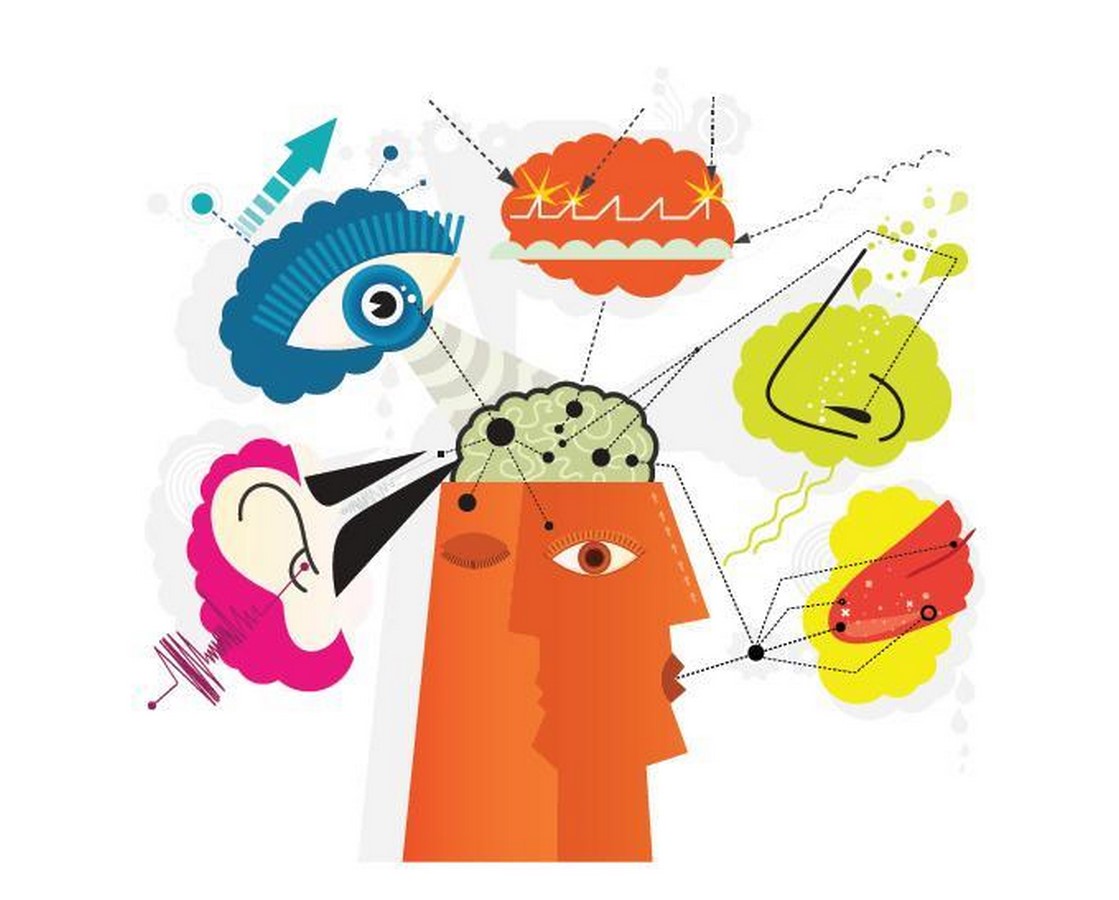
Sensory Experience
Storytelling as an art form is not limited to visuals. It can also be:
- Local scents from herbal diffusers
- Nature-inspired and local music soundscapes
- Textured flooring and walls mimicked everyday life.
Community Engagement
Hyperlocal storytelling effectiveness would be greatly enhanced if locals were involved. Hotels could have mural artworks created by local artists, local photography, and local cultural groups could be engaged for a production. It will make people feel as if they belong.
Applications within Hospitality Environments: Lobbies as Cultural Gateways
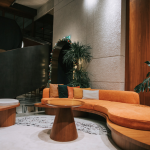
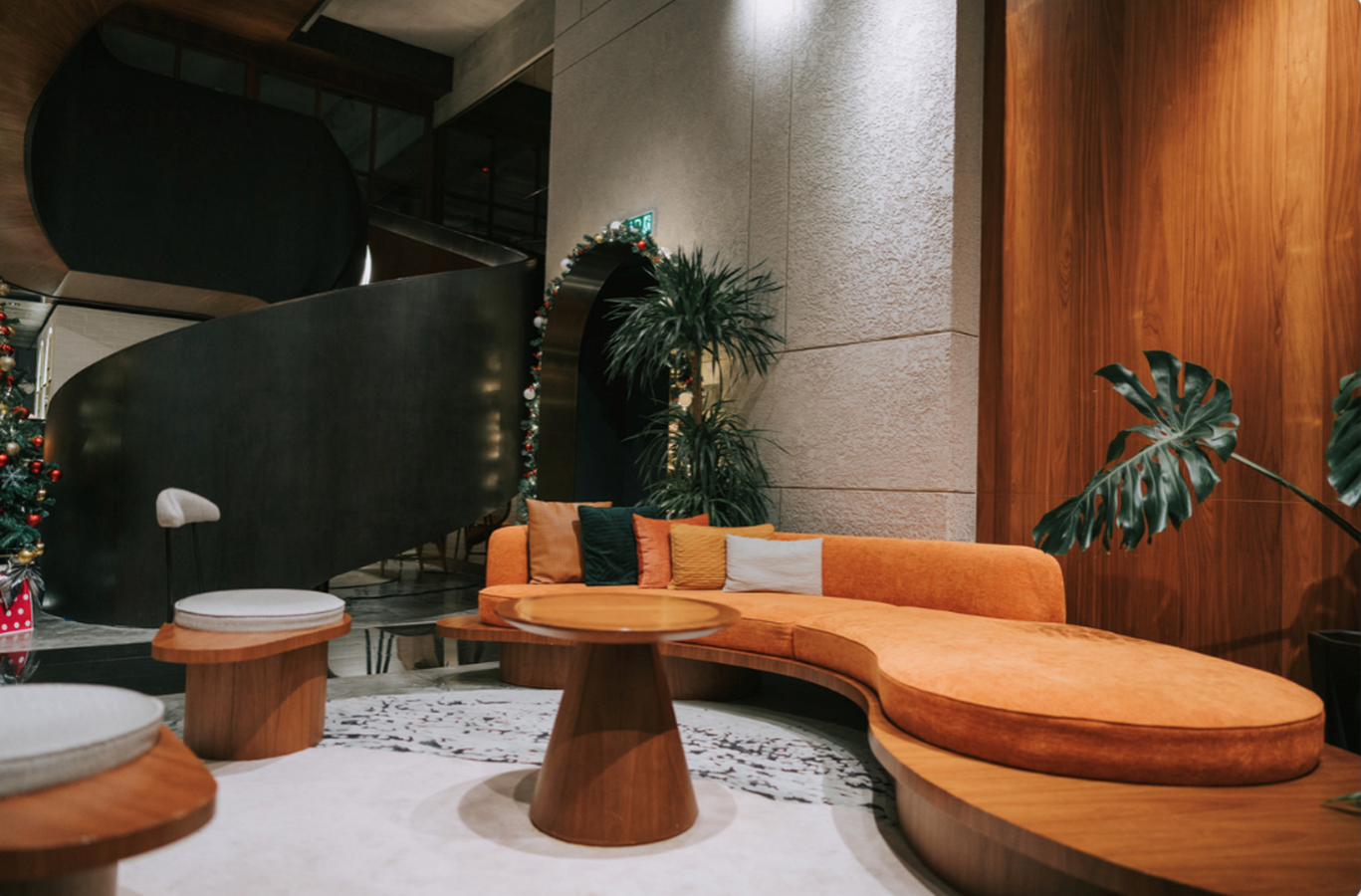
The lobby is the first impression of a guest when meeting the staff. Handcrafted Details, such as Reception Desk, Local Sculptures, Landscape Features, and Storytelling Walls, will provide instant recognition.
Guests’ Rooms as Story Containers
Rooms may very well be local by using different elements subtly:
- Textile regional throws
- Locally made ceramics
- Artwork depicting life in the neighborhood
- Material palettes drawn from nature, it opens up the way for a personalized and memorable experience.
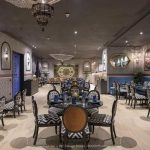
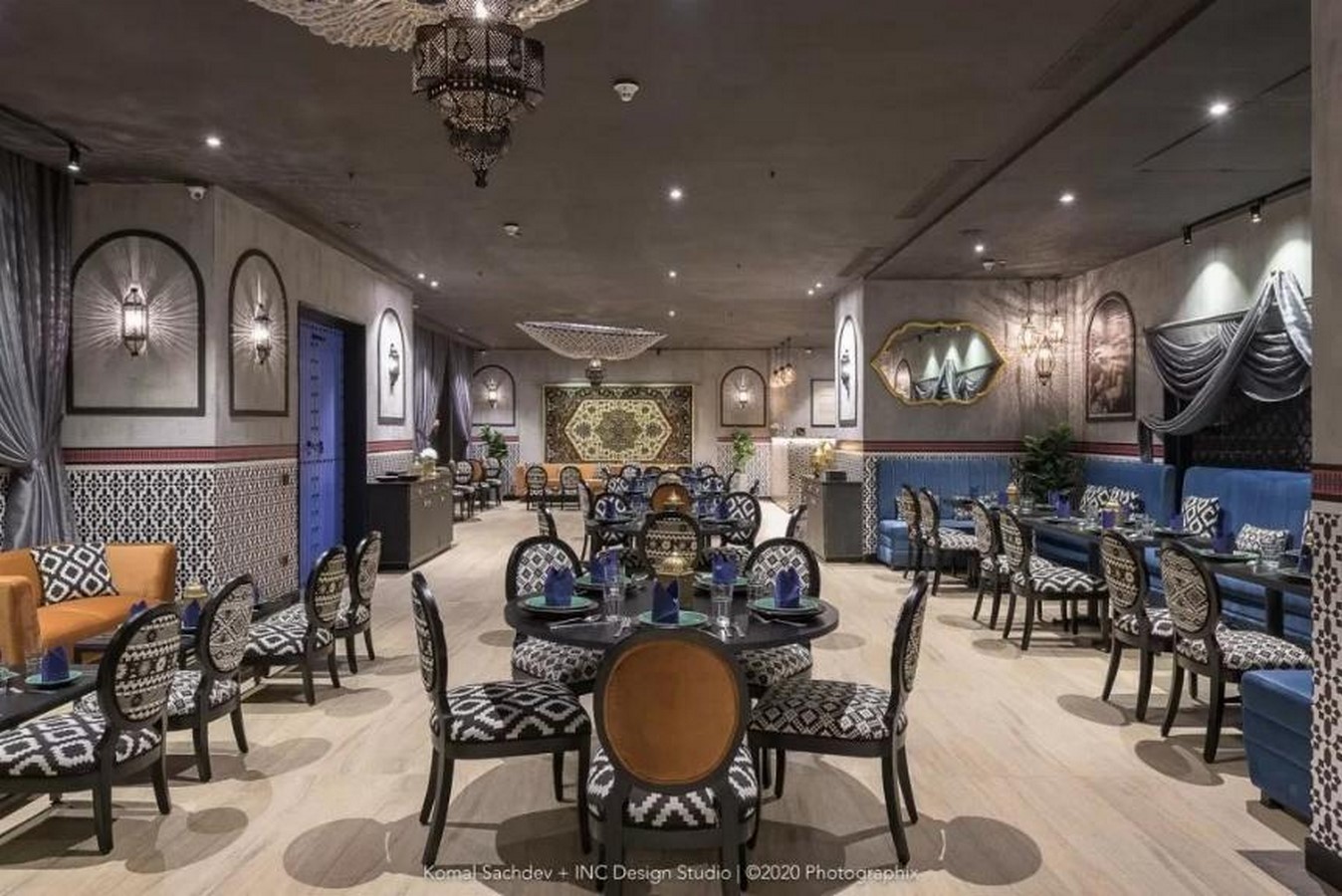
Dining Spaces Reflecting Local Flavours
Restaurants may implement themes from
- Animal Kingdom
- Local Spice Markets
- Fishing traditions
- Rhythms of cultural Festivals
- Lighting, textures on walls, and chairs can all be suggestive of these influences
The Future of Hyperlocal Design in Hospitality
While international travel is still on the rise, the craving for culturally immersive experiences is also growing. More and more designers are opting for hyperlocal storytelling as a design strategy that also incorporates aspects like sustainability and identity. Generation Next will be more about collaboration with local communities and the use of cultural elements. Hotel decorating that resonates with hyperlocal narratives has benefits besides just enhancing the customer experience. In a way, they support and conserve the site, i.e., they change the buildings into living storytellers with a sense of legacy and modernistic design ethos.
Citations:
- Exploring Hyper-Local Design Trends in Hospitality – Fused Magazine (2024) Fused. Available at: https://www.fusedmagazine.co.uk/exploring-hyper-local-design-trends-in-hospitality/
- 5 Ways to Weave HyperLocal Experiences Into Hospitality – The Stories Collective (2025) The Stories Collective. Available at: https://www.thestoriescollective.com/post/5-ways-to-elevate-local-experiences-in-hospitality
- How Interiors Transform Hotels Into Lifestyle Destinations – i5 Designs (n.d.) i5 Designs. Available at: https://i5designs.in/blog/how-interiors-transform-hotels-into-lifestyle-destinations
- Hospitality Design Trends 2025: From Experience-Driven Layouts to Local Aesthetics – Studio Mavi (n.d.) Studio Mavi. Available at: https://studiomavi.in/hospitality-design-trends-2025-from-experience-driven-layouts-to-local-aesthetics/
- The Art of Storytelling in Hotel Design – SuitePad Blog (2025) SuitePad. Available at: https://www.suitepad.de/en/blog/the-art-of-storytelling-in-hotel-design