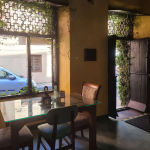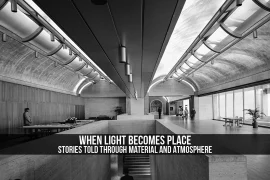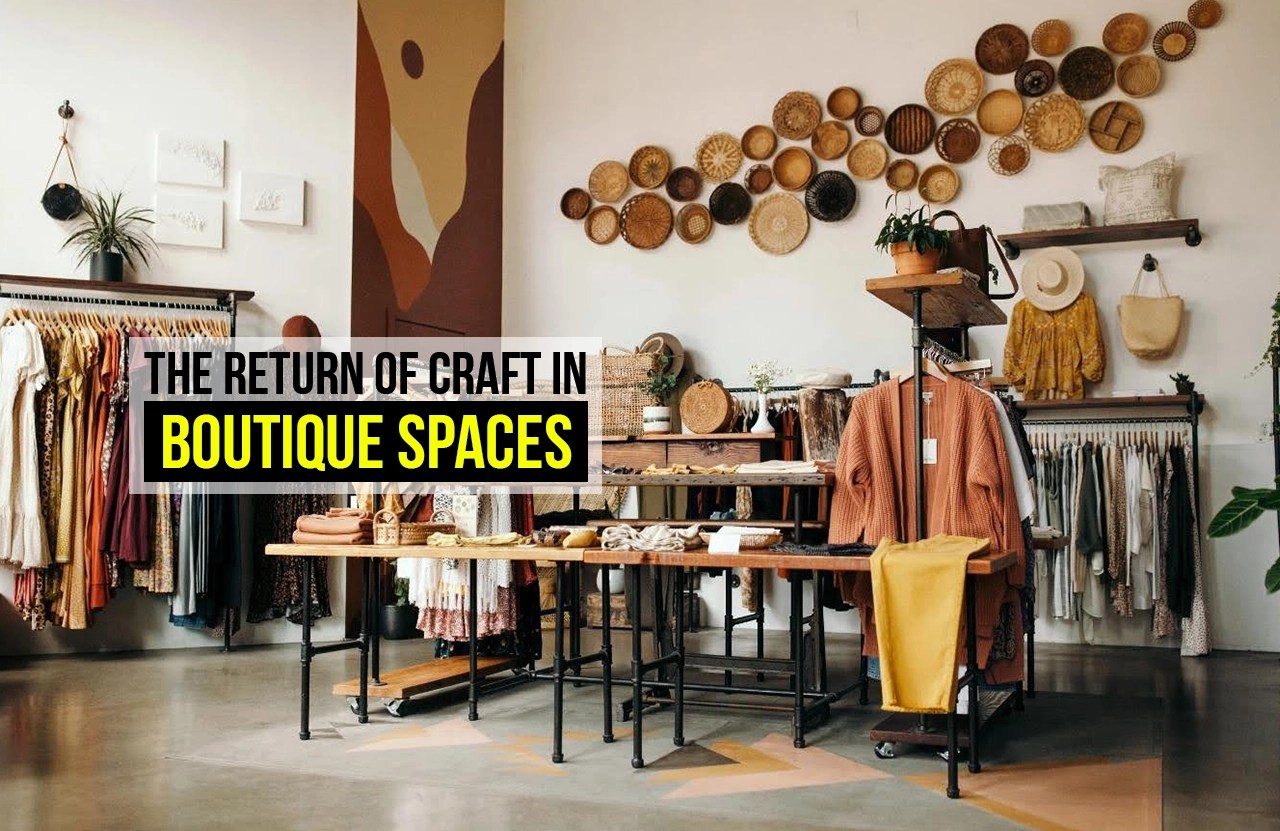
Cities today are filled with carefully designed commercial spaces that respond quickly to changing tastes and lifestyles. Cafes, small shops, studios and galleries appear with polished interiors and clear identities, often designed to be instantly recognisable. These environments reflect the pace of contemporary urban life, where architecture is expected to adapt rapidly and remain visually current. Design in such settings becomes efficient and repeatable, shaped as much by time constraints as by intention.
Within this broader condition, a quieter shift can be observed. Boutique spaces, operating at a smaller and more controlled scale, are beginning to embrace a different relationship with making. Craft reappears not as surface expression, but as a way of slowing down the process of design and construction. Materials are allowed to age, details remain visible, and the presence of human labour becomes part of the spatial experience. Rather than competing with speed, these spaces introduce moments of pause into the everyday city.
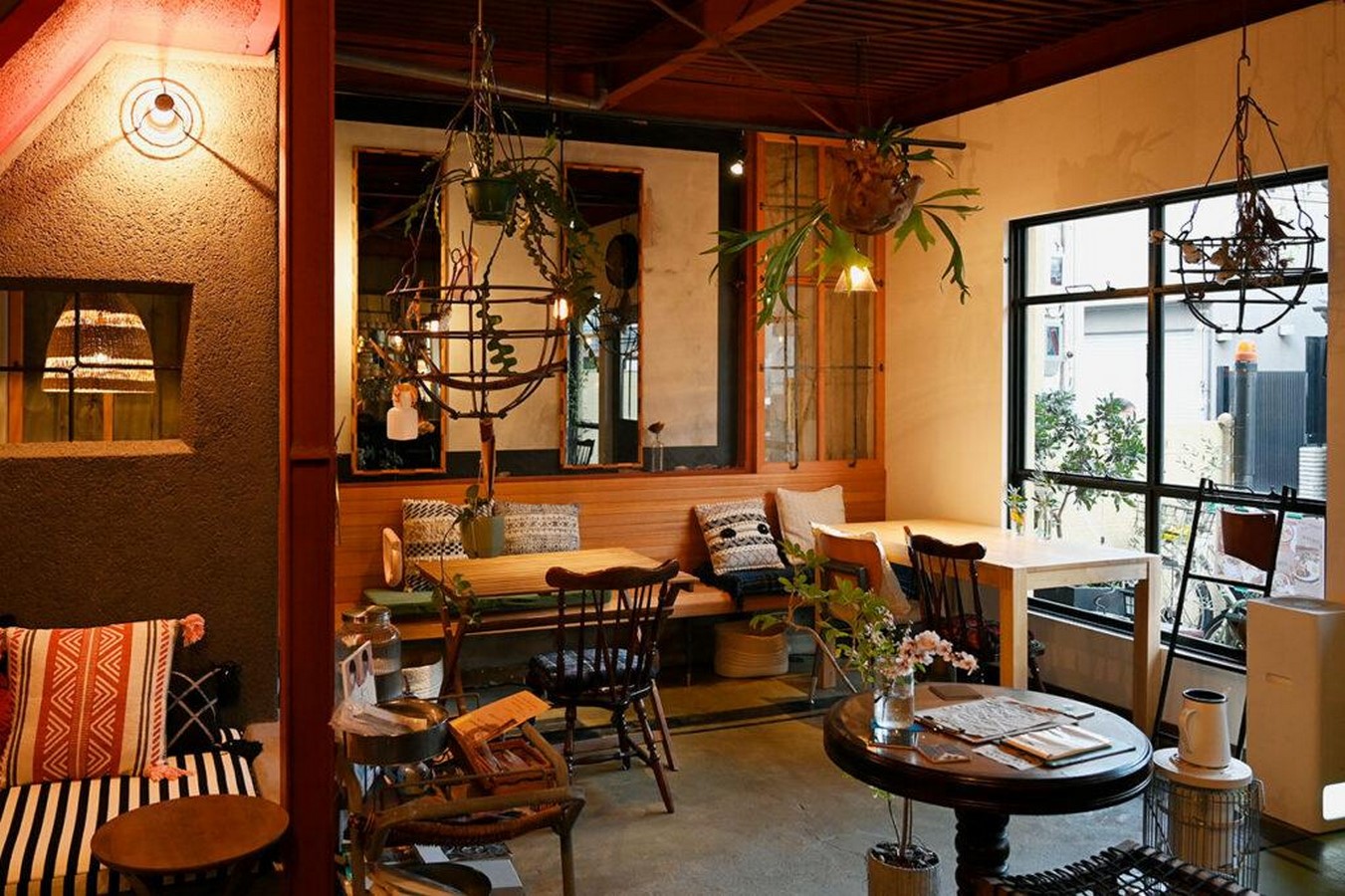
Through this return to careful making, boutique spaces suggest an alternative architectural attitude. One that values time, material honesty and durability, and allows architecture to feel lived-in rather than rapidly consumed.
Craft as a Response, Not a Revival
Craft is often spoken about as something that has returned, as though it had disappeared entirely. In reality, it was gradually pushed to the margins as architectural production became faster, more standardised, and increasingly detached from the act of making. Large commercial projects began to favour systems that could be replicated across sites and cities, leaving little room for the time, variation, and negotiation that craft demands. What was lost in this shift was not just technique, but the visibility of human effort within space.
The renewed presence of craft in boutique spaces is therefore less about revival and more about response. It emerges as a quiet counterpoint to speed-driven construction, where finishes are designed to age, materials are selected for their tactile quality, and imperfections are accepted as part of the process. These environments do not attempt to recreate the past. Instead, they reintroduce making as a conscious design decision, allowing architecture to slow down without rejecting contemporary needs.
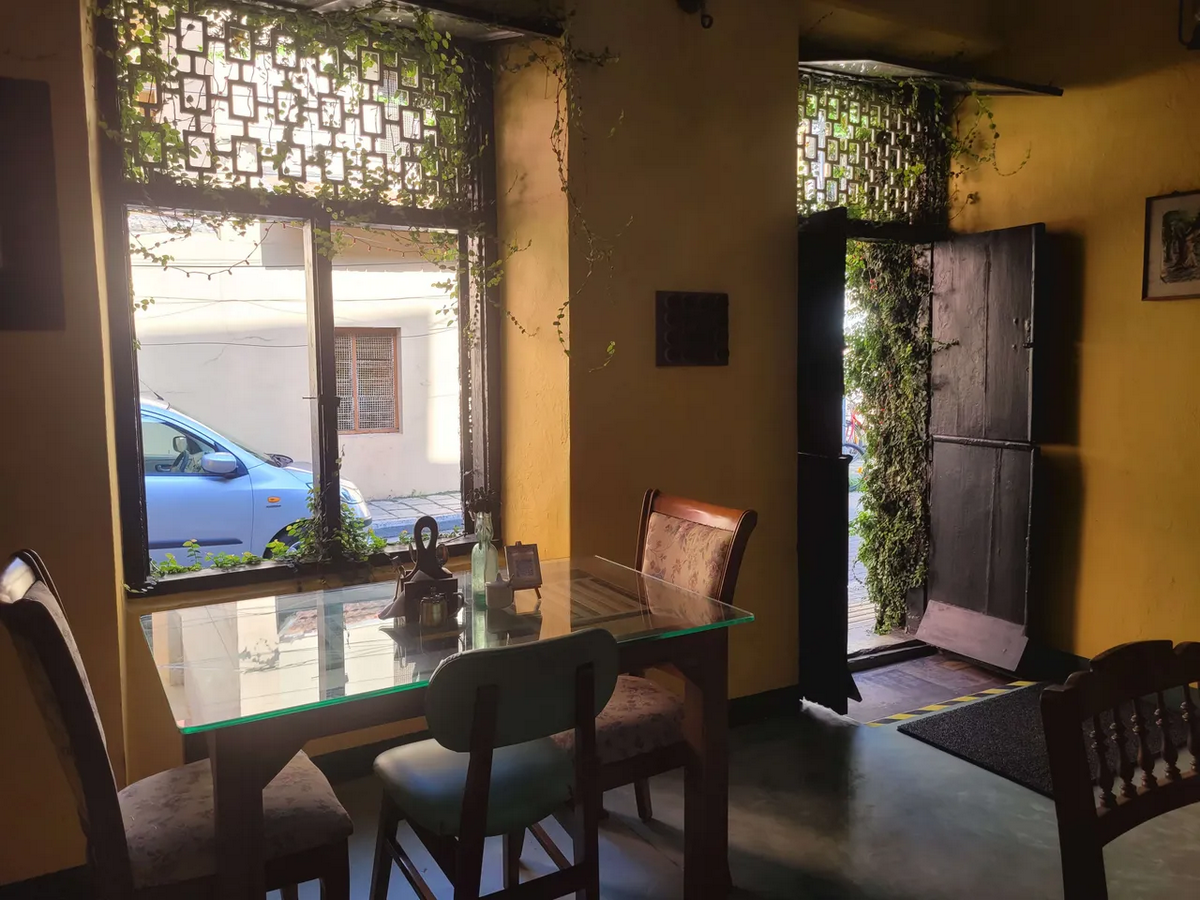
In this context, craft becomes a way of restoring balance. It allows space to carry traces of labour, intention, and time, reminding users that architecture can be experienced not only through form, but through the processes that bring it into being.
Why Boutique Spaces Allow Craft to Reappear
Scale plays a quiet but decisive role in how architecture is made. Smaller projects tend to allow closer engagement between designers, makers, and materials, creating conditions where decisions can evolve rather than being fixed early for efficiency. In contrast to large commercial developments, where timelines and budgets often dictate uniform solutions, boutique environments offer a degree of flexibility that encourages experimentation and dialogue during construction. This flexibility becomes essential for craft to exist meaningfully.
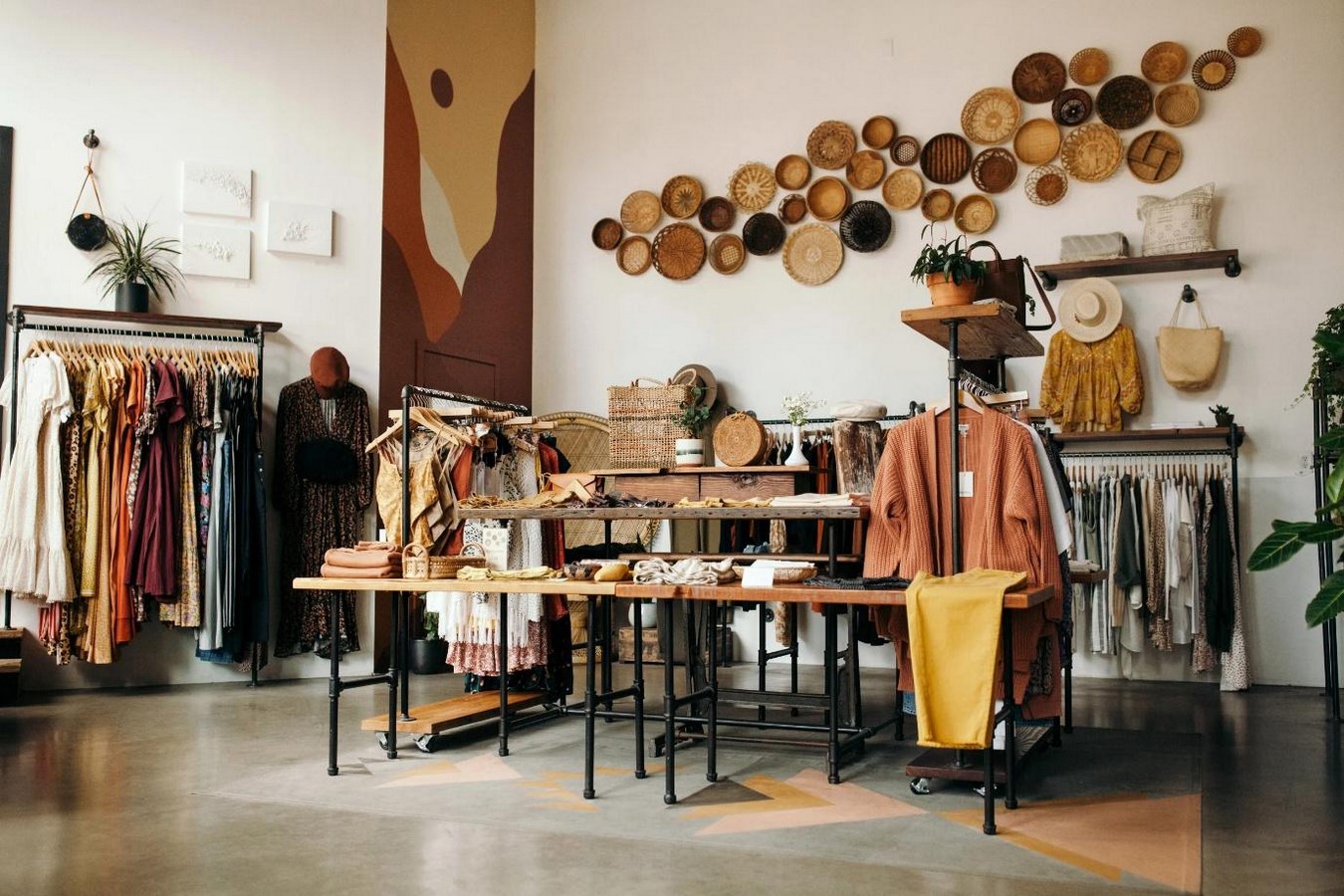
Boutique spaces benefit from direct authorship. Designers are often involved from concept to completion, allowing details to be adjusted on site and materials to respond to context rather than specification sheets. The reduced scale also allows collaboration with local artisans and fabricators, whose knowledge might otherwise be excluded from faster construction models. This process does not necessarily increase complexity, but it changes the rhythm of making. Decisions are taken with attention rather than urgency.
In boutique spaces, craft is not an added layer but an outcome of how the project is conceived and built. The result is architecture that feels specific rather than generic, shaped by its process as much as its final form.
Material, Construction, and the Visibility of Making
Materials behave differently when they are allowed time and attention. In carefully crafted interiors, timber carries tool marks, stone reveals its grain, and finishes are chosen for how they age rather than how they photograph on opening day. Construction becomes less about concealment and more about expression, where joints, edges and transitions remain visible as evidence of how the space was assembled. This approach does not seek perfection, but clarity. It allows materials to speak through their inherent qualities rather than through applied surfaces.
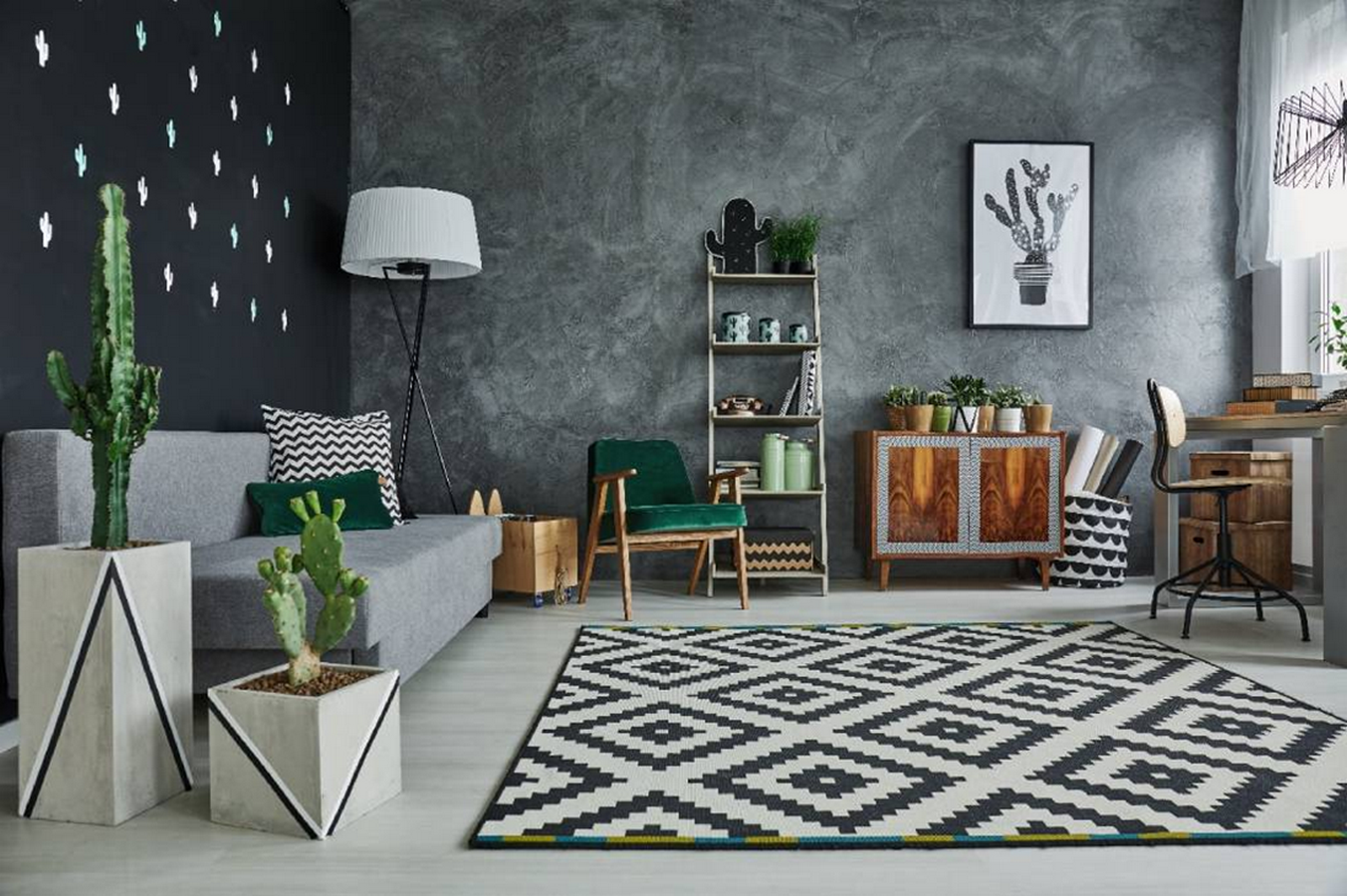
In boutique spaces, such construction methods are often made possible through closer collaboration between architects, builders and fabricators. Design decisions extend beyond drawings and into the act of building itself, where adjustments are made in response to material behaviour and site conditions. The architect’s role shifts subtly from controller to coordinator, guiding intent while allowing skilled labour to shape outcome. This process acknowledges the intelligence embedded in making, recognising construction as a form of design rather than a separate phase.
By keeping the act of making visible, these spaces carry a sense of honesty. They reveal time, effort and human presence, allowing architecture to feel grounded and tactile rather than finished in haste.
From Interior Detail to Architectural Character
When craft is embedded within the interior, it rarely remains confined to surfaces alone. Over time, it begins to influence how space is perceived, used, and remembered. Hand-finished elements, carefully proportioned openings, and material continuity across floors, walls and ceilings give rise to environments that feel cohesive rather than assembled. These details quietly shape movement, encouraging slower engagement and closer attention. Architecture here is not defined by form alone, but by the atmosphere created through making.
As this sensibility extends beyond the interior, it begins to inform the overall architectural character. Thresholds become moments of transition rather than separation, façades reflect interior material logic, and spatial sequences are designed to be experienced gradually. In boutique spaces, this continuity often results in buildings that feel specific to their context, responding to scale, street conditions and neighbouring structures with care. The building becomes an extension of the interior philosophy rather than a separate gesture.
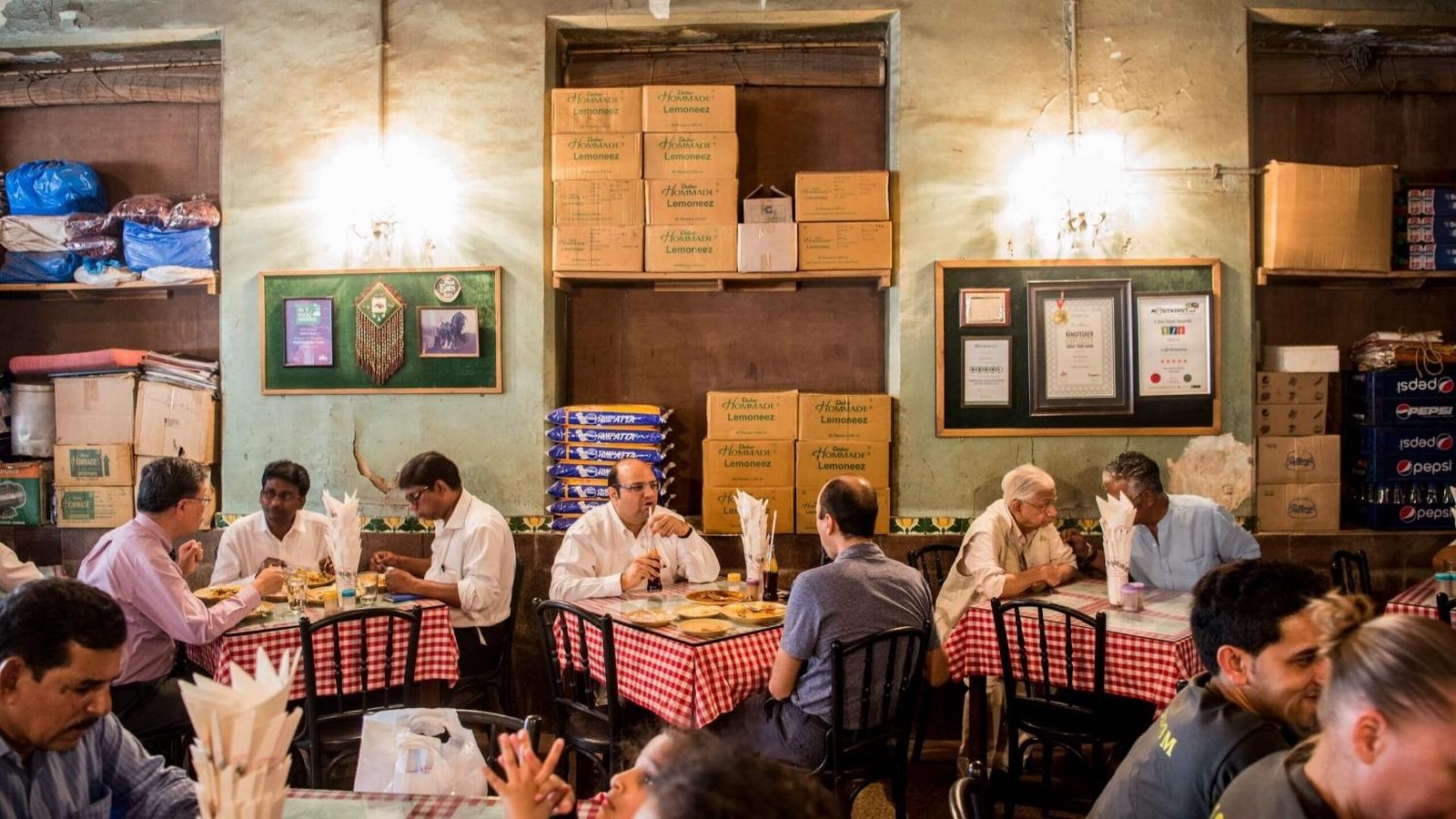
Through this process, craft contributes to identity without relying on visual excess. Architecture gains character through restraint, coherence and attention, allowing the space to feel rooted and enduring rather than temporary or trend-driven.
Boutique Spaces in the Everyday Urban Fabric
At the scale of the street, architecture reveals its social role most clearly. Smaller, carefully crafted environments tend to integrate more naturally into their surroundings, responding to existing patterns of movement, scale and use. Rather than standing apart from the city, they become part of its everyday life. Entrances open directly onto pavements, interiors spill light onto the street, and materials weather alongside their urban context. These spaces are experienced not as destinations alone, but as moments within daily routines.
Boutique spaces often contribute to neighbourhood life by encouraging slower forms of engagement. They invite people to pause, observe and interact, whether through a cafe window, a workshop display or a modest storefront. Because their architecture is shaped by care rather than spectacle, they feel approachable and familiar. The visibility of craft reinforces this sense of openness, reminding users that spaces are made by people and for people.
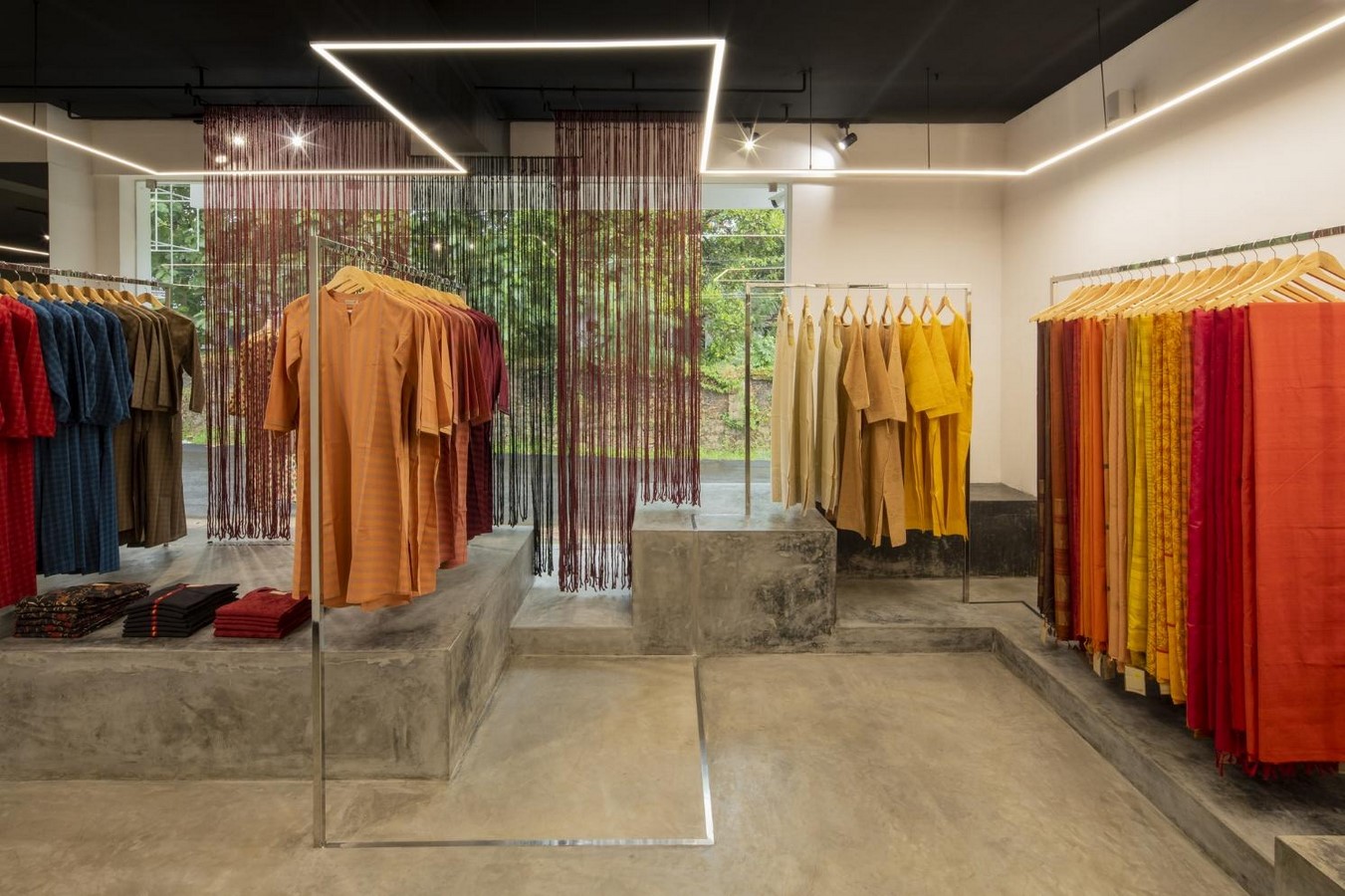
Within the broader urban fabric, such environments offer an alternative to large-scale commercial developments. They demonstrate how architecture, when grounded in material honesty and human scale, can support social life quietly, without imposing itself on the city.
Craft as a Measure of Time and Care
The renewed presence of craft in contemporary design signals a quiet shift in how architecture is valued and experienced. Rather than pursuing immediacy or visual novelty, these spaces reveal the importance of time, patience and human involvement in making. Craft introduces a slower rhythm into the built environment, one that allows materials to age, details to endure and spaces to develop character through use. In doing so, architecture moves away from disposability and toward responsibility.
Within boutique spaces, this approach offers lessons that extend beyond aesthetics. Sustainability here is not treated as an added feature or performance metric, but as a consequence of thoughtful construction and material choice. Buildings designed to last, adapt and remain relevant over time reduce the need for constant replacement. Durability becomes an environmental strategy, and care becomes a design ethic.
As cities continue to grow and change rapidly, these smaller, carefully made environments suggest an alternative direction for practice. One where architecture acknowledges labour, respects materials and recognises that longevity is achieved not through scale or spectacle, but through attention. Craft, in this context, becomes less about looking back and more about building forward with intention.