Awe is not just a movie; it feels like a maze of emotions living inside one building. Each and Every room holds a different life, a different mood, a different colour. At first, it doesn’t even look like all of them are in the same place. The movie doesn’t depend on huge sets or expensive props. It quietly builds everything inside one structure, dividing it into tiny worlds that feel separate but somehow connected. Slowly you realise each room is like a different mind, a different version of one person. Five lives in one building, five emotions inside one soul.
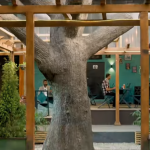
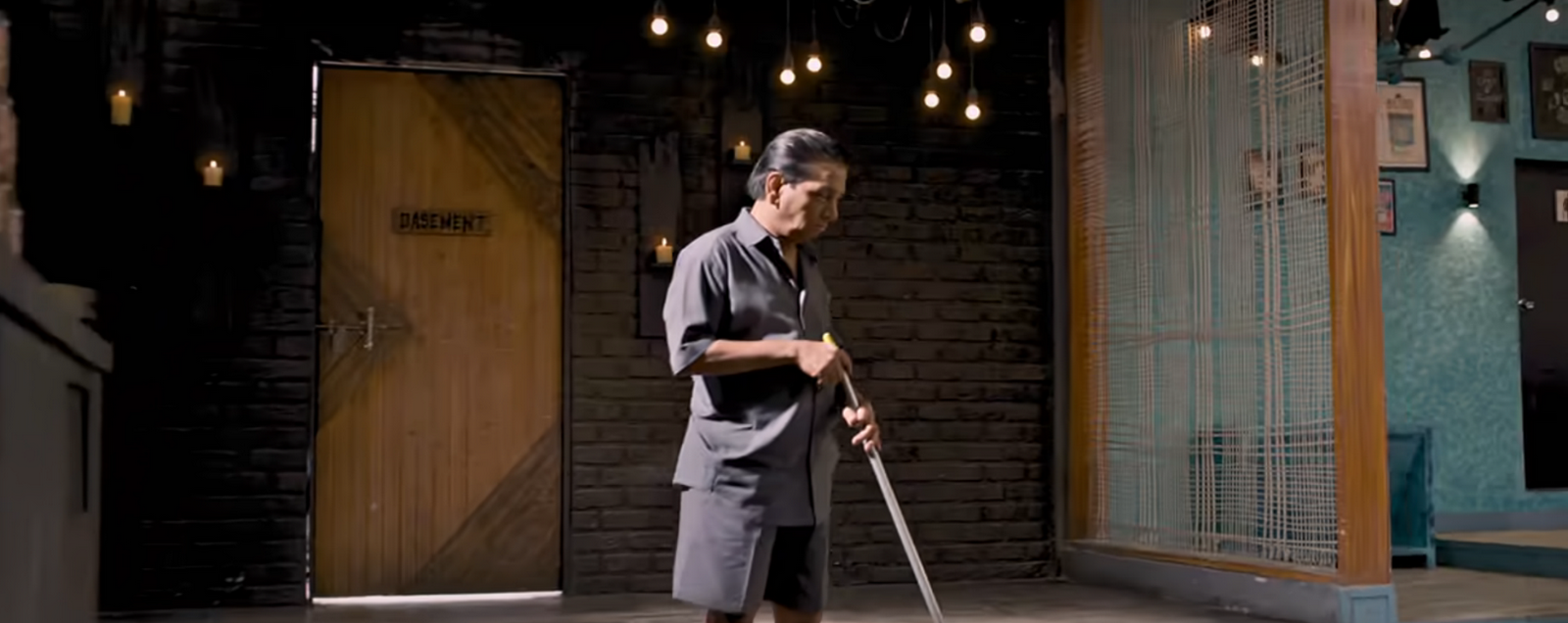
The building becomes almost like a character. The courtyard with the giant tree, the soft lights, the narrow corridors, the sudden colour shifts everything feels like walking inside someone’s inner world. One room is calm, another room is tense, another feels heavy, another feels unreal. Just like how a single person can hold many emotions at the same time, the building also holds five stories in its walls.
Colour Whispers Emotions
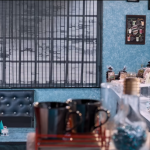
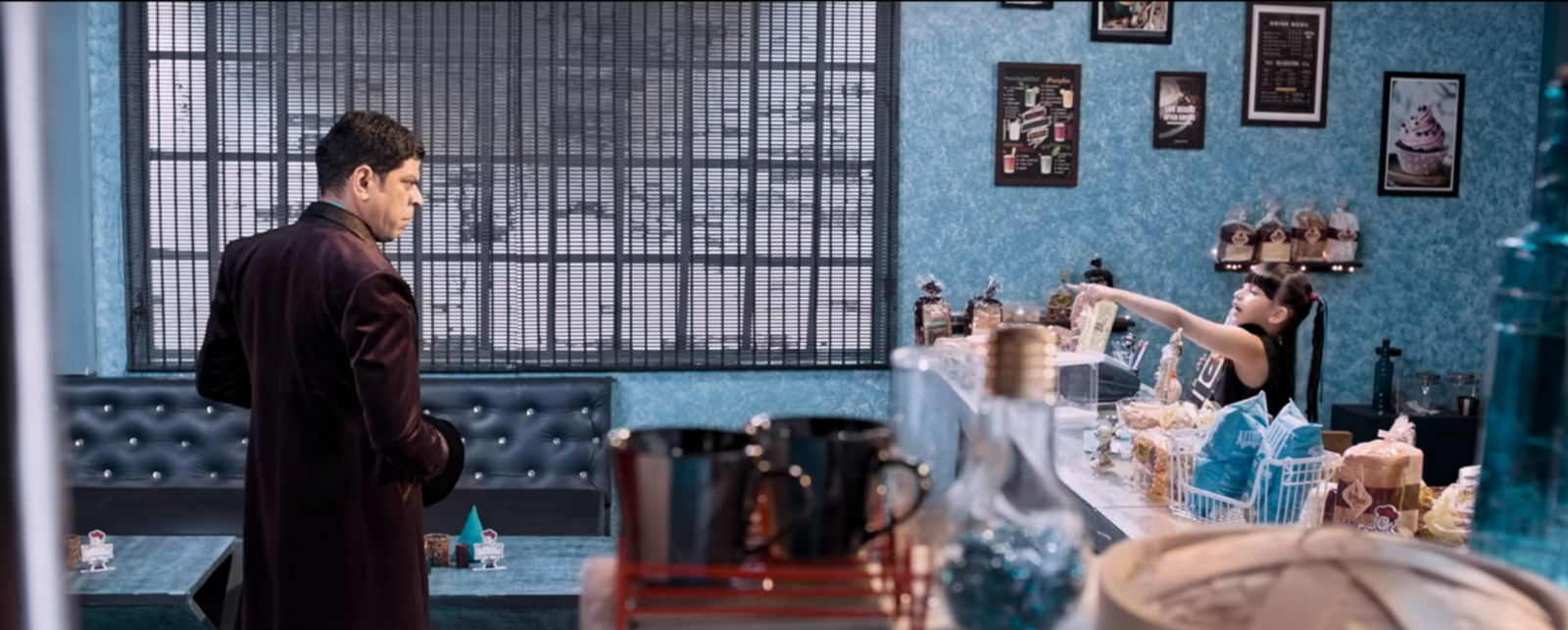
The first thing that catches the eye is colour. Each room speaks a different shade that directly shows what that life is going through. The café with soft pink and blue feels warm and welcoming, matching the tenderness between the two characters. Nothing harsh, nothing overwhelming, just colours that hold their story gently.
Move a little further and the warmth disappears. The chef’s world is filled with browns, blacks and muted tones. It feels like a place where someone is trying hard to prove themselves. The textures are rough, the lights fall unevenly and the aquarium beside the kitchen gives a strange calmness, almost like a pause between pressure.
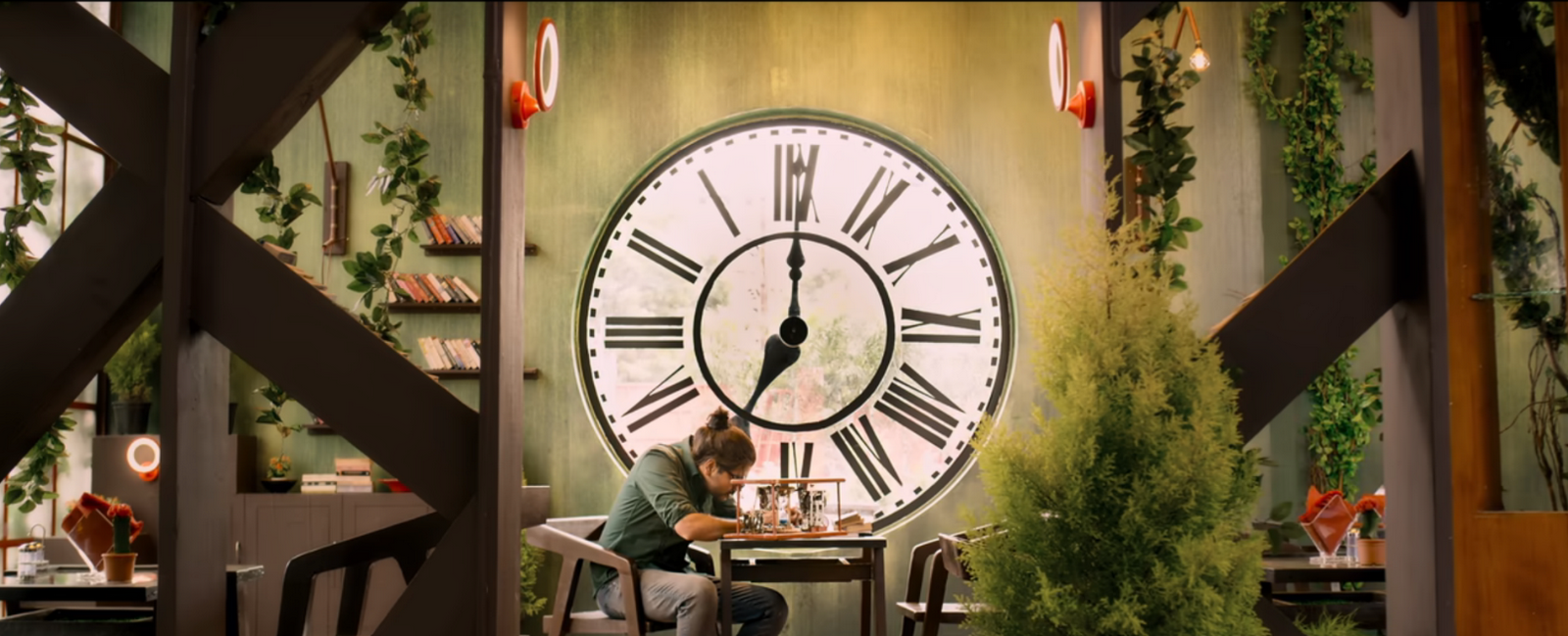
Then the building shifts again. The scientist’s room glows with green and red tones. The large clock behind him looks like a window into another reality. The colours make the place feel uncertain, almost unstable, matching his state of mind. It is one building, yet five lives paint it differently.


One Building, Many worlds
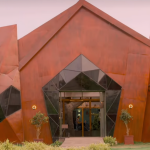
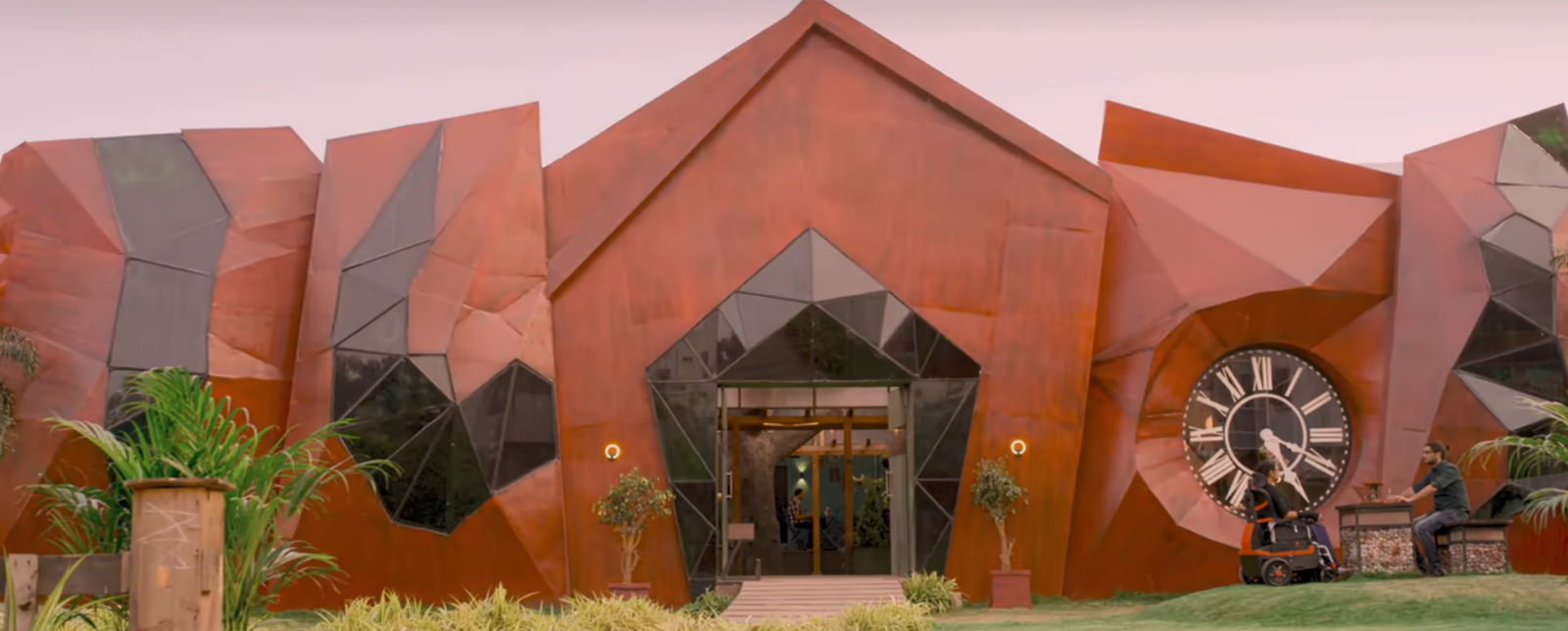
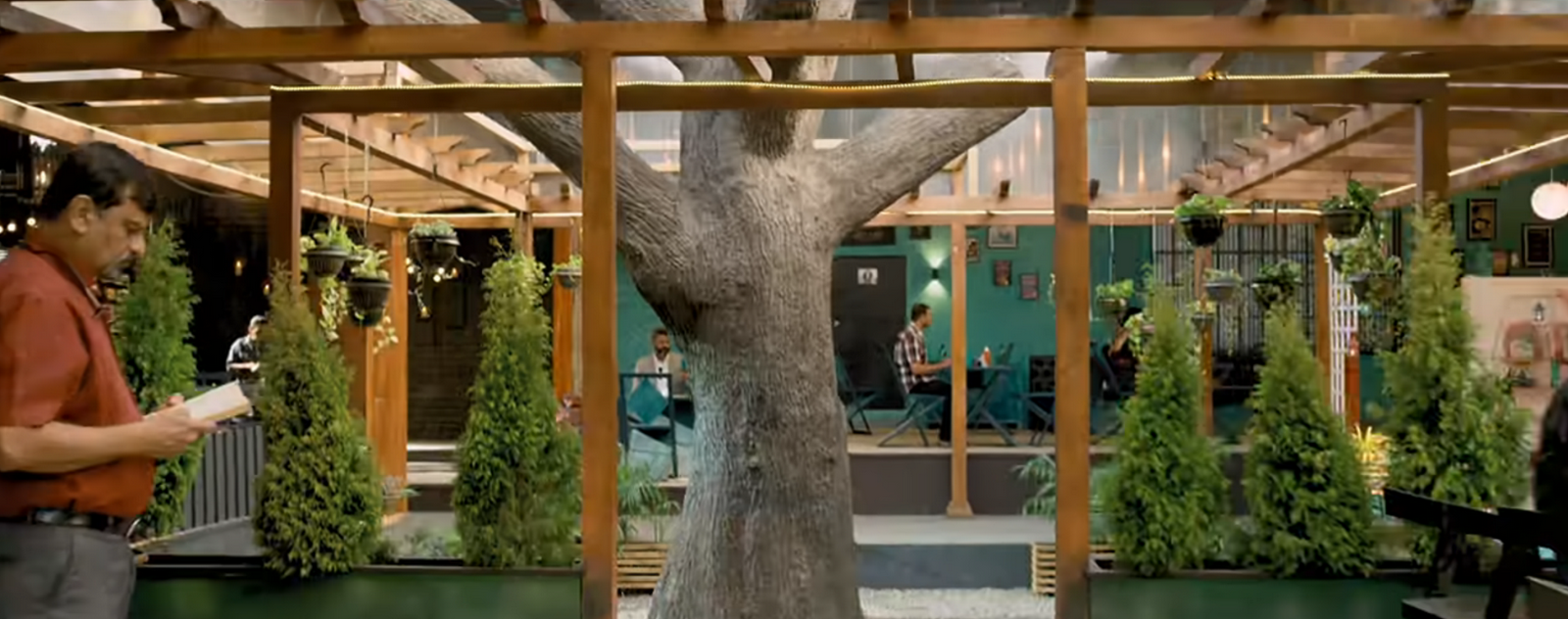
If someone looks at the building from outside, nothing hints at the emotional maze inside. But when you walk through it, the plan slowly reveals itself. There is a courtyard in the centre with a giant tree stretching towards the sky. Around it, small pockets of rooms branch out like fragments of one person’s thoughts.
A library sits on one side, calm and filled with warm light. On the other side, a café with stony walls and tall curved windows carries a heavier mood. These windows feel almost old and gothic, watching over the space like quiet observers.
Move further and a narrow opening takes you into a dark restroom corridor where fear grows. A mesh partition separates one world from another. Even the food court and the café share walls but feel like opposite lives. The building behaves like a body with multiple hearts beating at once. From the bright entrance to the dim corners, nothing matches yet everything belongs together. Five stories live in one floor plan without ever touching each other directly.
When Architecture Becomes a Story
Awe proves that you don’t need huge sets or expensive props to create impact. The building itself becomes the narrator. The arrangement of rooms, the direction of light, and the small textures tell what the characters cannot say out loud.
The lighting in each space is intentional. Soft daylight in one room shows comfort. A single bulb in another shows discomfort. The stony walls in the café make the place feel real and grounded. The giant clock gives a surreal feeling, like time breathing inside the walls. The kitchen feels practical and tight, matching the stress of the chef. The restroom corridor feels unsafe because of its heavy shadows.
Every room is a quiet emotion. Every corner becomes a sentence. Every colour is a reflection. This is where architecture meets psychology. The building is not just a location. It becomes the mood, the confusion, the hope and the fear.
Space Mirrors Mind
As the film moves forward, the building slowly reveals its truth. These are not five people living five different lives. It is one person living five lives inside one mind. And the building reflects it perfectly.
Each room acts like an emotional fragment. The warm café is accepting. The tense kitchen is pressure. The library is a memory. The stony café is scary. The clock space is hope. The building becomes a psychological map rather than a physical place. The way each space is planned shows the inner conflict of the main character. The light changes, the sounds change, the materials change. Nothing stays consistent because a mind with multiple worlds cannot be consistent.
It is rare to see architecture used to explain mental health in such a gentle way. Awe quietly achieves this without explaining anything directly.

Awe is a film where architecture breathes with the story. It does not distract. It does not overpower. It simply becomes the inner world of a person struggling with identity and emotion. Five rooms become five hearts. One building becomes one soul. It shows how spaces can carry stories, how colours can hold feelings and how interiors can reflect a mind better than words.
Awe reminds us that architecture is not just about beauty. It is about what it makes a person feel. And sometimes the most powerful spaces are not grand monuments but simple rooms that hold invisible worlds.
Bibliography:
Awe (2018). Directed by Prasanth Varma. India: Wall Poster Cinema.
GreatAndhra (2018) Awe Review: Shocks the Audience. Available at: https://mobi.greatandhra.com (Accessed: 2025).
Times of India (2018) Awe Movie Review. Available at: https://timesofindia.indiatimes.com (Accessed: 2025).
123Telugu (2018) Awe Telugu Movie Review. Available at: https://www.123telugu.com (Accessed: 2025).
Idlebrain (2018) Awe Review. Available at: https://www.idlebrain.com (Accessed: 2025).