Faber-Castell, founded in 1761 by cabinet maker Kaspar Faber, is a German privately held multinational manufacturer of stationery items as well as high-end writing instruments and luxury leather goods. The company has remained in the Faber family for eight generations. The Faber family maintained ownership, allowing it to keep its legacy, craftsmanship, and identity as the company progressively moved from handcrafted pencil manufacture to early industrial-scale manufacturing.
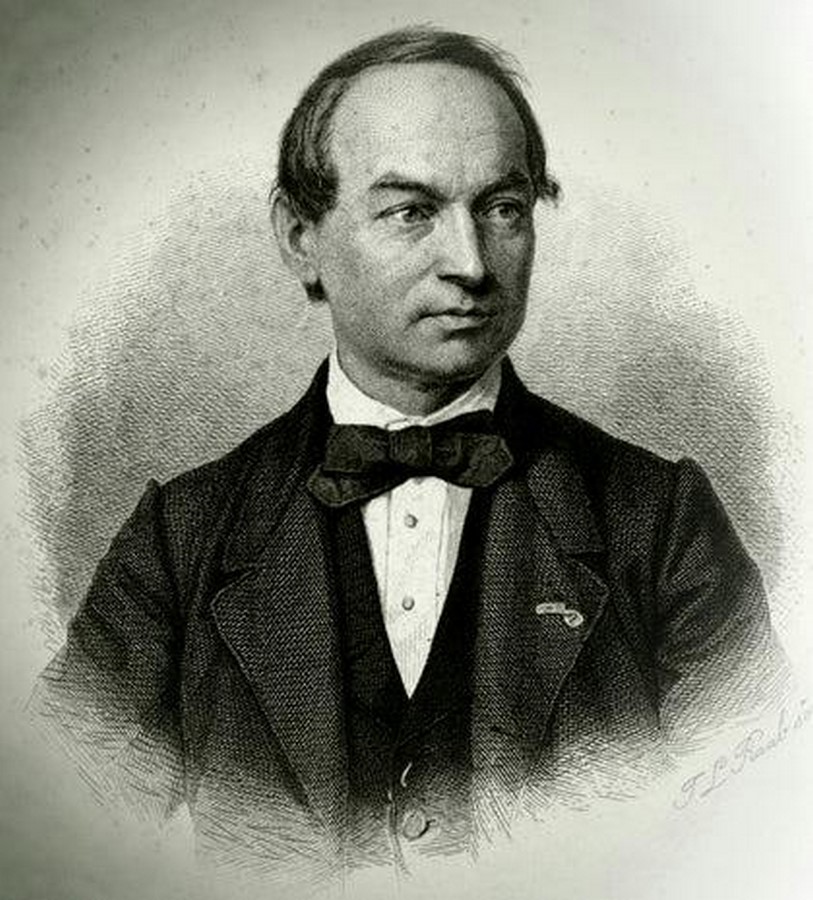
The journey of manufacturing began when Kasper Faber established a small pencil workshop in the town of Stein near Nuremberg. He set the foundation stone for the present Faber-Castell group, but it was his great-grandson, Lothar, who brought about the development of the German pencil business in the 19th century. Today, the company, headquartered in Stein, Germany, manufactures about 2 billion pencils in more than 120 different colors every year, making it one of the world’s largest art supply manufacturers.
From its early years, Faber-Castell focused on precision, quality, and innovation, which quickly set it apart from competitors. The company experimented with different types of leads, pigments, and pencil designs, establishing standards for durability and color richness. By the late 19th century, Faber-Castell had begun expanding internationally, exporting its products to Europe, the Americas, and later Asia, building a reputation as a reliable and innovative stationery manufacturer.
Product Evolution
Faber-Castell has been manufacturing pencils since the 16th century. The outdated manual manufacturing techniques have been continuously enhanced, mechanized, and eventually automated; however, the fundamental idea has not changed.
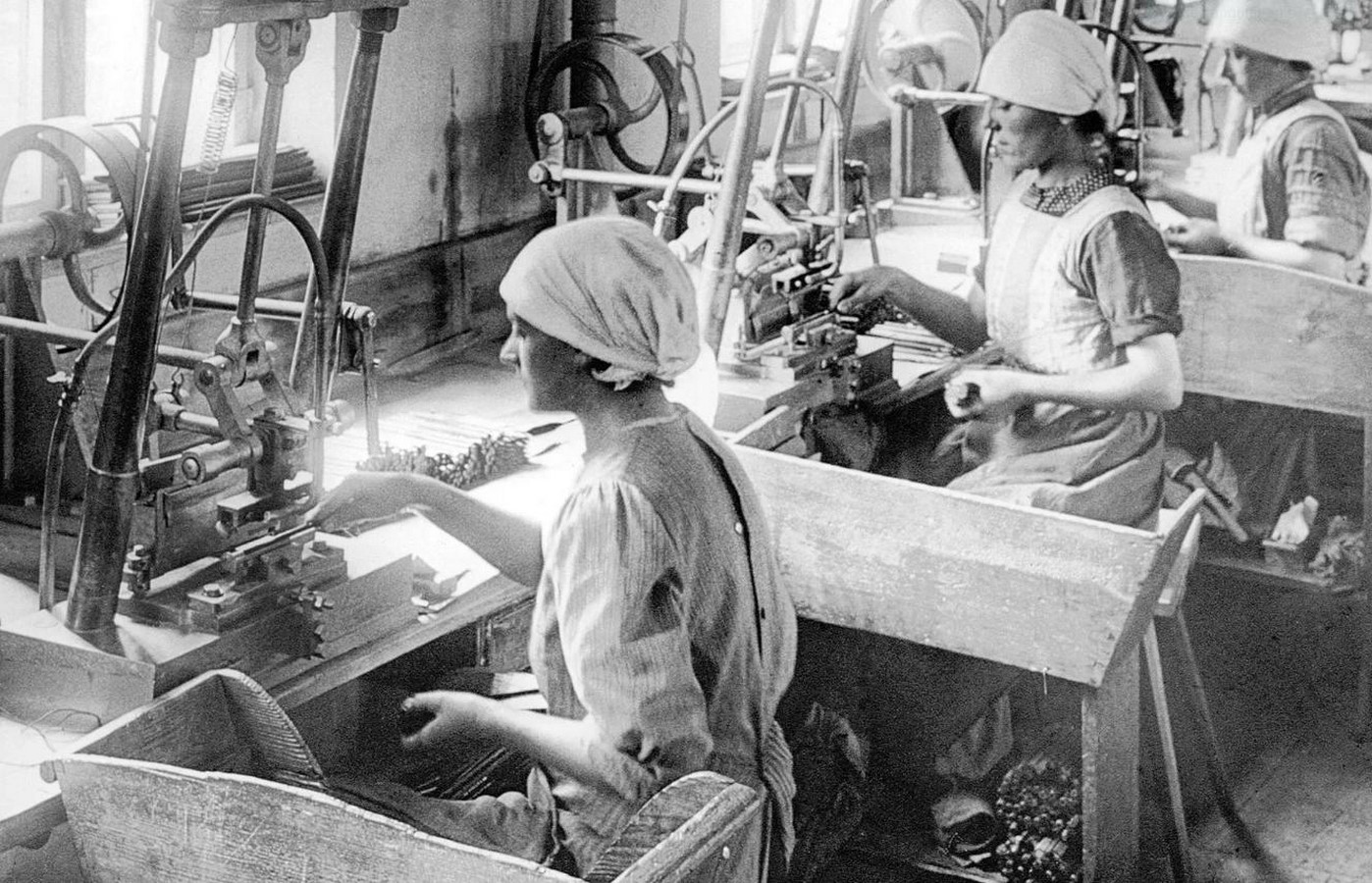
Faber-Castell initially used labor-intensive, manual pencil-making techniques, including sawing wood, cutting lead grooves, adhering leads, and sharpening and stamping pencils by hand. The business progressively mechanized these operations over time: lead insertion and pencil shape were automated, wood-sawing and planning were machine-operated, and even sharpening was converted from manual labour to machine operation. This industrialization enabled large-scale production and consistency in quality.
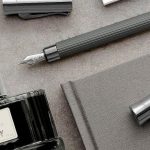
In 1905, the company introduced the Castell 9000 graphite pencil, followed by the launch of Polychromos coloured pencils in 1908, now considered an industry standard for artists due to their high-quality pigments and lightfastness. Later additions included a slate factory in Geroldsgrün ( for school slates, wooden rules and slide rules) and, in 1925, the erection of a sophisticated industrial complex in Stein, which is being used today to manufacture pencils. In 1993, the brand launched Graf von Faber-Castell, an exclusive line of luxury writing instruments designed for lovers of elegance and precision. This collection combines noble materials like Pernambuco wood, platinum, and leather with artisanal techniques that reflect centuries of expertise. Over the years, the product line expanded well beyond basic graphite pencils, including coloured pencils, technical drawing tools, pens, and a wide range of art and writing equipment, making Faber-Castell one of the world’s largest and most diverse stationery manufacturers.
Brand Strategy
Faber-Castell is a brand that enables and inspires creativity and self-expression for people of all ages. The brand underlines that its products are tools for creativity, letting people bring their ideas to life instead of just writing or drawing. This is for both kids who are learning about colors for the first time and professional artists who are improving their work. They use emotional branding, promoting themselves as a lifetime companion on the artistic journey, not just stationery, but a part of creative identity.
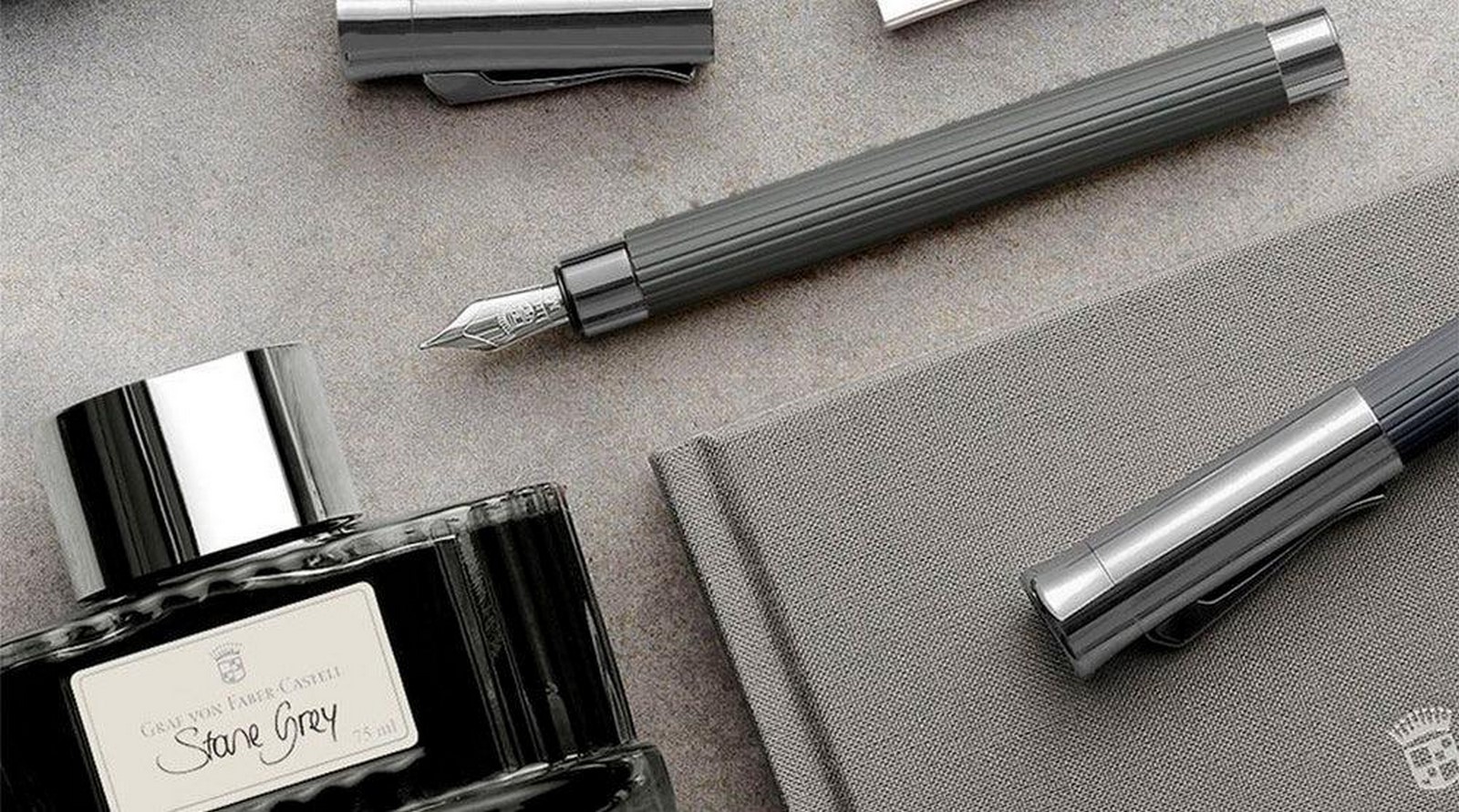
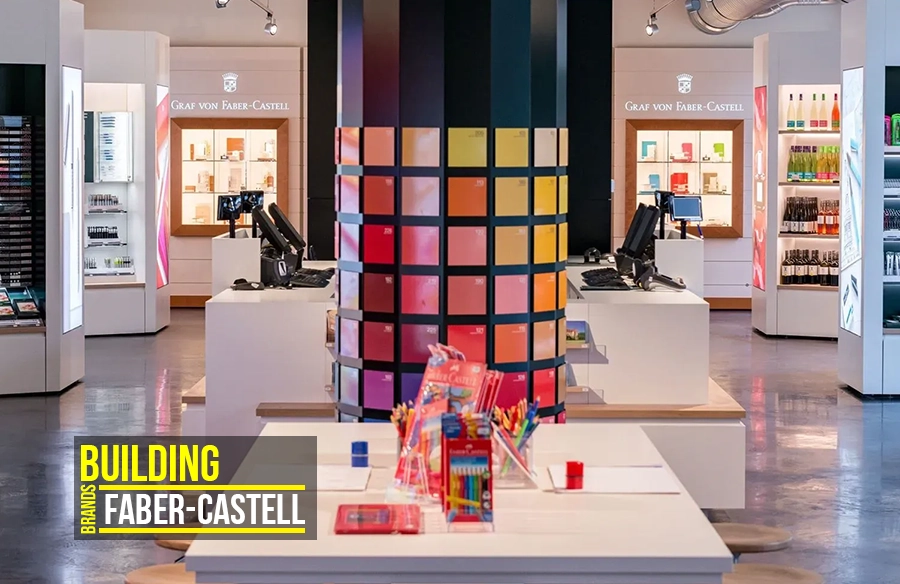
The brand also uses a structured product positioning, like entry-level pencils and kits for students, mid-range supplies for enthusiasts, and premium instruments under the Graf von Faber-Castell name. This division helps Faber-Castell to serve varied audiences while maintaining prestige in the professional and premium products.
Their marketing links creativity with sustainability and responsibility, employing sustainable sourcing as part of brand values, which resonates emotionally with current generations. They promote brand advertisement through community engagement, social media campaigns, artist collaborations, tutorials, interactive campaigns, developing loyalty, and a creative community around the brand. Additionally, Faber-Castell’s brand strategy emphasizes legacy and workmanship, utilizing its 250-year history to promote trust and authenticity. The brand carefully combines innovation with history, ensuring that new product advancements, whether in materials or design, represent both quality and creative inspiration.
In conclusion, Faber-Castell illustrated how a brand can mix legacy, innovation, and originality to remain relevant throughout generations. The firm, which started out as a modest workshop in Stein, Germany, has grown to become a world leader in art supplies and high-end writing instruments while maintaining a commitment to quality and workmanship. Faber-Castell has established an enduring heritage and a devoted global community via strategic brand positioning, emotional involvement, and an emphasis on sustainability, demonstrating that a tradition-based brand can continue to inspire creativity and self-expression throughout generations.
Reference:
FC-ECom. (n.d.). Official Website of Faber-Castell. Available at: https://www.faber-castell.com/.
Sell, I. (2025). Graf von Faber-Castell: A legacy of excellence in luxury writing. Iguana Sell. Available at: https://www.iguanasell.com/blogs/news/graf-von-faber-castell?srsltid=AfmBOopsiac2l97oKWJHSnnSDVGfCaG7VHLBm480CPSXFNFuJ_ZB0Suq
Wikipedia. (2020). Faber-Castell. Available at: https://en.wikipedia.org/wiki/Faber-Castell.
www.hamiltonpens.com. (n.d.). Faber-Castell: Pens, Pencils and a Whole lot of History! Available at: https://www.hamiltonpens.com/blogs/articles/faber-castell-pens-pencils-and-a-whole-lot-of-history.