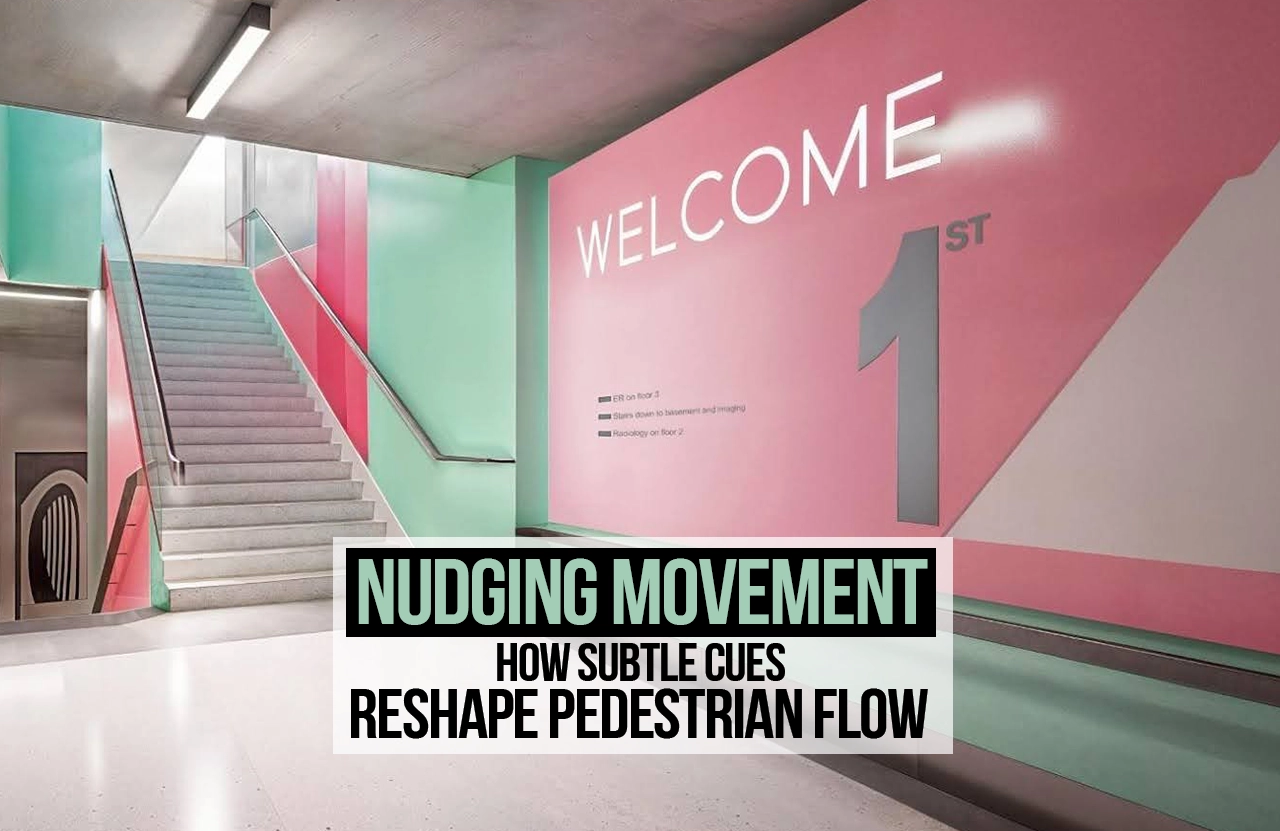
The Quiet Power of Behavioral Urbanism
Cities are imagined as living organisms, one that lives, breathes, moves and grows. Yet much of this fluidity depends on the simplistic feature of how people move. Walkability is a feature consistently described through infrastructure footpaths, crossings, signals, transit edges. Contemporary urban design has noticed a shift towards quieter features such as subtle cues to shape pedestrian behavior, guiding movement or flow in ways that are intuitive rather than imposed. As cities continue to get denser and expand in unprecedented ways, , these micro-interventions are emerging as powerful tools for creating safer, smoother, and more humane movement systems.
Nudge theory, having its origin in behavioral economics, is based on the principle of influencing an individual’s choice without any constraining choice. If this was translated into urban environments it means providing way finding strategies or spatial prompts to aid people in making more informed decisions in terms of movement which could be safer pedestrian crossings, organized queuing systems, less congestion and smoother circulation through complex areas. Contrary to the traditional planning systems, these nudges respect individual’s day to day behavior patterns rather than forcing these patterns to fit rigid geometries. The result rendered is movement in public spaces that feels almost invisible.
Colour and Material: Subtle Signals That Shape Flow
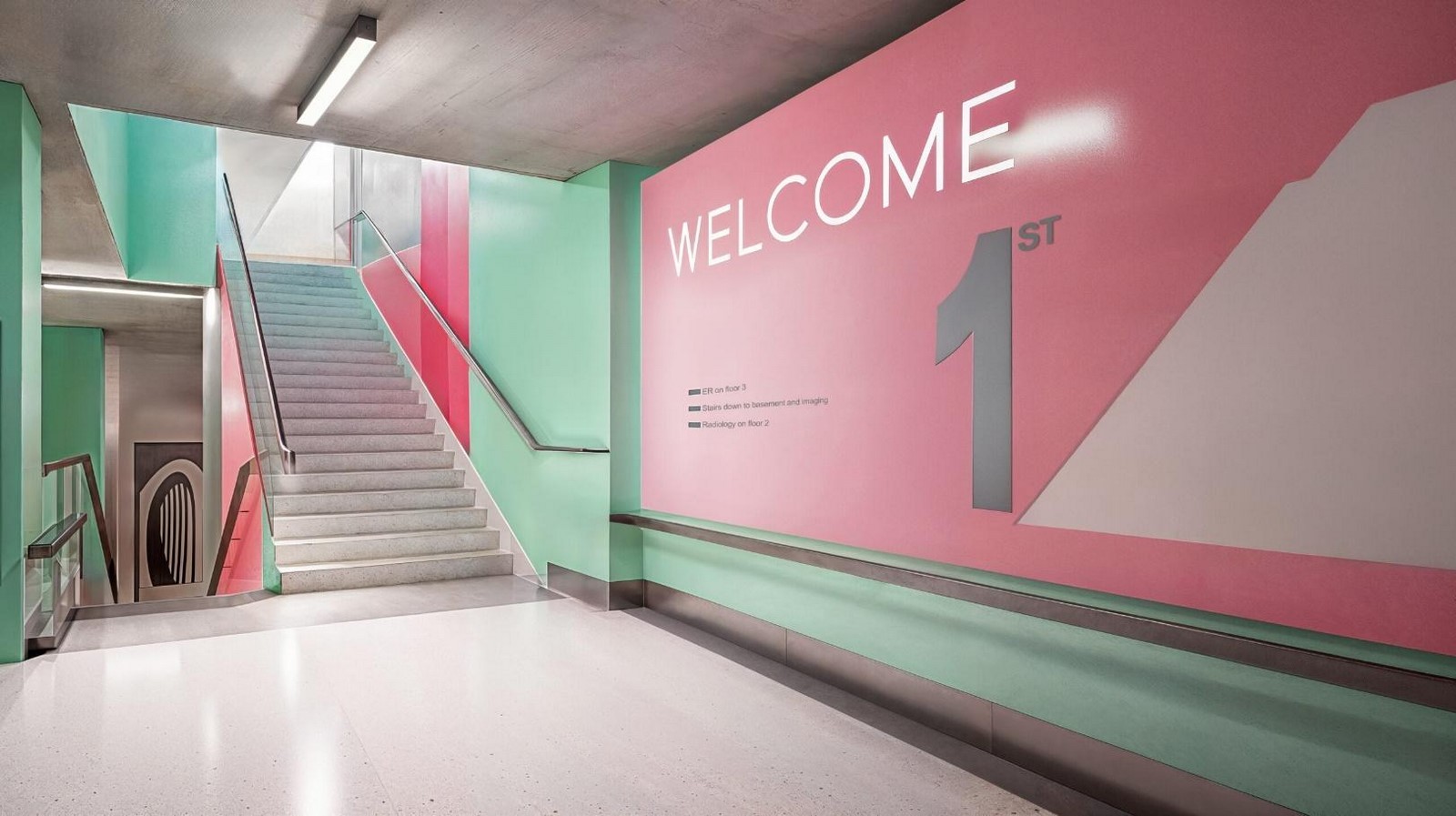
Colour functions as a powerful behavioral cue. It is noticed that warm colours naturally attract pedestrians while cooler or darker tones make areas recede. Designers and environmentalists use this strategy to redistribute pedestrian traffic. For example, applying brighter or visually capturing material to primary pathways and leaving the secondary and tertiary routes understated. Materiality works in similar ways. High-friction surfaces may encourage slower movement near intersections, while smoother textures help maintain steady flow in corridors and walkways. In multi modal transport hubs, color coded pathways help people to get to their destinations quickly, preventing unnecessary crowding and confusion in large multi-level stations. When used effectively, colour and material form a quiet guidance system that continuously nudges circulation.
Tactile and Sensory Nudges: Reading the City through the Feet
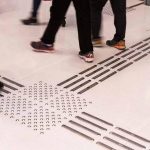
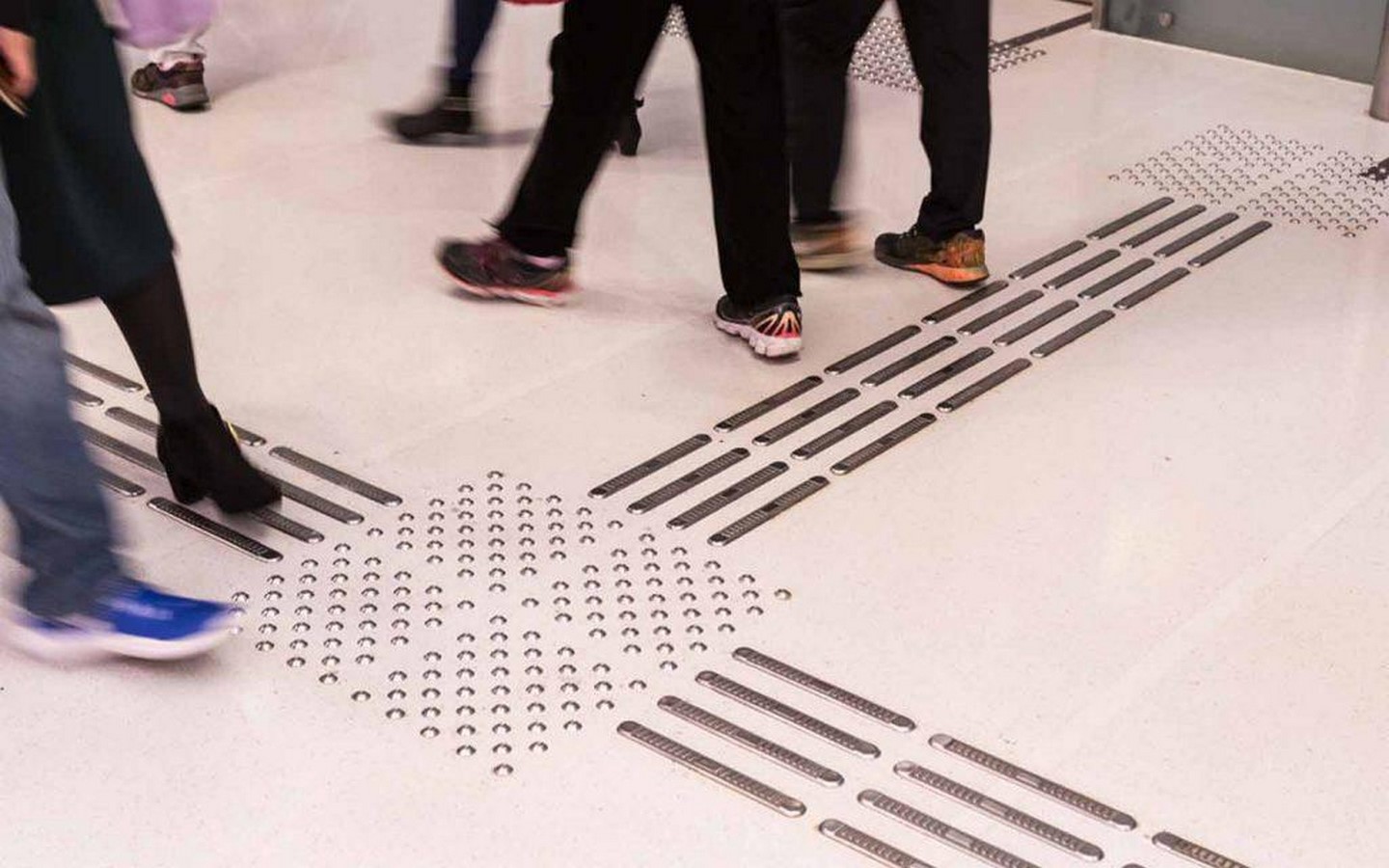
Tactile cues, which were initially developed for accessibility have now transformed into movement guiding aids. Textured paving, soft ridges, circular embossed pathways, abrupt shifts between zones such as shift from pedestrian-only plaza to a shared street. It is made sure that the design of these are done in such a way the shift feels subconscious, helping people moderate their speed or change their direction without having the need to visually process the signage. In shared spaces where pedestrian flow, cyclists, and movement of cars overlap, subtle material changes can communicate boundaries far better than merely having painted lines across the street. In this fashion the city becomes a multisensory interface where people navigate through the city at more ease and intuitively.
Lighting: Directing Flow through Illumination
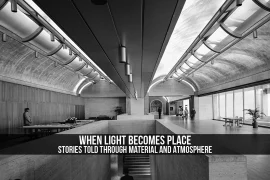
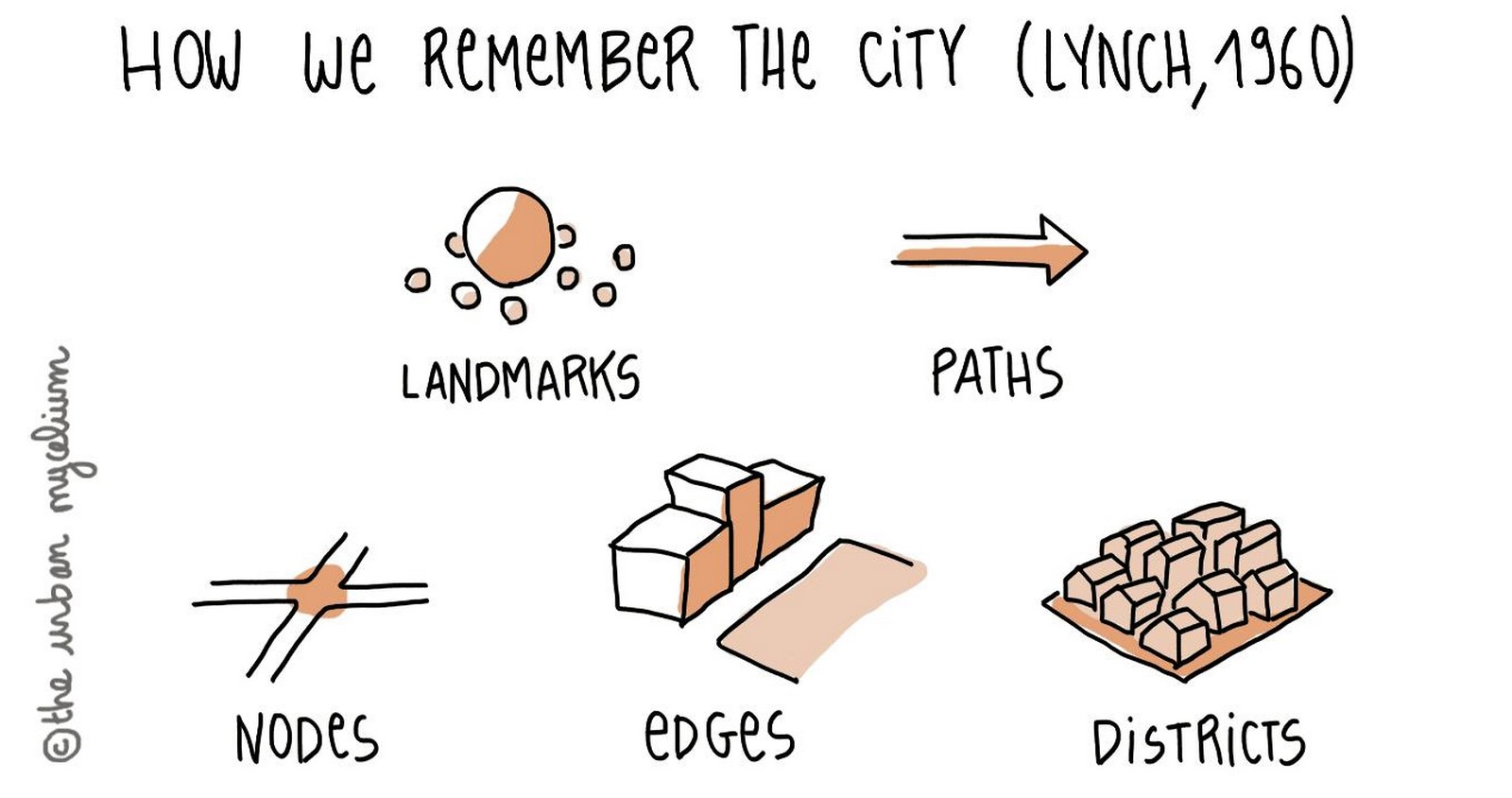
Lighting is considered one of the underrated nudging tools but holds utmost importance in an urban context. Beyond visibility lighting is an element that dictates flow, direction, rhythm and overall providing psychological comfort. For instance, linear led lights embedded in pavements or along a flight of stairs can gently steer crowds at night, creating a safe and accessible nighttime path. Museums, airports and cultural complexes also use lighting as a feature to highlight key nodes for pedestrian flow. Brighter or well-lit areas signal orientation hotspots and areas with dimmer lighting encourage slower pacing or lingering. Even variation in temperature of lighting can redistribute foot traffic drawing people toward psychologically “safer” illuminated routes. As circadian-aware lighting advances, its role in shaping pedestrian behavior will only grow stronger.

Ethics and Intent: The Responsibility of Subtle Influence
Nudges raise some important questions that need to be addressed. The most important one being where does subtle guidance turn into manipulation? The answer to this question has everything to do with intention and transparency. Nudges that improve safety, make the surroundings more accessible and provide comfort to pedestrians which basically serves public good is considered ethical. When these signals are used to improvise or advance commercial interests such as rerouting pedestrians towards shops there lies a risk of ethics. Ethical nudging has to be soft enough to enhance public experience rather than dictating user behavior.
Toward Intuitive, Human-Centered Cities
Overall, it is about designing for human behavior rather than against it. Individuals prefer clarity, ease and comfort in their paths. By utilizing cues, way finding strategies, visual, tactile and digital elements within the urban environment it puts pedestrians at ease taking into consideration their comfort levels. At the same time designers can create cities that feel more legible and less overwhelming. These interventions are not the biggest in terms of design features but they have a profound impact on the way humans traverse in public spaces thereby creating a smooth dialogue between people and place subtle, adaptive, and deeply human.
Citations:
- Material Bank, 2023. Wayfinding in Complex Medical Centers. Available at https://blog.materialbank.com [Accessed 23 November 2025].
- The Urban Mycelium, 2023. A Small Guide to Finding Your Way in Urban Environments. Available at: https://theurbanmycelium.com [Accessed 23 November 2025].