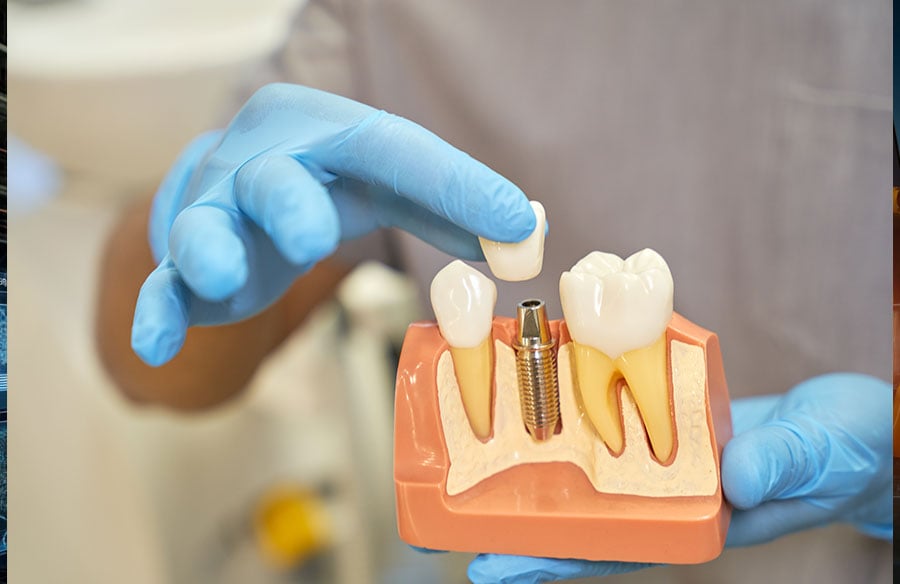
Dental implants have transformed the way missing teeth are replaced, offering a durable, natural-looking, and functional solution that far surpasses traditional dentures or bridges. Patients often ask: “How do dental implants work?” or “What should I expect during the procedure?” Understanding the process, benefits, and care requirements is essential for making an informed decision and ensuring long-term success. Implants are surgically placed into the jawbone, integrate with the bone structure, and support crowns, bridges, or dentures. This stability restores chewing efficiency, speech, and confidence while preventing bone loss and preserving facial structure.
This comprehensive guide breaks down the dental implants process, preparation, aftercare, and expert tips to maintain implant health. By the end, readers will feel confident about choosing implants and caring for them properly, maximizing their long-term benefits.
What Are Dental Implants?
Dental implants are artificial tooth roots, typically made from titanium or zirconia, designed to replace missing teeth. Unlike removable dentures, implants integrate with the jawbone in a process called osseointegration, creating a strong, permanent foundation. The implant consists of three main components:
- The Implant Post – Placed into the jawbone, acting as the root.
- The Abutment – Connects the post to the crown.
- The Crown – The visible part, shaped and colored to blend with natural teeth.
Implants not only restore appearance but also function. They allow patients to bite and chew naturally, improve speech, and provide stability that traditional dentures cannot match. Because implants stimulate the jawbone, they prevent bone loss, maintaining the facial structure and preventing premature aging often associated with missing teeth.
Who Is A Candidate For Dental Implants?
Not everyone is immediately eligible for dental implants. Ideal candidates typically have:
- Healthy gums and sufficient jawbone density.
- Good overall health and no uncontrolled medical conditions.
- Commitment to proper oral hygiene and regular dental visits.
Certain conditions, such as chronic illnesses, heavy smoking, or untreated periodontal disease, may require additional care before implants can be placed. Bone grafting or sinus lifts may be necessary for patients with insufficient bone volume. A professional consultation ensures a tailored approach, maximizing the chances of success.
Step-By-Step Dental Implant Procedure
Understanding the procedure reduces anxiety and helps patients prepare mentally and physically. While each case varies, the typical dental implant journey includes the following stages:
1. Initial Consultation and Examination
The first step involves a thorough assessment of oral health. Dentists take X-rays or 3D scans to evaluate bone quality, jaw alignment, and overall suitability for implants. Health history, lifestyle habits, and cosmetic goals are also reviewed. This planning phase ensures a precise and personalized treatment plan.
2. Implant Placement Surgery
During surgery, the dentist places the implant post into the jawbone under local anesthesia or sedation, ensuring comfort. Once inserted, the implant begins the process of osseointegration, where bone cells gradually grow around the implant, securing it firmly. This healing period can range from a few weeks to several months depending on bone density and overall health.
3. Abutment Placement
After the implant integrates with the jawbone, the abutment is attached. This small connector allows the crown or prosthetic tooth to be securely fastened. In some cases, the abutment is placed during the initial surgery, while others require a separate minor procedure.
4. Crown Placement
Finally, a custom-designed crown is attached to the abutment. The crown is shaped, colored, and polished to match surrounding teeth, ensuring a natural appearance. Once placed, the implant functions like a natural tooth, providing strength, stability, and aesthetic appeal.
Benefits Of Dental Implants
Dental implants offer multiple advantages over traditional tooth replacement options:
1. Long-Term Durability
With proper care, implants can last decades or even a lifetime, making them a cost-effective long-term solution. Unlike dentures, which require replacement and adjustment, implants maintain function and appearance over time.
2. Natural Appearance and Comfort
Implants look and feel like real teeth. The crown is custom-made to match your existing dentition, and the fixed structure eliminates the discomfort of removable dentures.
3. Oral Health Preservation
Implants stimulate the jawbone, preventing bone loss and maintaining facial structure. They also do not require adjacent teeth to be altered, unlike bridges that rely on neighboring teeth for support.
4. Improved Chewing and Speech
Because implants are stable, patients regain full chewing efficiency. Clear speech is also maintained, avoiding the slippage issues common with dentures.
5. Boosted Confidence and Quality Of Life
Implants allow patients to smile, eat, and speak without worry. Many report significant improvements in self-esteem and overall quality of life after receiving implants.
Caring For Your Dental Implants
Proper care is essential to maintain the longevity of implants. While implants cannot decay like natural teeth, the surrounding gum tissue is susceptible to infection. Following these guidelines ensures long-term success:
Maintain Excellent Oral Hygiene
- Brush twice daily with a soft-bristled toothbrush.
- Floss carefully around implants to remove plaque.
- Use antiseptic mouthwash if recommended by your dentist.
Regular Dental Checkups
Routine professional cleanings allow dentists to monitor implant health and detect early signs of complications such as peri-implantitis, a condition affecting the bone and gum tissue around implants.
Healthy Lifestyle Choices
Avoid smoking and limit alcohol intake. A balanced diet rich in calcium and vitamin D supports bone health, enhancing the durability of implants.
Protect Implants From Mechanical Stress
Avoid chewing hard objects or using teeth as tools. If you grind your teeth, ask your dentist about a custom nightguard to prevent implant damage.
Common Risks And How To Minimize Them
While implants have a high success rate, minor complications can occur:
- Infection at the Implant Site – Preventable with proper oral hygiene.
- Implant Loosening – Rare if the bone is healthy and surgery is precise.
- Nerve or Sinus Issues – Proper imaging and professional planning reduce these risks.
Most complications are preventable with good hygiene, professional care, and adherence to post-operative instructions.
Recovery Timeline
Recovery varies per individual. Swelling, minor discomfort, or bruising is common during the first few days. Soft foods are recommended initially, gradually transitioning to a normal diet as healing progresses. Most patients resume normal activities within a few days, but full osseointegration may take several months.
Final Thoughts
Dental implants provide a long-term, functional, and aesthetically pleasing solution for missing teeth. By understanding the procedure, preparation, and aftercare, patients can make informed decisions and ensure lasting results. With proper hygiene, regular professional checkups, and lifestyle management, implants offer years of reliable function and comfort. Trusted clinics like Nuffield Dental provide expert guidance, quality materials, and personalized care to ensure the best outcomes for every patient.
FAQs
Are Dental Implants Painful?
Most patients experience minimal discomfort. Local anesthesia or sedation ensures comfort during the procedure.
How Long Does The Healing Process Take?
Healing and osseointegration typically take 3–6 months, depending on bone density and individual health.
Can Anyone Get Dental Implants?
Candidates must have healthy gums, sufficient bone, and good overall health. Some conditions may require preliminary treatments.
Do Implants Require Special Maintenance?
No, implants require standard oral hygiene practices like brushing, flossing, and regular dental visits.
Can Implants Fail?
While rare, failure can occur due to infection, poor bone quality, or trauma. Prompt professional care usually resolves minor issues.