Community can be defined as a group of people coming together with specific characteristics they share as a commonality. Similarly, architecture amalgamates the science and the art of designing and constructing the built environment. Therefore, the terms combined, community architecture can be endeavoured as a key movement wherein the user community is utilised efficiently throughout the designing and management process of building construction through active participation. The key design principles of community architecture include (Scribd, n.d.):
- Inclusivity– of user groups within the design process, like member initiatives, interactions, and collective creative decisions
- Productive conversations- such as coherence in inquiries and sustaining a network of dialogues within design
- Innovation focus- broadening the horizon of viewing architecture and witnessing opportunities within the community
The performance aspects within community architecture also direct the criteria for fulfilling the necessary needs for the users (Scribd, n.d.).
- Vitality- the form positively correlated with the function of the space created, biological requirements, and needs of users (e.g., environment, structures)
- Sense- spaces being clearly processed in time by users (e.g., wayfinding, mental maps)
- Fit- Form and capacity in par with the pattern of behaviour that users engage with (e.g., public spaces, land use)
- Access- ease of accessing other elements or information (e.g., networks, pathways)
- Control- the degree to how much the user community can access the spaces created (e.g., security, enclosures)
- Justice and efficiency- estimated cost of achieving a certain outcome within the design (e.g., the share division of user ownership in spaces)
Thus, following these procedures with maximum collaboration among the user community will result in greater satisfaction, economic benefits at an urban scale, and will produce a positive psychogeography within the city.
Redefining Purpose of Architecture: South America
Community architecture in South America is manoeuvring towards a collective act. Digressing from the quintessential narrative of society, various architectural studios are building alongside the cultural communities associated with them, learning from vernacular architectural practices. Moreso, participatory urban design has been a key focus with mutually harmonising collective opinions and respect within the community.
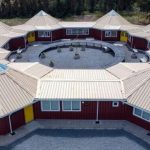
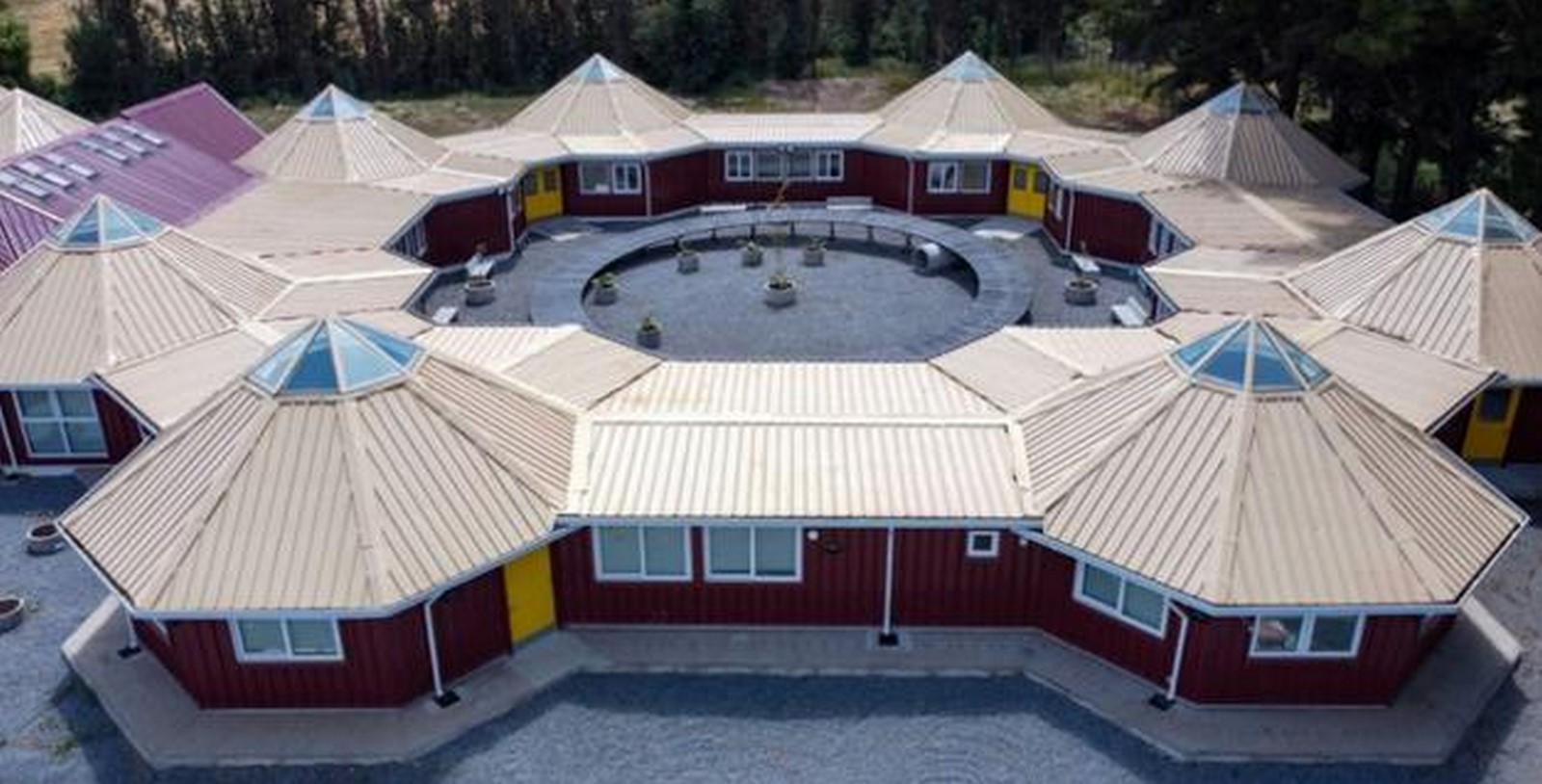
One such example includes designing schools in rural areas. Specifically, ‘La Piedra School’, situated in Chile. Built with the sole purpose for the ‘Mapuche’ community of Galvarino, the design captures the cultural values and the deep dialogue entrenched within. Therefore, a design proposal was created to provoke the educational needs as well as preserve the cultural identity of the Mapuche community (ArchDaily, 2023). Subsequently, the circumference, orthogonality, and cardinal points are considered the fulcrum of the worldview. For instance, a central courtyard in the school for ‘Canelo’ plays an important part in bringing together people during ceremonies. Similarly, a dedicated space for ‘Rehue’ centralises the Mapuches’ ideation of spirituality (ArchDaily, 2023).
Furthermore, the design philosophy of form following function in this case is also applicable in terms of circular spaces, visually exerting the societal norm of how equality within community discussions is achieved. Even in classrooms, children are seated at equal distances from the teacher, acknowledging the community-rooted values. With regards to biophilic integration, the morning rays of sunshine reflect directly into the classrooms, symbolising the new day of learning and growth. The dual approach, considering nature and spirituality, enriches the deeper connection of the Mapuche community and architecture.
Sustainable Choice of Action?
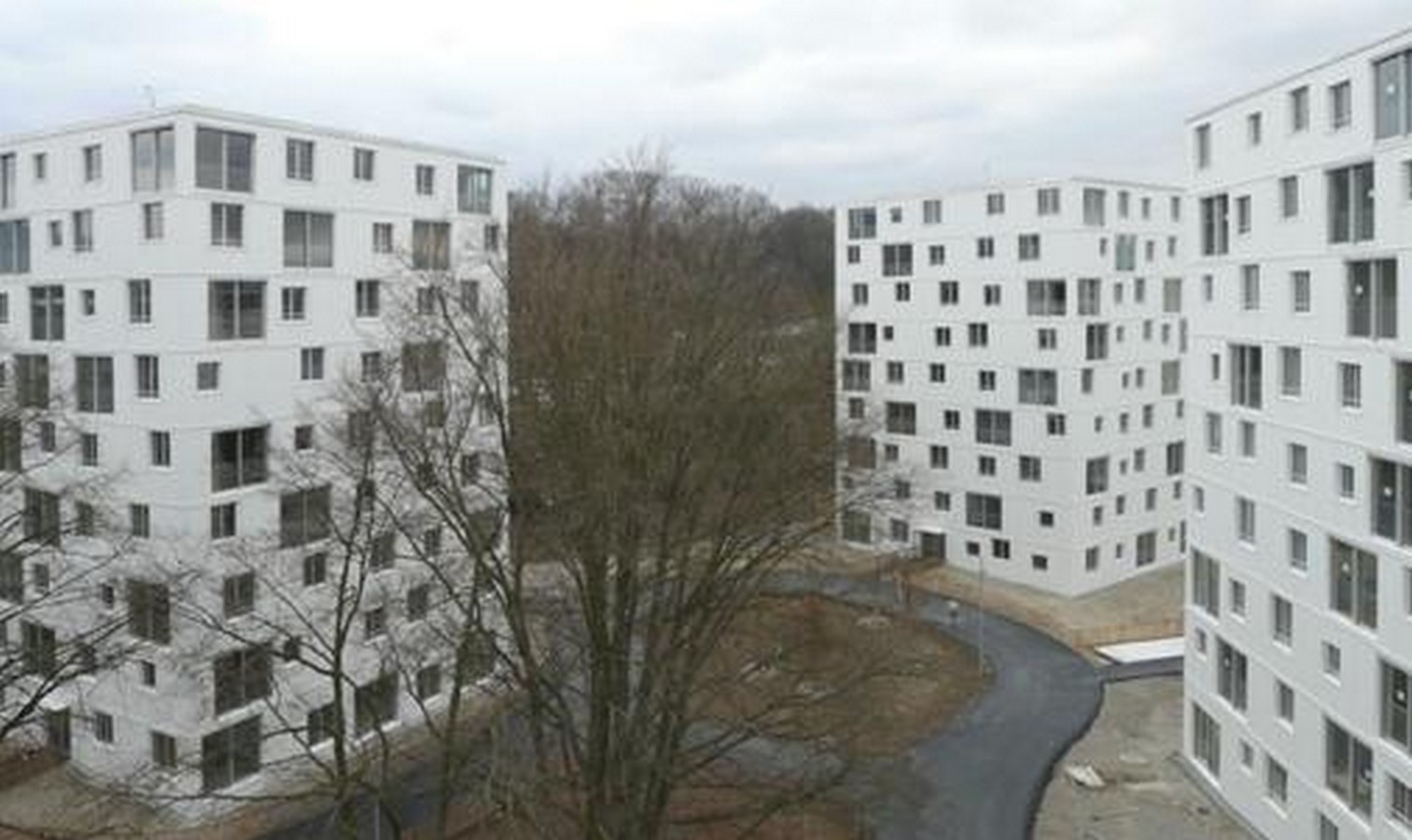
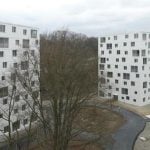
A particular example includes the Hudson Yards, which opened in Manhattan in 2019. The proposed design contained 16 towers with 4000 residential units to create a strong community. Contrastingly, despite the public spaces like plazas and amenities, a blank emotion emerged. The development resulted in an inquisitive animosity, reflecting the harsh truth of human social capacity in society (Ankitha Gattupalli, 2025). Sometimes, architecture can be considered an overpower to the basic human cognitive abilities, negatively impacting the spatial and user intimacy. Therefore, can such intimacy withstand the project built for thousands instead of dozens (Ankitha Gattupalli, 2025)? In addition, British anthropologist Robin Dunbar has also claimed the notion that ‘humans can comfortably maintain a stable relationship with approximately 150 people.’ (Ankitha Gattupalli, 2025).
Concerns within the public realm also increased with the expansion of community architecture. For instance, ‘skip-stop’ elevators nudged users to utilise the stairwells. However, this encouraged muggings frequently. Similarly, dimly lit galleries turned into gang hangouts rather than communal spaces. Therefore, the lack of accordance of intended spaces with the ever-growing community is digressing from truly retaining the purpose of communal unity.
References:
Ankitha Gattupalli (2025). Scaling the Threshold: When Community Architecture Becomes Too Large. [online] ArchDaily_© https://www.archdaily.com/1035410/scaling-the-threshold-when-community-architecture-becomes-too-large?ad_campaign=normal-tag.
- ArchDaily. (2023). La Piedra School / Correa 3 Arquitectos_© https://www.archdaily.com/1006663/la-piedra-school-correa-3-arquitectos?auth=hadid.
- Scribd. (n.d.). Community Architecture | PDF | Community | Emergence_© https://www.scribd.com/document/418945002/Community-Architecture.
- Tovar, E. (2024). Community Growth Through Architecture: Maximizing Limited Resources for Positive Impact. [online] ArchDaily_© https://www.archdaily.com/1016682/community-growth-through-architecture-maximizing-limited-resources-for-positive-impact.