Colour Usage
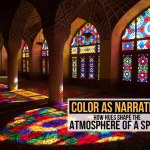
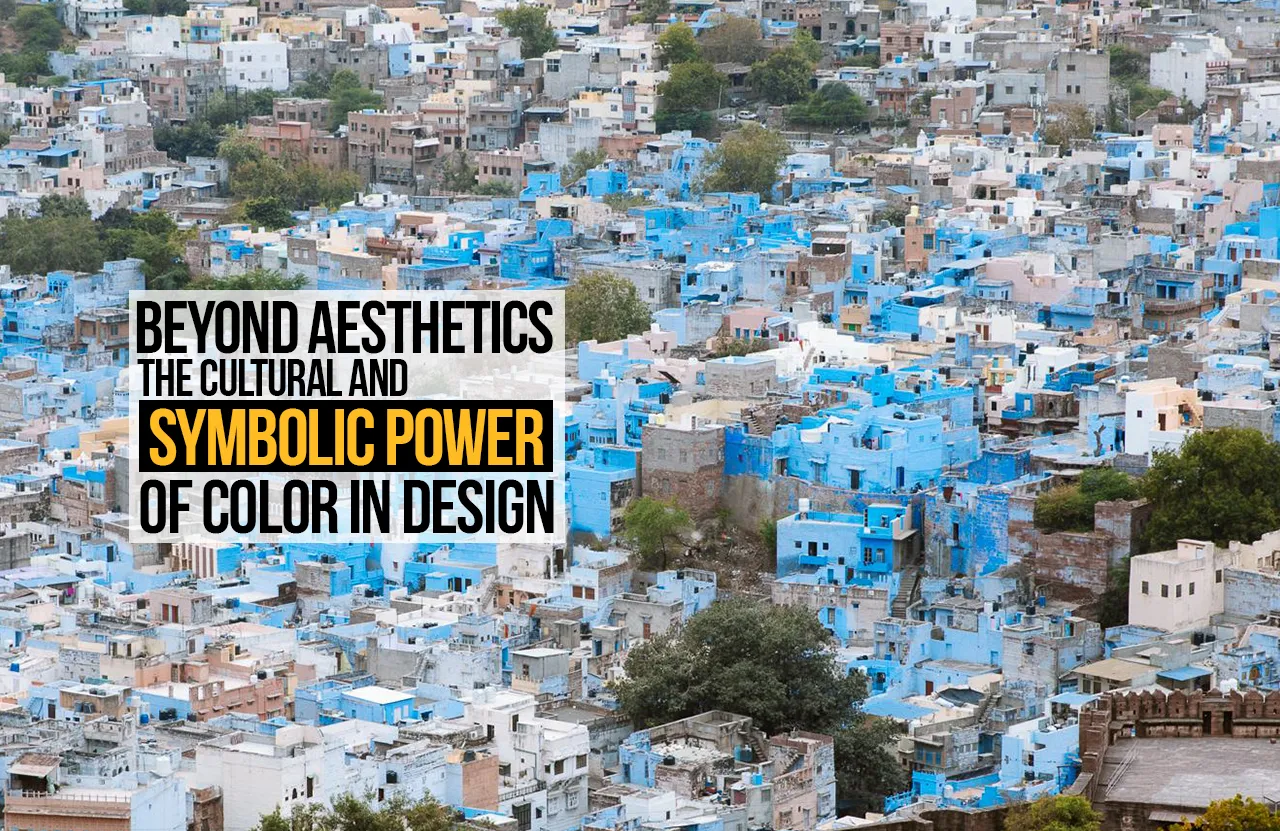
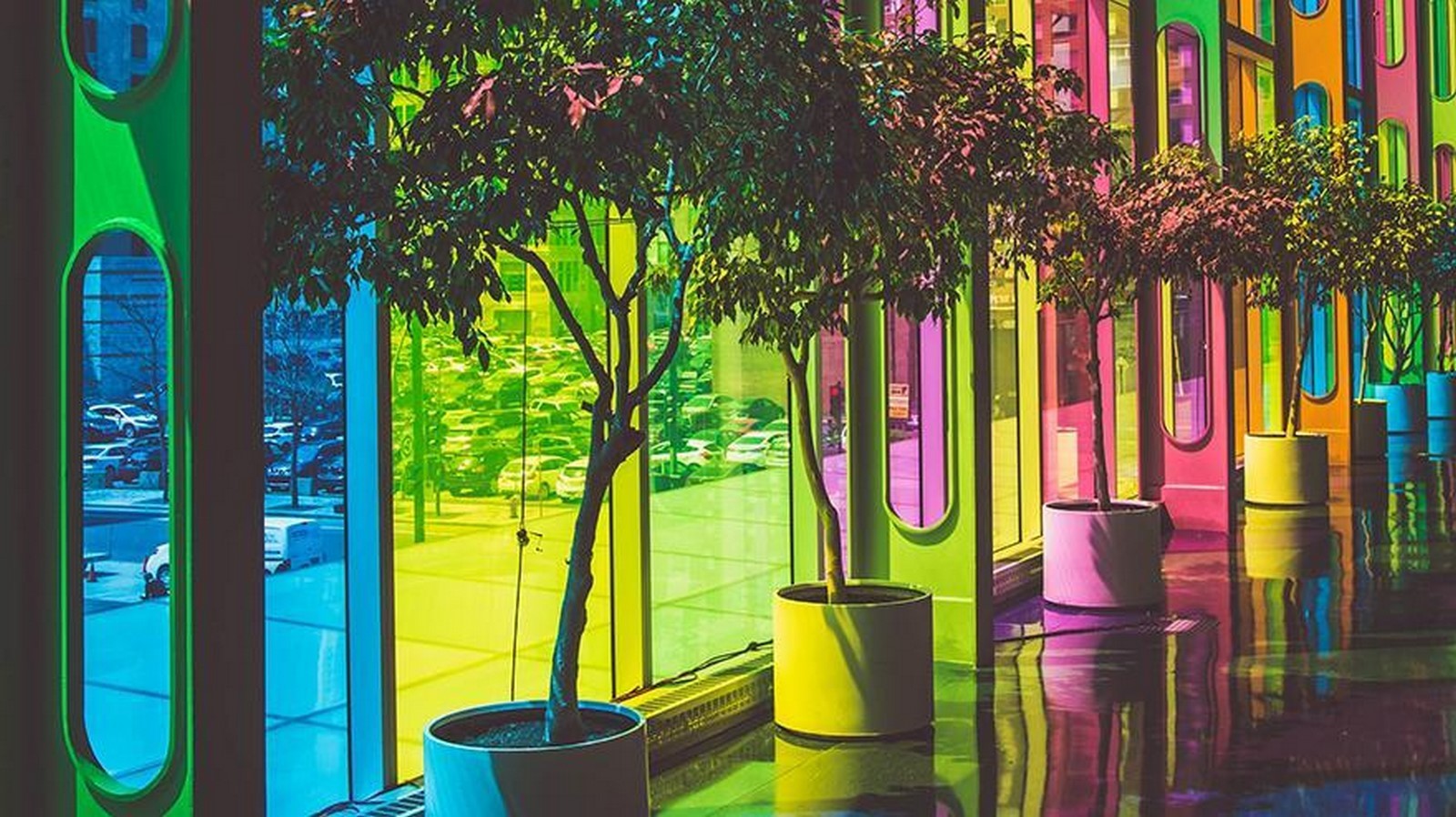
Colours are one of the most salient features of any visual viewed by mankind, a property of an object, material, or space. In design, colour does not just serve as a channel to add vibrance and appeal to an entity, but also as an expression that provides familiarity and comfort, alluding to the rich history and the geographical context of the space. It is far more than an aesthetic choice, delving into the nuances of emotions, work culture, tributes to heritage, and a reflection of the rich repository of resources and the Earth. Colour has often been used to signify a multitude of cultural variations and choices across the world, transforming into a binding medium to make the space one. From bustling market spaces, sprawling airports, lush green gardens, to peaceful living rooms, colour is omnipresent with the quality of being retained in the memory of users.
Colour Psychology
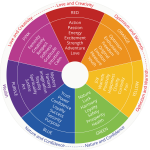
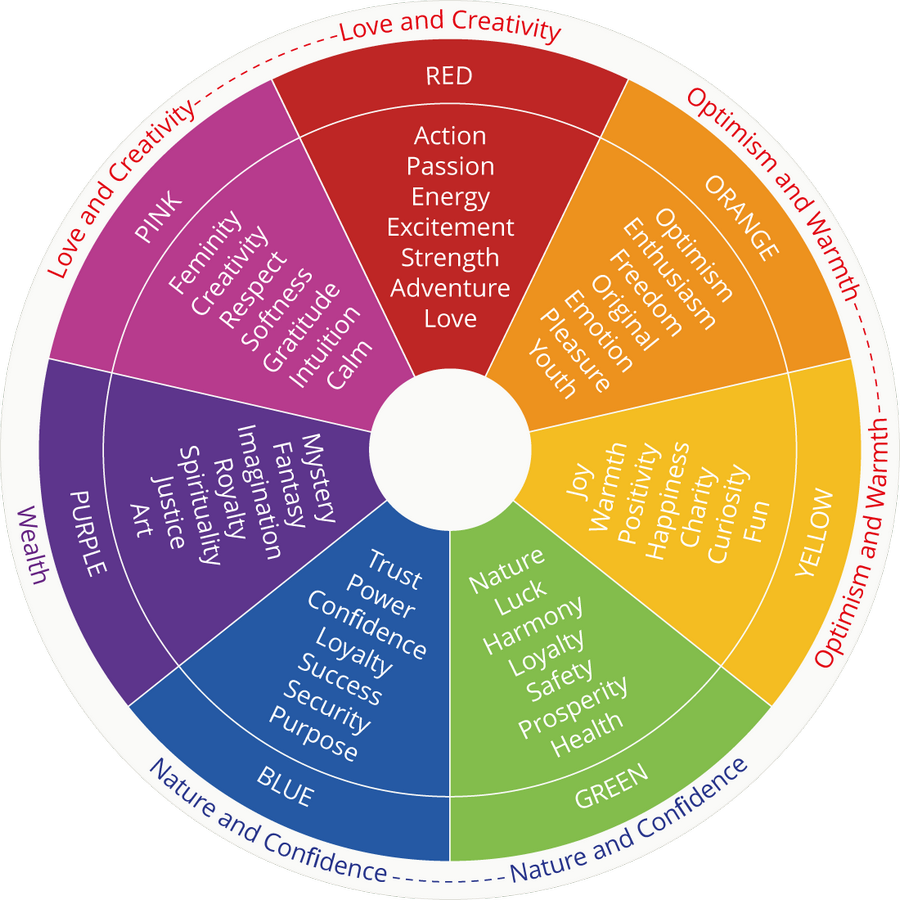
Colours possess a pivotal role in ensuring and influencing human emotions, well-being, and behaviour. Interior designing might often overlook these functions over client choices and visual appeal, affecting the way the space is perceived and interpreted. It might also cause differences in the output of the room, an aspect that needs to be studied and catered to. Colour conveys information non-verbally, a model studied meticulously and implemented in the field of colour psychology. This subject assigns different emotions to different colours, which evoke upon viewing those hues. For example, given below are a common set of colours and their associations:
- Yellow: Believed to uplift mood and enhance cheerfulness, yellow colour often helps people think of new ideas and bring about creativity.
- Red: An attention seeker and makes a statement with symbols of strength, power, and danger. A strong colour that it is, it energises the viewer and exudes love and passion.
- Blue: A serene hue of the lot, it is often associated with intellect, loyalty, and integrity. It often accentuates business minds and relates best to professionalism and conservation.
- Green: A natural eye refuge, green is often alluded to natural resources, life, and fertility. It symbolises balance, growth, and security.
- Orange: It signifies bustling energy, encouragement, and confidence. It emanates warmth and happiness, urging viewers to sense the space with enthusiasm and curiosity.
Pattern and Palette
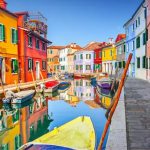
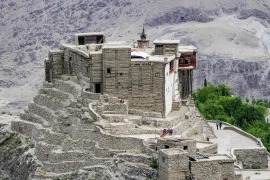
Colours in the realm of architecture and design have evolved as a function of the geography, traditional values, availability, and affordability. Historically, buildings were constructed of materials found in the soil and above, close to the site, making the material palette unique and sustainable. Regions with different resources, such as clayey soil, silty soil, and laterite to make bricks, a wide range of sandstones, granites, and shale, and a plethora of softwoods and hardwoods, all these determine the physical features, reflecting colour and texture to the users. In the cultural perception of an area, traditions, customs, and beliefs have shaped the built environment and its particulars. With certain colours associated with luck and auspiciousness, dark energy and devils, spirituality and nature, built spaces have evolved to reflect the beliefs of the occupants and neighbourhood.
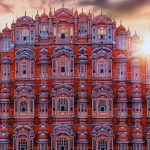
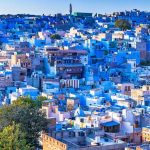
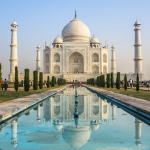
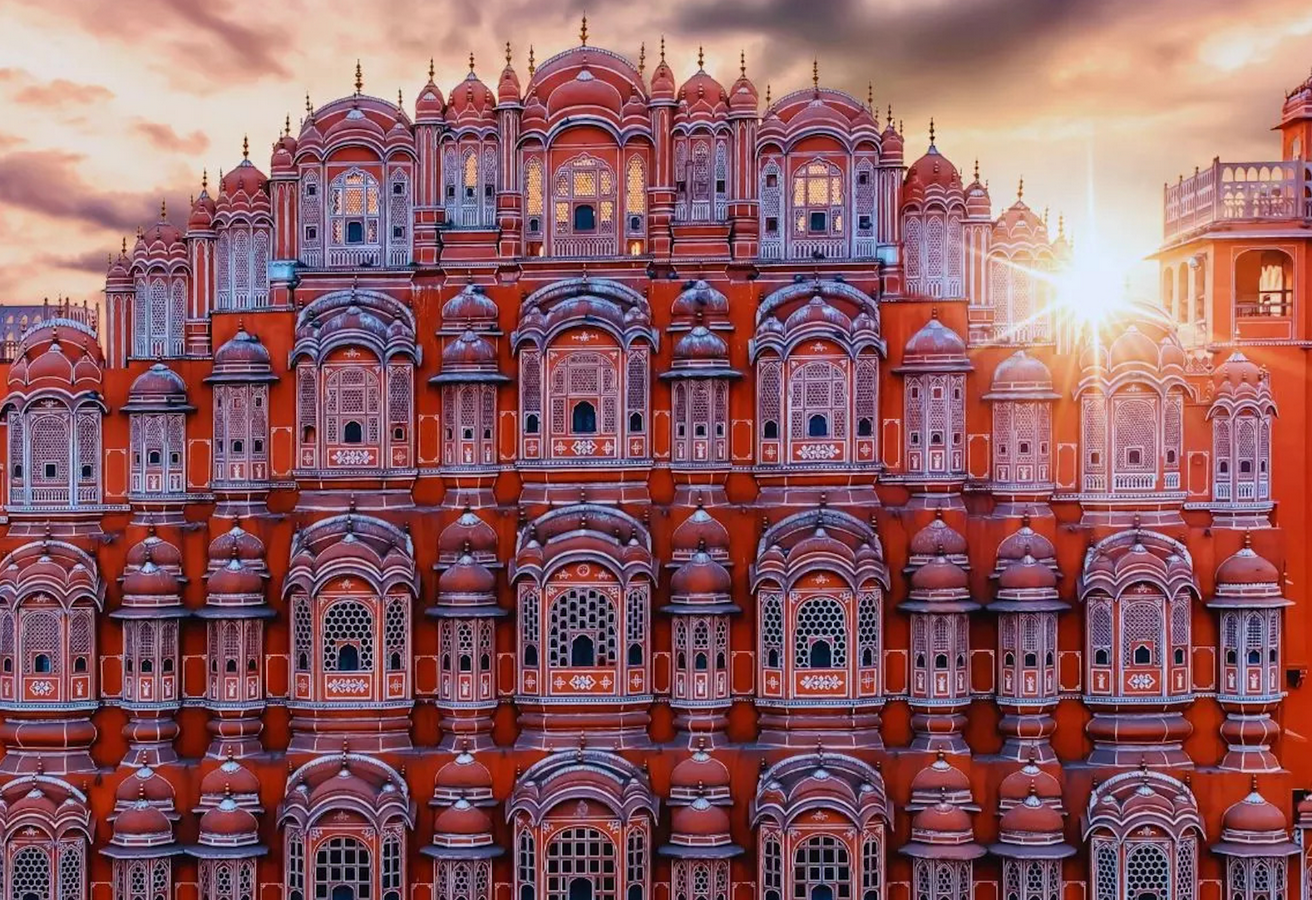
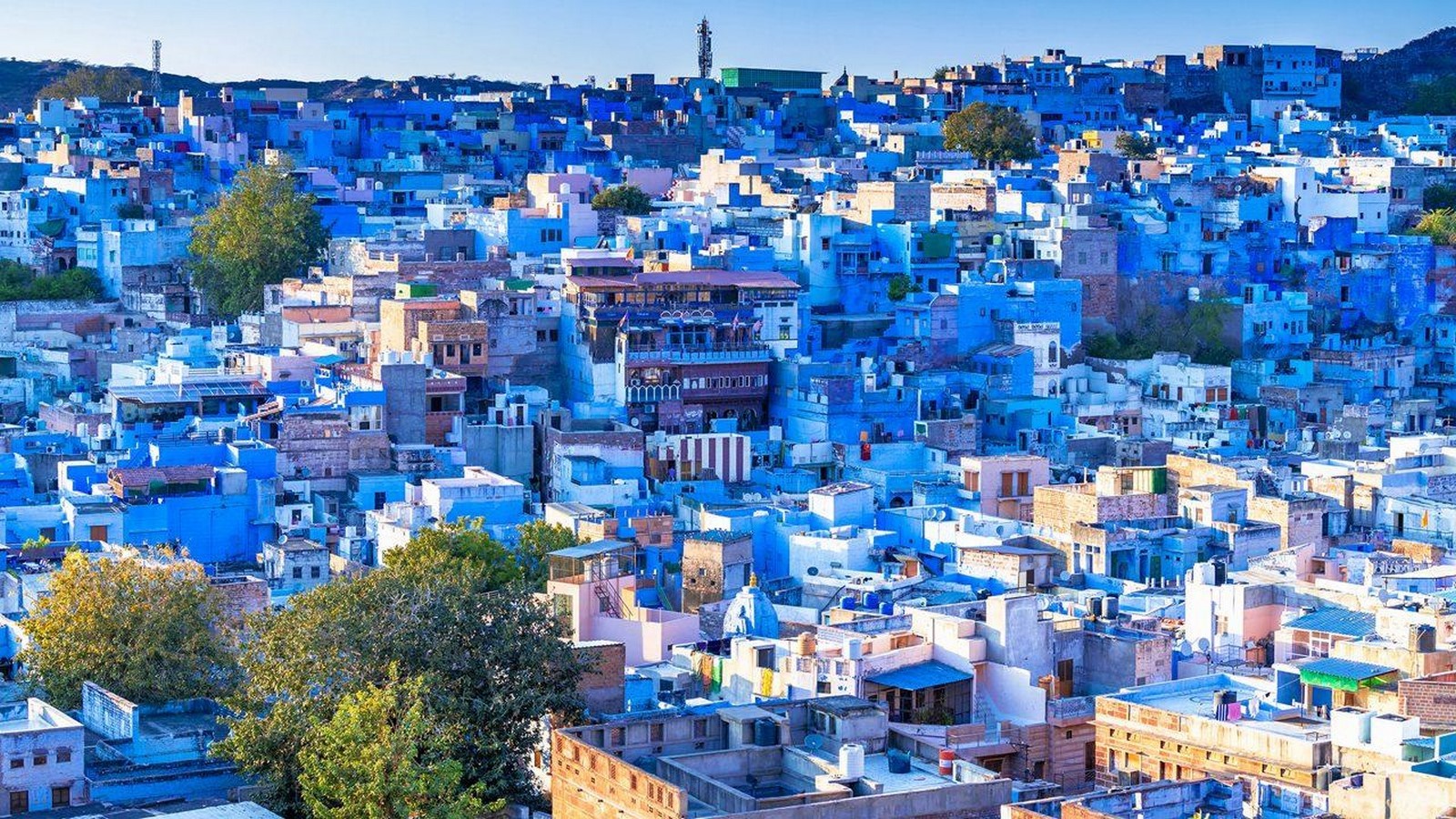
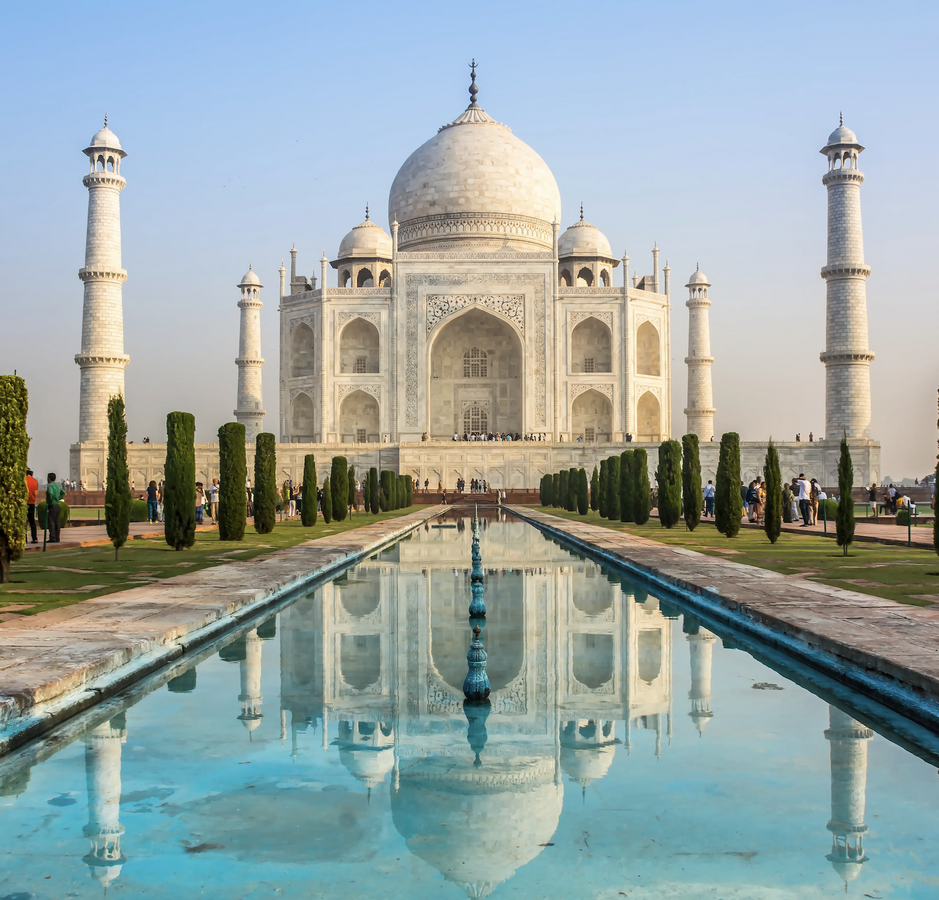
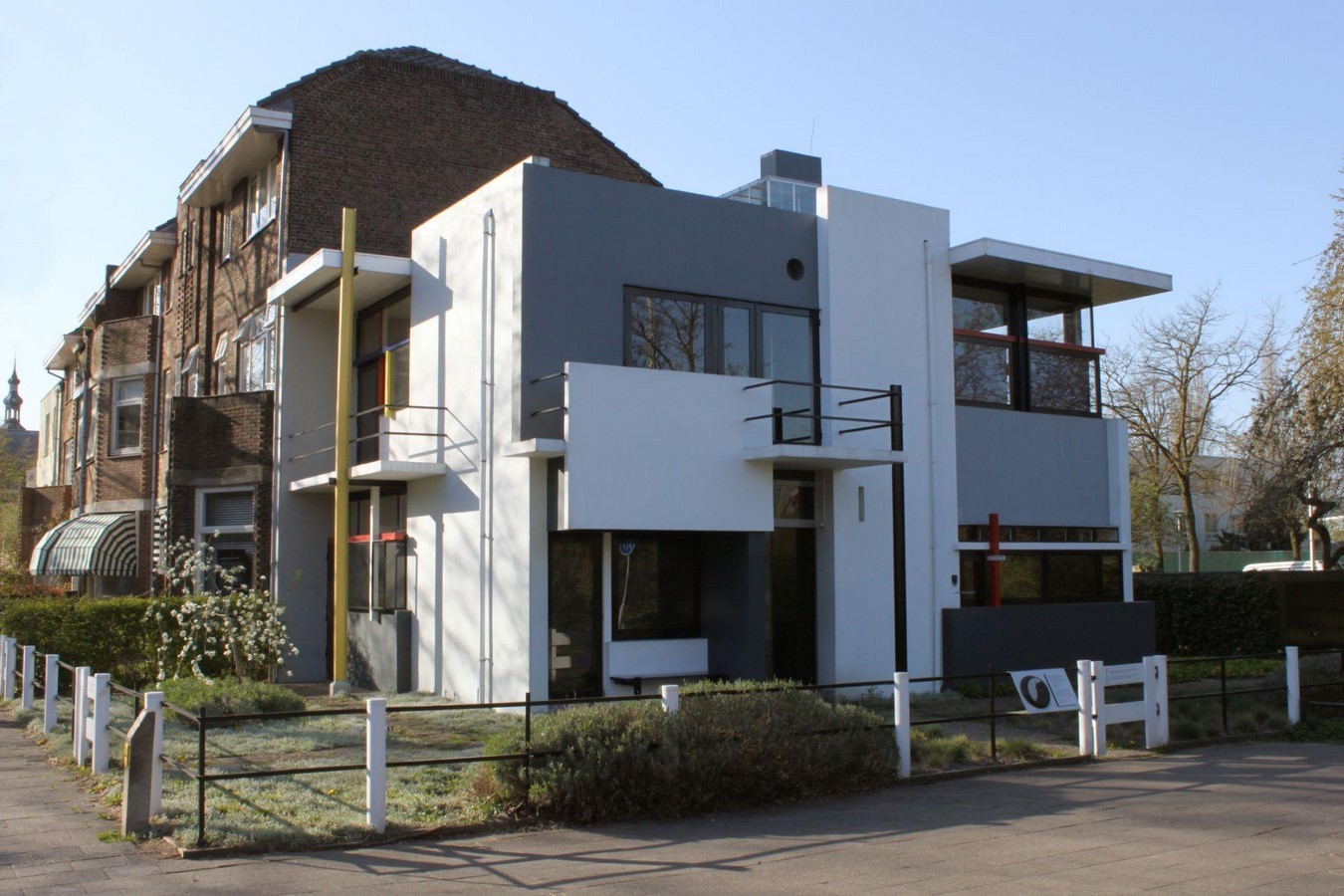
In a popular example, Jaipur, or as it is affectionately heralded as the ‘Pink City’ got its name due to the characteristic colour of the construction material used there, which is red sandstone. Extensively visible in the city’s dwellings, sculptural gates, and bazaars, the sandstone has become an identity of the people and place, with people now deliberately painting their houses pink to retain the legacy. On the other hand, Jodhpur, a city just 350 kilometres to the west of Jaipur, is popularly known as the ‘Blue City’ owing to the residential facades painted in cool blue. One can reason that such a choice could be a result of the harsh temperatures of the region, making blue as a visual refuge and a way to combat excessive heat absorption and reflection. The story of its being can be traced to a time when wars and social practices were predominant in the areas. To reflect their social status and as an identity mark, the Brahmins of the city painted their houses blue, a colour symbolic of ‘Lord Shiva’ and also the ocean ‘Samudra.’ The Taj Mahal, built out of White Makrana Marble from Rajasthan, is known to be the epitome of love, symbolising its purity and serenity through the unblemished white. While the marbles came to be a medium of exquisite craftsmanship and sculptural prowess, the colour imbued a deeper meaning and tribute to commemorate the cause of the monument. The Rietveld Shröder House, designed along the lines of De Stijl, uses primary colours to add vibrance and order to the residence, rooted in simplicity and geometry.
Through the Ages
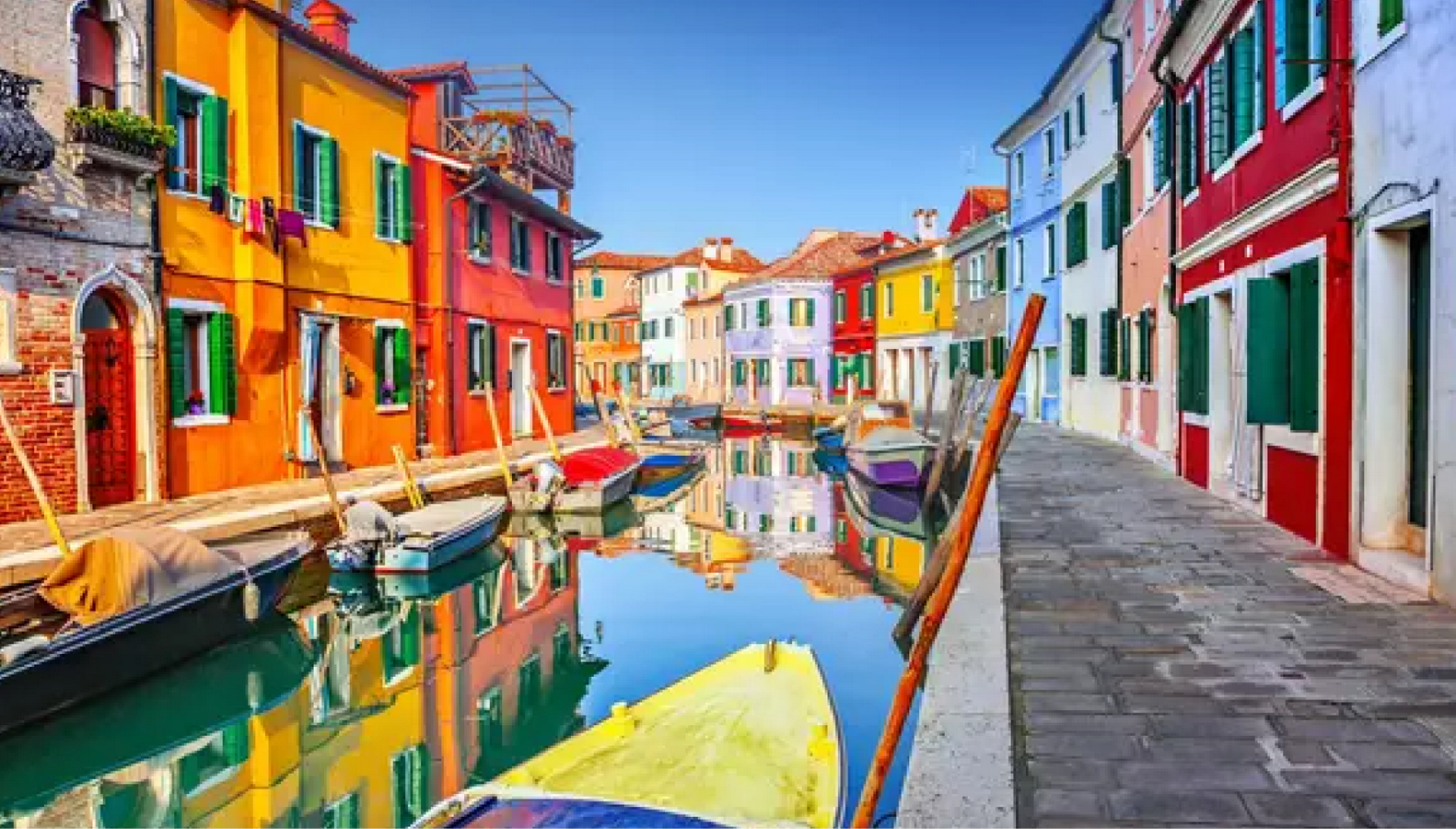
Colours have been used to symbolise power and refuge, God and spirits, nature and opulence, all through structures of wood and brick, imbuing qualities into all buildings and spaces nonetheless. While the ages of the growing civilisations flaunted more natural and rooted colours as brown and yellow, with hints of pop, classical eras looked forward to neutral and mild hues. People found colour and joy amidst the imposition of colonial forces in Goa and Pondicherry, while the temple towns of southern India celebrated tall Gopurams and temples painted in pink, blue, green, and gold. In the contemporary sense, we find colour palettes stemming from personal choices, creating structures of visuals drawn from different contexts and inspirations.
The references are given below in Harvard citation style:
Chohan, D.A. (2023). The Psychology of Color in Design: Influencing User Behavior and Emotions. [online] Medium. Available at: https://medium.com/design-bootcamp/the-psychology-of-color-in-design-influencing-user-behavior-and-emotions-f95b31d81092.
Dey, A. (2025). Tamannaah Bhatia’s coach reveals why ‘Greek yoghurt’ is the easiest food to improve protein intake | Health. [online] Hindustan Times. Available at: https://www.hindustantimes.com/lifestyle/health/tamannaah-bhatia-s-coach-reveals-why-greek-yoghurt-is-the-easiest-food-to-improve-protein-intake-101761999689046.html [Accessed 2 Nov. 2025].
Johari, Y. (2024). Color Palettes of the World: Exploring Cultural Significance in Design. [online] RTF | Rethinking The Future. Available at: https://www.re-thinkingthefuture.com/architectural-community/a11868-color-palettes-of-the-world-exploring-cultural-significance-in-design/.
Team Kaarwan (2024). Historical Significance of Color in Architectural Styles. [online] Kaarwan blogs. Available at: https://www.kaarwan.com/blog/architecture/historical-significance-of-color-in-architecture?id=465.
London Image Institute (2020). Color psychology: How Do Colors Affect Mood & emotions? [online] London Image Institute. Available at: https://londonimageinstitute.com/how-to-empower-yourself-with-color-psychology/.