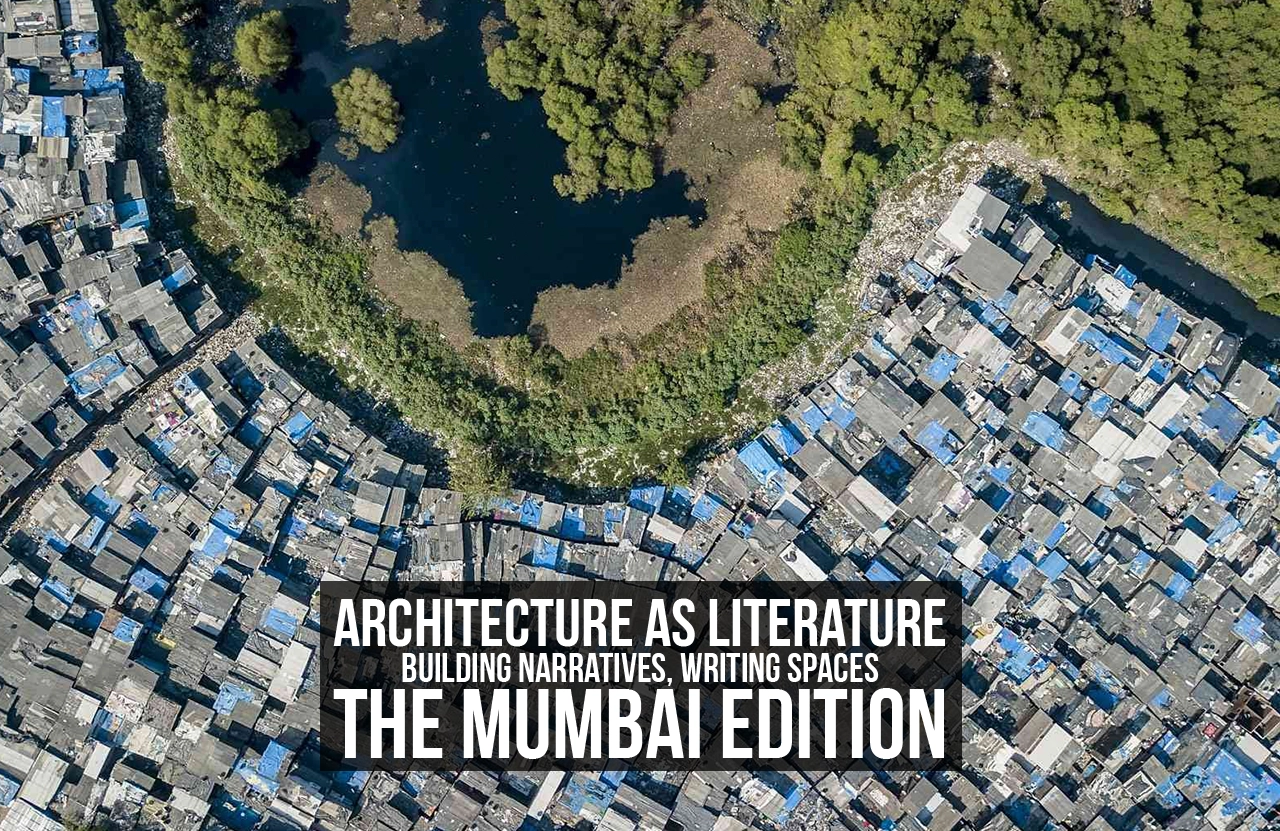
Every city has to tell a story, but Mumbai’s story is like a Symphony. It hums through its crowded trains and silent sea faces, through glass towers and old chawls, through temples, mosques, synagogues, and churches all standing shoulder to shoulder. It is a language not made up of words, but rather formed by walls. Instead of sentences, it is a living manuscript that is constantly rewritten by those who inhabit it. The architecture of this city is like a literary work. It is a narrative of coexistence – of dreams and despair, of performance and change, of memory and motion.
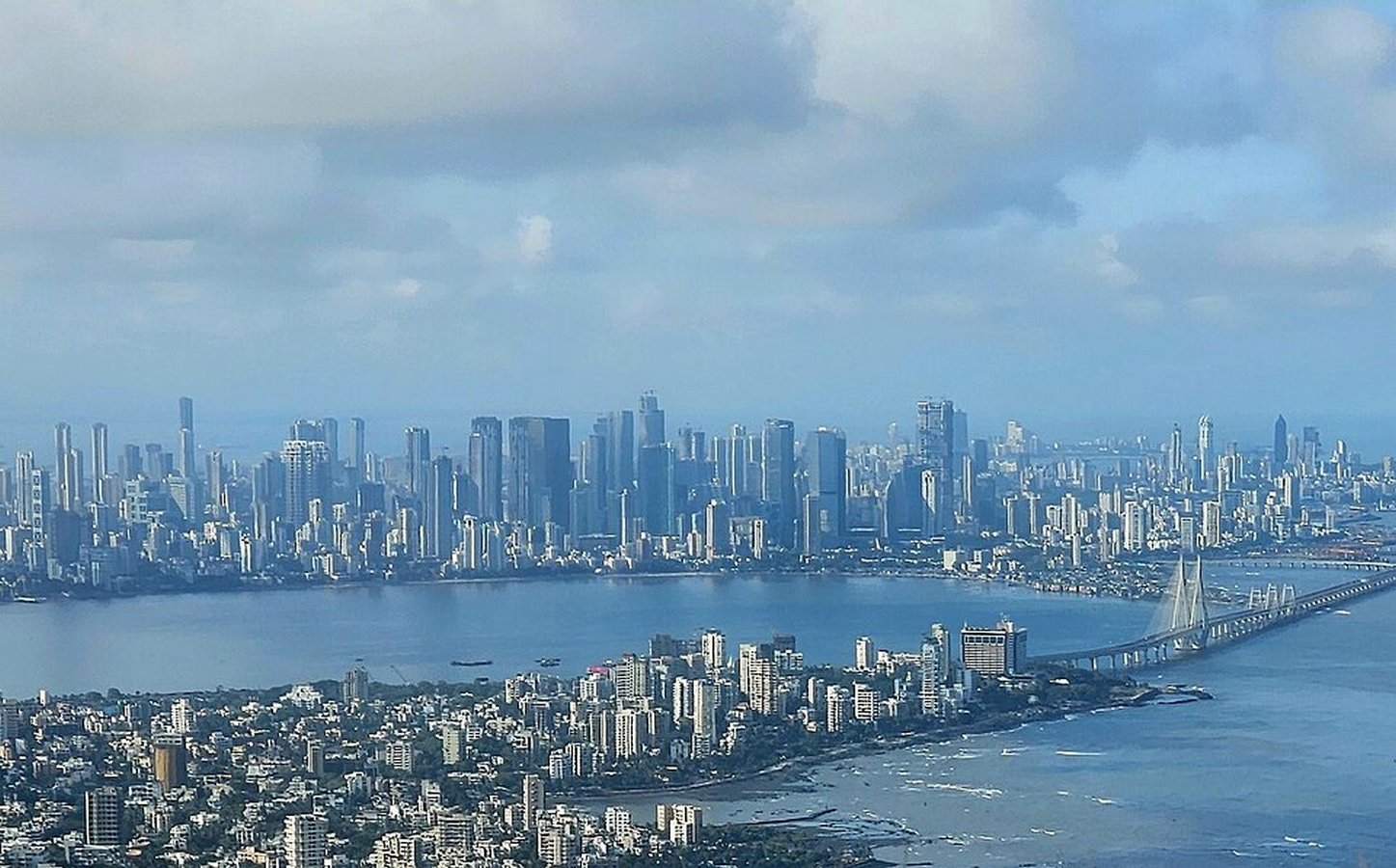
The Prologue: Seven Islands and the Birth of a City
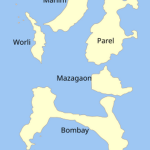
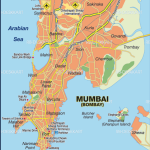
Mumbai was never a metropolis; it was a collection of seven islands of Bombay, Colaba, Mahim, Mazgaon, Parel, Worli, and the Old Woman’s Island, each shaped by geography and tide. Through colonial engineering and human ambition, the islands were gradually stitched together through reclamation projects like Hornby Vellard (1784) and the Back Bay Reclamation (1860-1920s).
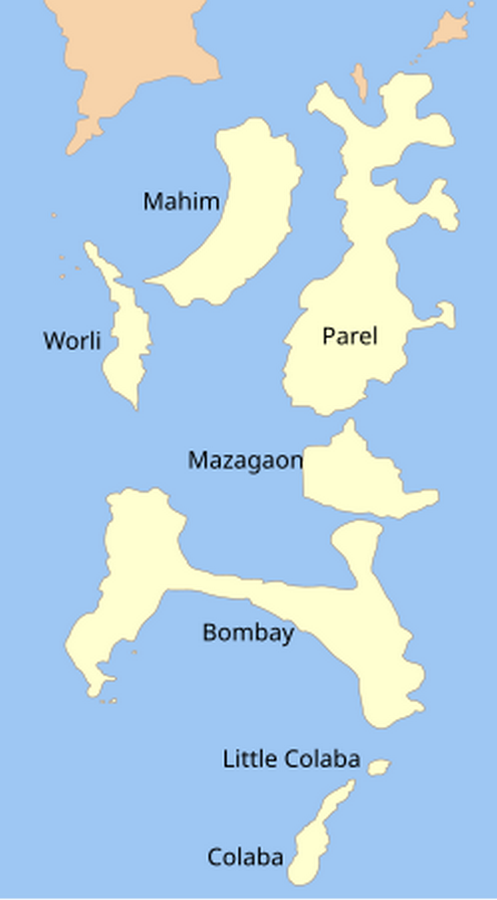
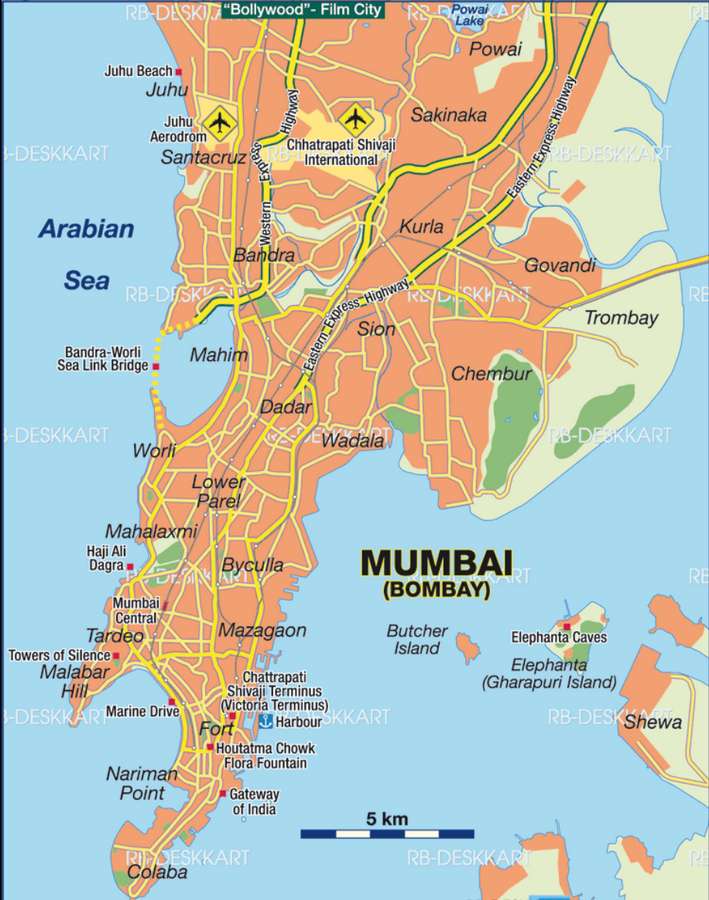
More than the land, this ambitious project emerged as a narrative. Every stretch of reclaimed coastline was a sentence written against the sea, a deliberate act of defiance and creation. This is a city formed from fragmented geography to a coherent whole, built by layering and not erasure. Due to this, Mumbai’s formation mirrors the craft of writing – editing, connecting, rewriting, and always expanding.
Chapter 01: The Colonial Grammar of Grandeur
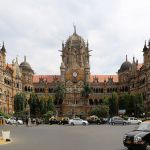
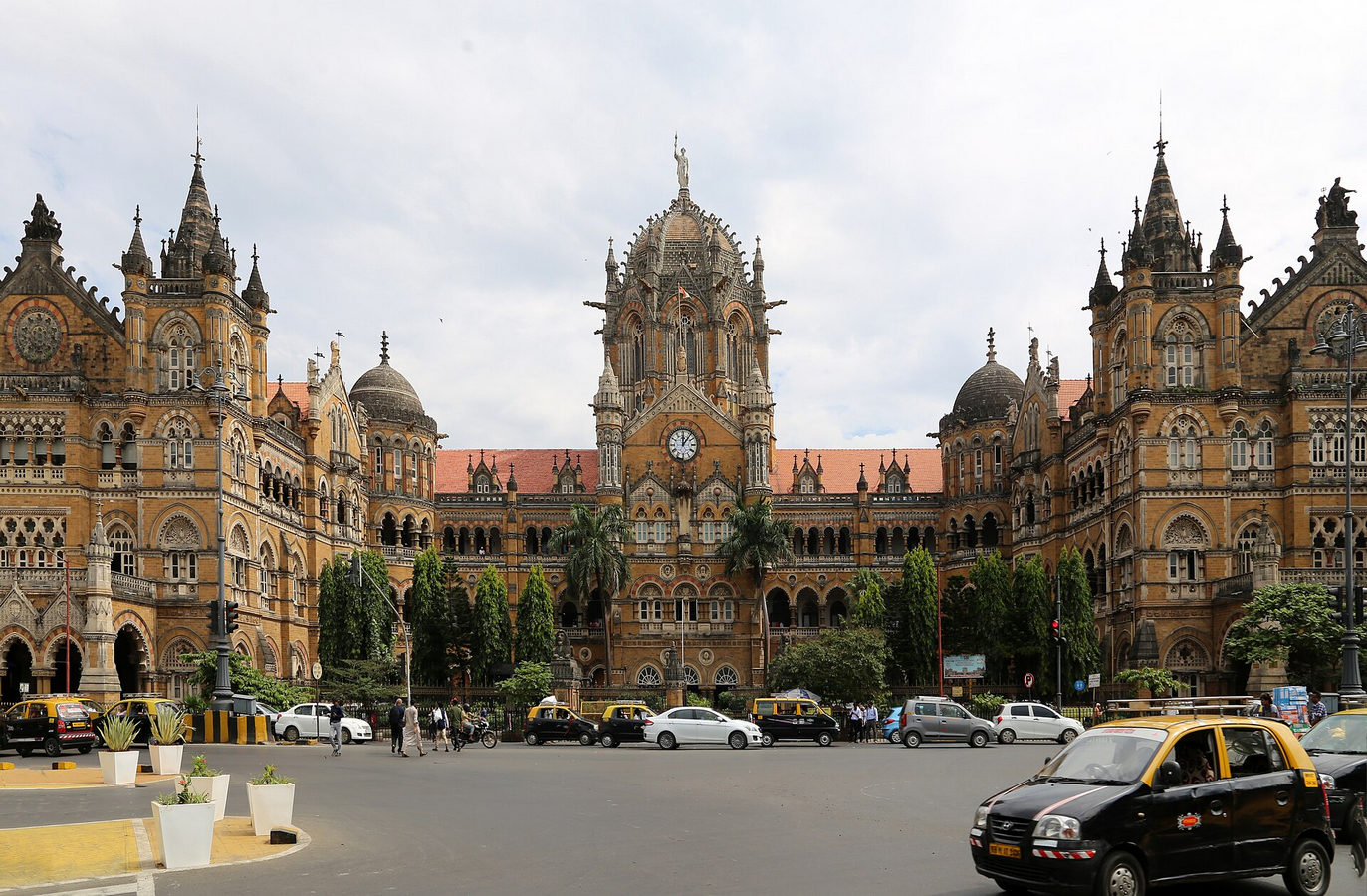
The colonial rule formalized the architectural vocabulary of this city. The British Raj transformed the town into an imperial showcase, crafting a beautiful language that combined Gothic Revival, Victorian, and Indo-Saracenic styles.
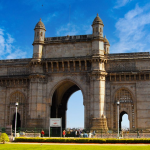
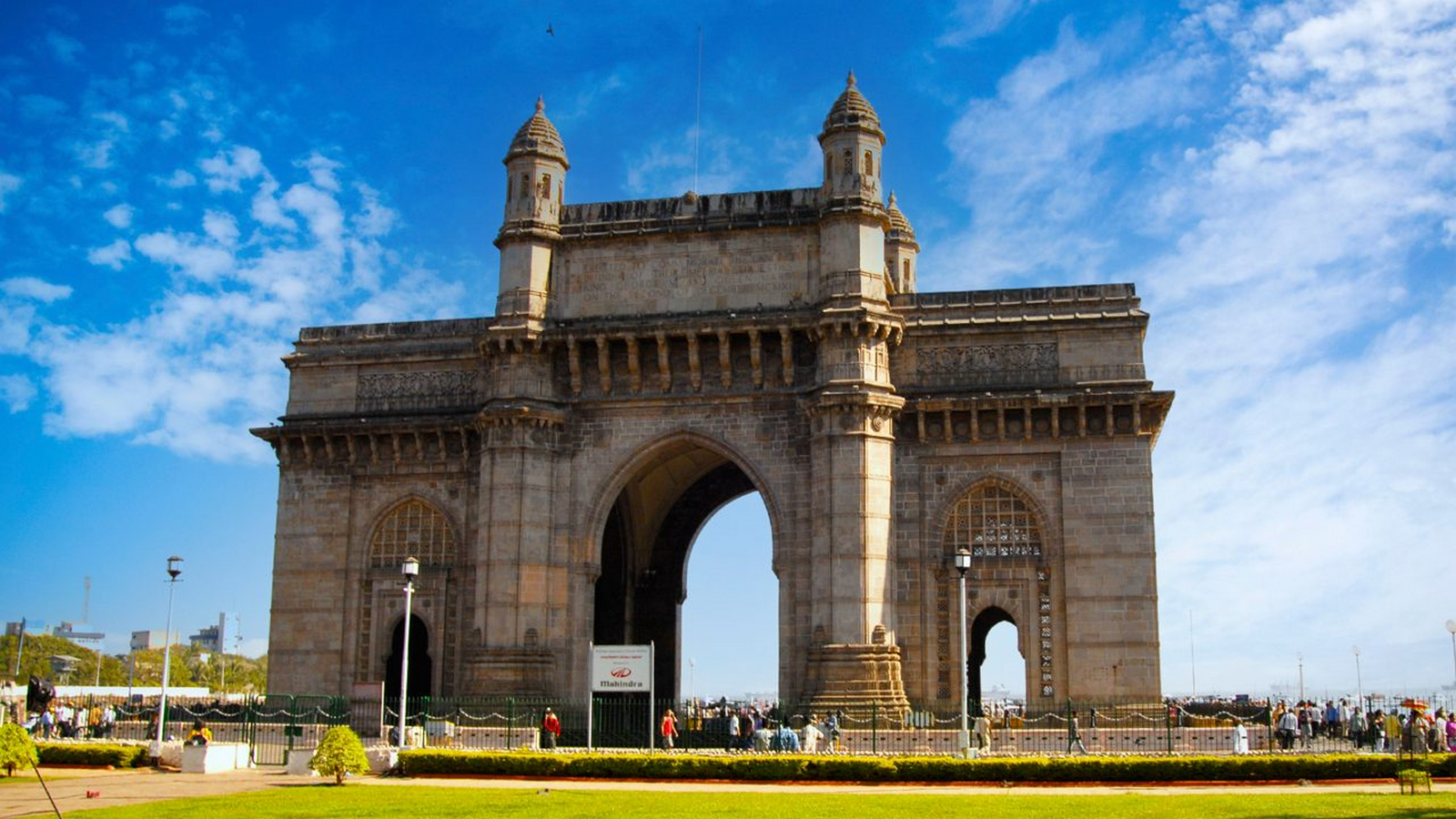
Buildings like the Chhatrapati Shivaji Maharaj Terminus, the Bombay High Court, and the University of Mumbai are more than mere civic structures. They are textbook monuments, proclaiming power and permanence through arches, turrets, and domes. The construction of the Gateway of India in 1924 is the most theatrical punctuation mark in the history of this city, which by this point had emerged as a global port.
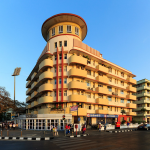
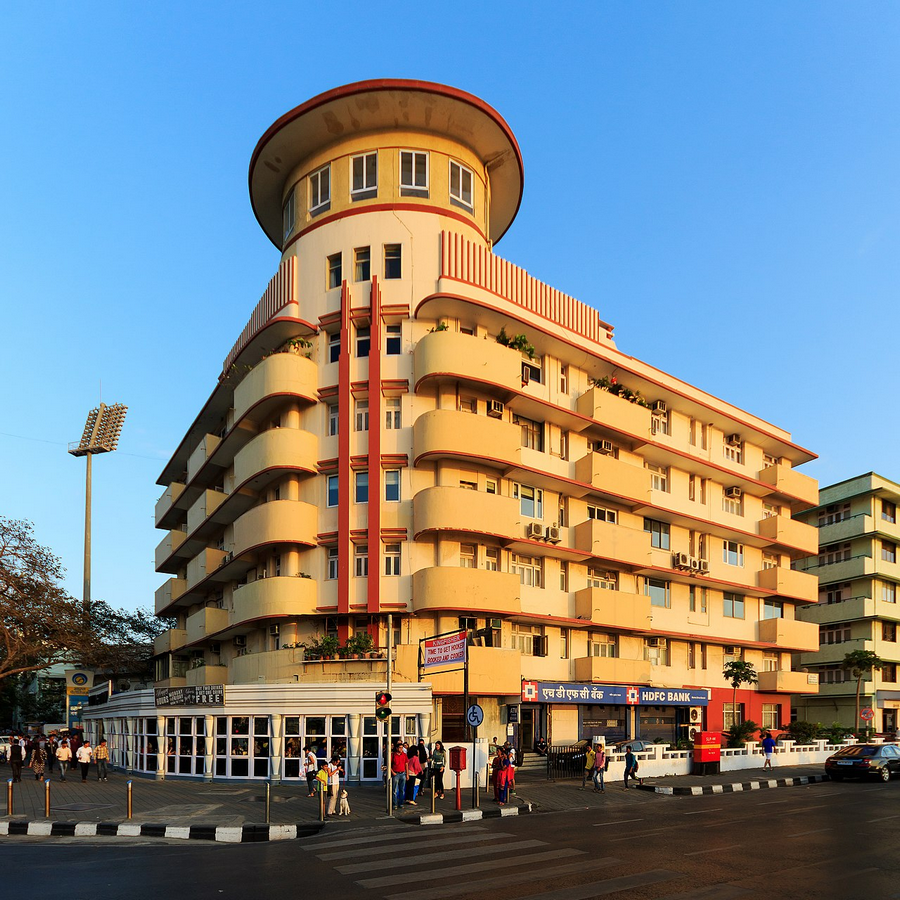
However, in these times too, architecture was also a tool of negotiation. The Art Deco movement that flourished in the 1930s along Marine Drive and Oval Maidan, adapted the international language of modernity into a uniquely tropical dialect. The geometric balconies and curved facades spoke of aspiration and self-definition. Here, Mumbai began to write in its own voice.
Chapter 02: The Working Class Narrative – Chawls, Mills and Urban Fabric
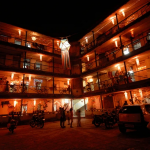
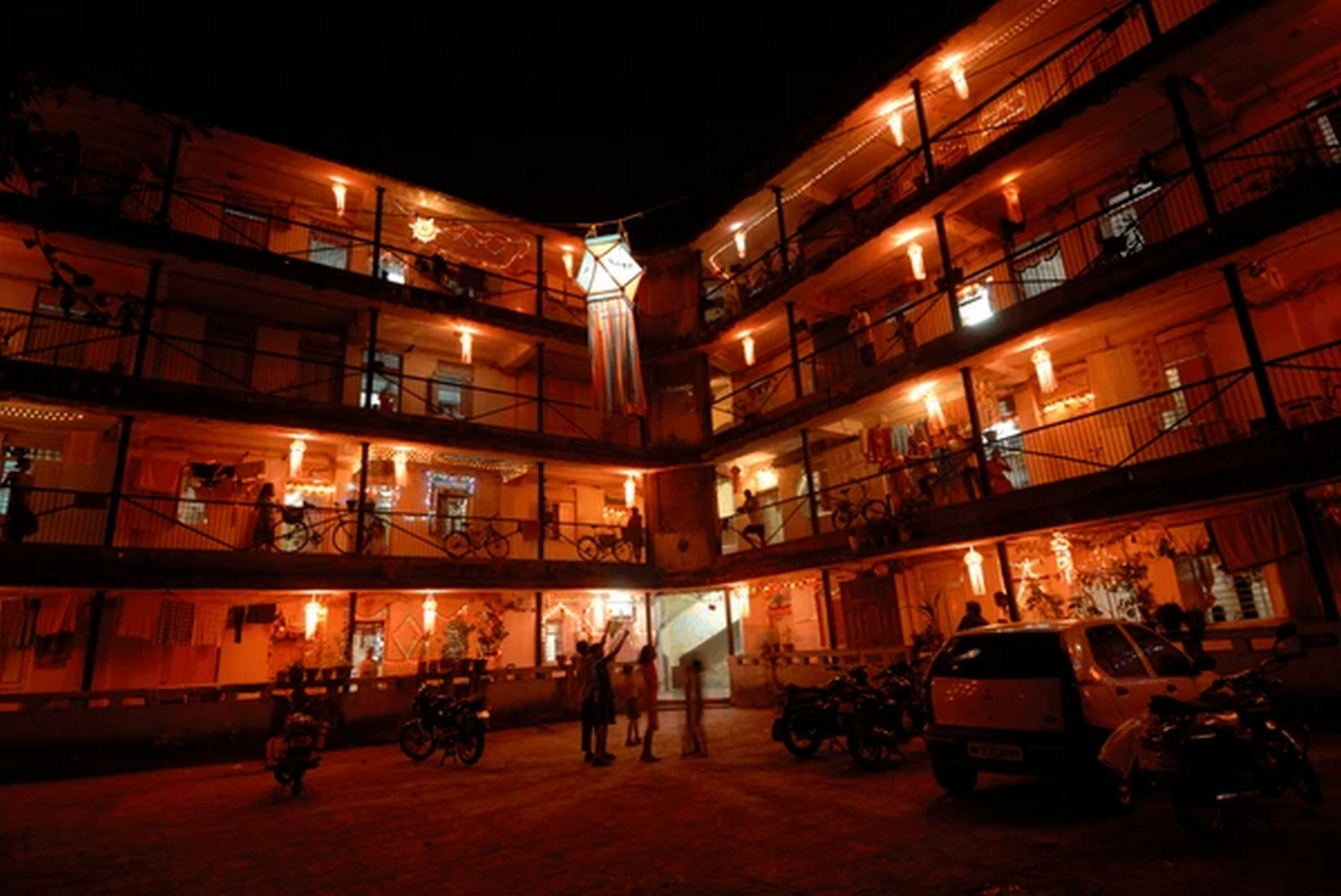
While the colonial architects composed the monumental prose, the working class penned the everyday poetry. The chawls: narrow, multi-storey tenements near the textile mills became the setting for the city’s social narrative. Developed for function over comfort, these structures evolved into living ecosystems where these structures and architecture at large shaped the community. Here, a single corridor acted as a social spine, courtyards became stage for shared rituals and resistance. This chawl typology embodies the essence of vernacular urbanism that is born from necessity, yet filled with rich culture.
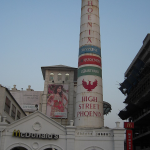
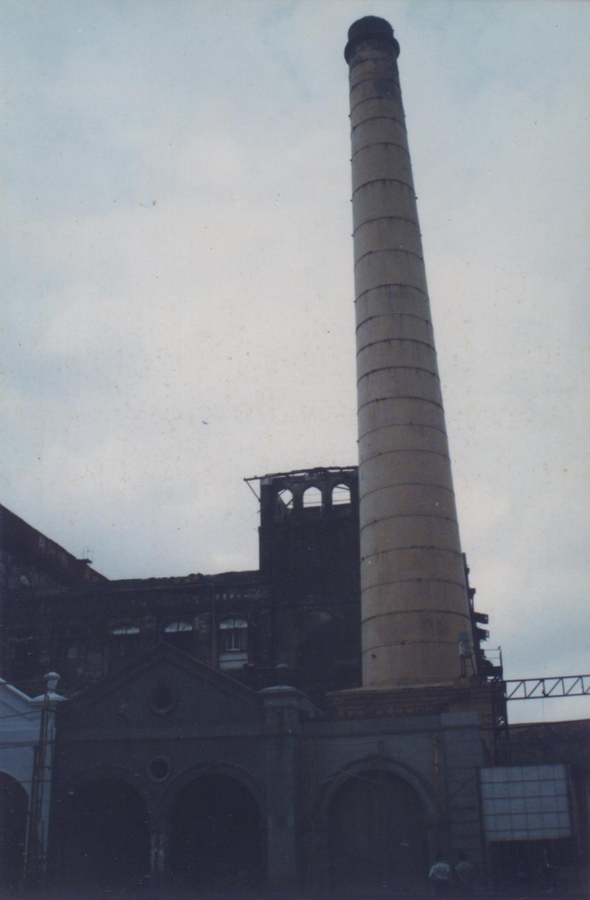
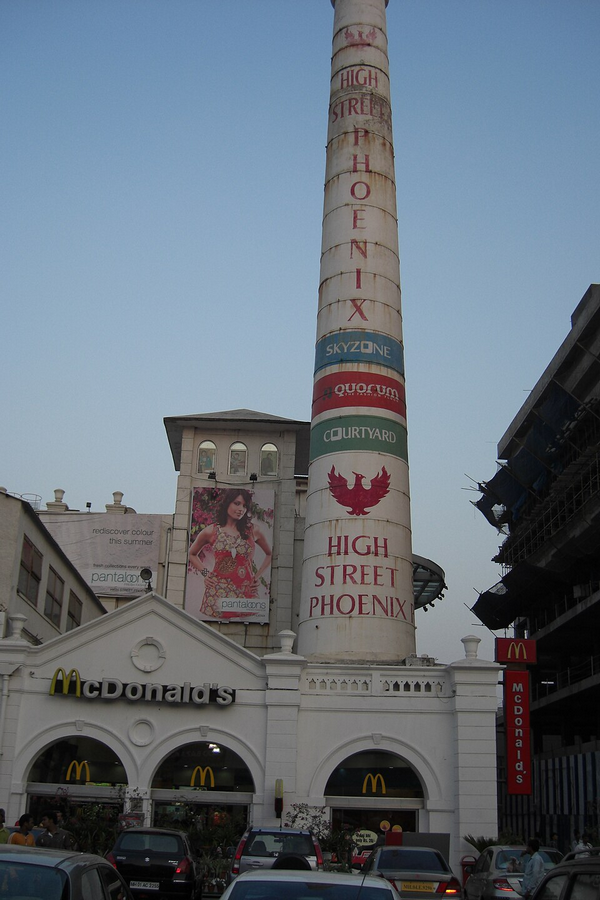
Mill precincts were the industrial heart of the city at that time. The tall brick chimneys and warehouses formed a muscular architectural identity of the city. Today, the same precincts have been reimagined as luxury towers and malls. This is a total rewrite of the collective production to private consumption. The architectural language has changed, but the tension between memory and modernity is still unresolved.
Chapter 03: Coexistence: The Plural Pages of the City
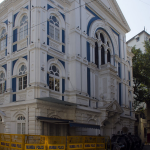
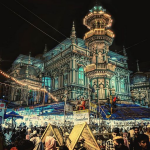
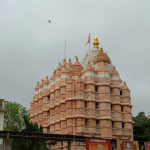
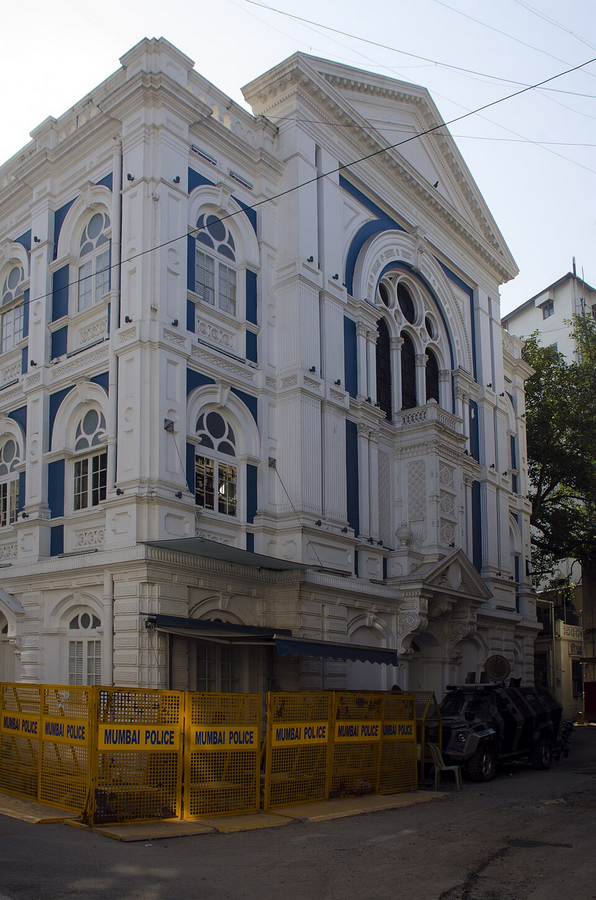
If architecture is literature, Pluralism is Mumbai’s defining genre. In Mumbai, the spatial and cultural coexistence forms the narrative backbone. Mohammad Ali Road, Siddhivinayak Temple, Keneseth Eliyahoo Synagogue, Dadar Gurudwara, and many more places of importance exist within kilometers of each other. This is a seamless coexistence of faiths that is expressed through brick, marble, tile, and stone.
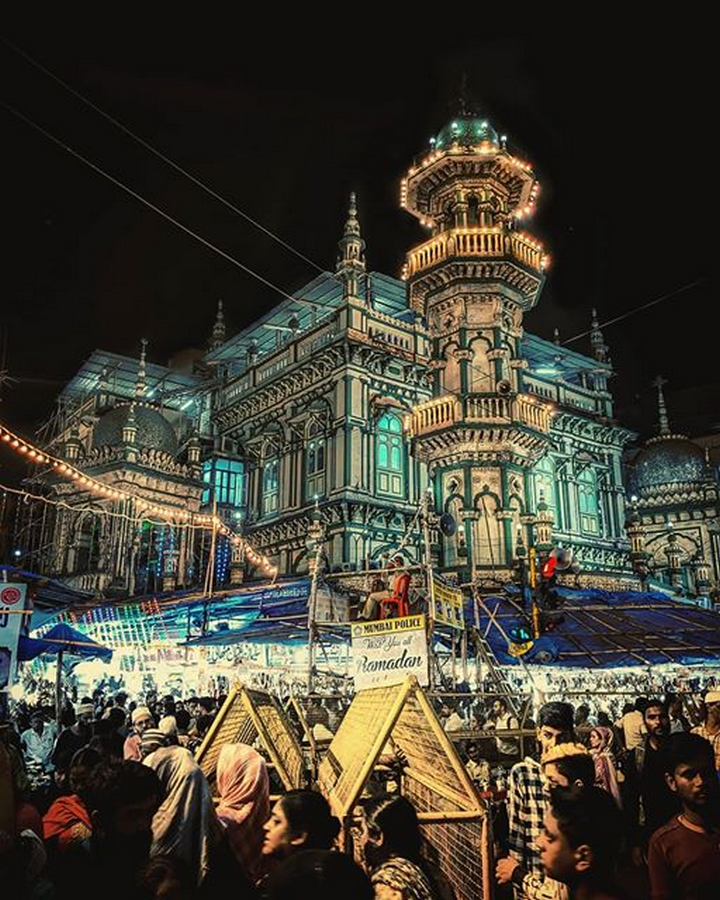
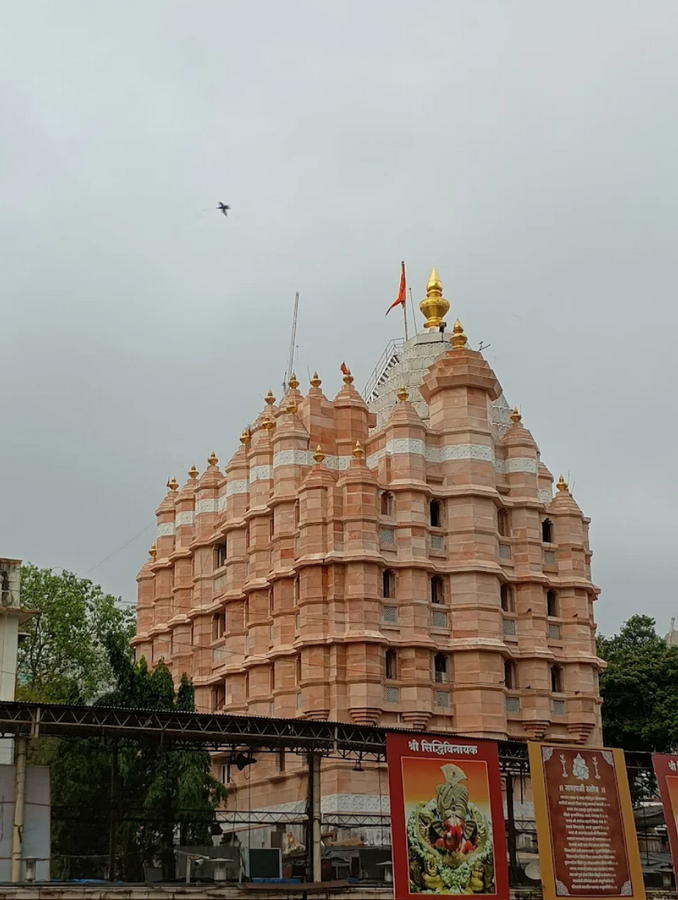
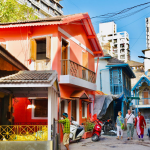
The Portuguese churches of Bandra whisper of colonial intimacy, Dadar has the Parsi baugs that reflect early experimentation done in planned housing, whereas the Gothic & Art Deco ensembles of South Mumbai narrate global exchange. Move northwards and the syntax shifts again, Portuguese houses in Girgaon, vernacular chawls and glass-clad corporate towers in BKC.
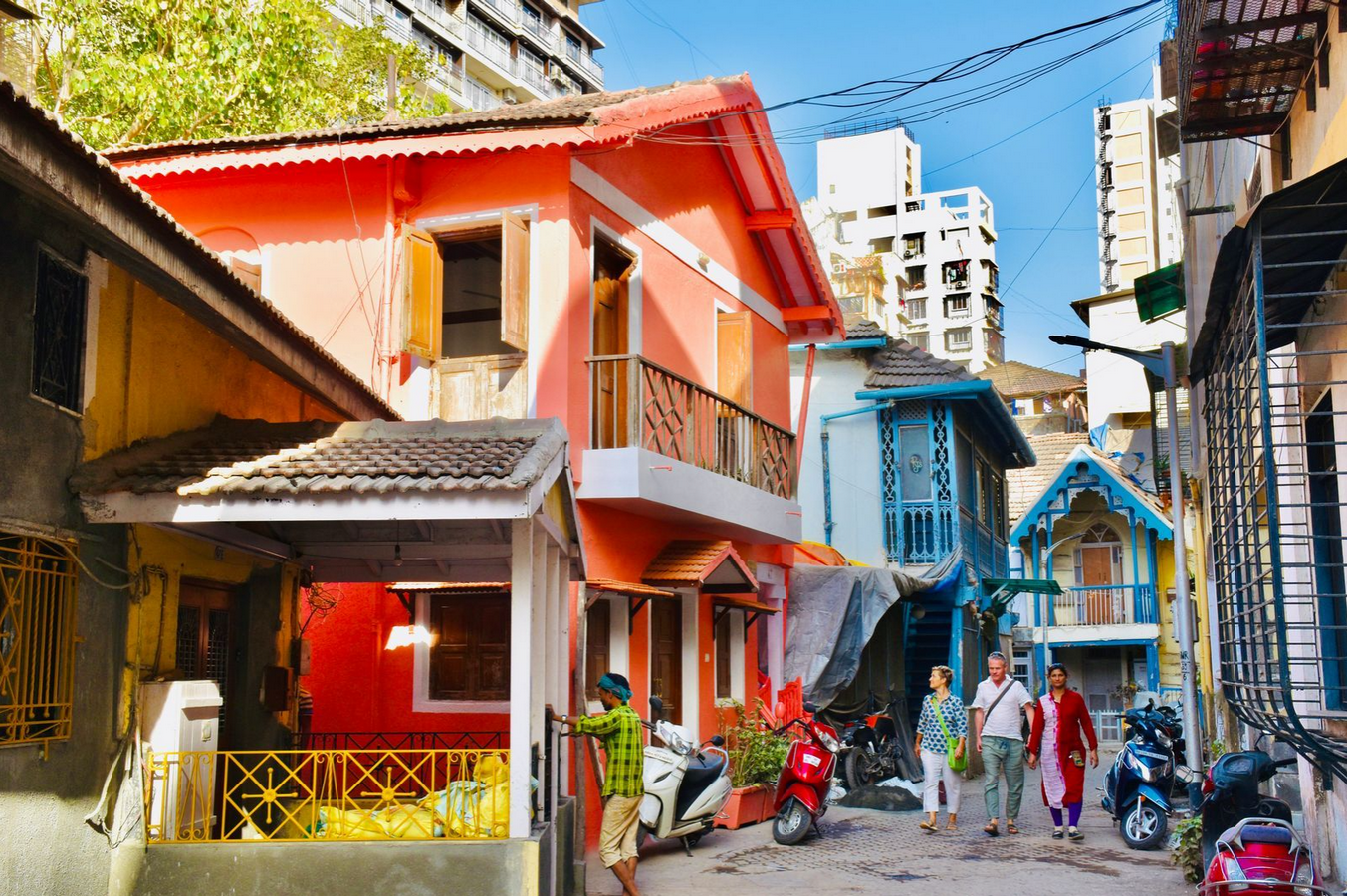
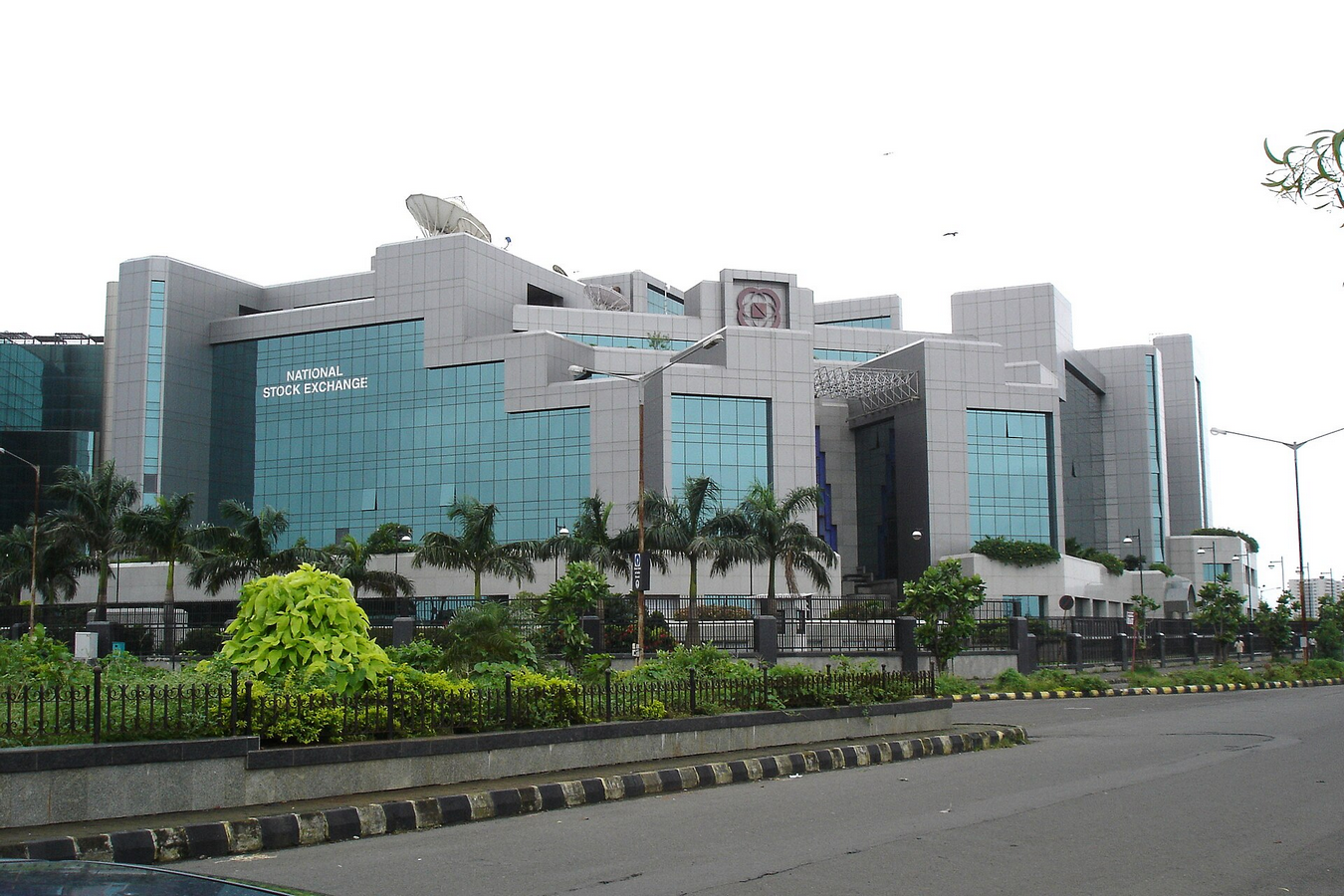
Every neighbourhood reads like a chapter in a delicately crafted anthology; unique, contradictory yet cohesive. Mumbai has not chosen a single architectural style; instead, it accommodates everyone, like a multilingual text. The power of this city lies in this simultaneity of identities – the slum and the skyscraper, the shrine and the stock exchange, the relic and the render.
Chapter 04: The Invisible Narratives: The Slums and the Skyline
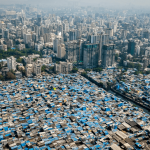
Mumbai’s most striking social and, as a result, architectural paradox lies in the proximity of luxury and deprivation. This contrast is not only moral, it is spatial, systemic, and symptomatic. One can see Antilia’s opulence rise over the informal density of Dharavi in a single frame.
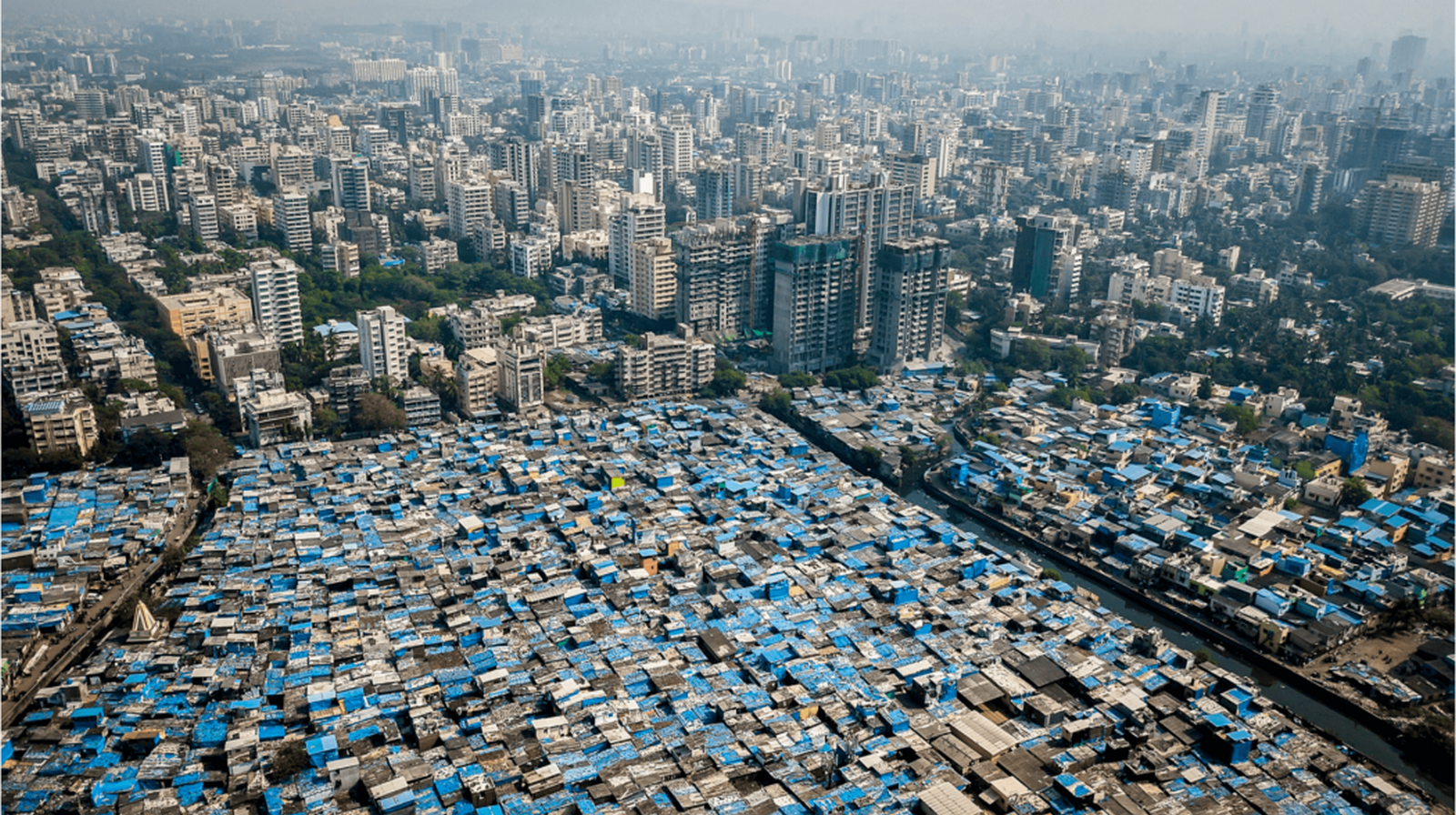
Even after being labeled as a “slum”, Dharavi operates as one of the most efficient urban fabrics in the world. It has micro-industries, narrow alleys, and adaptive reuse practices. All of these represent a sustainable urban logic that, at times, even a formal planning approach overlooks. It is an unplanned architecture that works because it is organic, self-built, and responsive to human needs.
If the towers of Lower Parel represent vertical aspiration, the slums show horizontal resilience. Both are architectural expressions of survival. One is via capital, and the other is through community. The city’s narrative depends on both, for neither can exist in isolation.
Chapter 05: The Living Organism: A City in Motion
To walk through Mumbai is to experience time as movement. The city transforms throughout the day. Mornings belong to commuters, afternoons to markets, evenings to office lights reflecting on the sea. As Rahul Mehrotra has penned, Mumbai is a Kinetic city; it performs rather than merely existing.
The local train becomes a moving public space. It is an artery that connects every social stratum. The Marine Drive promenade performs as Mumbai’s open essay, where solitude and collectivity share the same line. On the other hand, the Sanjay Gandhi National Park and the mangrove belts at the edge of the city act as quieter passages. All these remind us that even in chaos, the city finds rhythm.
Mumbai’s vitality lies in the infrastructural choreography, where flyovers, bridges, and footpaths form a living syntax of flow. This is a city that never pauses long enough to finish a sentence; it is always editing itself mid-motion.
Chapter 06: The City Still in the Making
The story of this city is far from complete. Mumbai today stands at a crucial editorial juncture. It is rewriting itself yet again through massive infrastructural and urban transformation.
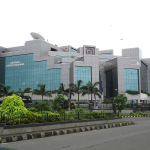
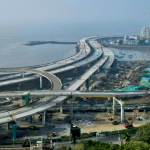
Projects like the Coastal Road, Mumbai Trans Harbour Link, and the expanding Metro network are redrawing the physical and psychological boundaries of the city. Bandra-Kurla Complex, once a marshland, is now Mumbai’s financial epilogue where steel and glass replaced textile and brick. The proposed Nariman Point 2.0 and reclaimed land along the Arabian coast hint at another chapter of ambition, where the sea is once again both adversary and collaborator.
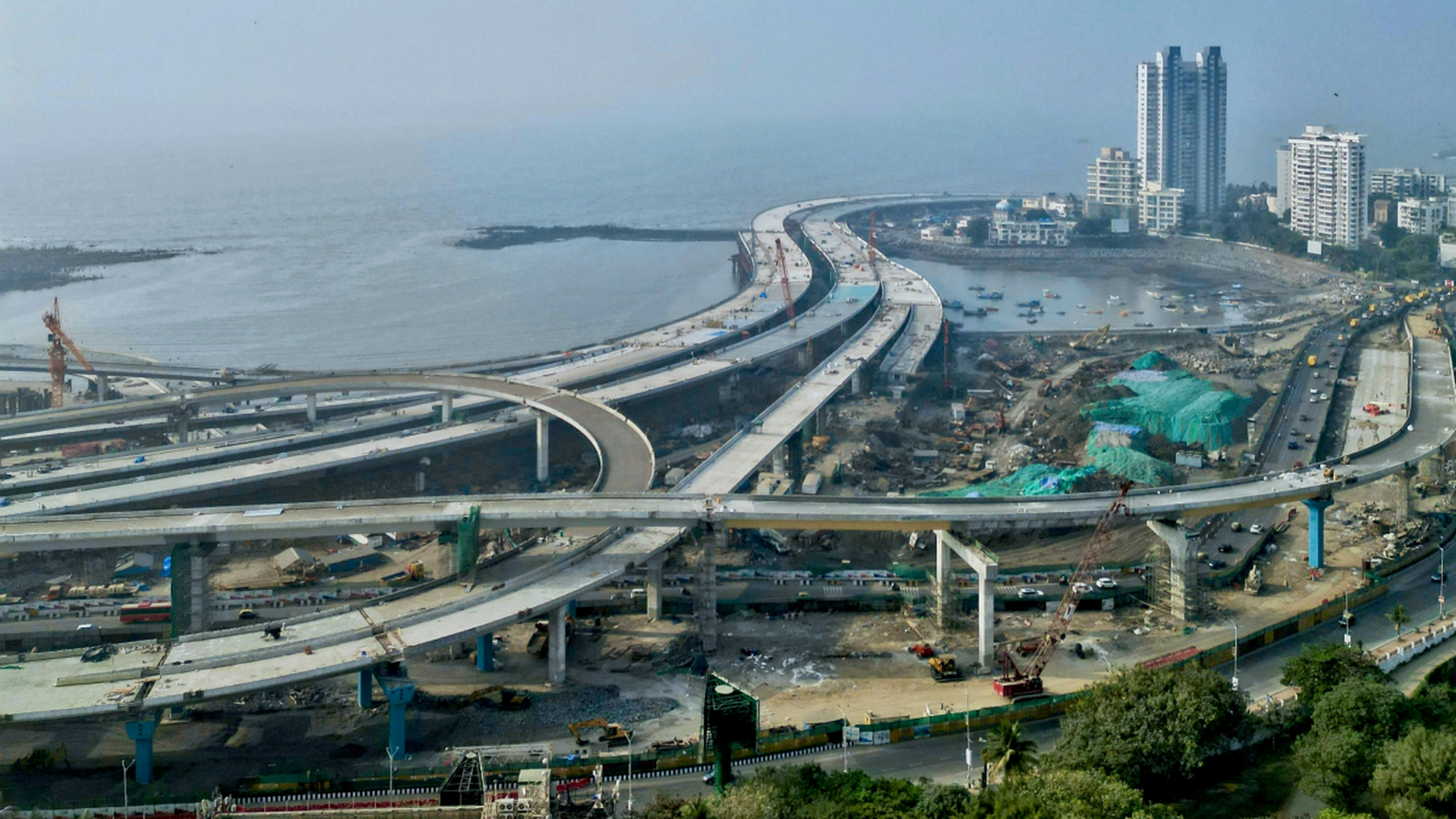
In Worli and Sewri, the landscape of mills has been replaced by gated towers; the Dharavi Redevelopment Project promises transformation, but at what cost to its intricate social and spatial fabric? The metro lines promise connectivity, yet their elevated viaducts slice through skylines that were once defined by church spires and domes.
We must ask whether, in the process of rewriting the city, are we erasing its earlier chapters? Are we respecting the architectural memory that made Mumbai what it is, or are we imposing a globalized template that flattens its complexity?
The danger lies in mistaking progress for poetry. A city is more than just a collection of infrastructure; it is a collective memory embodied in space. As Mumbai grows higher, faster, and denser, the new architecture of the city often forgets the narrative continuity that once bound its layers together.
What will be the legacy of this phase of writing? Will the skyline remain a reflection of coexistence, or will it become an edited script where only certain voices remain legible?
Epilogue: Between Memory and Modernity
Every long story needs tension to stay interesting and alive. Mumbai’s tension lies between heritage and reinvention. Preservation efforts in Fort, Ballard Estate, and Marine Drive’s Art Deco precinct attempt to retain the city’s earlier pages, while new architectural interventions redefine its tone. Yet what Mumbai needs is not nostalgia, but continuity. It is the design language that respects context while embracing change.
The future of Mumbai’s architecture depends on its ability to balance its multiple temporalities. It needs to let the Gothic cathedral have a conversation with the glass tower, to have the chawl inform the high rise, to let the sea remind us of fragility even as we reclaim it. Architects and planners must move beyond the pursuit of skyline dominance, but embrace urban empathy and have humility to design for diversity rather than just density.
A City That Rewrites Itself
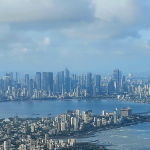
Mumbai is both the author and archive. The skyline is a manuscript of stories layered over centuries. From the seven islands to the megacity, wooden wadas to steel towers, its architecture has never been stagnant. Instead, it is a conversation between what was, what is, and what might be.
If literature is the art of capturing human experience in words, then Mumbai is literature in space. The slums are footnotes of resilience, the towers in the city are declarations of ambition; all the religious structures, metaphors of coexistence. Every lane, facade, and elevation participates in this ongoing act of storytelling.
However, just like all great stories, Mumbai is unfinished. It continues to write itself every day in the form of its scaffolds, cranes, and concrete pours; in festivals and floods; in quiet alleys and crowded trains. The question that remains is not whether the city will grow, but rather how it will grow?
For in the end, the measure of a city’s greatness lies not in the height of its skyline, but in the depth of its memory.
References:
- Rahul Mehrotra (2021). The kinetic city & other essays. Berlin: Architangle.
- Iyer, K. (2014). Boombay. Popular Prakashan Pvt Limited.
- Sharada Dwivedi and Rahul Mehrotra (2001). Bombay : the cities within. Bombay: Eminence Designs Pvt. Ltd.
- Godbole, S. (2021). What It’s Actually Like To Live In A Mumbai Chawl. [online] Homegrown. Available at: https://homegrown.co.in/homegrown-explore/what-its-actually-like-to-live-in-a-mumbai-chawl.
- Man’s World India. (2018). #CinemaOf2018: Celebrating Mumbai’s Chawls. [online] Available at: https://www.mansworldindia.com/currentedition/from-the-magazine/celebrating-mumbais-chawls [Accessed 25 Oct. 2025].
- Anon, (n.d.). The Murder of Phoenix Mills | SHEKHAR KRISHNAN. [online] Available at: https://shekhar.cc/2000/04/the-murder-of-phoenix-mills/.
- View (2020). Minara Masjid, Mumbai. [online] Mosques Of India. Available at: https://indiamosques.wordpress.com/2020/06/29/minara-masjid-mumbai/ [Accessed 25 Oct. 2025].
- Khan, A. (2021). The history and stories from Mumbai’s most beautiful neighbourhood, Khotachiwadi. [online] Architectural Digest India. Available at: https://www.architecturaldigest.in/story/the-history-and-stories-from-mumbais-most-beautiful-neighbourhood-khotachiwadi/.
- Mazumdar, R. (2019). The Mumbai Slum: Aerial Views and Embodied Memories. [online] Mediapolis. Available at: https://www.mediapolisjournal.com/2019/11/the-mumbai-slum/.
- Shaikh, M. (2024). Mumbai Coastal Road Project 2024- Opening date, cost, benefits, routes and more. [online] Yatri. Available at: https://yatrirailways.com/mumbai-coastal-road-project-2024-opening-date-cost-benefits-routes-and-more [Accessed 25 Oct. 2025].