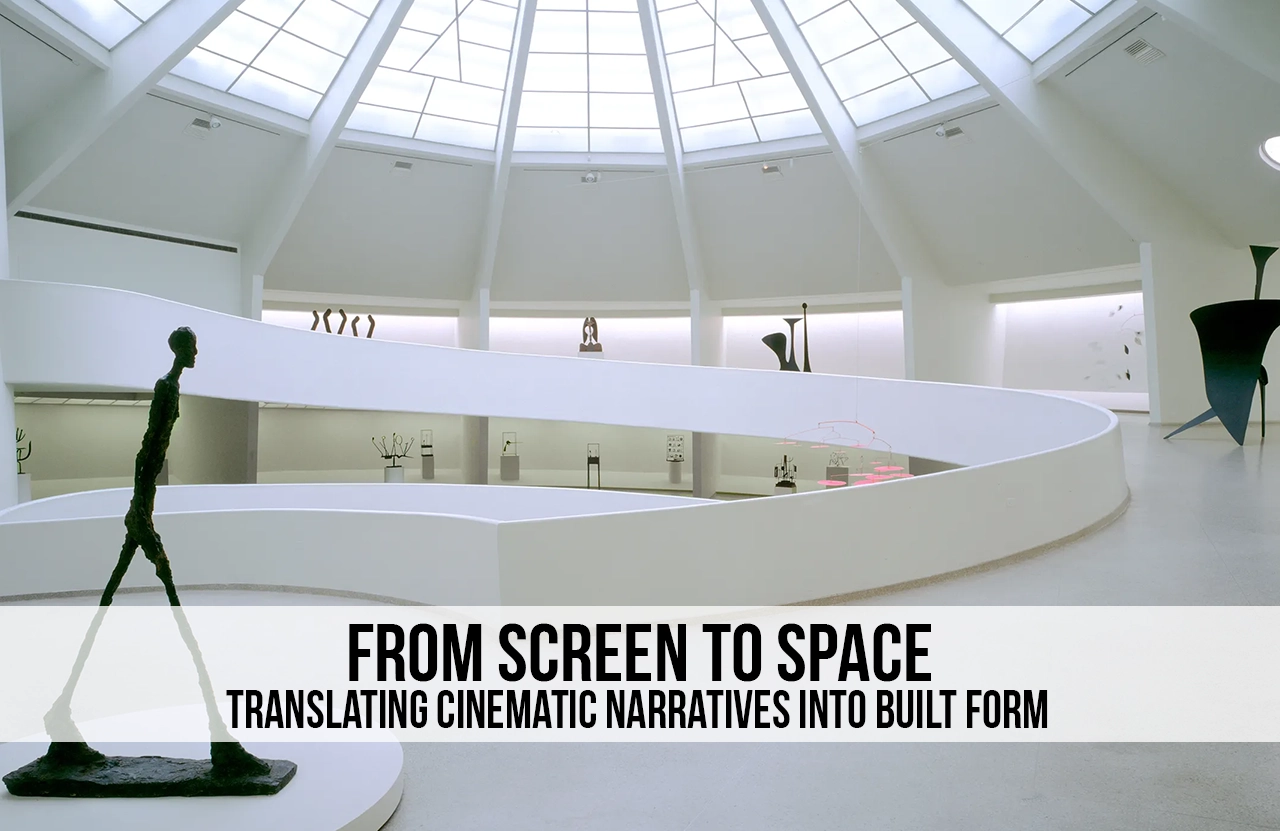
In an age when storytelling is seldom confined to pen and paper, the built environment has begun to speak in cinematic terms, framing human experiences, moving us through sequences of space much like scenes in a film. This article explores how architects increasingly borrow cinematic narrative strategies such as montage, temporal sequence, and atmosphere to shape architecture that tells a story. As film manipulates space, time, and mood to engage an audience, architecture too can choreograph movement, reveal hidden views, and evoke emotional responses. Architecture and cinema share fundamental concerns: light, motion, framing, and atmosphere. While one unfolds through a lens, the other invites us to walk within it.
When an architect designs a building, the user’s journey through the structure can be orchestrated through the entrance, transition, reveal, climax, and exit, akin to film editing. But this translation is not always seamless: the built environment has permanence, physical constraints, and real-life functions. As technologies like VR, projection mapping, and AI evolve, the boundaries between screen and space continue to dissolve. This dialogue between fiction and construction reveals not only how architecture inspires cinematic imagery but also how film redefines the possibilities of built form.
Architecture as Cinematic Experience
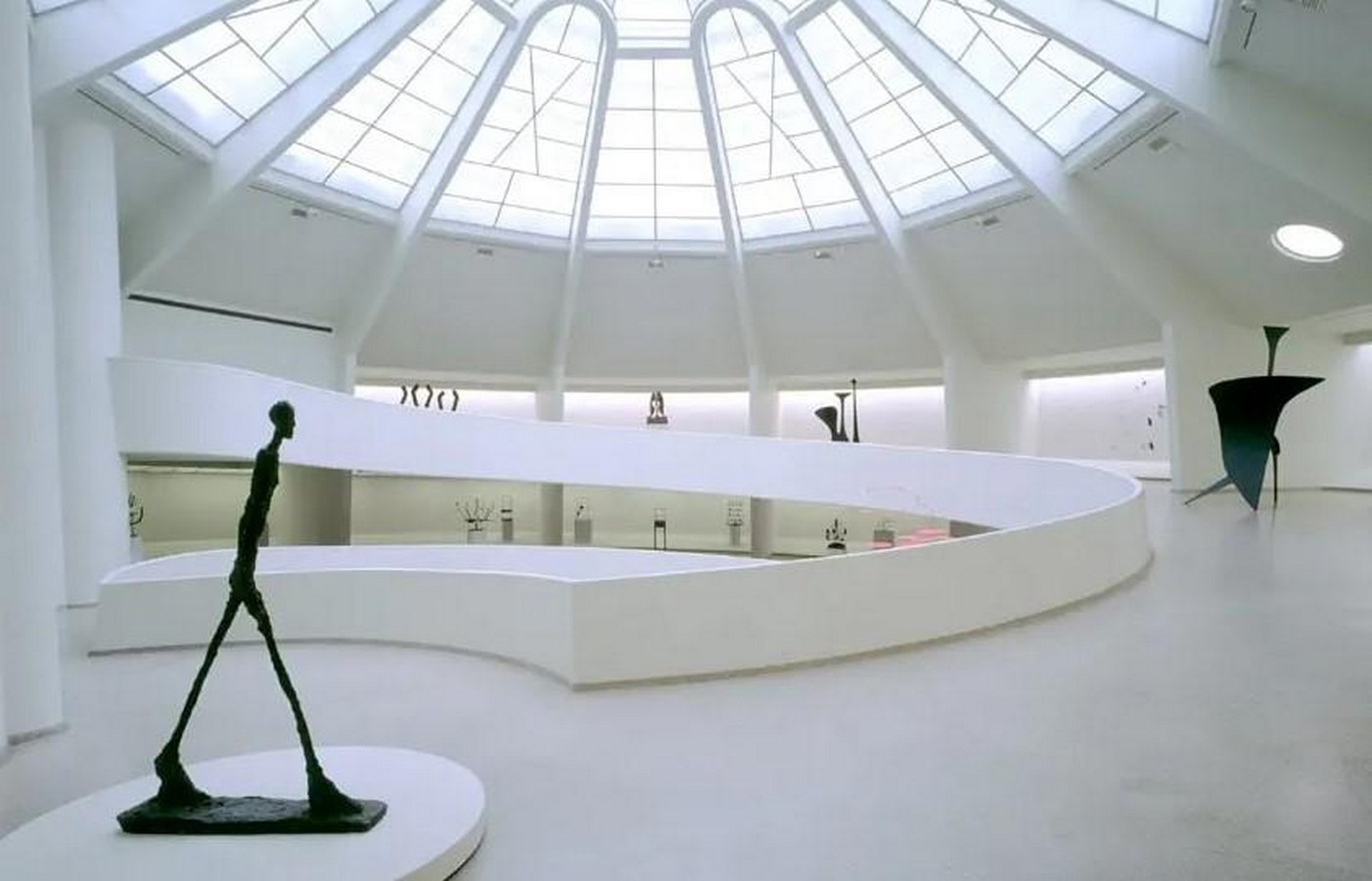
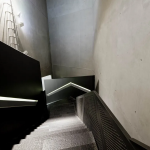
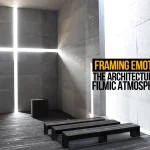
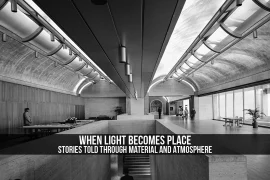
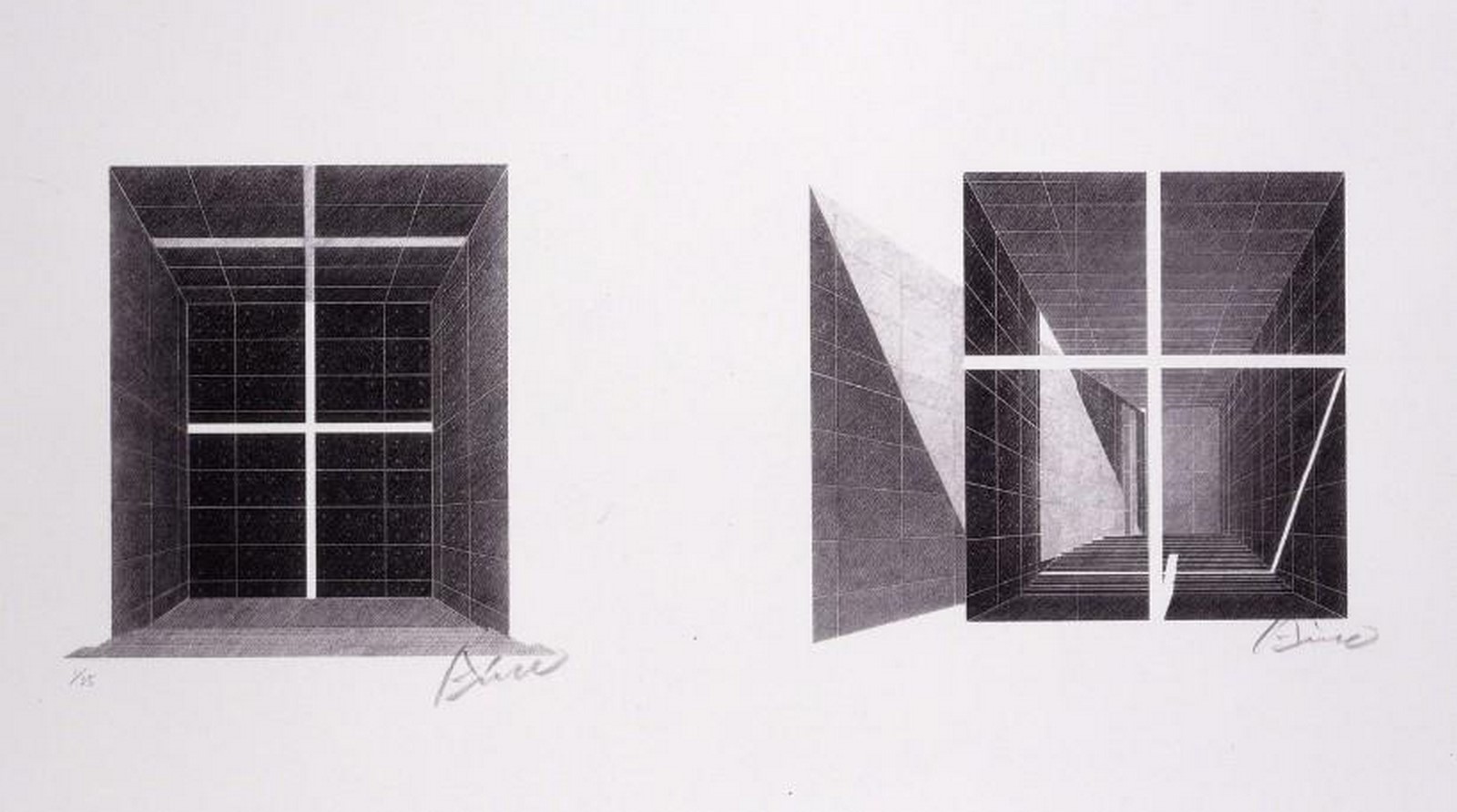
Architecture is a spatial choreography, a story told through movement, perspective, and light. Much like a director sequences shots, an architect sequences experiences. Le Corbusier’s “promenade architecturale” parallels a tracking shot in cinema, guiding users through emotional and visual transitions. The book, The Poetics of Space, underlines how spaces hold memories, how a stairway or corridor can feel like a frame of film. The Guggenheim Museum in New York exemplifies this cinematic quality: its spiral ramp acts as a continuous dolly shot, framing art and people alike in motion. Likewise, contemporary architects use light, material, and spatial rhythm to evoke cinematic drama, seen in Tadao Ando’s Church of Light, where a single beam of light becomes a story’s climax. Architecture, like cinema, is experienced in time; its narrative lies not in static form but in how it unfolds around us. Ultimately, architecture and cinema converge in their shared pursuit of emotional storytelling through spatial rhythm. Both crafts rely on anticipation, what is revealed and what remains unseen. In this way, architecture becomes a form of lived montage, where each threshold, turn, and pause is an edit that shapes memory. The experience of moving through space thus transcends mere function; it becomes a sensory narrative, unfolding frame by frame, where the viewer is both spectator and protagonist in an ever-evolving film of light, movement, and emotion.
Cinematic Spaces in Real Architecture
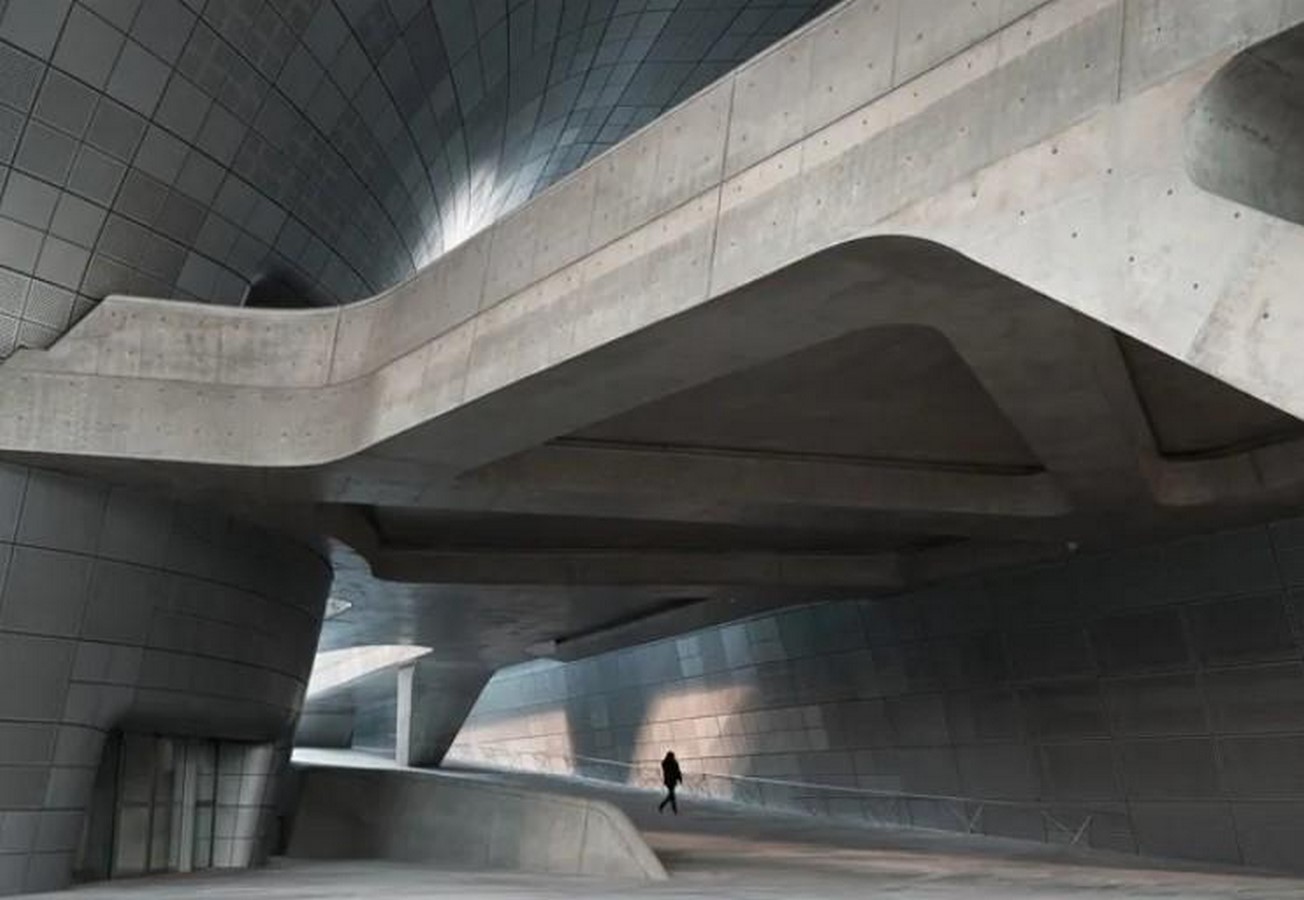
Cinema often predicts architecture before it is built. Fritz Lang’s Metropolis (1927) imagined a vertical, mechanised city decades before modernist skylines rose. Later, Ridley Scott’s Blade Runner (1982) visualised dense, chaotic urbanism, a vision echoed in contemporary megacities. Architects like Zaha Hadid, deeply influenced by motion and abstraction, have turned cinematic concepts into fluid spatial experiences. Dongdaemun Design Plaza by her in Seoul captures this spirit. Its metallic surfaces and fluid geometries evoke a futuristic scene, while its interiors shift perspectives like a camera pan. Similarly, Rem Koolhaas’ designs often read like montages, fragmented, fast-paced, and deliberately disorienting. Both demonstrate how cinematic imagination inspires architects to craft spaces that feel alive and dynamic, transcending functionality to evoke emotion and narrative.
Storytelling through Space
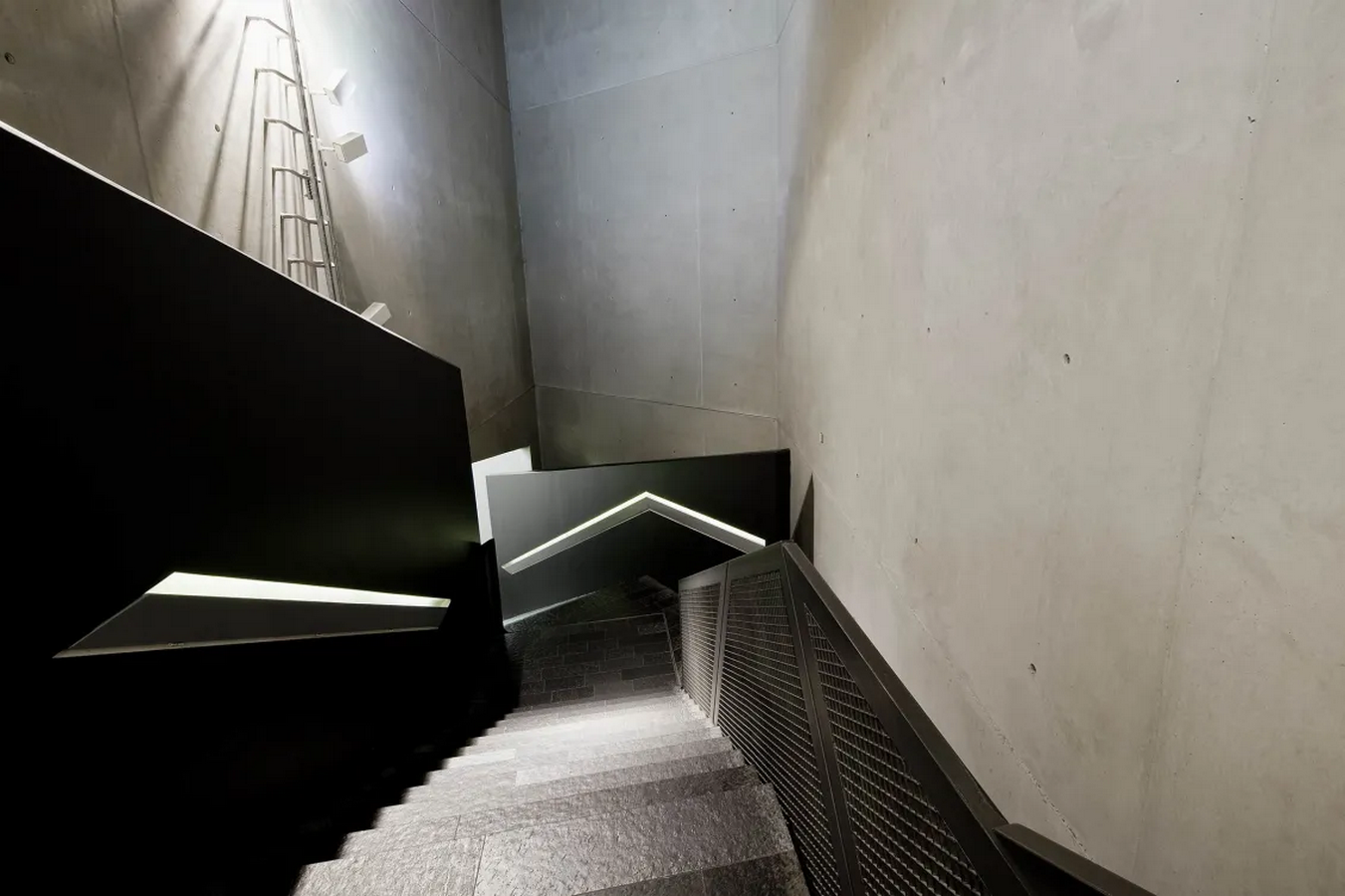
Great architecture doesn’t merely house stories, it tells them. Only a few buildings exemplify this better than Daniel Libeskind’s Jewish Museum in Berlin. Its zigzag plan, voids, and fractured lines are a built narrative of absence and remembrance. Libeskind described it as “a story that cannot be told but must be built.” Like cinema, his work manipulates spatial rhythm and emotional tension to construct meaning. Visitors become protagonists, moving through a series of disorienting spaces that echo trauma and loss. Similarly, Peter Zumthor’s Therme Vals choreographs sensory experience, darkness, sound, warmth, and silence. It works like a slow, meditative film sequence. In these projects, architecture transcends utility; it becomes an experiential narrative where every corridor, surface, and void contributes to storytelling.
Blurring Realities: Virtual Architecture and Digital Worlds
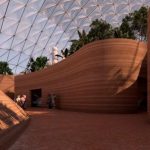
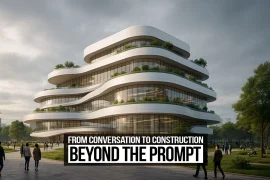
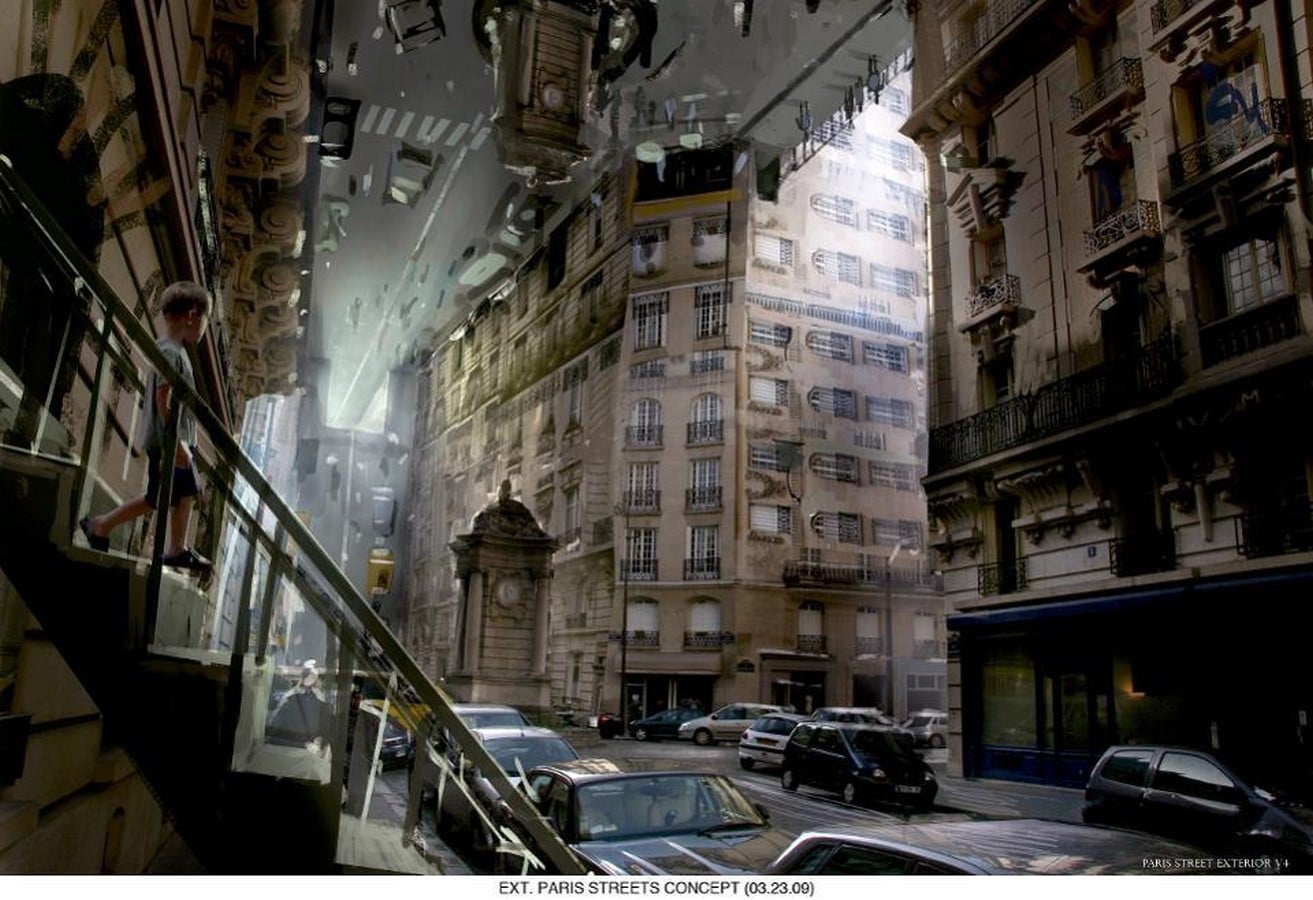
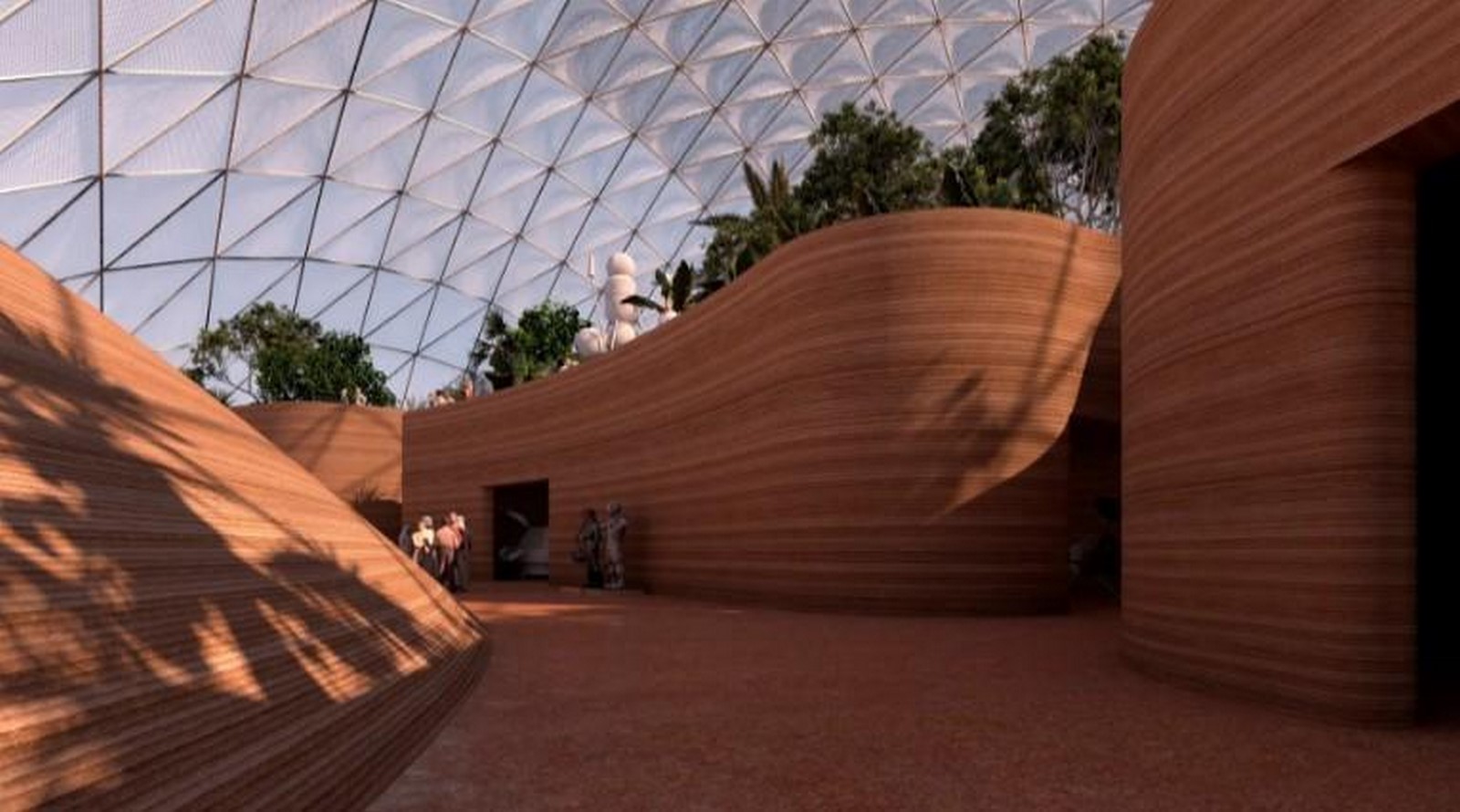
The convergence of filmic imagination and digital architecture is redefining spatial design. Virtual worlds from Inception’s folding cities to video game landscapes have begun influencing how architects conceive real environments. BIG’s Mars Science City in Dubai envisions speculative habitats inspired by cinematic sci-fi. These works suggest a future where space becomes participatory, where users become both viewer and creator. In this sense, cinematic thinking is no longer a metaphor for architecture; it is an active design tool shaping immersive, responsive, and emotionally intelligent environments.
Artificial intelligence and virtual reality are transforming architecture from a static practice into an adaptive, evolving process. Design is no longer confined to physical constraints but emerges through algorithms that interpret behaviour, emotion, and environmental data. These digital systems allow architects to simulate experience, not just form. It helps in creating spaces that learn, respond, and even anticipate human needs. As the boundaries between physical and digital environments dissolve, architecture becomes less about constructing objects and more about crafting intelligent experiences that exist simultaneously in real and virtual dimensions.
The relationship between cinema and architecture continues to evolve as one of the most fertile creative dialogues in design culture. Both mediums craft experiences that engage our senses, emotions, and memory, and both rely on the choreography of light, time, and perspective. As filmmakers build worlds that question society’s aspirations and fears, architects translate these visions into tangible realities. Yet beyond imitation lies something deeper: a shared search for meaning in space. Architecture gains narrative and emotion from cinema; cinema gains materiality and gravity from architecture. As our tools grow increasingly digital, the screen and the space will continue to merge, inviting us to imagine, design, and inhabit worlds that are simultaneously filmed and lived, narratives we can both watch and walk through.