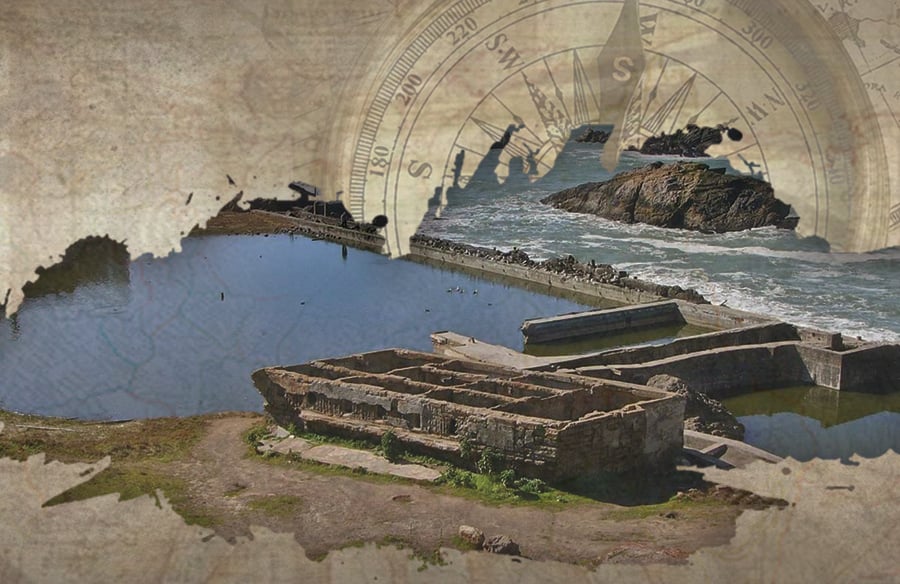
The Pacific coastline of San Francisco had remained a place of raw beauty and dramatic contrasts of landforms — from the rise of cliffs from the ocean and fog dropping from the sky as a beautiful curtain, the place was nothing short of a carefully curated piece of art. Toward the end of the 19th century, this breathtaking setting of landforms unleashed the most ambitious project ,which was driven by sheer imagination: The Sutro Baths.
It was opened in 1896 by Adolph Sutro, a visionary entrepreneur, engineer, and former mayor. The Baths were designed to offer everyday people a chance to enjoy leisure and recreation by the sea, which was offered by architectural intervention.
The Sutro Baths were much more than a swimming pool. It was a grand vision of glass and saltwater that offered a space for rest and play. Which was once a jaw-dropping and most admired place, now remains in the public eye as ruins of jagged pools filled by tides, crumbling walls as a testimony to the failure of a dream against practical constraints. Let’s take a deep dive into its hail and drown.
A Palace by the Sea
Adolph Sutro was no stranger to grand projects, as by this time he had made his fortune by mining silver in Nevada through the Sutro Tunnel. He dreamt of creating a place that was both exciting for leisure and monumental enough for years together. His vision for the Baths was to build not simply a pool, but a grand icon — a glass entity housing the joy of swimming within an architectural wonder.
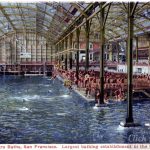
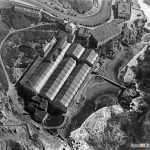
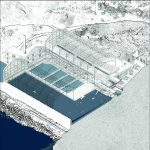
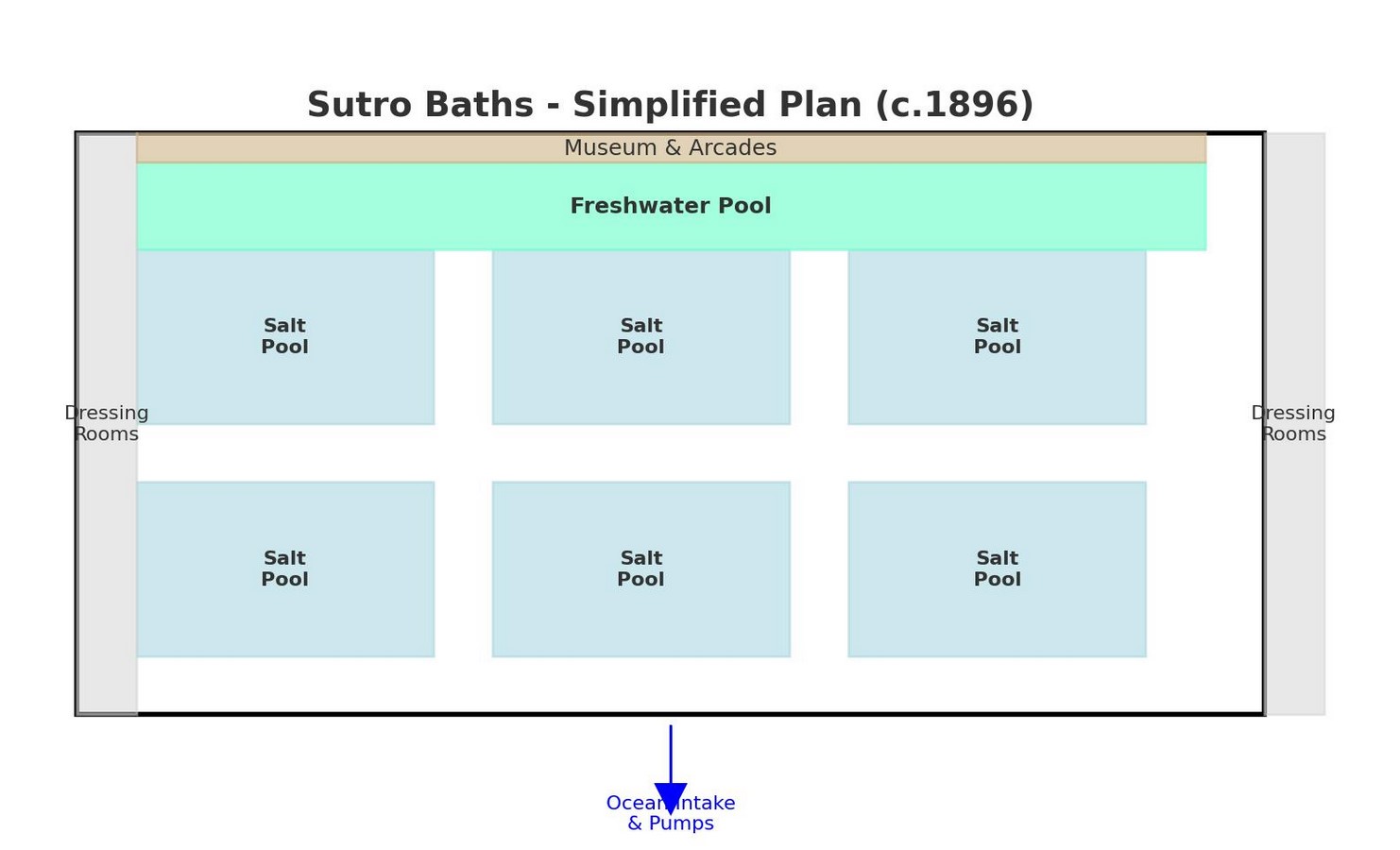
The Baths featured seven pools under a sweeping steel and glass roof. Six of these pools contained Pacific saltwater, drawn straight from the ocean’s edge. There was a seventh freshwater pool that offered an alternate option for those who prefer to skip the sea’s prickling embrace. To accommodate visitors, the complex also had a capacity of 3700 seating, which enabled large exhibitions and aquatic events. Either side of the length had a dressing room with lockers to house 1000s of people at the same time.
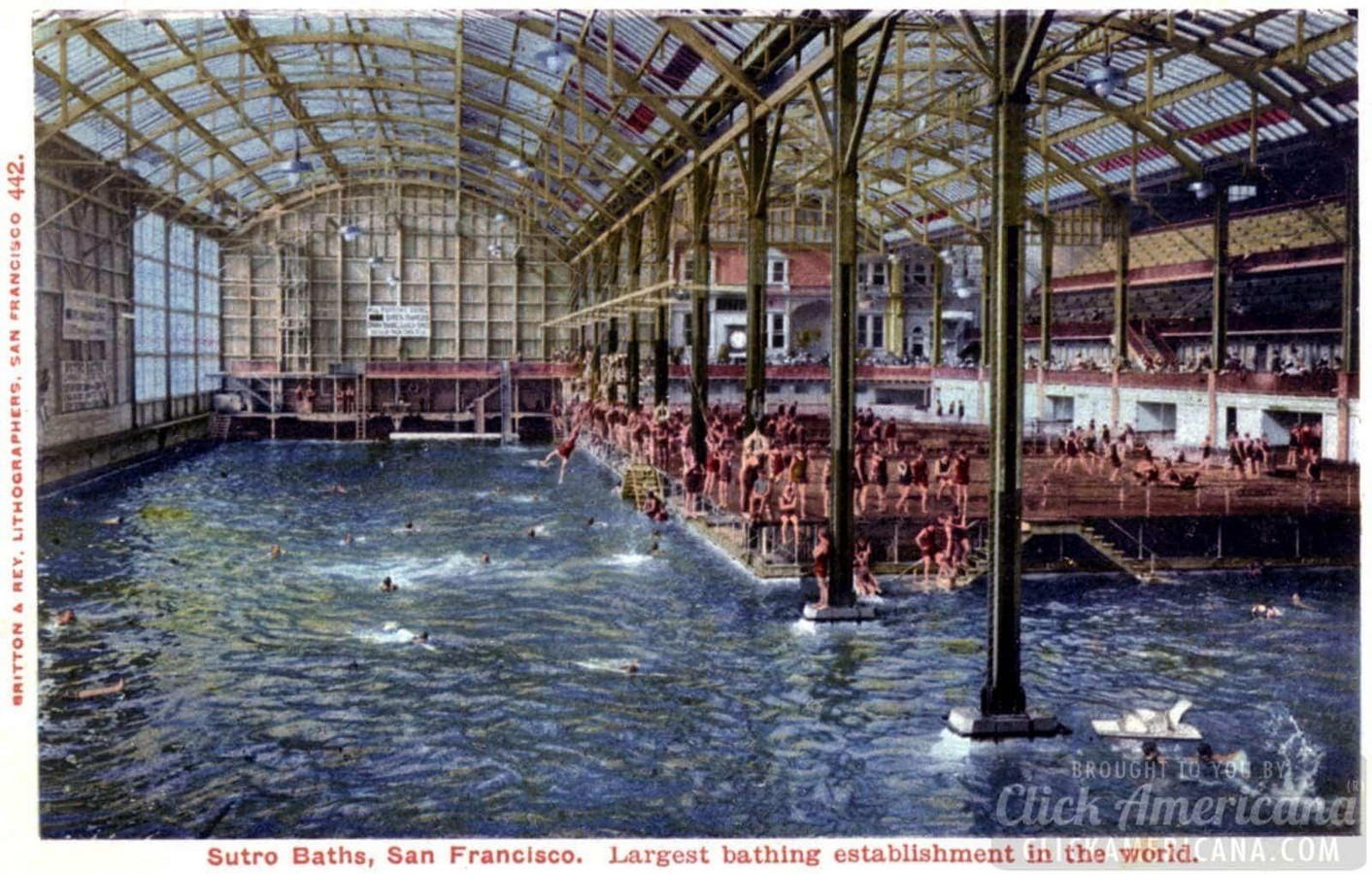
The design was inspired by Europe’s Crystal Palace and the railway sheds which spanned to higher lengths- it was envisioned to be a swimming arena which gives a theatrical experience against the view of the ocean. On weekends, thousands turned up to the bathhouse. The streetcar was also arranged by Sutro to his visitors. For just 25 cents, people could escape city life and walk into this gleaming palace by the water, which was fun at an affordable rate.
The Layout and Flow
The pools formed a stepped sequence, which created a rhythm of water stretching from cooler saltwater basins to the warmer, more inviting freshwater pool above. It can also be arranged in this manner to avoid mixing of saltwater tides into the freshwater pool. Dressing rooms lined the sides with long corridors where swimmers prepared for their plunge. Around the northern edge, arcades and the museum invited visitors to roam around and socialize.
A marvel of engineering was neither the glass roof nor the pools; it was the tidal pumping system: at high tide, over 1.7 million gallons of seawater were drawn in by gravity; at low tide, mighty pumps took over. This ensured the saltwater pools were refreshed regularly, preserving the water’s natural qualities.
Visitors wandered through this space as if on a journey. From the moment they entered the arcades, past the rows of lockers, and finally into the central hall where the sunlight poured through the glass ceiling, the experience was designed to reveal the Pools in sequence — a dance of light, water, and steel.
Why Saltwater?
At the heart of the Baths’ identity was the decision to use saltwater for six of the pools, a choice grounded in both practicality and contemporary beliefs of that time when the chlorination process was not common.
From a practical standpoint, the nearby Pacific Ocean offered a seemingly infinite, free supply. Using saltwater eliminated the enormous expense of piping in fresh municipal water or filling reservoirs. The pumping system took advantage of the tides, cycling ocean water through the pools naturally, cutting edges of so many difficulties of sourcing the water.
In an era before chlorination became common practice (this would only come into widespread use after 1910), saltwater was favored for its natural antibacterial properties. It was considered healthier and safer than stagnant freshwater pools that could breed bacteria and disease, and saltwater bathing was a part of the culture as a therapy. People believed immersing in the ocean helped cure ailments, improve circulation, and boost morale.
Sutro capitalized on these widely held health ideas by providing a safer alternative to open-ocean swimming, which could be otherwise dangerous because of currents and waves.
Though saltwater dominated, the freshwater pool offered an important alternative for those who preferred something gentler, emphasizing Sutro’s intent to cater to many tastes.
From Fashionable to Fading
Paradoxically, what made Sutro Baths state-of-the-art at its opening in 1896 — its saltwater pools and sprawling design — also hastened its obsolescence by the 1930s.
Preferences shifted. Swimmers began favoring freshwater pools because saltwater stung the eyes, irritated skin, and corroded swimwear. The advent of chlorine treatments made freshwater pools cleaner, safer, and more pleasant. Neighborhood pools popped up after World War II, which offered easier access and eliminated the need to drive all the way to the coast, which is most of the time foggy. At the same time, advances in wetsuit technology and swimsuit design encouraged more direct interaction with the Pacific itself, making artificial saltwater baths less appealing.
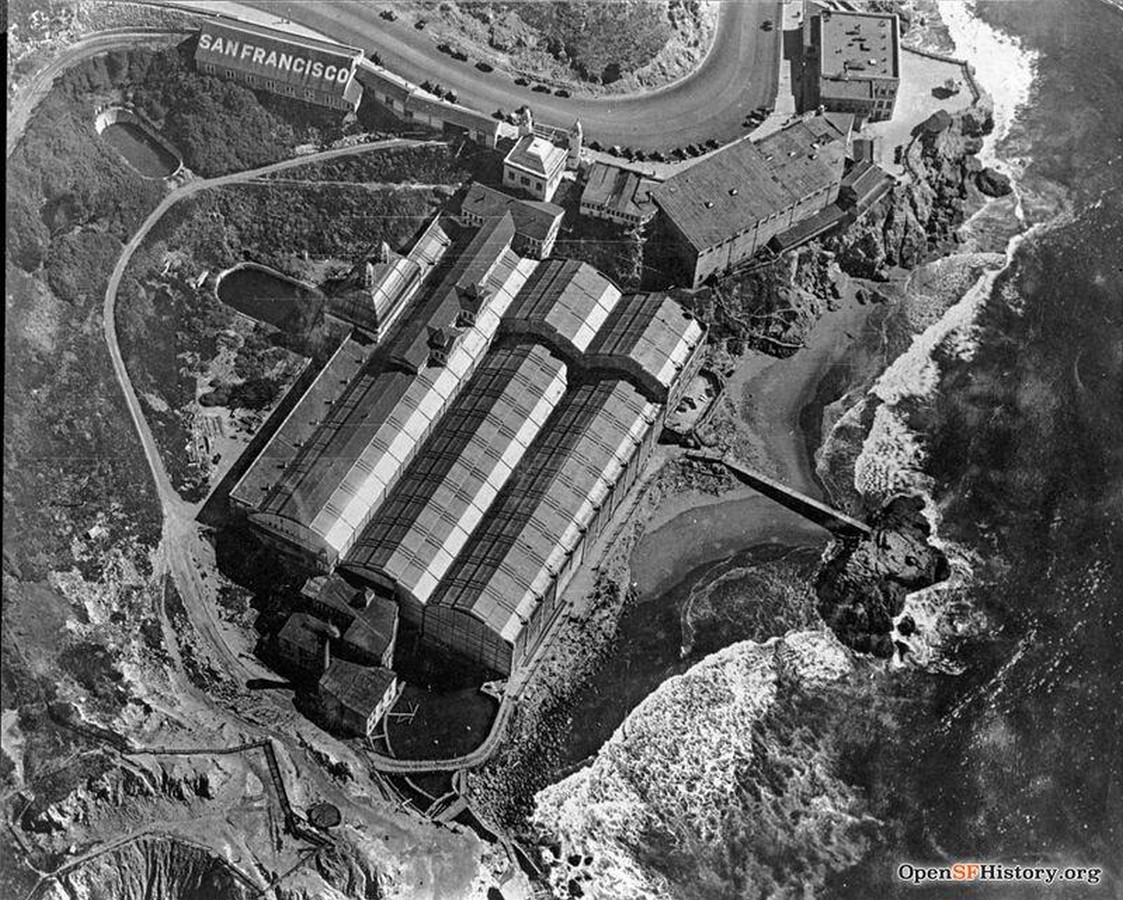
Sutro Baths, once a cutting-edge symbol of progress and health, found itself outdated —it was built on hopes that had their base in a fast-fashion health mindset. Its magnificent steel and glass structure, no longer embraced by a crowd eager for its particular form of leisure, began to corrode both physically and culturally.
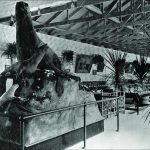
Even the footfall for the museum dropped as it featured a wide but unfocused mix of Egyptian mummies, Asian artifacts, stuffed animals, and random curiosities, attracting visitors more for the swimming experience than its displays.

Priced affordably at 25 cents, the low entry fee didn’t cover the high maintenance costs of preserving fragile items in a damp, salty environment, which led to high outow of cash with meagre inflow.
As San Francisco’s cultural scene matured with polished institutions like Golden Gate Park museums and the 1915 Panama-Pacific Exposition, Sutro’s museum appeared outdated and more like a sideshow than a serious educational venue with its unclear scope of display. Changing public expectations in the 1920s and ’30s favored curated, scientific exhibits, further diminishing its appeal. Ultimately, as attendance at the Baths declined, so did visits to the museum, which couldn’t survive without the broader attraction drawing crowds.
Building an Engineering Marvel — And Its Limitations
The baths were a highly imaginary vision and paid less attention to the climatic and environmental context which led to high operational costs . The large span roof was supported by steel truss and to a place with fog covering almost every day with high salt water infestation the rusting was even more rapid which demanded high maintenance cost. The glass panels were fragile against the ocean current and salt water which demanded frequent replacement owing to their cracks.
The pools themselves were made of sturdy Portland cement concrete designed to hold millions of gallons. Still, cracks, reinforcement challenges, and maintenance were tricky in a marine environment.
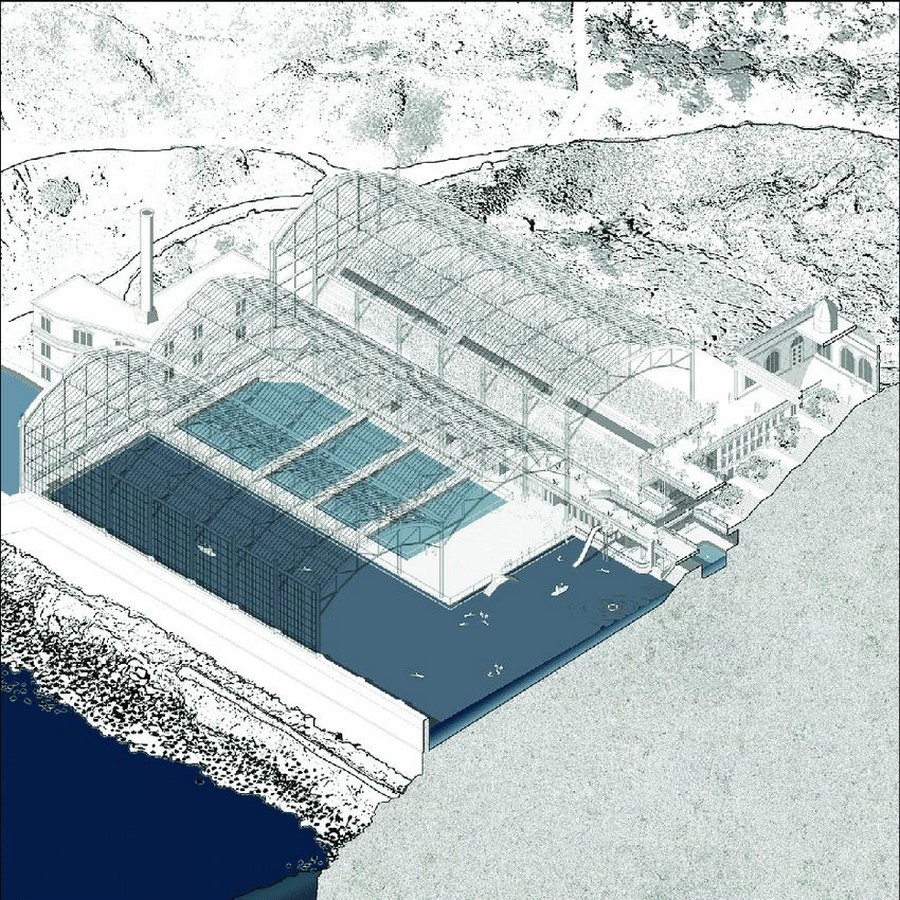
The pumping system was powerful and innovative, cycling seawater daily, but storms damaged pumps and intakes very often, resulting in costly repairs.
If at all he had access to modern waterproofing methods like — bitumen membranes or glazed tiles,by then, the Baths might have weathered the elements better. Instead, Sutro’s crystal palace of steel and glass, while visionary, but vulnerable from the start.
Financial Struggles and the Fire that Sealed Its Fate
From the beginning, the excitement of the Baths was shadowed by financial stress. Keeping the facility in working condition drained income, and the Great Depression followed by World War 2 was another major drawback.
Attempts to revive the space in the 1930s took creative turns — from roller-skating rinks to ice skating — yet profitability was again a question to owners. As the decades passed, with newer and more convenient pools emerging, interest to travel all way to the edge of cliff seemed unappealing.
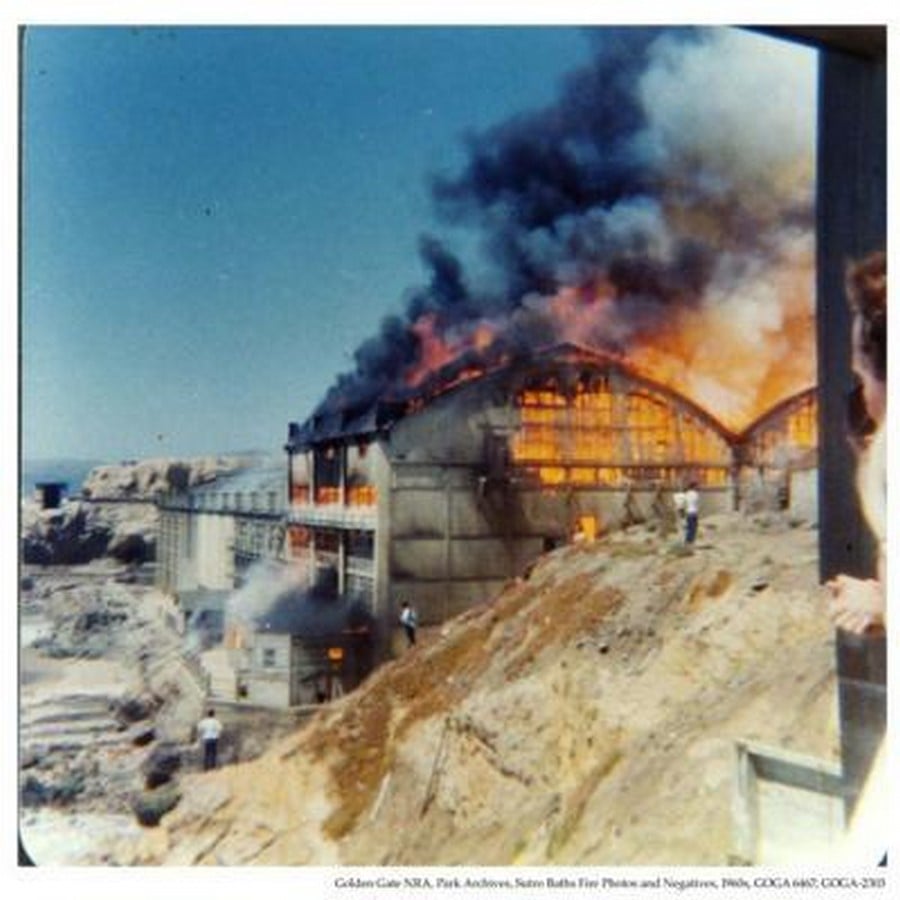
By the 1960s, a new set of owners chose to demolish the Baths to make way for pricey apartment complexes. But as demolition began in 1966, a major fire accident engulfed the space which was suspected to be an arson. Steel melted, timber was consumed, and the grand glass palace collapsed, leaving only ruins left.
Ruins and Memory Today
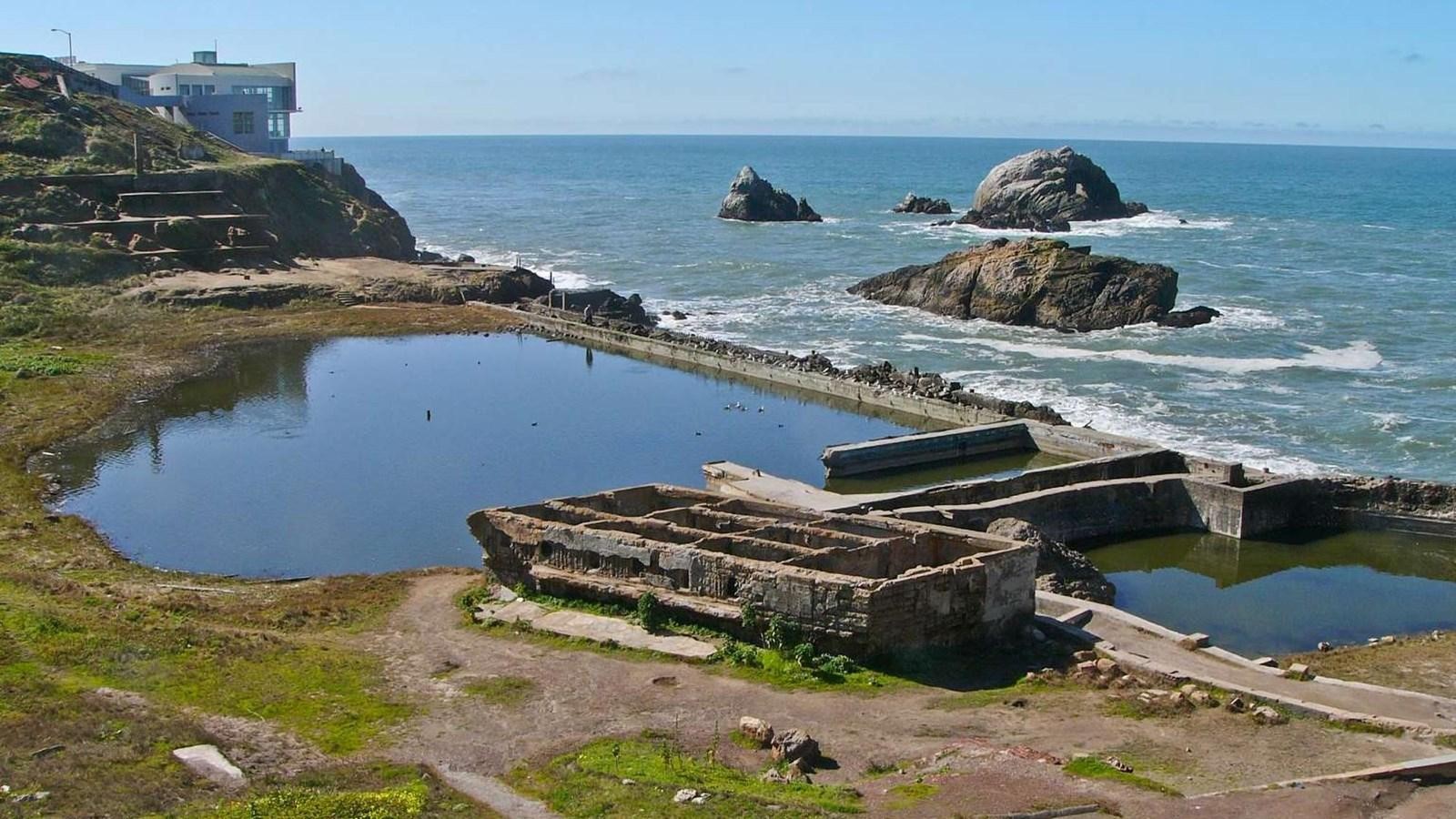
Today, the Sutro Baths are a protected site within the Golden Gate National Recreation Area. Visitors can explore broken walls, tidal pool basins that still fill a rusted trace of memory wfor a place which shimmered in the past.
The National Park Service has wisely chosen to preserve the ruins as a symbol of history, rather than reconstruct what would be an expensive and perhaps a failure project again.
Dreams of Reconstruction?
Despite advances in building technology, reconstructing the Sutro Baths is highly unlikely. The Pacific shoreline’s brutal conditions, combined with today’s strict building codes and the astronomical costs, make a full rebuild unrealistic.
Instead, technology offers another path. Digital reconstructions using virtual reality or augmented reality allow visitors to experience the Baths as they once were. Archival photographs and 3D models bring the palace back to life in the imagination, offering an immersive glimpse of what was lost.
The runs can be a part of history and architectural vision which was highly appreciable in past . It can be a lesson not a legacy of functional pools.
Lessons from the Sutro Baths
The rise and fall of the Sutro Baths offer enduring lessons in architecture, engineering, and urban planning:
- Material vs. Environment: Choosing materials based on image rather than suitability for the setting leads to structural failure soon. Steel and glass signaled modernity but were vulnerable to ocean corrosion.
- Vision vs. Sustainability: Grand ambitions must be backed up with financial planning for ongterm and open to adaptability. Without this,anything would be short-lived.
- Preservation vs. Loss: Without careful investment in insurance, maintenance, and heritage preservation, important cultural landmarks risk destruction and can be unclaimable to investment.
- The entire idea was around a fastmoving health fashion which is quite a brittle foundation for a structure of this scale.
Closing Thoughts
The Sutro Baths stand today not just as ruins, but as a powerful symbol. They reflect a moment when human imagination dared to dream in glass and saltwater, while the city embraced a grand industrial-age ideal. But they also remind us that ambition without future planning or mapping of finances is vulnerable, and that even the most dazzling creations may be transient in the face of natural forces.
Walking through the broken remnants at Lands End, one can feel both the majesty of Sutro’s dream and the quiet reclaiming power of the tides. The Baths live on — less in steel or glass — and more as a romantic memory, a story of ambition, impermanence, and the ever-changing edge where city and ocean meet.
REFERENCES:
- National Park Service, ‘Sutro Baths History’, Golden Gate National Recreation Area, 23 June 2025, https://www.nps.gov/goga/learn/historyculture/sutro-baths.htm [accessed 29 September 2025].
- BanyanSF, ‘Sutro’s: From Baths to Ruins’, 5 May 2023, https://banyasf.com/the-banya-journal/sutros-from-baths-to-ruins/ [accessed 29 September 2025].
- Inside Guide to San Francisco Tourism, ‘The Sutro Baths: San Francisco’s Strange Ruin’, 8 September 2025, https://www.inside-guide-to-san-francisco-tourism.com/sutro-baths.html [accessed 29 September 2025].
- Outsidelands, ‘Sutro Baths’, 1 November 2024, https://www.outsidelands.org/sutro_baths.php [accessed 29 September 2025].
- Atlas Obscura, ‘The Sutro Egyptian Collection’, 15 March 2011, https://www.atlasobscura.com/places/sutro-egyptian-collection-skb [accessed 29 September 2025].