It is the global change that has an impact on architecture concerning buildings and materials. Those days of tearing down an old building are long gone. The architects have positioned themselves as advocates of sustainability and prefer to think outside the box about how to convert an existing space into a great building. One such creative intervention with nature in mind in line with recycling and upcycling of spaces is either to retain an immovable story, history, or just an alternative present.
The Philosophy Behind Adaptive Reuse
The act of breathing life into aged forms has an inbuilt poetry. This expression may aptly explain what architect David Chipperfield once said in an interview with The Guardian: “The most sustainable building is the one that already exists.” This notion stands at the heart of why reuse has ceased to be a mere trend and is fast becoming one of contemporary architecture’s main tenets. According to the World Green Building Council’s 2019 publication, the construction industry accounts for an estimated 39% of global carbon emissions. Choosing to reuse and renovate at least saves some materials and prevents tons of waste from going to landfills as well as new carbon emissions from the process of constructing new.
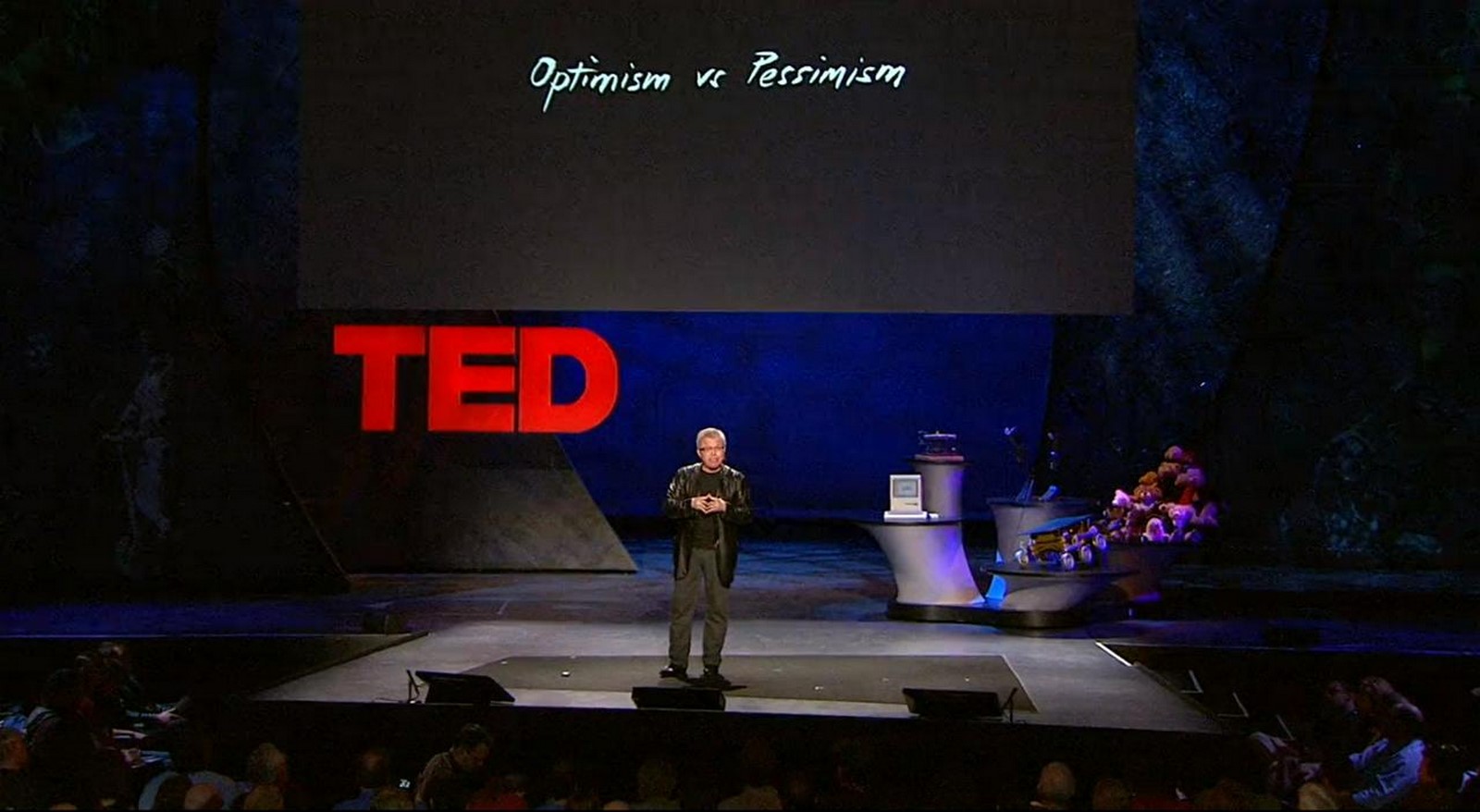
The beauty of retrofitting lies in that the energy has already been married there-the energy, resources, labor, and all the carbon involved in the creation of the structure in the first place. Daniel Libeskind stressed at the 2009 edition of TED that every building tells a story, and when we work with the building rather than destroying it, we respect those stories even as we add new ones, a concept that resonates very well in our present culture which prefers character and authenticity to sterile perfection.
Industrial Conversions: From Factories to Living Spaces
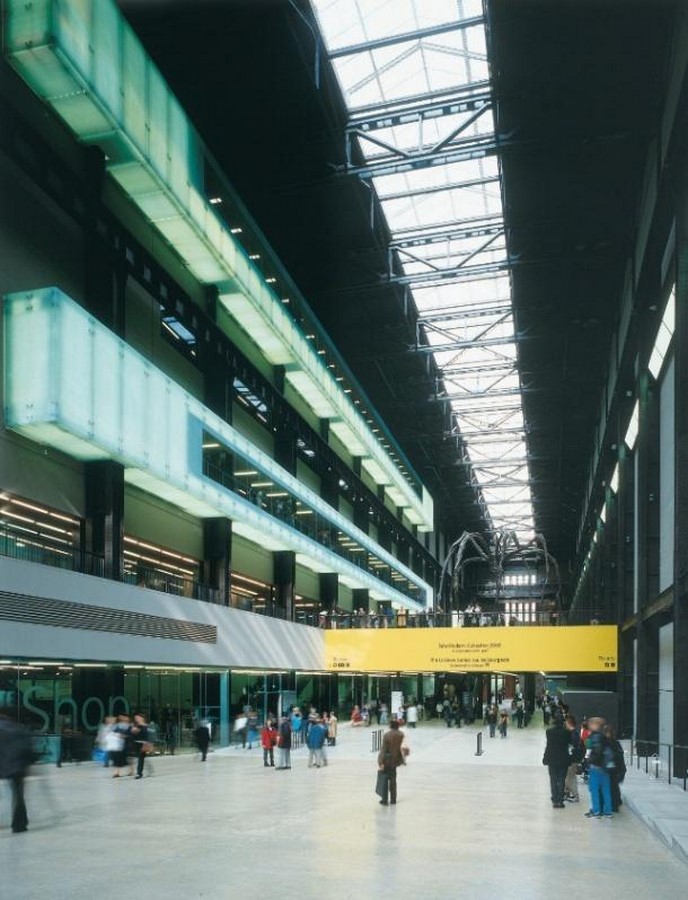
These days, recycled architecture sees the lion’s share of exposure in alterations of industrial buildings. One such example we can all be proud of is the Tate Modern. The Bankside Power Station, in its dilapidated state, was converted into one of the most visited contemporary art museums of the world by Herzog & de Meuron. Instead of trying to disguise the building’s industrial origins, the architects embraced it, leaving concrete and steel exposed in the galleries. The two new additions – glass atriums and light boxes – were made from materials of the day, in a bold conversation with the worn brick and cast iron of the 1947 power station. By keeping the strong concrete frame and 99-meter-high chimney intact, thousands of tons of embodied carbon would have been liberated through demolition. As typical for an adaptive reuse, 70% of the building shell and materials were reused for this project, proving that old industrial era buildings are not too difficult to repurpose in lieu of replacing them.
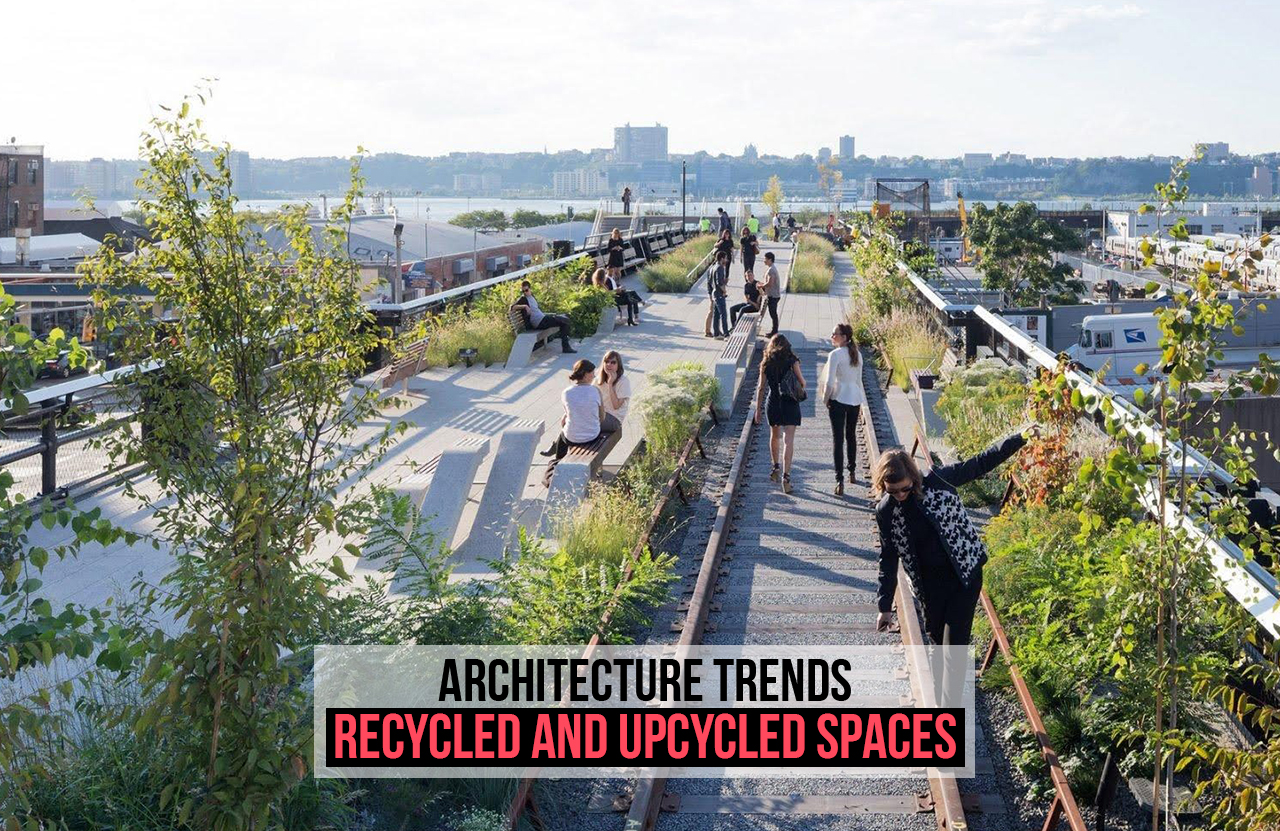
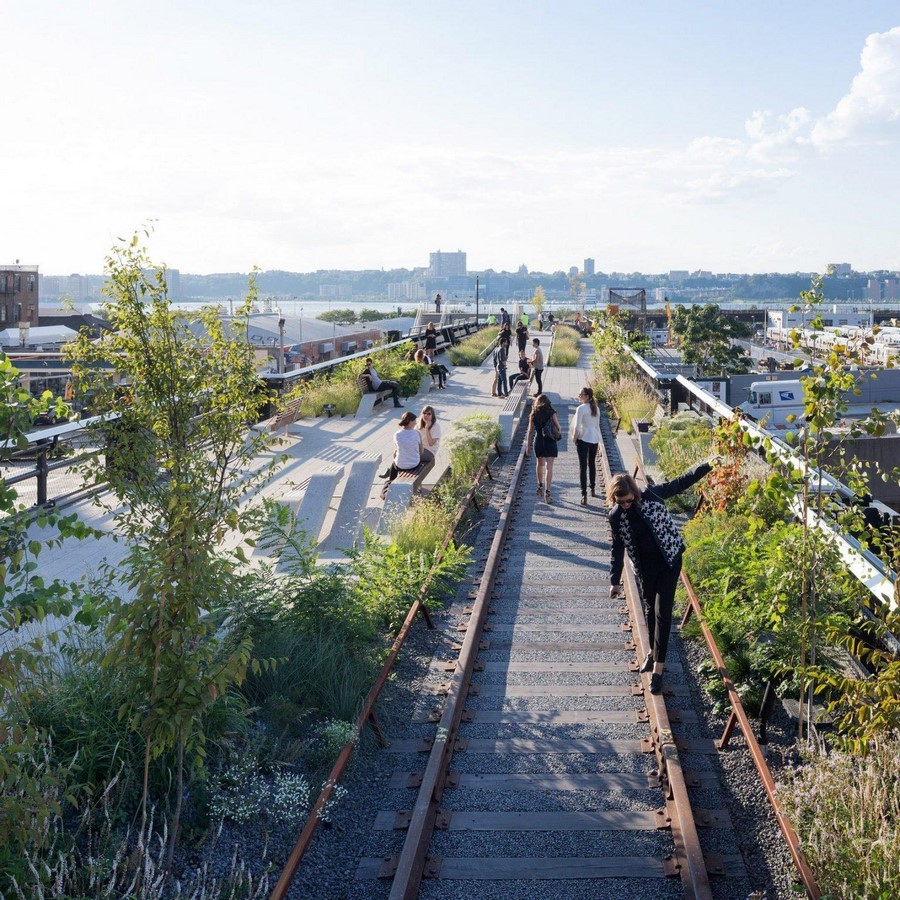
In the meanwhile, the infrastructure in New York reinvents itself wonderfully as a public park. The project ran from 1980 to 1985; it saw an abandoned elevated railway converted into a 1.45-mile-long park while the demolition of the track was taken off the table. The English held on to the spirit of the original railway-its cast-iron steel structure, the feeling of suspended-in-the-city-yet have overlaid this with layers of lush planting and social spaces. As landscape architect James Corner explained in Architectural Record, ‘We didn’t want to erase history; we wanted to build upon it.’ The High Line now attracts approximately 8 million visitors per year and has sparked $2 billion in adjacent real estate development.
Shipping Containers: The Modern Building Block
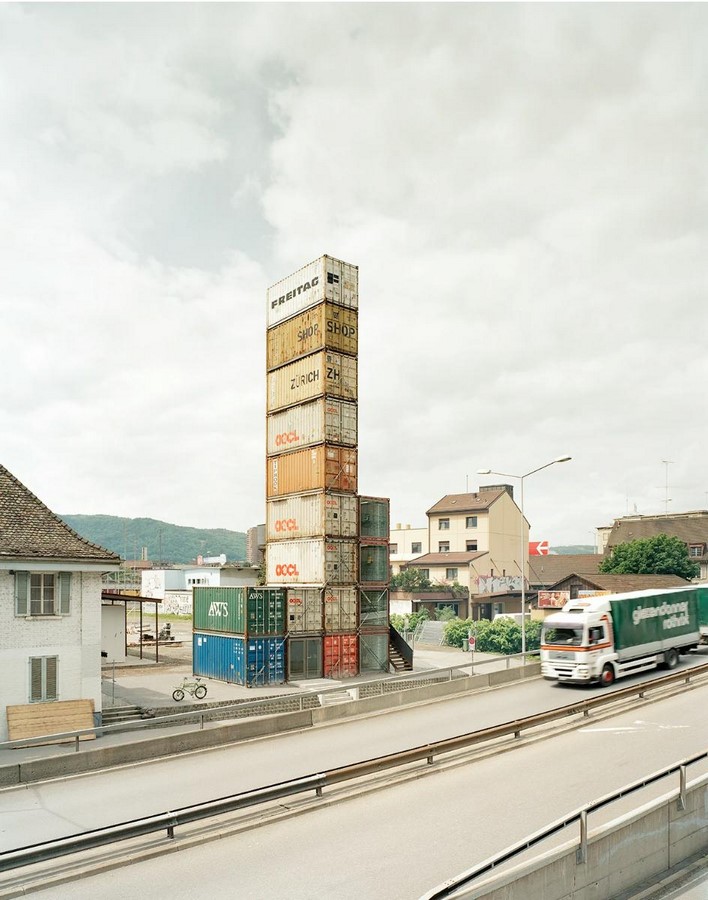
The humble shipping container has become something of an icon in the world of upcycled architecture. These corrugated steel boxes made for global transit are now becoming homes, offices, and even hotels. Spillmann Echsle Architekten’s design for Freitag’s flagship store in Zurich is based on 17 shipping containers piled into a four-storey retail space. The structure does double duty: as a store and a billboard for the brand, which produces bags from recycled truck tarps.
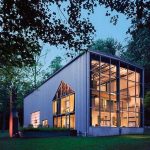
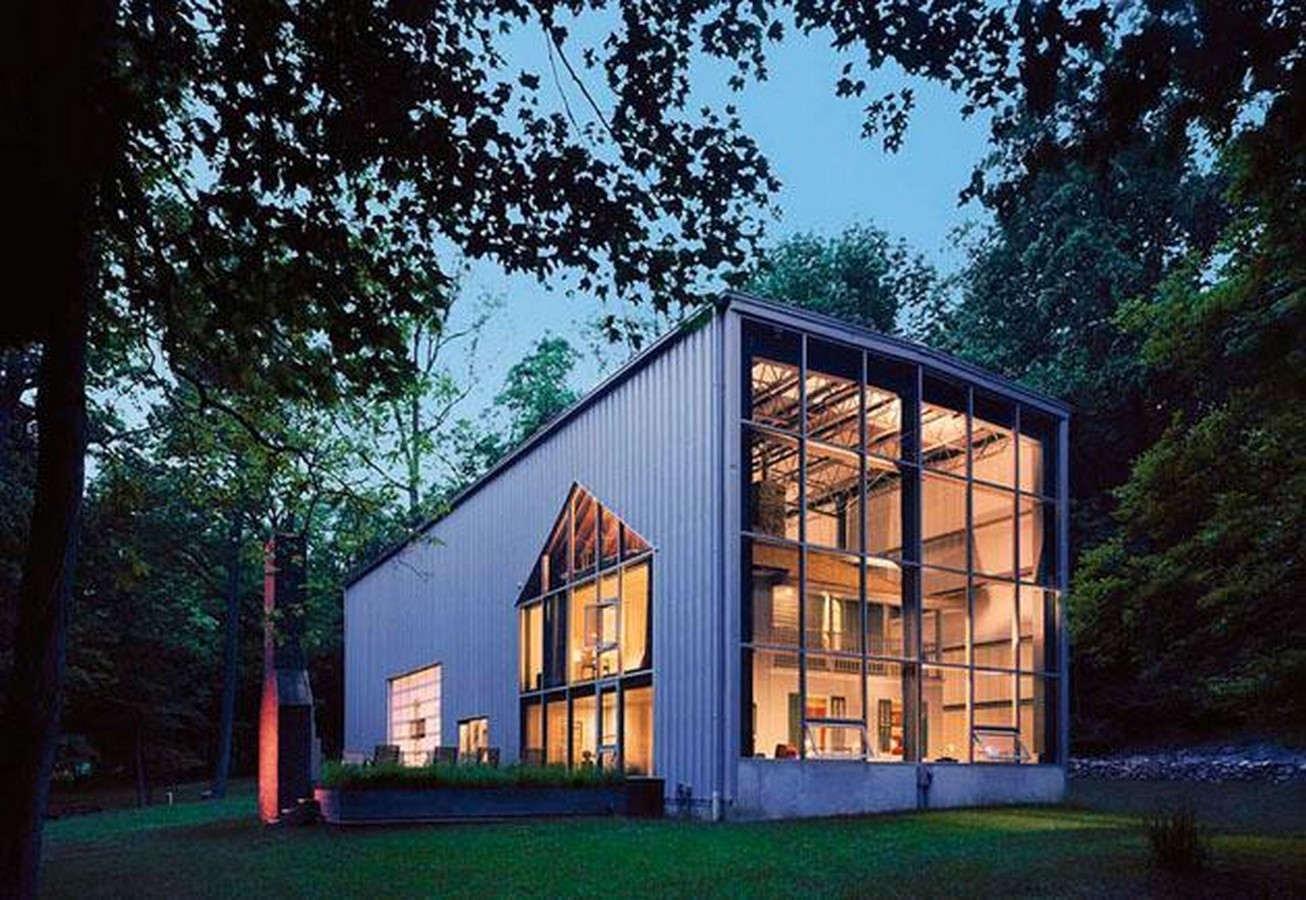
The thing that makes shipping containers attractive is not just their ruggedness — enough for the high seas — but also their modularity. As the architect Adam Kalkin, widely considered one of the forebears of the shipping container home movement, said in his book “Quik Build”: The container is a “ready-made structural skeleton that can be reassembled into all manner of uses.” His Bunny Lane project in New Jersey converted a dozen shipping containers into an elegant family home, featuring a glass-enclosed art gallery. Direct project costs were about 25% lower than for traditional construction.
Breathing New Life into Religious Buildings
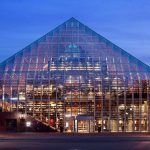
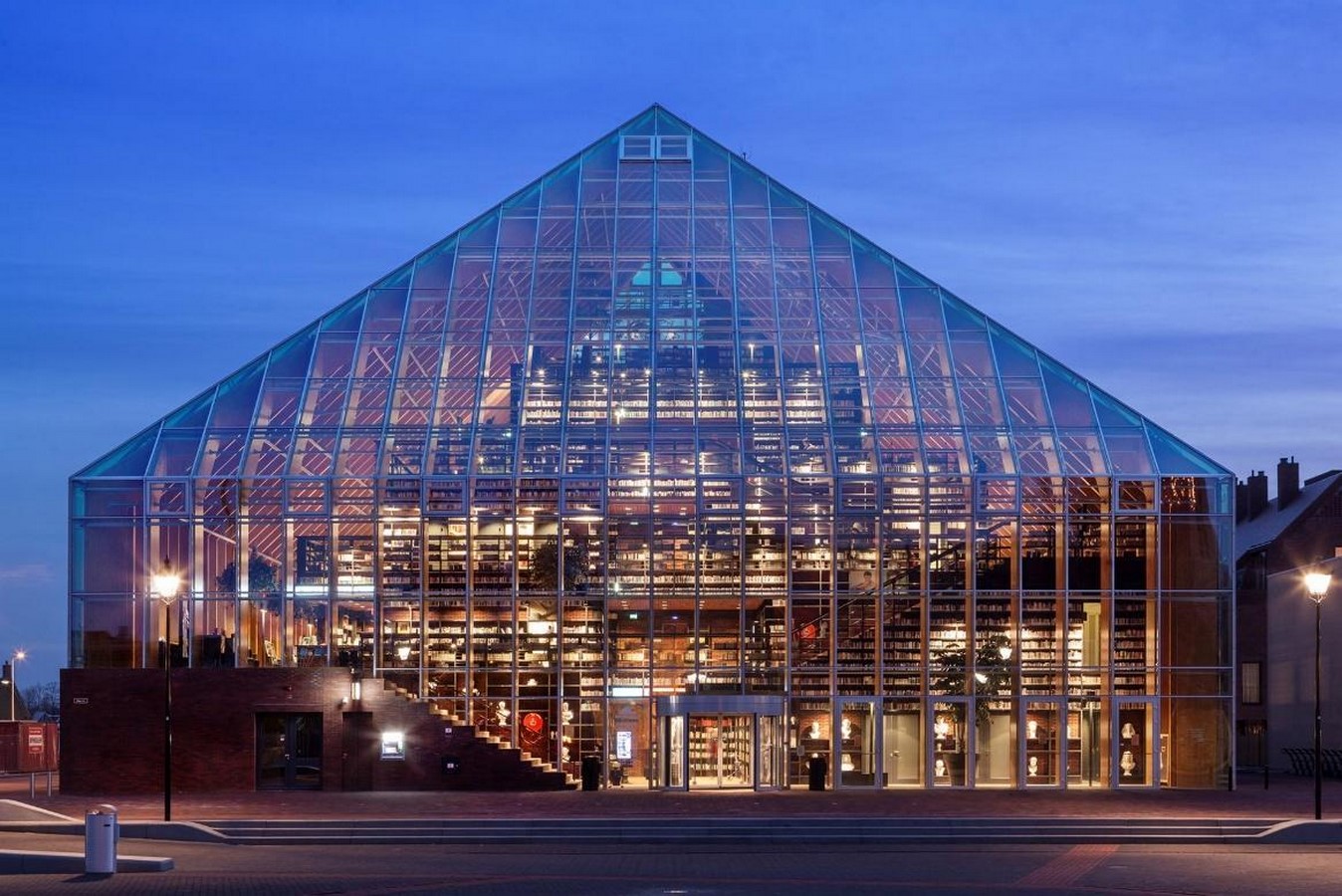
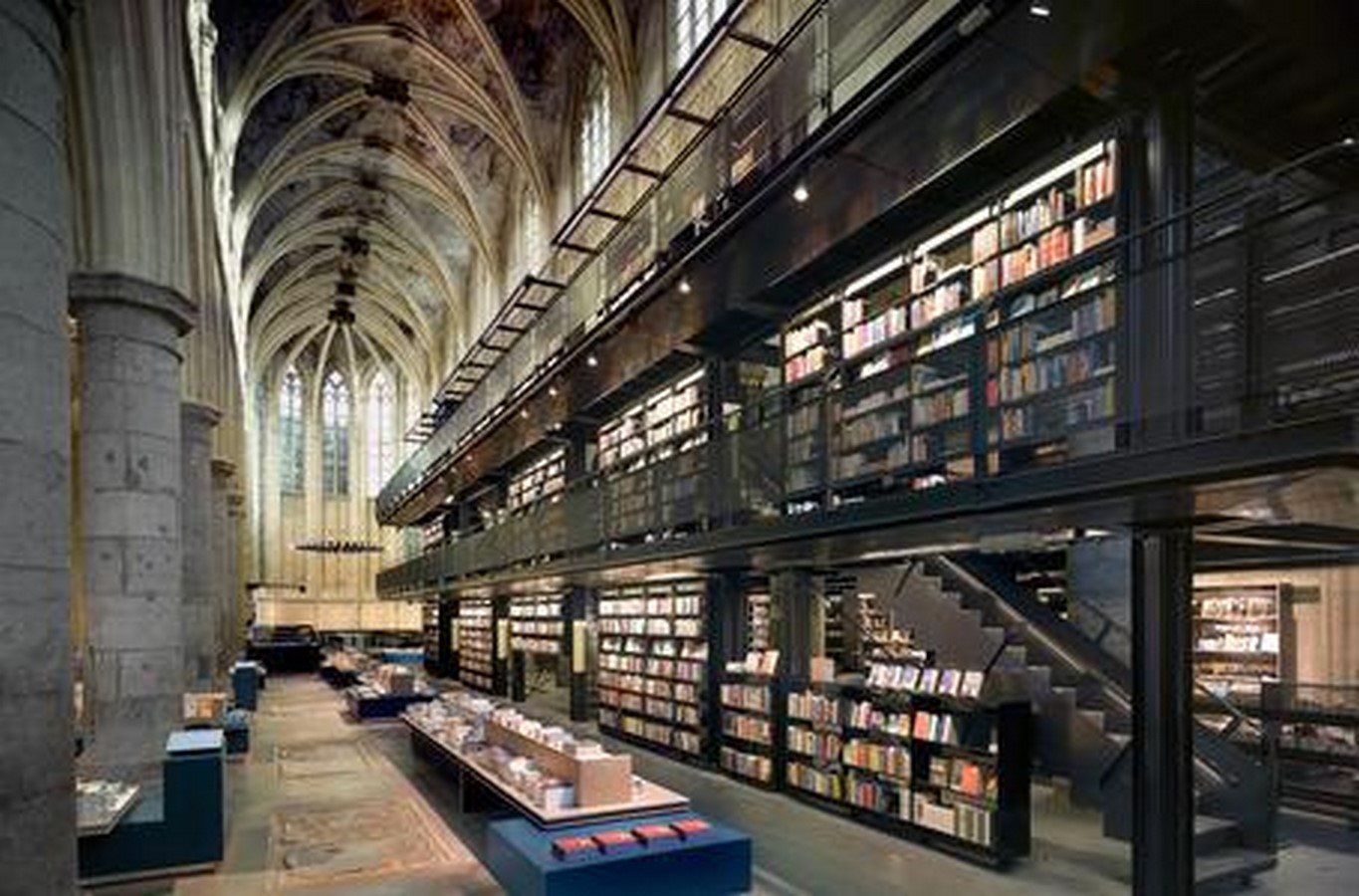
Churches are voter centers, and many nonreligious types love the soaring ceilings and lovely architectural details that come in churches — making them interesting adaptive reuse candidates. MVRDV’s Silodam in Amsterdam is not also a church conversion, but their Book Mountain Library in Spijkenisse illustrates how extravagant interior spaces can be convincingly re-purposed. But the Selexyz Dominicanen in Maastricht is an extraordinary case of religious space transmogrification. The architects Merkx+Girod have inserted a steel bookshelf structure into a 13th-century Dominican church, an effort that The Guardian described as having produced “the world’s most beautiful bookstore.” The intervention itself is very clearly modern contextual rather than something trying to hide in the shadows of an age-old house.
Material Upcycling: Beyond Building Shells
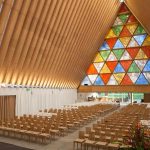
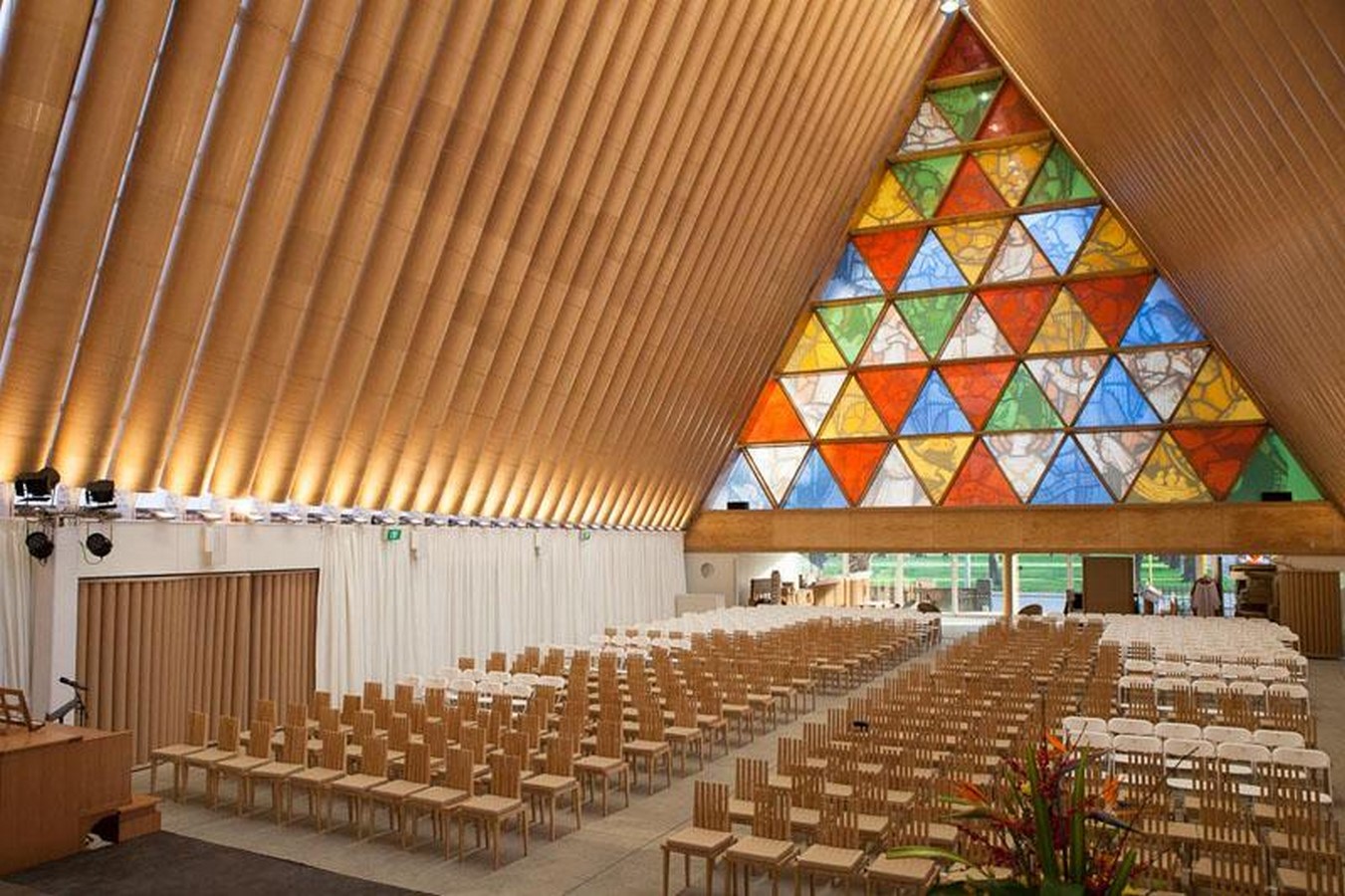
Today’s architects aren’t just recycling buildings; they’re upcycling material in sensitive, ingenious ways. Shigeru Ban, the Pritzker Prize-winning architect, has spent his career making imaginative use of unorthodox, recycled materials. His Cardboard Cathedral of Christchurch, New Zealand — which he created there in the aftermath of the 2011 earthquake — is composed of 98 cardboard tubes as structural elements. The temporary structure — meant to last 50 years — cost $5.3 million, a fraction of the price of a traditional cathedral. “I don’t see cardboard as a cheap material,” Ban told Dezeen magazine. I just see it as powerful, enduring and gorgeous.
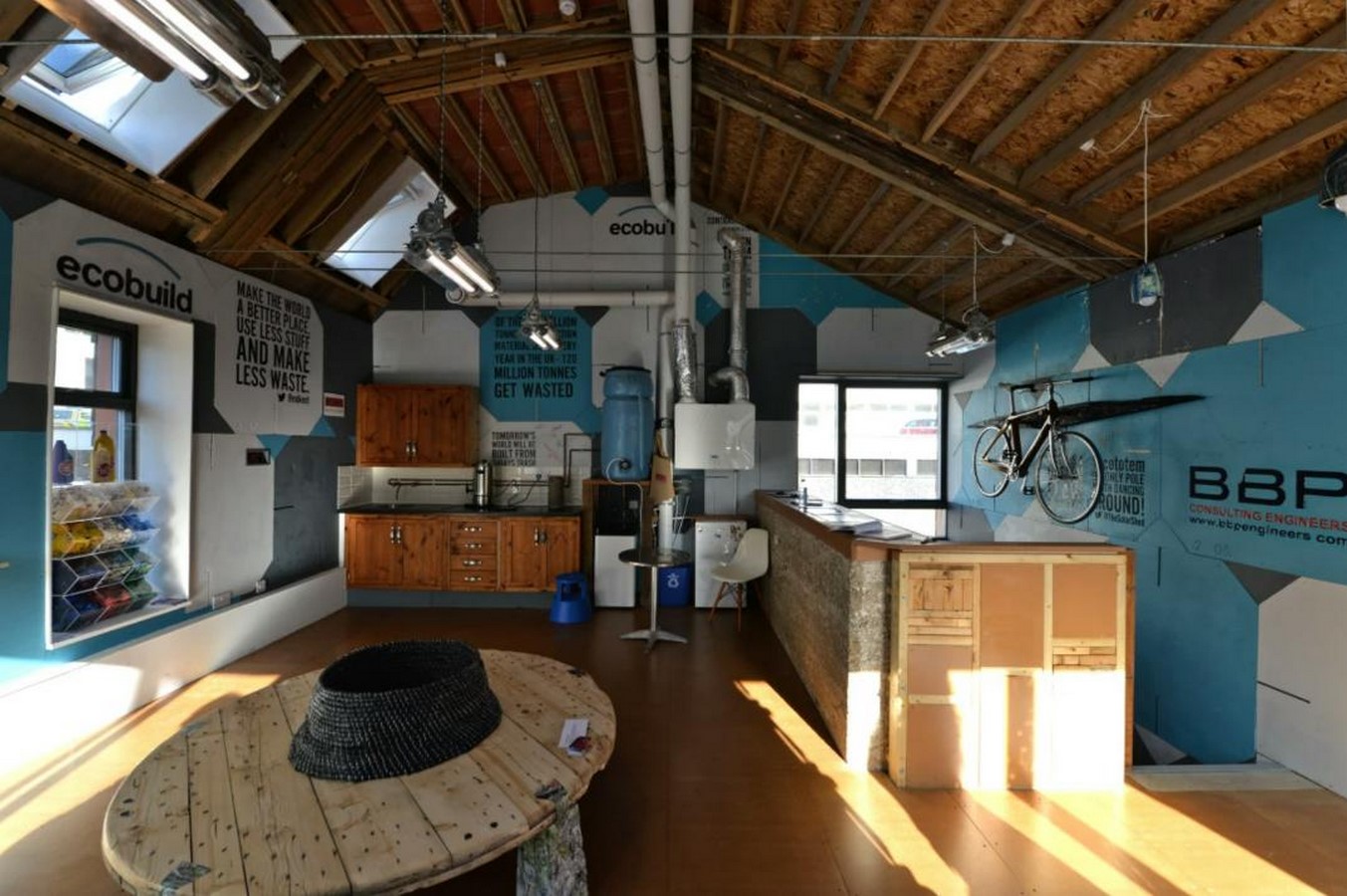
The waste house at the University of Brighton by BBM sustainable Architects goes to another level with material recycling. The building contains 20,000 toothbrushes, 4,000 DVD cases, two tons of denim and other construction waste. It’s not just a gimmick — the residence meets rigorous energy efficiency requirements and also functions as a teaching aid for sustainable building. According to project director Duncan Baker-Brown as quoted on Construction News: “85% of construction waste could be reused, but we’re just not doing it.
The Economic and Environmental Case
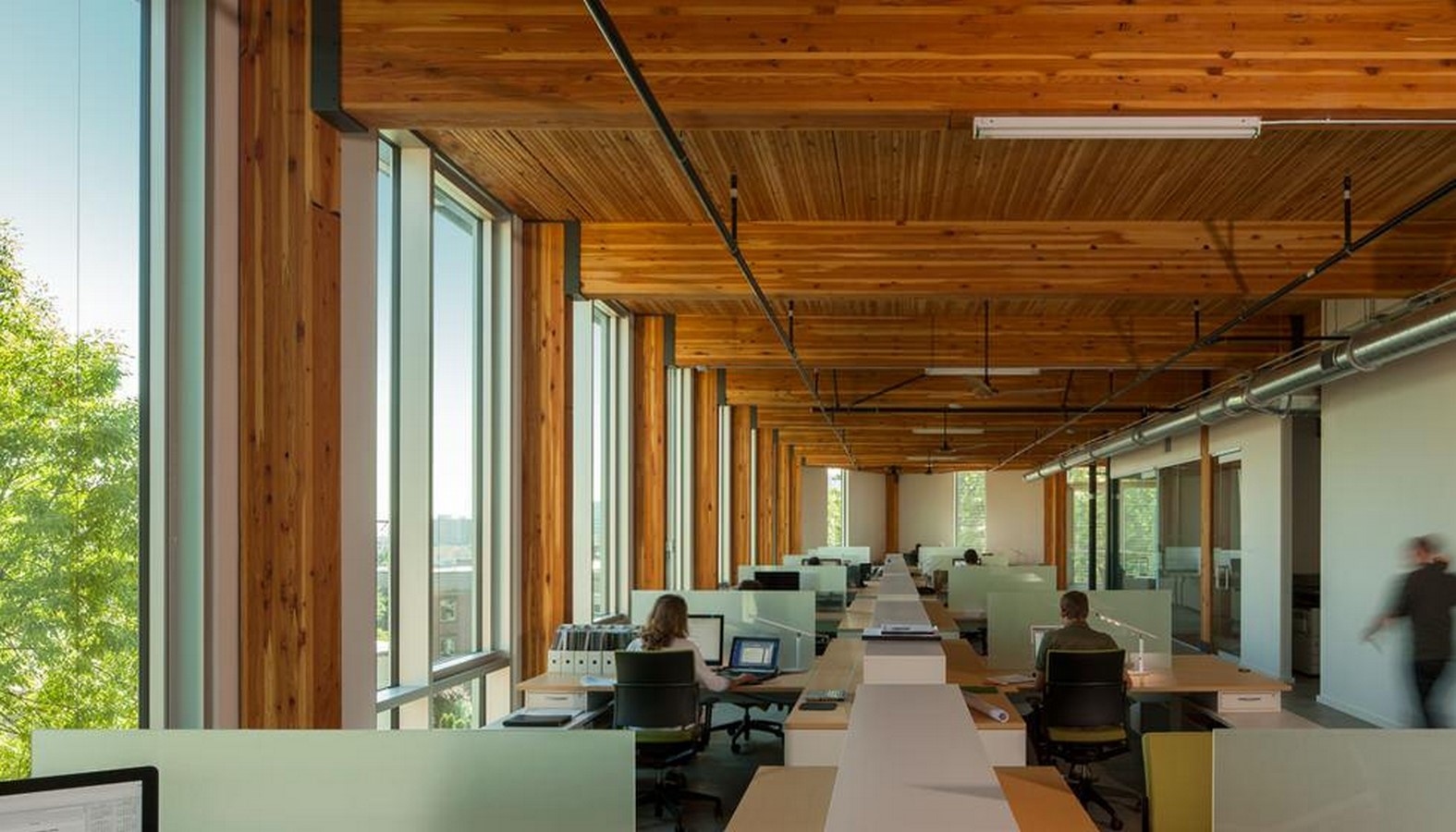
The numbers make an arresting argument. Renovation of existing buildings, on average, consumes about 25% less energy than new construction over a 20-year period, according to a study by the National Trust for Historic Preservation in 2020. The Bullitt Center in Seattle, known as the most environmentally friendly commercial building in the world, featured salvaged lumber and recycled materials at every turn. But Architectural Digest reported that the building’s resale value went up 30 percent because of its sustainable attributes.
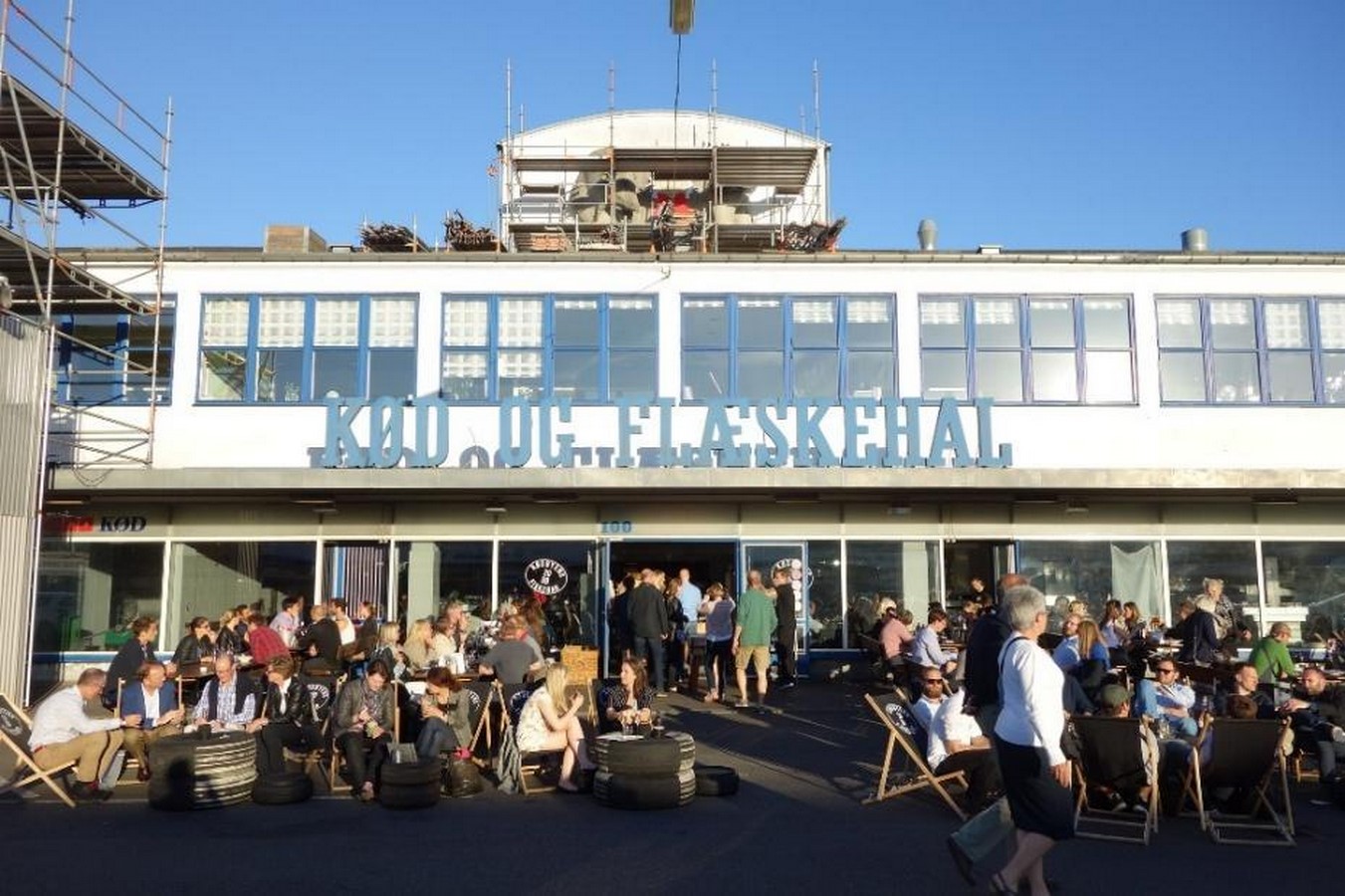
Many of these heritage buildings are situated on prime city locations and are economically viable for reuse. This principle can be observed in the blandishment of Copenhagen’s meatpacking district into a sexy nightlife zone – known as the Meatpacking District. The neighborhood’s industrial brick buildings, initially constructed in the 1930s, are home to restaurants, galleries and clubs. The retrofitting costs were roughly 40% lower than new construction, according to research conducted by urban planner Jan Gehl.
Looking Forward
With the climate crisis and resource shortages to consider, recycled and upcycled architecture is more than a trend — it’s crucial. The Ellen MacArthur Foundation believes that applying the principles of circular economy to construction could cut global CO2 emissions by 38% by 2050. A rising number of young architects graduate with training in adaptive reuse, and courses on sustainable renovation are now required by many schools of architecture.
Of architecture’s future, it might pay to look instead to its past. Every recovered building, every reclaimed material, reminds us that value isn’t always clean and new. Every now and then, the most novel solution is to change our focus from asking “What should we build?” but “What can we transform?” That reframing of perspective may be what will save our built environment — and our planet.
Images and Websites:
126 tate modern. Herzog & de Meuron. Available at: https://www.herzogdemeuron.com/projects/126-tate-modern/
Maryna Pretorius Architects (2021) New York announces high line extension to connect to Penn Station. Available at: https://www.pretoriusarchitect.com/new-york-high-line-extension-penn-station/
Freitag flagship store – works .spillmann echsle. Available at: https://www.spillmannechsle.ch/works/freitag-flagship-store
iDesignArch (2025) Bunny Lane house: A cottage inside a giant shed, iDesignArch. Available at: https://www.idesignarch.com/bunny-lane-house-a-cottage-inside-a-giant-shed/
Book mountain (1969) MVRDV. Available at: https://www.mvrdv.com/projects/126/book-mountain
Merkx+Girod Projects – Retail – Shops – Selexyz bookstore – Dominicanen Maastricht – Merkx+Girod. Available at: https://merkx-girod.nl/en/projects/retail/shops/selexyz-bookstore/dominicanen-maastricht
Yoann (2023) Cardboard cathedral, Shigeru Ban. Available at: https://shigerubanarchitects.com/works/cultural/cardboard-cathedral/
Williams, A. (2015) One man’s garbage is another man’s … House?, New Atlas. Available at: https://newatlas.com/waste-house-bbm/32616/
DEI Creative in Seattle, W. The greenest commercial building in the world, Bullitt Center Home Comments. Available at: https://bullittcenter.org/
The Copenhagen Meatpacking District – hub-in atlas (2022) HUB. Available at: https://atlas.hubin-project.eu/case/the-copenhagen-meatpacking-district/
YouTube
Libeskind, D. (no date) 17 words of architectural inspiration, TED. Available at: https://www.ted.com/talks/daniel_libeskind_17_words_of_architectural_inspiration