The 21st-century human in urban environments is a culmination of fast-paced living, rapid movements, and efficient working; more often than not, a straight point A to point B journey. However, humans are not machines but living beings with individualized architectural experiences. These experiences are sensory stimulations that add to our daily lives and inform the quality of our affairs, whether they be work, play, rest or travelling, while also slowing down our pace of life and grounding us in reality. Phenomenology plays a significant role in our perception of space through the five senses and their subsequent effect on our routines.
Humans actively absorb and respond to the immediate environs, giving rise to unique experiences that over time form routines of repeated elements. But, one determining factor can change to produce another unique experience. In this phenomenon, architecture is both the stage and the environs that determine the nature of the play of human life and that is because architecture itself is a stimulant for the human senses.
Most of all to be investigated is how our everyday routine is shaped from the sensory experiences generated by architecture?
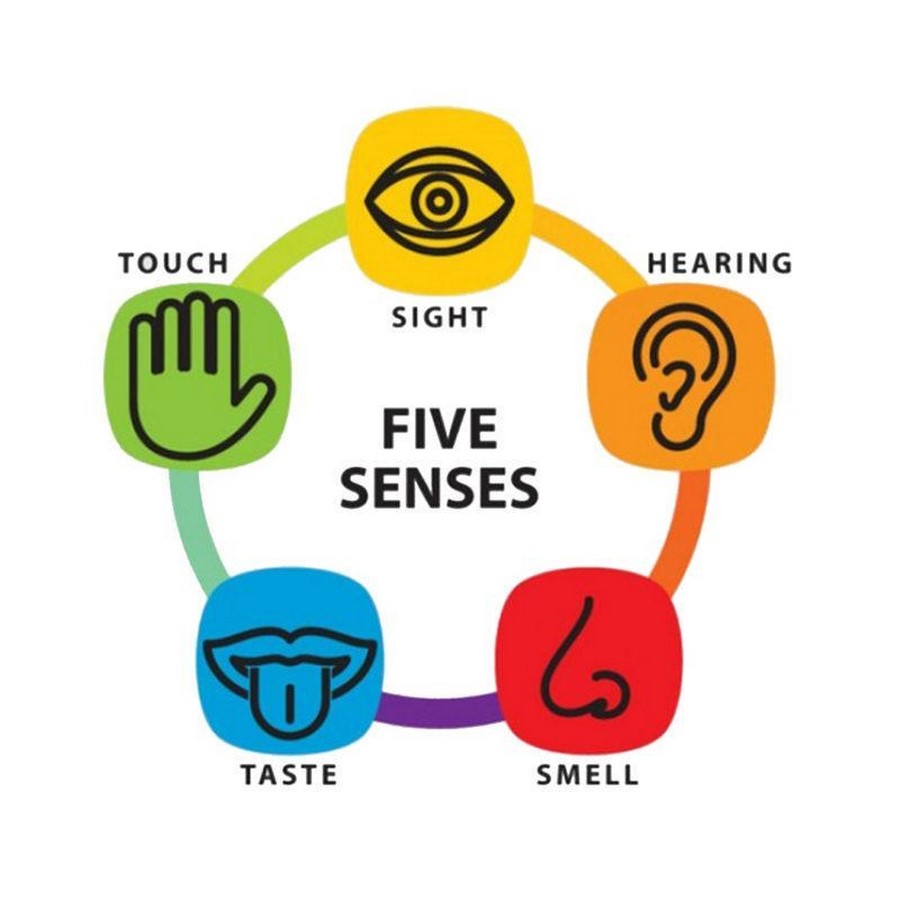
The Dominant Sense: Visuals
Sight is the most used sense among humans, in conventional terms, to explore and navigate the world and as such the human brain is conditioned to observe the visual aspect of things first. Most of the visual architectural experiences are organized around this; daylighting, colours, elements, shapes, and generated forms. In this age of constantly sourcing information from the eye, visual monotony in daily life becomes a key concern and challenge to overcome to be able to design spaces that are positively stimulating. Different visual elements are utilized to invoke different responses depending on the required typology. For instance,
Lighting in Architecture:
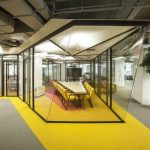
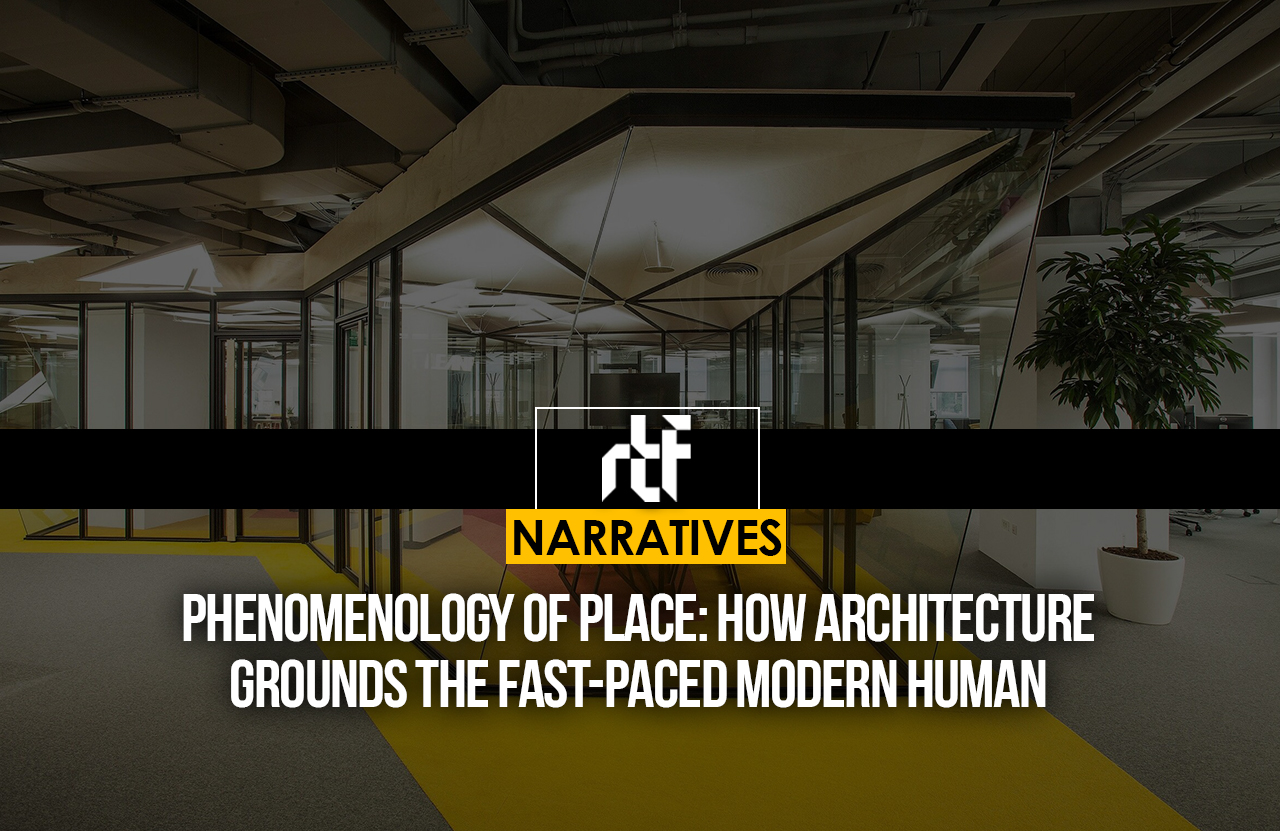
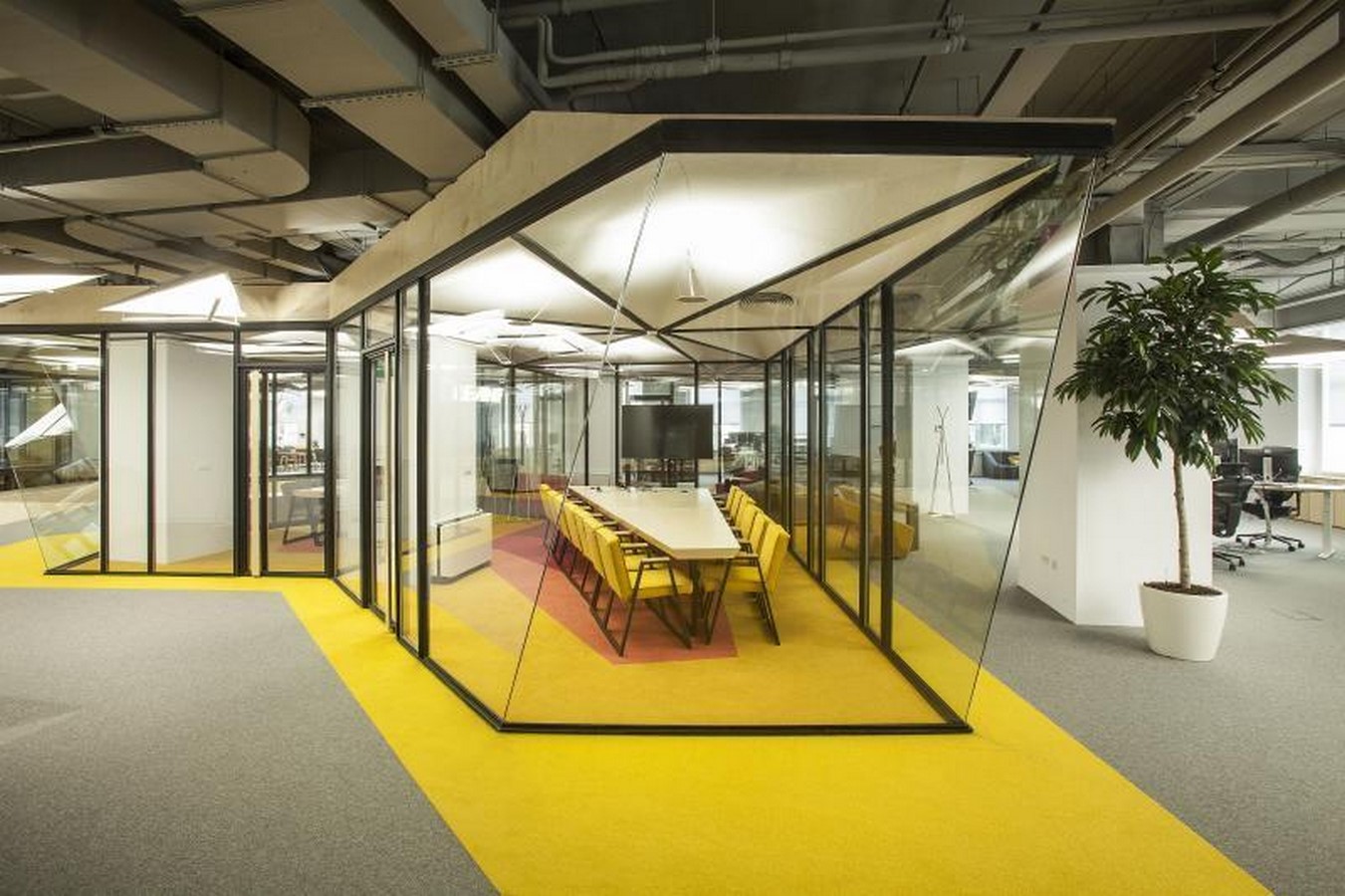
Take workplaces where maximum productivity and efficiency are required, the mind must be kept engaged and active. To enhance these attributes, in offices and corporate workplaces, whiter lighting is used as it generates more focus and concentration on the task at hand. Similarly, monotone greyscale palettes are seen as the embodiment of corporate interiors due to their clinical appearance, but this tedium is often broken by bright splashes of colour to keep the viewer engaged through visual sense. The same reason why one would see a lot of orange and yellow as accents in offices.
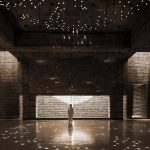
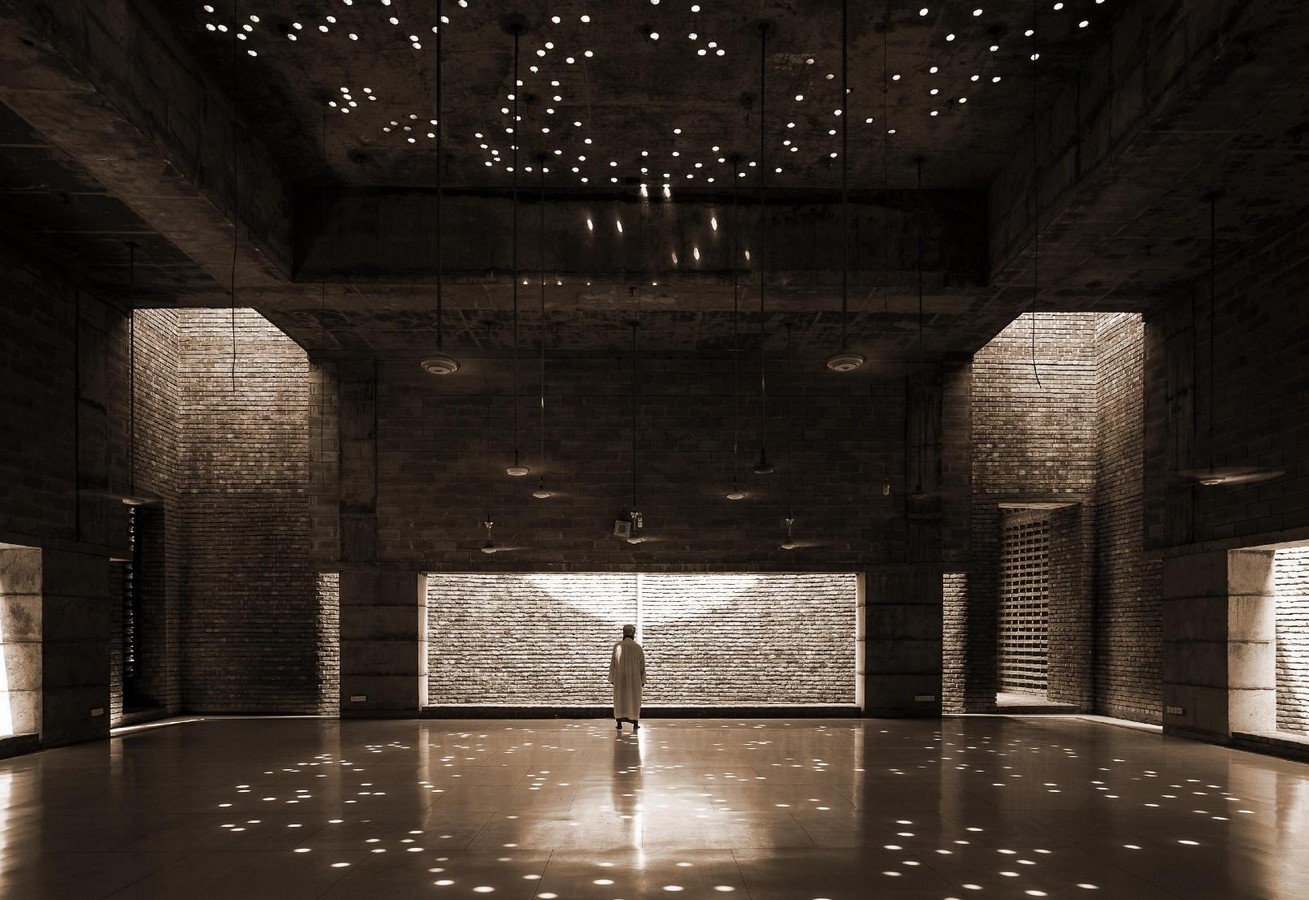
However, areas of leisure and relaxation are given warmer colours of lighting to induce tranquility and slow down the pace of human life. Looking at the architecture of spirituality, a greater tendency towards careful natural lighting is observed, to create the aforementioned atmosphere of calmness. Spaces for divinity, in otherwise hectic routines, serve as peaceful and calming transitions between the hubbub of daily life. The visual sense is allowed to relax and recover as one moves on from one part of the day to the next. Would one not want to stop by and rest the mind in the interior of Bait ur Rauf before moving on with the day?
Repitition in Architecture:
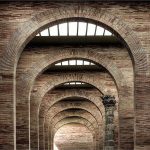
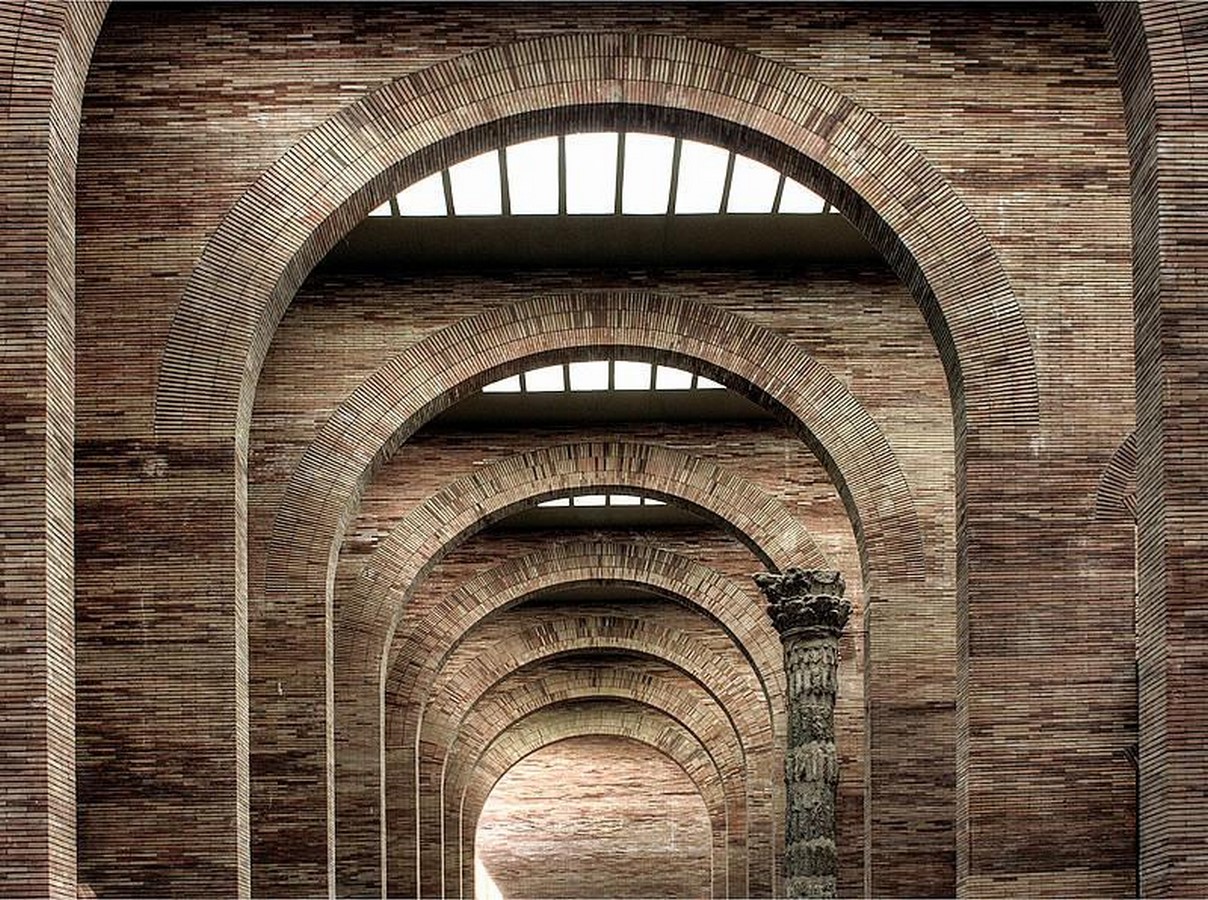
Similarly to light and colours, there is another visual element that derives the quality of our everyday experiences; the human brain is conditioned to pick up patterns, and these rhythms have a psychologically calming effect on the mind as they provide a certain extent of predictability to the environment. One example of this is the colonnades or arcades, with their repeating elements. Have you ever experienced the calmness of walking through a shaded arcade as you pass by binary patches of framed arches that you can look out from and the subsequent pier on which it rests, living a rhythm that soothes the mind? In the cacophony of daily life, often enough the mind is overstimulated with whiplashes of elements that are unfamiliar and rapidly changing, in these moments thoughtfully designed architecture can change the tone of human experience.
The Embodied Senses: Hearing, Smell, Taste, Touch
While vision may be the most involved sense in architectural design, the remaining quartet play just as important a role in human experience as they ground it and add layers to the vision that actively reduce the pace of life to make one more involved in the surroundings. Between a walk to work that passes through a flower garden and one that borders a road with the heavy presence of traffic and smoke, two distinct mundane experiences can be lived. Interestingly enough, the most memorable sense for humans is that of scent so to explore the horizon of routine something as simple as smelling a jasmine on the evening walk back could cause a ripple in an otherwise flat experience.
Tactility is another determinant of human experiences; smoother textures are more formal, distant and in the extreme clinical, on the other hand rough textures are rugged, engaging and inviting to explore the ridges and the crests but in the extreme could also be meant to warn away. The most fascinating thing, however, remains that even these sensations are subjective to opinions; for some smoother might be calming and rougher unapproachable.
Informed Daily Routines:
Architecture is not universal, it is never the same for everyone and nor is it experienced the same. It is a subjective perception of space that brings about individualized responses. And, even these events in our routines are not isolated. All in all, our daily excursions and experiences are never reliant on one single sense but rather are informed by a complex integration of all senses at different times and stemming from different places. Architecture, in this case, is a container that holds the ability to morph stimulants that determine human responses and reactions and thus influence the daily routines from possible productivity at work, to relaxing in leisure or compressing at home.
Reference List:
Sensory design and the architecture of experience (2024) M Moser Associates. Available at: https://www.mmoser.com/ideas/sensory-design-the-architecture-of-experience/
Nasir, O. (2024) The Psychology of Space: How Architecture Impacts Human Behavior, Parametric Architecture. Available at: https://parametric-architecture.com/how-architecture-impactshuman-behavior
Bond, M. (2022) The hidden ways that architecture affects how you feel, BBC News. Available at: https://www.bbc.com/future/article/20170605-the-psychology-behind-your-citys-design
Bahram Hooshyar Yousefi, Dr. techn. (2025) The architecture of morning routines, Medium. Available at: https://bhys.medium.com/the-architecture-of-morning-routines-284550ed660b
Team, A. (2025) Peter Zumthor’s Therme Vals: Sensory architecture in an alpine retreat, ArchEyes. Available at: https://archeyes.com/peter-zumthors-therme-vals-sensory-architecture-in-an-alpine-retreat/
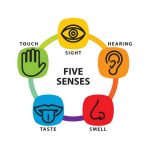
Figure 1_The Five Human Senses_©httpsterrisamuels.coma-grounding-techniques-with-five-senses-moving-on-from-trauma
Figure 2_Funkt Leanplum Office_©Tihomir Rachev
Figure 3_Bait ur Rauf_©Marina Tabassum Architects
Figure 4_The Roman Art Museum_©Flickr user James Gordon