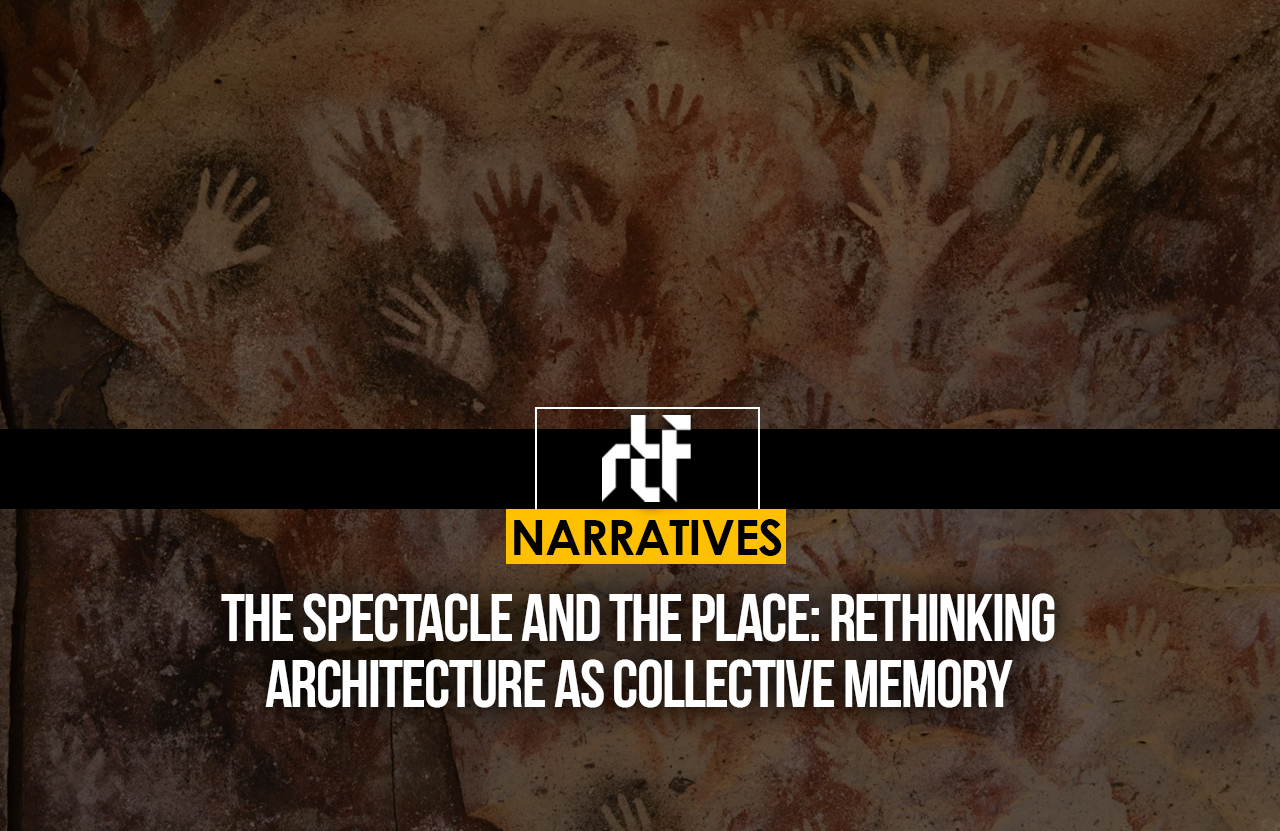
Since the inception of humankind, the impulse to leave a trace has been inseparable from the act of living. In Argentina’s Cave of Hands, prehistoric communities stenciled their palms across stone walls — an early gesture of saying we were here, the idea of marking and remembering has played a vital role in shaping collective life and were ways of encoding identity. belonging, memory, and presence into the landscape itself. Architecture, in its most primal form, was already a memory device, carriers of identity that future generations inherit.

Today, in an age of globalization and accelerated technological shifts, the question becomes pressing: what forms of memory are we cultivating? If once societal memory was etched into stones, temples, and monuments, they told future generations who we were and what we valued and what are the traces we leave behind in an urban fabric increasingly dominated by glass towers of vertical livings, consuming malls, and digital imagery simulations? Will these constructions hold the same resonance for future generations, or will our collective identity be reduced to a spectacle of surfaces? And through what physical attributes or meta attributes do we construct the image of our collective identity?
“To provide meaningful architecture is not to parody history but to articulate it.” (Libeskind, 2015)
Architecture as Collective Memory
At its heart, architecture is a societal mirror. It reflects the ways in which communities imagine themselves and choose to be remembered. The French sociologist Maurice Halbwachs once argued that memory is not individual but collective — shaped and sustained through shared symbols and spaces. Architecture, in this sense, an inscription: a material text through which societies narrate themselves.
Even the most ordinary details — carved niches, motifs, graffiti, the play of colour on facades — act as inscriptions that anchor belonging. This is what defines architecture as collective memory: accumulated layers of meaning physically embedded in space. Landmarks, monuments, and streetscapes are shared reference points that cultivate a sense of us. They bind communities together by offering recognizable images of identity.
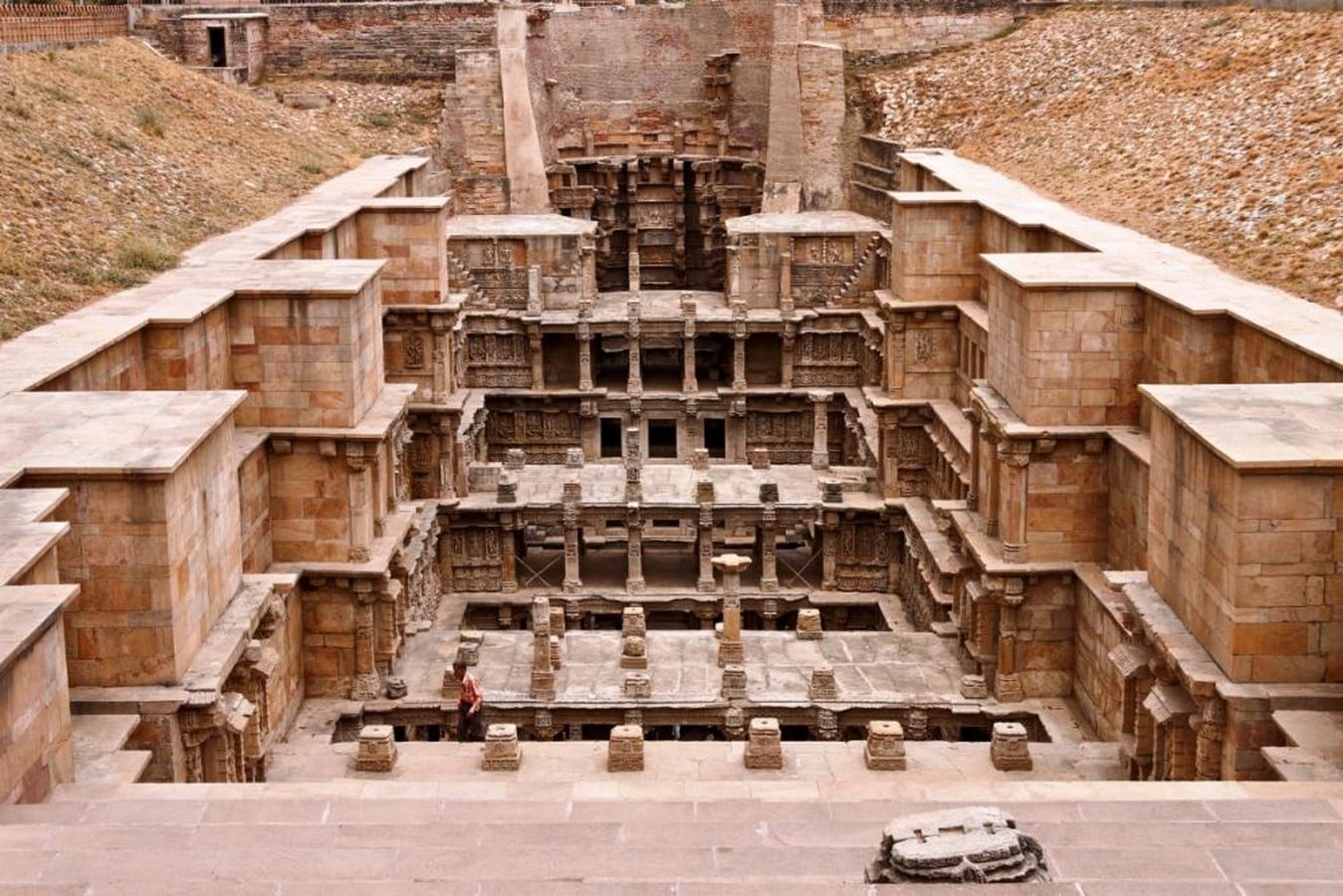
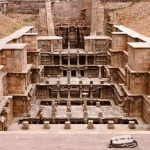
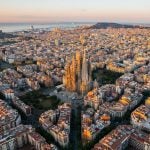
Environments embody imageability, etching enduring patterns onto our perceptual maps, fostering rhythmic wholeness. The Rani Ki Vav Stepwell at Patan, Gujarat interlaces ritual, resource, and identity into a tactile communal realm. Barcelona’s Sagrada Família, a historical entity unbound by the city’s segmented grid, weaves sacred geometries and spiritual resonance into luminous atmospheres of cultural memory. Beyond form-making, architecture’s disjunctive interplay of event, movement, and materiality translates values into lived spaces.
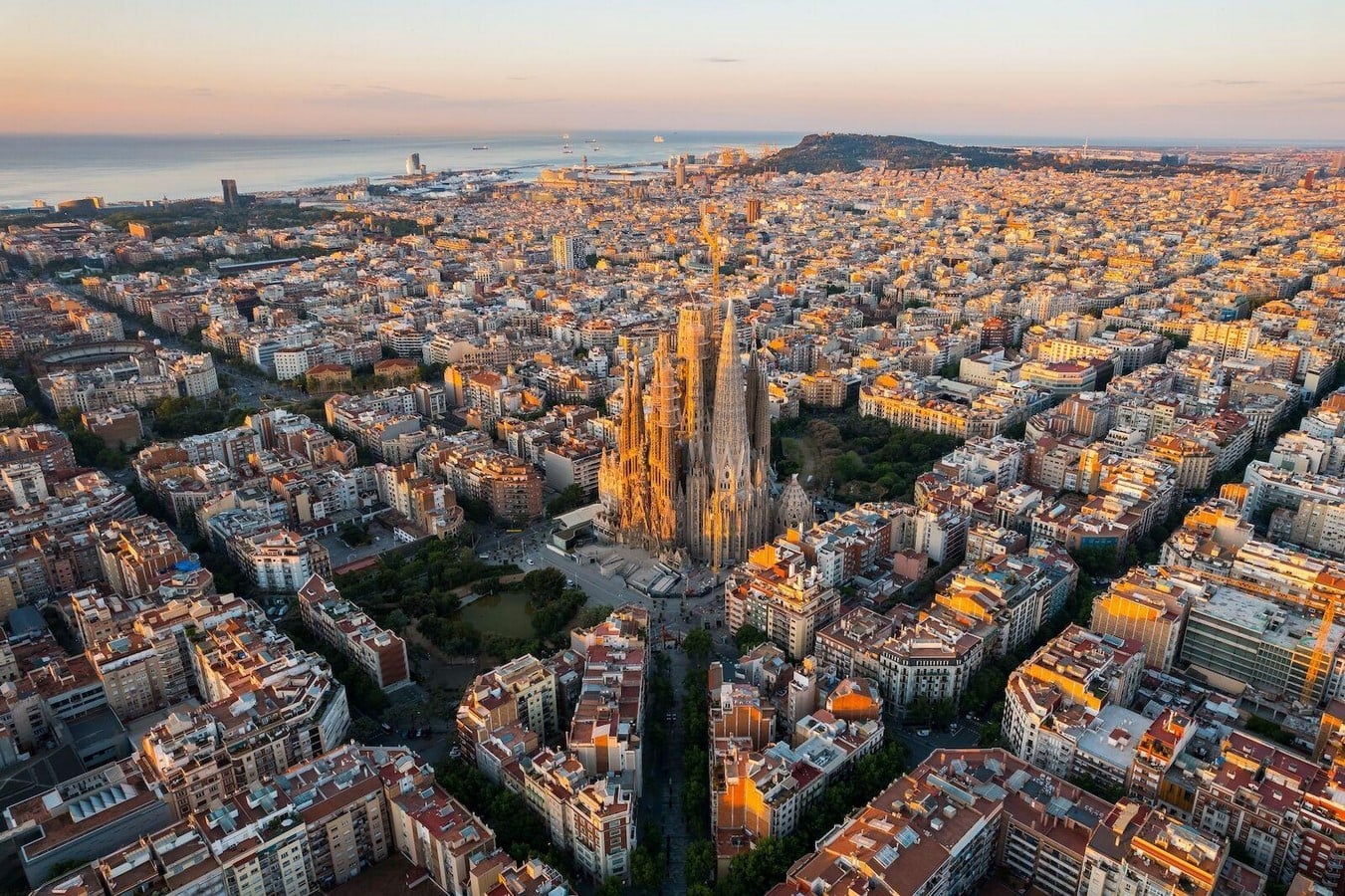
Beyond form-making, architecture’s disjunctive interplay of space, event, and movement translates values into sensory realms. Yet, twenty-first-century fluxes—digital ephemerality, fragmented urban rhythms—shift these mnemonic imprints.
The Society of the Spectacle
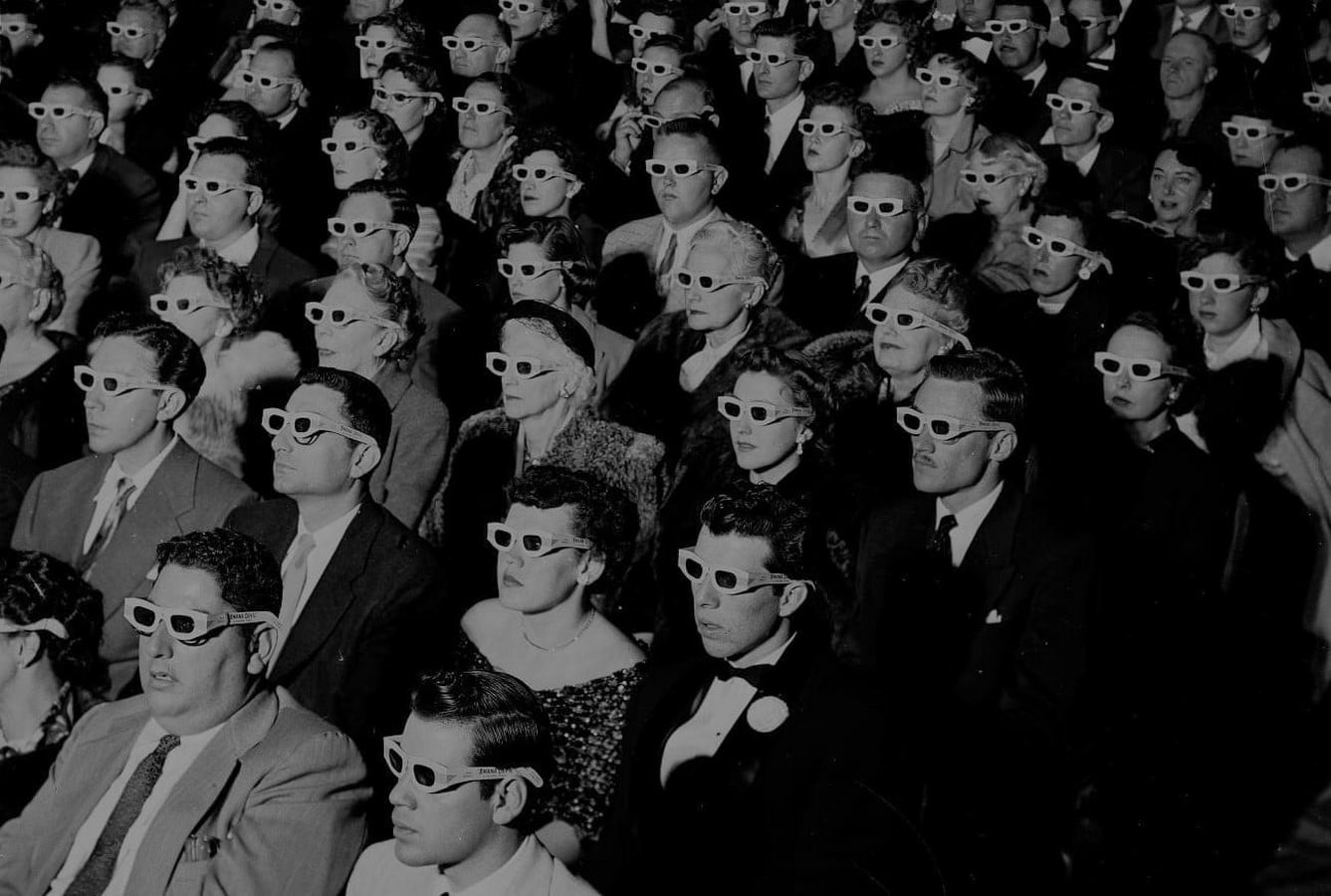
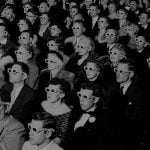
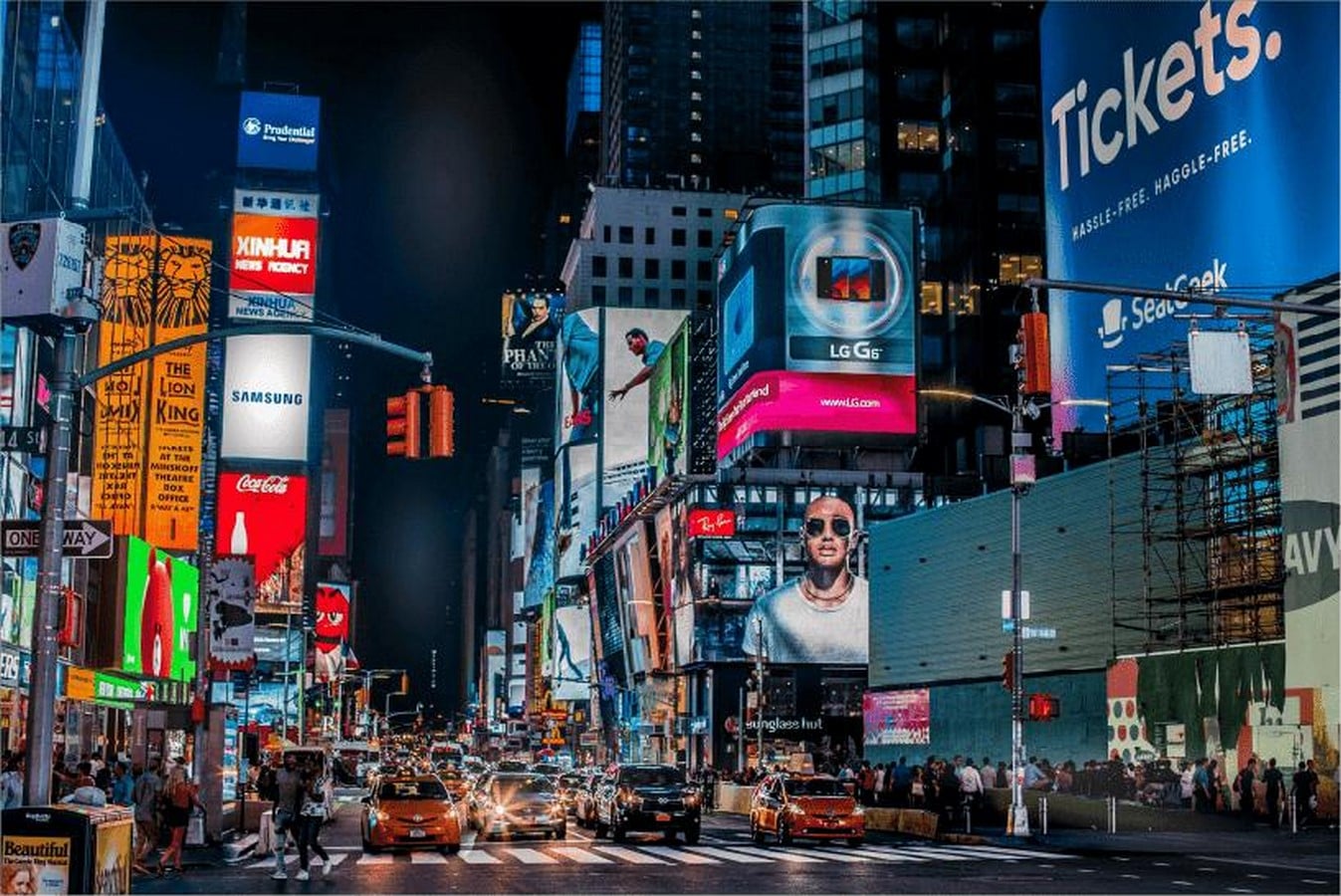
But what happens when architecture ceases to encode collective values and instead becomes a stage set for global consumption? French theorist Guy Debord, in The Society of the Spectacle (1967), warned that modern life increasingly values images over experiences. In his words, “the spectacle is not a collection of images, but a social relation mediated by images.” Architecture, under this logic, risks becoming a commodity: valued less for its capacity to hold memory than for its ability to project status, brand identity, or tourist imagery.

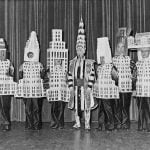
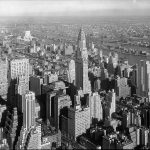
The 1931 Beaux Arts Ball in New York is a striking example. Architects dressed as their own skyscrapers, turning modern buildings into costumes — a playful yet telling symbol of architecture transformed into spectacle.
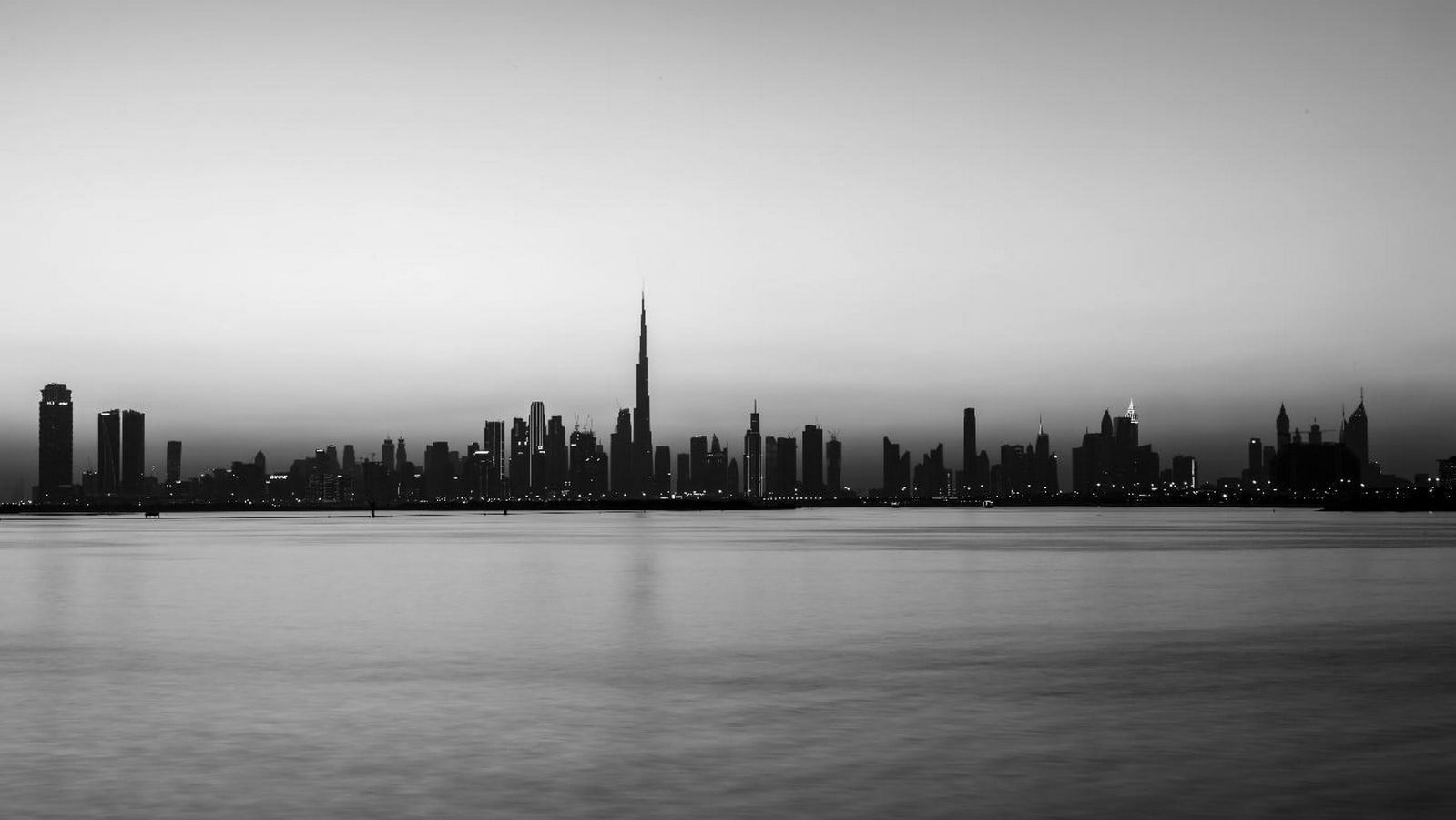
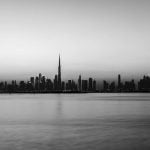
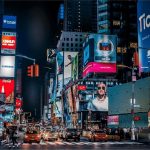
Global cities illustrate this vividly. The Dubai skyline—a collection of iconic towers, each vying for visual dominance—produces an image of progress and wealth but leaves little space for rooted cultural memory. Similarly, sprawling shopping malls or luxury condos in Shanghai, Mumbai, or New York embody a homogenized global aesthetic: glass façades, curated greenery, generic plazas. In such contexts, architecture begins to lose its role as collective memory and instead operates as an image factory.
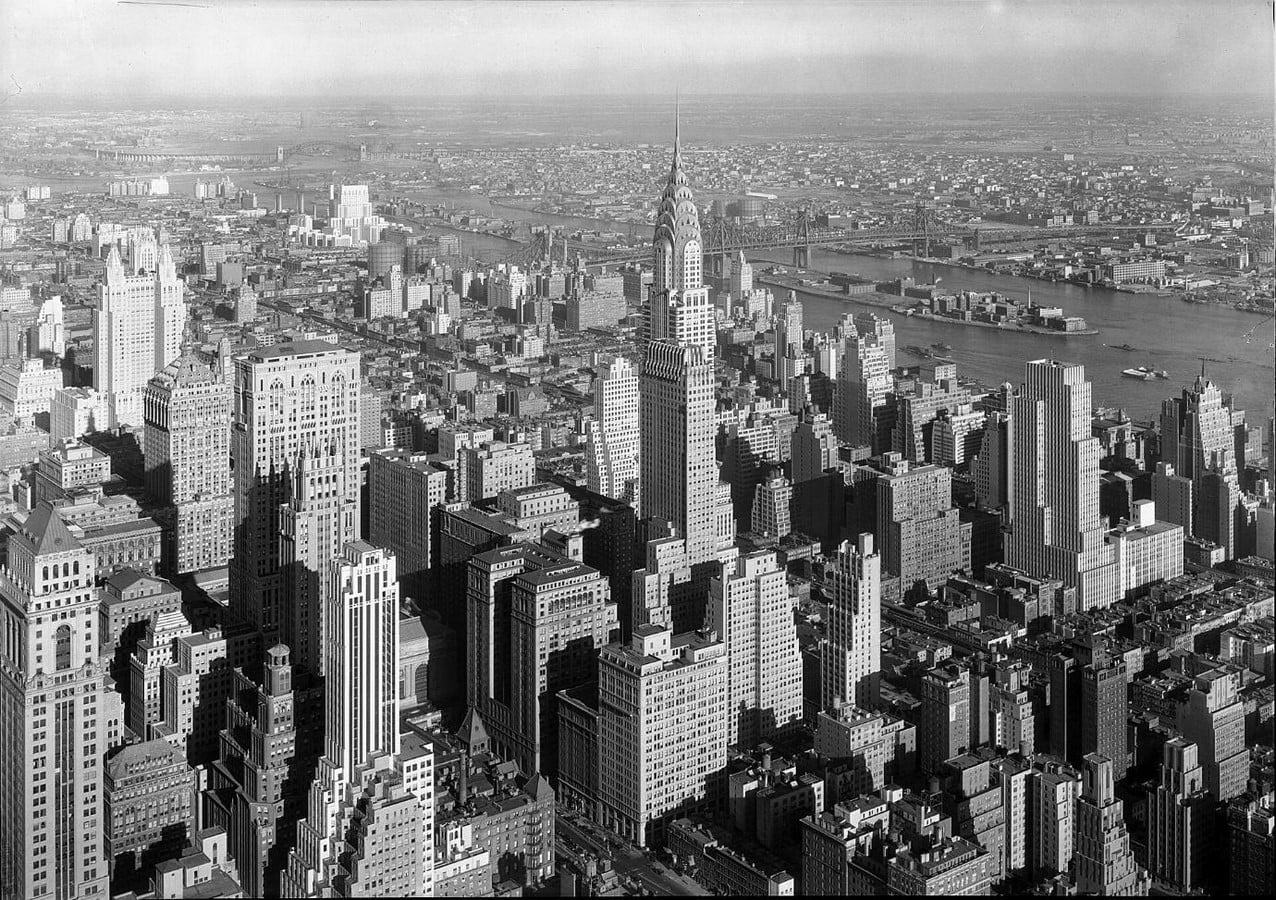
This shift produces a crisis of identity. If every city begins to look like every other, where does one belong? What binds us together if not shared memory encoded in place?
Hybrid Identities in a Globalized Age
Of course, globalization does not simply erase memory. It produces hybrid identities, where global technologies intersect with local practices. The challenge is not to reject globalization, but to negotiate it critically.
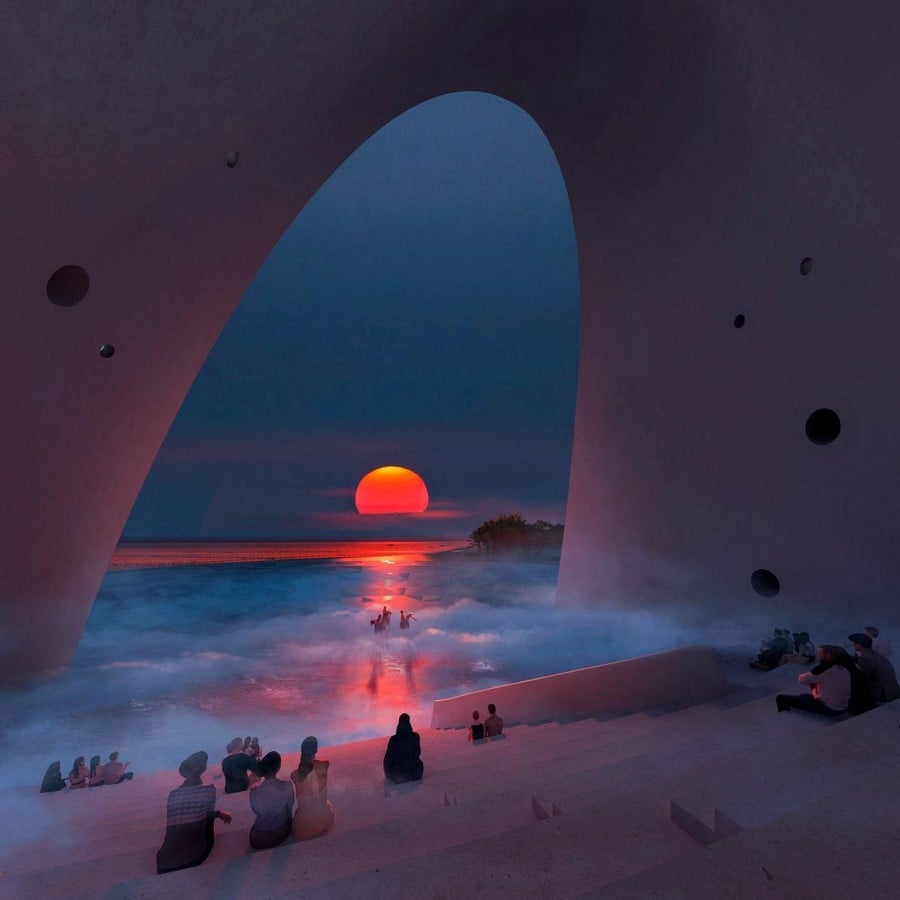
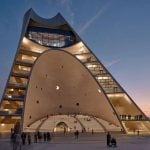
Take the Sun Tower in Yantai by OPEN Architecture. Positioned along a historic coastal landscape tied to ancient sun-worship rituals, the tower integrates digital exhibition spaces and public programs with symbolic references to natural phenomena. It demonstrates how spectacle can coexist with embedded memory, creating an architecture that connects communities to both nature and contemporary culture.
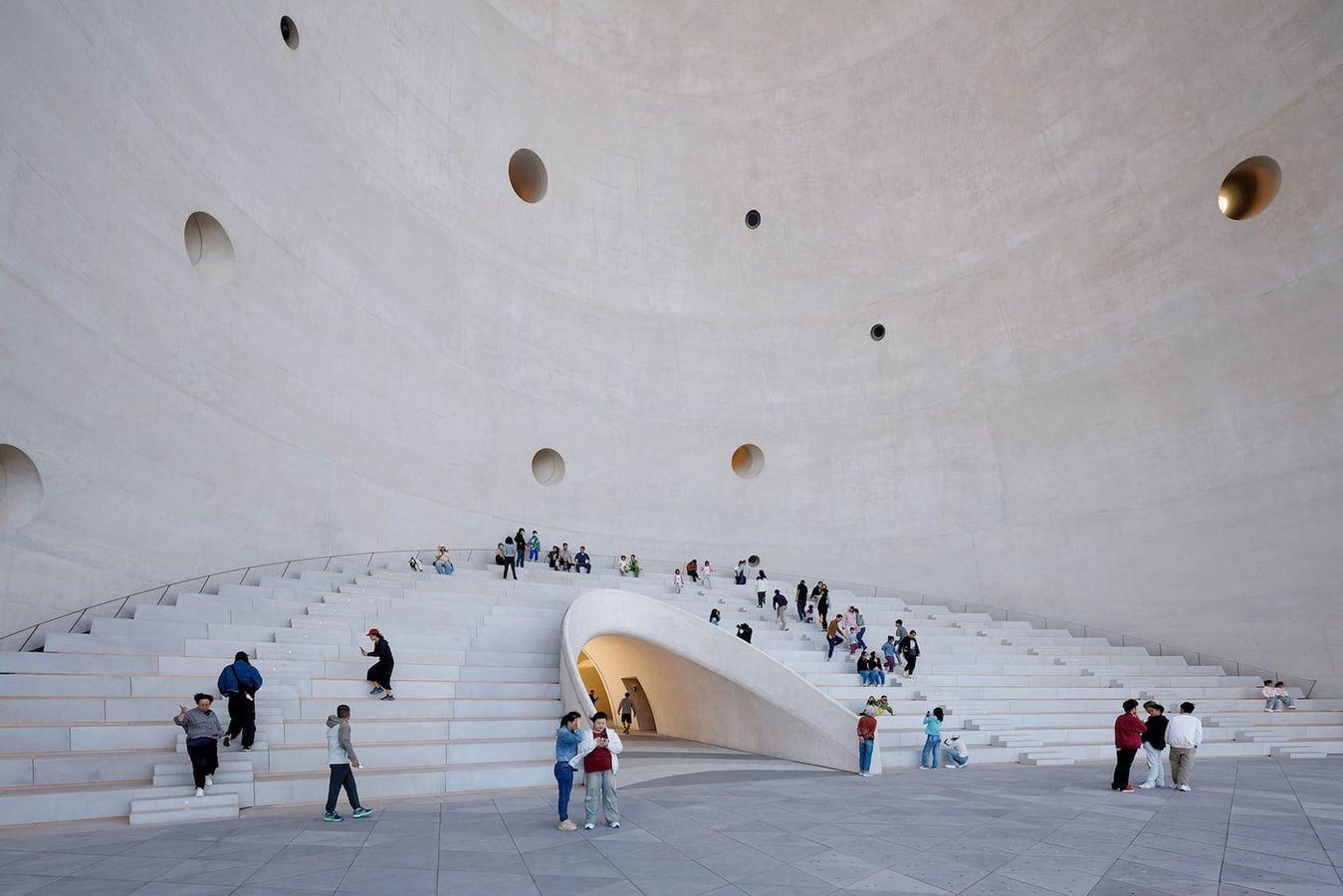
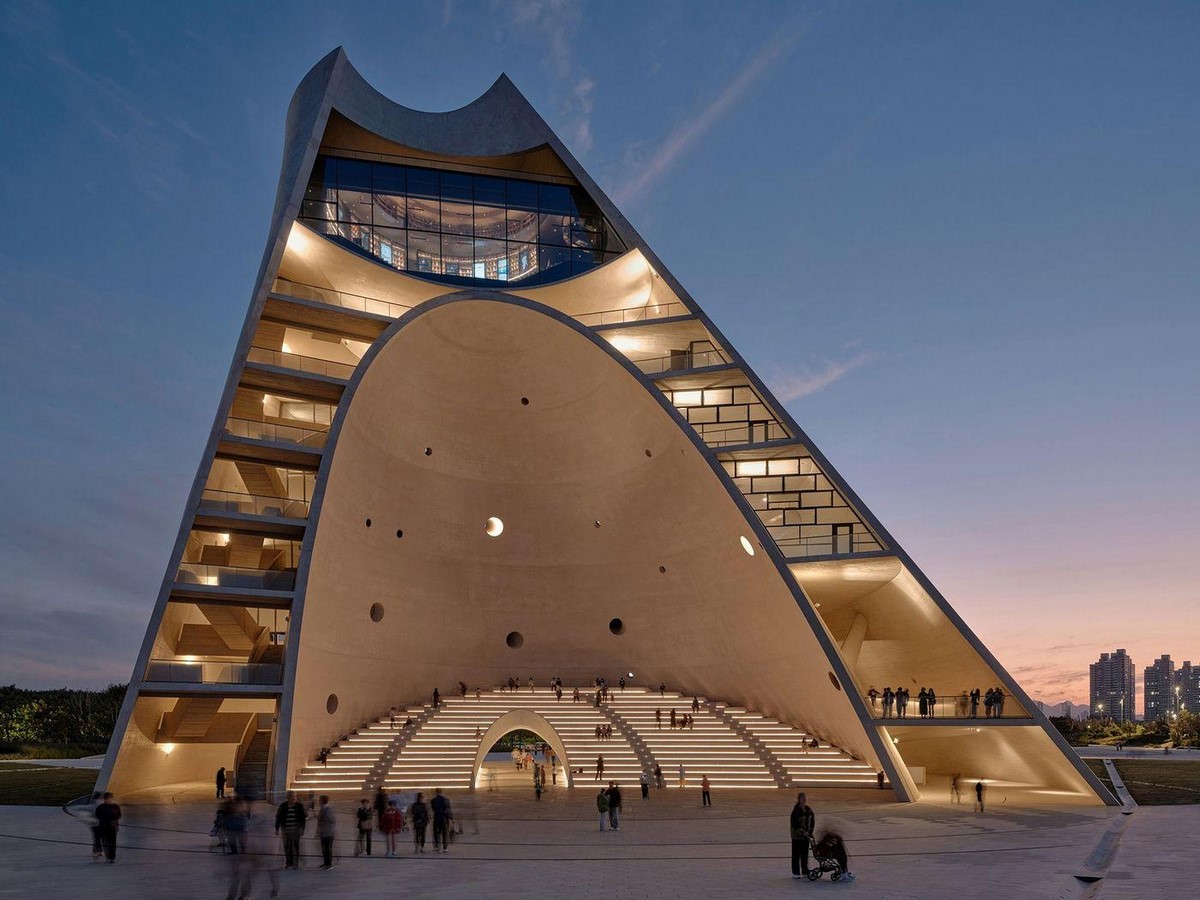
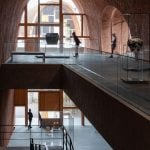
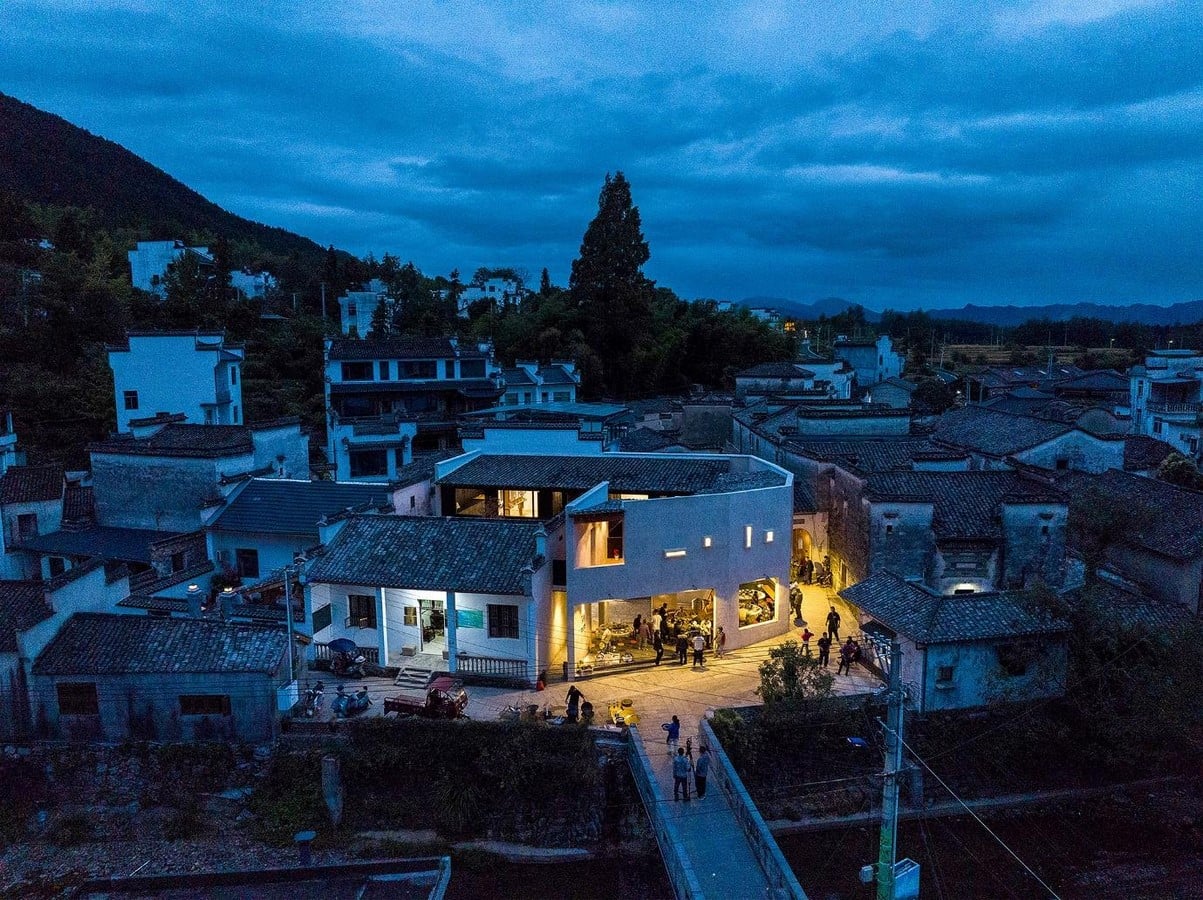
Similarly, the Rural Memory Museum in Fengwu Village by IARA preserves local traditions while adapting to new forms of engagement. By integrating archival storytelling, vernacular materials, and collective rituals into its design, it embodies how architecture can act as both spectacle and memory device.
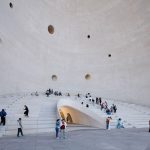
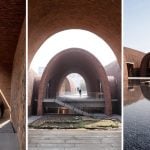
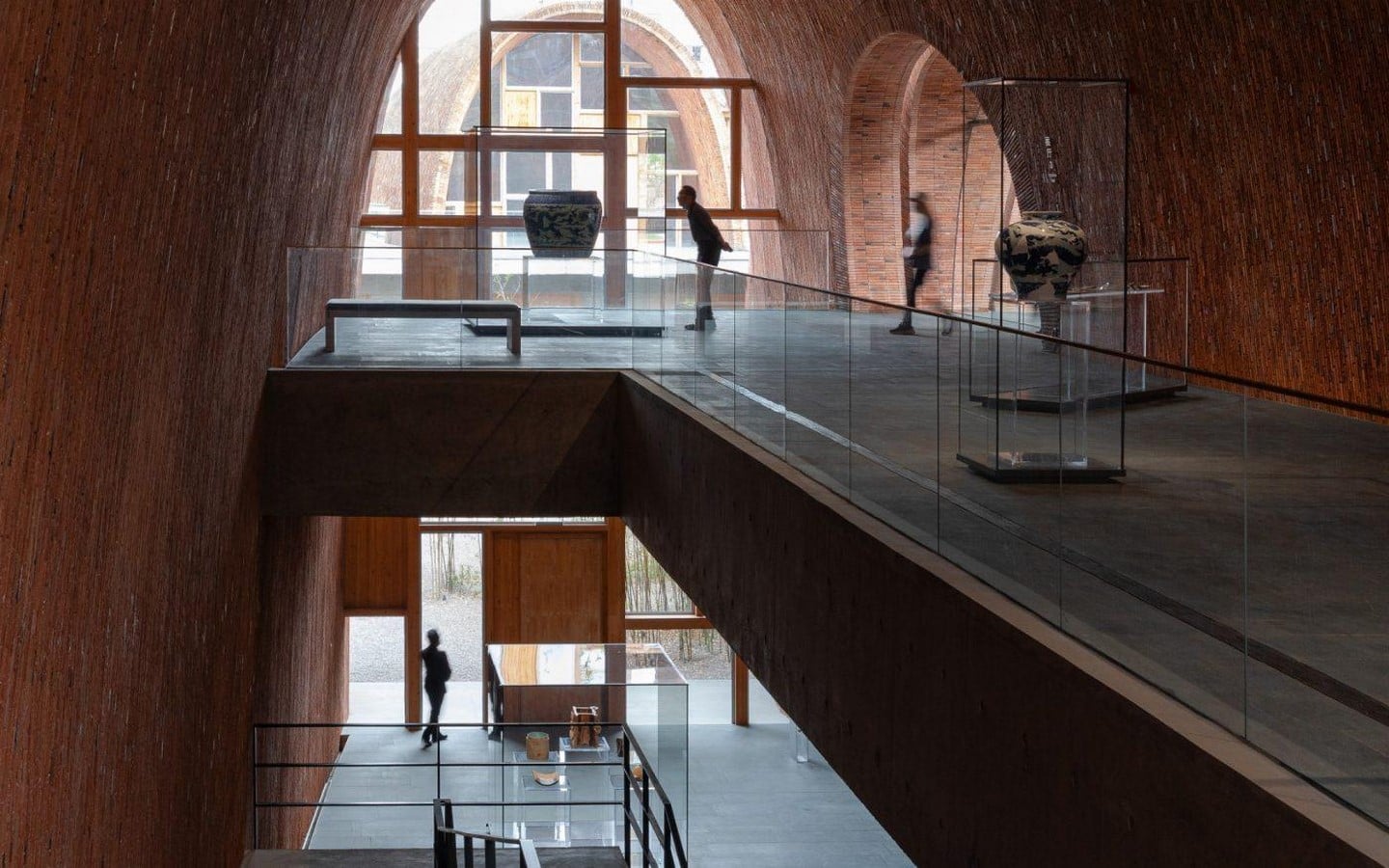
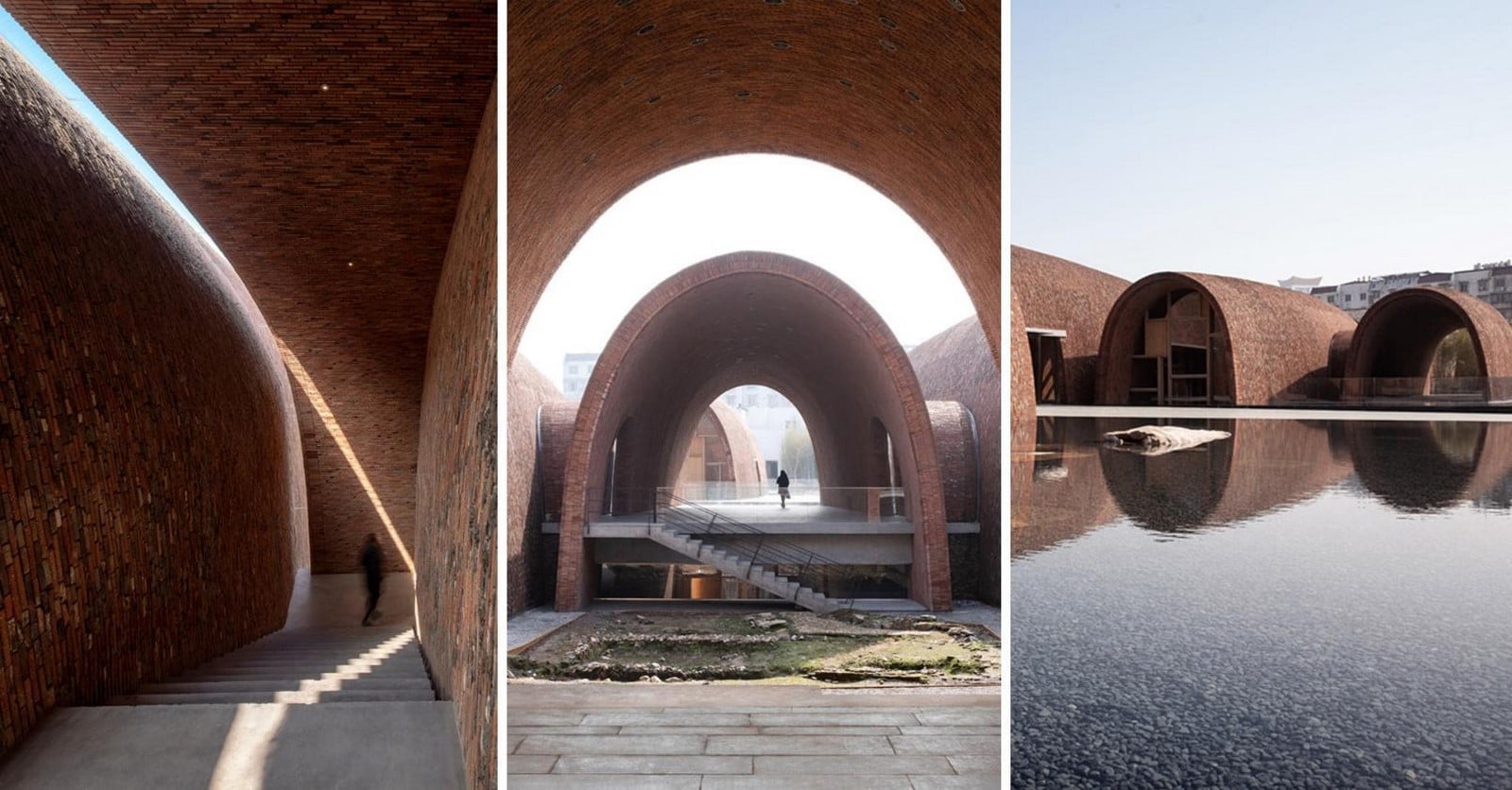
The Jingdezhen Imperial Kiln Museum by Studio Zhu-Pei adds another dimension: weaving fragments of historic kilns with sweeping vaulted spaces to create an architecture that is simultaneously ruin, museum, and community forum. It embodies hybridity not as loss, but as continuity reshaped.
Memory as Resistance
Architecture is always a reflection of society’s values — but what those values are, and how they are remembered, is up to us. From prehistoric handprints to stepwells, from Gaudí’s cathedrals to today’s cultural centers and museums, we see that the built environment functions as a collective archive, one that can either dissolve into the spectacle or endure as a marker of belonging.
The pressing question for our era is this: Will they dissolve into homogenized spectacle or will it preserve the collective imprints of place and people? If we are to rethink architecture as collective memory, we must recognize that walls, thresholds, and public spaces are never neutral. They are stories made stone, anchors of identity in an age that risks forgetting.
If architecture is to endure as a vessel of belonging, it must resist becoming only spectacle. Instead, it must articulate memory as a defiant choreography of past, present, and future, reimagining belonging through subversive, sensory geographies.
Images/visual mediums
Fig 01: Cave of Hands – ©Depositphotos / Source:
https://depositphotos.com/photo/cave-hands-53074865.html
Fig 02: Ran-ki-Vav Stepwell, Patan – ©Sahapedia / Source: https://www.sahapedia.org/sites/default/files/styles/sp_inline_images/public/Img%20001.jpg%20Ranki%20Vav%20step%20well%2C%20Patan%2C%20general%20view%20from%20east._0.jpg?itok=LOwwZoRt
Fig 03: Barcelona Eixample district and Sagrada Familia – ©Shutterstock / Source:
https://www.shutterstock.com/image-photo/aerial-view-barcelona-eixample-residential-district-2163690845
Fig 04 : Society of the Spectacle (1974) – Photo by J. R. Eyerman, Life magazine / Source:
https://www.life.com/photographer/j-r-eyerman/
Fig05 : 1931 Beaux Arts Ball – ©Van Alen Institute / Source:
https://thumbs.6sqft.com/wp-content/uploads/2018/01/03110956/1931-Beaux-Arts-Ball-Van-Alen.jpg?w=740&format=webp
Fig 06: Dubai skyline – Photo by Kirandeep Singh Walia / Source: Kirandeep Singh Walia
https://www.pexels.com/photo/grayscale-photography-of-city-skyline-11370461/
Fig 07 : Midtown skyline, 1932 – Photo by Samuel Gottscho / Source:
Library of Congress / Wiki Commons
Fig 08 : New York Billboards / Source :
https://seeblindspot.com/wp-content/uploads/2021/07/Asset-1-min-2.png
Fig 09 : Sun Tower Rendering – Courtesy of OPEN Architecture / Source:
https://www.theplan.it/eng/whats_on/sun-tower-in-yantai-promises-to-be-a-popular-coastal-landmark
Fig 10 and 11 : Sun Tower, Yantai, China – OPEN Architecture. ©OPEN Architecture / Source: Jonathan Leijonhufvud.
Fig 12 : Rural Memory Museum, Fengwu Village, China – IARA. ©IARA Studio / Source: © Yi Huang
Fig 13 and 14 : Jingdezhen Imperial Kiln Museum, China – Studio Zhu-Pei. ©Studio Zhu-Pei / Source :© Schran Image
References:
- Debord, G. (2021). The Society of the Spectacle. Translated by K. Knabb. London: Bread and Circuses Publishing. Available at: https://books.google.nl/books?hl=en&lr=&id=uZcqEAAAQBAJ [Accessed: 23 April 2025].
- Koolhaas, R. (1995). Delirious New York: A Retroactive Manifesto for Manhattan. New York: The Monacelli Press.
- Mumford, L. (1961). The City in History: Its Origins, Its Transformations, and Its Prospects. London: Secker & Warburg.
- Lynch, K. (1960). The Image of the City. Cambridge, MA: MIT Press.
- Levine, L. (2018). The highlife: Architecture, spectacle and Art Deco New York. [online] 6sqft. Available at: https://www.6sqft.com/the-highlife-architecture-spectacle-and-art-deco-new-york/ [Accessed: 20 September 2025].