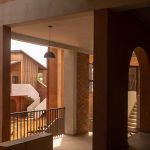
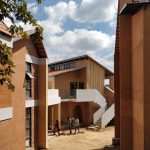
Architecture, in Bengaluru, today seems to be on the edges of a diametrically opposite spectrum. Modern, steel, and concrete buildings with cutting-edge technology are found on one end, while on the other end, a charming college campus sits, appearing to have been a part of the hillock it is situated on. It compels one to slow down, be cognizant of the opportunities the environment provides, and remember how closely architecture mirrors society.
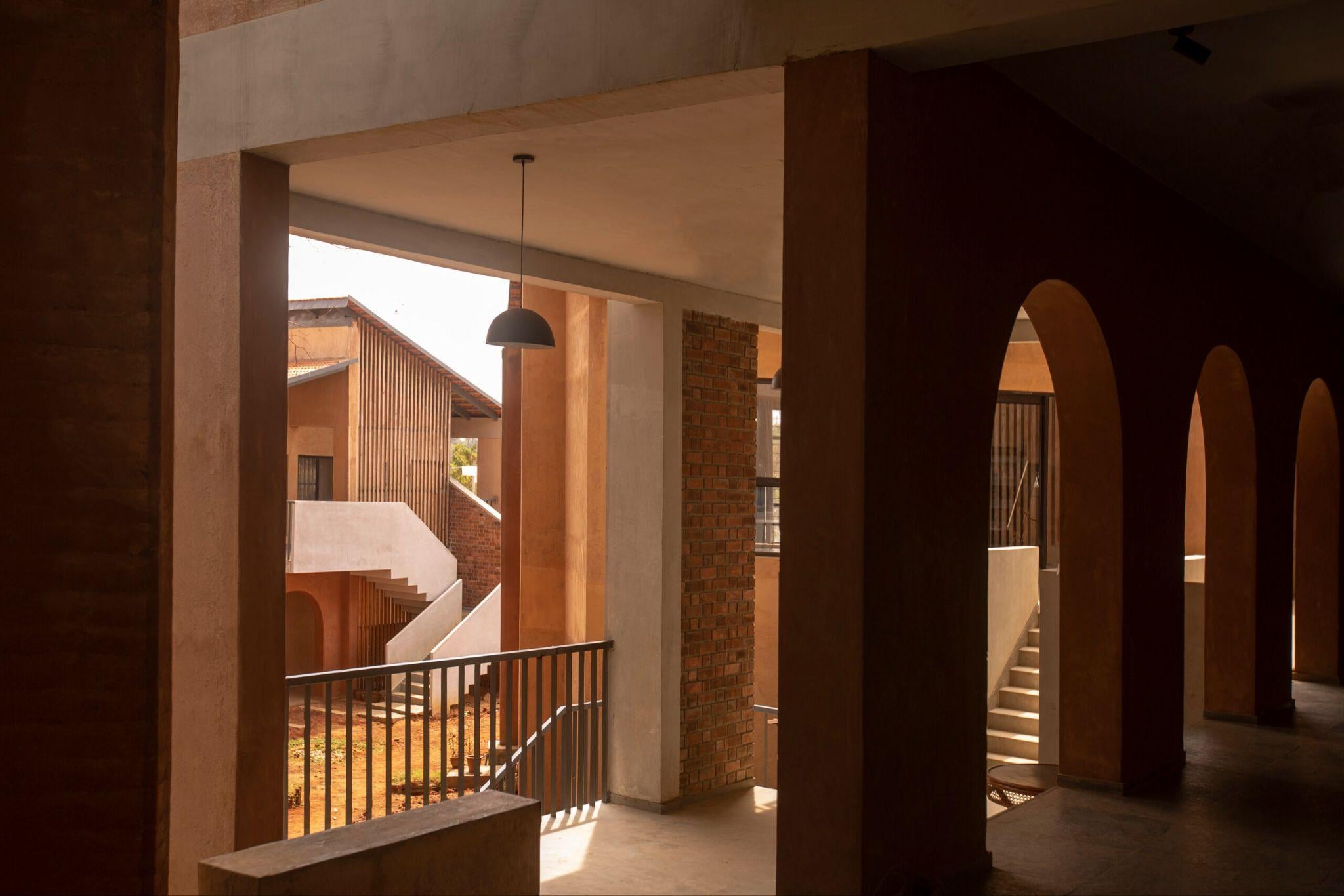
Samvada, Baduku College, and their values
Located about 25km outside of Bengaluru, the Baduku College Campus is the Centre for Livelihoods Learning as part of Samvada, a collective that campaigns and works towards a gender-just, socially inclusive, and environmentally sustainable world. Baduku aims to empower socially marginalized youth by providing them with opportunities to learn professional skills along with a deeper understanding of social dynamics. The word ‘Samvada’ translates to conversations among equals, while ‘Baduku’ simply means life. The core values of this institution lie in ‘equity, inclusivity, and a commitment to support students post transition to employment’.
With such a strong moral foundation, the architects, Made In Earth, immediately realised how important conversation and inclusivity were going to be for this design process.
Conceptual Planning and Design
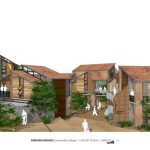
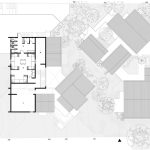
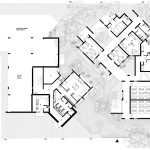
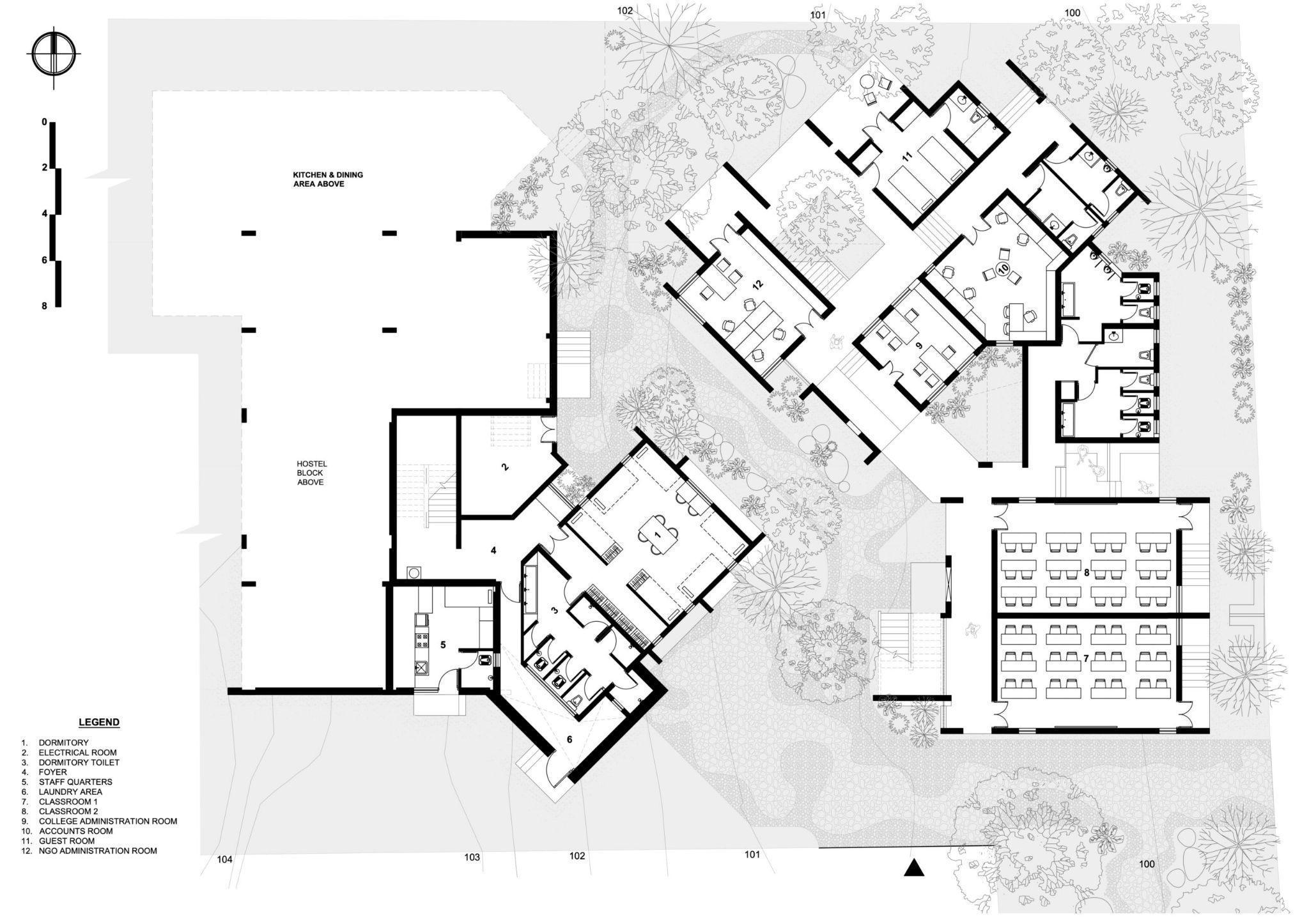
The campus was envisioned as a village or community that fostered and encouraged conversation while also driving change. Situated along a site with a 5-meter contour difference, the structures were precisely arranged around a central spine, creating multiple smaller pockets and courtyards.
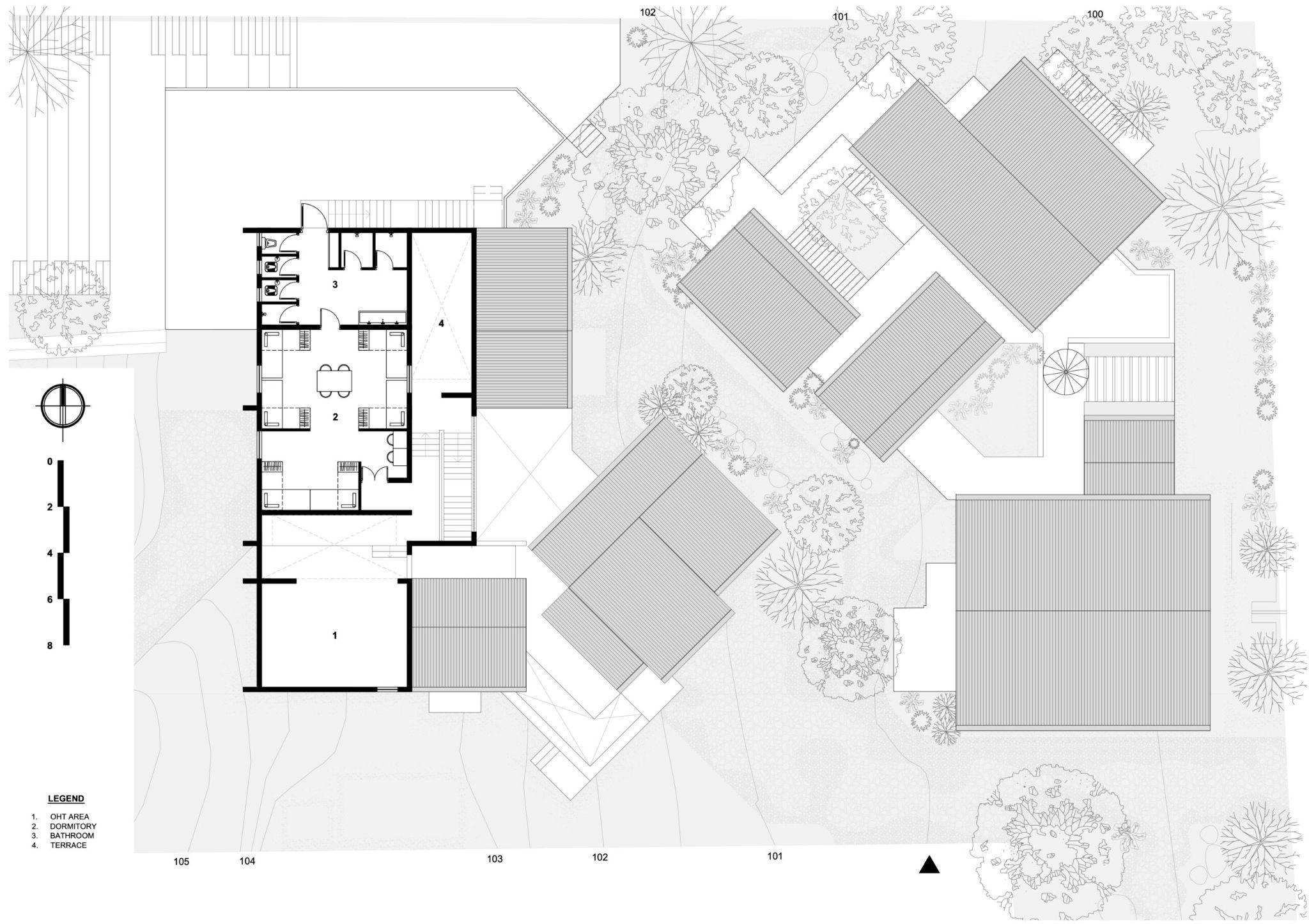
Designed to promote innovation and interaction, each structure was situated to optimise the natural grade, ultimately creating a cascading structure which had no defined levels, such that the first floor of one structure was the ground level of another, while the second floor of the hostel opened out to an open-air theatre on the hillside.
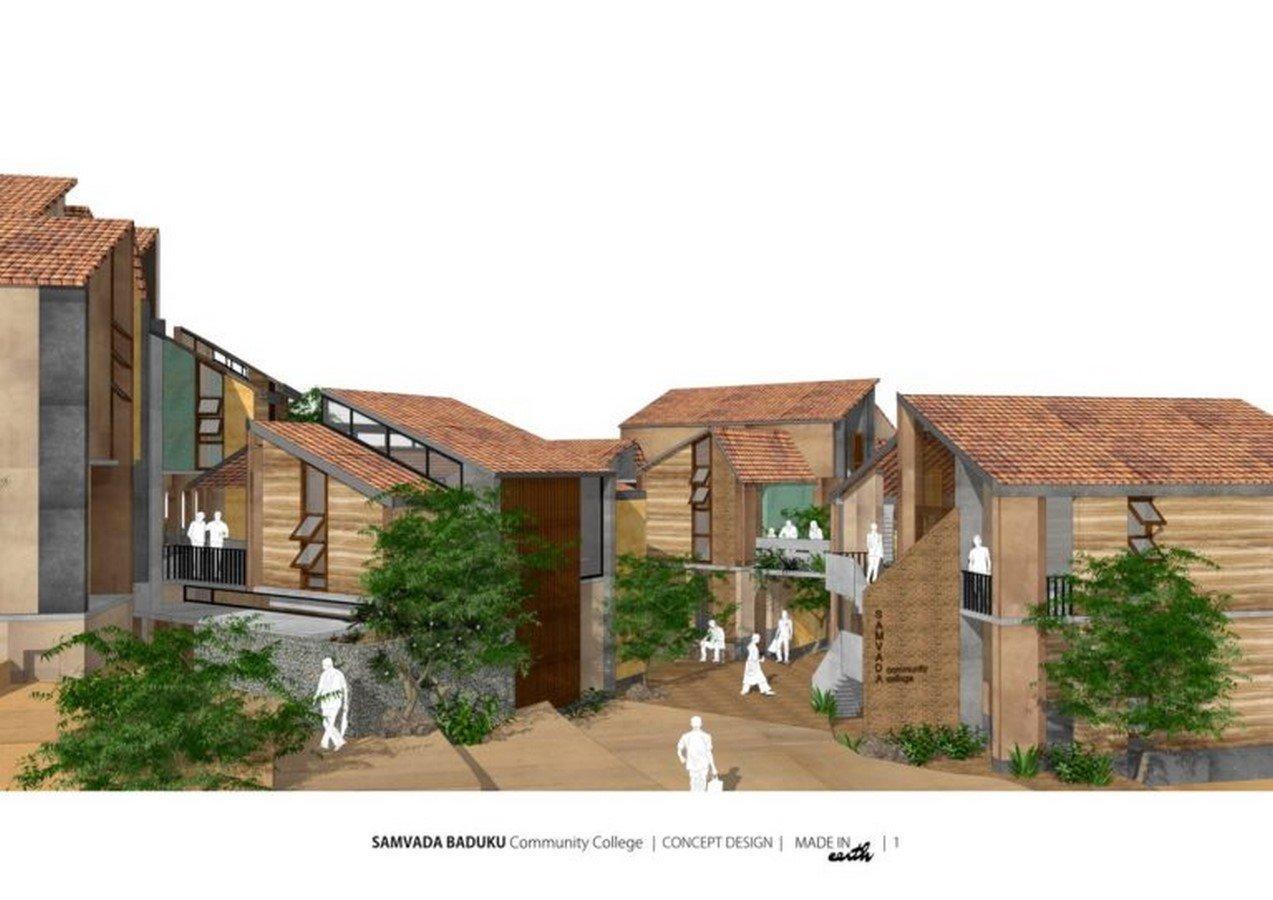
By placing the hostels on the uppermost level of the slope, connected by either an internal staircase or the open-air theatre, the architects consciously located the learning spaces of the Samvada Baduku College Campus on levels where they can extend beyond the four walls of the classroom. This design language also allows both the students and the teachers to reimagine what a classroom is and the traditional methods of learning.
Negative Spaces as Centres of Conversation
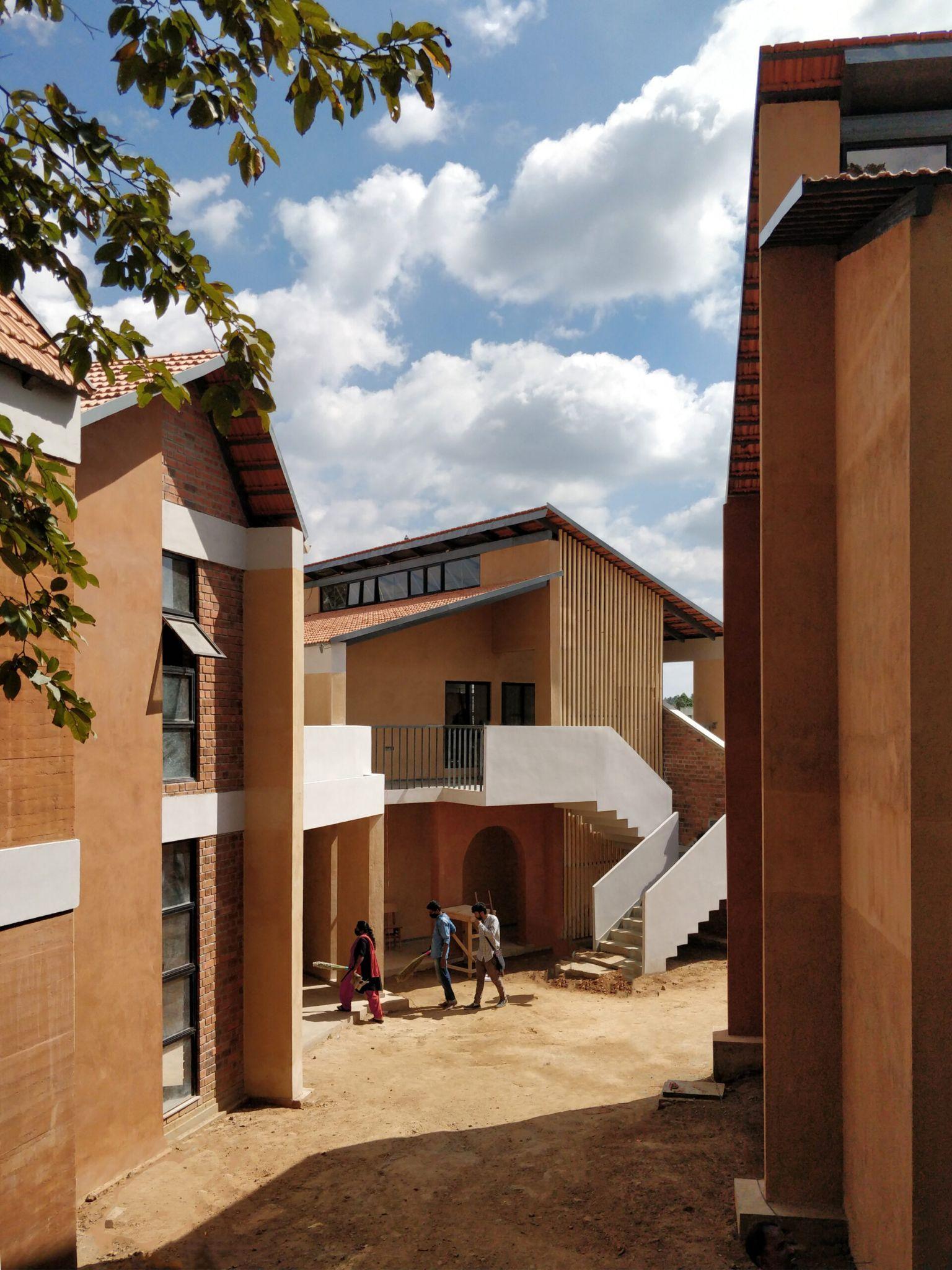
Each pocket, resulting from the careful alignment of the blocks in response to its context, has space for a terrace, a bench, or a corner, allowing for varying possibilities of interaction. Post its inauguration, this flexibility and freedom provided for innovative and ingenious space utilization, going further than what the architects had even planned for.
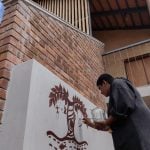
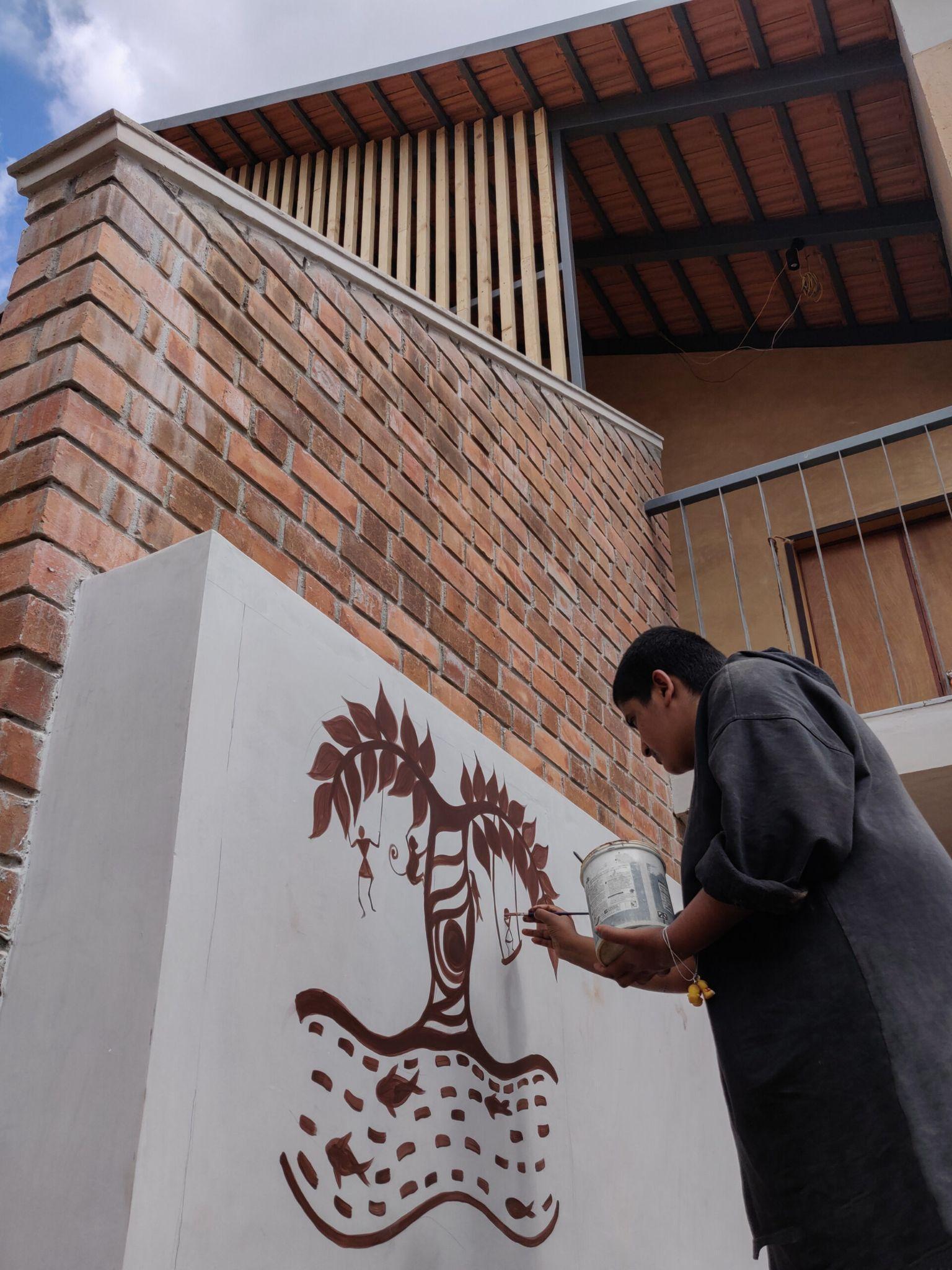
The pause spaces created by the designers point to an idea of non-determination. The concept of allowing interaction, both with the community and the structure, was so seamlessly incorporated in the design that it gave rise to several unexpected use cases throughout the site. Spaces for discussion, for murals, and for interaction with nature are closely aligned with the Samvada Baduku Colleges’ core principles.
Made In Earth and their Philosophy
The Made In Earth collective consists of a team of skilled artisans and designers who aim to merge ancient practices with innovative solutions to create spaces that are not only functional but also enriching. Their approach revisits and acknowledges the importance of traditional ecological practices in modern design, while challenging the accepted practices of ever-evolving technology. The collective consistently attempts to revive and bridge the gap between the traditional and the new, technology and the craftsmen, and innovation and natural materials.
Sustainability as a Conscious Design Language
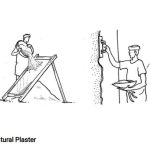
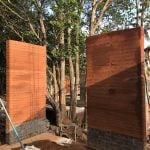
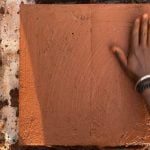
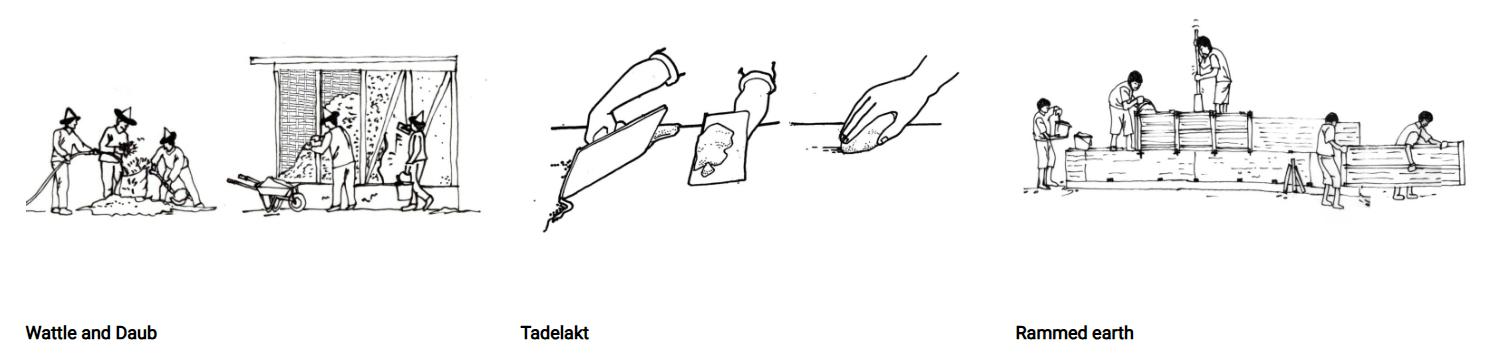
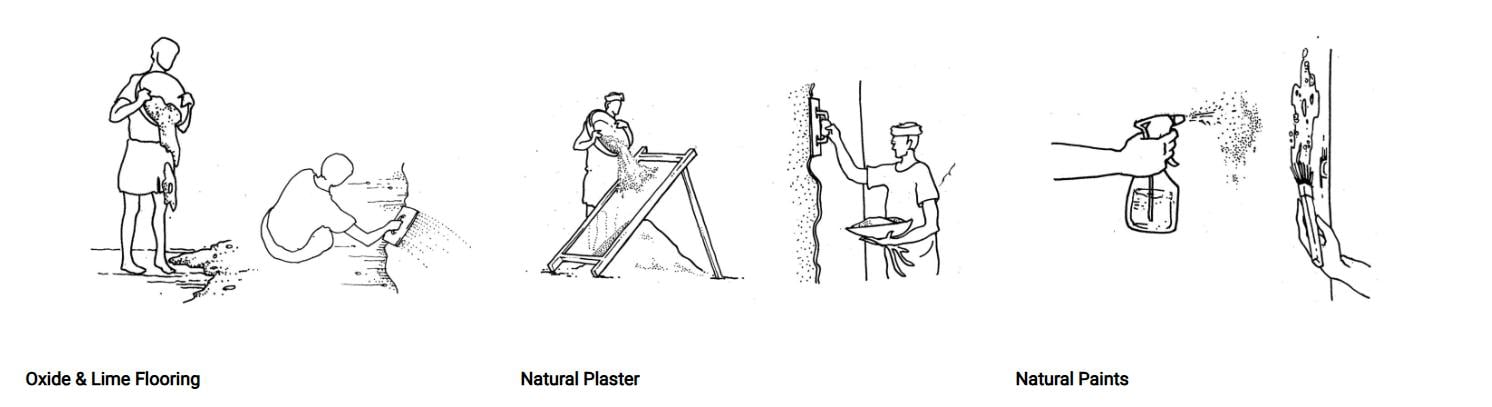
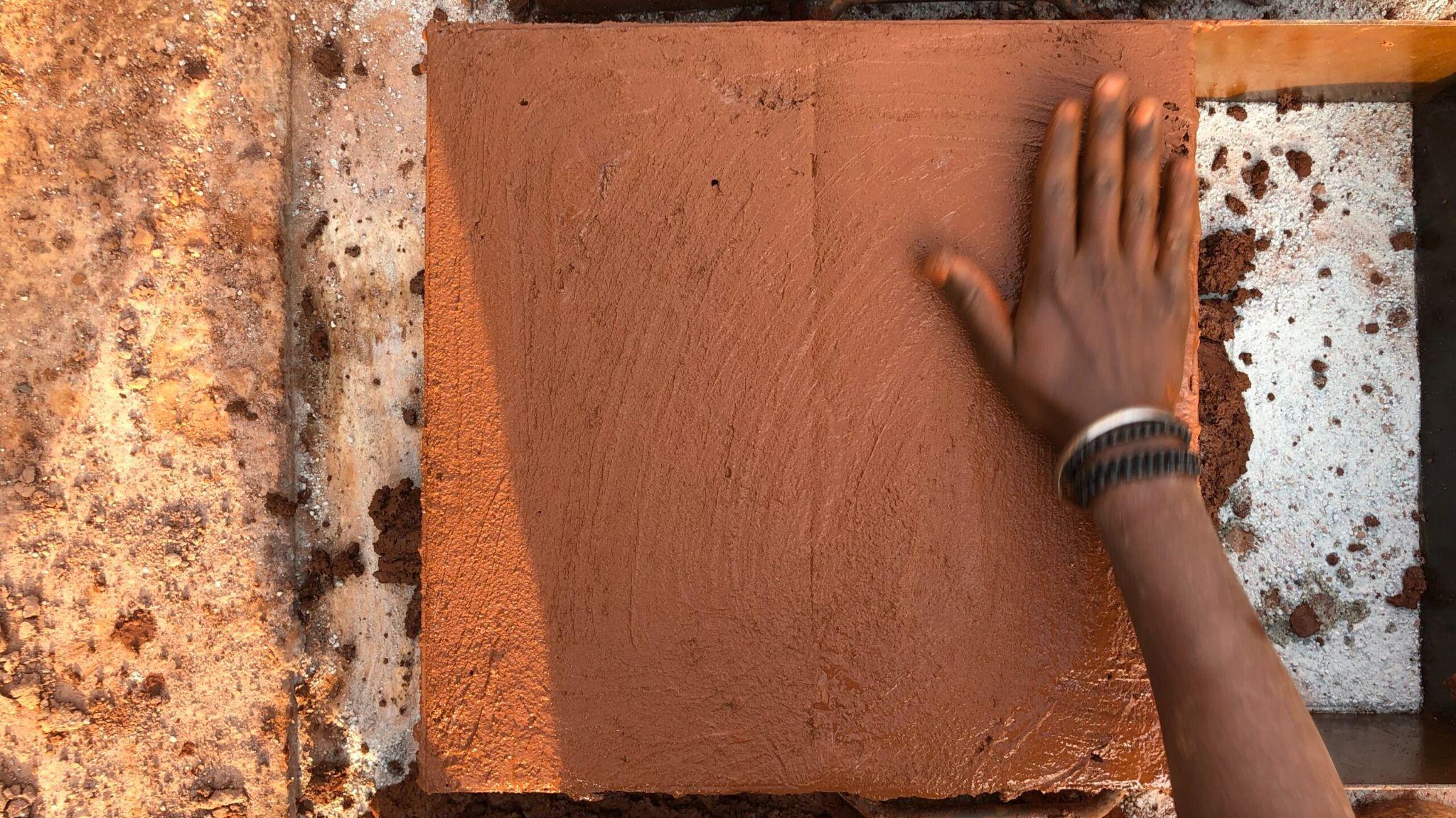
The goal at the Samvada Baduku College Campus was also to anchor the structure and its architecture in local practices. Most of the structures sit on foundations created of either stone masonry or natural rocks. About 50% of the structural walls are load-bearing rammed-earth walls, with the other half being super-sized adobes, plastered in lime within a framed structure, with IPS (Indian Patent Stone) made of natural stones, completing the floor finish. The red bricks and the rammed earth walls seamlessly blend into the surrounding context, placing high value on responding and borrowing from the immediate context, both for raw materials and local craftsmanship.

Not limited to materials and finishes, the Samvada Baduku College also tries to achieve sustainable operational efficiency. The campus works partially on solar electricity, with a large amount of water requirement being met by rainwater harvesting. All wastewater is treated on-site by a Dewats treatment plant before being reused for irrigation, constructing a campus that is as near to self-sufficiency as circumstances permit.
Architecture and Society
At a time when speed, effectiveness, and modernity are given priority, the Samvada Baduku College Campus reminds us just how important equity, inclusivity, and sustainability are. Deliberate and informed design choices can so effortlessly transform the space into one that promotes these values, while making certain decisions impetuously could, in turn, hinder learning and create exclusivity.
This project forces architects and designers to reimagine what modern sustainable architecture could look like, with an attempt to reintroduce methods that have proven themselves in the past. It aims to promote and foster collaboration, inclusivity, and innovation in what is a fairly exclusive construction industry today.
References:
Our story (no date) Samvada Baduku. Available at: https://www.samvadabaduku.org/about-1-1 (Accessed: 28 September 2025).
Zulian, N. (2025) Made in earth collective, Plural. Available at: https://www.pluralmagazine.net/news-1/2024/4/27/made-in-earth-collective-sowing-the-future-of-design (Accessed: 28 September 2025).
Sustainable Architecture and building practices (2024) Made In Earth. Available at: https://madeinearth.in/ (Accessed: 28 September 2025).
Samvada baduku- a space for conversation, Bangalore, by made in Earth – archishots – architecturelive! (2023) ArchitectureLive! – Art, Architecture and Urbanism from around the world. Available at: https://architecture.live/samvada-baduku-a-space-for-conversation-bangalore-by-made-in-earth/ (Accessed: 28 September 2025).