‘‘We shape our buildings; thereafter, they shape us.’
– Winston Churchill
Mumbai wakes up early. Not for leisure, but out of necessity. Trains begin their journey down the tracks at 4:00 in the morning, milk vendors honk their motorcycles into narrow lanes, and families living in their 1BHKs begin a tightly choreographed dance – making their beds, boiling tea, and preparing tiffins for long commutes. Mumbai, where space is scarce, time is money, and movement is constant, architecture plays a powerful but often invisible role in how people live. Right from humble chawls in Girgaon to high-rise complexes in Powai, Mumbai’s built environment dictates the rhythms of daily life. But is this city designed to serve its people? Or have the citizens learned to survive irrespective of the design?
Struggles Of Living In The City Of Dreams
Mumbai’s biggest challenge is its density. More than 2 crore people live within the boundaries of this city. That’s more than the entire population of certain countries, squeezed into a narrow stretch between the sea and a forest.
This compression of space results in:
- Overcrowded housing: Many families live in 225-400 sq ft spaces wherein the rooms transform from bedroom to living room to workspace, every day.
- Poor natural lighting and ventilation: Tall, soaring buildings, narrow alleys, and irregular layouts for maximum space optimization lead to blocked cross-breezes and daylight, resulting in a heavy reliance on artificial light and fans even during the day. This not only affects the mental health of an individual but also takes a toll on the pockets due to a surge in electricity consumption.
- Exhausting commutes: Over 7.5 million people take local trains daily. On a good day, those in distant suburbs like Mira Road or Kalyan spend 3 hours commuting in the overcrowded, packed trains. And the ones travelling by roads get stuck for hours in the notorious Mumbai traffic.
- Lack of public open space: Mumbai has just 1.24 sq m of open space per person – far below the World Health Organization’s recommended 9 sq m. All the struggles with no place to pause and breathe, even for a few minutes, add to the rising frustration of the daily commuters.
Yet despite these challenges, Mumbaikars adapt and sometimes thrive, thanks to design interventions, at both individual and public levels.
Everyday Architecture: Design That Supports Daily Life
-
Multi-functional Spaces in Compact Homes
Mumbai is a city where every centimetre of space costs thousands of rupees, and buying a house of your own is a dream for the majority of its inhabitants. In such a scenario, many families make brilliant use of modular furniture : foldable beds, sliding partitions, and stackable seating. These small interventions allow one room to serve multiple purposes without losing function while accommodating everyone’s needs.
2. Passive Design for Light and Air
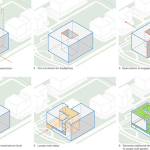
The older chawls and vernacular buildings were designed for passive comfort. They had high ceilings, courtyards, and large windows; however, much of today’s housing suffers from “sealed box syndrome.” Sealed Box syndrome refers to a condition in contemporary housing where the structure is so tightly sealed that it restricts natural ventilation, daylight, and thermal comfort. As a result, the indoors are overly dependent on artificial means of cooling and lighting.
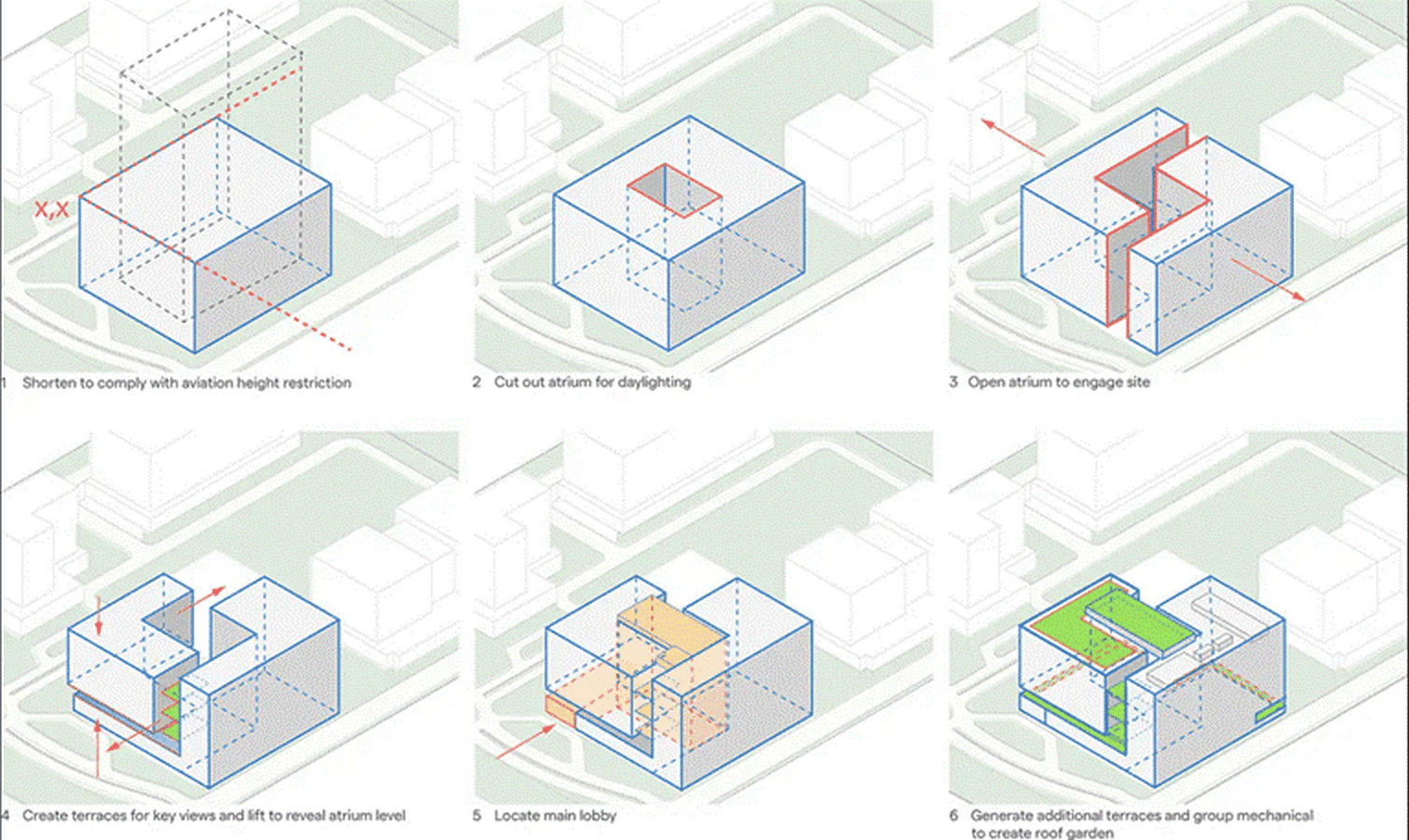
Fortunately, slowly but surely, people have realised the important role of passive development and sustainability. Many new developments are reintroducing passive design strategies like :
- Cross-ventilation in the apartments. Introducing green terraces to cool the buildings.
- Shading devices in the form of louvres and box chajjas. They also add an interesting visual element to the building with a high functional value.
- Light wells and semi-open corridors that reduce reliance on artificial lighting
- We can see these ideas being executed in multiple projects across the city. One successful example is Vikroli’s Godrej One. With its Platinum LEED certification, it shows that high density doesn’t mean low comfort.
Work, Commute, and the City as an Extension of the Home
Just like Urbanist Jane Jacobs wrote –
“Cities have the capability of providing something for everybody, only because, and only when, they are created by everybody.”
In Mumbai, the city itself becomes a part of your home routine. A chai stall outside the station becomes your morning café. A shaded tree at a bus stop offers five minutes of rest.
-
The Role of Transit-Oriented Design
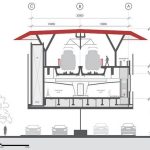
Projects like the Mumbai Metro aims to reduce the daily commute time and decentralize the office hubs. However, the successful operations of these projects rely on good last-mile connectivity, walkability, and the safety of the public spaces. It is observed that a successful transit-oriented development has these common traits:
- Covered walkways.
- Retail at ground level.
- Public toilets.
- Shaded congregational areas.
Amidst the constant buzz of the city, these well thought points become morning pit stops and social nodes, allowing people to pause and reflect.
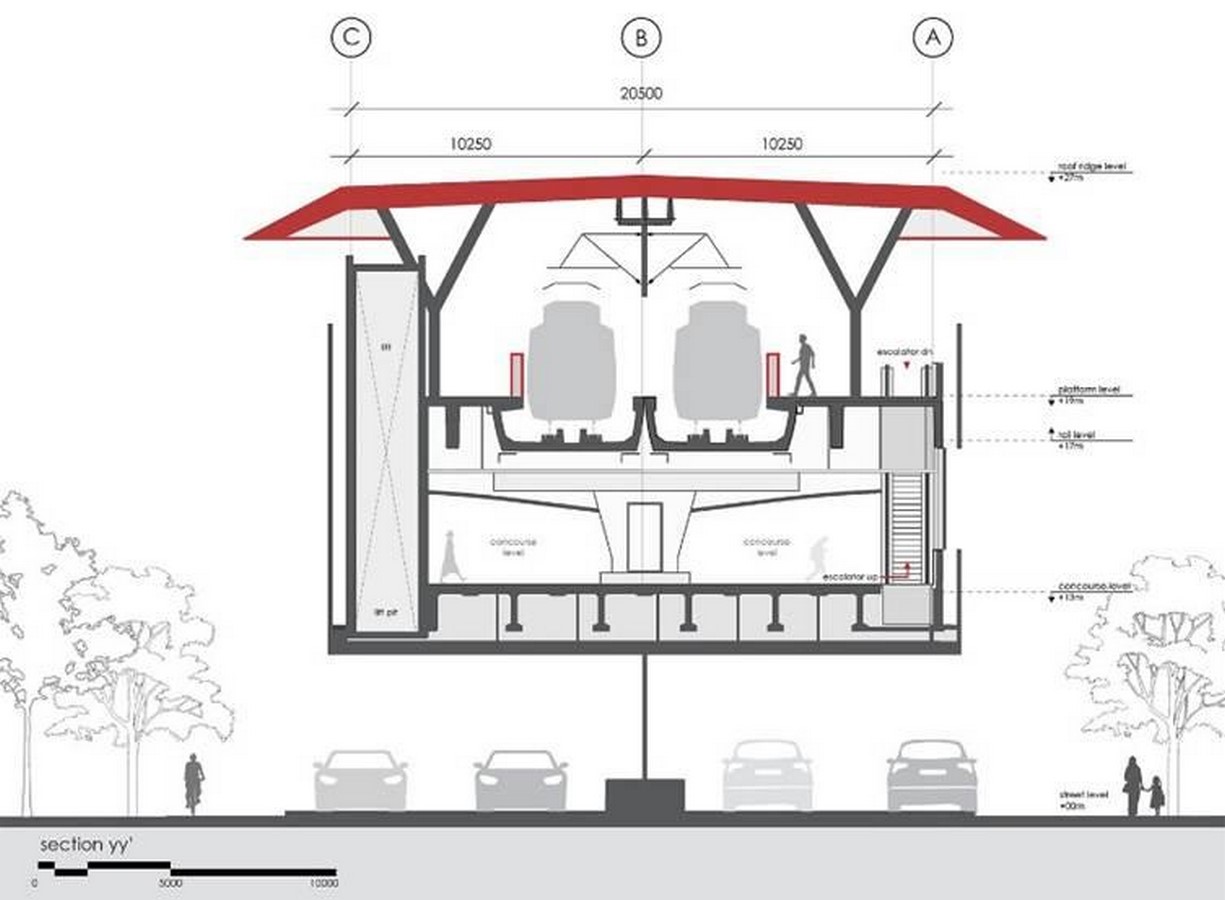
Multi-level development of Mumbai Metro by Archohm.
Designing for Mental and Physical Well-being
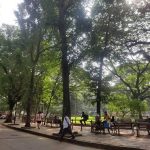
Good design does more than support routines – it can enhance well-being. In a city of relentless speed, small moments of pause matter. Green spaces in public areas act as more than a simple visual relief. They become breathing rooms for the citizens. Parks, gardens, and tree-lined streets act like a gathering point for people where they can slow down, gather, and reconnect with nature and each other.
-
Urban Greens and Community Spaces
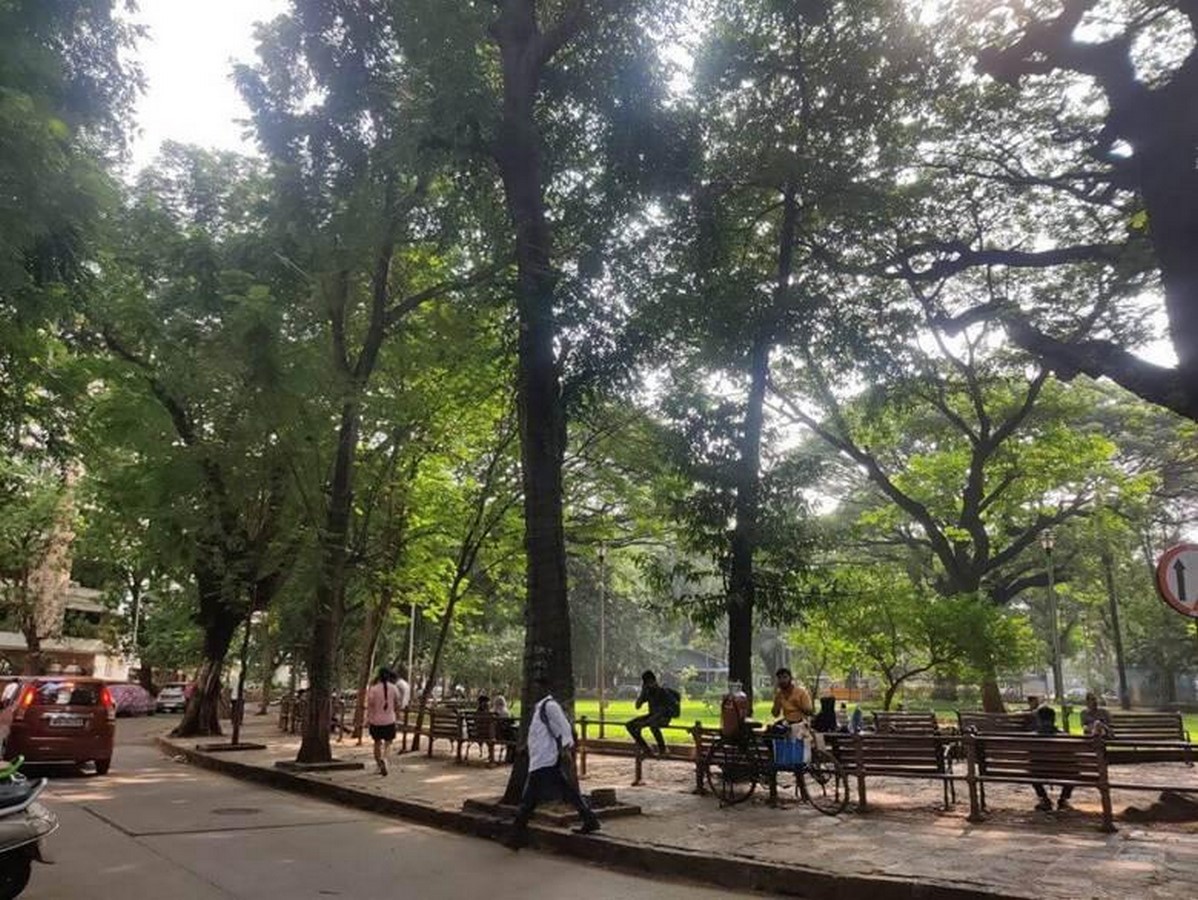
Community gardens in areas like Mazgaon or Matunga’s Five Gardens act like the lungs of the city and help reduce urban heat. Redeveloped mill lands like Kamala Mills or Phoenix Mills integrate open areas, seating, and art installations, turning former industrial sites into lifestyle hubs and give a new life to otherwise abandoned pieces of land.
Mumbai, being a coastal city has had multiple waterfront developments over the years. Marine drive development being one of them, the iconic image of the Queen’s necklace is more than just a scenic view – it is a shared space of collective memory, evening walks, and social connection. It symbolizes how thoughtful urban design can transform a stretch of coast into a vibrant public realm that belongs to everyone.
So, What Can Be Done Differently?
More than the looks of the building, architecture is more about how the buildings perform for the people.
As Mumbai evolves, we need to ask:
- Do our homes support our health, flexibility while giving comfort?
- Do the transit spaces feel inviting or alienating?
- How do we evoke the feeling of pause, play, and productivity in public infrastructure?
These issues are not just for the architects, but for policymakers, developers, and citizens. Because good design is not a luxury but a necessity.
Voices from the City: Design as a Tool for Change
Mumbai, with many challenges in its urban fabric, still has several architects, planners, and local initiatives who are quietly reshaping the city to be more humane, equitable, and mentally restorative.
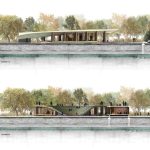
Sameep Padora’s firm, sP+a, has designed community libraries and public toilets in informal settlements. By using local materials and passive design principles, he has developed spaces that are dignified, sustainable, and accessible. His work proves how good design need not be expensive, just thoughtful.
The Urban Design Research Institute (UDRI) is actively working with communities to document and protect Mumbai’s shrinking open space. They are advocating for more equitable access to parks and green areas.
Conclusion: Rethinking the Invisible Architecture Around Us
Everyday architecture – the layout of a person’s home, the light in a kitchen, the bench outside an office – shapes one’s choices, emotions, and habits. And in a city as dynamic and dense as Mumbai, this invisible architecture is doing more work than we give it credit for.
Design is not just about creating new buildings – it’s about re-thinking existing ones, and making sure that daily life becomes just a bit easier, healthier, and more human.
As Mumbai continues to build upward, may we also remember to design inward – for comfort, dignity, and well-being.
To truly transform how Mumbai is experienced, maybe it’s time we stop thinking only in terms of scale, and start thinking in terms of sensitivity. Instead of asking how tall or impressive a building should be, perhaps we need to ask: What happens in the spaces between? How do they feel, and who do they serve?
The future of Mumbai doesn’t rest solely on grand masterplans or ambitious infrastructure. It also depends on the quieter, everyday decisions. The one that determines how a child finds space to study in a small room, how an elderly person finds a moment of rest beneath a tree, or how a working woman feels walking home after dark.
When we treat comfort, accessibility, and mental well-being as essential instead of add-ons, we move away from building for survival and start designing for human worth. Architecture, then, becomes more than drawings and deadlines. It becomes an act of care and compassion. A quiet responsibility. A reflection of who we are, and what we value. And maybe then, Mumbai stops being just a place people endure – and becomes a city that breathes with them, nurtures them and grows with them.
Because the real test of a city isn’t in how tall it rises, but in how gently it cares for its residents in most ordinary, vulnerable moments. It’s in the shadow of a balcony on a hot afternoon. The breeze that slips through a well-placed corridor. The small relief of a shorter, safer walk home. So instead of pouring all our energy into what we build, maybe we need to start asking: How does it make people feel? That’s when growth becomes more than expansion. It becomes empathy. And slowly but surely, bit by bit, the chaos people have come to accept might start to feel a little more like calm.
References:
- Mumbai Development Plan 2034 MCGM
- Gehl, J. (2010). Cities for people. Washington, Dc: Island Press.
3. UN-Habitat (n.d.). Public Space | UN-Habitat. [online] unhabitat.org. Available at: https://unhabitat.org/topic/public-space.
4.Indian Institute of Human Settlements (IIHS) – Iihs.co.in. (2017). Tools and Rules-of-Thumb for Passive Design Strategies for Indian Climatic Conditions – IIHS Knowledge Gateway. [online] Available at: https://iihs.co.in/knowledge-gateway/tools-and-rules-of-thumb-for-passive-design-strategies-for-indian-climatic-conditions/ [Accessed 21 Sep. 2025].
5.Godrejproperties.com. (2025). Commercial Property in Vikhroli, Office Spaces in Vikhroli – Godrej One. [online] Available at: https://www.godrejproperties.com/mumbai/commercial/godrej-one [Accessed 21 Sep. 2025].