Architecture in the Spotlight
Movies have a way of catching us off guard. Sometimes it’s the actor who steals the scene. Sometimes it’s the twist in the story. And sometimes, strangely enough, it’s the building that stays with us. A cathedral draped in shadow, its arches echoing like a chorus. A fortress that still feels heavy with the clash of swords. A skyscraper flashing in the sun, radiating the kind of power that words alone can’t express. These aren’t just settings. They breathe. They perform.
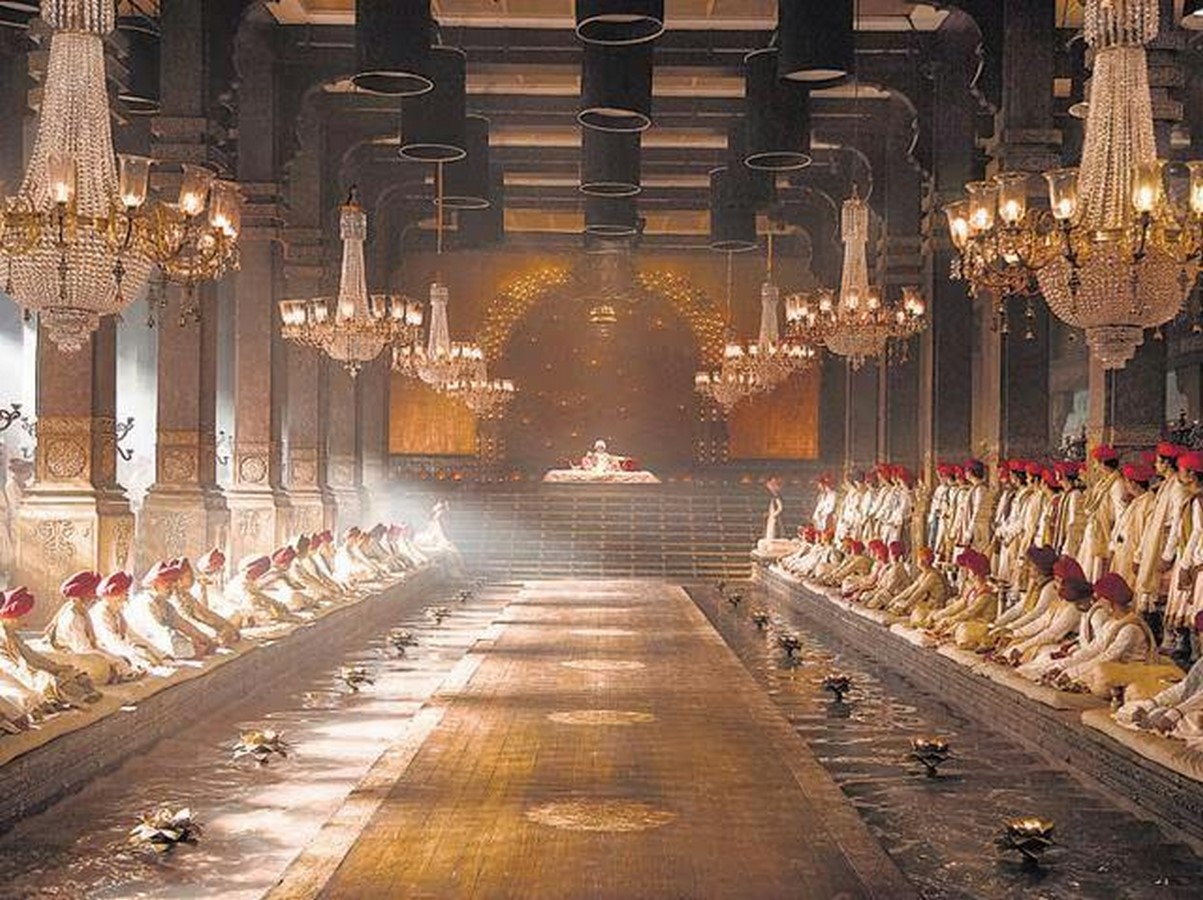
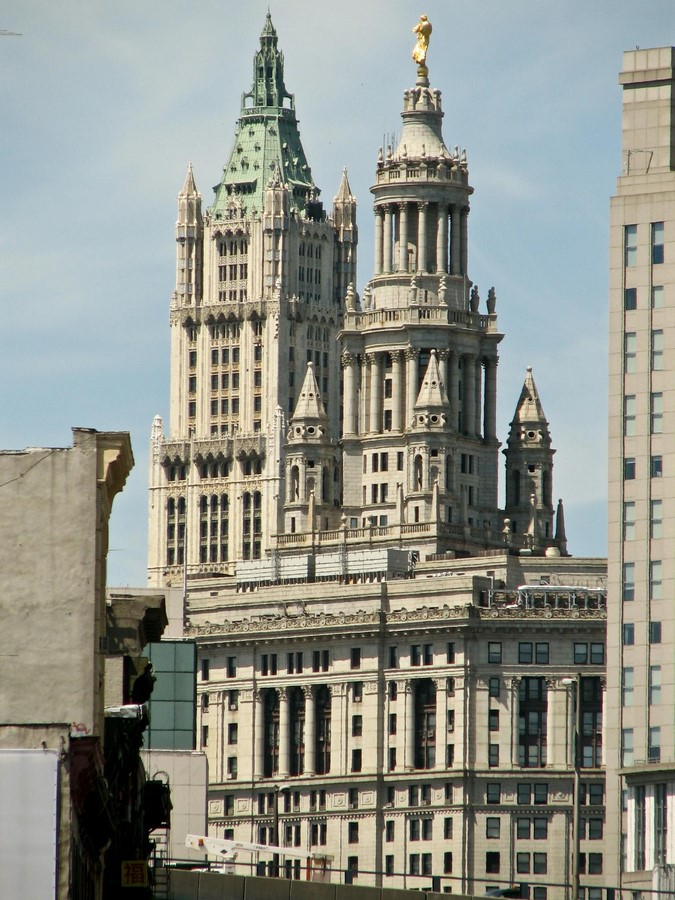
That’s why people talk about cinematic architecture. A building on screen isn’t always passive. It can carry weight, emotion, even memory. And lately, directors have pushed this further by reusing real places instead of building sets from scratch. It’s called adaptive reuse. The Woolworth Building in New York, for example, became Gotham in The Dark Knight Rises. Jaipur’s Amer Fort turned into the royal stage of Bajirao Mastani. These choices are thrilling, but they also leave us with questions: what happens to authenticity, to preservation, to the building’s life after the crew packs up (Suri, 2024)?
Backdrops With Personality
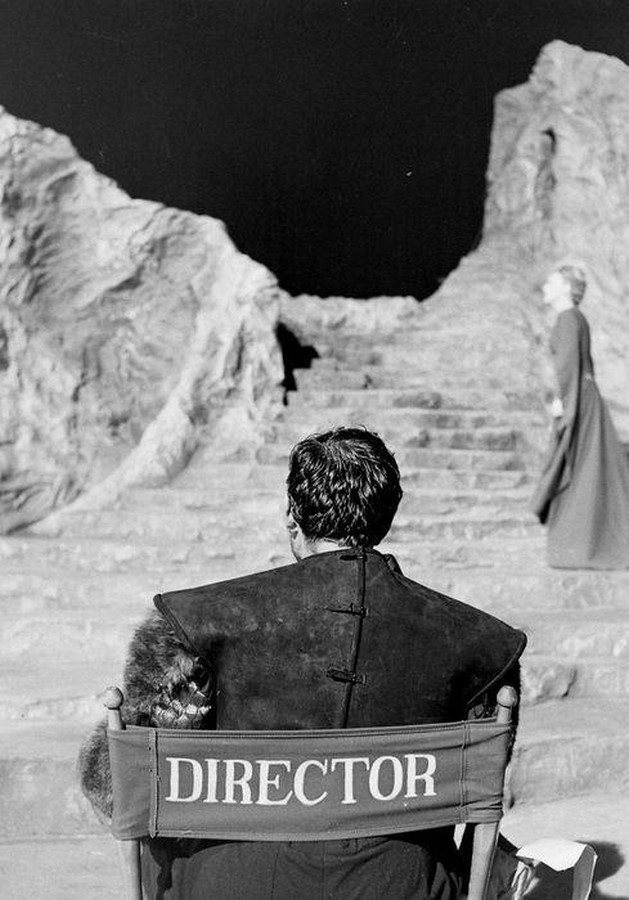
Not every building in a film matters. Some blend into the background, as invisible as wallpaper. Others, though, take charge of the story.
Think of The Devil Wears Prada. The New York Public Library doesn’t just host a runway show. Its neoclassical walls give the moment weight, making couture feel like philosophy. Or look at Bajirao Mastani, where Shaniwar Wada isn’t just scenery. It resurrects Maratha history, making centuries-old battles feel immediate and alive (Beeton, 2016).
In these moments, architecture is no longer mute. The way the camera glides across a colonnade, or pauses at a staircase, gives the building a voice. Audiences remember those spaces as vividly as the characters who walked through them.
Adaptive Reuse: Where Reality Meets Fiction
Adaptive reuse typically involves converting an old warehouse into apartments or transforming a historic fort into a museum. On screen, though, it means something more playful. A bank redressed as a villain’s lair. A concert hall converted into a Cold War laboratory. Directors step into real spaces and, with a few changes, create whole new worlds.
This is where reality and fiction meet. Computer-generated skylines can look slick, but they can’t match the weight of stone that has endured centuries of rain. A staircase worn down by footsteps already tells a story before the actors appear. Real places carry scars, textures, and atmospheres that cameras capture with an honesty no green screen can fake.
There’s also a quieter reason directors choose real buildings: sustainability. Building massive sets eats money and resources. Reusing what already exists is more economical for both. It echoes architecture’s larger philosophy: don’t demolish, don’t waste, adapt (Arfa et al., 2022).
How Films Change the Way We See Buildings
Once a building is filmed, it rarely returns to being ordinary. It picks up new layers of meaning.
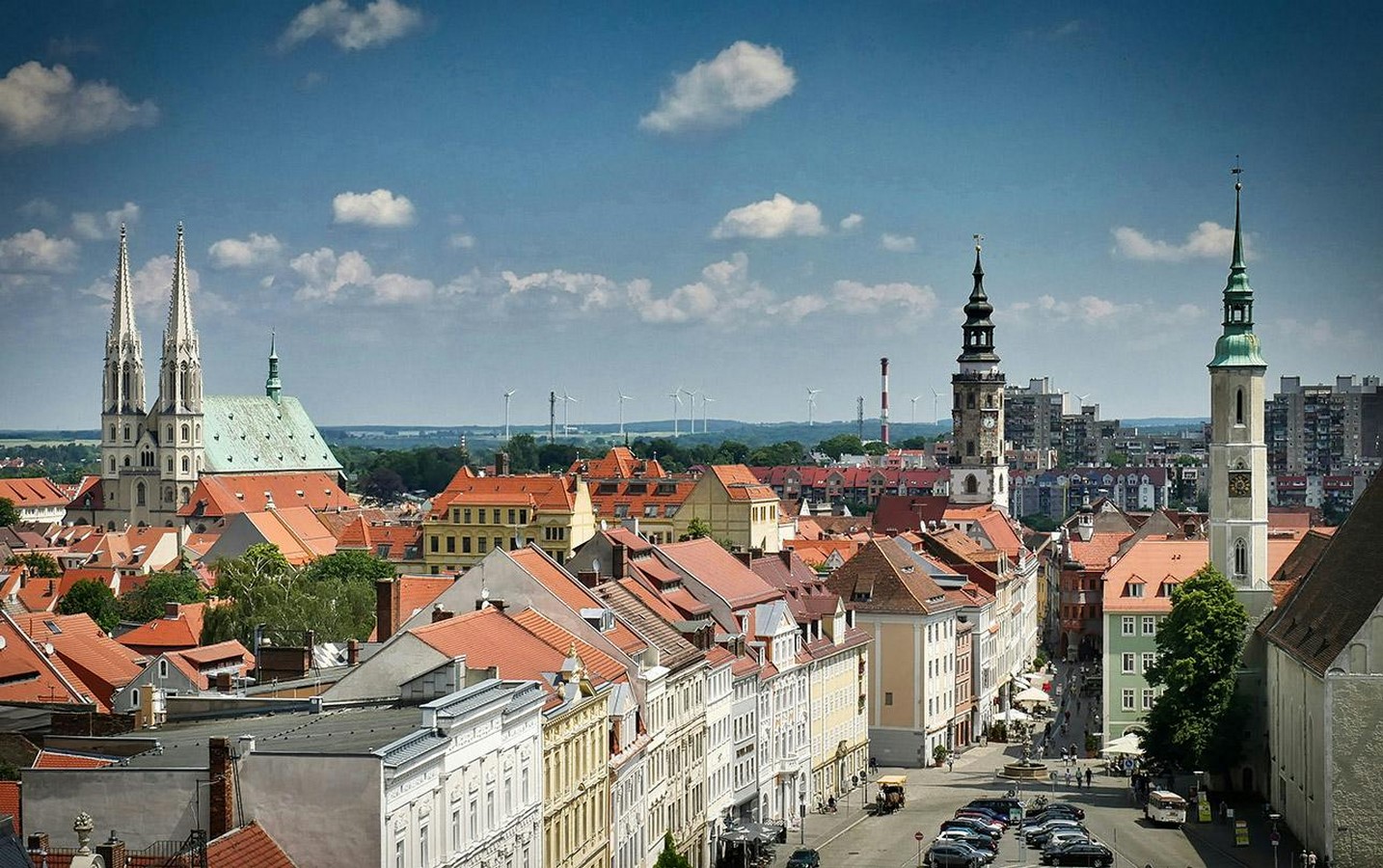
Tourism is usually the first sign. After Bajirao Mastani, Amer Fort was flooded with visitors wanting to stand where cinema and history overlapped. The Grand Budapest Hotel was fictional, but it still pulled fans to Görlitz in Germany to see the Warenhaus that inspired it (Beeton, 2016).
Some buildings gain symbolism, too. The Empire State Building, already an icon of New York, became forever tied to awe and danger after King Kong.
But this spotlight isn’t always kind. Films can romanticise or distort. The Eiffel Tower has been reimagined so many times in futuristic storylines that it sometimes feels like a pop cliché instead of the marvel of engineering it truly is (Suri, 2024). Cinema can elevate, but it can also oversimplify.
Case Studies: When Architecture Took the Lead
Take Christopher Nolan’s The Dark Knight Rises. Gotham didn’t come out of nowhere. It was stitched in New York itself. The Woolworth and JP Morgan buildings stood in Gotham’s financial heart. Their Gothic facades radiated menace and grandeur, while the interiors, bathed in shadow, became Wayne Enterprises. When filming wrapped, the buildings went back to their lives as offices. But for viewers, they had already been absorbed into Gotham’s mythology (Barut, 2020).
Or think of Wes Anderson’s The Grand Budapest Hotel. The Görlitzer Warenhaus, an abandoned department store, gave the film its bones. Its cavernous halls and ornate details carried authenticity, even as Anderson painted them in pastel tones and filled them with whimsy. The result was something that felt both dreamlike and rooted in reality (Cairns, 2013).
The Devil Wears Prada took a different approach. The McGraw-Hill Building screamed corporate authority as Runway’s headquarters. Inside, glossy furniture amplified the glamour. And when the New York Public Library was turned into a catwalk, it fused culture and couture in a way that made the architecture feel as bold as the characters (Suri, 2024).
And then there’s Bajirao Mastani. Bhansali didn’t just film in Shaniwar Wada and Amer Fort; he let them act. Their courtyards and palaces became emotional landscapes, amplifying every scene. Conservationists ensured no damage was done, and in return, the film breathed life back into the monuments. Tourism soared, and cultural pride deepened. For many viewers, those sites were no longer relics. They were alive (Beeton, 2016).
Between Spotlight and Safeguard
But filming in heritage buildings is never without risk. On one side, authenticity makes stories richer. On the other hand, fragile structures need protecting. Productions can bring funding and attention, but they can also bring damage and crowds.
The balance lies in care. Temporary changes that vanish without a trace. Conservation experts on set. Digital extensions that make buildings larger than life on screen without touching a single brick. It’s the same principle sustainable design lives by: reuse, respect, reveal (Arfa et al., 2022).
Lessons From the Silver Screen
What films teach us about buildings doesn’t end with cinema. The best examples show that reality and fiction can blend without losing authenticity. To make this work, filmmakers, architects, and preservationists have to collaborate.
And cinema can spark real change. A warehouse reimagined on screen can inspire city planners to transform similar sites into cultural spaces. Movies show possibilities. Cities can make them real. At a time when sustainability is urgent, adaptive reuse is more than artistic flair. It reduces waste, preserves history, and enriches storytelling (Li et al., 2021).
Curtain Call
Buildings in the cinema never disappear with the credits. They stay. In our imagination. In guidebooks. In heritage debates. A fort in India staging a love story. A skyscraper in New York posing as Gotham’s beating heart. Architecture is never just background. It is narrative.
Adaptive reuse in film is not just practical set design. It’s a cultural dialogue. It offers filmmakers authenticity, gives audiences richer experiences, and restores attention to places that might otherwise fade from memory. Done carefully, it lets preservation and storytelling walk together.
Cinema will keep changing. So will the way it treats architecture. But the truth remains: buildings on screen are never just scenery. They are characters. They are co-stars. And sometimes, they steal the whole show.
References:
- Arfa, F. H., Zijlstra, H., Lubelli, B. and Quist, W. (2022) ‘Adaptive Reuse of Heritage Buildings: From a Literature Review to a Model of Practice’, The Historic Environment: Policy & Practice, 13(2), pp. 148–170.
- Barut, B. (2020) Architecture and Cinema: Analysis of the Relationship Between Narrative and Architectural Space in Christopher Nolan’s The Dark Knight Trilogy. Ankara: Bilkent University.
- Beeton, S. (2016) Film-Induced Tourism. Bristol: Channel View Publications.
- Cairns, G. (2013) The Architecture of the Screen: Essays in Cinematographic Space. London: Intellect.
- Li, Y., Zhao, L. and Huang, J. (2021) ‘Research frameworks, methodologies and assessment methods concerning the adaptive reuse of architectural heritage: A review’, Heritage Science, 9(1), pp. 1–18.
- Suri, S. (2024) ‘Architecture and Heritage in Cinema’, ResearchGate, pp. 20–23.