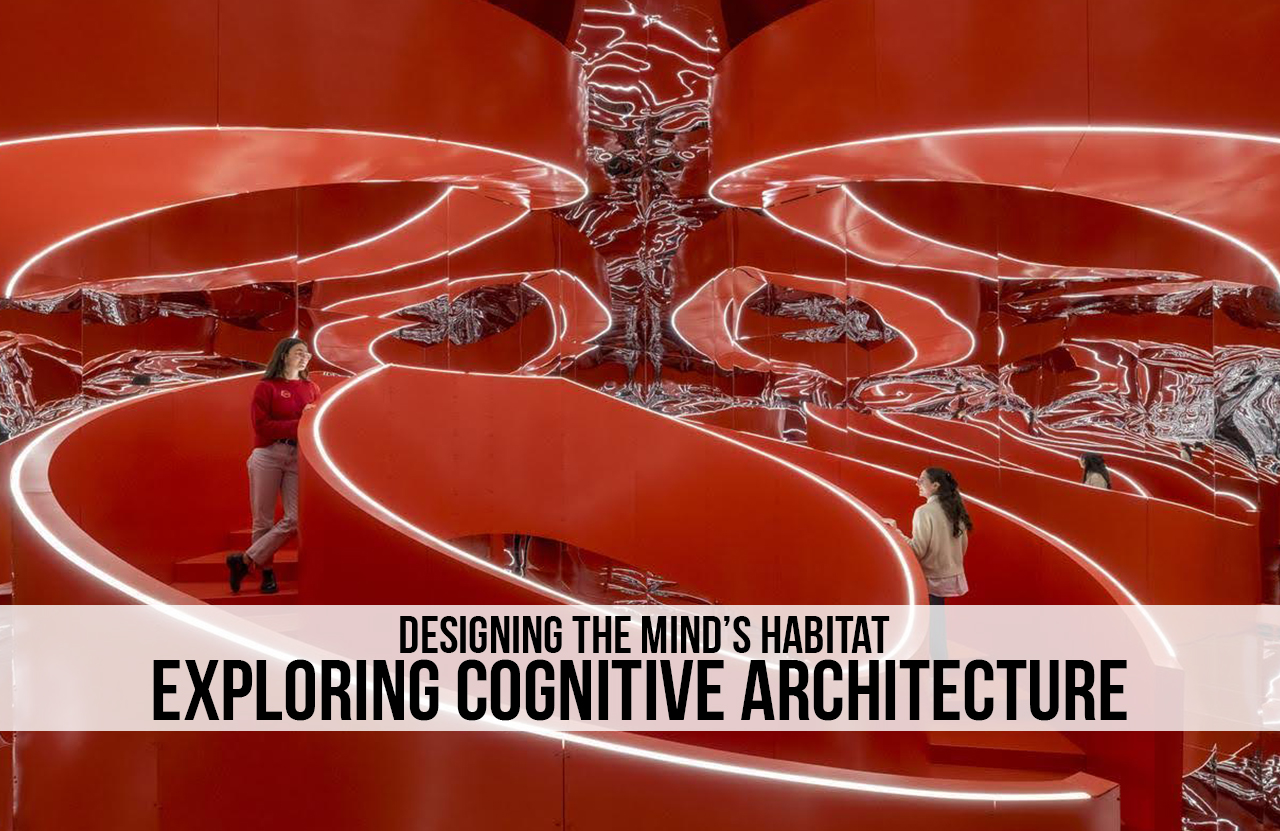
Exploring Cognitive Architecture
In the silent communication between the buildings and the brain, there exists a language that very few architects truly understand. Cognitive architecture is the nuanced art and rigorous science of creating surroundings that do more than just house us; they think with us, reflect our inner rhythms, and support both our mental and physical architectures. It is created in accordance with the neurological, sensory, and emotional geography of the human mind.
What is Cognitive Architecture?
In architecture and design, Cognitive Architecture focuses on how buildings, materials, light, acoustics, and textures interact with these processes. Consider how we create spatial memory in a museum, anticipate movement in a corridor, or find comfort in a bright cafe.
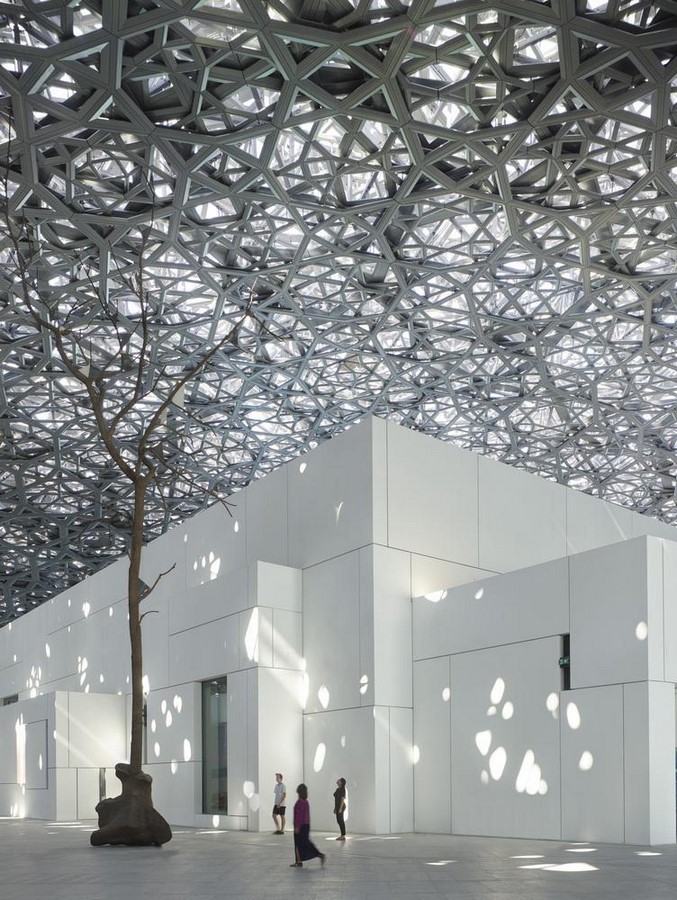
The Mind in Space, How Architecture Shapes Thought
We don’t just live in the present; we also live in what we anticipate will happen. Predictive processing in cognition indicates that perception predicts.
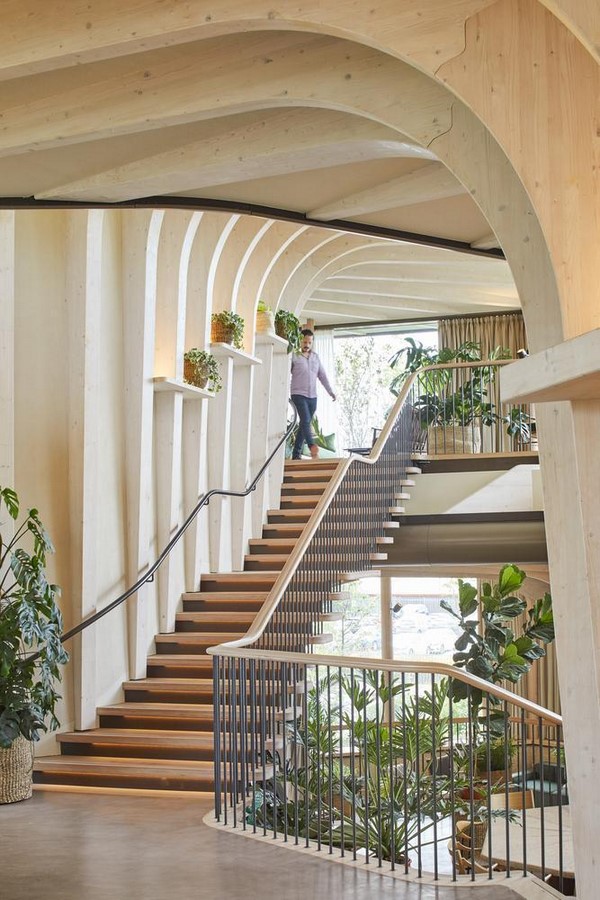
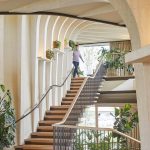
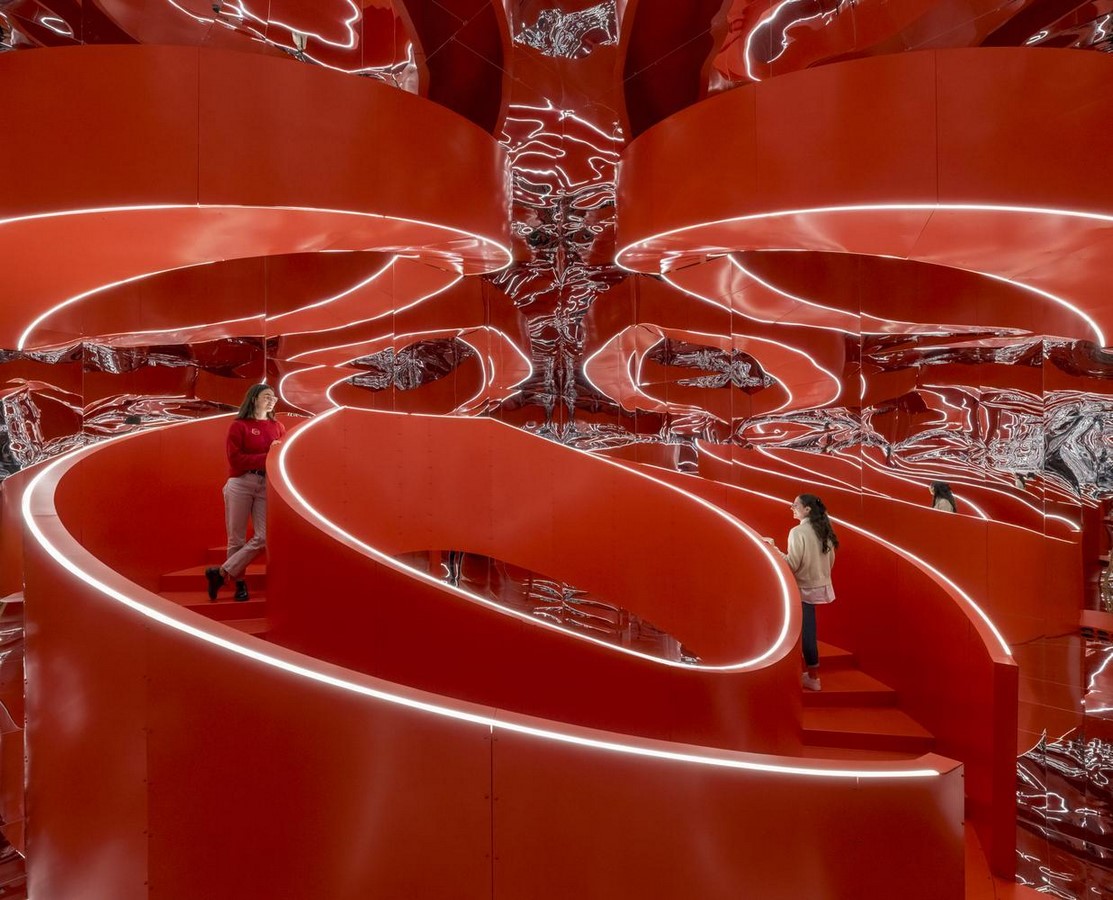
A staircase does not simply sit there; it offers ascent. Narrow passageways can foster intimacy or conflict. Spaces constructed with anticipation in mind respect our physical and mental limitations.
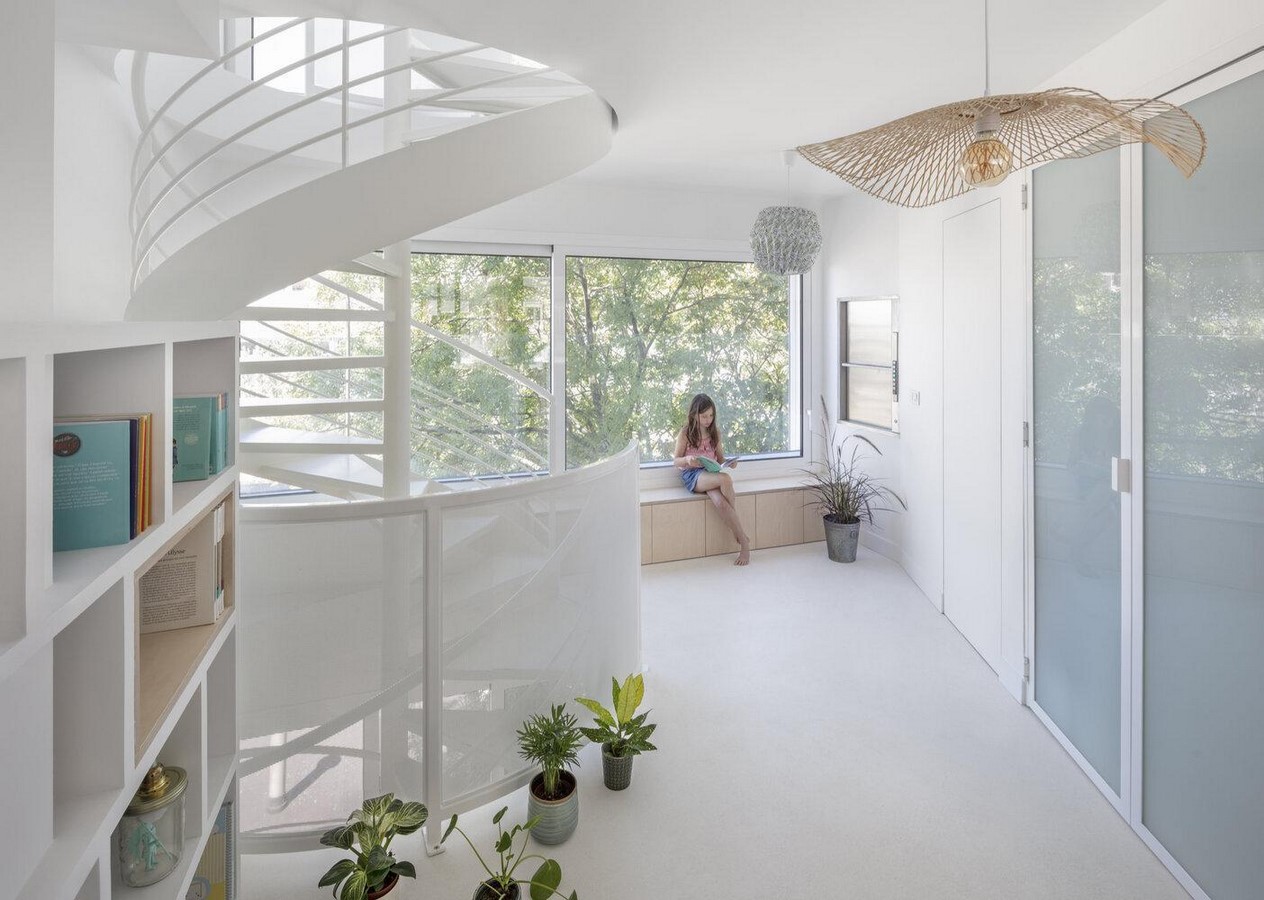
Spatial Memory and Wayfinding
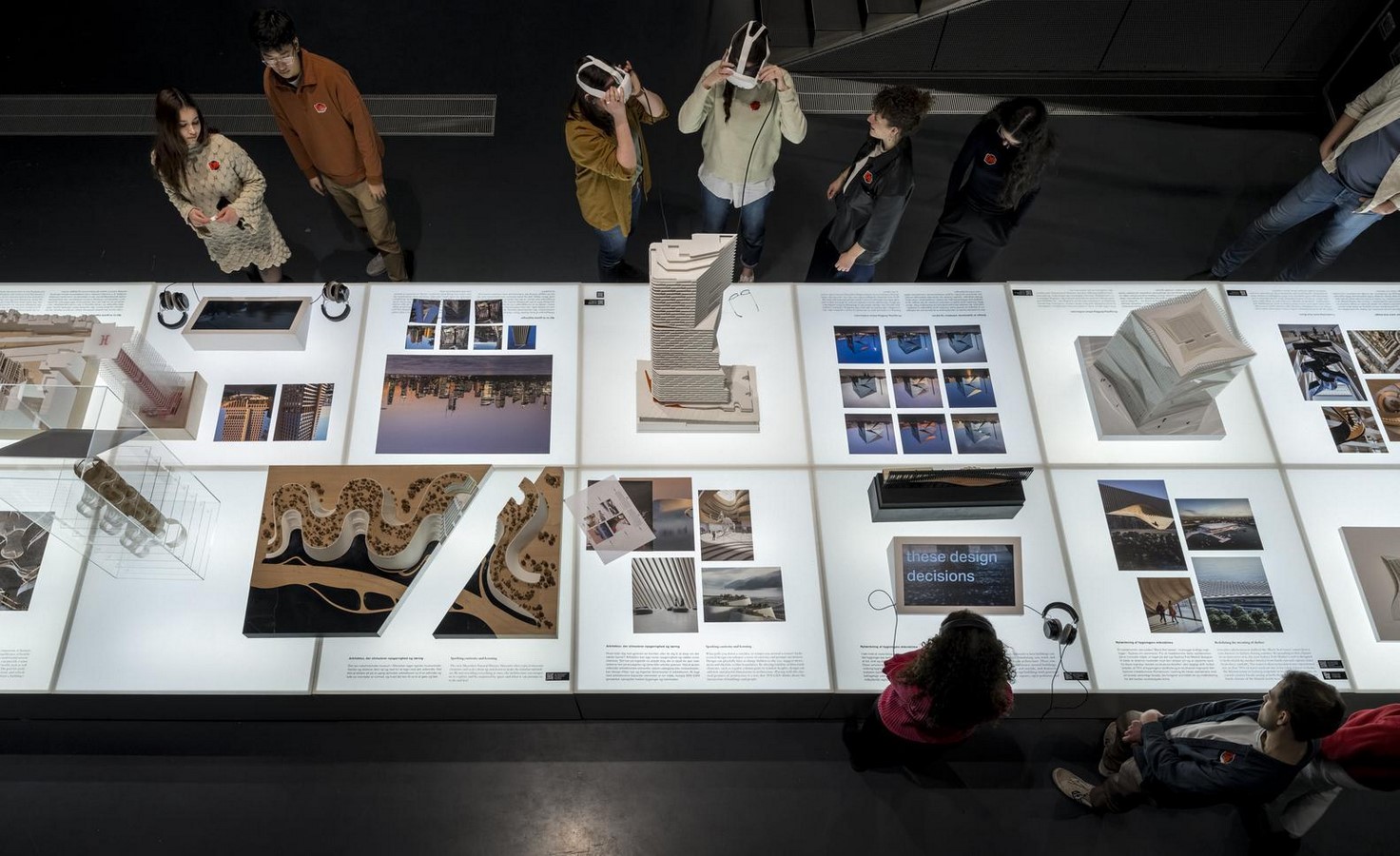
Light, echoes, and textures all contribute to complex memories of a place. Designers utilize virtual reality simulations in huge public buildings and museums to prevent disorientation and cognitive strain. Clear sightlines and tactile floor indicators are examples of wayfinding measures that aid in intuitive navigation.
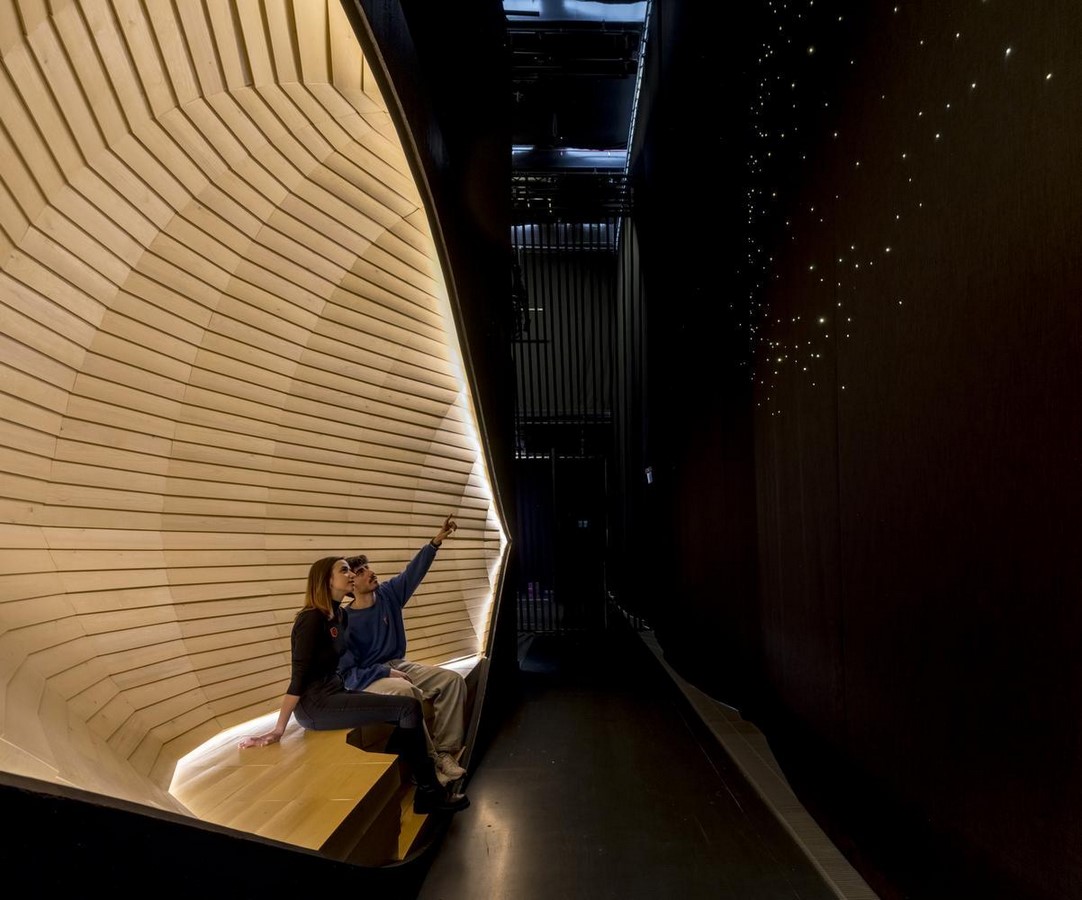
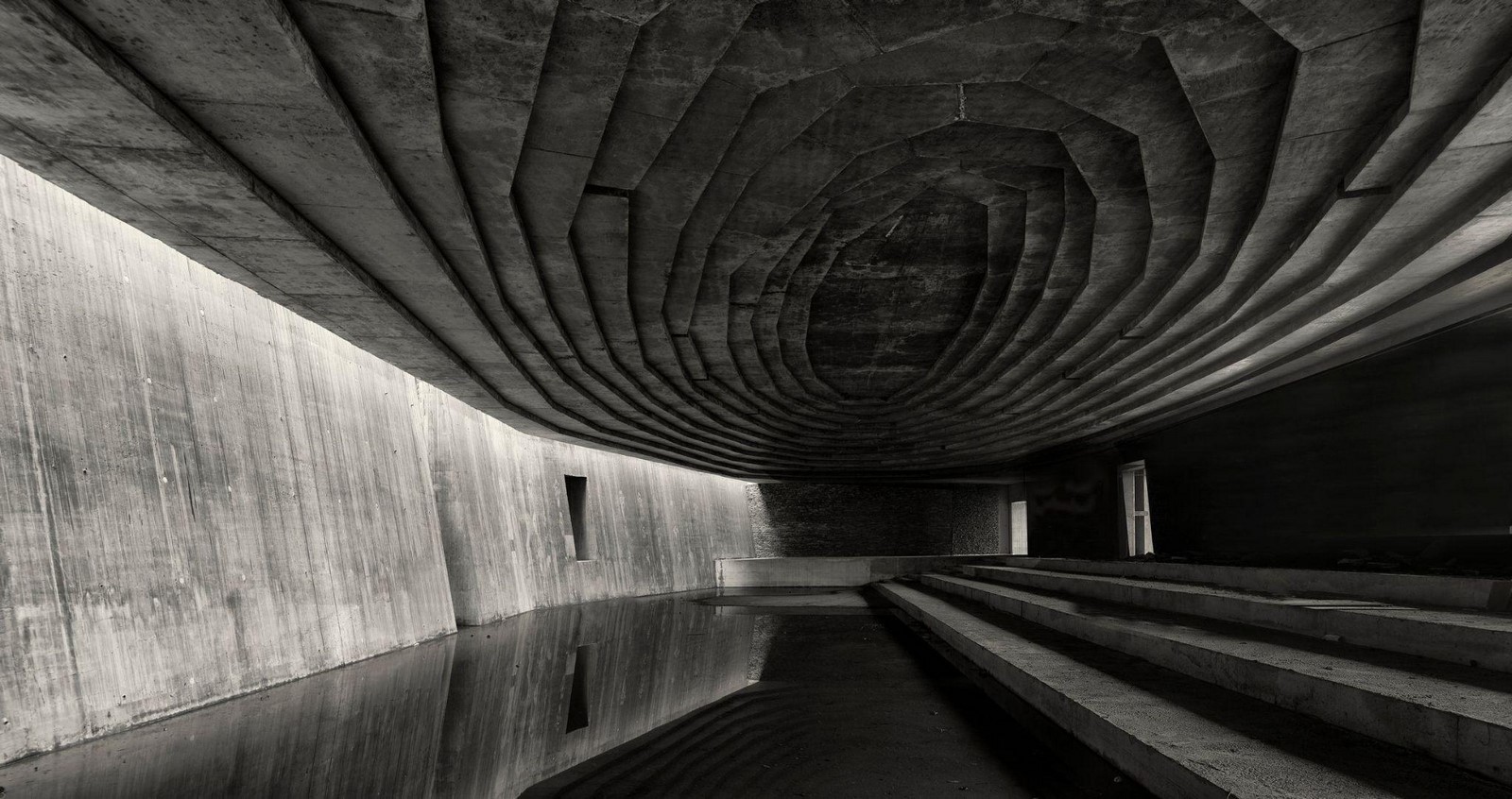
Scene 3: Emotional and Physiological Resonance
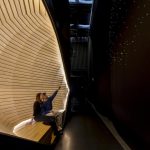
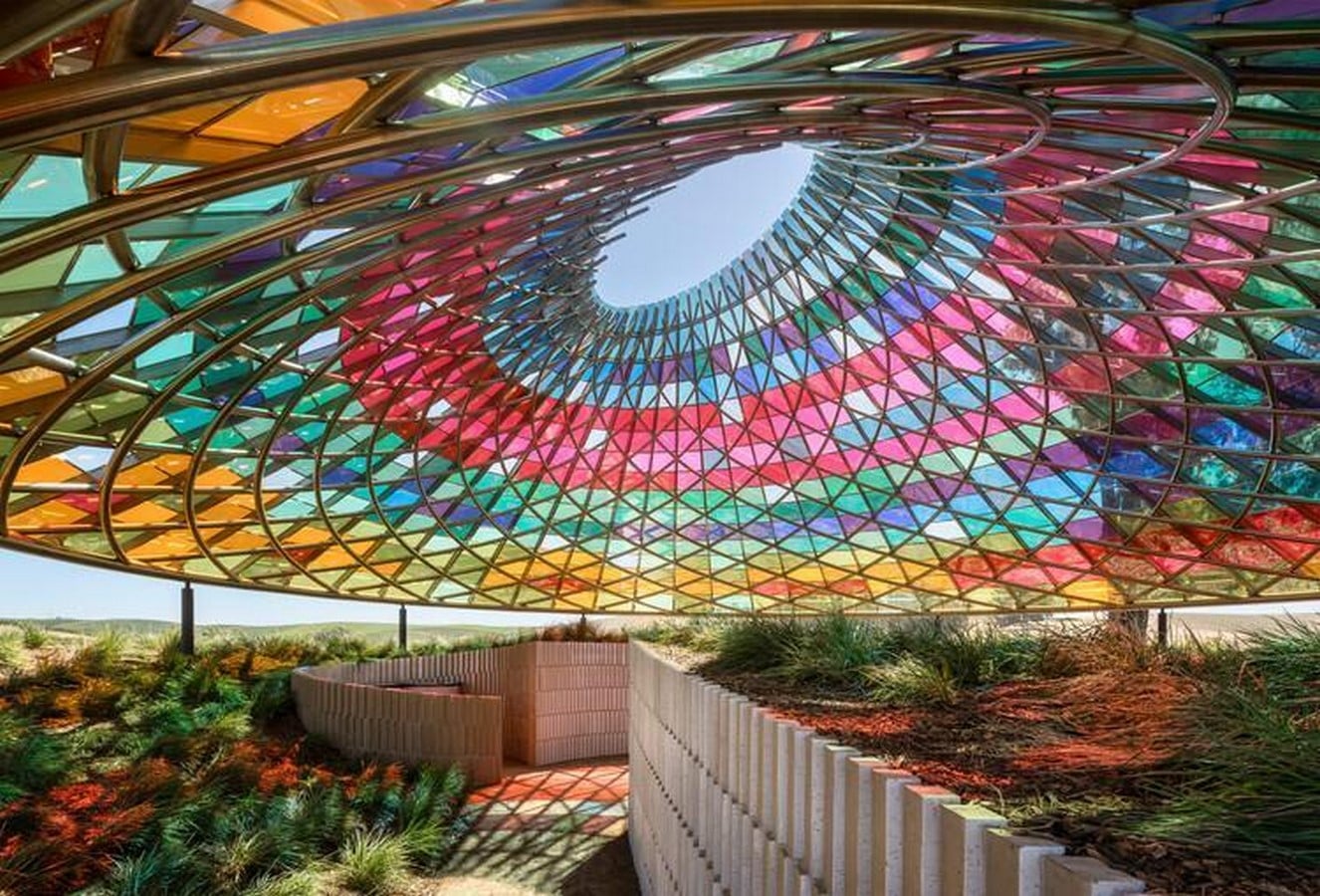
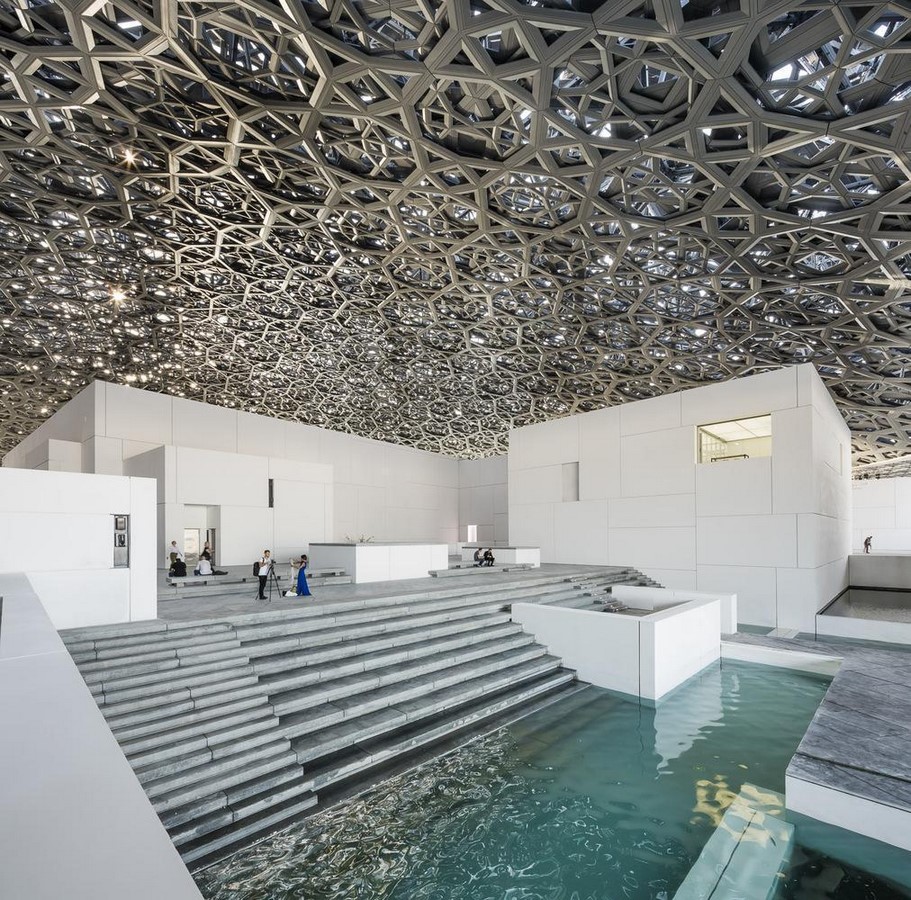
Architecture does more than merely speak to the brain; it also expresses emotion. The warmth of wood, the silence of a gallery, the openness of a plaza, these stimulate our limbic system.
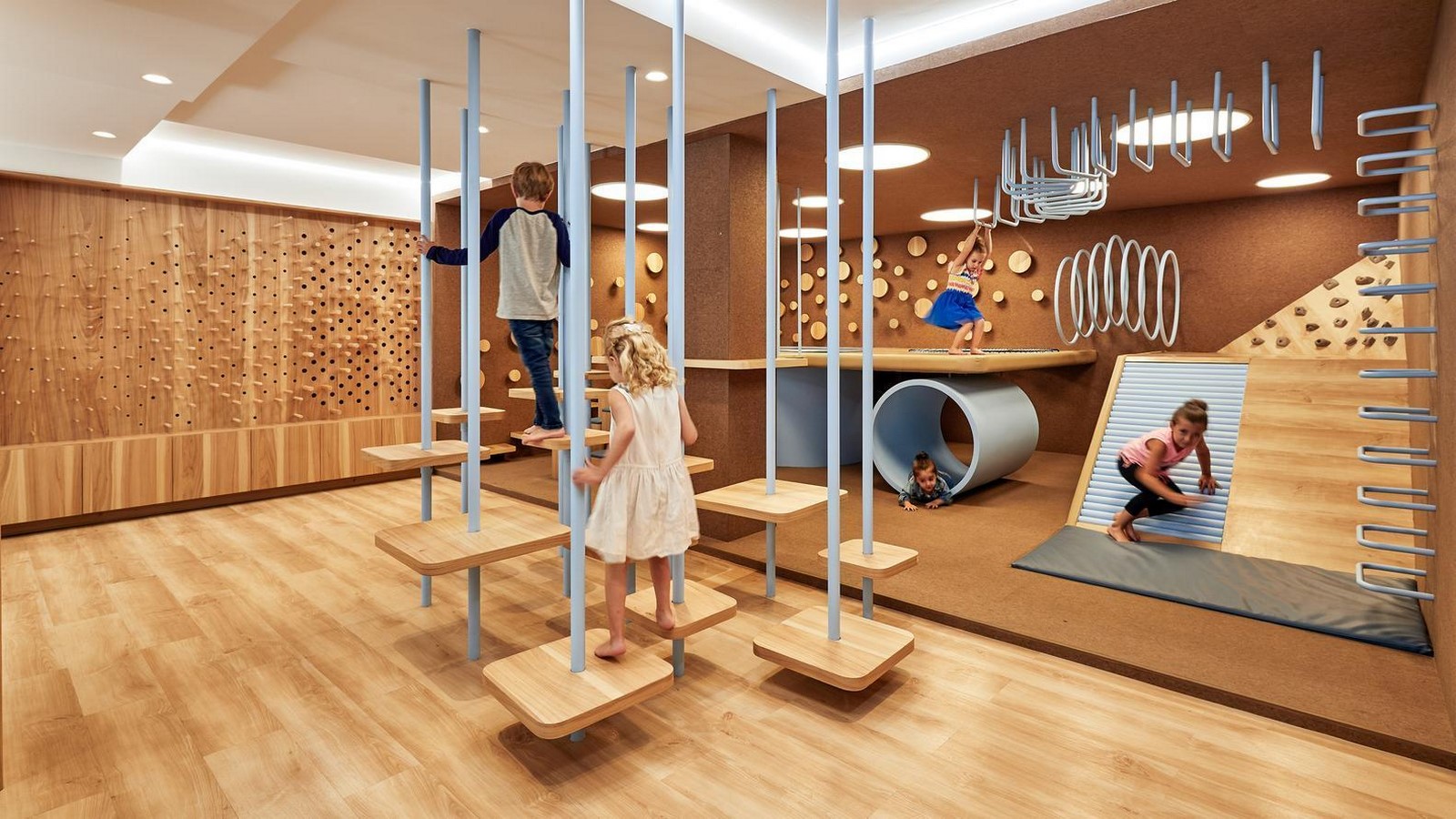
According to research, deliberately designed environments can reduce stress hormones and increase mental health.
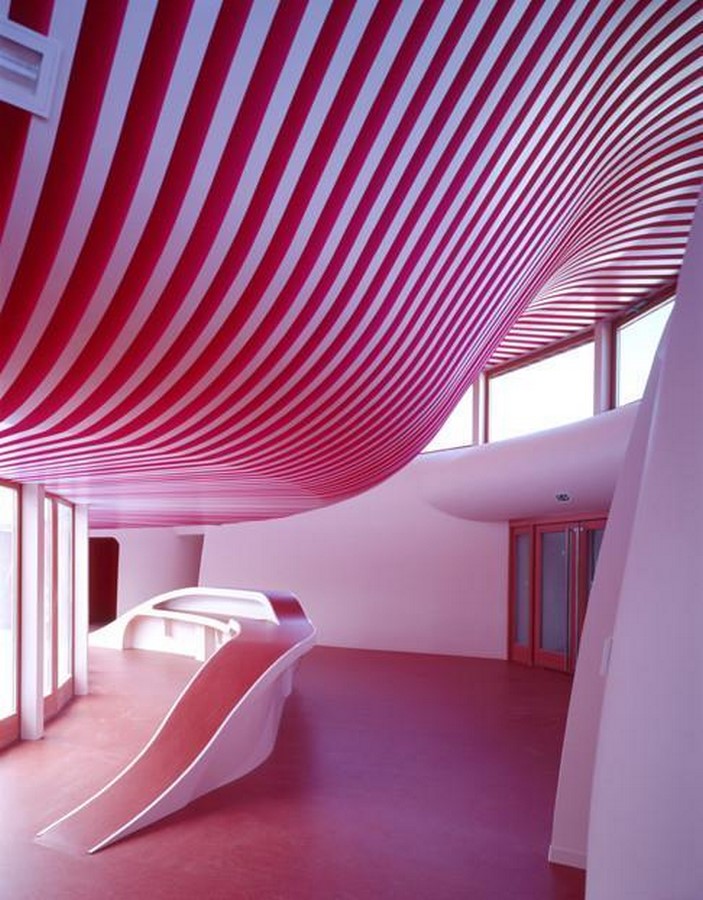
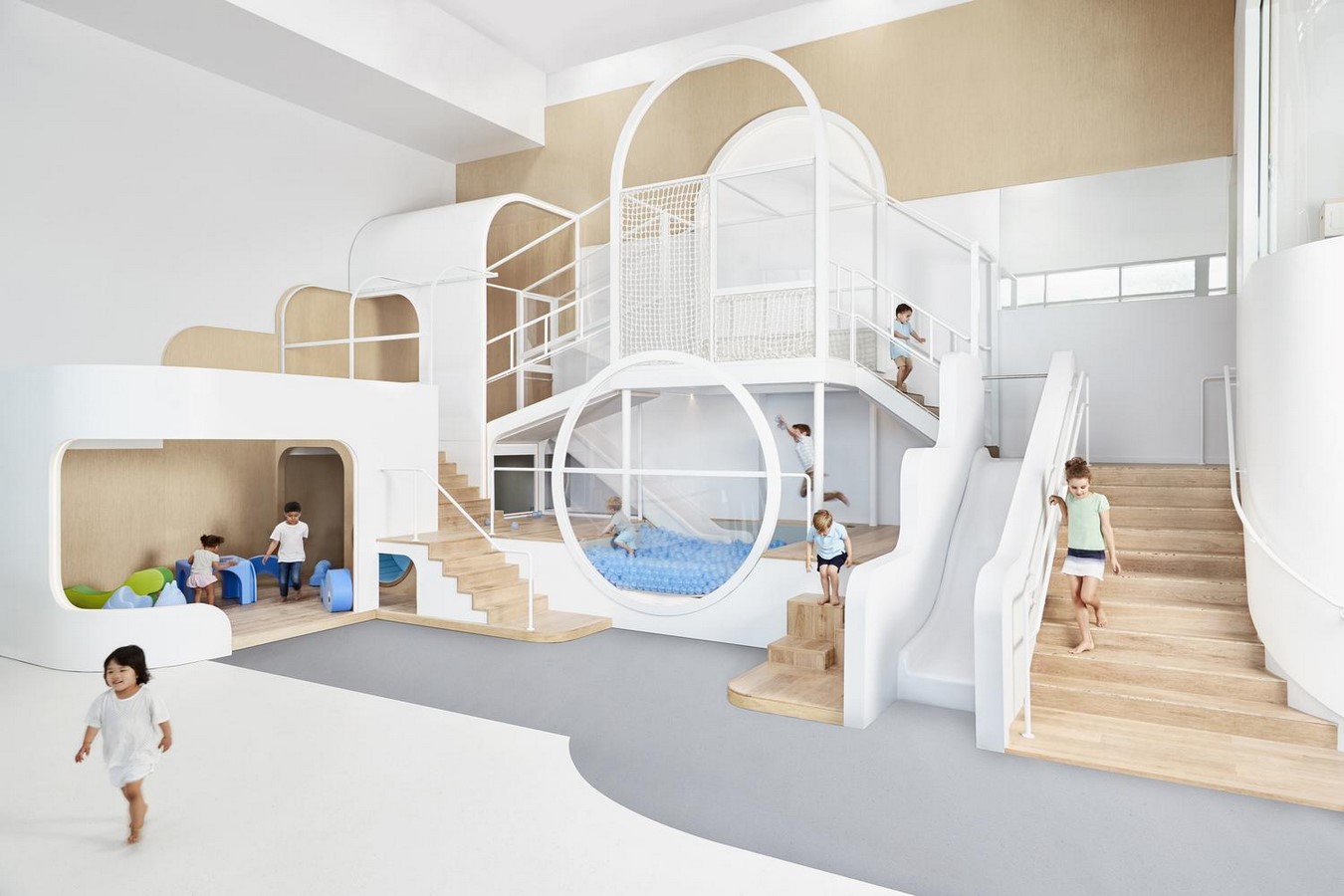
Emerging Practices and Experiments
Neuroarchitecture
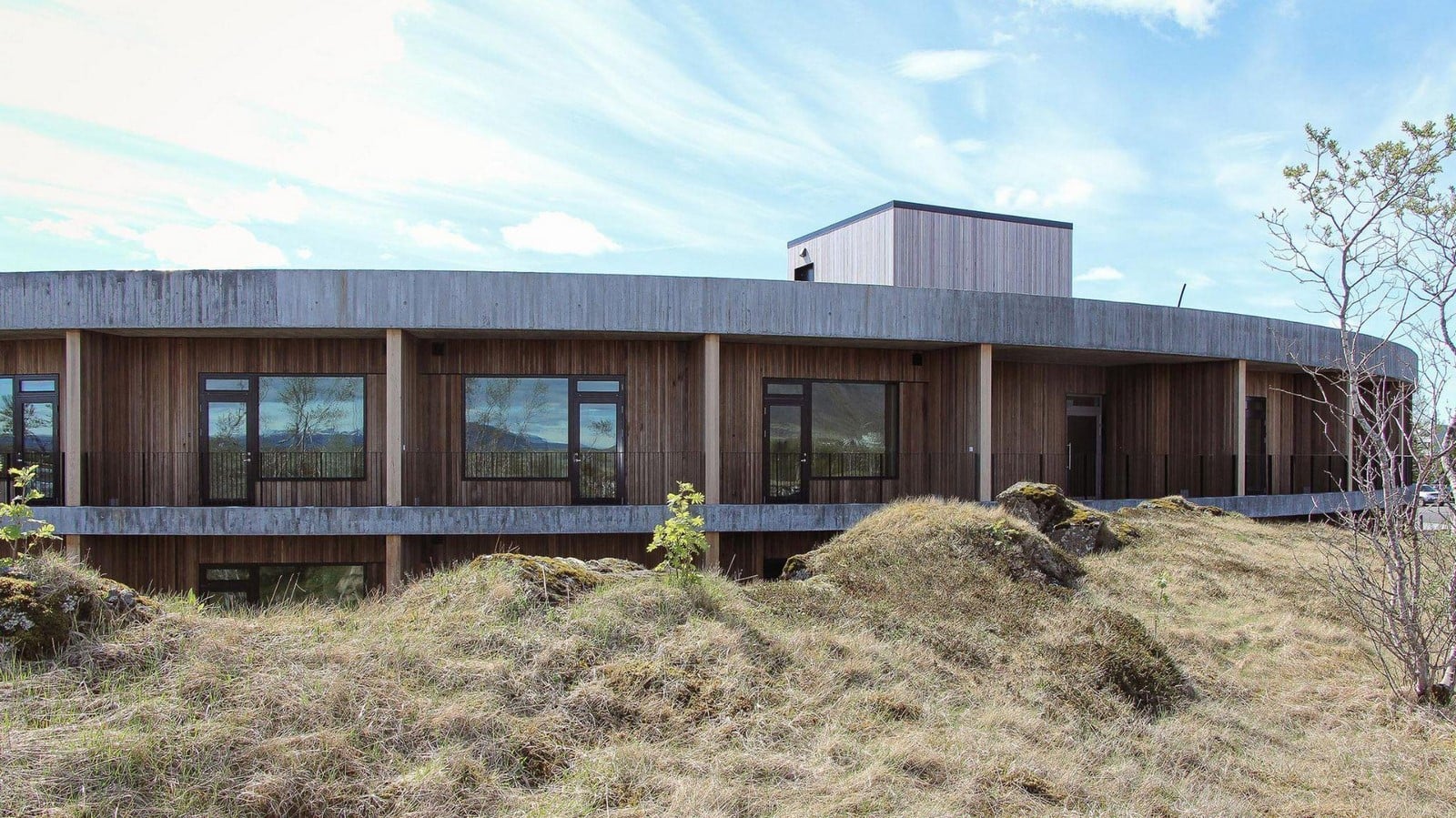
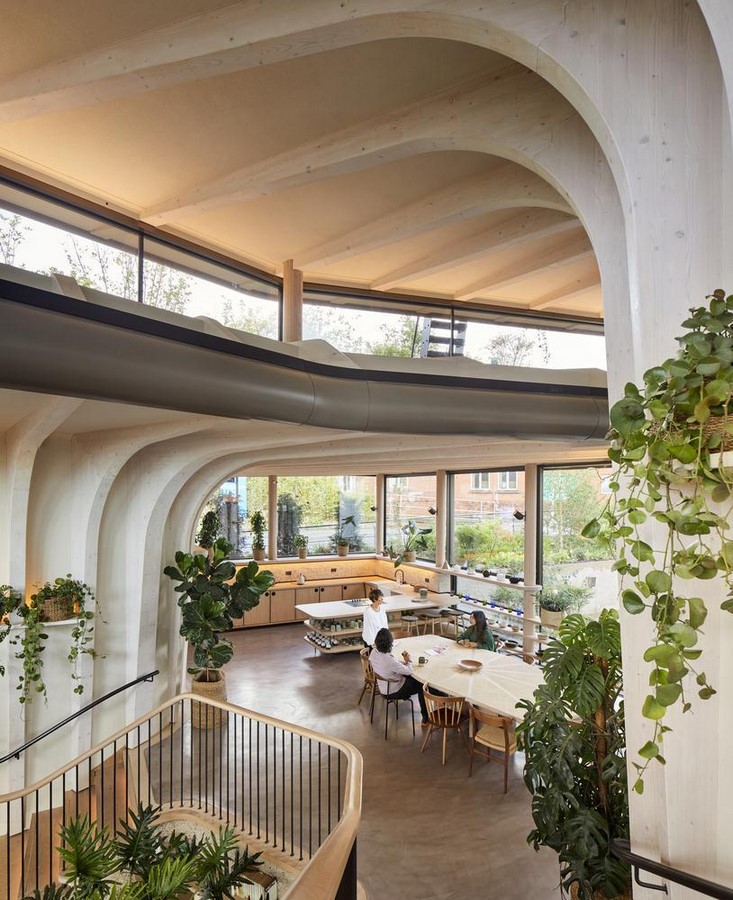
Here, architects collaborate with neuroscientists to investigate how shape influences stress, recuperation, and attention. Hospitals designed with natural light and views of greenery, for example, have shown higher healing rates.
Adaptive Environments
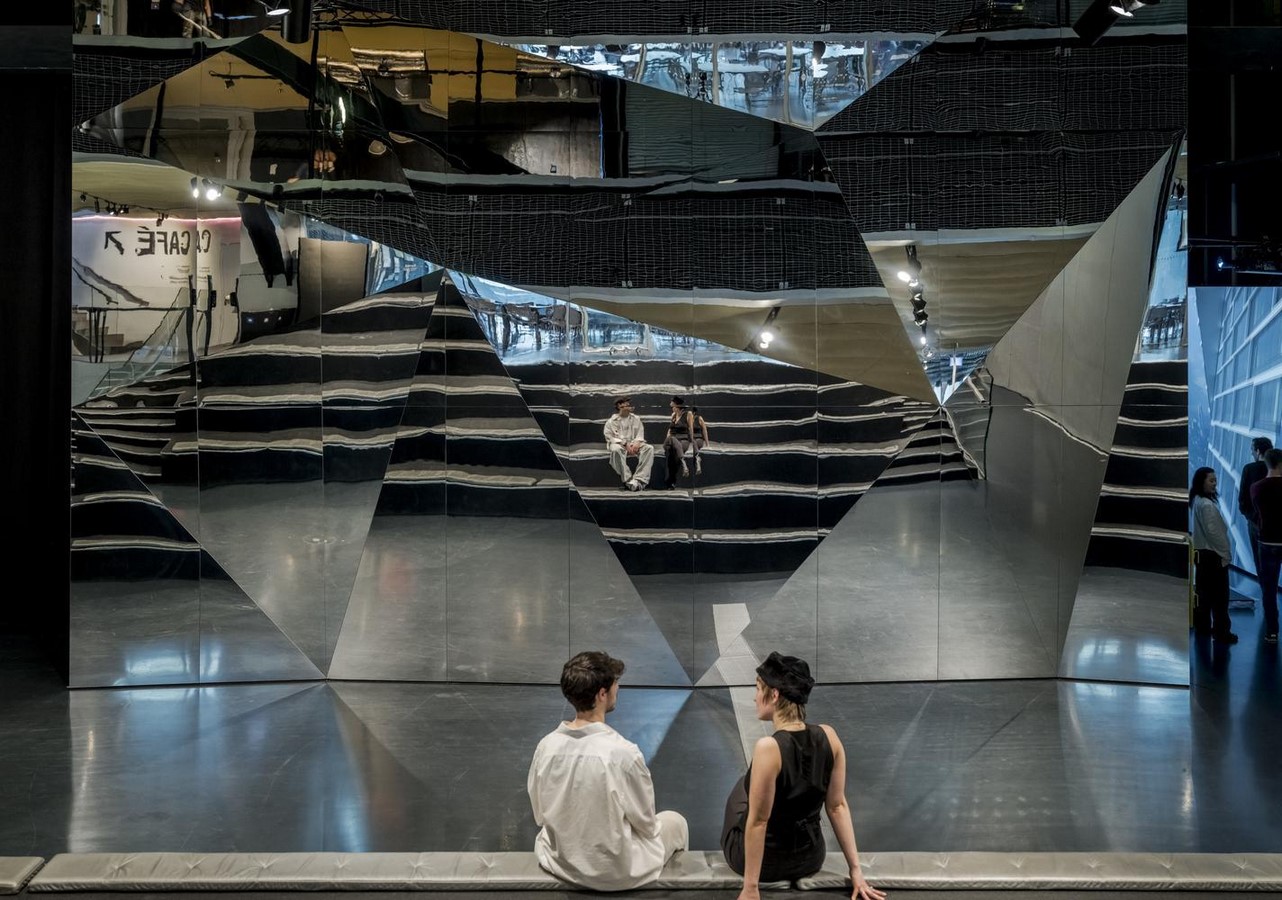
Smart technologies adapt to human rhythms, including circadian lighting, acoustic surfaces, and dynamic signage that changes with population flow. Consider a library that dims the lights when readers linger too long, encouraging them to take a break.
Computational Neurophenomenology
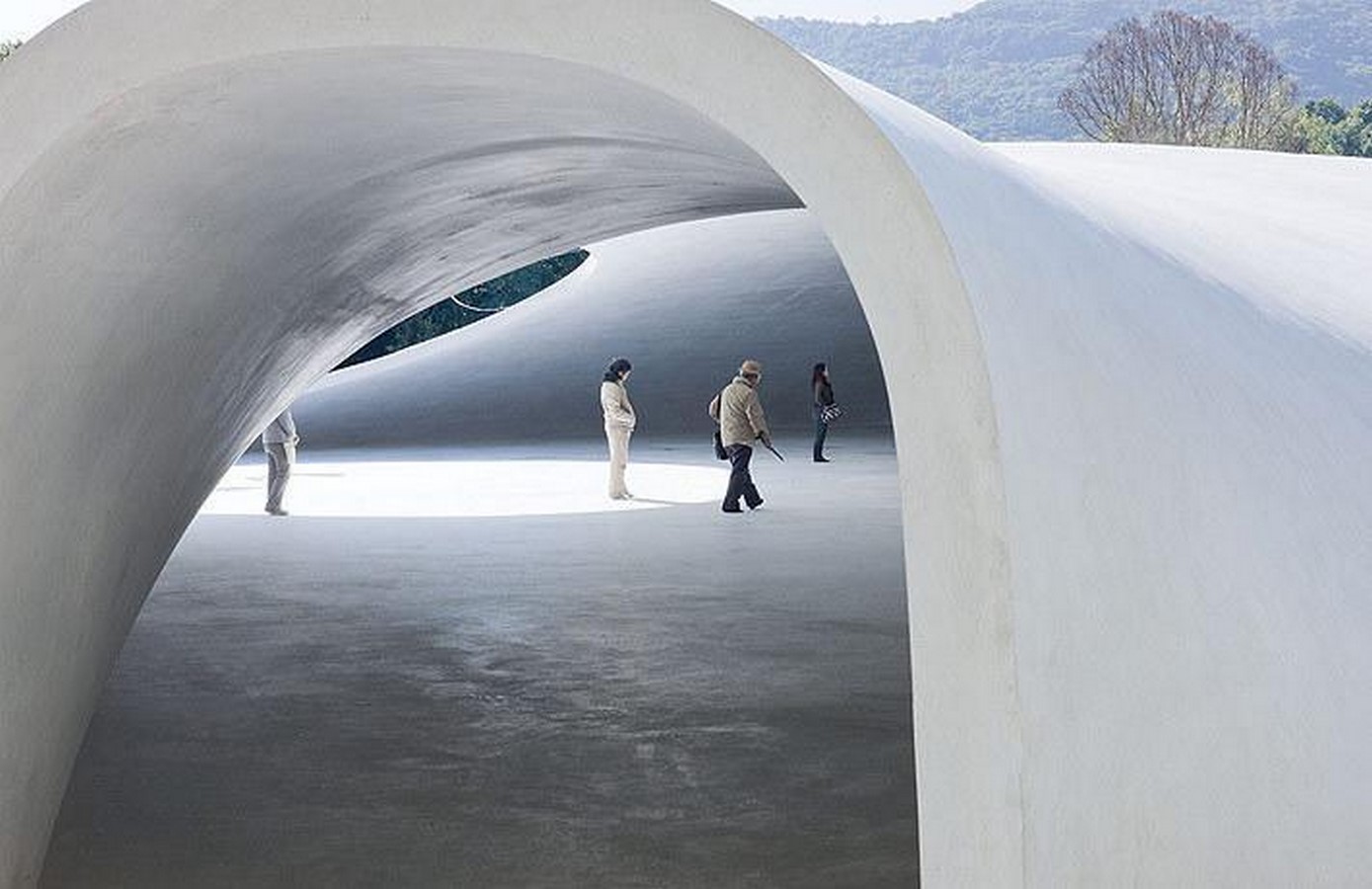
This combines subjective experience with measurable brain data. It asks, “How does the anticipation of a space affect how we feel?” How do sensory signals prepare us for what’s beyond a doorway?
Principles for Designing with the Mind
- Clarity and Legibility: Use signs, light, and texture to help people grasp paths and exits.
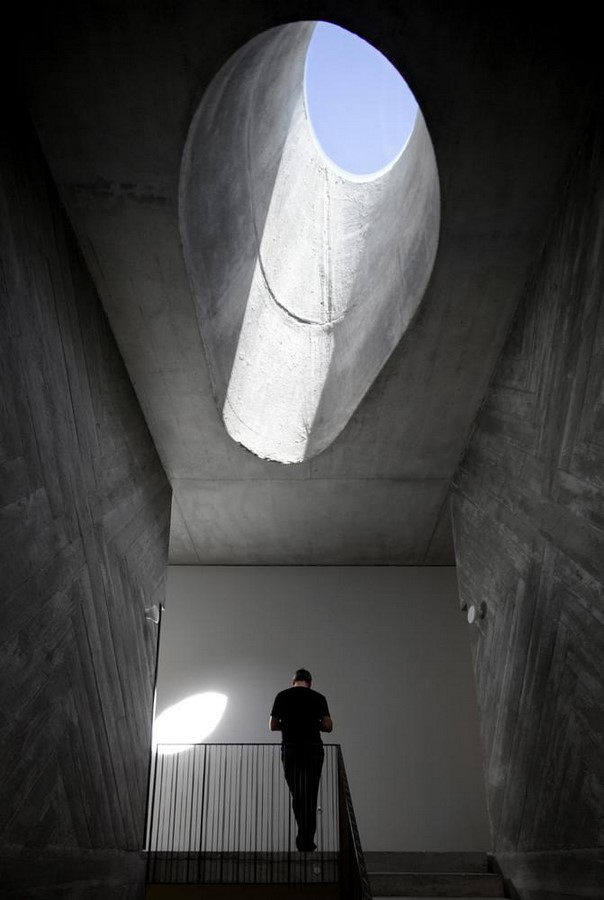
- Variation and Rhythm: Combine repetition (calming) with variation (engaging).
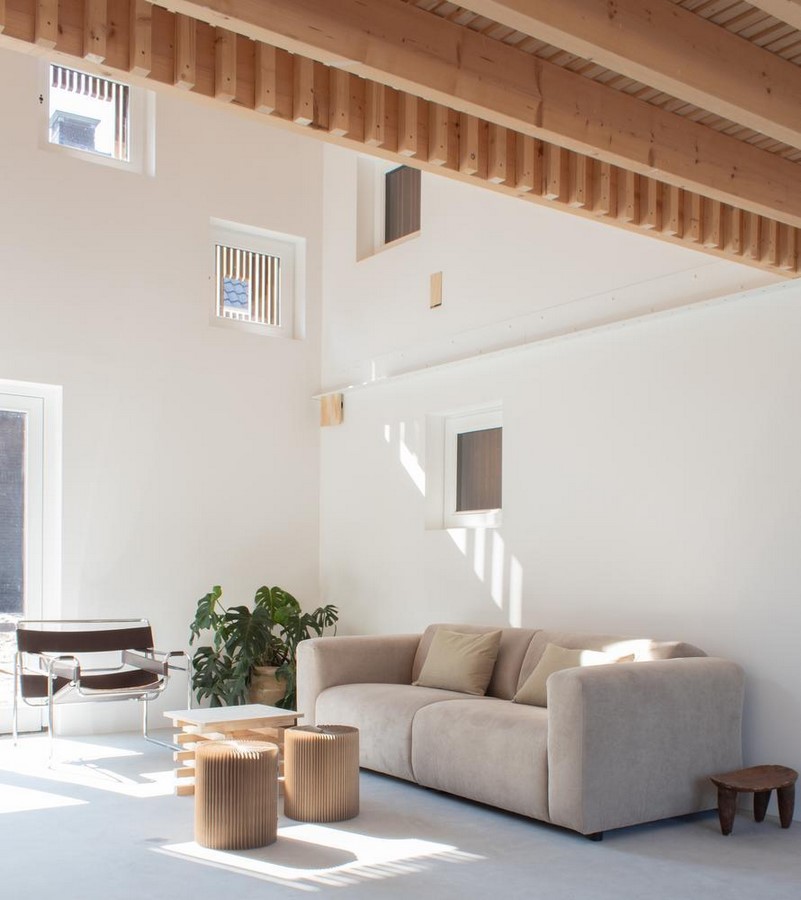
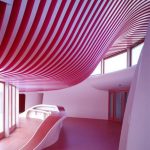
- Sensory Coherence: Bring acoustics, lighting, and material sensations into harmony.
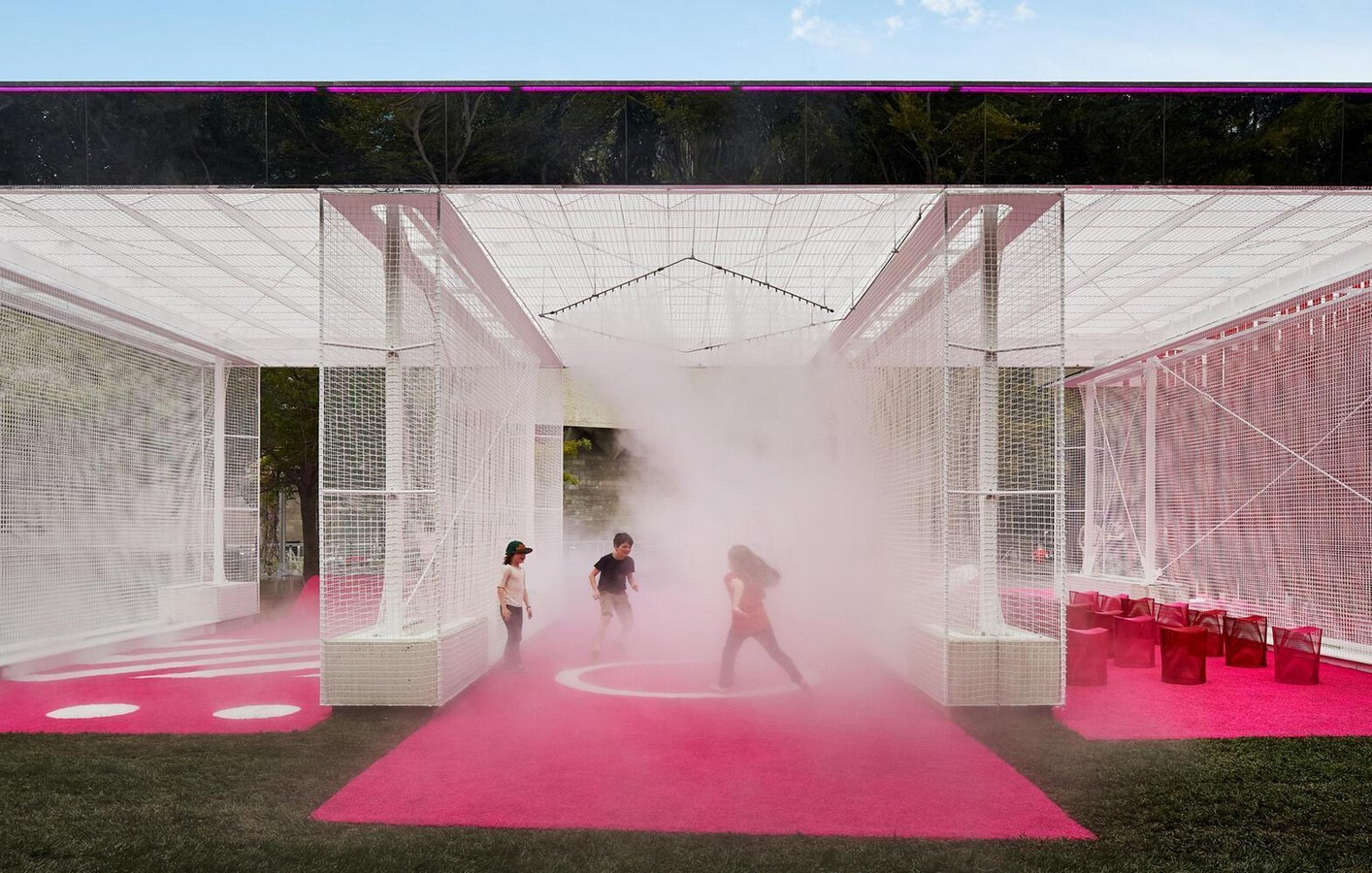
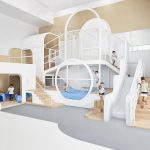
- Affordance Awareness: Consider whether a setting invites sitting, gathering, retreat, or play.
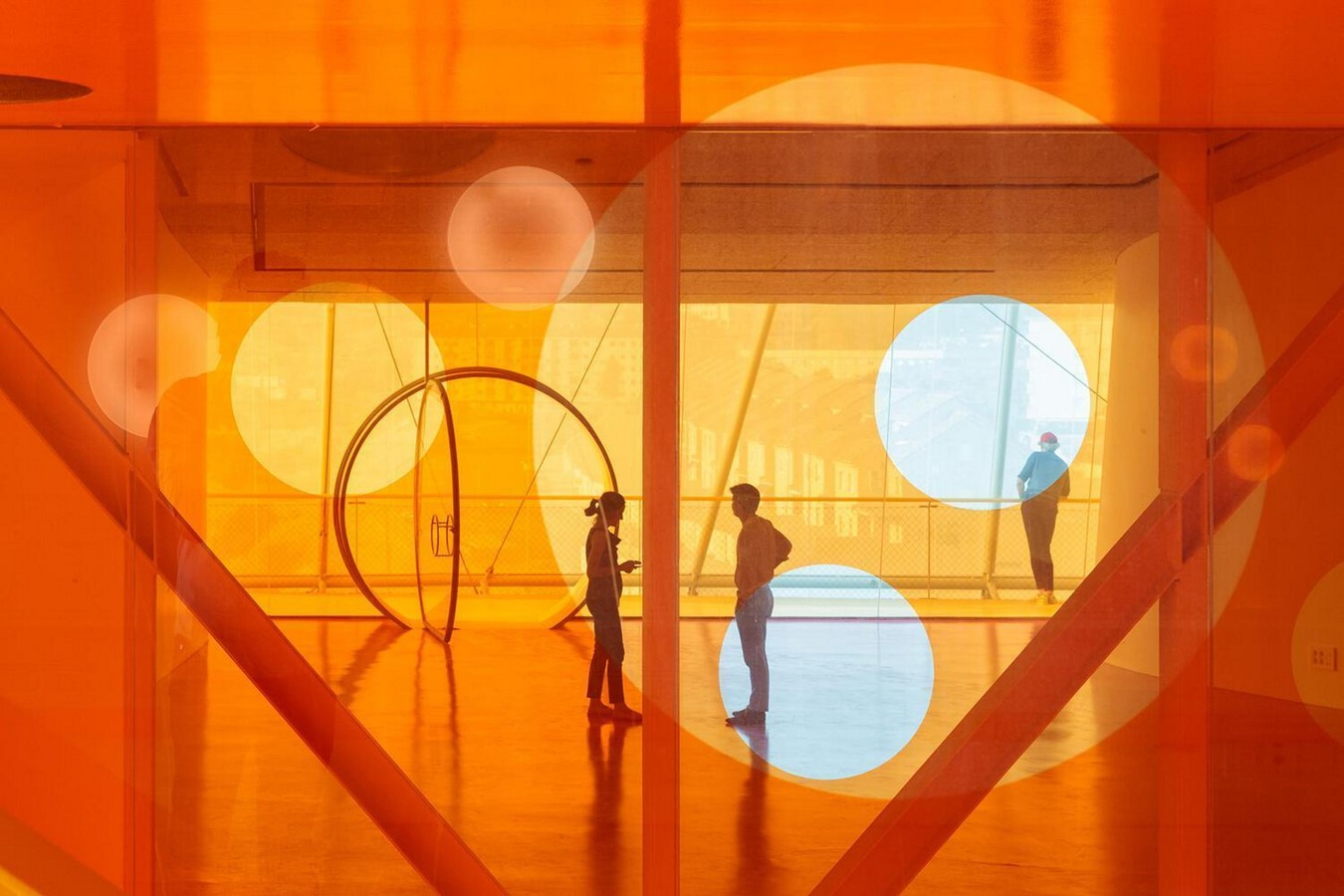
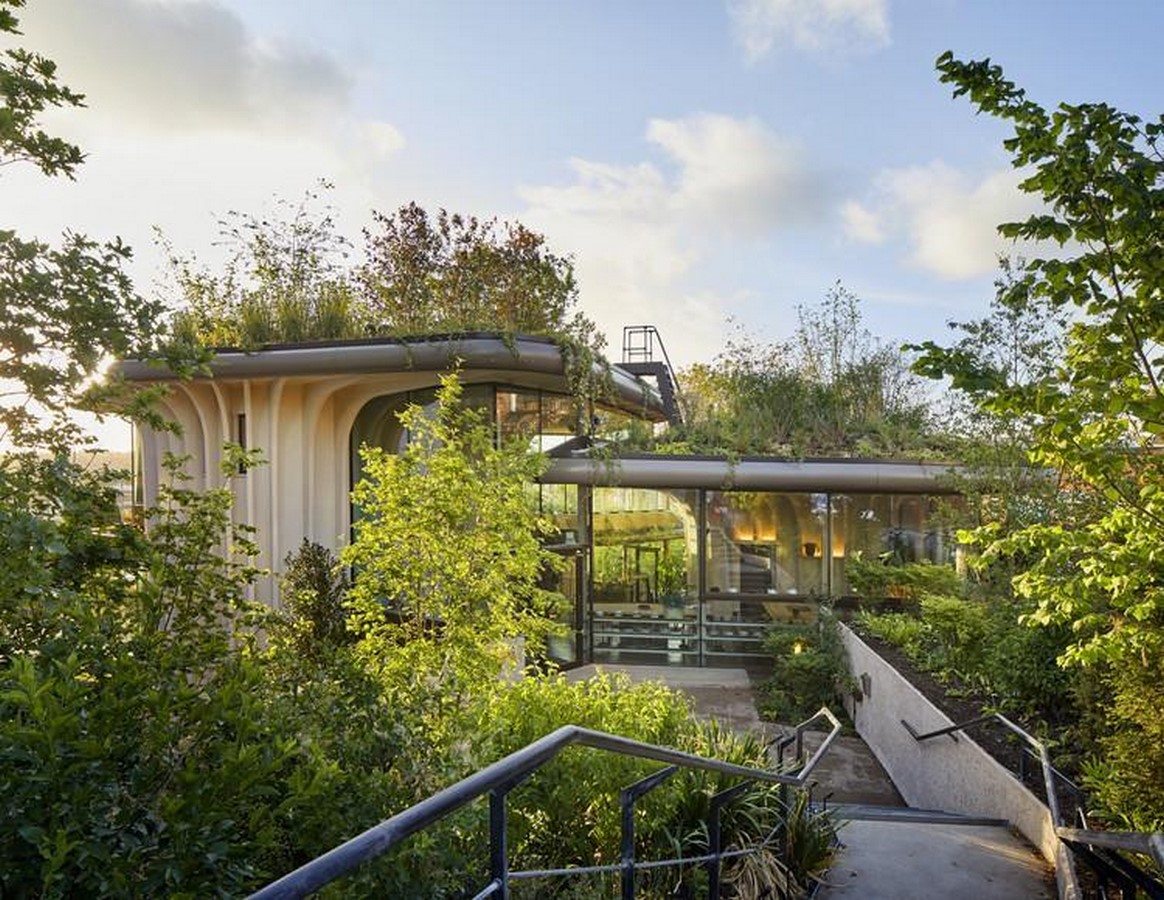
- Emotional Safety: Avoid oppressive scales and unsettling hallways. Natural light and vegetation promote relaxation.
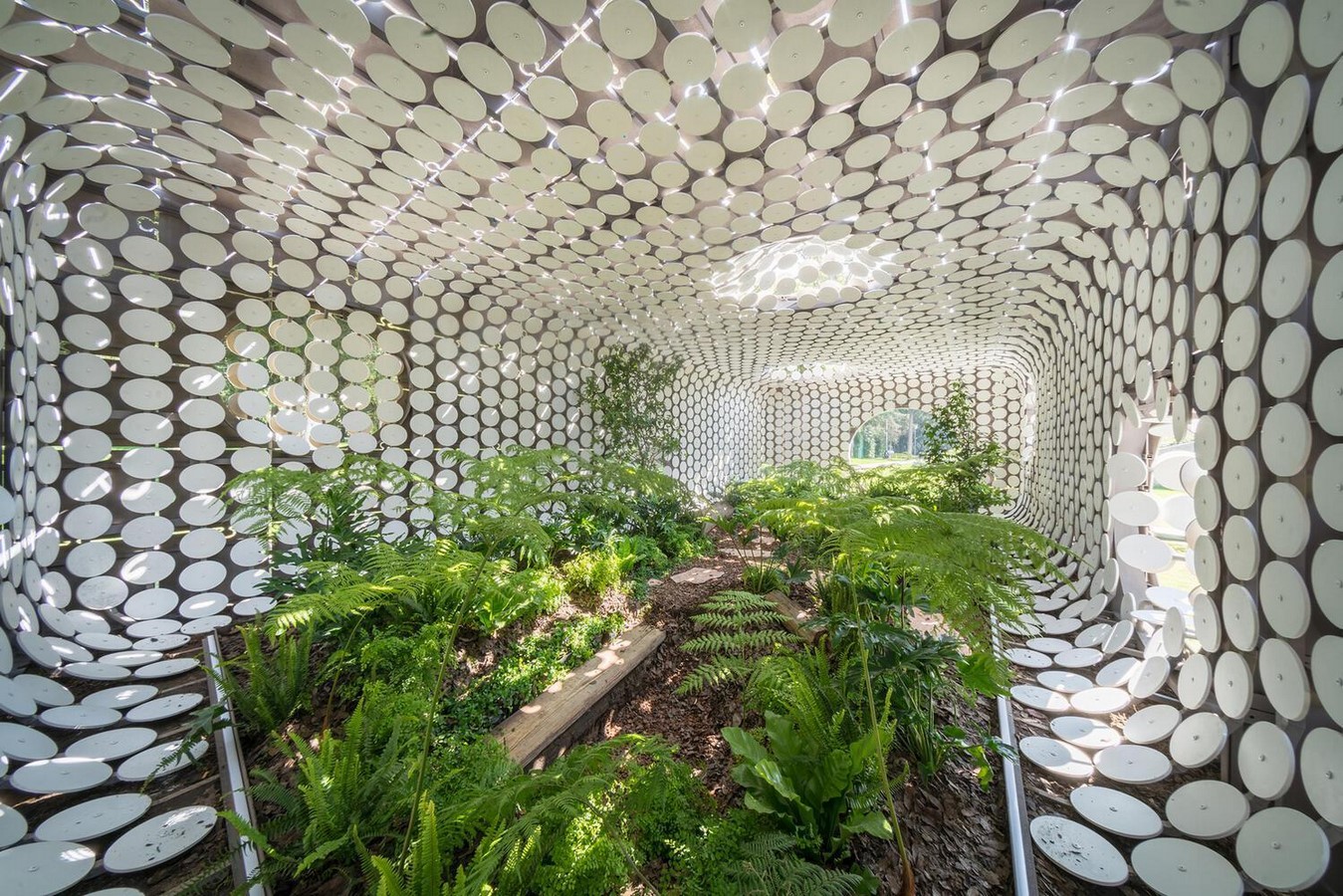
Futures on the Horizon
Cognitive architecture is more than just comfort; it is about equality, healing, and sustainability.
In care homes and hospitals, careful planning can reduce dementia symptoms and speed up healing.
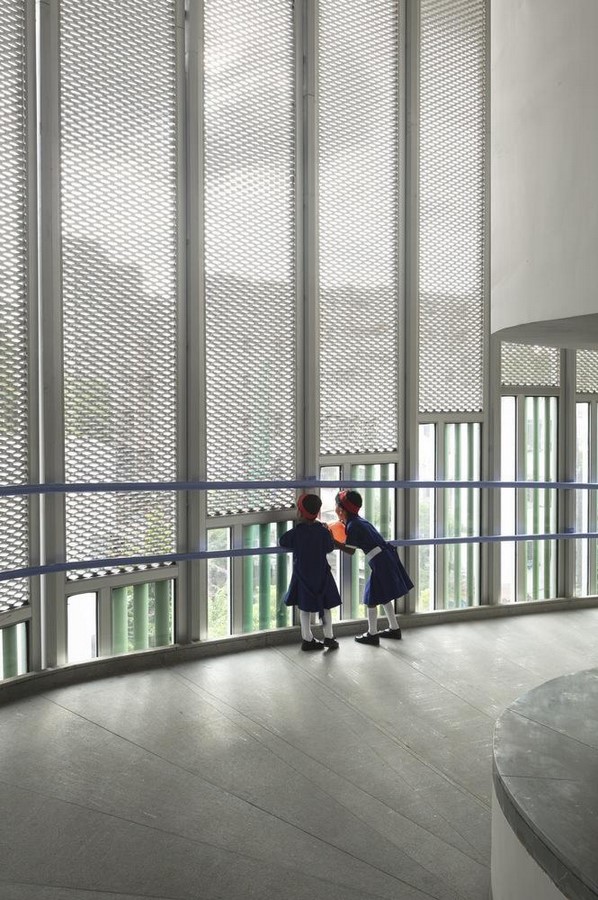
In classrooms, daylighting and acoustics can foster interest and concentration.
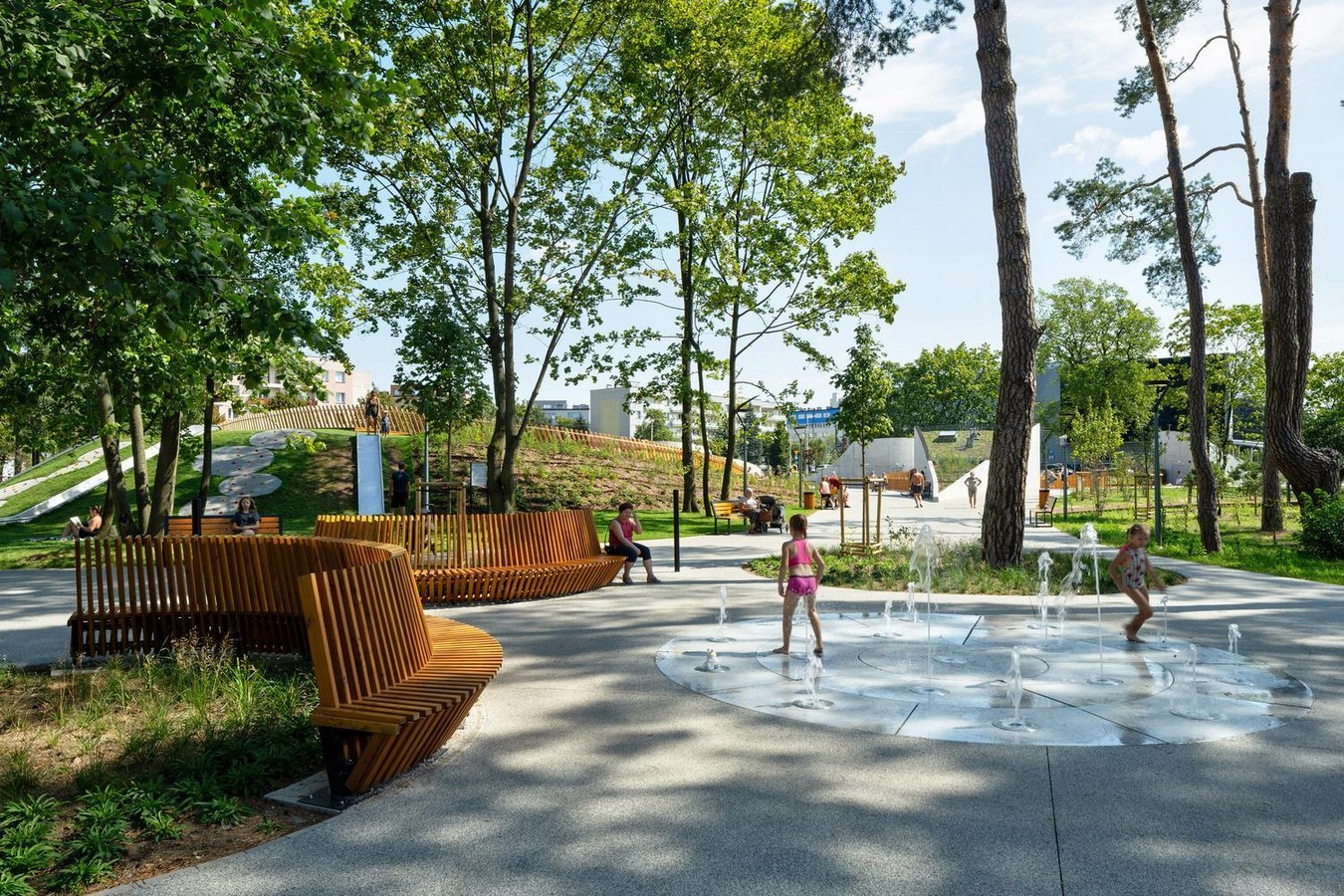
Plazas, parks, and transportation hubs in cities can all help to decrease stress and build a sense of belonging.
Buildings may soon listen back using AI, VR, and sensors, detecting heart rates, pupil dilation, and footsteps to react in real time. Consider a workspace that dims when cognitive strain increases, or a bedroom that gradually cools when it detects restless sleep.
Closing Reflection
Buildings do more than just stand. They pay attention. They echo our thoughts. They nurture fears and intensify dreams. Cognitive architecture reminds us that designing space means designing the mind, not mechanically, but via the subtle geometry of perception, memory, and emotion. In this conversation, architecture emerges as a living organ of human experience.
References:
Delaqua, V. (2021, October 7). Sensory Design: Architecture for a Full Spectrum of Senses. ArchDaily. https://www.archdaily.com/969493/sensory-design-architecture-for-a-full-spectrum-of-senses
designboom, philip stevens I. (2018, January 24). snøhetta’s kjetil thorsen discusses the oslo opera house ahead of RESONATE lisbon. Designboom | Architecture & Design Magazine. https://www.designboom.com/architecture/snohetta-kjetil-thorsen-interview-oslo-opera-house-resonate-lisbon-01-24-2018/
Dima Stouhi. (2024, November 20). Miniature Architecture: 17 Projects that Explore Interior Design for Children. ArchDaily. https://www.archdaily.com/971939/miniature-architecture-15-projects-that-explore-interior-design-for-children?ad_campaign=normal-tag
Gallery of Rhythm House / Julius Taminiau Architects – 9. (2020). ArchDaily. https://www.archdaily.com/949982/rhythm-house-julius-taminiau-architects/5f8f76a663c01768cd0000be-rhythm-house-julius-taminiau-architects-photo
https://www.facebook.com/archellocom. (2024). Sancaklar Mosque | Emre Arolat Architecture | Archello. Archello. https://archello.com/project/sancaklar-mosque
khan. (2025, January 20). teamLab expands planets tokyo with interactive forests of animals & athletics apparatus. Designboom | Architecture & Design Magazine. https://www.designboom.com/art/teamlab-planets-tokyo-interactive-forests-animals-athletics-apparatus-01-20-2025/
Montjoy, V. (2022, February 8). Light as a Design Statement: Inspiring Ways to Manage Natural Lighting. ArchDaily. https://www.archdaily.com/975929/light-as-a-design-statement-inspiring-ways-to-manage-natural-lighting
Pintos, P. (2021, July 24). Maggie’s Leeds Centre / Heatherwick Studio. ArchDaily. https://www.archdaily.com/941540/maggies-leeds-centre-heatherwick-studio
Recreation and Sports Park / RS+ Robert Skitek. (2024, June 24). ArchDaily. https://www.archdaily.com/1017955/recreation-and-sports-park-with-water-playgrounds-rs-plus-robert-skitek
Research. (n.d.). MIT Media Lab. https://www.media.mit.edu/research/?filter=everything&tag=virtual-reality
Teshima Art Museum / Ryue Nishizawa. (2011, July 19). ArchDaily. https://www.archdaily.com/151535/teshima-art-museum
Wormald, J. (2024, April 24). Beautiful, Functional, and Romantic: Spiral Staircases in Paris. ArchDaily. https://www.archdaily.com/1015600/beautiful-functional-and-romantic-spiral-staircases-in-paris