Who is Eileen Gray?
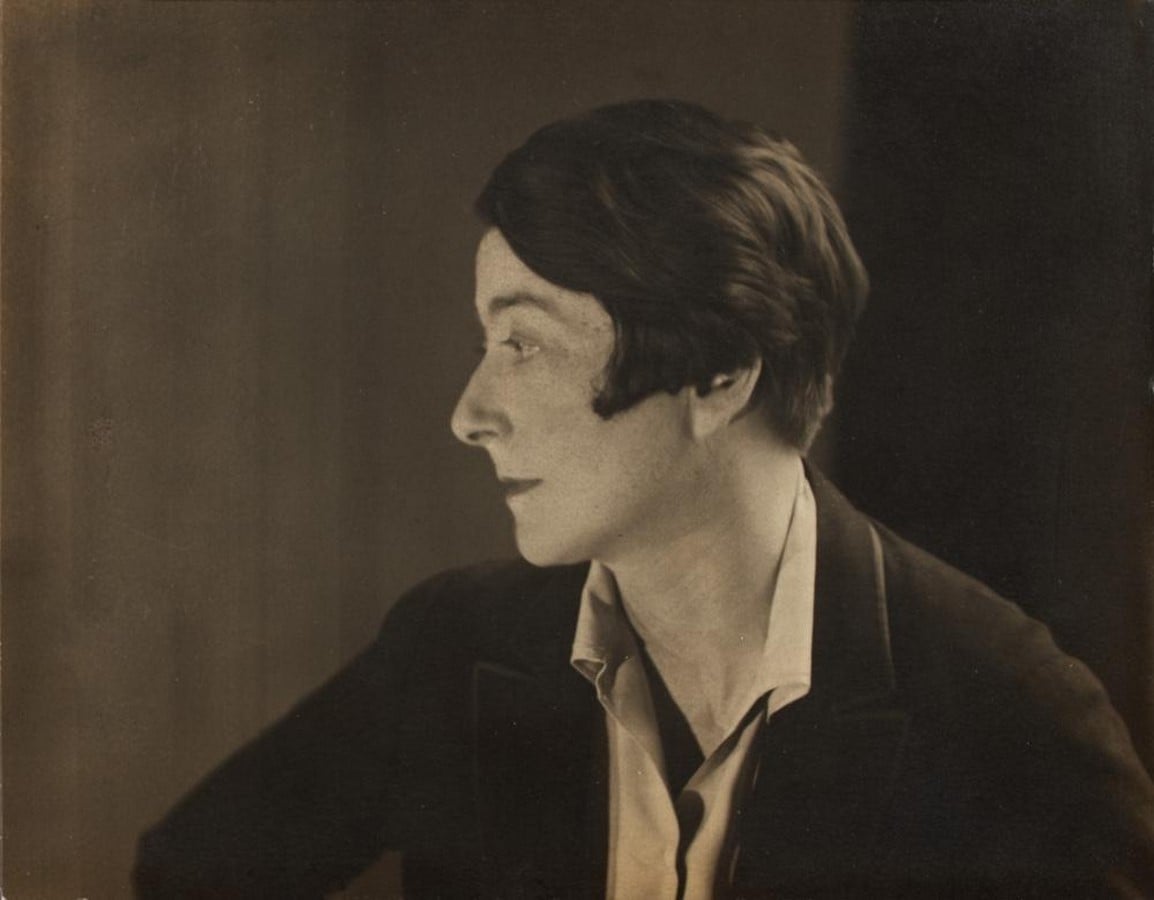
You have likely seen the names of pioneering architects in the modernism movement in architectural design, such as Walter Gropius, Mies van der Rohe, Le Corbusier, and many more. Among these, one name that was often overlooked is Eileen Gray, an Irish architect and designer. Eileen Gray, who had her roots in Enniscorthy, County Wexford, Ireland, was born into a wealthy Irish artist’s family in 1878. Her passion for art and creativity was clear to her family and led her to London. She attended Slade’s School of Fine Arts, becoming the first woman to be admitted. After studying there for a while, she took an apprenticeship at a famous Japanese lacquer workshop, and her work began to gain recognition.
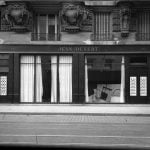
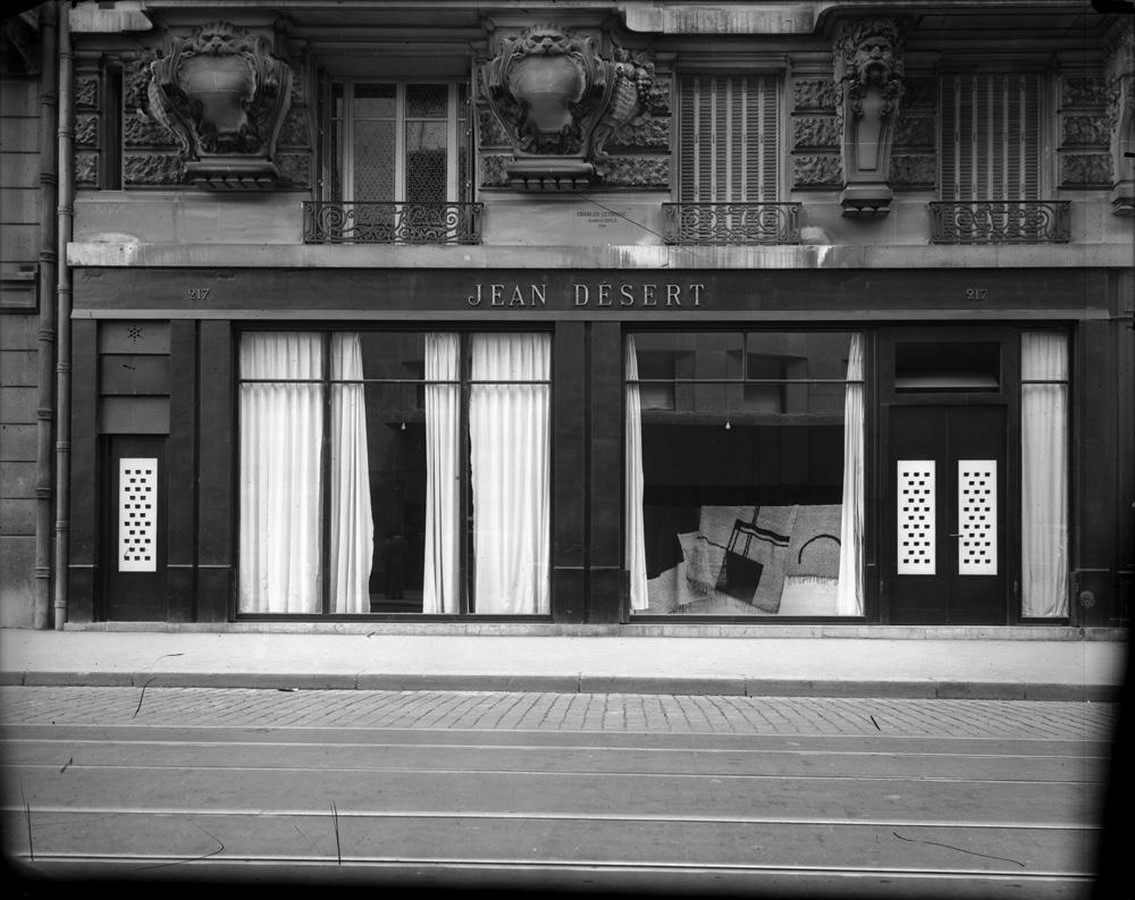
Gradually, her work began to attract attention, with Gray moving from doing odd jobs in France’s popular Art Deco interiors to gaining recognition, even from Le Corbusier. In 1922, she opened her own studio and the design outlets of Jean Desert” on Rue du Faubourg Saint-Honoré. Afterward, Gray became an important advocate for new theories in design and construction.
Le Corbusier and the violation of Eileen Gray’s legacy and Villa E1027.
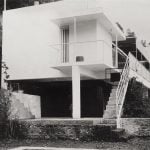
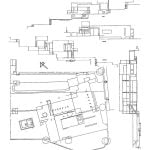
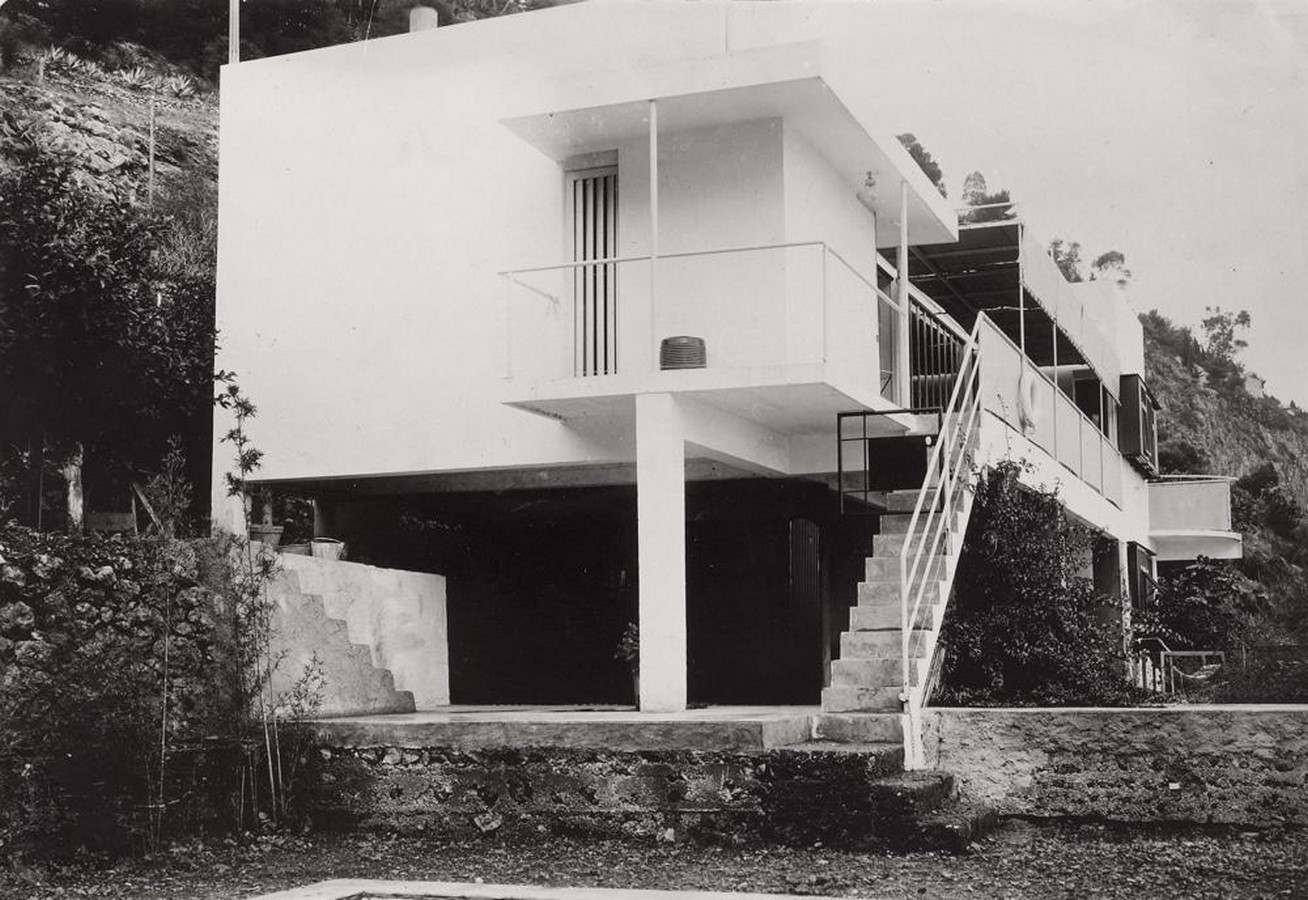
Eileen met Jean Badovici, a Romanian-born, Paris-based architect and architecture critic, during the peak of her career. Both shared a similar approach to design focused on liberation and freedom. The situation heated up when Jean asked Eileen to design a villa residence, E1027, built on a cliff overlooking the Mediterranean at Roquebrune-Cap-Martin, France. Completed in 1929, it marked a significant milestone in her contribution to the Modernist movement and became a key part of her portfolio. Jean granted her complete creative freedom, and the house was intended as a shared home for both.
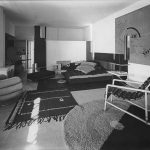
The house had very sharp characteristics of the modernist movement. It upholds Gray’s unique vision of functionality and living spaces.
Architects: Eileen Gray + Jean Badovici
Location: Roquebrune-Cap Martin, Cap Martin, France
Topics: Beach Houses, Villas
Project Year: 1926-1929
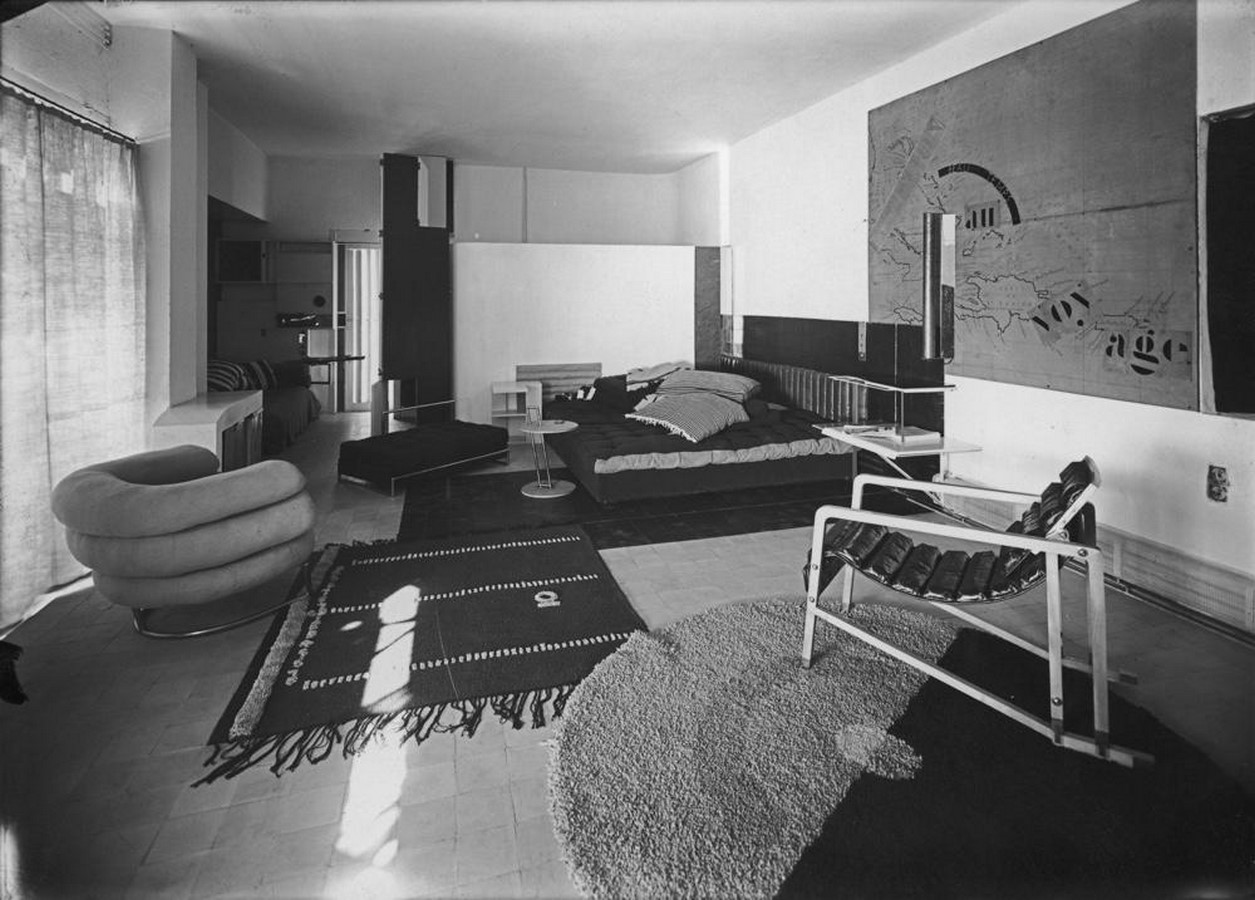
A Few Key pointers of the richness of the Design were:
- Human interaction is the core.
- Open layout and free movement.
- Use of Pivotal wall panels and furniture to define spaces.
- Use of tubular steel to celebrate the Industrial Revolution.
- Matricular use of functional furniture.
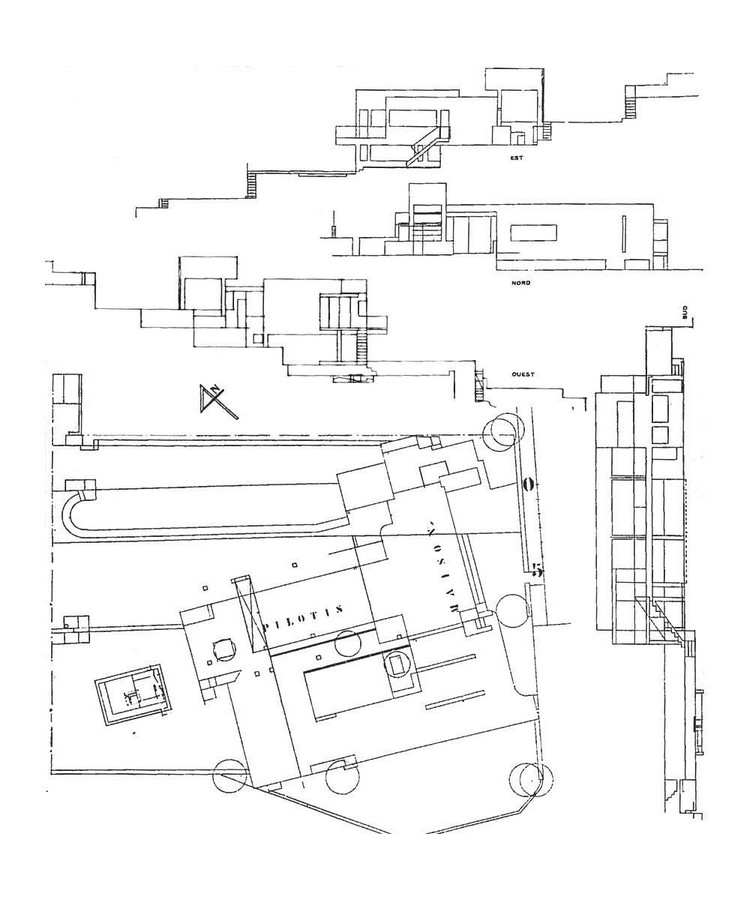
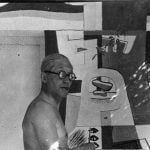
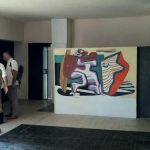
Shortly after the house was completed in 1929, Gray and Badovici ended their relationship, and she moved out. Later, Badovici permitted his friend Le Corbusier to cover the walls with eight large murals. These works, which referenced Gray’s bisexuality, disrupted the original harmony of her color scheme and interior design. Gray denounced the act as “vandalism.” Le Corbusier eventually quarreled with Badovici and built his own small wooden cabin, the Cabanon, along the coastal path below E-1027. Badovici passed away in 1956, while Le Corbusier died in 1965 while swimming nearby.
For decades afterward, many people associated E-1027 more with Le Corbusier’s murals than with Gray’s design, effectively overshadowing her achievement. Only in recent years has her authorship of the villa — and her pioneering role in modernist architecture — been fully recognized and celebrated.
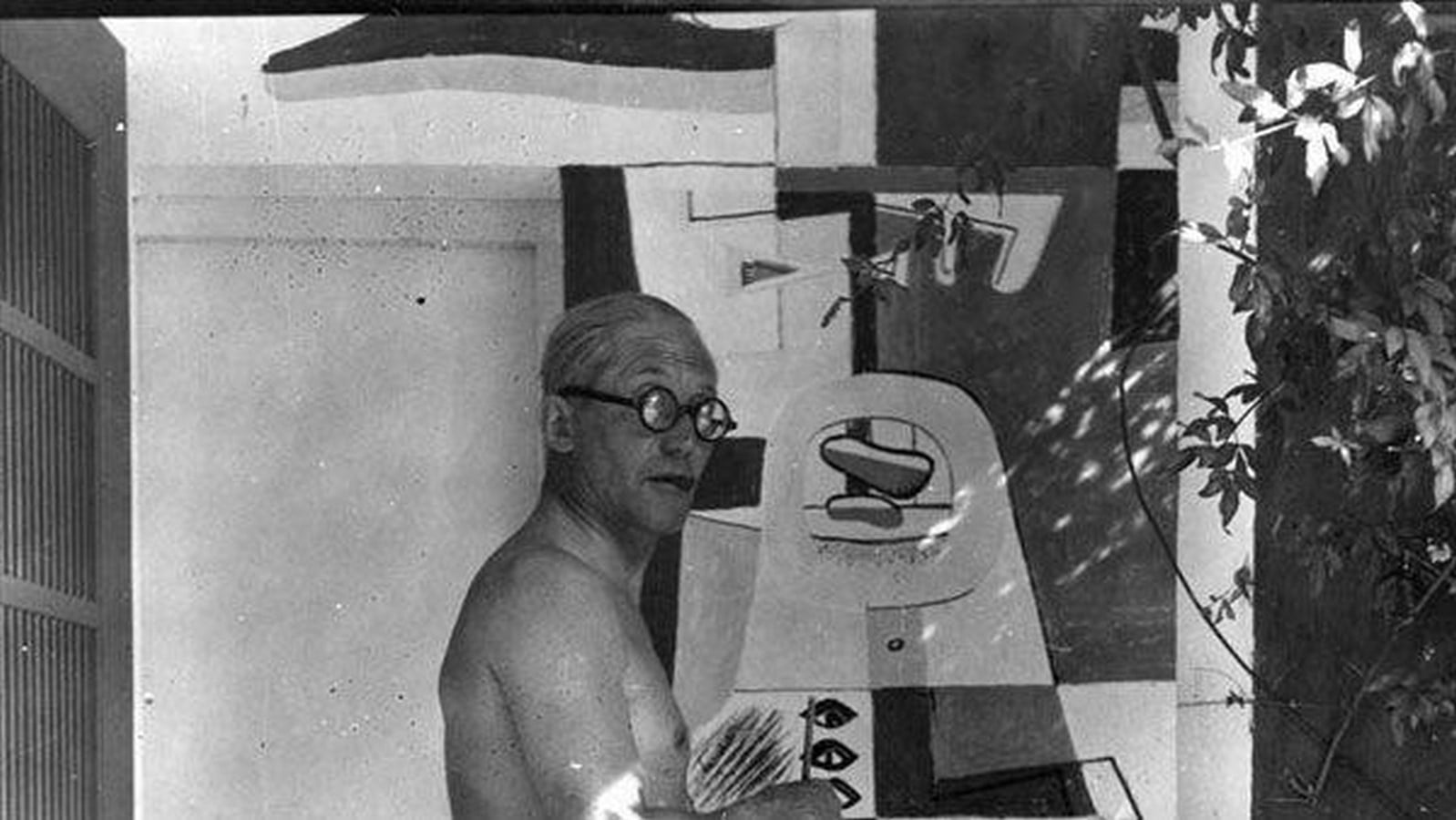
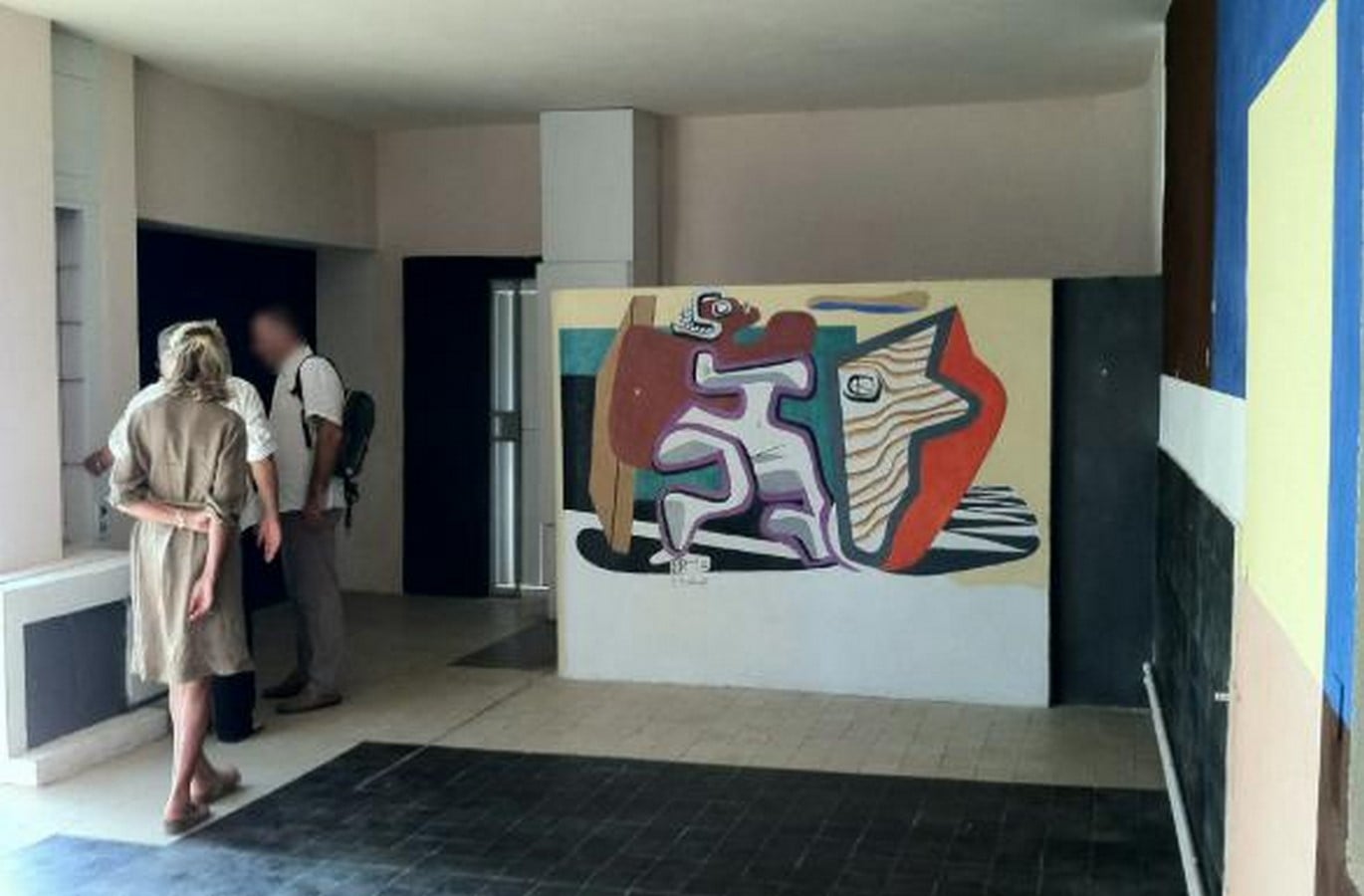
Eileen Gray’s story is not only about the creation of a masterpiece but also about how easily women’s contributions to architecture have been minimized or erased. Her vision for E-1027 was radical in its clarity and modernity, yet for decades it was overshadowed by Le Corbusier’s intrusive murals and the weight of his reputation. What was once dismissed as “decoration” has since been recognized as groundbreaking design, proving that Gray’s talent stood equal to, and in many ways ahead of, her contemporaries. Today, E-1027 is celebrated as her work, a reminder that the narrative of modern architecture is incomplete without acknowledging the women whose voices were nearly silenced.

References:
The violated legacy of Eileen Gray – Domus
Eileen Gray: The Nonconformist Modernist | Decoist
E.1027 Villa: Eileen Gray’s Modernist Masterpiece | ArchEyes
The Tortured History of Eileen Gray’s Modern Gem – The New York Times
Eileen Gray – Design Museum