Concept of Urban Void
Urbanisation is a familiar phenomenon gaining speed at a worldwide level. Many parts of a city tend to develop differently as a consequence of urbanisation, and there is usually uneven growth in different city regions depending on different delivery and development systems. This usually prompts the creation of urban voids, which tend to be vacant lots or underused territories. Some studies acknowledge the potential and value of idle city spaces, otherwise known as “urban voids,” and encourage efficient and inventive strategies, resilient both in an economic and ecological sense, toward their use. Such studies appreciate rebuilding something from available architectures, infrastructures, and city resources.
“Urban void” is an overarching term for vacant land, empty buildings, and brownfields, among other underutilised, empty, or illegitimately occupied spaces. “Void” is the term used in reference to an integrated or prospective area of the city that is ready for use, representing availability, ambiguity, or emptiness. By this rationale, this work uses the term “urban void” for a series of analogous terms, definitions, and concepts.
In daily life, people pass places in the city where they suddenly experience a gap in their environment, a pause in activities. This phenomenon can be understood in two ways: as an emptiness in residents’ memories and as an invisible place. An urban void is often a place not functioning in human consciousness, absent from their private map of the city. People typically identify the city with places where they live, work, shop, or its historic centre and well-known routes. Consequently, many other places are negligible elements in their perception of the city.
While people are aware of these places’ existence, they remain imperceptible in everyday life. In urban research, urban voids refer to spaces that rupture the urban fabric, leaving it incomplete and questioning the use of those areas. Urban voids are undesirable urban areas that need redesign, making no positive contribution to the surroundings. They are ill-defined, lack measurable boundaries, and fail to connect elements coherently”. These areas are most favourable for attracting homeless people and criminals, thus generating a concentration of various social problems.
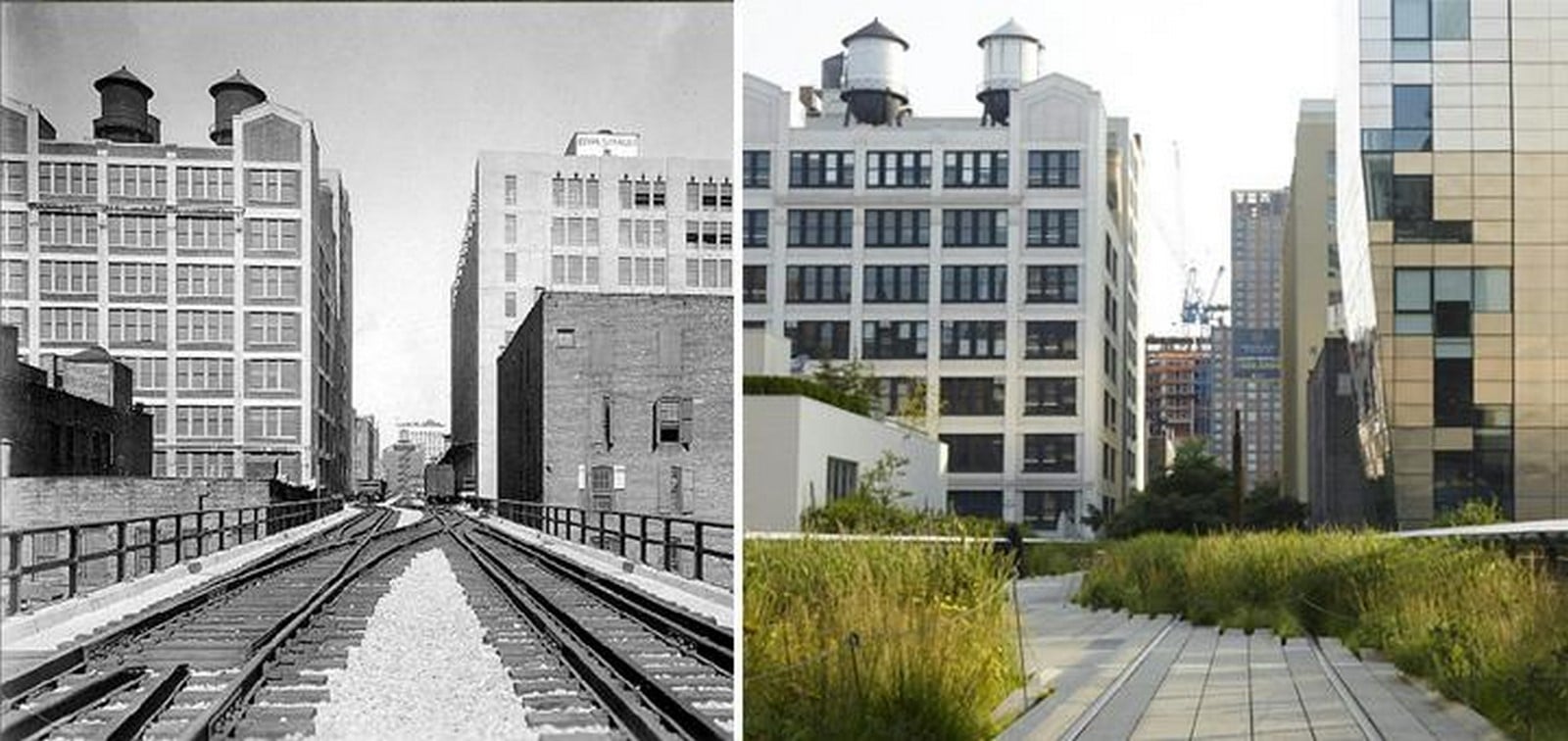
Categories of Urban Voids
Urban voids are primarily created by three factors, which can also serve as a basis for classifying the spaces:
- Planning voids – These result from inefficient and incorrect planning processes, often due to a lack of understanding of the urban fabric.
- Functional voids – These are unused or defunct spaces in cities, often arising when spaces are not utilized as intended. Legal issues can contribute to these voids, including areas under litigation or government-owned properties requiring complex bureaucratic processes for repurposing.
- Geographical voids – These occur around geographical features like rivers, hills, and valleys. When city planners and designers fail to address these natural features, voids are created, rendering the spaces unusable.
The Potential of the Urban Voids
In examining the possibility of the urban voids, there is a need to understand the negative aspects and take the right measures to counteract these issues. It is possible to convert these spaces into usable and productive spaces through the creation of new functionalities or reshaping the spaces in order to capture attention and remain memorable. It is important to create spaces belonging to both private and public spaces, encouraging ownership and responsibility among the users. It is possible for both the city and the residents to reap the benefits of utilizing the possibility of the urban voids and converting these spaces into usable spaces.
Progressive urbanisation and congestion, along with the degradation of the natural environment, have led to the dramatic disappearance of empty spaces and silent zones. Consequently, the importance of undeveloped, open spaces has increased. The presence or absence of emptiness becomes a measure of reference for future projects. Awareness of the limitations of space urges urban planners and architects to adopt a new approach, treating space as a scarce commodity, like water and air. Therefore, new investments in urban voids should be assessed realistically, exploring other possible solutions without compromising their adaptability.
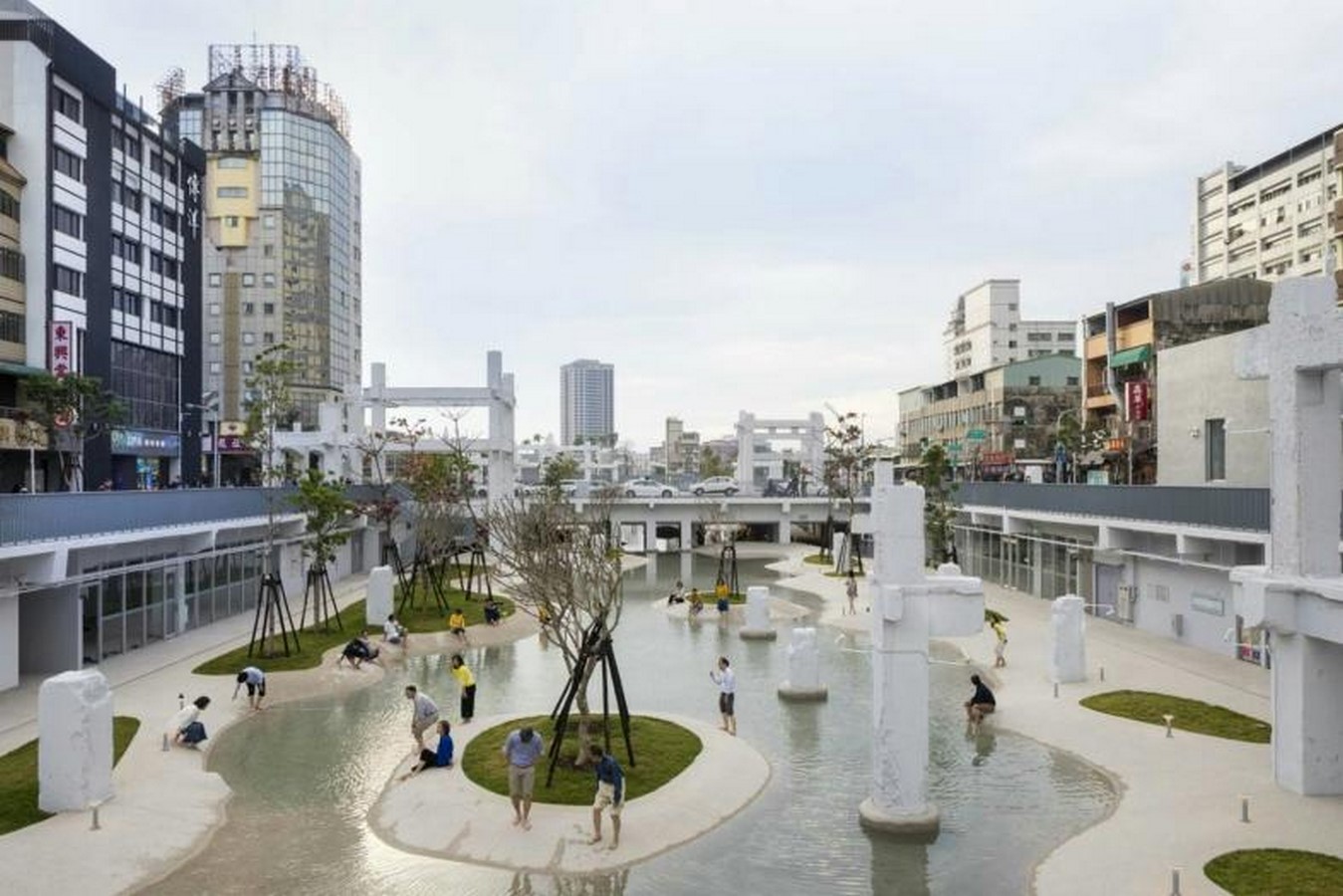
Activating Urban Voids
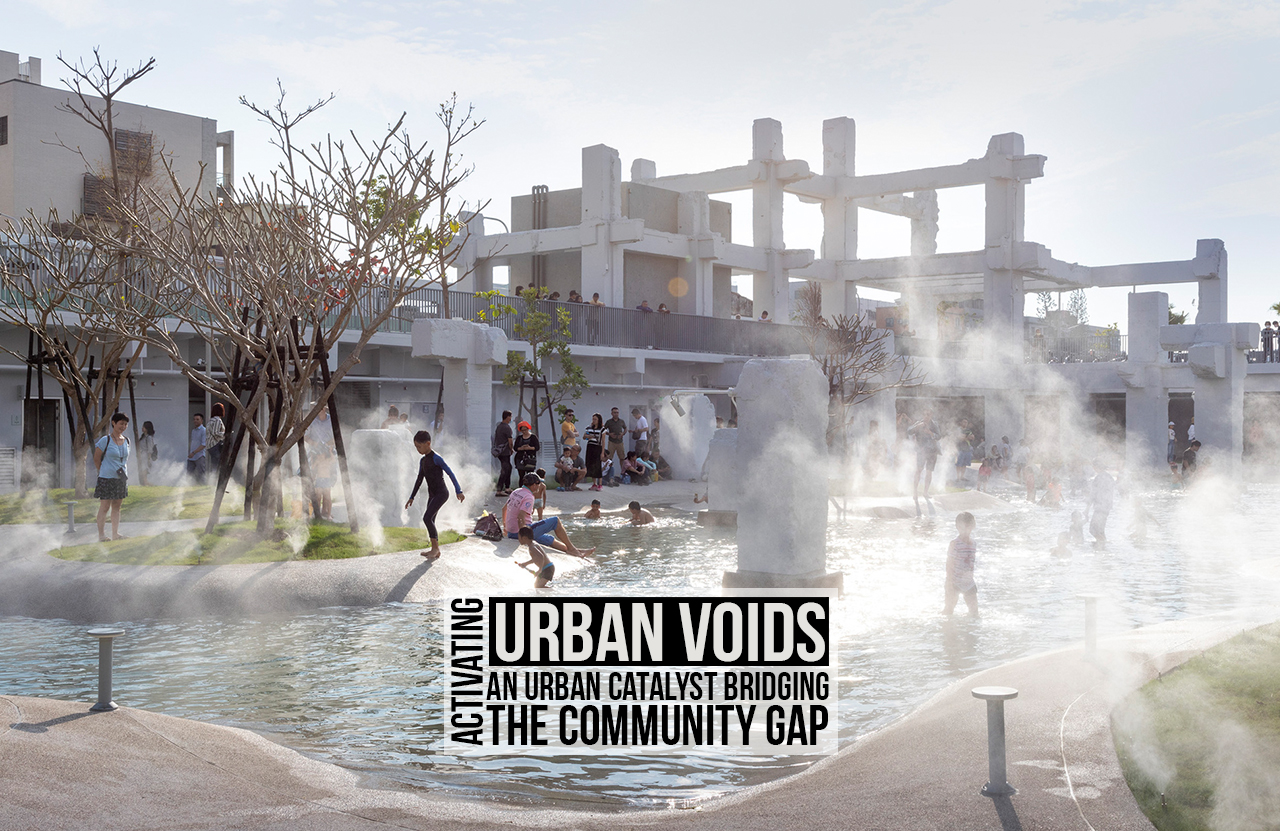
Urban voids are crucial for city development and should be treated with special consideration due to their flexible structure. Cities can experiment with various activities within these spaces. Abandoned structures can be restored, extended, or reconstructed for new use, commercial or social. Revitalizing, rehabilitating, or refurbishing entail intensive interventions, as vacant spaces damage the city’s image and, if left so, keep getting degraded.
In cities, if urban voids are diagnosed and rejuvenated by creative and sustainable solutions, previously vacant and underutilised voids can be revived and become usable, active, and value-adding spaces of the city. By this, the undesirable consequences of voids will be eliminated, and the vitality of cities will increase, inter-urban connections will become better, and a sense of belonging and community will emerge among the residents of the city.