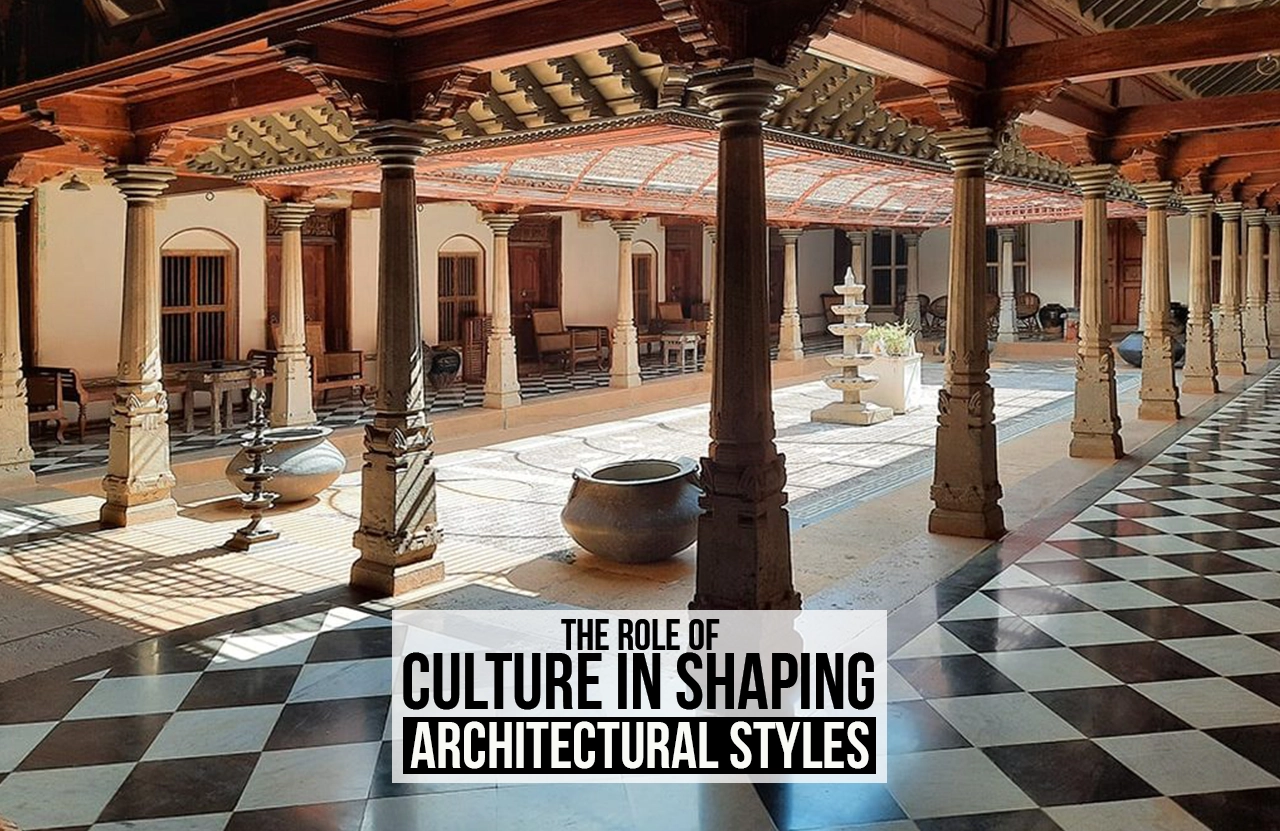
Architecture has never been a stand-alone element of the environment. It’s meant to keep evolving in response to the ongoing influences of local, cultural, societal, and political traits of the concerned land. Architecture is meant to embody the identity and spirit of the community. As a cultural archive of the evolution of events shaping the current scenario, there, considering the most mundane result of a cultural evolution, there is always a radical shift in how spaces are carved.
Architecture as a Mirror to Societal Shifts
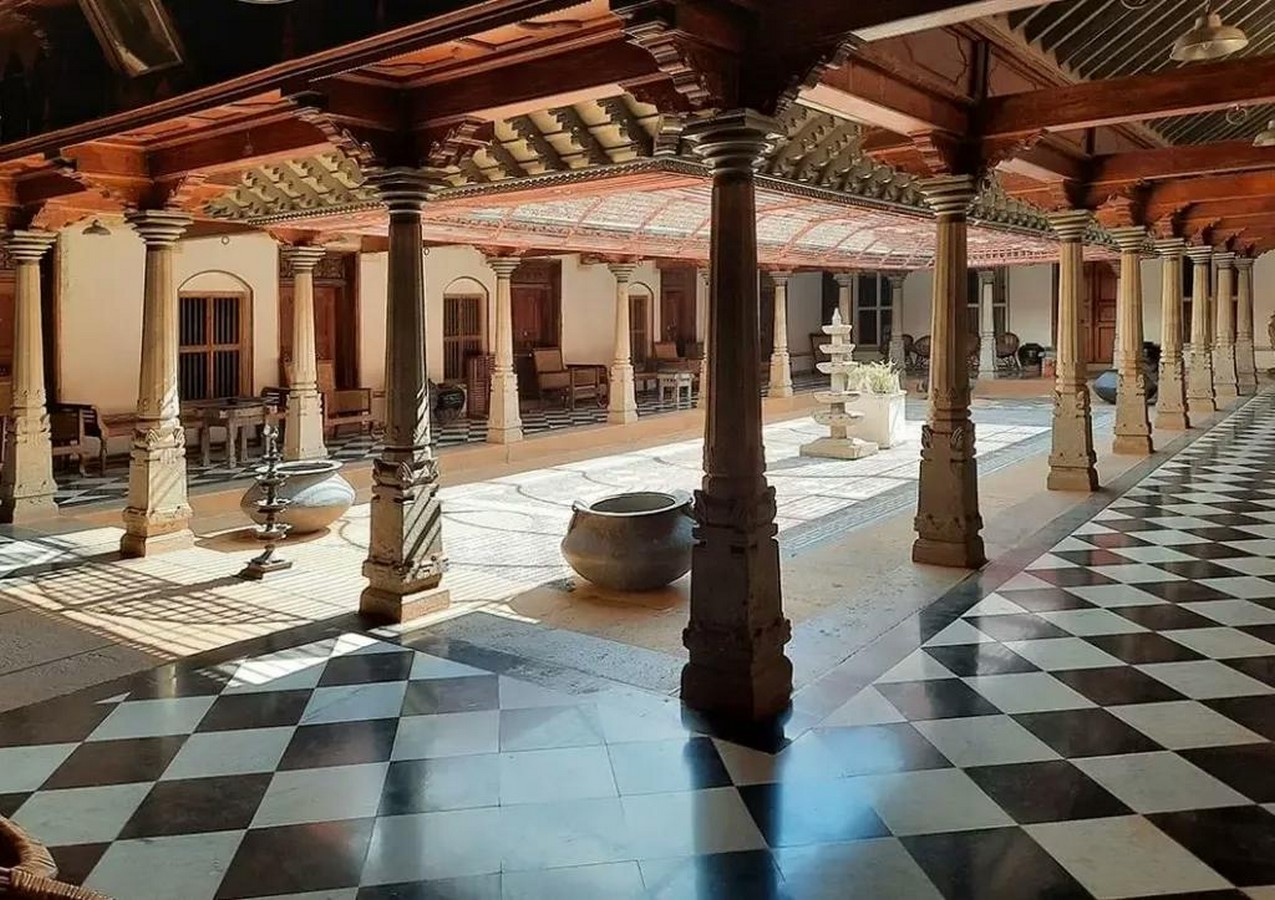
One of the most profound cultural shifts has been in the paradigm of familial composition. Traditionally, societies used to be centralized around extended family units. Multiple generations used to live together under the same roof, and the architectural character of dwellings responded accordingly. Homes used to be designed as communal compounds, which facilitated constant interaction between family members.

As societies began to modernize, nuclear family models became more prevalent. Personal space and individualism have gained significant value. This architectural transformation reflects a cultural change where autonomy and self-reliance became more of a priority over communal living.
This shift in family structure did not just alter domestic architecture but also influenced urban planning, leading to suburban sprawl and the separation of residential areas from workplaces, schools, and markets. This is essentially how architecture becomes a direct solution to the evolving family dynamics, which thereby reflects evolving social constructs and cultural values.
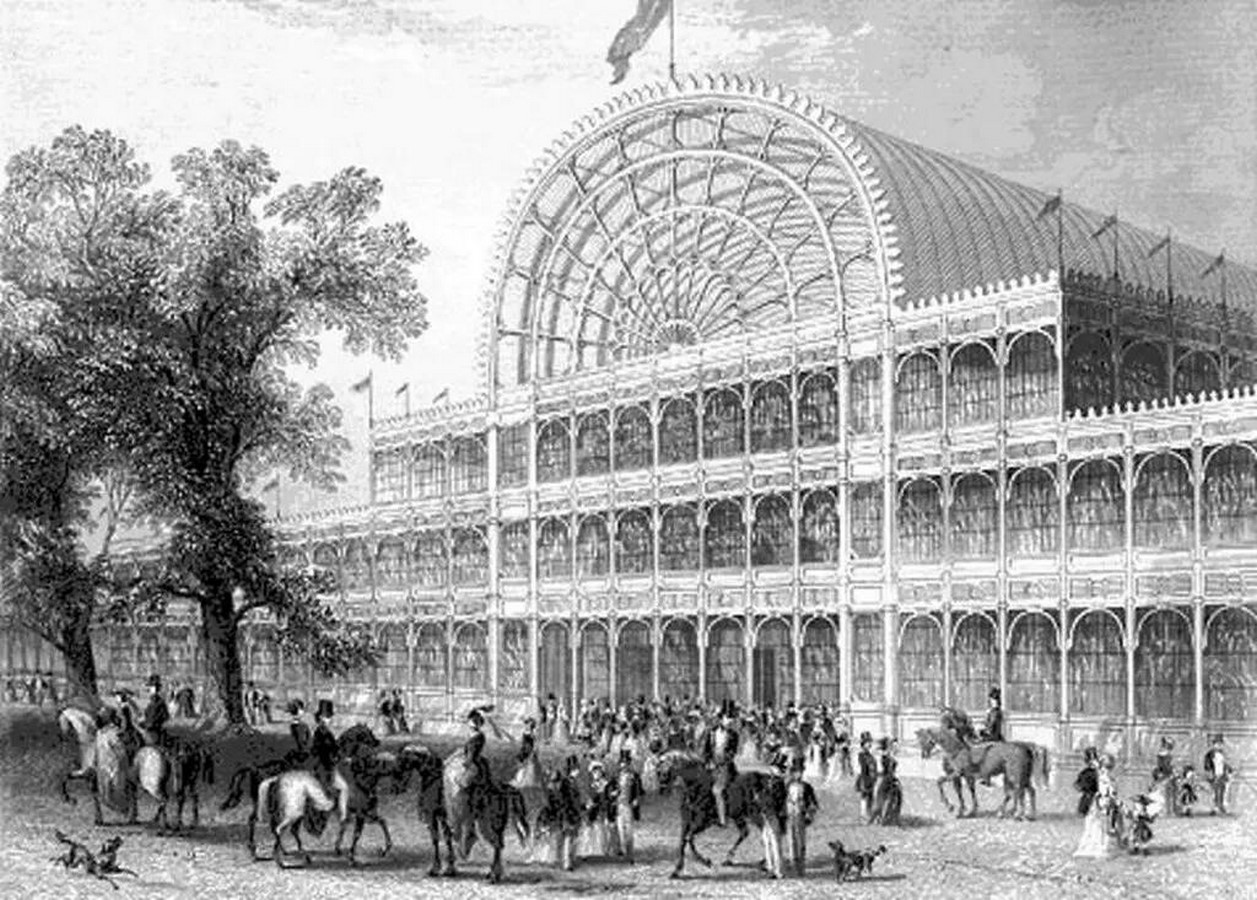
Another great example of cultural impact on architectural design can be seen through the Industrial Revolution transformed architecture by introducing steel and glass structures that emphasized efficiency, mass production, and progress. These buildings reflected the values of industrial capitalism, functionality, technological innovation, and economic ambition, marking a shift away from traditional, ornamental designs toward rational, modern forms.
Cross-Cultural Dialogues in Contemporary Architecture
In today’s globalized world, architecture stands at a crossroad of cultural integration and newfound innovations. Alongside, rather than erasing cultural identities, globalization has fostered a cross-cultural exchange, allowing architects to reinterpret and blend traditions in innovative ways.
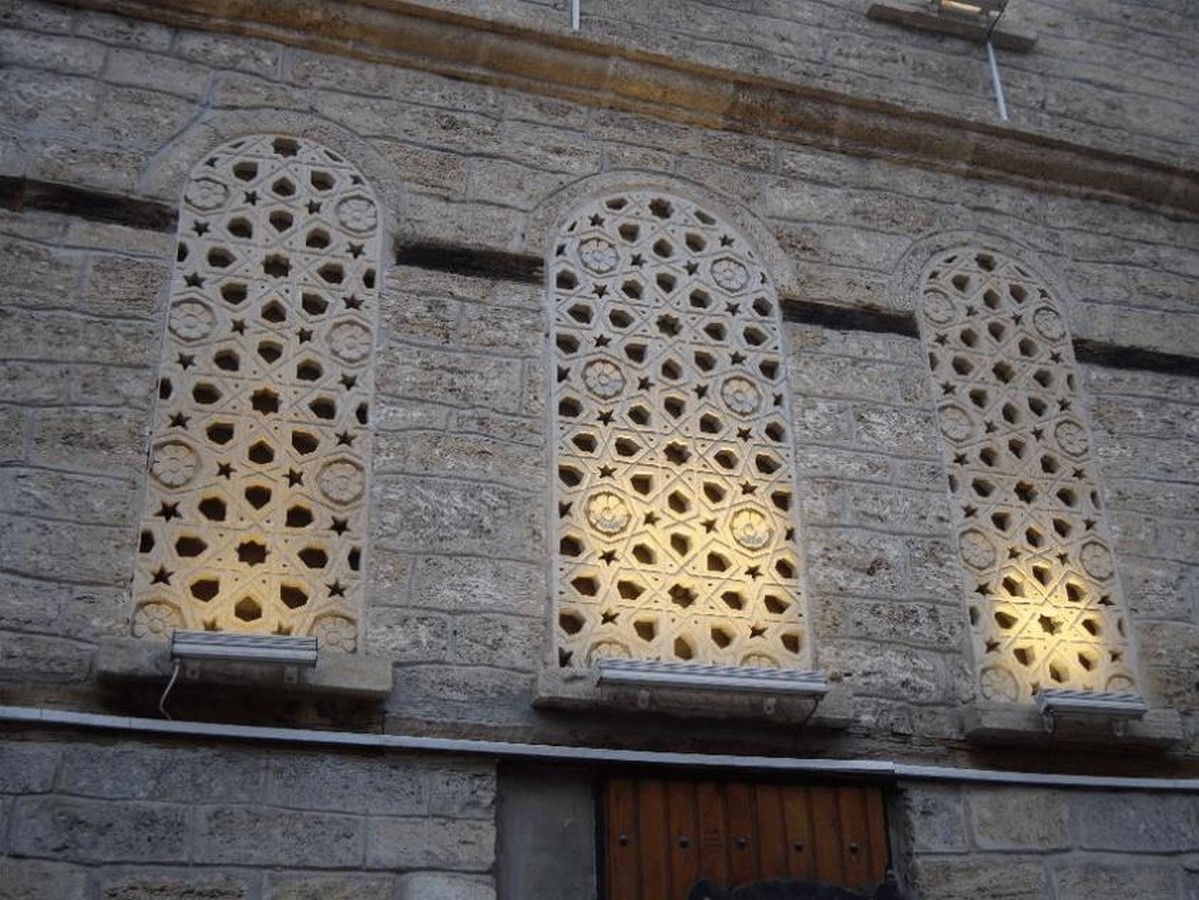
Take, for example, the rising trend of integrating Islamic geometric patterns into sleek, modern office towers of the current times. These intricate designs, once confined to mosques and traditional buildings, are now thoughtfully adapted into glass façades and structural elements. The result is that architecture is not merely used for ornamentation but also engages in a tangible discussion between history and modernity, East and West.
Yet, such blending isn’t without its tensions. The real challenge lies in maintaining cultural authenticity amid the global rush for iconic, eye-catching designs. It’s easy for projects to fall into the trap of superficial pastiche, where cultural motifs are used merely as decoration, losing the cultural relevance and societal impact driving the conclusive designs.
True success lies in understanding context. The most compelling contemporary architecture doesn’t just borrow symbols, it weaves them into the building’s purpose and identity, respecting tradition while responding to today’s functional and aesthetic demands.
The Future: Culture-Driven Sustainable Design
As environmental challenges intensify, architects are increasingly turning to traditional cultural practices to shape sustainable design. Rather than depending solely on high-tech solutions, they are rediscovering vernacular methods- design strategies developed over generations that respond intuitively to local climate, materials, and social customs.
One clear example is the use of passive cooling techniques. In regions such as India and the Middle East, architectural features like courtyards, deep verandas, high ceilings, and wind towers were originally designed to naturally regulate temperature and airflow. Today, these elements are thoughtfully integrated into modern architecture to reduce reliance on energy-intensive air conditioning systems. This approach delivers efficient, low-cost solutions while honoring cultural traditions.
What this trend reveals is that culture is not just an indentation of the past, but an evolving source of resilience. It provides sustainable strategies that are context-sensitive, environmentally responsible, and socially meaningful.
The true challenge lies in combining this cultural knowledge with innovation, creating buildings that are functional, sustainable, and also rooted in local identity. Architecture continues to adapt to connect heritage to the rapidly altering cultural ideologies.
Ultimately, architecture’s role is not to freeze culture in a particular timezone, but to respond to it. It reflects shifts in how we live, work, and relate to one another. The true challenge today lies in resisting the temptation to treat culture as a mere design element or aesthetic accessory. Instead, architecture must engage with culture as a practical framework of values, behaviors, and history. The buildings we create now will not only shape tomorrow’s skylines, but they will also shape how future generations understand their relationship to place and identity. In a world of constant change, it is this thoughtful balance between cultural awareness and forward-looking design that will determine whether architecture becomes a meaningful part of society or simply another layer of homogenized urban development.
Final Thought
Architecture’s role is not to freeze culture in time, as it brings together the cultural alterations witnessed through changing eras. It reflects shifts in how we live, work, and relate to one another. The true challenge today lies in resisting the temptation to treat culture as a mere design accessory or aesthetic element. Instead, architecture must engage with culture as a practical framework of values, behaviours, and history while integrating it into a much greater architectural archive. The buildings we create now will not only shape tomorrow’s skylines, but they will also shape how future generations understand their relationship to place and identity. In a world of constant change, it is this thoughtful balance between cultural awareness and forward-looking design that will determine whether architecture becomes a meaningful part of society or simply another layer of homogenized urban development.
References:
- IIAD. (2022). History of Courtyards in Indian Homes. [online] Available at: https://www.iiad.edu.in/the-circle/the-journey-of-courtyard-in-indian-homes/.
- Rapoport, A. (1969). House form and culture. Englewood Cliffs, NJ: Prentice-Hall.