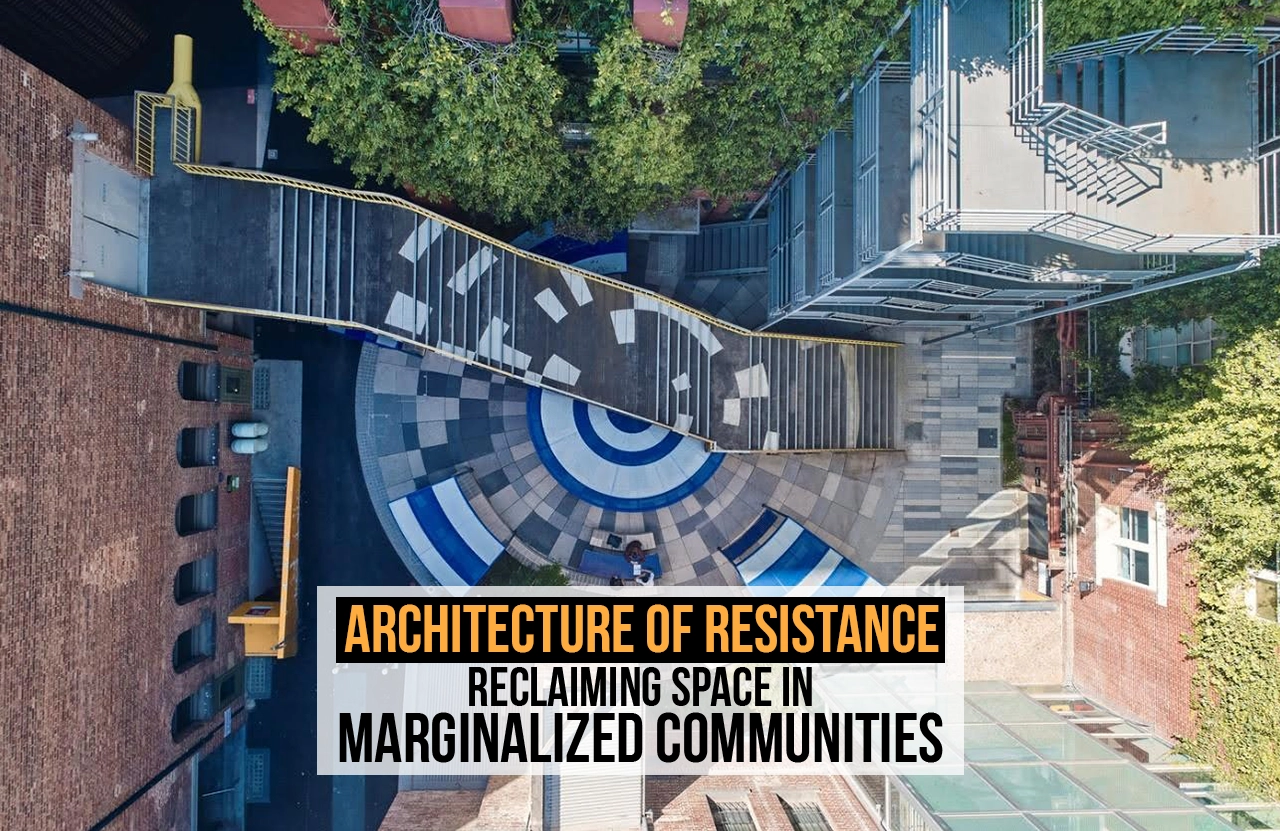
Architecture of Resistance mainly refers to design strategies that challenge the political, social and economic power structures for buildings. It involves architecture to create cultural spaces, negotiating borders and maintaining the marginalised environments. It is a broad concept which involves both the formal works of architects and the informal daily practices of communities. Cities are spaces that are transformed between political infrastructures and a large concentration of population. Due to these, there are tendencies of poor urban development, which result in segregation for the marginalised communities.
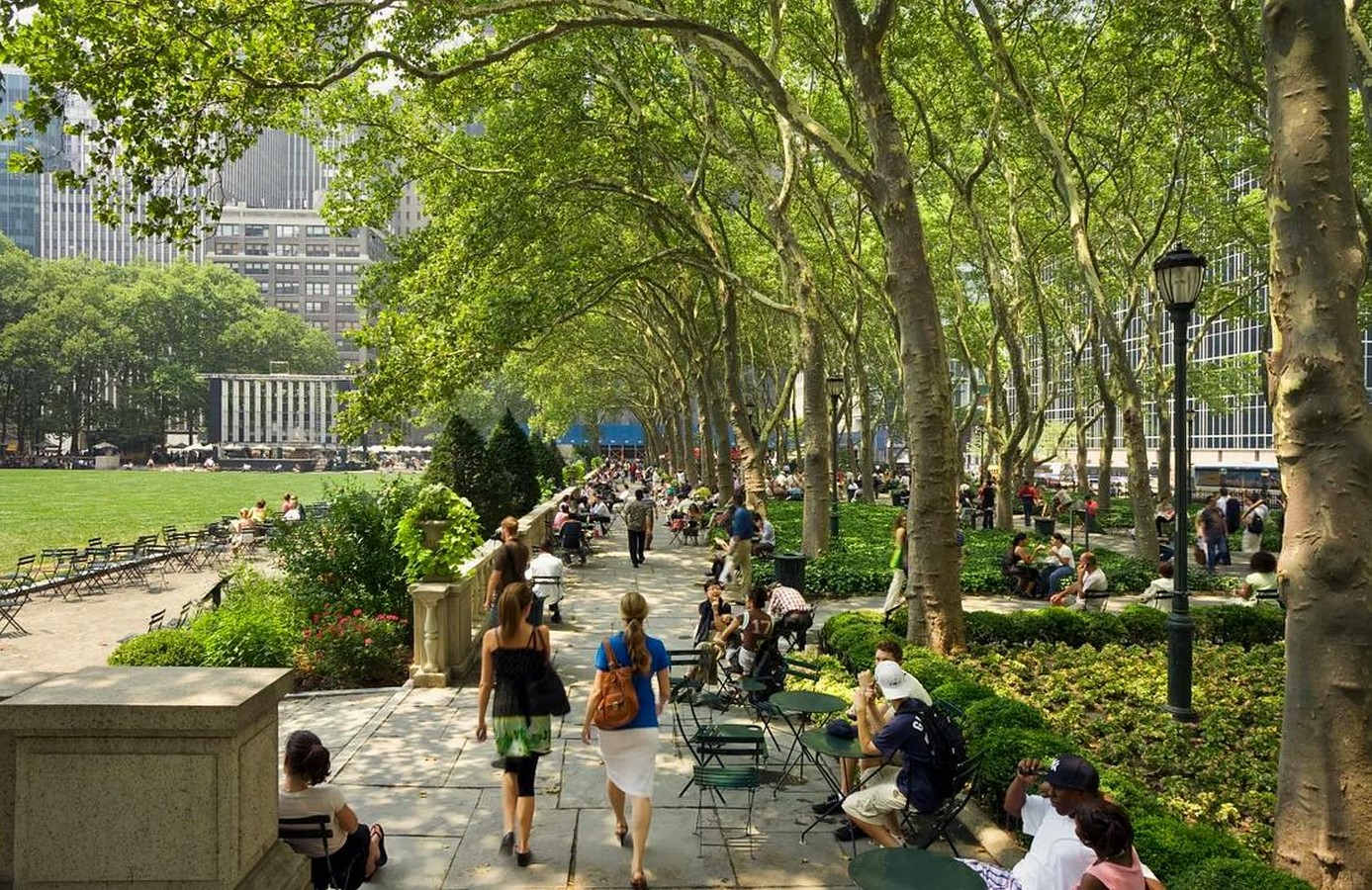
Different Acts of Resistance
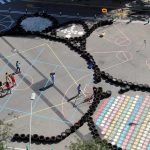
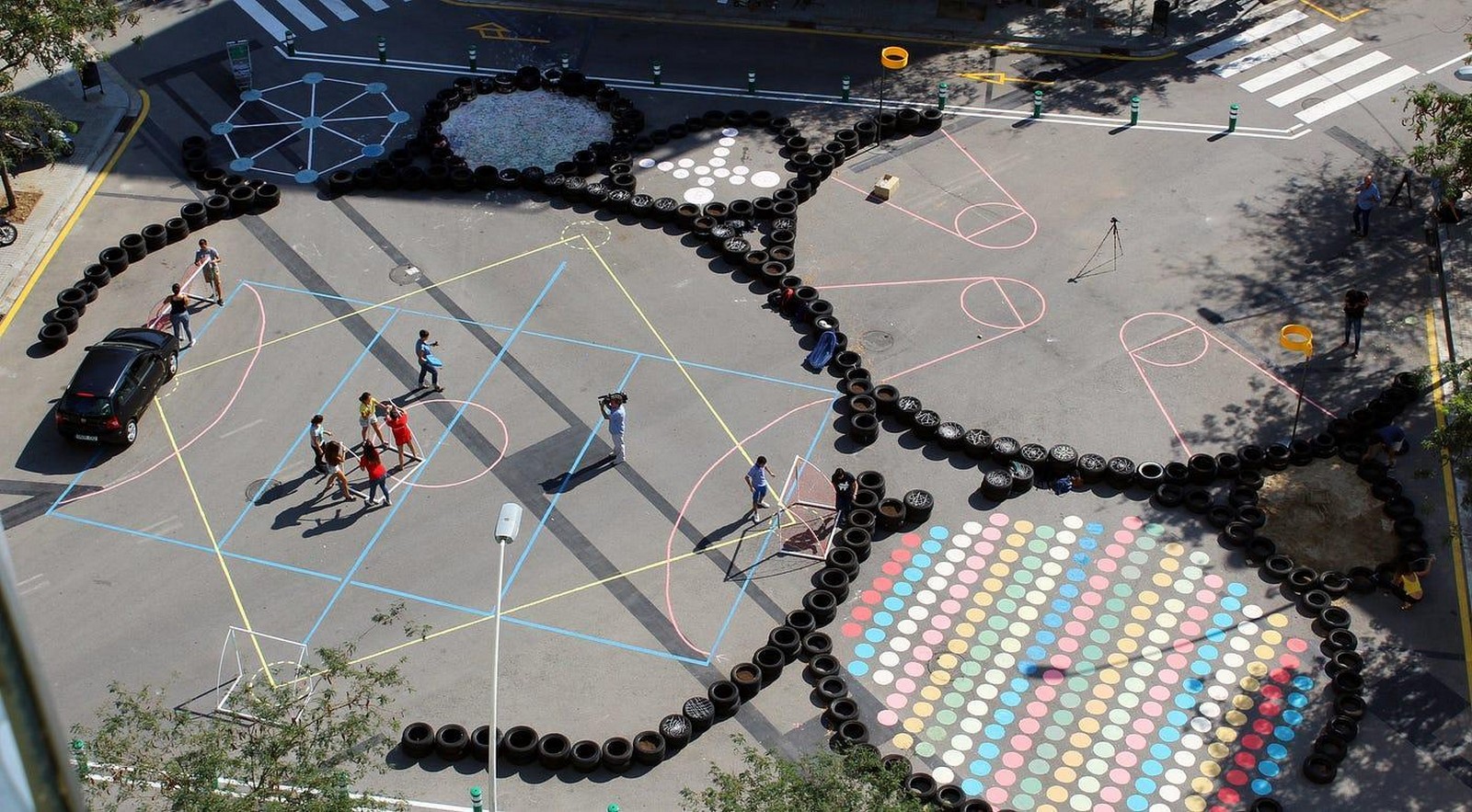
This concept overlaps within different contexts depending upon the spaces and systems. There is formal resistance that is dedicated to political structures, with the everyday resistance in vernacular spaces and practices for the communities to survive. While the tactical resistances are spontaneous, they stem from a position of power which is less potent than the strategies imposed on the existing systems. Sometimes the resistance can also look out for temporary and tactical installations or systematic changes for architectural practices. There are everyday acts of resistance, such as a family in a slum reinforcing their house with recycled materials. Also, communities turning empty space into a playground or kids painting murals across walls can be considered as acts of resistance. People can create designs without the knowledge of architecture by creating spaces with safety, culture and identity.
Space and Power
Space and power are primarily connected to the architecture of resistance. Usually, when the government proposes new additions in the form of proposals for new highways, luxury apartments or neighbourhoods are demolished, the marginalised communities are widely affected by it. Their presence in the city is not considered, which creates an imbalance within the environment. Eventually, they build their own homes in the abandoned areas, which in turn challenges the power structures that exclude them. Even though they may have lived there for generations, their homes are treated illegally, which shows unequal power and inequality. They redefine space on their terms by creating informal settlements and occupying abandoned buildings. Their struggle is not only confined to space but also over the rights and dignity they deserve. Their presence in the city reminds us that cities are not just built, but are lived in, adapted to, and reshaped by the people who inhabit them. These communities believe that architecture is not physical but is deeply social and emotional, and also about protecting their identity and culture.
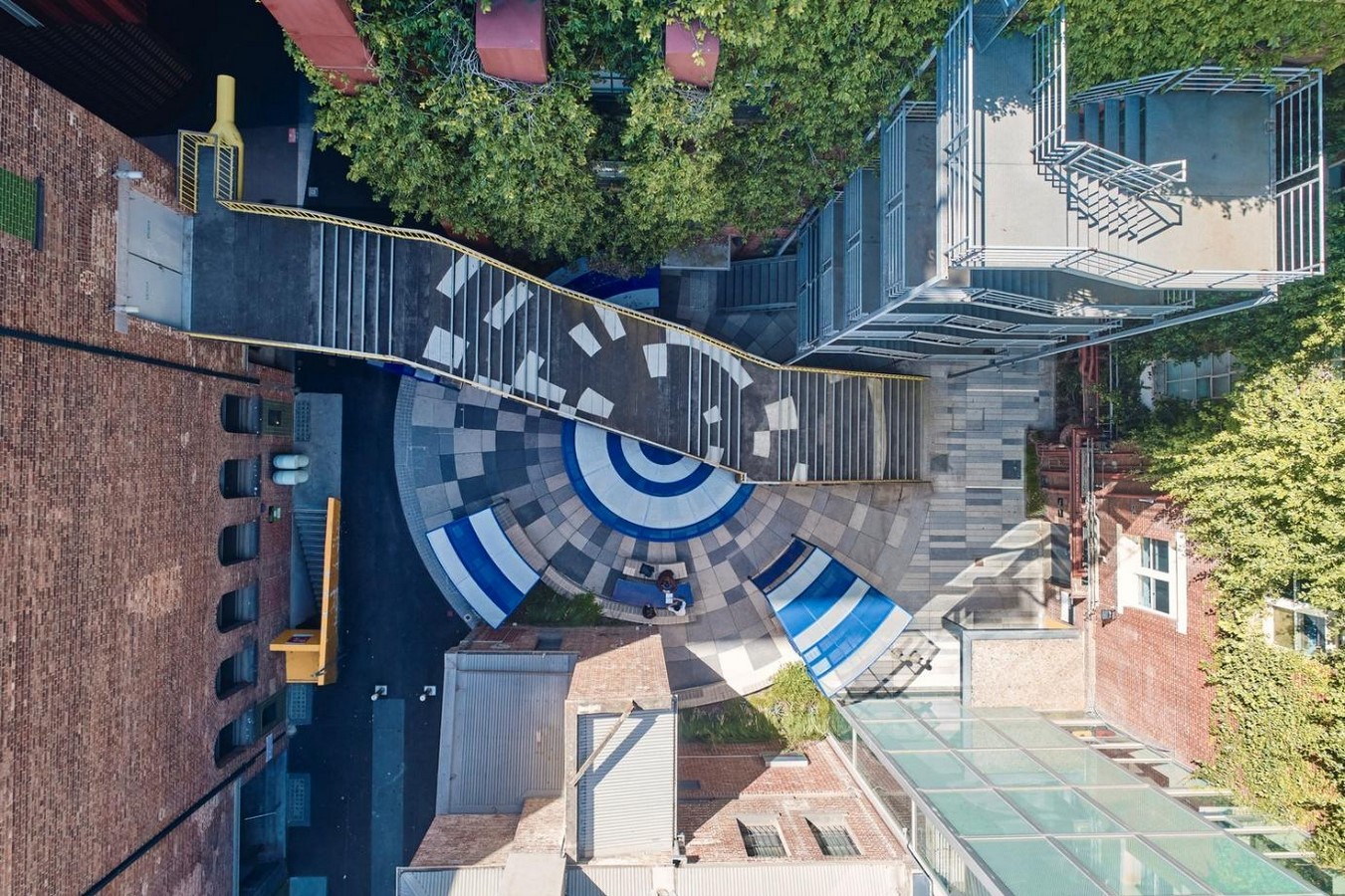
Examples for the Architecture of Resistance
A lot of examples can be found about the architecture of resistance around the world. The informal settlements seen in Dharavi, Mumbai, are built due to a lack of affordable housing. In India, there are urban villages that require redevelopment to adapt to the modern world with basic amenities for the communities. There should be spaces that are empowering for women, which create safe and intimate communities like the YWCA campus in Delhi. In the United States of America, the community groups turned the abandoned buildings into cultural centres, libraries and or shelters. This offers people a sense of belonging along with services that help them connect with nature. In recent times, Barcelona took a similar initiative, of creating pedestrian-centred super blocks to curb vehicular congestion and pollution, and optimise public space usage by creating safe spaces. People from marginalised communities around the world heavily rely on public spaces to earn their living due to a lack of private resources. In many countries, marginalised communities live in the shadows of public spaces due to a lack of infrastructure to accommodate them. Ideally, these should be the very reasons that public spaces are built in consultation with marginalised communities. These examples demonstrate how marginalised communities use space to assert their identity, challenge power structures, and create a sense of belonging.
Marginalised communities are often excluded from formal systems, and as a result, they build and adapt to the environment on their own terms. Their spaces are conventional due to the way they were constructed and adapted to spaces in their own way. The spaces carry stories of their strength and survival, which makes us understand that cities are not planned by architects but also by ordinary people. Also, the visibility of marginalised communities in public spaces is an important step towards a diverse, dynamic and urbane world.
Hence, architecture is not just about buildings but also about the rights of people to exist and belong in the environment.
Citations:
- Activating and Reclaiming Public Spaces (2016) Medium. Available at: https://irasanyal.medium.com/activating-and-reclaiming-public-spaces-efaceffa1279(Accessed: 10 September 2025).
- Claiming Space: Culture, Arts And Resistance (2018) People Power Media. Available at: https://www.peoplepowermedia.org/issues/claiming-space-culture-arts-and-resistance(Accessed: 10 September 2025).
- Reactivating Residual Public Spaces with Community-Led Design (2024) Archdaily. Available at: https://www.archdaily.com/1012450/reactivating-residual-public-spaces-with-community-led-design(Accessed: 10 September 2025).