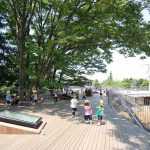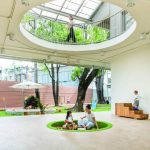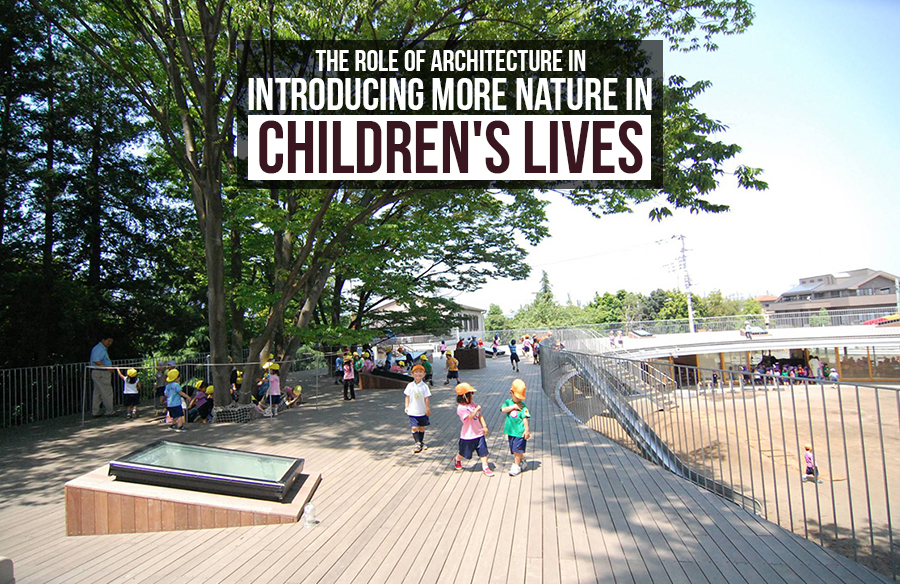
According to neurologists, the first eight years are extremely crucial to developing emotional intelligence and critical thinking in a person. One of the best things parents can do to ensure the development of their child in their formative years is providing them with enough exposure to nature. The effects of their experience have an effect on the way their personality is shaped as an adult. Getting children to indulge in outdoor activities, whether it’s playing sports, gardening, is essential for development. It is beneficial for both physical and psychological well-being. Toddlers need to explore more tangible experiences so they experience sensory elements like the sense of touch, smell, sight, and sound. When these unlock, they directly connect to their psychological state of mind. In comparison to a built environment, being in nature is good for cognitive functioning. It also helps children in recognising different colors. Architecture plays a huge role in connecting the indoor and outdoor environments. The well-rounded design is a design that caters to people of all age groups and disabilities. With issues such as growing population, deforestation, increasing construction, and migration, the concern to bring back outdoor activities in kids like in the olden times keeps increasing among the parents.
Importance of the Outdoors for Children’s Development
Spending time in nature helps boost mental health, physical health, and a better mood. It is imperative to make use of nature around us, even if it’s just a rooftop garden. Letting the kids spend a couple of minutes every day will have a massive impact on their behaviour. Some of the ways to maximize nature around kids is to partake in events that ensure a day outdoors with the parents involving treasure hunts, football games, or any other sports, or just an outdoor barbecue lunch or dinner. Spending more time in public green spaces, whether it is gardens, parks, playgrounds, front or backyard, strolling in nature, letting kids play with mud, riding a bike, watering the plants, or indulging in play-dates. As parents, the activities might seem like they’re pretty small, but they promote better bone health, cardiovascular health, vitamin D, and lowering stress levels in the child. Exposure to nature also promotes better performance in academics as well as extra curricular activities because children are able to think differently out of the box, and not just what they have been taught.
The increasing use of social media, video games, and other technology being used for better academic results can also be acting as a distraction, making the children miss out on the benefits of outdoor activities. Under any topography or terrain, whether it’s the vastness of the mountains or the steady flow of waves on the beach, each teaches them something. Each experience is a learning opportunity. Whether it’s making castles out of soil or counting the failed attempts at plucking fruits from a tree, each experience either boosts your creativity, enhances your risk-taking ability, or teaches you patience. Love for nature can be instilled at a very young age. It may lead to a decrease in the usage of social media and screen time, thus promoting better health.
Difference in Lifestyles and Role of Architecture in Influencing Them
During olden times, it was extremely common not to supervise a child’s whereabouts since the use of cell phones among kids was almost negligible. The daily routine of kids has immensely changed in the past couple of decades. Due to urbanization, Life has become more sedentary leading to reduction in fitness levels and adoption of unhealthy habits. Architecture has a massive role to play in this shift. Lack of walkable areas. Lack of urban planning in city designs. Haphazardly planned roads, unstructured planning of residential buildings, low priority to open spaces, giving rise to the concept of satellite cities for decentralization of population, sucking resources, and infrastructure inadequacy.
Restricting sensory stimulation might restrict a child’s creative capabilities and problem solving abilities, which might later affect his confidence as an adult. Kids these days lack the opportunities and social infrastructure to be care-free outdoors without the use of technology by their side. Considering the rising urbanization, there has been an increasing concern about the safety of kids. Kids being left unsupervised in public open spaces can only be done in rural areas. Although an increase in inculcation of open areas in residential spaces is evidently seen, they are usually smaller than required and leads to restricted activities. The improper planning also takes a toll on the air quality and over all weather of a place, in turn affecting a kid’s health.
Impact of Architecture on Children
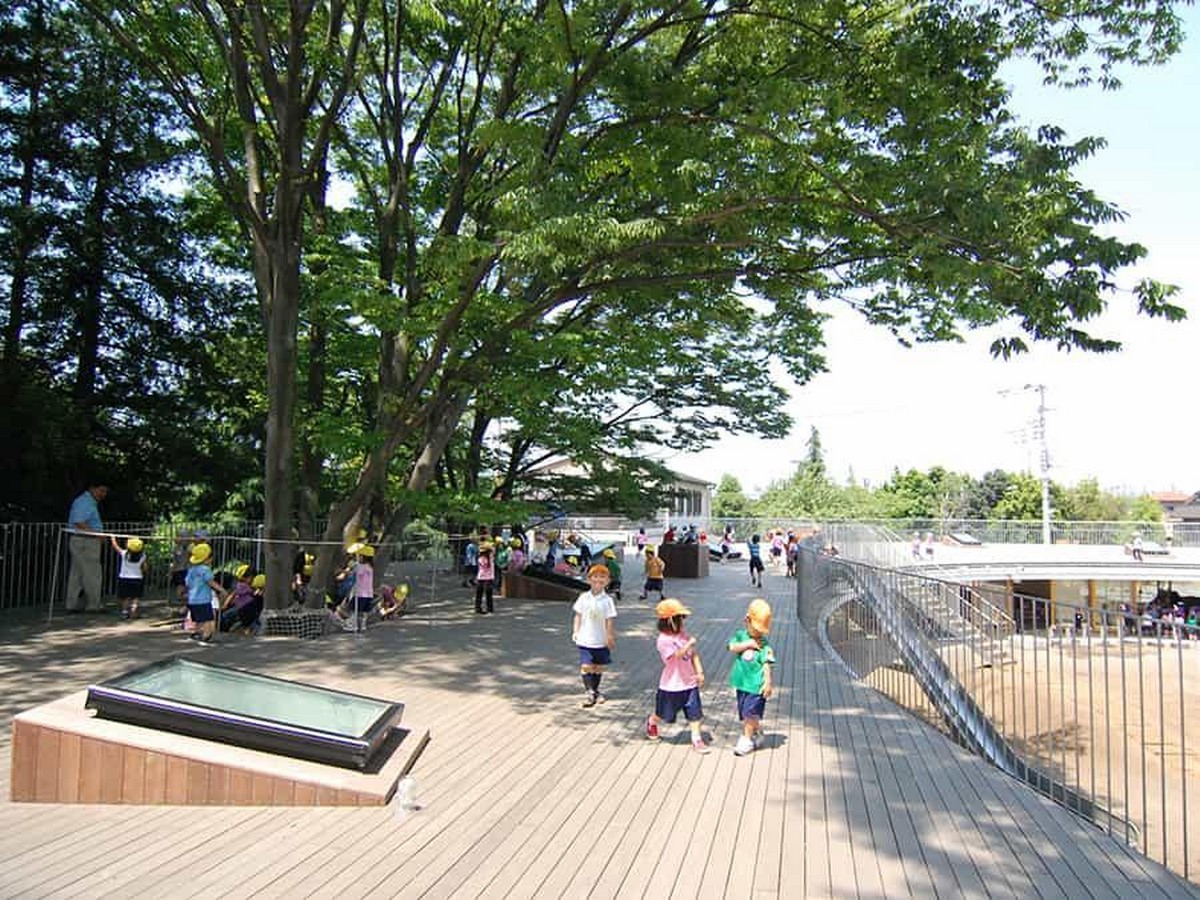
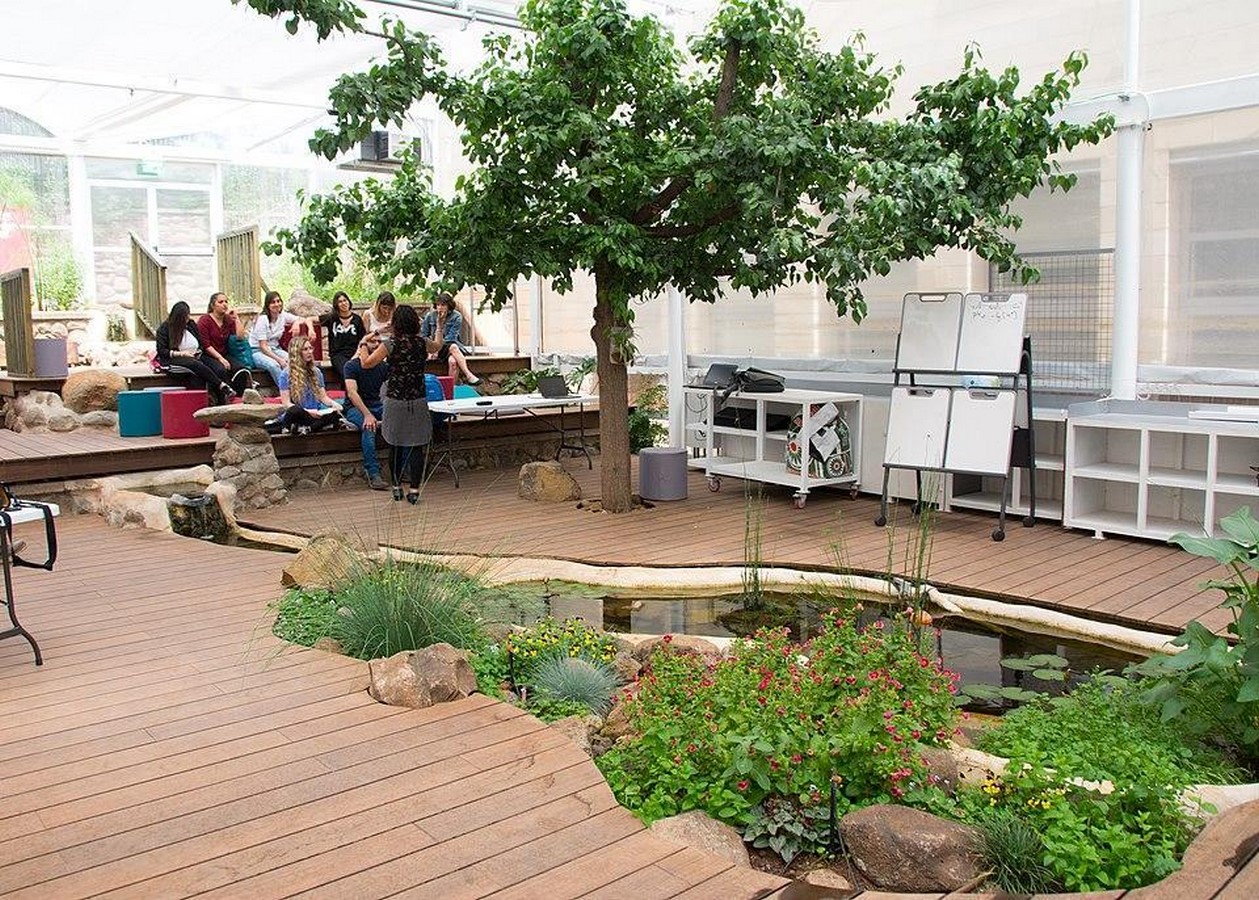
Architecture holds immense power over the quality of life. It’s the difference between a confident, mentally, physically fit child and an under-confident child lacking social interactions. Spaces meant for community engagement are extremely important in the case of children. It is also important to consider age groups while designing. Spaces that evolve as per the child’s age or spaces that aren’t age specific might help enabling interactions of kids of all ages. Research shows a direct connection between architecture and child psychology.
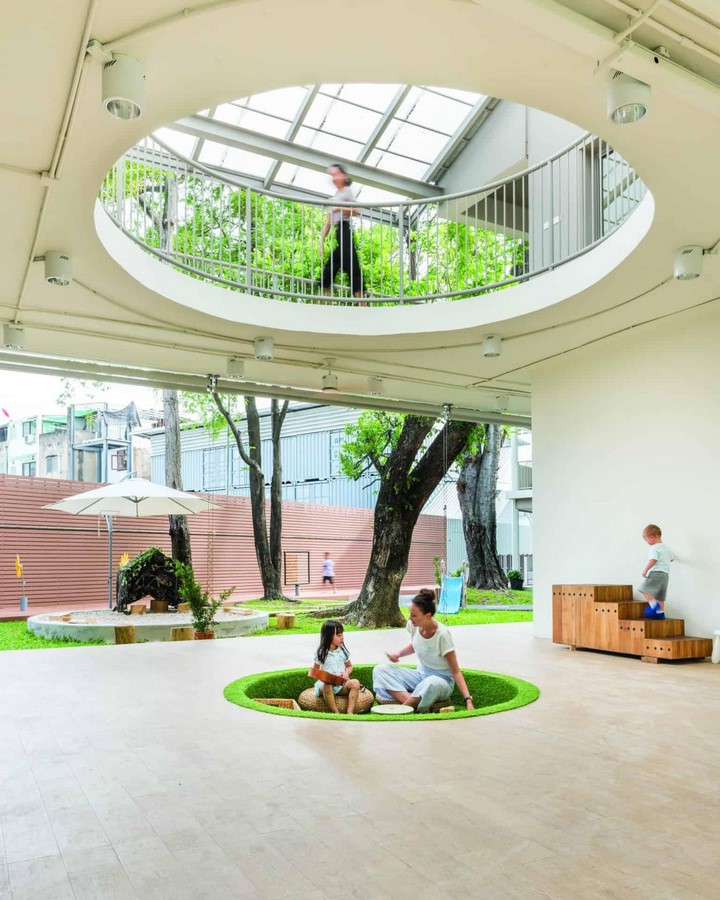
The major difference between designing for adults and kids is the primary purpose behind designing. The spaces for children center around experience, feel, and effects on mental health more than durability, functionality, and circulation, which are priorities while designing for adults. Open spaces should be designed in ways that boost creativity in kids and let them move through the space in a carefree manner. A volume analysis is also an important factor in designing for kids. Making sure that the spaces don’t make kids feel cluttered or claustrophobic is the responsibility of the designers. Designing to enable more natural light and ventilation is an important factor to consider. Visual connectivity, if not physical, to the outdoors, better landscaping, and introducing design elements that will reduce air and noise pollution are other factors to consider. To restrict the design process as per adults’ perceptions of space would mean to restrict the child’s thought process as per the outer world.
Adding Nature on a Macro Level
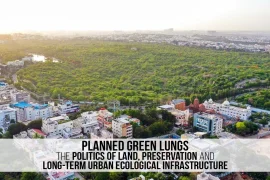
Architecture as an industry acts as an umbrella involving diverse facets of design. Not accustomed enough to the population, reducing the livability of the city. Air quality deterioration in cities like Mumbai, Pune, Delhi, etc. Less pedestrian access leading to overcrowding on the road, green spaces, playgrounds, adequate amount of green spaces. More concrete blocks, as opposed to open areas, are better mental health-inducing areas. With growing urbanization creating a strain on city resources, designing for profitability as opposed to livability has become a priority for the smooth economic functioning of a space. Use of FSI is given more importance as opposed to end-user experiences.

Although it is quite difficult to incorporate open spaces like in older times, certain measures can be taken to mimic the microbiological effects of kids’ actions from decades ago. Exploring nature will help kids explore on their own, instilling a sense of self-dependence. Instead of limiting the outdoors to parks or gardens next to crowded roads, they need to be incorporated into people’s daily lives. More pedestrian oriented spaces will lead to more walk-able cities, leading to less pollution. Having bifurcation in vehicle lanes and incorporating a separate bicycle lane can enable increased fitness levels in kids. Reducing certain cross sections or blocking certain roads can help reduce traffic, leading to a lower probability of accidents. Cities are rarely designed by keeping children in mind. Urban planning needs tweaking around inclusion to enable a more enriching life experience for the kids in our society.
References List:
- Playing outside: Why it’s important for kids (2024) HealthyChildren.org. Available at: https://www.healthychildren.org/English/family-life/power-of-play/Pages/playing-outside-why-its-important-for-kids.aspx (Accessed: 02 September 2025).
- Nature art: Outdoor inspiration to boost your child’s development (2025) HealthyChildren.org. Available at: https://www.healthychildren.org/English/family-life/power-of-play/Pages/nature-art-outdoor-inspiration-to-boost-your-childs-development.aspx#:~:text=Encourage%20your%20child%20to%20%22collect,important%20cognitive%20and%20motor%20development. (Accessed: 02 September 2025).
- Getting kids outside: One of the best things a parent can do (no date) The Nature Conservancy. Available at: https://www.nature.org/en-us/about-us/who-we-are/how-we-work/youth-engagement/benefits-of-outdoors-for-kids/ (Accessed: 02 September 2025).
- (No date) (PDF) an investigation of the status of outdoor play. Available at: https://www.researchgate.net/publication/250151481_An_Investigation_of_the_Status_of_Outdoor_Play (Accessed: 01 September 2025).
- Mishra, G. (2024b) How architecture and child psychology shapes future, How Architecture and Child Psychology Shapes Future. Available at: https://gharpedia.com/blog/architecture-and-child-psychology/#:~:text=Child%20psychology%20plays%20a%20crucial,their%20developmental%20and%20psychological%20needs. (Accessed: 02 September 2025).
- Gill, 1Tim (no date) Designing cities for outdoor play, Encyclopedia on Early Childhood Development. Available at: https://www.child-encyclopedia.com/outdoor-play/according-experts/designing-cities-outdoor-play (Accessed: 02 September 2025).
- Are cities excluding children from their urban planning? (2025) Tomorrow.City – The biggest platform about urban innovation. Available at: https://www.tomorrow.city/beyond-playground-cities-reimagining-spaces-for-kids/ (Accessed: 02 September 2025).