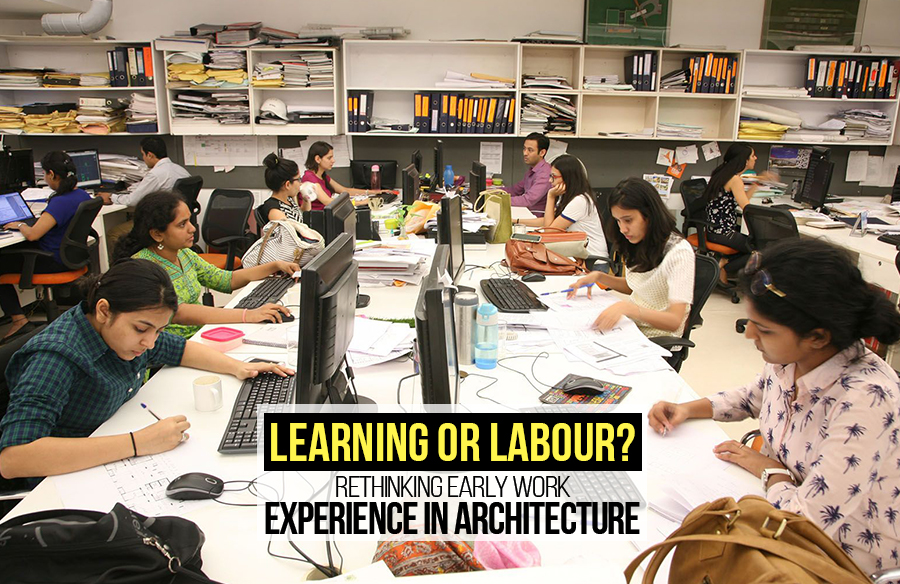
For a student in a creatively anchored line of work like architecture, early work experiences, such as internships, become the bridge between classroom projects and real-world practice. They carry the promise of mentorship, exposure to real-world projects, and the opportunity to understand how design ideas and concepts translate into built form. For students, this stage is meant to be both exciting and formative, offering traces of the architect they might become one day. More often than not, the reality is a stark contradiction to the student’s expectations. In today’s day and age, architectural internships tend to shift into cycles of immensely long hours, repetitive tasks, and unpaid or underpaid work, which frequently overshadows the learning process.
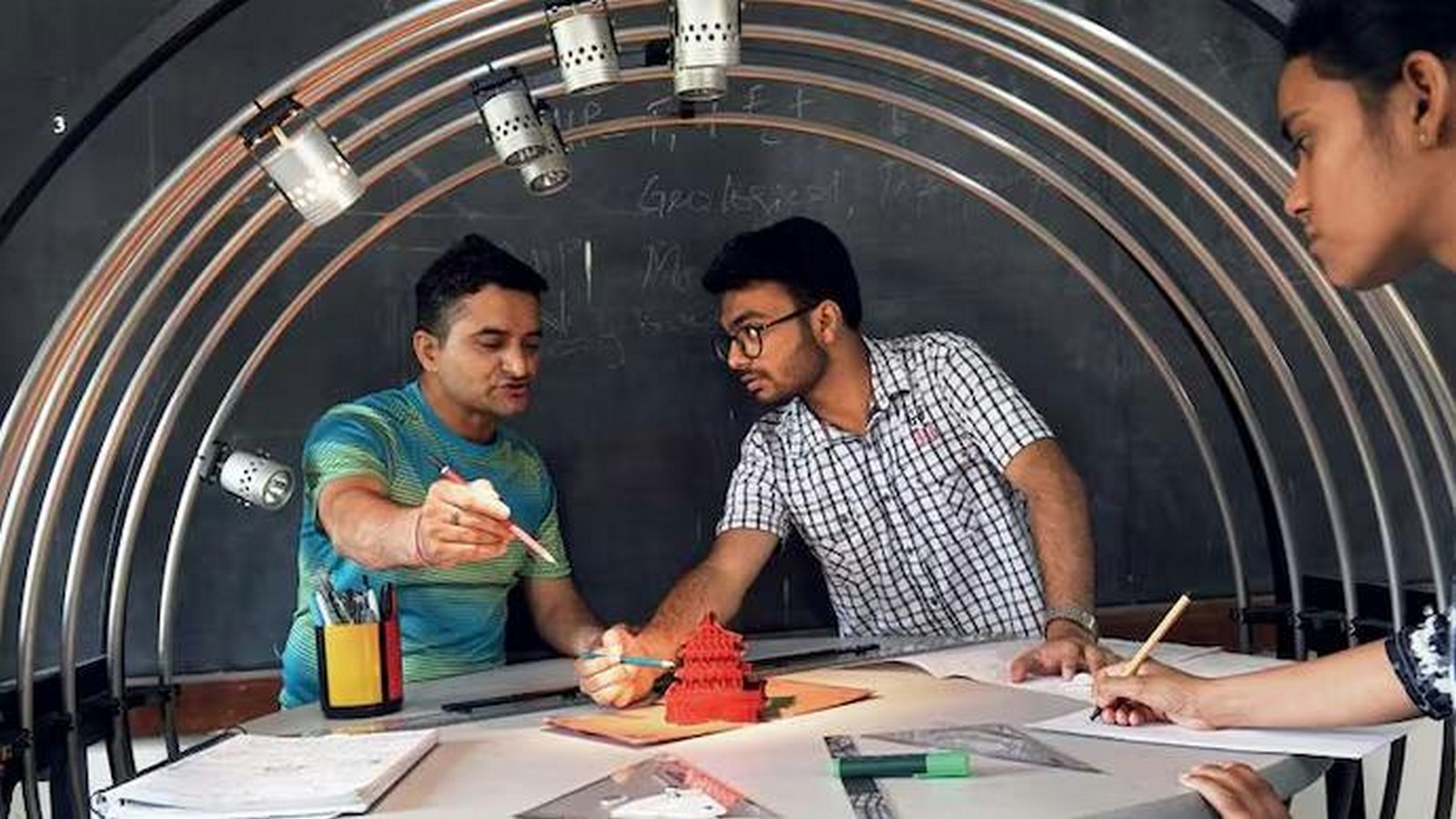
The imbalance between contribution and recognition is a recurring concern among interns, pointing to systemic gaps in how early work experience is structured.
The Value of Learning versus The Risk of Labour
If structured correctly, early work experiences such as internships can be a pivotal extension of architectural education. They provide an opportunity to develop critical thinking and technical skills, and expose students to the challenges and tangible issues of real-world practice. Direct interaction with senior architects, clients, and consultants, as well as solving problems through improvisation and quick resourcefulness at construction sites, often becomes transformative, allowing students to see design evolve beyond the A1 prints. At their best, some firms treat interns not merely as temporary help but as future colleagues, investing time and effort to nurture their growth.
The reality of many internship experiences often drifts away from this ideal. Instead of structured learning, students are burdened with long working hours, repetitive drafting, and tasks that demand more stamina than creativity. The lack of fair compensation, whether unpaid or underpaid, adds to this imbalance, leaving many interns questioning the worth of their effort and hard work. Many times, the work expected of an architect is carried out by interns, but compensated, if at all, at the level of an internship stipend. It’s not like this work culture is looked down upon; it’s acceptable, even glorified in the name of hard work and a harsh reality check of adulting. When learning takes a back seat to labour, the experience risks becoming less about growth and more about survival.
Why does this tension exist?
Several factors fuel the imbalance between learning and labour in architectural internships. The oversupply of students eager for experience translates to firms rarely feeling the pressure to provide a structured learning environment and decent paychecks, as there are plenty of young and passionate substitutes available. Compounding this is the absence of clear internship regulations or monitoring by many architecture schools, leaving the quality of placements inconsistent at best. Finally, there is a cultural acceptance in the profession that interns must be “toughened up” through long hours and repetitive work, rather than guided through mentorship. These conditions allow exploitation to quietly masquerade as training and building resilience in the real work environment.
Rethinking Early Work Experience
For early work experiences to truly deliver on their promise, internships need to be restructured with transparency and accountability. Youth should be fairly compensated for their work so that the worth of their hard work is not diminished in the name of toughening up. Clearly defining expectations, where learning objectives are prioritized alongside project outcomes, gives students a sense of purpose beyond just producing results. Architecture schools should play a more active role in overseeing the quality of placements, ensuring that internships serve as authentic extensions of the educational experience rather than unpaid work. At the firm level, implementing structured mentorship approaches, even in simple ways like weekly check-ins or guided reviews, can significantly enhance the intern experience. Lastly, paid internships, even if modest, demonstrate recognition of contributions and help restore fairness between what interns give and what they receive.
Moving Forwards
Early work experiences leave a lasting imprint on how students perceive the profession. When internships prioritize mentorship over exploitation, they cultivate architects who are both skilled and passionate about practice. Conversely, when interns are overworked and undervalued, they often enter the profession disillusioned or choose to leave it altogether. The future of architecture depends on fostering respect at this critical stage, because a profession that values its youngest members sustains itself with integrity. An intern should be looked at through the lens of an apprentice; the fraternity of architecture should treat an internship as its professional responsibility.
A Shared Responsibility
The debate between learning and labour goes beyond students feeling overwhelmed with work; it strikes at the future of the profession itself. When early work experiences reduce students to unpaid draftsmen, a message is sent out that architectural work does not hold significant value. When schools fail to monitor placements, they silently endorse a culture of exploitation. And when young graduates begin their careers disillusioned, the entire profession suffers a loss of talent and trust.
Reframing the typical internship experience isn’t optional; it is necessary. Paid opportunities, structured mentorship, and clear learning outcomes are not luxuries but minimum standards for a sustainable profession. Architecture cannot afford to keep burning out its youngest members at the very stage when their creativity, curiosity, and energy should be nurtured. By taking responsibility, as schools, as firms, and as a community, internships should be transformed from a phase of silent endurance into genuine incubators of the next generation of architects.
References:
Architectural Internship in India – Ruturaj Parikh on ArchitectureLive! ArchitectureLive! – Art, Architecture and Urbanism from around the World. https://architecture.live/architectural-internship-india-ruturaj-parikh/