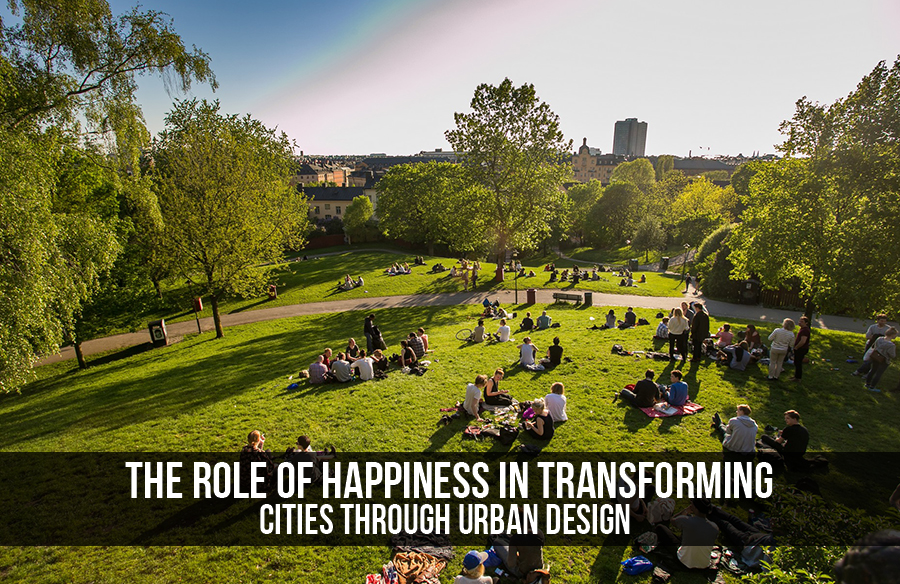
According to a UN report, by 2050, nearly 70% of the global population is expected to live in cities, with most of this growth occurring in Asia and Africa. With limited resources and increasing demands, cities devoted their attention to technological advancements and economic growth to achieve a high quantity and quality urban environment in the midst of economic development. However, despite cities being prosperous, people are increasingly unhappy in the city due to the core characteristics of urban conditions. (Lloyd A, 2010)
What Makes a City a Happy Place?
It is said that a city’s foundation lies in the emotional space of the residents. The rise of cookie-cutter global cities highlights a shift towards efficiency and an economically-driven society, leading towards cities that have unhealthy social mentalities and adverse urban environments. Urban happiness becomes a crucial tool for transforming cities into happier cities. As the world population urbanizes and cities grow at breakneck speeds, the design of cities must not forget that urban happiness plays a key role in building “cities for people.”
What is Urban Happiness?
“Happiness is when what you think, what you say, and what you do are in harmony”, says Neil Pasricha in the book, ‘The Happiness Equation: Want Nothing + Do Anything = Have Everything’ (2016), where he captures the concept that the essence of happiness is alignment between thoughts, words, and actions.
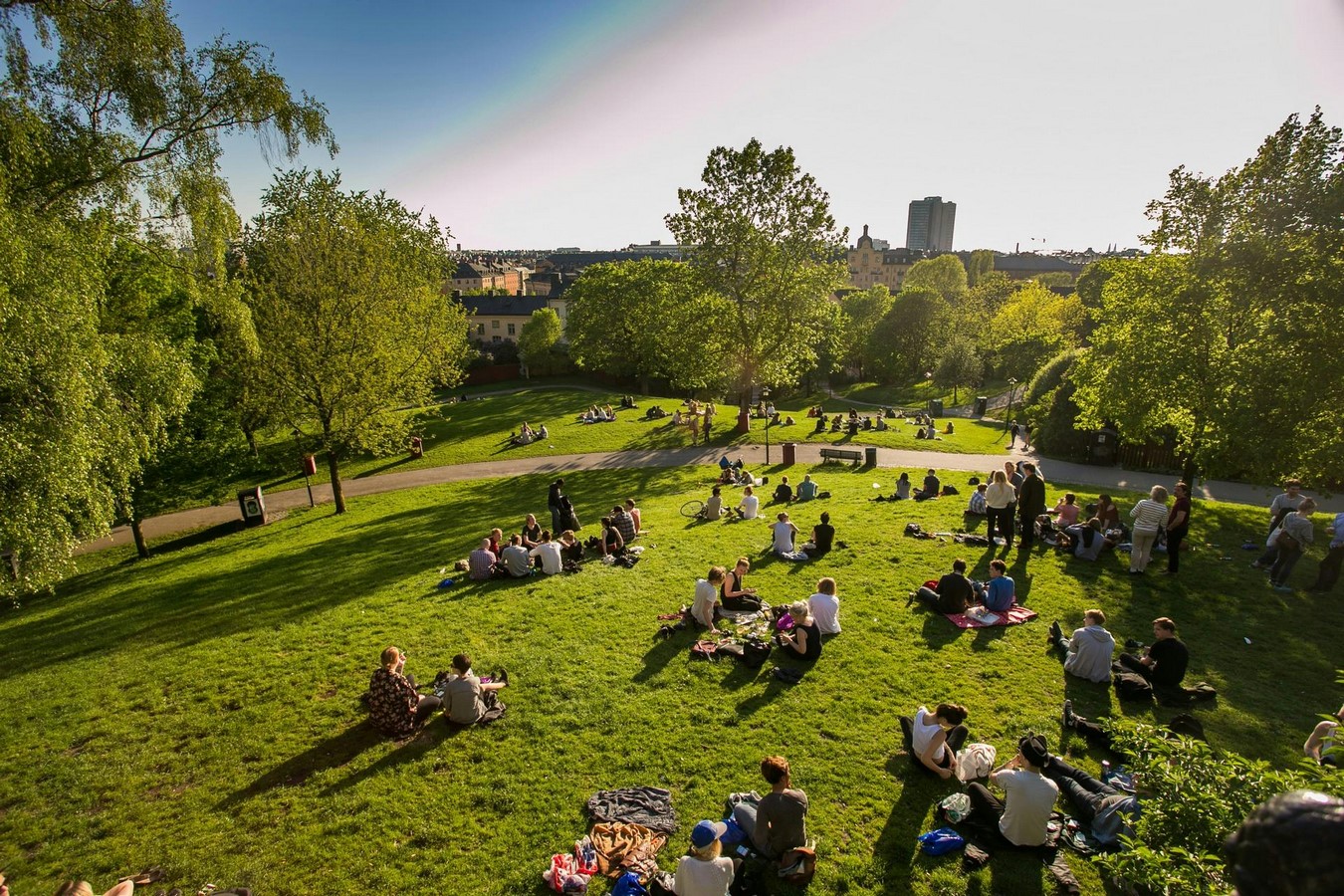
Similarly, “Urban happiness can be described as a philosophy that gives people a positive perception of the place and encourages them to stay there for a long time and/or want to live there again with the same experience.” (Habtour R, 2016). Some factors that can contribute to urban happiness include:
- Social relationships – People with strong, positive relationships are happier and healthier.
- Sense of connection – Studies have shown a link between human well-being and the feeling that you’re a part of something.
- Public participation – Urban planners and urban designers should emphasize the importance of public participation in the planning process.
- Accessibility and urban design – Buildings, infrastructure, spaces, and amenities should be accessible and uncomplicated, and designed for the end-user. (Thomas M, 2007). The design of urban landscape and the built environment also influences the health and well-being of its inhabitants. (Xuemei Bai, et al. 2012)
Montgomery, C.(2015) mentioned that happy cities could capitalize on additional resources to cover their citizens’ basic requirements, which include creating a strong sense of community, freedom of mobility and movement, provision of self-fulfillment, and opportunities.
Urban Design and happiness
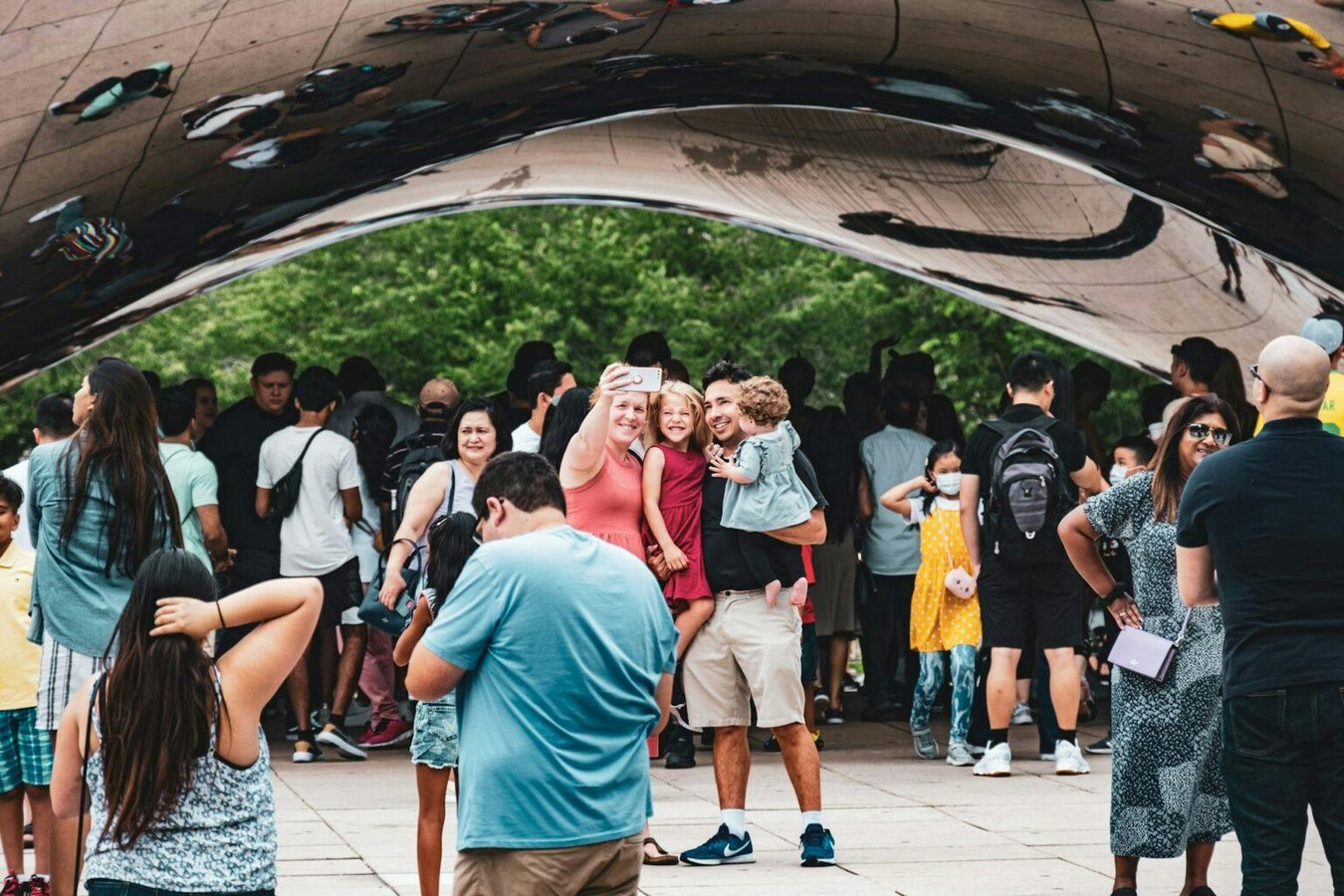
In today’s times, urbanization is happening at a rapid rate. While urbanization brings opportunities and improved infrastructure, it also creates diverse, competitive, and sometimes unjust social environments. Many individuals in urban areas face challenges such as resource scarcity, stress, insecurity, and the struggle for survival. The quality of the built environment in cities is crucial, as it directly influences the mental and physical well-being of residents, which is a significant determinant of human happiness.
Dense, congested, and poorly lit urban spaces can have negative effects on mental health and productivity. On the contrary, urban design with open, green, and well-designed urban areas with quality public spaces can reduce stress and promote positive mental and physical health. Therefore, it is important to recognize the link between urban planning, design, and human happiness. Prioritizing urban design is essential for transforming cities into environments that promote the mental and physical well-being of all residents. (Bhatt M & Desai R, 2022).
Urban design can be an important tool to transform cities by improving the way people connect with their surroundings. Parks and green spaces give residents room to relax, play, and meet others, which reduces stress and supports mental health. Walkable streets and safe bike paths encourage people to stay active, cut down on pollution, and make getting around easier. Good public transport systems save time, reduce traffic, and make daily travel less stressful.
When homes, shops, and recreational areas are planned together in mixed-use neighborhoods, life becomes more convenient and lively. Public spaces like plazas and community centers help people interact, build stronger bonds, and feel a sense of belonging.
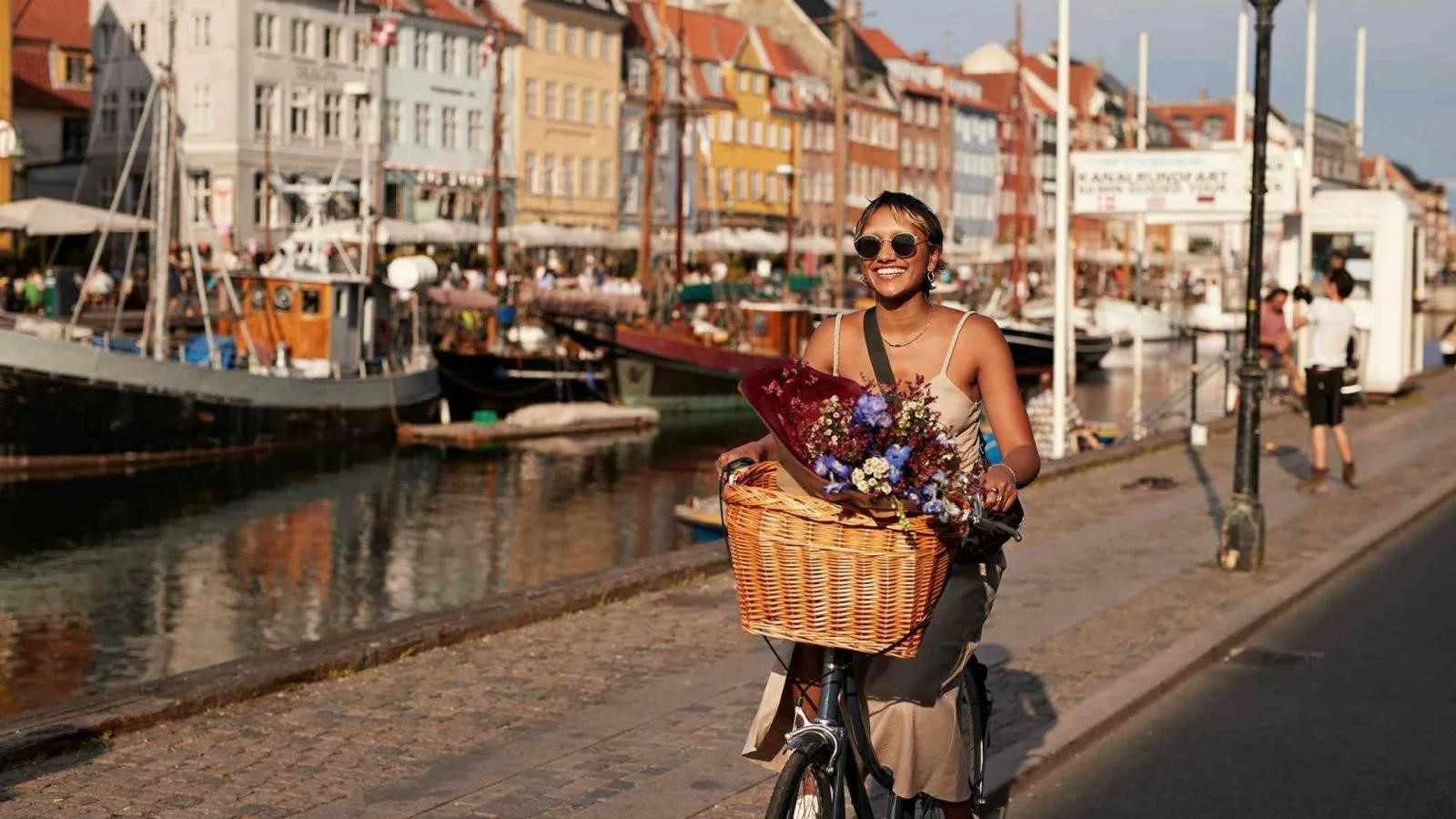
Well-lit streets and community programs make people feel secure and more willing to spend time outdoors. Cities that focus on inclusive and accessible design make sure everyone, including the elderly and differently abled, can take part in urban life. By including trees, green roofs, and water bodies in urban design, urban environments are benefited as it improves air quality, adds beauty, and connects people with the natural world.
By shifting our urban design strategies from congestion control and real estate development to moving towards mental well-being and livability-based design solutions, we can design cities that make people feel seen, supported, and joyful. With clear and proper thinking and strategy around urban design and consideration for urban happiness, there is great potential in creating mentally healthy and socially-friendly urban environments. Cities worldwide are challenged to create welcoming environments that connect residents to their city and create a strong social fabric.
References:
Healthier Cities and Communities Through Public Spaces. (n.d.). Available at: https://unhabitat.org/sites/default/files/2025/01/final_public_space_and_urban_health.pdf. [Accessed 12 May 2024].
Lloyd, A. (2010). How Should We Measure the Happiness of Cities?. Available at: https://www.trochugger.com/urban-design/how-should-we-measure-happiness-cities.html. [Accessed 10 May 2024].
Habtour, R. (2016). Designing Happiness: Architecture and urban design for joy and well-being. doi:https://doi.org/10.13016/m2bf88.
Thomas, M. (2007) Can We Design Cities for Happiness? | Thomas Madrecki | Ted Institute. Available at: www.youtube.com/watch?v=uY4MTSwwz1U&t=86s [Accessed 31 Jan. 2024].
Xuemei Bai, et al. (2012). Health and wellbeing in the changing urban environment: complex challenges, scientific responses, and the way forward. Current Opinion in Environmental Sustainability, [online] 4(4), pp.465–472. doi:https://doi.org/10.1016/j.cosust.2012.09.009.
Montgomery, C.(2015) Happy city: transforming our lives through urban design. Penguin books, United Kingdom.
Bhatt M & Desai R. (2022) Addressing Urban Happiness in the context of sustainable development goal through urban design intervention – A case of Udhana, Surat – THEME 1. 10.13140/RG.2.2.24100.55685.