When cinema and architecture meet, they do more than frame human stories – they create atmospheres that resonate beyond the screen.
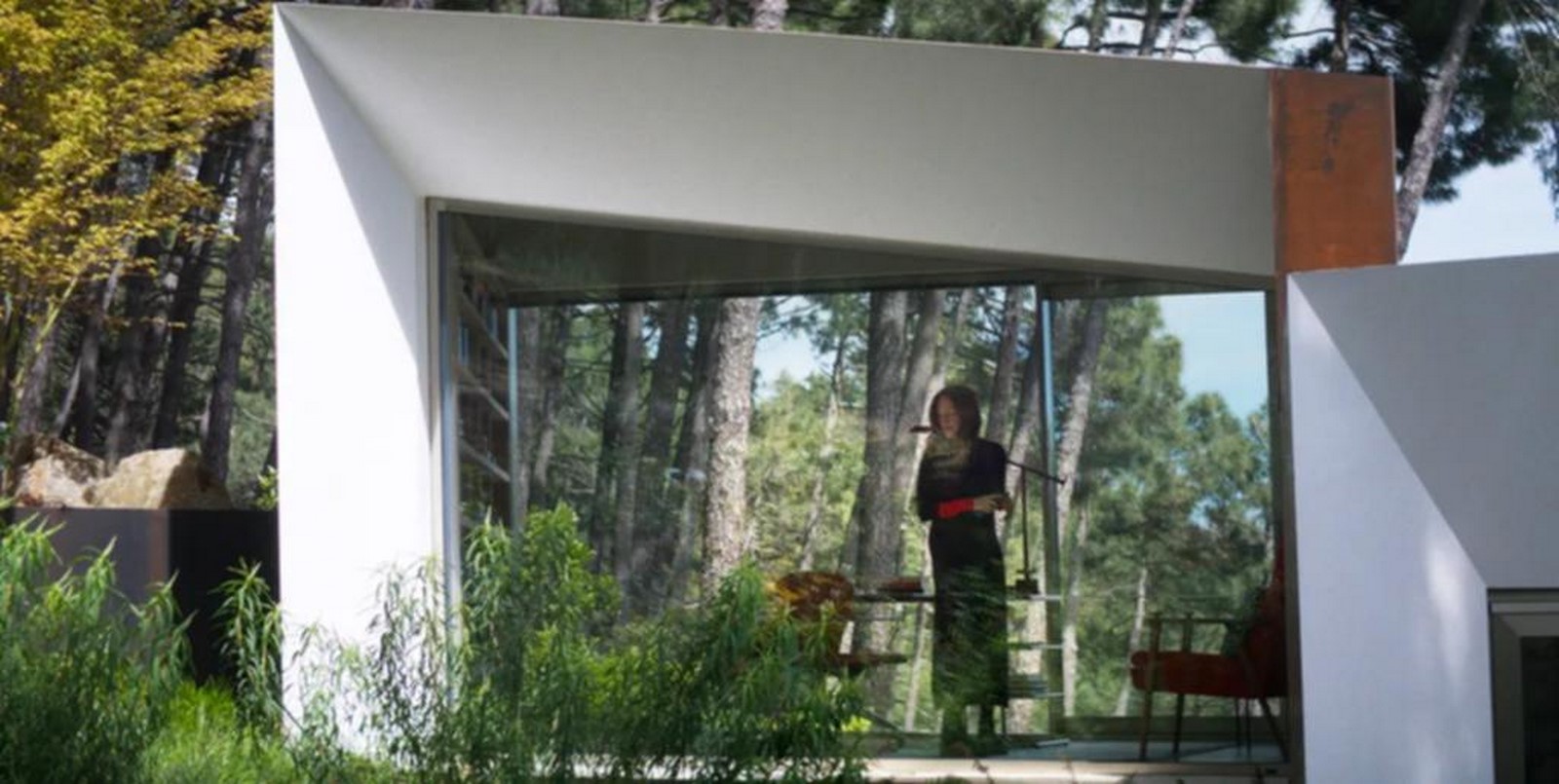
The Room Next Door (2024) is Pedro Almodóvar’s first English-language feature, which is set within the striking Casa Szoke, designed by Spanish architects Aranguren & Gallegos. In this film, the house is not just a backdrop; it shapes the mood, influences the narrative, and becomes a silent actor in the unfolding drama.
The Room Next Door
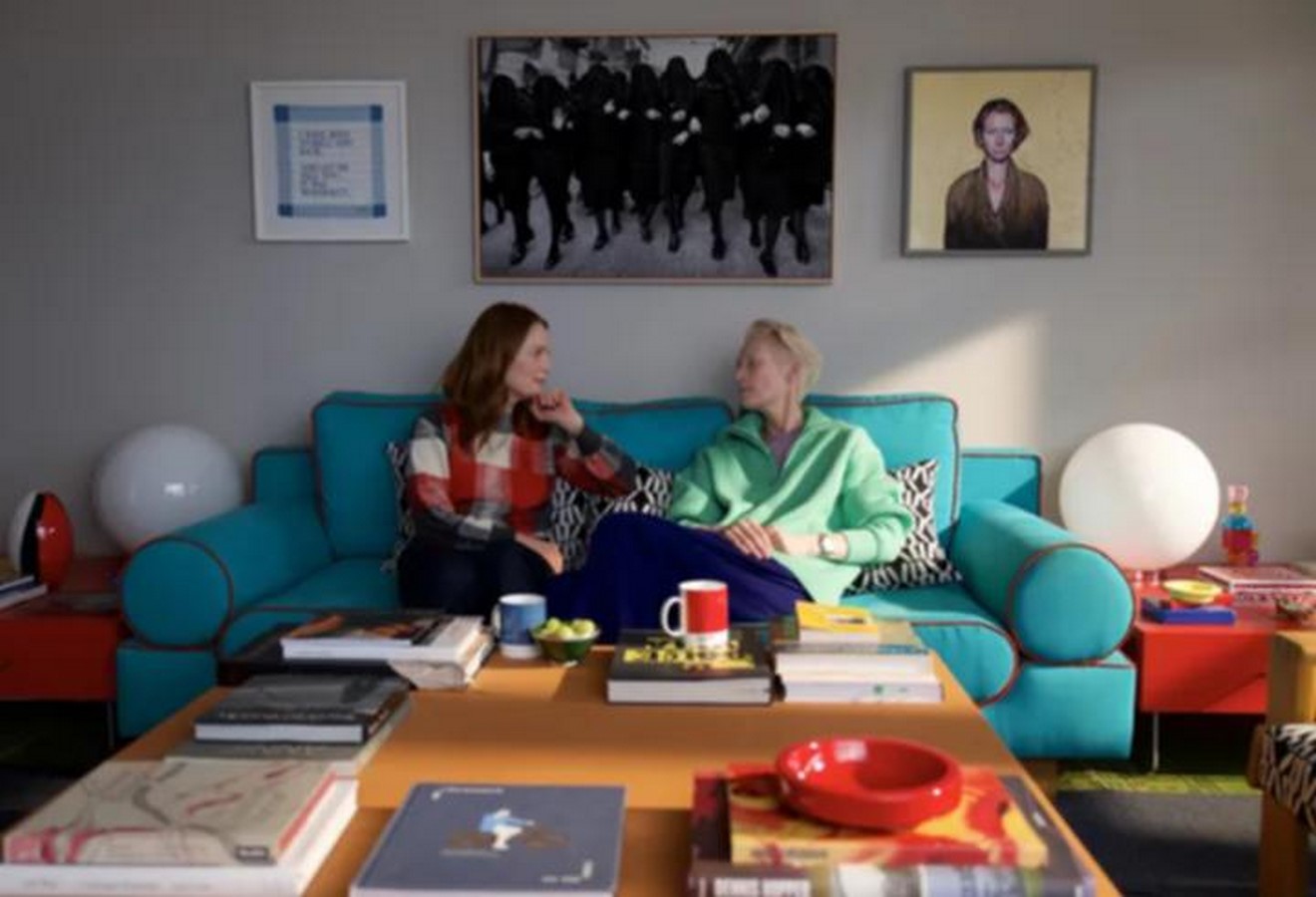
In The Room Next Door, two old friends spend time together in a quiet house upstate. Watching isn’t a loud drama, it’s about small moments: conversations, silences, and the weight of being with someone you care about.
The house itself (The Casa Szoke) almost feels like a character. Its doors, windows, and rooms carry meaning, holding the tension between life, memory, and choice. The way light falls, the stillness of space, all add to the story.
It’s a slow, reflective film that makes you think about friendship and how spaces shape us.
Casa Szoke by Aranguren & Gallegos
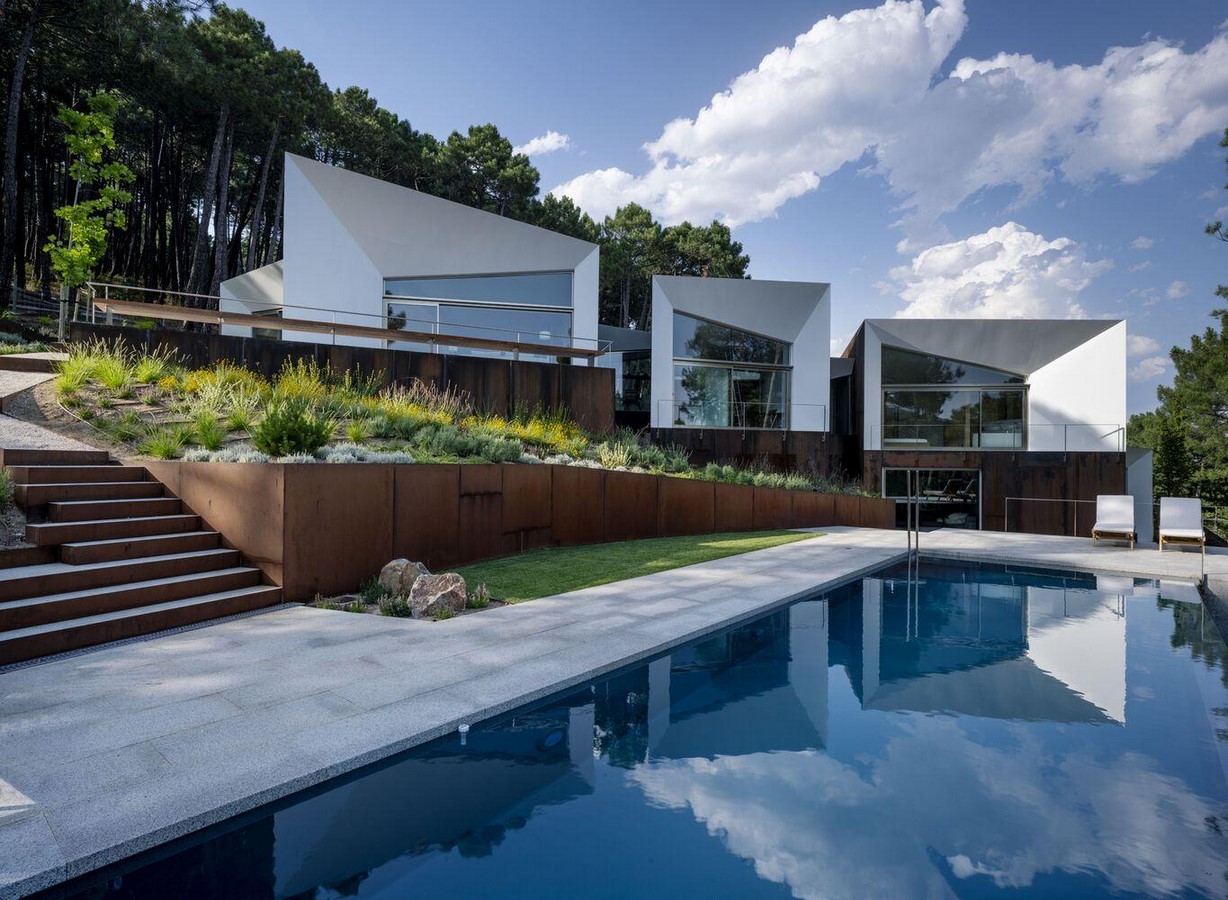
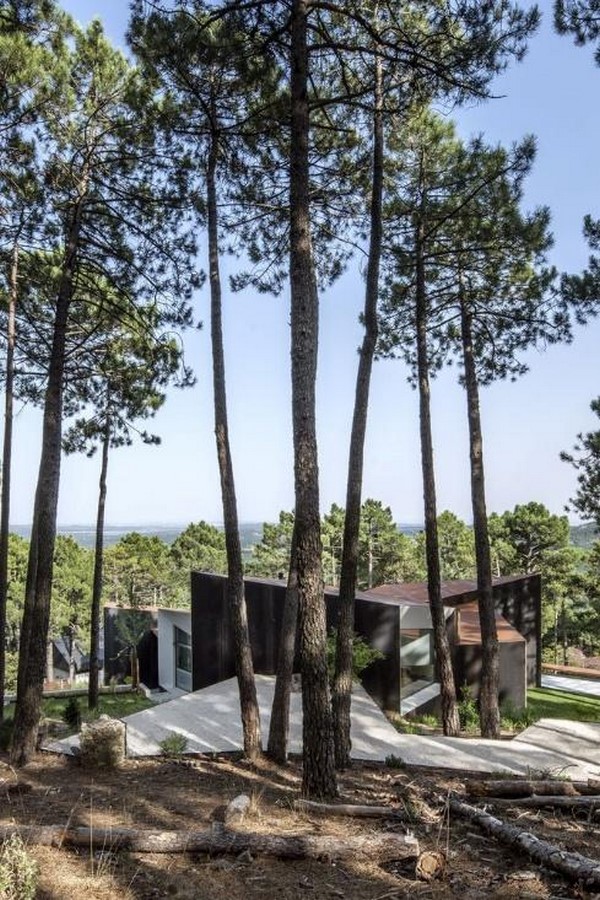
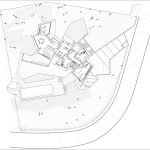
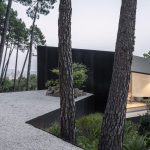
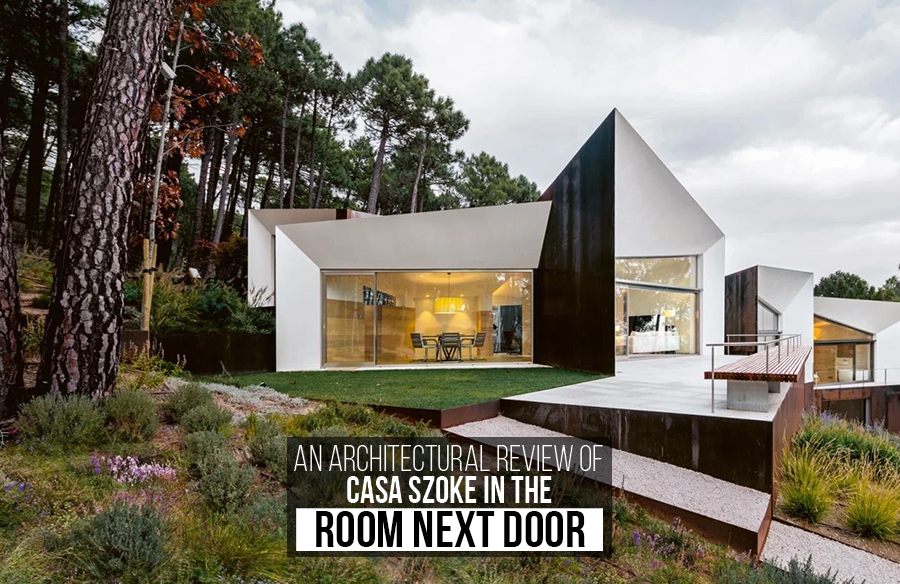
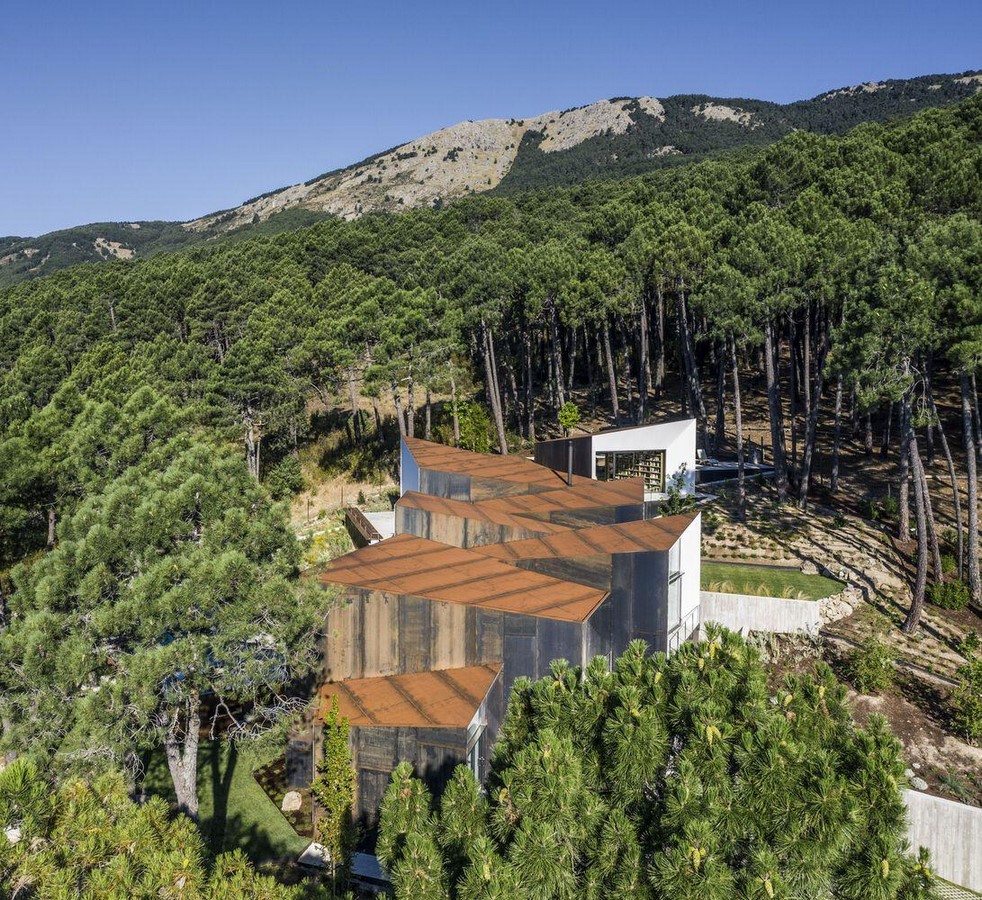
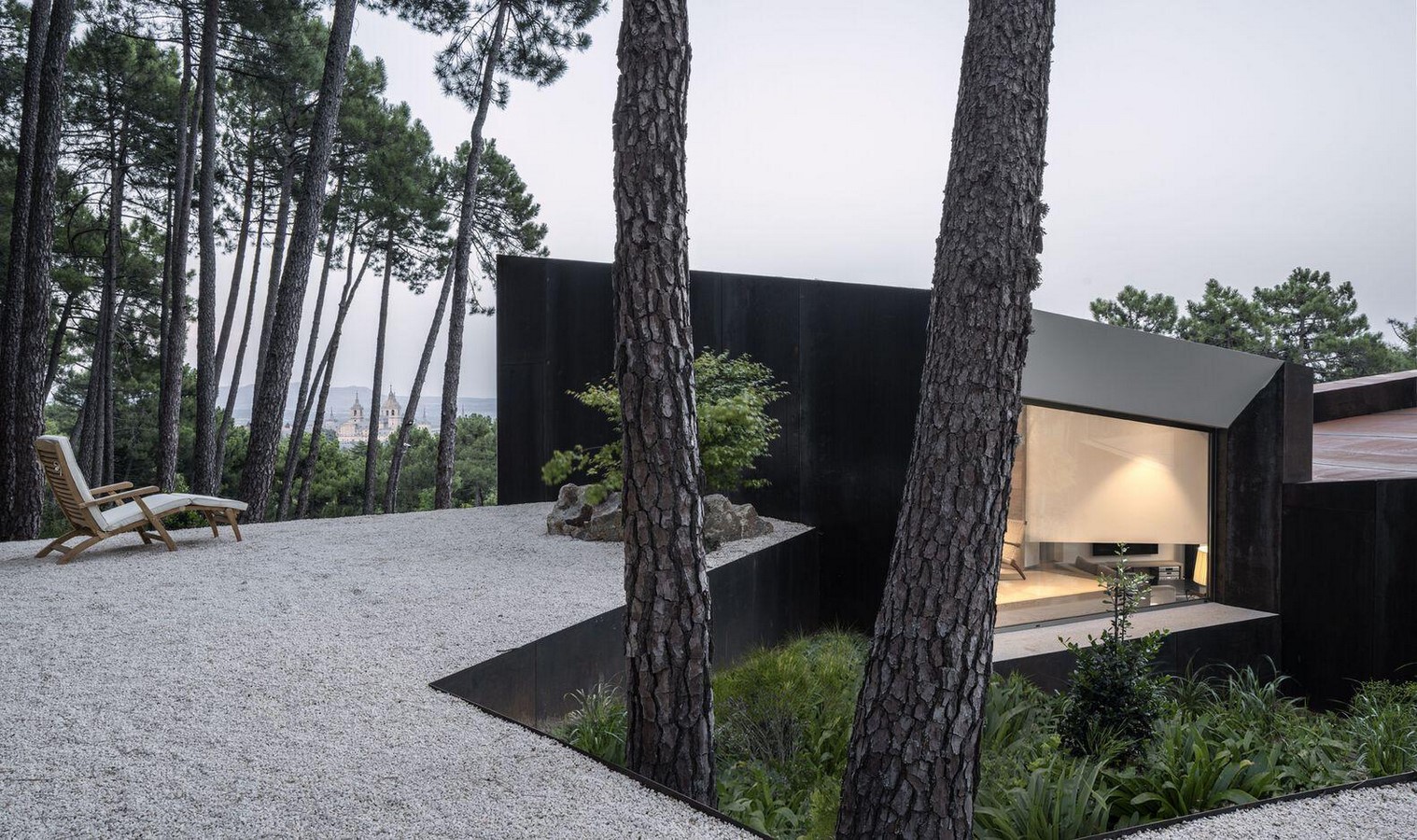
Casa Szoke is a corten steel and glass residence nestled within the pine forests near Madrid. Its architecture embodies a modernist clarity: austere, geometric, and deeply expressive. Almodóvar’s use of this building shows how design can function cinematically, offering lessons that architects and designers might carry into their own practice.
In the film, the house creates a powerful tension between the modern style of architectural brutalism and the wild softness of the pine forest around it.
Materials
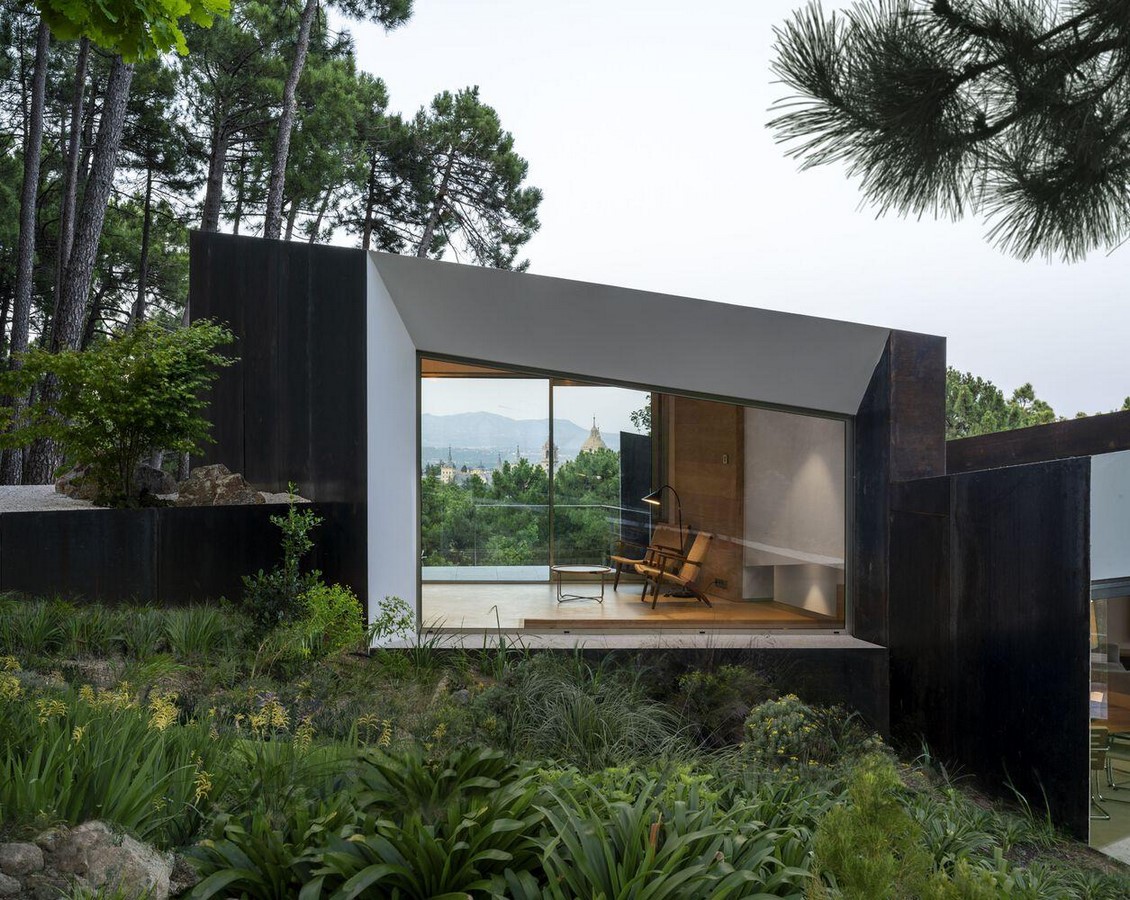
The building’s corten steel panels, allowed to weather naturally, are a reminder of architecture’s dialogue with time. Designers can take note of how material honesty becomes a design statement. Combined with glass, the structure blurs permanence and fragility, strength and vulnerability.
In architectural practice, this balance raises a vital lesson – materials should not only serve utility, but also embody ideas. What does a chosen surface/texture say about quietness, memory, or transparency? Casa Szoke demonstrates how materiality can extend meaning beyond shelter.
Interiors That Frame Emotion
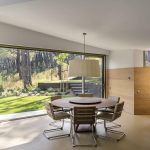
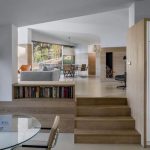
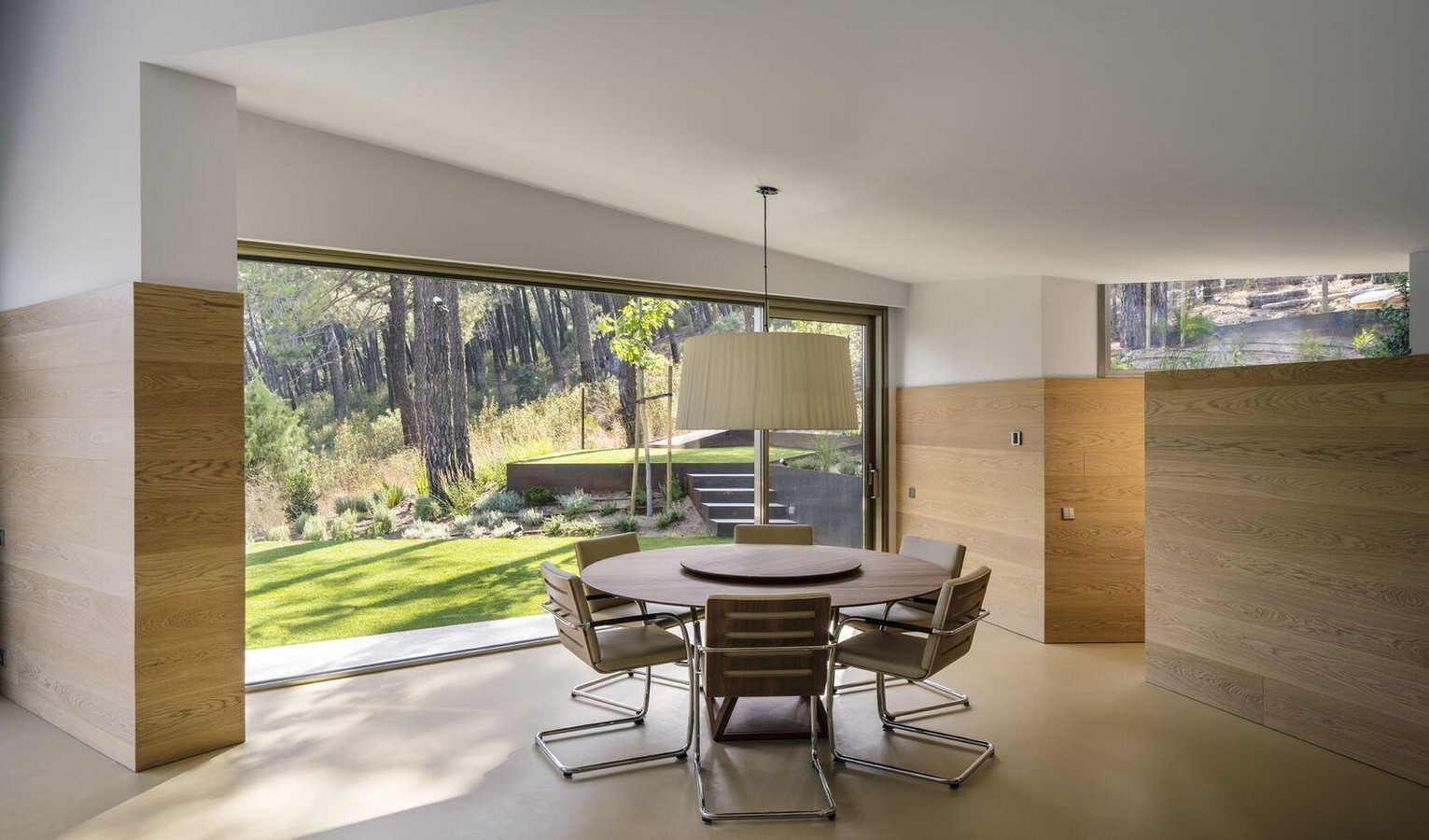
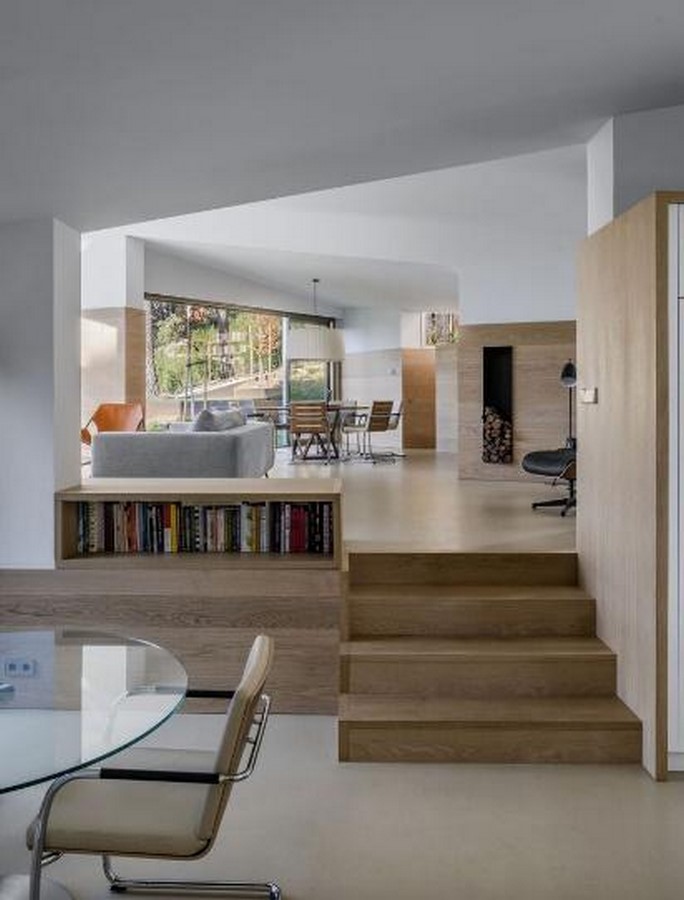
Inside, the architecture is stripped of ornamentation. Wide walls, uncluttered rooms, and carefully placed furniture ensure that space itself becomes the dominant presence. Designers might see here the value of restraint: allowing voids and surfaces to speak, rather than overwhelming interiors with excess.
Lighting, too, is crucial. Natural light filters across bare walls and polished floors, accentuating stillness. This reveals how design can shape atmosphere without overt gestures; how quietness in architecture can be as expressive as decoration.
Architecture as Narrative Tool
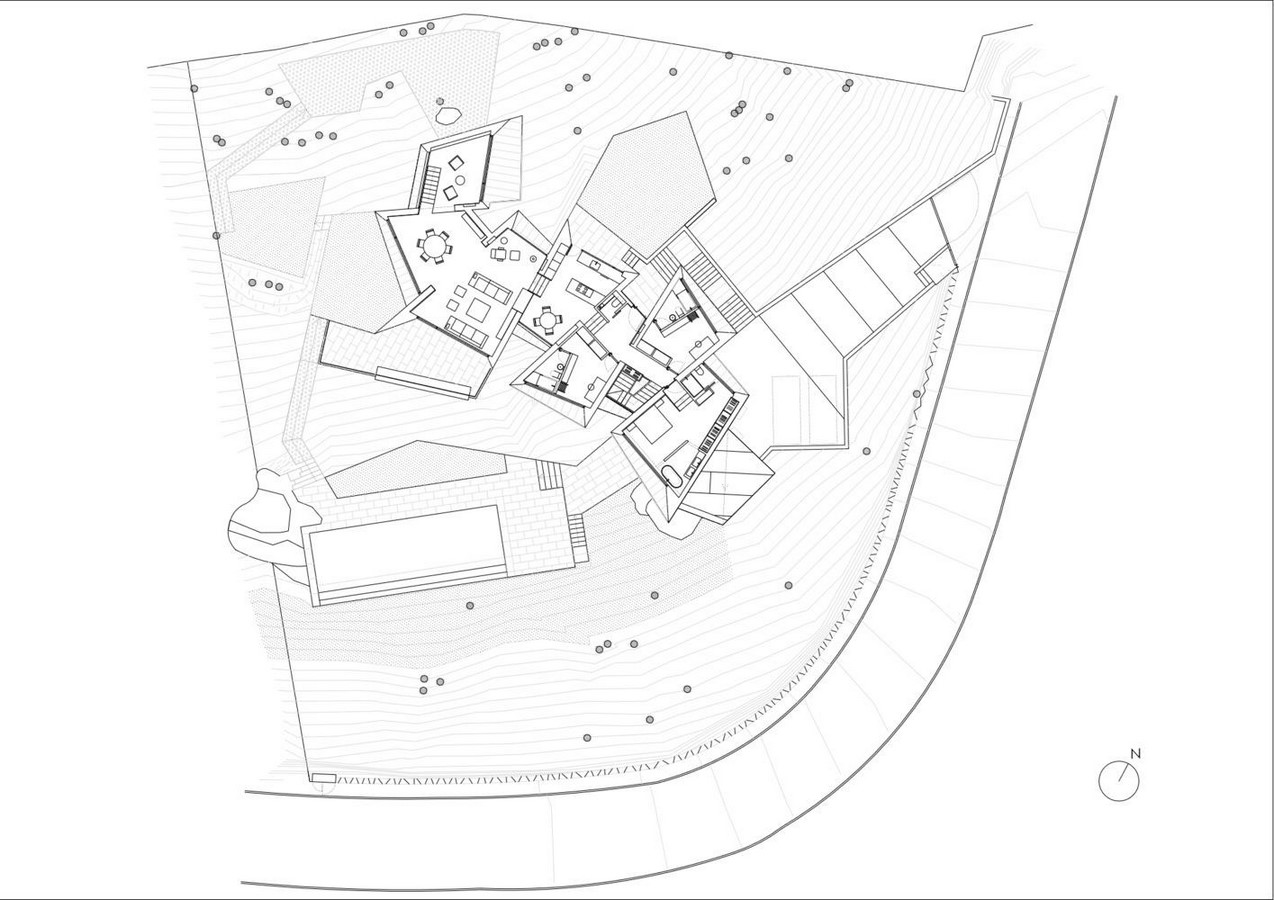
Without revealing the story, it is clear that the house is central to how the film conveys tension and intimacy. Long corridors, vast windows, and framed thresholds act almost as narrative devices, guiding how viewers interpret human interactions. For designers, the takeaway is profound: landscape design, circulation and spatial sequence are not neutral. They tell stories of their own.
One could imagine applying this to cultural projects, museums, or even homes – designing not only for function but also for emotion, memory, and rhythm.
What makes Casa Szoke particularly striking is its juxtaposition with the surrounding pine forest. The house’s sharp geometry and raw steel surfaces stand in stark contrast to the softness of nature. For architects, this dialogue is a reminder of site sensitivity. A design may assert itself boldly, but its success depends on how it converses with its environment. The lesson here is not mimicry, but contrast with awareness.
My Reflection
The Room Next Door demonstrates how architecture in film can go beyond backdrop and become integral to the storytelling. For designers, Casa Szoke offers lessons in material honesty, restraint in interiors, spatial narrative, and contextual dialogue with nature.
Personally, what stayed with me long after the film was not only its emotional weight, but the way the house was key to the storyline, and especially the transitions around the house at the elegiac epilogue. It reminded me that architecture, when thoughtfully executed, shapes the way we feel, remember, and even grieve. And in that, Almodóvar has given both cinephiles and architects a rare gift: a film where design is not silent, but eloquently executed.
Bibliography:
Aranguren & Gallegos Arquitectos. Casa Szoke.
ArchDaily. Szoke House / Aranguren&Gallegos Arquitectos. https://www.archdaily.com/982193/szoke-house-aranguren-and-gallegos-arquitectos
IMDb. The Room Next Door (2024).
Wallpaper. The Room Next Door: Pedro Almodóvar’s English-language debut.
Wallpaper. Brutalism in film: the beautiful house that forms the backdrop to The Room Next Door. https://www.wallpaper.com/art/the-room-next-door-brutalist-house